Why FLAC is the Best Format for Audiophiles
Introduction
As technology continues to advance, so too does the way in which we consume media. For music lovers, this means access to high-quality audio formats that deliver a listening experience unlike any other. In recent years, FLAC has emerged as the go-to format for audiophiles who demand the best possible sound quality. In this article, we’ll explore the history and characteristics of the lossless audio format FLAC, and explain why it’s the best choice for audiophiles.
What is FLAC?
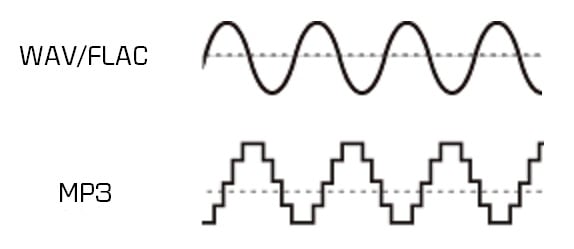
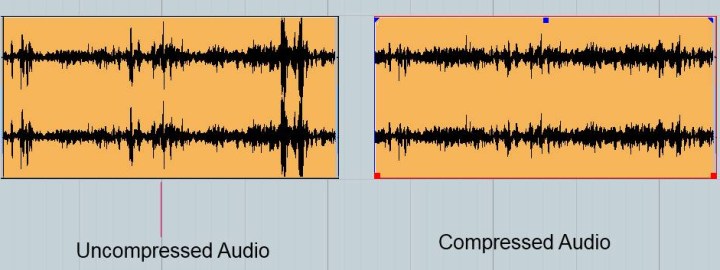
FLAC stands for Free Lossless Audio Codec, and as the name suggests, it’s a type of audio compression that doesn’t lose any data during the encoding process. This is in contrast to lossy audio formats like MP3, which use compression algorithms that discard some of the audio data in order to reduce the file size. FLAC files are typically about half the size of the original uncompressed audio file, but retain all of the audio data.
History of FLAC
FLAC was first introduced in 2000 by Josh Coalson, who was looking for a way to compress audio without losing any of the data. It quickly gained popularity among audiophiles who were tired of the limitations of lossy audio formats like MP3. Today, FLAC is widely used by music enthusiasts and professionals alike, and is supported by a wide range of software and hardware.
How FLAC Works
FLAC uses a process called linear prediction to compress audio data without losing any of the information. Essentially, this means that FLAC predicts what the next sample in the audio stream will be based on the previous samples, and then encodes the difference between the prediction and the actual sample. This allows FLAC to achieve a compression ratio of around 50%, while retaining all of the original audio data.
FLAC vs. Other Audio Formats
One of the key advantages of FLAC over other lossless audio formats is its wide compatibility. FLAC is supported by a wide range of software and hardware, including media players, smartphones, and streaming services. This makes it a convenient choice for audiophiles who want to listen to high-quality music on the go.
Another advantage of FLAC is its ability to support high-resolution audio. FLAC files can be encoded with a higher frequency of sampling, higher bit depth, and higher channel count than other lossless audio formats. This means that FLAC can reproduce the full range of sounds that were present in the original recording, even at very high volumes.
Technical Aspects of FLAC
FLAC supports a range of technical specifications that affect the quality of the audio. These include:
Sampling Frequency
Sampling frequency refers to the number of samples of audio taken per second, and is measured in Hertz (Hz). The higher the sampling frequency, the more accurate the audio reproduction. FLAC supports sampling frequencies up to 655,350 Hz, which is more than enough to capture even the most subtle nuances of the music.
Bit Depth
Bit depth refers to the number of bits used to represent each sample in the audio stream. The higher the bit depth, the more accurate the representation of the audio waveform. FLAC supports bit depths up to 32 bits, which allows for a high level of detail in the audio reproduction.
Channel Count
Channel count refers to the number of independent audio channels in the audio stream. FLAC supports up to 8 channels, which allows for a rich and immersive listening experience.
Audio Processing in FLAC
In addition to the technical aspects of FLAC, there are also a number of audio processing features that can affect the quality of the audio. These include:
Equalization
Equalization refers to the

adjustment of frequency response of an audio signal. In other words, it is the process of changing the balance between frequency components within an audio signal. Equalization can be used to enhance the overall sound quality of an audio file, making it more pleasing to the listener’s ear.
When it comes to FLAC, equalization can be used to enhance the sound quality of an audio file without compromising its lossless quality. This is because FLAC is capable of storing metadata about the file’s equalization, which can be used by software and hardware players to reproduce the file with the intended frequency balance.
Additionally, FLAC supports a wide range of equalization options, including graphic equalization, parametric equalization, and shelving filters. Each of these options allows users to fine-tune the frequency balance of the audio signal to their liking.
It is important to note, however, that equalization can also have a negative impact on the quality of an audio file if not used correctly. Overuse of equalization can result in distortion or a loss of detail in the audio signal. As such, it is important to use equalization in moderation and with a trained ear.
ReplayGain
ReplayGain is a technique used to normalize the volume of audio files. It is particularly useful when listening to a collection of audio files with varying loudness levels, as it ensures that each file is played at a consistent volume.
There are two types of ReplayGain: track gain and album gain. Track gain normalizes the volume of an individual audio file, while album gain normalizes the volume of an entire album. ReplayGain works by analyzing the volume of an audio file and applying gain adjustments to achieve a desired playback level.
FLAC supports ReplayGain metadata, which can be used by software and hardware players to automatically adjust the volume of audio files during playback. This means that users can listen to their FLAC collection without having to constantly adjust the volume between tracks.
Recommended Hardware
It is worth noting, however, that not all hardware and software players are created equal when it comes to FLAC playback. Some players may not support certain FLAC features, such as ReplayGain or equalization metadata, which can result in a loss of quality or functionality. As such, it is important to research and choose a player that supports all the features you require for optimal FLAC playback.
Obtaining FLAC Files
One of the main challenges with FLAC is obtaining audio files in this format. While FLAC is becoming more popular, it is still not as widely used as other formats such as MP3 or AAC.
There are a variety of sources for obtaining FLAC files, including music streaming services, online music stores, and community-driven FLAC repositories. When obtaining FLAC files, it is important to ensure that the files are encoded properly and are of high quality to ensure optimal playback.
Conclusion
In conclusion, FLAC is the best option for audiophiles who want the highest quality audio possible. Its lossless compression, support for high-resolution audio, and ability to store metadata about equalization and ReplayGain make it the ideal format for those who are serious about audio quality.
When using FLAC, it is important to understand the technical aspects of the format, including compression settings, frequency of sampling, and bit depth, to ensure optimal playback quality. Additionally, proper use of equalization and ReplayGain can further enhance the sound quality of FLAC files.
Finally, choosing the right software and hardware for playing FLAC files can make a big difference in the audio quality. Many media players, both hardware and software, support FLAC, but not all of them are created equal. Some may not have the necessary processing power or DAC to handle high-quality FLAC files, while others may not support all of the features of the format.
When it comes to hardware, audiophiles may want to consider investing in a high-quality DAC (digital-to-analog converter) to achieve the best possible audio quality. Some DACs even come with built-in support for FLAC playback and can be connected to a computer or mobile device to play FLAC files.
In conclusion, FLAC is the best audio format for audiophiles due to its lossless compression, high resolution, and support for advanced audio features like equalization and replay gain. While the files may be larger than other formats like MP3, the improved audio quality is worth it for those who value a pristine listening experience. By using the right software and hardware, listeners can enjoy the full benefits of the FLAC format and immerse themselves in their favorite music like never before.