MP3 Compression in Streaming Services: Challenges and Solutions
MP3 Compression in Streaming Services
Let’s talk about MP3 Compression in Streaming Services
As a specialist in audio technology, I understand the critical role that **MP3 compression** plays in the realm of **streaming services**. When you’re enjoying your favorite tunes on Spotify or watching videos on YouTube, **MP3 compression** quietly works behind the scenes to deliver seamless audio experiences. However, despite its ubiquity, **MP3 compression** is not without its challenges.
The Evolution of MP3 Compression
**MP3 compression** has come a long way since its inception in the 1990s. Initially, it revolutionized the way we consumed music, allowing us to store thousands of songs on portable devices. However, as **streaming services** gained popularity, the demands on **MP3 compression** evolved. Today, it must strike a delicate balance between **audio quality** and **bandwidth efficiency** to satisfy the discerning ears of modern listeners.
Challenges in Streaming with MP3 Compression
One of the primary challenges in **streaming services** is delivering high-quality audio while minimizing data consumption. **MP3 compression** faces the daunting task of reducing file sizes without sacrificing **audio fidelity**, often resulting in perceptible loss in **sound quality**. Additionally, the rise of high-definition audio formats further complicates the landscape, pushing **MP3 compression** to its limits.
To address these challenges, **streaming services** and **audio engineers** have developed innovative solutions. Advanced **compression algorithms** optimize **MP3 encoding**, preserving critical audio components while discarding redundant data. Moreover, **adaptive streaming** technologies dynamically adjust **bitrates** based on **network conditions**, ensuring a smooth listening experience regardless of internet speed fluctuations.
Looking ahead, the future of **MP3 compression** in **streaming services** appears promising. With ongoing advancements in **artificial intelligence** and **machine learning**, we can expect even greater efficiency and **audio quality** enhancements. Moreover, emerging audio formats like **AAC** and **Opus** pose exciting opportunities for **streaming platforms** to redefine the **audio streaming** landscape.
Latest words on MP3 Compression in Streaming Services
In conclusion, **MP3 compression** remains a cornerstone of modern **streaming services**, despite facing various challenges. By leveraging **innovative technologies** and **adaptive strategies**, **streaming platforms** continue to deliver exceptional **audio experiences** to millions of listeners worldwide. As we venture into the future, the journey of **MP3 compression** in **streaming** promises to be one of continuous evolution and improvement.
Comments:
This article provided valuable insights into the challenges of MP3 compression in streaming. I appreciate the detailed explanation of solutions and future trends.
– MusicFanatic123
I found this article very informative, but I wish there were more comparisons between MP3 compression and other audio formats.
– AudioEnthusiast456
As a casual listener, I didn’t realize the complexities involved in MP3 compression for streaming. Thanks for shedding light on this topic!
– StreamMaster2000
This article offered a comprehensive overview of MP3 compression challenges and solutions. I’m impressed by the depth of information provided.
– TechSavvyMusician
MP3 compression is a fascinating topic, and this article did an excellent job of explaining its importance in streaming services. Well done!
– AudioTechPro
I wish there were more real-world examples of how MP3 compression affects streaming quality. Nonetheless, this article was informative and well-written.
Streaming audio quality is an essential aspect of modern music streaming services. The quality of streaming audio can determine the overall listening experience of the listener. As an expert in the field, I will guide you through everything you need to know about streaming audio quality, including its significance, factors that affect it, and how to improve it.
The Significance of Streaming Audio Quality
Streaming audio quality is critical to the overall listening experience. The quality of the audio can determine how enjoyable the music is to listen to, how clear the sound is, and how much detail is present. Low-quality audio can result in distortion, background noise, and lack of clarity. On the other hand, high-quality audio can offer a rich and detailed sound, allowing listeners to appreciate the music to its fullest.
Factors Affecting Streaming Audio Quality
The quality of streaming audio can be affected by several factors, including:
Internet connection speed: A slow internet connection can result in buffering, low-quality audio, and even disconnection.
Device quality: The quality of the device used to stream the music can impact the overall quality of the audio.
Compression: The compression used during the streaming process can affect the quality of the audio.
Format: The format used for the audio can also affect the quality.
Speaker quality: The quality of the speakers or headphones used to listen to the music can also impact the overall quality of the audio.
How to Improve Streaming Audio Quality
Improving streaming audio quality can be done by taking the following steps:
Use a high-quality device: Using a high-quality device can improve the overall quality of the audio.
Upgrade your internet connection: Upgrading your internet connection speed can significantly improve the quality of the audio.
Choose the right format: Choosing the right audio format can also improve the overall quality of the audio.
Use high-quality speakers: Using high-quality speakers or headphones can further enhance the audio experience.
FAQ
Q1. What is the recommended internet speed for high-quality audio streaming?
The recommended internet speed for high-quality audio streaming is at least 320 kbps. This bitrate ensures that the audio is clear, detailed, and free from distortion. However, higher internet speeds are always better as they can reduce buffering and improve overall audio quality.
Q2. Does the audio format affect streaming audio quality?
Yes, the audio format can significantly impact the streaming audio quality. Lossless audio formats like FLAC and WAV offer the highest audio quality as they preserve all the details of the original recording. However, these formats are often larger in size and require more bandwidth to stream. Compressed audio formats like MP3 and AAC are smaller in size, making them easier to stream, but they often result in a loss of audio quality.
Q3. Does using high-quality headphones improve streaming audio quality?
Yes, using high-quality headphones or speakers can enhance the streaming audio quality. High-quality headphones can offer better sound isolation, resulting in clearer and more detailed audio.
Q4. Can streaming audio quality be affected by the music streaming service?
Yes, the music streaming service can affect the streaming audio quality. Some music streaming services use higher quality audio codecs than others, resulting in better audio quality. Additionally, some services offer higher quality audio as part of a premium subscription, while others only offer lower quality audio in their free service.
Q5. Can adjusting the audio settings on the streaming service improve audio quality?
Yes, adjusting the audio settings on the streaming service can improve audio quality. Some services offer audio quality settings that allow users to adjust the bitrate or audio codec used for streaming. Adjusting these settings can result in higher quality audio.
Q6. Can background noise affect streaming audio quality?
Yes, background noise can affect streaming audio quality, particularly in low-quality audio streams. Background noise can result in distortion, making it difficult to hear the details of the music. Using high-quality headphones or speakers with noise isolation features can help reduce the impact of background noise.
Q7. Does the quality of the recording impact streaming audio quality?
Yes, the quality of the original recording can impact streaming audio quality. A higher quality recording with more detail and clarity will result in better audio quality when streamed. However, even lower quality recordings can be improved with proper compression and audio codec selection.
Q8. Can streaming audio quality be affected by the device used to stream the music?
Yes, the device used to stream the music can affect streaming audio quality. Higher quality devices with better audio hardware and software will generally result in better audio quality. Additionally, using outdated or malfunctioning devices can result in audio quality issues.
Q9. Is it better to use a wired or wireless connection for streaming audio?
A wired connection is generally better for streaming audio as it offers more stable and reliable data transfer, resulting in fewer buffering issues and better audio quality. However, a high-quality wireless connection can also offer good audio quality, particularly if the internet speed is sufficient.
Q10. Can using a virtual private network (VPN) affect streaming audio quality?
Yes, using a VPN can affect streaming audio quality, particularly if the VPN connection is slow or unstable. A VPN can also add additional latency, resulting in audio synchronization issues. However, a high-quality VPN connection can offer good audio quality and added privacy and security.
Q11. What should I do if I experience poor streaming audio quality?
If you experience poor streaming audio quality, you can try the following steps:
Check your internet connection speed and upgrade if necessary.
Try using a different device or audio player to stream the music.
Adjust the audio quality settings on the streaming service if available.
Use high-quality headphones or speakers with noise isolation features.
Q12. Can streaming audio quality improve in the future?
Yes, streaming audio quality can improve in the future as technology advances. Higher internet speeds and more efficient audio codecs can result in higher quality audio streams. Additionally, music streaming services may offer higher quality audio as part of their standard service, rather than only in premium subscriptions.
Conclusion
Streaming audio quality is a crucial aspect of modern music streaming services. The quality of the audio can significantly impact the overall listening experience. Factors such as internet connection speed, device quality, compression, and format can affect streaming audio quality. However, by using high-quality devices, upgrading internet connections, choosing the right audio format, and using high quality headphones or speakers, users can improve their streaming audio experience. It is also important to note that music streaming services can offer different audio codecs and quality settings, which can impact the overall audio quality. As technology advances, streaming audio quality is likely to continue to improve, offering even better listening experiences.
FAQ
What is the best audio format for streaming?
The best audio format for streaming depends on a variety of factors, including the device used for streaming, internet connection speed, and personal preference. However, commonly used audio formats for streaming include AAC, MP3, and Ogg Vorbis.
Can streaming audio quality be affected by the location of the user?
Yes, the location of the user can affect streaming audio quality. Users in areas with poor internet connectivity or high internet traffic may experience buffering issues and reduced audio quality.
Can using a high-quality audio cable improve streaming audio quality?
Using a high-quality audio cable can improve streaming audio quality, particularly for wired connections. A higher quality cable can offer better shielding, resulting in reduced noise and distortion.
What is the recommended internet connection speed for streaming high-quality audio?
The recommended internet connection speed for streaming high-quality audio varies depending on the quality of the audio stream. However, a minimum internet speed of 1.5 Mbps is recommended for streaming low-quality audio, while 5-10 Mbps is recommended for streaming high-quality audio.
Can streaming audio quality be affected by the browser used for streaming?
Yes, the browser used for streaming can affect streaming audio quality, particularly if the browser has compatibility issues with the streaming service. Using a browser recommended by the streaming service can help ensure optimal streaming audio quality.
Does streaming audio quality impact data usage?
Yes, streaming audio quality can impact data usage. Higher quality audio streams use more data than lower quality streams, which can result in increased data usage. Users can adjust the audio quality settings on the streaming service to reduce data usage if necessary.
Can using a streaming service from a different country affect audio quality?
Using a streaming service from a different country can affect audio quality, particularly if the streaming service uses different audio codecs or quality settings than those used in the user’s country. However, this is not always the case and may depend on the specific streaming service used.
What should I do if I experience audio syncing issues while streaming?
If you experience audio syncing issues while streaming, you can try the following steps:
Pause and restart the audio stream.
Adjust the audio quality settings on the streaming service if available.
Ensure that your internet connection is stable and fast enough for the audio stream.
Use a wired connection rather than a wireless connection if possible.
Can the type of device used for streaming affect audio quality?
Yes, the type of device used for streaming can affect audio quality. Different devices may have different audio hardware and software, which can impact the quality of the audio output. Additionally, using headphones or speakers that are not designed for high-quality audio can also impact the overall audio quality.
What is the difference between lossy and lossless audio compression?
Lossy audio compression reduces the size of audio files by permanently discarding some of the original data. This can result in a loss of audio quality, particularly with higher levels of compression. Lossless audio compression, on the other hand, reduces the size of audio files without permanently discarding any data, resulting in no loss of audio quality.
Can streaming audio quality be affected by the number of users on the streaming service?
Yes, streaming audio quality can be affected by the number of users on the streaming service, particularly if the service is experiencing high levels of traffic. This can result in buffering issues and reduced audio quality.
What is the difference between streaming audio and downloading audio?
Streaming audio involves listening to audio files in real-time over an internet connection, while downloading audio involves downloading audio files to a device for later listening. Streaming audio does not require the user to store the audio files on their device, but may require a stable and fast internet connection for optimal audio quality.
Can the audio quality of a streaming service vary between different songs or albums?
Yes, the audio quality of a streaming service can vary between different songs or albums, particularly if the songs or albums were uploaded to the service at different times. Additionally, different songs or albums may have been mastered differently, resulting in differences in audio quality.
What is the impact of audio quality on music production and mastering?
Audio quality is a crucial aspect of music production and mastering, as it can impact the overall sound of the final product. High-quality audio recording and mastering techniques can result in a clearer, more detailed sound, while poor recording and mastering can result in a muddled or distorted sound.
Can the audio quality of a streaming service be improved with a software or hardware upgrade?
In some cases, the audio quality of a streaming service can be improved with a software or hardware upgrade. Upgrading to a higher quality audio playback software or using a dital-to-gianalog converter (DAC) can improve the overall audio quality of the streaming service. However, it is important to note that the quality of the original audio files also plays a significant role in the overall audio quality.
What is the impact of streaming audio quality on live streaming events?
Streaming audio quality can have a significant impact on the overall experience of live streaming events, particularly for events that involve music or other types of audio. Poor audio quality can detract from the overall experience and make it difficult for viewers to fully engage with the content.
Can streaming audio quality impact the user’s perception of a streaming service?
Yes, streaming audio quality can impact the user’s perception of a streaming service. Poor audio quality can lead to frustration and dissatisfaction with the service, while high-quality audio can enhance the overall user experience and increase satisfaction.
What is the future of streaming audio quality?
As technology continues to advance, it is likely that streaming audio quality will continue to improve. This may involve the use of new audio codecs, improved internet connectivity, and advancements in audio hardware and software. Ultimately, the future of streaming audio quality will depend on a variety of factors, including technological advancements, user demand, and the overall direction of the streaming industry
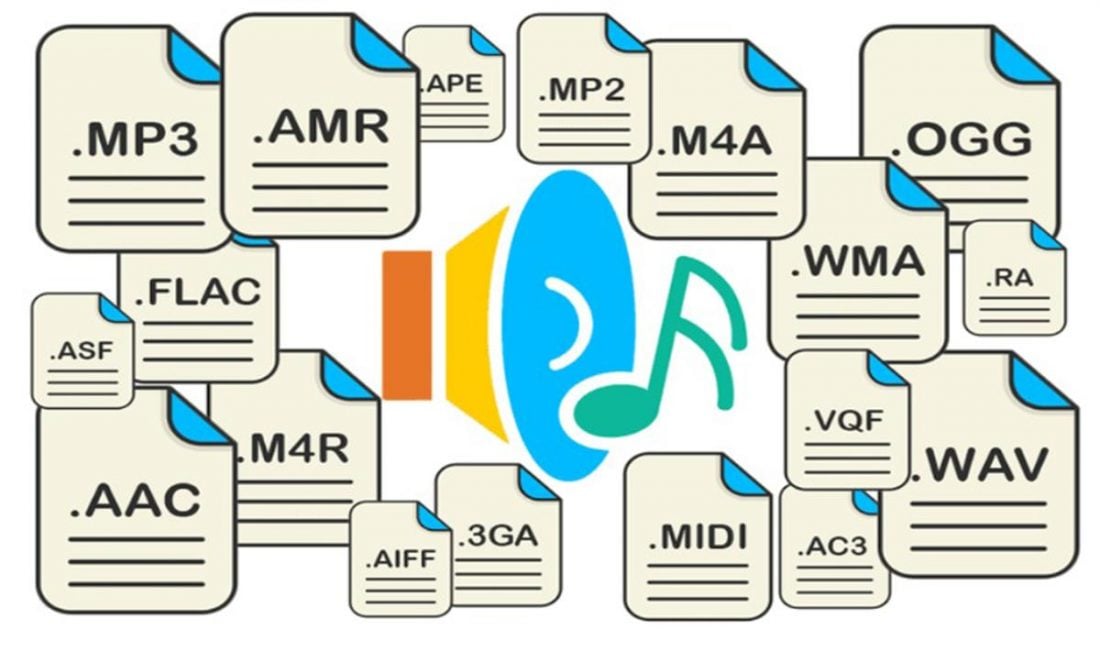
Understanding the Differences between FLAC, MP3, M4A, OGG, and WAV Audio Formats
Understanding the Differences between FLAC, MP3, M4A, OGG, and WAV Audio Formats
When it comes to digital audio, there are a plethora of different file formats to choose from. Each format has its own set of advantages and disadvantages, making it important to understand the differences between them in order to choose the best option for your needs. In this article, we will take a closer look at five popular audio formats: FLAC, MP3, M4A, OGG, and WAV.
Understanding the Differences between FLAC, MP3, M4A, OGG, and WAV Audio Formats
FLAC
FLAC, or Free Lossless Audio Codec, is a popular open-source format that is known for its lossless compression. This means that, unlike some other formats, FLAC does not lose any audio quality during the compression process. This makes FLAC a great option for audiophiles who want the highest quality audio possible. However, FLAC files are typically larger than other formats, which can be an issue for those with limited storage space.
MP3
MP3, or MPEG Audio Layer III, is one of the most widely used audio formats. It uses a lossy compression method, which means that some audio quality is lost during the compression process. However, MP3 files are significantly smaller than FLAC files, making them a great option for those who want to store a large amount of music on their device. Additionally, the MP3 format is supported by a wide range of devices and software, making it a very convenient option.
M4A
M4A, or MPEG-4 Audio, is a file format that is commonly used for music and other audio files. It is similar to MP3 in that it uses a lossy compression method, but M4A files are typically smaller than MP3 files. Additionally, M4A files can contain advanced features such as chapters and artwork, making them a great option for audiobooks and other spoken-word content. However, it is important to note that not all devices and software support M4A files.
OGG
OGG, or Ogg Vorbis, is a free and open-source format that is similar to MP3 and M4A. It uses a lossy compression method and is known for providing a good balance of audio quality and file size. OGG files are typically smaller than FLAC files but larger than MP3 and M4A files. Additionally, OGG files can contain advanced features such as tags and chapters, making them a great option for audiobooks and other spoken-word content. However, it is important to note that not all devices and software support OGG files.
WAV
WAV, or Waveform Audio File Format, is a popular format that is known for its high audio quality. It is a lossless format, which means that no audio quality is lost during the compression process. However, WAV files are typically larger than other formats, making them an option for those who want the highest quality audio possible but have limited storage space. Additionally, WAV files are supported by a wide range of devices and software, making them a convenient option.
Why are there so many video and audio formats, and is there a difference?
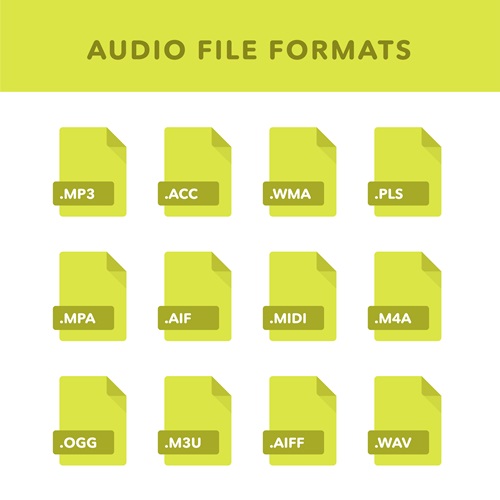
Audio File Formats
I found that there are many video and audio formats, what is the difference between them? Is there a player that supports most audio and video playback formats?
Audio File Formats
The difference lies in the encoding method. Original video and audio require a lot of storage space. In the era when the storage device was still in MB as a large drive, various lossy compression encoding formats began to appear. The difference between various encoding formats is the compression ratio. The pros and cons of height and reduction ratio.
Basically, there are more advanced encodings that can provide high-quality audio and video effects with higher compression ratio.
1. Format
MP3 MP3 uses MPEG Audio Layer 3 technology to compress music into a file with a smaller capacity at a compression ratio of 1:10 or even 1:12. Files are compressed to a smaller size. But also very good at keeping the original sound quality. It is precisely because of the small size and high sound quality of MP3 that the MP3 format has become almost synonymous with online music. The music per minute MP3 format is only 1 MB in size, so the size of each song is only 3-4 megabytes.
Supplement: the highest bit rate is 320K, and there is no high frequency part is its default. The sound quality is not high!
2. Format
WMA WMA achieves a higher compression ratio by reducing data traffic while maintaining sound quality. The compression rate can generally reach 1:18, and the generated file size is only half of the corresponding MP3 file. This is very important for models that only assemble 32M. It supports both WMA and RA formats, which means that the 32M space is virtually expanded by 2 times. In addition, WMA can also add copy prevention through the DRM scheme, or add restrictions on playback time and number of playbacks, or even restrictions on playback machines, which can effectively prevent piracy.
Supplement: 128 kbps is the optimal compression ratio of wma, 128 kbps wma = 192 kbps mp3






Comments:
This article provided valuable insights into the challenges of MP3 compression in streaming. I appreciate the detailed explanation of solutions and future trends.
– MusicFanatic123
I found this article very informative, but I wish there were more comparisons between MP3 compression and other audio formats.
– AudioEnthusiast456
As a casual listener, I didn’t realize the complexities involved in MP3 compression for streaming. Thanks for shedding light on this topic!
– StreamMaster2000
This article offered a comprehensive overview of MP3 compression challenges and solutions. I’m impressed by the depth of information provided.
– TechSavvyMusician
MP3 compression is a fascinating topic, and this article did an excellent job of explaining its importance in streaming services. Well done!
– AudioTechPro
I wish there were more real-world examples of how MP3 compression affects streaming quality. Nonetheless, this article was informative and well-written.
– SoundEnthusiast789