The Art of File Encoding


Free Download Mp4Gain
picture

The Art of File Encoding

File Encoding
File Encoding
File Encoding
File Encoding

Why is file encoding important for digital media?

When it comes to digital media, file encoding plays a crucial role in ensuring optimal playback, compatibility, and quality. File encoding refers to the process of converting audio or video data into a specific format using compression algorithms. It involves various technical aspects that directly impact the file size, bitrate, resolution, and overall performance of the media.

One of the primary reasons why file encoding is essential is efficient storage. By utilizing advanced compression techniques, the size of the media file can be significantly reduced without sacrificing quality. This is particularly crucial in scenarios where storage space is limited, such as when transferring files between devices or uploading them to the internet.

Compression algorithms for file encoding

When it comes to file encoding, compression algorithms play a vital role in achieving optimal results. These algorithms, such as MPEG, H.264, or VP9, utilize various techniques to reduce file size while minimizing quality loss. By removing redundant or less important information from the media data, compression algorithms enable efficient storage and transmission.

Each compression algorithm comes with its own set of advantages and trade-offs. For instance, H.264 is widely used for video encoding due to its excellent balance between file size and quality. On the other hand, VP9 offers better compression efficiency but requires more processing power to decode. Understanding the characteristics of different compression algorithms is essential in choosing the most suitable one for specific use cases.

The role of bitrate in file encoding

Bitrate is another crucial aspect of file encoding that affects both file size and quality. It represents the amount of data processed per unit of time and is typically measured in kilobits per second (kbps) or megabits per second (Mbps). The bitrate directly influences the level of detail and smoothness in audio or video playback.

When encoding a file, selecting an appropriate bitrate is essential to strike a balance between quality and file size. Higher bitrates result in better quality but also larger file sizes, which may not be desirable in scenarios where bandwidth or storage space is limited. On the other hand, lower bitrates can lead to compression artifacts or loss of detail.

How does file encoding impact multimedia streaming?

Multimedia streaming has become increasingly popular in recent years, and file encoding plays a critical role in delivering smooth and uninterrupted playback experiences. Streaming platforms rely on efficient file encoding techniques to transmit media content over the internet while minimizing buffering and ensuring optimal quality.

One of the key considerations in multimedia streaming is adaptive streaming. This technique dynamically adjusts the quality and bitrate of the media based on the viewer’s internet connection speed and device capabilities. By using multiple encoded versions of the same media at different quality levels, adaptive streaming ensures smooth playback regardless of the viewer’s network conditions.

Optimizing file encoding for streaming

When encoding files for streaming, several factors need to be considered to optimize the streaming experience. Segmentation is one such factor where the media file is divided into smaller segments for efficient transmission and playback. These segments can be independently requested and buffered, reducing the time it takes to start playback and allowing for seamless switching between quality levels in adaptive streaming scenarios.

Another crucial consideration is the choice of streaming protocol. Protocols such as HTTP Live Streaming (HLS) or Dynamic Adaptive Streaming over HTTP (DASH) have gained popularity for their ability to adapt to changing network conditions and ensure uninterrupted playback. These protocols work in conjunction with efficient file encoding to deliver a seamless streaming experience across various devices and network environments.

Final Words

File encoding is an intricate art that encompasses various technical aspects to optimize digital media for storage, playback, and streaming. The choice of compression algorithms, bitrates, and streaming techniques significantly impacts the quality, file size, and compatibility of the media. By understanding the intricacies of file encoding, you can ensure that your digital media is efficiently encoded for optimal performance and a seamless viewing experience.



Free Download Mp4Gain
picture


Mp4Gain Main Window
picture


Mp4Gain Features
picture


Free Download Mp4Gain
picture

What is the Role of the Vorbis Codec in OGG Files?

What is the Role of the Vorbis Codec in OGG Files?

OGG Files
OGG Files
OGG Files
OGG Files

Understanding the OGG File Format

As a music enthusiast, I have always been interested in the different audio file formats available. One of the formats that I have come across is the OGG file format, which is a container format for digital multimedia content. OGG files can contain audio, video, and metadata, and are often used for streaming media over the internet.
One of the key features of the OGG file format is its use of open-source codecs, such as the Vorbis codec. The Vorbis codec is a free and open-source audio compression codec that was developed by the Xiph.Org Foundation. It is designed to provide high-quality audio at lower bitrates than other codecs, such as MP3.

The Role of the Vorbis Codec in OGG Files

The Vorbis codec plays a crucial role in the OGG file format, as it is responsible for compressing the audio data in the file. This compression allows for smaller file sizes, which makes it easier to stream and share media over the internet.
One of the advantages of the Vorbis codec is its ability to provide high-quality audio at lower bitrates than other codecs. This is achieved through a process called perceptual audio coding, which takes advantage of the human ear’s limited ability to perceive certain sounds.

Final Words

In conclusion, the Vorbis codec plays a vital role in the OGG file format, as it is responsible for compressing the audio data in the file. This compression allows for smaller file sizes and higher quality audio at lower bitrates. As an open-source codec, Vorbis is a popular choice for those who value free and open-source software. If you are looking for a high-quality audio codec for your media files, then the Vorbis codec is definitely worth considering.
Vorbis codec, OGG files, role of Vorbis codec, audio compression, OGG file format, Vorbis vs MP3, open-source codecs, audio quality, Xiph.Org Foundation, perceptual audio coding, streaming media, internet, digital multimedia content, smaller file sizes, free and open-source software, high-quality audio.

Video File Formats: Everything You Need to Know

Video File Formats: Everything You Need to Know

Video File Formats
Video File Formats
Video File Formats
Video File Formats

Introduction

In the world of digital media, video file formats are an essential component of video production, storage, and distribution. Video file formats are used to compress and encode video data, allowing it to be stored and transmitted efficiently without losing quality.

There are many different video file formats available, each with its own advantages and disadvantages. In this article, we will explore some of the most common video file formats, their features, and their best use cases.

Types of Video File Formats

There are two main categories of video file formats: compressed and uncompressed. Compressed video file formats use various compression techniques to reduce the size of the video file, while uncompressed video file formats store the video data without compression.

Compressed Video File Formats

Here are some of the most commonly used compressed video file formats:

1. MPEG-4

MPEG-4 is a widely used video file format that is known for its high compression rate and ability to deliver high-quality video content. It is commonly used for streaming video content over the internet, as well as for mobile devices and video conferencing.

2. H.264

H.264 is a popular video file format that is known for its high compression rate and ability to deliver high-quality video content. It is commonly used for streaming video content over the internet, as well as for Blu-ray discs, HD DVD, and digital television.

3. AVI

AVI (Audio Video Interleave) is a popular video file format that was introduced by Microsoft in 1992. It is widely supported by most media players and is commonly used for storing video content on personal computers.

4. WMV

WMV (Windows Media Video) is a video file format developed by Microsoft. It is commonly used for streaming video content over the internet and for storing video content on personal computers.

Uncompressed Video File Formats

Here are some of the most commonly used uncompressed video file formats:

1. AVCHD

AVCHD (Advanced Video Coding High Definition) is a high-definition video file format that is commonly used for recording and storing high-quality video content. It is widely used by professional videographers and is compatible with most high-definition televisions.

2. RAW

RAW is an uncompressed video file format that is commonly used by professional videographers and filmmakers. It stores the raw data captured by the camera, allowing for maximum flexibility in post-production.

3. ProRes

ProRes is an uncompressed video file format developed by Apple. It is widely used in the film and television industry and is known for its ability to store high-quality video content without compression.

Choosing the Right Video File Format

Choosing the right video file format depends on the intended use of the video content. Here are some factors to consider when choosing a video file format:

  • The intended distribution method (e.g., streaming, physical media)
  • The required video quality
  • The amount of storage space available
  • The desired level of video compression
  • The compatibility with the intended playback device or software

Conclusion

Video file formats are a crucial aspect of video production and distribution. Choosing the right video file format can impact the quality, size, and compatibility of the video content. By understanding the different video file formats available and their best use cases, video producers can ensure that their content reaches the widest possible audience while maintaining its quality.

While there are many video file formats available, some of the most popular ones include MP4, AVI, MOV, and WMV. Each of these formats has its strengths and weaknesses, and it’s essential to understand their differences to choose the right one for your project.

MP4 is a widely used video file format that is compatible with most devices and platforms, making it an excellent choice for online video distribution. MP4 files are typically small in size, making them easy to upload and download, and they can contain high-quality video and audio.

AVI is an older video file format that was popular in the early days of digital video. While it’s less common today, AVI files can still be useful in certain situations. AVI files tend to be large, making them less suitable for online video distribution. However, they can contain high-quality video and are compatible with most video editing software.

MOV is a video file format developed by Apple for use on its devices and platforms. MOV files are typically high-quality and can contain multiple audio and video tracks, making them an excellent choice for video editing. However, MOV files can be large in size, and they may not be compatible with all devices and platforms.

WMV is a video file format developed by Microsoft for use on its devices and platforms. Like MOV files, WMV files can contain multiple audio and video tracks, making them an excellent choice for video editing. However, WMV files tend to be larger in size, and they may not be compatible with all devices and platforms.

When choosing a video file format, it’s also essential to consider the intended use of the video content. For example, if you’re creating a video for use on social media, you’ll want to choose a format that is compatible with the platform’s requirements. If you’re creating a video for use in a presentation, you’ll want to choose a format that is compatible with the presentation software you’ll be using.

In conclusion, video file formats play a critical role in video production and distribution. By understanding the different formats available and their best use cases, video producers can ensure that their content reaches the widest possible audience while maintaining its quality. Whether you’re creating a video for online distribution or a corporate presentation, choosing the right video file format can make all the difference in the success of your project.

Understanding the Differences between FLAC, MP3, M4A, OGG, and WAV Audio Formats

Understanding the Differences between FLAC, MP3, M4A, OGG, and WAV Audio Formats

Understanding the Differences between FLAC, MP3, M4A, OGG, and WAV Audio Formats


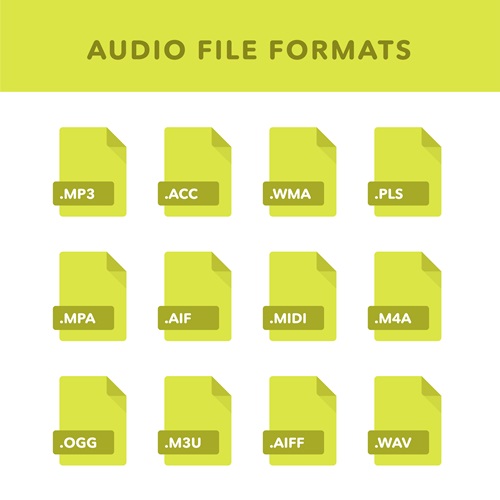
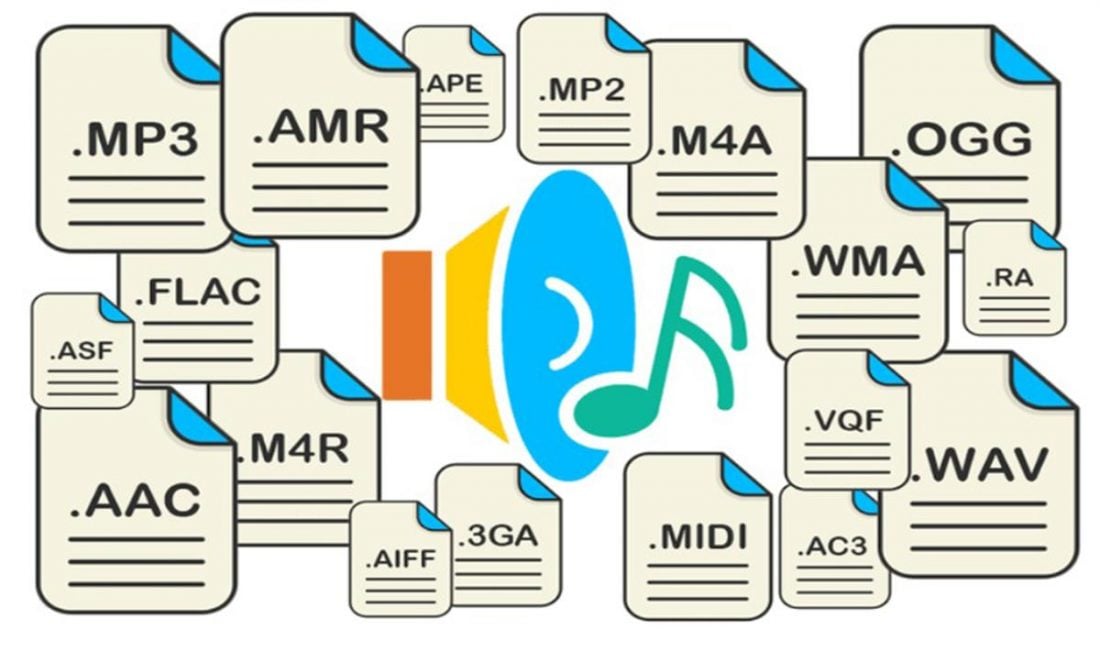
When it comes to digital audio, there are a plethora of different file formats to choose from. Each format has its own set of advantages and disadvantages, making it important to understand the differences between them in order to choose the best option for your needs. In this article, we will take a closer look at five popular audio formats: FLAC, MP3, M4A, OGG, and WAV.

Understanding the Differences between FLAC, MP3, M4A, OGG, and WAV Audio Formats

FLAC

FLAC, or Free Lossless Audio Codec, is a popular open-source format that is known for its lossless compression. This means that, unlike some other formats, FLAC does not lose any audio quality during the compression process. This makes FLAC a great option for audiophiles who want the highest quality audio possible. However, FLAC files are typically larger than other formats, which can be an issue for those with limited storage space.

MP3

MP3, or MPEG Audio Layer III, is one of the most widely used audio formats. It uses a lossy compression method, which means that some audio quality is lost during the compression process. However, MP3 files are significantly smaller than FLAC files, making them a great option for those who want to store a large amount of music on their device. Additionally, the MP3 format is supported by a wide range of devices and software, making it a very convenient option.

M4A

M4A, or MPEG-4 Audio, is a file format that is commonly used for music and other audio files. It is similar to MP3 in that it uses a lossy compression method, but M4A files are typically smaller than MP3 files. Additionally, M4A files can contain advanced features such as chapters and artwork, making them a great option for audiobooks and other spoken-word content. However, it is important to note that not all devices and software support M4A files.

OGG

OGG, or Ogg Vorbis, is a free and open-source format that is similar to MP3 and M4A. It uses a lossy compression method and is known for providing a good balance of audio quality and file size. OGG files are typically smaller than FLAC files but larger than MP3 and M4A files. Additionally, OGG files can contain advanced features such as tags and chapters, making them a great option for audiobooks and other spoken-word content. However, it is important to note that not all devices and software support OGG files.

WAV

WAV, or Waveform Audio File Format, is a popular format that is known for its high audio quality. It is a lossless format, which means that no audio quality is lost during the compression process. However, WAV files are typically larger than other formats, making them an option for those who want the highest quality audio possible but have limited storage space. Additionally, WAV files are supported by a wide range of devices and software, making them a convenient option.