Understanding the Differences between FLAC, MP3, M4A, OGG, and WAV Audio Formats


Free Download Mp4Gain
picture

Understanding the Differences between FLAC, MP3, M4A, OGG, and WAV Audio Formats
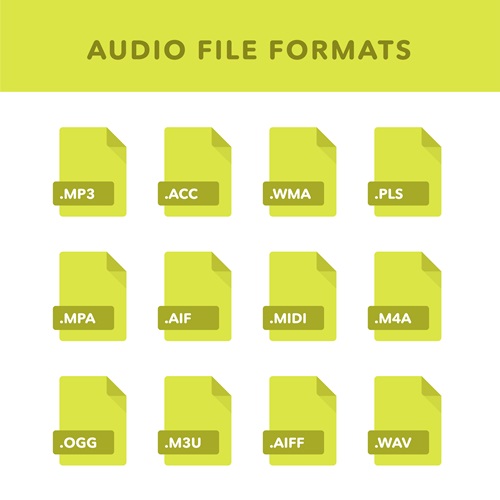
Understanding the Differences between FLAC, MP3, M4A, OGG, and WAV Audio Formats


When it comes to digital audio, there are a plethora of different file formats to choose from. Each format has its own set of advantages and disadvantages, making it important to understand the differences between them in order to choose the best option for your needs. In this article, we will take a closer look at five popular audio formats: FLAC, MP3, M4A, OGG, and WAV.
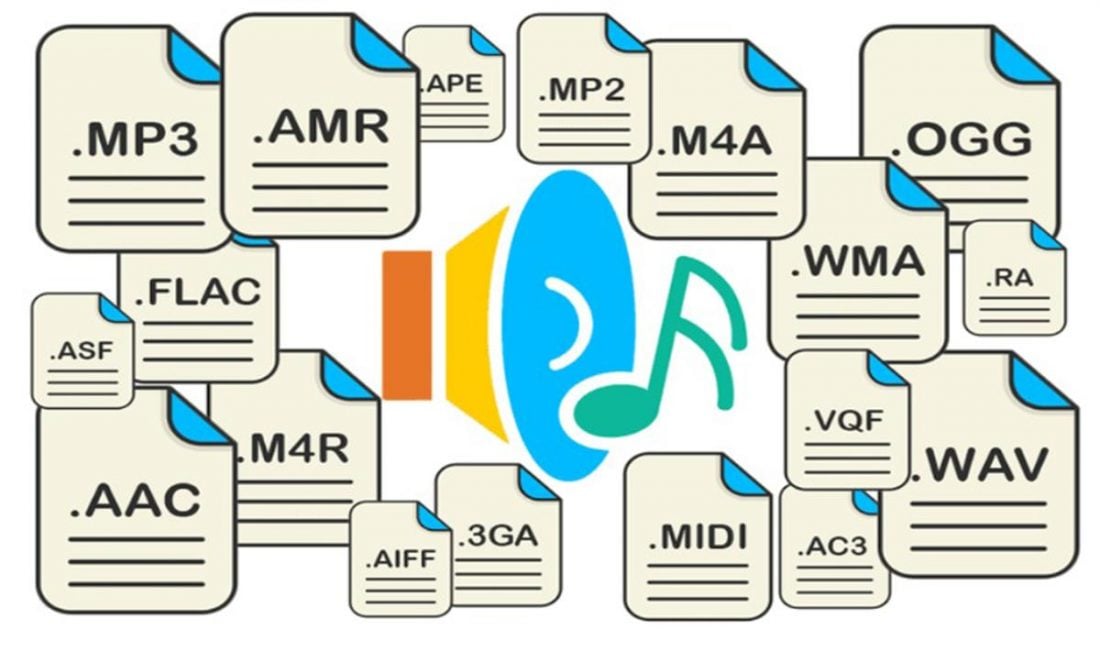
Understanding the Differences between FLAC, MP3, M4A, OGG, and WAV Audio Formats

FLAC

FLAC, or Free Lossless Audio Codec, is a popular open-source format that is known for its lossless compression. This means that, unlike some other formats, FLAC does not lose any audio quality during the compression process. This makes FLAC a great option for audiophiles who want the highest quality audio possible. However, FLAC files are typically larger than other formats, which can be an issue for those with limited storage space.

MP3

MP3, or MPEG Audio Layer III, is one of the most widely used audio formats. It uses a lossy compression method, which means that some audio quality is lost during the compression process. However, MP3 files are significantly smaller than FLAC files, making them a great option for those who want to store a large amount of music on their device. Additionally, the MP3 format is supported by a wide range of devices and software, making it a very convenient option.

M4A

M4A, or MPEG-4 Audio, is a file format that is commonly used for music and other audio files. It is similar to MP3 in that it uses a lossy compression method, but M4A files are typically smaller than MP3 files. Additionally, M4A files can contain advanced features such as chapters and artwork, making them a great option for audiobooks and other spoken-word content. However, it is important to note that not all devices and software support M4A files.

OGG

OGG, or Ogg Vorbis, is a free and open-source format that is similar to MP3 and M4A. It uses a lossy compression method and is known for providing a good balance of audio quality and file size. OGG files are typically smaller than FLAC files but larger than MP3 and M4A files. Additionally, OGG files can contain advanced features such as tags and chapters, making them a great option for audiobooks and other spoken-word content. However, it is important to note that not all devices and software support OGG files.

WAV

WAV, or Waveform Audio File Format, is a popular format that is known for its high audio quality. It is a lossless format, which means that no audio quality is lost during the compression process. However, WAV files are typically larger than other formats, making them an option for those who want the highest quality audio possible but have limited storage space. Additionally, WAV files are supported by a wide range of devices and software, making them a convenient option.


Free Download Mp4Gain
picture


Mp4Gain Main Window
picture


Mp4Gain Features
picture


Free Download Mp4Gain
picture

different audio formats

different audio formats

Many times people ask themselves what makes one format different from another and the answer is quite simple because the difference is how the data is stored and how this data is reproduced.


What does an audio file contain? You could say what it contains is an encoding that shows the voltage of the audio which makes it play shows the level of signal a channel has.

Types of audio formats

You could say that in general terms there are three types of audio formats. First of all we have uncompressed formats such as WAV For example.

Secondly, we could talk about formats without loss of quality such as flac and other well-known ones.

Thirdly we will find the formats that have loss of quality. That is to say that to compress they use some method where they discard information for being redundant or for being outside the Auditory Range of the human being among these formats the best known and important is the MP3

Then once understanding what there are three different types of audio formats. The first one, as we mentioned, is about pcm formats such as the WAV type where there is no compression and for example recording a minute of silence occupies more or less the same space as recording a minute of music.

A second type as we have already said is one that uses a compression algorithm that among other things discards silence and redundancy to compress and save space. But without losing information, we know that quality is not lost. The latter is very easy to understand, if the information contained in the file is the same Then there is no loss and therefore the quality is the same as the files without compression with the advantage that here you save at least half of the space.

And as we noted earlier, the third type of audio formats is one in which information is discarded which may be, for example, redundant information or that which is considered to be outside the auditory field of the human ear and therefore it is assumed that It would mean a noticeable loss of quality. However, there are frequencies that we do not hear but if we feel them especially the serious frequencies and this can be understood by anyone who goes to a danceable place. And it will make us that the dance floor not only listens to the bass and the percussions but also feels and that if we remove this information we feel we would be losing quality. There is a lot of information that is lost in the MP3s, for example, which manage to have a very good sound but if we get very demanding without attacking that there is a loss of quality that can become noticeable for people who have a hearing training or a very good ear.

As a summary we will say that today we have a large number of available formats according to our needs and preferences. There is a program called mp4gain which manages to normalize the most popular files of the three types and can also do other things How to modify the Pitch without affecting the speed or on the contrary modify the speed without affecting the Pitch. Which is very interesting. It also offers the possibility of equalizing, which still achieves a greater resemblance between all the files so that the difference is less noticeable when finishing a song and starting the next one.