The Art of File Encoding


Free Download Mp4Gain
picture

The Art of File Encoding

File Encoding
File Encoding
File Encoding
File Encoding

Why is file encoding important for digital media?

When it comes to digital media, file encoding plays a crucial role in ensuring optimal playback, compatibility, and quality. File encoding refers to the process of converting audio or video data into a specific format using compression algorithms. It involves various technical aspects that directly impact the file size, bitrate, resolution, and overall performance of the media.

One of the primary reasons why file encoding is essential is efficient storage. By utilizing advanced compression techniques, the size of the media file can be significantly reduced without sacrificing quality. This is particularly crucial in scenarios where storage space is limited, such as when transferring files between devices or uploading them to the internet.

Compression algorithms for file encoding

When it comes to file encoding, compression algorithms play a vital role in achieving optimal results. These algorithms, such as MPEG, H.264, or VP9, utilize various techniques to reduce file size while minimizing quality loss. By removing redundant or less important information from the media data, compression algorithms enable efficient storage and transmission.

Each compression algorithm comes with its own set of advantages and trade-offs. For instance, H.264 is widely used for video encoding due to its excellent balance between file size and quality. On the other hand, VP9 offers better compression efficiency but requires more processing power to decode. Understanding the characteristics of different compression algorithms is essential in choosing the most suitable one for specific use cases.

The role of bitrate in file encoding

Bitrate is another crucial aspect of file encoding that affects both file size and quality. It represents the amount of data processed per unit of time and is typically measured in kilobits per second (kbps) or megabits per second (Mbps). The bitrate directly influences the level of detail and smoothness in audio or video playback.

When encoding a file, selecting an appropriate bitrate is essential to strike a balance between quality and file size. Higher bitrates result in better quality but also larger file sizes, which may not be desirable in scenarios where bandwidth or storage space is limited. On the other hand, lower bitrates can lead to compression artifacts or loss of detail.

How does file encoding impact multimedia streaming?

Multimedia streaming has become increasingly popular in recent years, and file encoding plays a critical role in delivering smooth and uninterrupted playback experiences. Streaming platforms rely on efficient file encoding techniques to transmit media content over the internet while minimizing buffering and ensuring optimal quality.

One of the key considerations in multimedia streaming is adaptive streaming. This technique dynamically adjusts the quality and bitrate of the media based on the viewer’s internet connection speed and device capabilities. By using multiple encoded versions of the same media at different quality levels, adaptive streaming ensures smooth playback regardless of the viewer’s network conditions.

Optimizing file encoding for streaming

When encoding files for streaming, several factors need to be considered to optimize the streaming experience. Segmentation is one such factor where the media file is divided into smaller segments for efficient transmission and playback. These segments can be independently requested and buffered, reducing the time it takes to start playback and allowing for seamless switching between quality levels in adaptive streaming scenarios.

Another crucial consideration is the choice of streaming protocol. Protocols such as HTTP Live Streaming (HLS) or Dynamic Adaptive Streaming over HTTP (DASH) have gained popularity for their ability to adapt to changing network conditions and ensure uninterrupted playback. These protocols work in conjunction with efficient file encoding to deliver a seamless streaming experience across various devices and network environments.

Final Words

File encoding is an intricate art that encompasses various technical aspects to optimize digital media for storage, playback, and streaming. The choice of compression algorithms, bitrates, and streaming techniques significantly impacts the quality, file size, and compatibility of the media. By understanding the intricacies of file encoding, you can ensure that your digital media is efficiently encoded for optimal performance and a seamless viewing experience.


Free Download Mp4Gain
picture


Mp4Gain Main Window
picture


Mp4Gain Features
picture


Free Download Mp4Gain
picture

The Science of Audio Encoding: Technical Aspects

The Science of Audio Encoding: Technical Aspects

The Science of Audio Encoding

Audio encoding is the process of converting analog sound into digital data. This data can then be stored or transmitted in a variety of formats, such as WAV, MP3, or AAC.

There are two main types of audio encoding: lossless and lossy. Lossless encoding preserves all of the original sound data, resulting in high-quality audio but large file sizes. Lossy encoding removes some of the original sound data, resulting in smaller file sizes but lower sound quality.

The process of audio encoding can be divided into three main steps: sampling, quantization, and compression.

Sampling

The first step in audio encoding is sampling. In this step, the analog sound signal is converted into a series of discrete values. The number of times per second that the sound signal is sampled is called the sample rate. Higher sample rates result in more accurate representations of the original sound signal, but they also result in larger file sizes.

Quantization

The second step in audio encoding is quantization. In this step, each sample value is rounded to the nearest integer value. The number of bits used to represent each sample value is called the bit depth. Higher bit depths result in more accurate representations of the original sound signal, but they also result in larger file sizes.

Compression

The third and final step in audio encoding is compression. In this step, the digital audio data is compressed to reduce its file size. There are a number of different compression algorithms that can be used, each with its own advantages and disadvantages.

The most common compression algorithms for audio encoding are:

  • MP3: MP3 is a lossy compression algorithm that is widely used for storing and transferring audio files. MP3 files are typically much smaller than WAV files, while still providing good sound quality.
  • AAC: AAC is another lossy compression algorithm that offers better sound quality than MP3. AAC files are typically slightly larger than MP3 files, but they offer a noticeable improvement in sound quality.
  • FLAC: FLAC is a lossless compression algorithm that offers similar sound quality to WAV, but with much smaller file sizes. FLAC files are a good choice for people who want the best possible sound quality without sacrificing file size.

Final Words

Audio encoding is a complex process that involves converting analog sound into digital data. The quality of the audio that is encoded can be affected by a number of factors, including the sample rate, bit depth, and compression of the audio file.

If you are looking for the best possible sound quality, you should use a lossless audio format such as WAV or FLAC. However, if you need to store or transfer audio files over a network, you should use a lossy audio format such as MP3 or AAC.

Mp3 Huffman Encoding

Mp3 Huffman Encoding

Huffman Encoding
Huffman Encoding
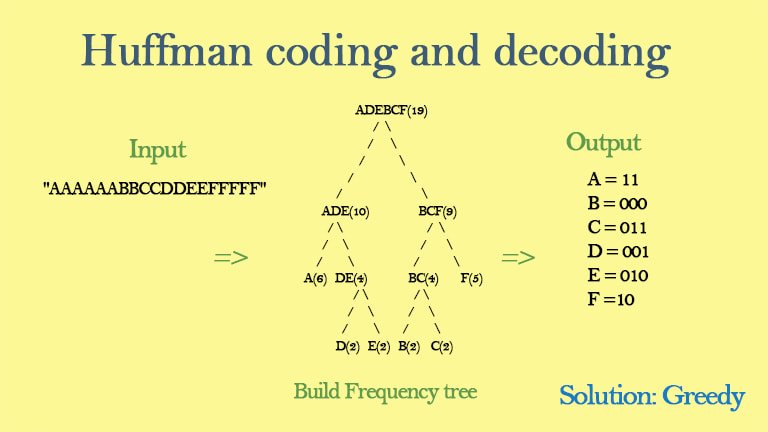
Huffman coding
Huffman coding

Introduction to Mp3 Huffman Encoding

Are you an audiophile who loves listening to music but is always running out of storage space on your devices? Do you ever wonder how digital audio files are compressed to save space? If you’re curious about the technology behind digital audio compression, you’ve probably heard of MP3 and Huffman encoding.

MP3 is a popular digital audio format that has revolutionized the way we listen to and store music. It allows us to compress large audio files into smaller, more manageable sizes without compromising on sound quality. Huffman encoding, on the other hand, is a data compression algorithm that reduces the size of data by encoding it in a more efficient way.

But what happens when these two technologies come together? In this article, we’ll explore the magic of MP3 Huffman encoding and how it has transformed the digital audio landscape.

What is MP3 Huffman Encoding?

MP3 Huffman encoding is a type of lossy audio compression that uses a combination of two compression algorithms – MP3 and Huffman encoding. This technology was first introduced in the mid-1990s and quickly became the standard for digital audio compression.

The MP3 compression algorithm is based on psychoacoustic principles, which means that it takes advantage of the limitations of human hearing to remove any redundant or irrelevant data from an audio file. This allows MP3 to achieve high compression ratios without sacrificing sound quality.

Huffman encoding, on the other hand, is a more general-purpose compression algorithm that is used to compress any type of data, not just audio. It works by analyzing the frequency of occurrence of each data element and then assigning a variable-length code to each element. This variable-length code allows more frequently occurring data elements to be represented by shorter codes, reducing the overall size of the data.

When MP3 and Huffman encoding are combined, the result is a highly efficient audio compression algorithm that can compress audio files to a fraction of their original size while maintaining near-CD quality sound.

How Does MP3 Huffman Encoding Work?

MP3 Huffman encoding works by first breaking down an audio file into a series of individual frames. Each frame represents a small portion of the audio, typically around 26 milliseconds in length. These frames are then processed using the MP3 compression algorithm to remove any redundant or irrelevant data.

Once the frames have been compressed using MP3, they are further compressed using Huffman encoding. Huffman encoding works by creating a Huffman tree, which is a binary tree that is used to assign variable-length codes to each data element.

The Huffman tree is created by analyzing the frequency of occurrence of each data element in the compressed audio frames. More frequently occurring data elements are assigned shorter codes, while less frequently occurring elements are assigned longer codes. This allows the compressed audio frames to be represented using fewer bits, reducing the overall size of the audio file.

When the audio file is played back, the MP3 Huffman decoder uses the Huffman tree to decode the variable-length codes back into their original data elements. The resulting audio is almost identical to the original uncompressed audio, but with a much smaller file size.

The Benefits of MP3 Huffman Encoding

MP3 Huffman encoding has several benefits over other audio compression technologies:

    • High compression ratios: MP3 Huffman encoding can compress audio files to a fraction of their original size without sacrificing sound quality.
    • Near-CD quality sound: The psychoacoustic principles used in MP3 compression ensure that the resulting audio is almost identical to the original uncompressed audio.

How MP3 Huffman Encoding Revolutionized Digital Audio

The introduction of MP3 Huffman encoding revolutionized the way we listen to and store music. Before this technology, digital audio files were large and cumbersome, making them difficult to store and share. MP3 Huffman encoding allowed us to compress these files into smaller, more manageable sizes, making it easier to store and share music online.

With the rise of the internet and digital music, MP3 Huffman encoding became the de facto standard for digital audio compression. This technology allowed music lovers to store thousands of songs on their devices, opening up a whole new world of possibilities for music consumption.

Today, MP3 Huffman encoding is still widely used, although newer technologies like AAC and OGG have emerged as potential successors. However, MP3 remains one of the most popular digital audio formats, and its influence can be seen in the way we consume and enjoy music today.

Frequently Asked Questions

What is the difference between MP3 and MP3 Huffman encoding?

MP3 is a digital audio format that uses psychoacoustic principles to compress audio files. MP3 Huffman encoding is a combination of the MP3 compression algorithm and Huffman encoding, which allows for even greater compression ratios while maintaining high sound quality.

Is MP3 Huffman encoding lossless or lossy?

MP3 Huffman encoding is a type of lossy audio compression. This means that some information is lost during the compression process, resulting in a smaller file size. However, the resulting audio is almost identical to the original uncompressed audio.

Can MP3 Huffman encoding be used for other types of data compression?

Yes, Huffman encoding is a general-purpose data compression algorithm that can be used to compress any type of data, not just audio. However, the combination of MP3 and Huffman encoding is specifically optimized for audio compression.

Conclusion

MP3 Huffman encoding is a powerful technology that has revolutionized the digital audio landscape. By combining the MP3 compression algorithm with Huffman encoding, we can compress large audio files into smaller, more manageable sizes without sacrificing sound quality.

This technology has opened up a whole new world of possibilities for music lovers, allowing us to store and share thousands of songs on our devices. Although newer technologies may emerge in the future, MP3 Huffman encoding will always be remembered as a groundbreaking innovation that changed the way we listen to and store music.