Mp3 Huffman Encoding

Introduction to Mp3 Huffman Encoding
Are you an audiophile who loves listening to music but is always running out of storage space on your devices? Do you ever wonder how digital audio files are compressed to save space? If you’re curious about the technology behind digital audio compression, you’ve probably heard of MP3 and Huffman encoding.
MP3 is a popular digital audio format that has revolutionized the way we listen to and store music. It allows us to compress large audio files into smaller, more manageable sizes without compromising on sound quality. Huffman encoding, on the other hand, is a data compression algorithm that reduces the size of data by encoding it in a more efficient way.
But what happens when these two technologies come together? In this article, we’ll explore the magic of MP3 Huffman encoding and how it has transformed the digital audio landscape.
What is MP3 Huffman Encoding?
MP3 Huffman encoding is a type of lossy audio compression that uses a combination of two compression algorithms – MP3 and Huffman encoding. This technology was first introduced in the mid-1990s and quickly became the standard for digital audio compression.
The MP3 compression algorithm is based on psychoacoustic principles, which means that it takes advantage of the limitations of human hearing to remove any redundant or irrelevant data from an audio file. This allows MP3 to achieve high compression ratios without sacrificing sound quality.
Huffman encoding, on the other hand, is a more general-purpose compression algorithm that is used to compress any type of data, not just audio. It works by analyzing the frequency of occurrence of each data element and then assigning a variable-length code to each element. This variable-length code allows more frequently occurring data elements to be represented by shorter codes, reducing the overall size of the data.
When MP3 and Huffman encoding are combined, the result is a highly efficient audio compression algorithm that can compress audio files to a fraction of their original size while maintaining near-CD quality sound.
How Does MP3 Huffman Encoding Work?
MP3 Huffman encoding works by first breaking down an audio file into a series of individual frames. Each frame represents a small portion of the audio, typically around 26 milliseconds in length. These frames are then processed using the MP3 compression algorithm to remove any redundant or irrelevant data.
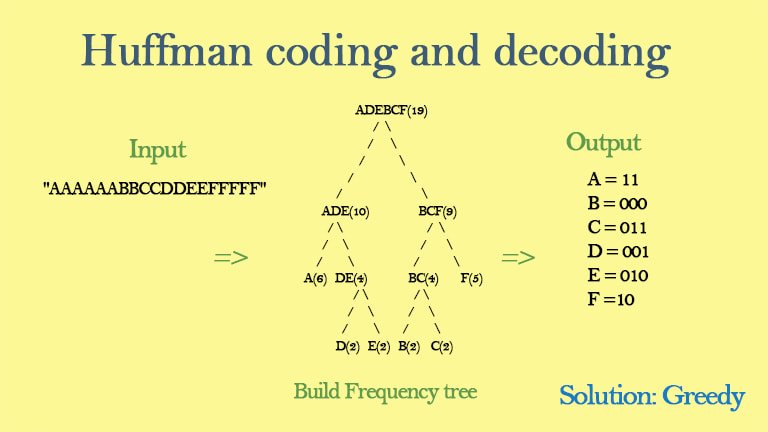
Once the frames have been compressed using MP3, they are further compressed using Huffman encoding. Huffman encoding works by creating a Huffman tree, which is a binary tree that is used to assign variable-length codes to each data element.
The Huffman tree is created by analyzing the frequency of occurrence of each data element in the compressed audio frames. More frequently occurring data elements are assigned shorter codes, while less frequently occurring elements are assigned longer codes. This allows the compressed audio frames to be represented using fewer bits, reducing the overall size of the audio file.
When the audio file is played back, the MP3 Huffman decoder uses the Huffman tree to decode the variable-length codes back into their original data elements. The resulting audio is almost identical to the original uncompressed audio, but with a much smaller file size.
The Benefits of MP3 Huffman Encoding
MP3 Huffman encoding has several benefits over other audio compression technologies:
-
- High compression ratios: MP3 Huffman encoding can compress audio files to a fraction of their original size without sacrificing sound quality.
- Near-CD quality sound: The psychoacoustic principles used in MP3 compression ensure that the resulting audio is almost identical to the original uncompressed audio.
How MP3 Huffman Encoding Revolutionized Digital Audio
The introduction of MP3 Huffman encoding revolutionized the way we listen to and store music. Before this technology, digital audio files were large and cumbersome, making them difficult to store and share. MP3 Huffman encoding allowed us to compress these files into smaller, more manageable sizes, making it easier to store and share music online.
With the rise of the internet and digital music, MP3 Huffman encoding became the de facto standard for digital audio compression. This technology allowed music lovers to store thousands of songs on their devices, opening up a whole new world of possibilities for music consumption.
Today, MP3 Huffman encoding is still widely used, although newer technologies like AAC and OGG have emerged as potential successors. However, MP3 remains one of the most popular digital audio formats, and its influence can be seen in the way we consume and enjoy music today.
Frequently Asked Questions
What is the difference between MP3 and MP3 Huffman encoding?
MP3 is a digital audio format that uses psychoacoustic principles to compress audio files. MP3 Huffman encoding is a combination of the MP3 compression algorithm and Huffman encoding, which allows for even greater compression ratios while maintaining high sound quality.
Is MP3 Huffman encoding lossless or lossy?
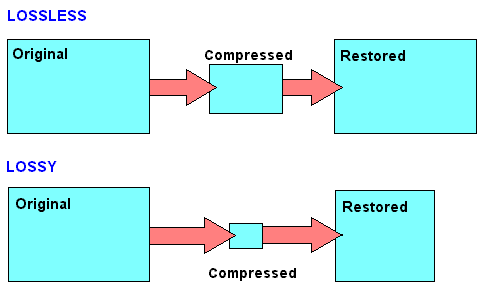
MP3 Huffman encoding is a type of lossy audio compression. This means that some information is lost during the compression process, resulting in a smaller file size. However, the resulting audio is almost identical to the original uncompressed audio.
Can MP3 Huffman encoding be used for other types of data compression?
Yes, Huffman encoding is a general-purpose data compression algorithm that can be used to compress any type of data, not just audio. However, the combination of MP3 and Huffman encoding is specifically optimized for audio compression.
Conclusion
MP3 Huffman encoding is a powerful technology that has revolutionized the digital audio landscape. By combining the MP3 compression algorithm with Huffman encoding, we can compress large audio files into smaller, more manageable sizes without sacrificing sound quality.
This technology has opened up a whole new world of possibilities for music lovers, allowing us to store and share thousands of songs on our devices. Although newer technologies may emerge in the future, MP3 Huffman encoding will always be remembered as a groundbreaking innovation that changed the way we listen to and store music.