Huffman Coding in MP3 Compression


Free Download Mp4Gain
picture

Huffman Coding in MP3 Compression

Huffman Coding in MP3 Compression

Let’s talk about Huffman Coding in MP3 Compression

Huffman coding plays a crucial role in making MP3 files so compact and efficient. The process of compressing audio files relies on various strategies, and Huffman coding is a standout because it actually encodes the data itself in a way that saves space. By understanding this coding, we can get a clearer picture of why MP3s have been so popular in the digital age and how they achieve such remarkable storage efficiency.

What is Huffman Coding?

Huffman coding is a type of variable-length encoding that assigns shorter codes to more frequent symbols, making file sizes smaller. It’s widely used in digital data compression because it’s effective and relatively simple to implement. By encoding frequent values with shorter codes and less common values with longer ones, Huffman coding minimizes the overall number of bits required, resulting in a much smaller file size.

Why Huffman Coding is Used in MP3 Compression

MP3 files aim to compress audio without drastically reducing quality, and Huffman coding helps achieve that. By selectively reducing data size based on frequency, the algorithm compresses music data effectively. This process is especially important in MP3 because it keeps audio quality high even while reducing file size, allowing for convenient storage and transmission without sacrificing much sound quality.

How Huffman Coding Works in MP3 Compression

The Process of Creating Huffman Trees

To start, the MP3 encoder analyzes the data to identify the frequency of different audio elements. Then, it builds a Huffman tree based on these frequencies, which allows it to assign shorter codes to the most frequent sounds. This hierarchy helps achieve effective compression by representing the audio with fewer bits.

Assigning Codes to Audio Data

Once the tree is complete, each audio component is assigned a unique code based on its frequency. Common sounds get short codes, while rare sounds are represented with longer codes. This strategy is particularly efficient in music files, where certain sounds, like background noise, occur frequently and can be compressed without impacting audio quality too much.

Encoding and Decoding in Huffman Compression

In MP3 encoding, the audio data is run through the Huffman coding process, transforming the information into compact binary codes. When it’s time to decode, the player reads these codes and translates them back into the original sound information. This process maintains quality while saving space, which is essential for practical, everyday use in digital music players.

The Role of Psychoacoustics in MP3 Compression

Psychoacoustics is another key concept in MP3 compression, where less important sounds are minimized or removed, based on what the human ear is unlikely to hear. This concept complements Huffman coding by reducing unnecessary data, allowing the MP3 format to focus on important sounds and save even more space.

Masking Effects

  • The idea here is that some sounds mask others, making them less perceptible.
  • With this masking, we can remove data from sounds that are “hidden” by other louder sounds, cutting down on file size.
  • Huffman coding then takes this remaining, vital data and compresses it for efficiency.

Bit Allocation and Huffman Coding

Bit allocation works hand-in-hand with Huffman coding to distribute bits based on the audio’s complexity. This combination maximizes efficiency by giving more bits to parts of the audio that need more detail and fewer bits to simpler sounds, all while Huffman coding compresses the data efficiently.

Managing Bitrate in MP3 Files

Bitrate, measured in kbps, reflects the data rate used to encode the MP3. Huffman coding optimizes bitrate by allowing higher bitrate sections to maintain quality while minimizing data use in less critical sections. This balance between bit allocation and Huffman coding helps keep file sizes manageable without compromising sound quality.

Variable Bitrate (VBR) vs. Constant Bitrate (CBR)

  • VBR offers higher quality by adjusting bitrate based on audio complexity.
  • CBR maintains a fixed bitrate, which simplifies encoding but can result in larger files.
  • Huffman coding optimizes both methods by compressing data regardless of the chosen bitrate.

Examples of Huffman Coding in Real Life

Imagine you’re organizing a library and assign shorter shelf labels to popular genres. Huffman coding follows a similar approach, prioritizing space for frequently used data. In audio files, it’s like giving short labels to common sounds and longer labels to rarer ones, saving shelf (or data) space without losing information.

Challenges and Limitations of Huffman Coding

While Huffman coding is effective, it has limitations. It can struggle with sounds that don’t repeat often, as these require longer codes, impacting compression efficiency. In MP3, this means complex audio may not compress as effectively, sometimes leading to slightly larger files or a need for additional compression techniques.

When Huffman Coding Isn’t Enough

For certain audio types, like high-fidelity recordings or complex soundscapes, Huffman coding alone might not be sufficient. Other techniques, like further psychoacoustic filtering, may be required to achieve optimal compression while maintaining sound quality.

Advancements in Audio Compression Beyond Huffman Coding

Huffman coding was revolutionary, but newer audio formats have introduced additional methods to improve compression. Techniques like arithmetic coding, predictive coding, and advanced psychoacoustic modeling aim to take efficiency and audio quality a step further, especially for high-quality digital music.

Huffman Coding vs Other Compression Techniques

Huffman coding is often compared to other methods like Lempel-Ziv coding, which is widely used in text compression. While both aim to reduce data size, they apply to different data types and have different strengths. Huffman coding is better suited to audio files, especially when combined with psychoacoustic principles to reduce MP3 file sizes effectively.

How to Optimize MP3 Files with Huffman Coding

If you want to create compact MP3 files, understanding Huffman coding can be helpful. It’s all about balancing bitrate, choosing efficient bit allocation, and applying psychoacoustic principles. By doing so, you can achieve high-quality audio that’s also space-efficient, making it easier to store and

FAQ: Huffman Coding in MP3 Compression

What is Huffman coding in MP3 compression?

Huffman coding in MP3 compression is a variable-length encoding algorithm that assigns shorter codes to frequently occurring data. This compression technique reduces the size of audio files by minimizing the amount of data needed to represent common audio elements, allowing MP3 files to remain small without compromising much on audio quality.

Why is Huffman coding used in MP3 files?

Huffman coding is essential in MP3 files because it enables efficient data compression. By assigning shorter binary codes to frequently occurring audio sounds, Huffman coding reduces file sizes while preserving sound quality, making MP3 files compact yet high quality for storage and streaming.

How does Huffman coding work in MP3 compression?

Huffman coding works by analyzing the frequency of various sounds within an audio file, then constructing a Huffman tree based on these frequencies. Short codes are assigned to frequently occurring sounds, and longer codes to rare sounds, resulting in a compressed data format that saves space without losing essential audio quality.

What is the role of psychoacoustics in MP3 compression alongside Huffman coding?

Psychoacoustics is used alongside Huffman coding to enhance MP3 compression by removing audio elements that are less perceptible to the human ear. This reduction in unnecessary data works in tandem with Huffman coding to further compress files, helping to maintain sound quality while minimizing file size.

What are the advantages of using Huffman coding in MP3 files?

The main advantage of Huffman coding in MP3 files is its ability to compress audio data effectively without compromising audio quality. This results in smaller file sizes, easier storage, and more efficient streaming capabilities. Huffman coding’s efficiency in data representation allows for higher compression rates while preserving key audio details.

Can Huffman coding alone ensure high audio quality in MP3 files?

Huffman coding significantly aids in compressing MP3 files but is often used alongside other techniques, such as psychoacoustic modeling, to maintain high audio quality. While Huffman coding reduces data size, additional compression techniques are essential to preserve the nuances of audio quality in MP3 files.

How does Huffman coding compare to other compression methods?

Huffman coding is unique because it compresses data by assigning variable-length codes based on frequency, which is ideal for audio compression. Other methods, like Lempel-Ziv coding, are more suited for text data. Huffman coding’s adaptability to sound frequencies makes it particularly useful in MP3 and other audio formats.

What are the limitations of Huffman coding in MP3 compression?

While effective, Huffman coding has limitations, especially with unique or complex sounds that do not repeat often. Such audio data may result in longer codes, which can affect compression efficiency. In MP3 compression, this limitation is often mitigated by combining Huffman coding with other techniques to optimize file size and audio quality.

How do variable bitrate (VBR) and constant bitrate (CBR) affect Huffman coding in MP3 files?

Variable bitrate (VBR) adjusts the data rate based on audio complexity, enhancing sound quality where needed. Constant bitrate (CBR) maintains a steady rate. Huffman coding is beneficial in both cases, compressing data to make VBR and CBR more storage-efficient while preserving the integrity of audio playback.

Is Huffman coding still relevant for modern audio formats?

Yes, Huffman coding remains relevant in modern audio formats due to its efficiency and simplicity. Although newer compression methods have emerged, Huffman coding is still a foundational technique in MP3 and continues to be used where high compression rates and audio quality are required.

MP3 compression, enabling high-quality audio in a small package. Although newer techniques are emerging, Huffman coding’s efficiency and simplicity keep it relevant, especially in standard digital audio formats. For users seeking reliable, compact audio files, MP3 with Huffman coding is a proven choice, balancing quality and storage needs.

Comments:

I didn’t realize Huffman coding was such a big deal in MP3s! Now I get why they’re so small but still sound decent.

Wow, really interesting stuff! I thought all compression was the same. Makes me appreciate my music library a bit more now.

I’m curious – are there any other audio formats that use different coding? Maybe something better than Huffman?

Very useful information! Been wondering what actually goes on when I save music as MP3. Thanks for explaining it so clearly.

Always heard about psychoacoustics and stuff but never got it. Thanks to this article, it makes a bit more sense now.

Wish there was more info on other compression types, though. Huffman’s cool, but what about FLAC and others?

This was really helpful! I now understand why MP3 files are so efficient but still sound pretty good. Keep it up!

Interesting read. Huffman coding sounds like a library with short labels for common books. Nice analogy!

Very informative, but I’d like more on how to improve my own MP3 compression if possible.

It’s wild how much goes into compressing a song. I’ll definitely appreciate my MP3s more!

Great breakdown of a complex topic. I feel smarter already!

Can’t believe there’s so much to MP3 compression. Never thought I’d be reading up on Huffman coding!

I wish all articles were this in-depth.

Not just scratching the surface!

Thanks for the details! I always wondered what makes MP3 files so easy to share.

This article is awesome! I get what Huffman coding does and how it makes MP3s small. Keep these coming!


Free Download Mp4Gain
picture


Mp4Gain Main Window
picture


Mp4Gain Features
picture


Free Download Mp4Gain
picture

MP3: Hybrid Transform Coding and Transform Domain Filtering

MP3: Hybrid Transform Coding and Transform Domain Filtering

MP3: Hybrid Transform Coding and Transform Domain Filtering

Introduction

MP3 is a popular digital audio format that uses a variety of techniques to compress audio data. One of the most important techniques used in MP3 is hybrid transform coding. Hybrid transform coding is a combination of two different transform coding techniques: the Discrete Cosine Transform (DCT) and the Modified Discrete Cosine Transform (MDCT).

Discrete Cosine Transform (DCT)

The DCT is a lossless transform coding technique. This means that the original audio data can be perfectly reconstructed from the compressed data. The DCT works by converting the audio data from the time domain to the frequency domain. In the frequency domain, the audio data is represented by a series of coefficients. These coefficients represent the amplitude and frequency of the different frequencies that make up the audio signal.

Modified Discrete Cosine Transform (MDCT)

The MDCT is a lossy transform coding technique. This means that the original audio data cannot be perfectly reconstructed from the compressed data. The MDCT works by dividing the audio signal into smaller time windows. The DCT is then applied to each time window. This results in a series of coefficients for each time window. These coefficients are then compressed using a variety of techniques, such as Huffman coding.

Hybrid Transform Coding

Hybrid transform coding combines the DCT and MDCT to achieve a high compression ratio while maintaining good audio quality. The DCT is used to compress the audio data in the frequency domain. The MDCT is used to divide the audio signal into smaller time windows. This allows the DCT to be applied to each time window without introducing any artifacts.

Benefits of Hybrid Transform Coding

Hybrid transform coding has several benefits, including:

  • High compression ratio: Hybrid transform coding can achieve a high compression ratio without sacrificing audio quality.
  • Good audio quality: Hybrid transform coding can maintain good audio quality even at high compression ratios.
  • Efficient: Hybrid transform coding is an efficient method of compressing audio data.

Drawbacks of Hybrid Transform Coding

Hybrid transform coding has a few drawbacks, including:

  • Lossy compression: Hybrid transform coding is a lossy compression technique. This means that the original audio data cannot be perfectly reconstructed from the compressed data.
  • Complexity: Hybrid transform coding is a complex algorithm. This can make it difficult to implement and use.

Conclusion

Hybrid transform coding is a powerful technique for compressing audio data. It is used in a variety of applications, including MP3. Hybrid transform coding has several benefits, including high compression ratio, good audio quality, and efficiency. However, it is also a lossy compression technique and can be complex to implement.

Frequently Asked Questions

What are the different types of transform coding?

There are two main types of transform coding: lossless and lossy. Lossless transform coding techniques can perfectly reconstruct the original audio data from the compressed data. Lossy transform coding techniques cannot perfectly reconstruct the original audio data from the compressed data.

What is the difference between the DCT and the MDCT?

The DCT is a lossless transform coding technique, while the MDCT is a lossy transform coding technique. The DCT works by converting the audio data from the time domain to the frequency domain. The MDCT works by dividing the audio signal into smaller time windows and then applying the DCT to each time window.

What are some of the other applications of hybrid transform coding?

Hybrid transform coding is used in a variety of applications, including:

  • Audio compression: Hybrid transform coding is used in a variety of audio compression formats, including MP3, AAC, and WMA.
  • Video compression: Hybrid transform coding is used in a variety of video compression formats, including MPEG-2, MPEG-4, and H.264.
  • Speech recognition: Hybrid transform coding is used in speech recognition systems to convert audio signals into text.

MP3: Error Detection and Error Concealment Methods

MP3: Error Detection and Error Concealment Methods

MP3: Error Detection and Error Concealment Methods


Introduction

MP3 is a popular digital audio format that uses a variety of techniques to compress audio data. One of the most important techniques used in MP3 is error detection and error concealment. Error detection is used to identify errors that have occurred in the audio data, and error concealment is used to try to recover from these errors.

Error Detection

Error detection is used to identify errors that have occurred in the audio data. This is done by adding a checksum to the audio data. The checksum is a value that is calculated from the audio data, and it is used to verify that the data has not been corrupted. If the checksum does not match, then an error has occurred.

Error Concealment

Error concealment is used to try to recover from errors that have occurred in the audio data. This is done by using the surrounding audio data to estimate what the corrupted data should be. There are a variety of different error concealment methods, and the best method to use depends on the type of error that has occurred.

Common Errors

There are a variety of different errors that can occur in audio data. Some of the most common errors include:

  • Bit errors: These errors occur when a single bit in the audio data is flipped.
  • Block errors: These errors occur when a whole block of audio data is corrupted.
  • Packet loss: This occurs when a packet of data is lost during transmission.

Error Concealment Methods

There are a variety of different error concealment methods. Some of the most common methods include:

  • Zero insertion: This method inserts a zero value in place of the corrupted data.
  • Interpolation: This method uses the surrounding audio data to estimate what the corrupted data should be.
  • Error diffusion: This method spreads the error over a number of samples.

Conclusion

Error detection and error concealment are important techniques that are used in MP3 to improve the quality of the audio data. Error detection helps to identify errors that have occurred, and error concealment helps to recover from these errors.

Frequently Asked Questions

What are the benefits of using error detection and error concealment?

Error detection and error concealment can improve the quality of the audio data by reducing the number of errors that are audible. This is especially important for streaming audio, where errors can occur during transmission.

What are the drawbacks of using error detection and error concealment?

Error detection and error concealment can add some overhead to the audio data. This can reduce the compression ratio, which means that the audio data will be larger.

What are some tips for improving the effectiveness of error detection and error concealment?

The effectiveness of error detection and error concealment can be improved by using a good quality encoder. The encoder should use a high-quality error detection algorithm, and it should use a good error concealment method.

MP3: Huffman Tables and Variable Length Coding

MP3: Huffman Tables and Variable Length Coding

MP3: Huffman Tables and Variable Length Coding
MP3: Huffman Tables and Variable Length Coding)
MP3: Huffman Tables and Variable Length Coding

What is Huffman Coding?

Huffman coding is a lossless data compression algorithm. It works by assigning shorter codes to more frequently occurring symbols and longer codes to less frequently occurring symbols. This allows the data to be represented in a more compact form without losing any information.

How does Huffman Coding work?

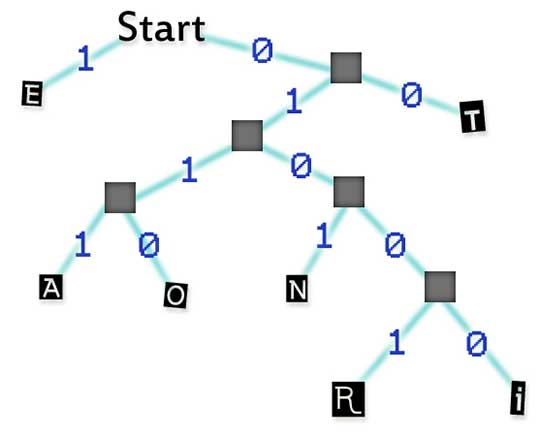
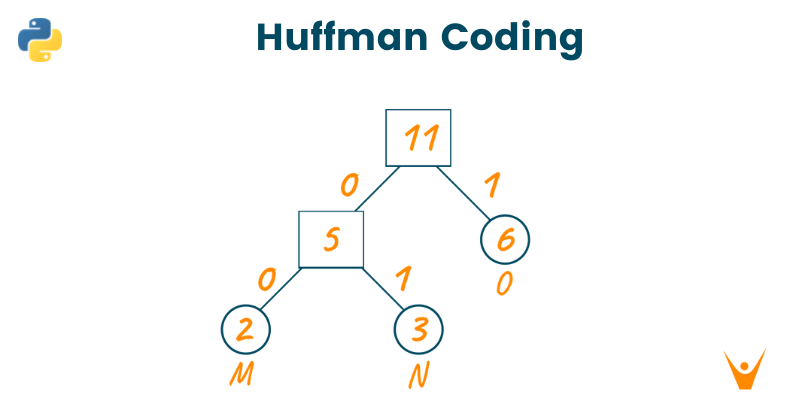
Huffman coding works by creating a Huffman tree. A Huffman tree is a binary tree where each node represents a symbol and the weight of each node represents the probability of that symbol occurring. The leaves of the tree represent the symbols themselves, and the internal nodes represent the combinations of symbols.

To encode a message, the encoder starts at the root of the tree and follows the path down to the leaf node that represents the symbol that is being encoded. The number of bits that are used to represent the symbol is the number of edges that are on the path from the root to the leaf node.

To decode a message, the decoder starts at the root of the tree and follows the path down to a leaf node. The symbol that is represented by the leaf node is the symbol that is being decoded.

How is Huffman Coding used in MP3?

Huffman coding is used in MP3 to compress audio data. The audio data is first converted into a sequence of numbers that represent the amplitude of the sound waves. These numbers are then compressed using Huffman coding.

The Huffman tables for MP3 are created by analyzing the frequency of occurrence of different numbers in the audio data. The more frequently a number occurs, the shorter its code will be. This allows the audio data to be compressed significantly without losing any information.

What are the benefits of using Huffman Coding?

Huffman coding has several benefits, including:

  • It is a lossless compression algorithm, which means that the original data can be reconstructed perfectly from the compressed data.
  • It is very efficient, and can achieve high compression ratios.
  • It is relatively simple to implement.

What are the drawbacks of using Huffman Coding?

Huffman coding has a few drawbacks, including:

  • It can be slow for compressing large amounts of data.
  • It requires a table to be created for each type of data that is being compressed.

Conclusion

Huffman coding is a powerful lossless data compression algorithm that is used in a variety of applications, including MP3. It is efficient and relatively simple to implement, but it can be slow for compressing large amounts of data.

Mp3 Huffman Encoding

Mp3 Huffman Encoding

Huffman Encoding
Huffman Encoding
Huffman coding
Huffman coding

Introduction to Mp3 Huffman Encoding

Are you an audiophile who loves listening to music but is always running out of storage space on your devices? Do you ever wonder how digital audio files are compressed to save space? If you’re curious about the technology behind digital audio compression, you’ve probably heard of MP3 and Huffman encoding.

MP3 is a popular digital audio format that has revolutionized the way we listen to and store music. It allows us to compress large audio files into smaller, more manageable sizes without compromising on sound quality. Huffman encoding, on the other hand, is a data compression algorithm that reduces the size of data by encoding it in a more efficient way.

But what happens when these two technologies come together? In this article, we’ll explore the magic of MP3 Huffman encoding and how it has transformed the digital audio landscape.

What is MP3 Huffman Encoding?

MP3 Huffman encoding is a type of lossy audio compression that uses a combination of two compression algorithms – MP3 and Huffman encoding. This technology was first introduced in the mid-1990s and quickly became the standard for digital audio compression.

The MP3 compression algorithm is based on psychoacoustic principles, which means that it takes advantage of the limitations of human hearing to remove any redundant or irrelevant data from an audio file. This allows MP3 to achieve high compression ratios without sacrificing sound quality.

Huffman encoding, on the other hand, is a more general-purpose compression algorithm that is used to compress any type of data, not just audio. It works by analyzing the frequency of occurrence of each data element and then assigning a variable-length code to each element. This variable-length code allows more frequently occurring data elements to be represented by shorter codes, reducing the overall size of the data.

When MP3 and Huffman encoding are combined, the result is a highly efficient audio compression algorithm that can compress audio files to a fraction of their original size while maintaining near-CD quality sound.

How Does MP3 Huffman Encoding Work?

MP3 Huffman encoding works by first breaking down an audio file into a series of individual frames. Each frame represents a small portion of the audio, typically around 26 milliseconds in length. These frames are then processed using the MP3 compression algorithm to remove any redundant or irrelevant data.

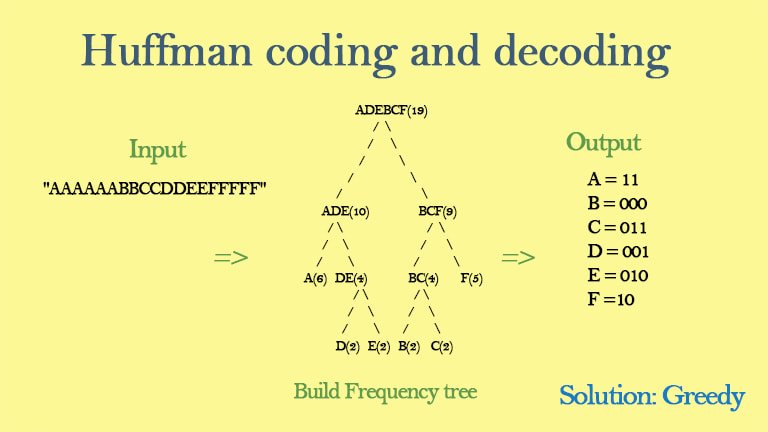
Once the frames have been compressed using MP3, they are further compressed using Huffman encoding. Huffman encoding works by creating a Huffman tree, which is a binary tree that is used to assign variable-length codes to each data element.

The Huffman tree is created by analyzing the frequency of occurrence of each data element in the compressed audio frames. More frequently occurring data elements are assigned shorter codes, while less frequently occurring elements are assigned longer codes. This allows the compressed audio frames to be represented using fewer bits, reducing the overall size of the audio file.

When the audio file is played back, the MP3 Huffman decoder uses the Huffman tree to decode the variable-length codes back into their original data elements. The resulting audio is almost identical to the original uncompressed audio, but with a much smaller file size.

The Benefits of MP3 Huffman Encoding

MP3 Huffman encoding has several benefits over other audio compression technologies:

    • High compression ratios: MP3 Huffman encoding can compress audio files to a fraction of their original size without sacrificing sound quality.
    • Near-CD quality sound: The psychoacoustic principles used in MP3 compression ensure that the resulting audio is almost identical to the original uncompressed audio.

How MP3 Huffman Encoding Revolutionized Digital Audio

The introduction of MP3 Huffman encoding revolutionized the way we listen to and store music. Before this technology, digital audio files were large and cumbersome, making them difficult to store and share. MP3 Huffman encoding allowed us to compress these files into smaller, more manageable sizes, making it easier to store and share music online.

With the rise of the internet and digital music, MP3 Huffman encoding became the de facto standard for digital audio compression. This technology allowed music lovers to store thousands of songs on their devices, opening up a whole new world of possibilities for music consumption.

Today, MP3 Huffman encoding is still widely used, although newer technologies like AAC and OGG have emerged as potential successors. However, MP3 remains one of the most popular digital audio formats, and its influence can be seen in the way we consume and enjoy music today.

Frequently Asked Questions

What is the difference between MP3 and MP3 Huffman encoding?

MP3 is a digital audio format that uses psychoacoustic principles to compress audio files. MP3 Huffman encoding is a combination of the MP3 compression algorithm and Huffman encoding, which allows for even greater compression ratios while maintaining high sound quality.

Is MP3 Huffman encoding lossless or lossy?

MP3 Huffman encoding is a type of lossy audio compression. This means that some information is lost during the compression process, resulting in a smaller file size. However, the resulting audio is almost identical to the original uncompressed audio.

Can MP3 Huffman encoding be used for other types of data compression?

Yes, Huffman encoding is a general-purpose data compression algorithm that can be used to compress any type of data, not just audio. However, the combination of MP3 and Huffman encoding is specifically optimized for audio compression.

Conclusion

MP3 Huffman encoding is a powerful technology that has revolutionized the digital audio landscape. By combining the MP3 compression algorithm with Huffman encoding, we can compress large audio files into smaller, more manageable sizes without sacrificing sound quality.

This technology has opened up a whole new world of possibilities for music lovers, allowing us to store and share thousands of songs on our devices. Although newer technologies may emerge in the future, MP3 Huffman encoding will always be remembered as a groundbreaking innovation that changed the way we listen to and store music.