OGG Format: Ogg Skeleton and Ogg Index Structures

Ogg is a free and open container format that can be used to store audio and video data. It is based on the Xiph.org codec library, and it is designed to be efficient and extensible. Ogg files can be played back using a variety of players, including VLC and Firefox.
The Ogg format consists of two main components: the Ogg Skeleton and the Ogg Index. The Ogg Skeleton is a header that contains information about the file, such as the type of data it contains, the length of the data, and the bit rate. The Ogg Index is a table that maps the data in the file to its corresponding position.
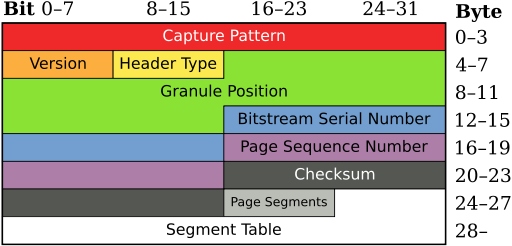
The Ogg Skeleton and Ogg Index are both stored in Ogg pages. An Ogg page is a fixed-size unit of data that contains a header, a payload, and a checksum. The header contains information about the page, such as its type and its position in the file. The payload contains the actual data, and the checksum is used to verify the integrity of the data.
The Ogg format is a well-designed and efficient container format. It is free, open, and extensible, and it is supported by a variety of players. If you are looking for a way to store audio or video data, the Ogg format is a good option.
Here are some additional details about the Ogg Skeleton and Ogg Index:
Ogg Skeleton
The Ogg Skeleton is a 12-byte header that contains the following information:
- The type of data in the file (audio or video)
- The length of the data in the file
- The bit rate of the data
Ogg Index
The Ogg Index is a variable-length table that maps the data in the file to its corresponding position. The index is stored in a series of Ogg pages, and each page contains a list of offsets to the data in the file.
The Ogg Index is used to find specific pieces of data in the file. For example, if you want to play back a specific song, you can use the Ogg Index to find the offset to the song’s data.