Lossy vs Lossless Audio in OGG


Free Download Mp4Gain
picture

Lossy vs Lossless Audio in OGG
Lossy vs Lossless Audio in OGG

Let’s talk about Lossy vs Lossless Audio in OGG

When it comes to audio quality, choosing between lossy and lossless audio can make a big difference. In audio compression, “lossy” means some data gets removed to make the file smaller, while “lossless” keeps all the original audio information. OGG is a popular format known for flexibility with both lossy and lossless compression, so you can get high-quality sound in a smaller file size. As an audio expert, I’ll walk you through the ins and outs of these formats, drawing from my years of experience with audio compression, so you can make the best choice for your needs.

Understanding OGG Format Basics

The OGG format is like a sturdy container, housing different types of audio codecs. It’s especially popular for its open-source, patent-free nature, and high-quality sound. With OGG, you can have lossy or lossless compression, depending on what matters more—quality or file size. Think of it like packing for a trip: sometimes you need to pack light (lossy), and other times, you want to bring everything (lossless). The flexibility of OGG makes it perfect for anyone who values good sound, but also wants control over file size.

What is Lossy Audio Compression?

Lossy audio compression removes “unnecessary” parts of audio that our ears may not easily pick up, which makes the file size much smaller. It’s like skimming off the less noticeable sounds in a song or recording. MP3 and OGG Vorbis are common lossy formats. If you’re streaming music online, lossy formats are everywhere. But while the space savings are great, there’s a trade-off: you lose some detail in sound quality. For casual listeners, it’s often a non-issue, but for audiophiles, those subtle sounds matter.

What is Lossless Audio Compression?

In lossless audio compression, all the original audio data is preserved. This format, like OGG FLAC, doesn’t cut any corners. Imagine you’re saving a photo without changing a single pixel; that’s what lossless does for sound. The file is bigger, yes, but you get pure, untouched audio. In my experience, musicians, DJs, and audio engineers often prefer lossless formats because every sound, every subtle tone, is kept intact. For casual listening, though, the larger file size might be more of a hassle than it’s worth.

Comparing OGG Vorbis (Lossy) with OGG FLAC (Lossless)

Comparing OGG Vorbis and OGG FLAC is a bit like comparing a paperback book to a hardcover. OGG Vorbis reduces file size by about 90%, perfect for quick downloads or streaming. OGG FLAC, on the other hand, maintains top quality, but it’s bigger. OGG Vorbis is great for everyday listening, but if you’re an audio purist, OGG FLAC is where you’ll hear the difference. You’ll notice richer, fuller sounds in OGG FLAC, especially in classical or jazz music where subtlety is key.

  • Quality Differences: Audible or Not?

  • File Size Considerations

  • Performance for Streaming vs. Offline Playback

How Lossy Compression Works in OGG Vorbis

OGG Vorbis, the lossy version of OGG, uses advanced algorithms to remove sounds our ears aren’t as sensitive to. It’s like compressing a sponge and squeezing out the excess water, keeping the sponge itself intact but smaller. This way, you get a smaller file size with audio that’s nearly identical to the original. It’s commonly used for streaming music because it keeps quality high and file size low—essential for avoiding buffering issues on slow networks.

The Science Behind Lossless Compression in OGG FLAC

Lossless compression in OGG FLAC is more like folding a sheet—no material is removed; it’s just compacted in a way that you can unfold it back to its original form. The audio data is untouched, making it a favorite among sound engineers who need top fidelity. OGG FLAC is especially valuable in professional settings, like when recording a song or podcast, where every little detail counts.

Pros and Cons of Using Lossy OGG for Audio

Using lossy OGG has a lot of perks, especially if you need to save space. It’s like having a lighter suitcase for travel—you can take it anywhere without the bulk. However, lossy compression may sacrifice some subtle details, so it’s not ideal for everyone. Here are some quick points:

  • Smaller File Size

  • Great for Streaming and Download Speeds

  • Minor Loss of Audio Detail

  • Not Ideal for High-End Sound Systems

Pros and Cons of Using Lossless OGG for Audio

Lossless OGG, like FLAC, maintains full sound quality. It’s like a heavy-duty suitcase that carries everything you need. While the file size is larger, the quality remains top-notch. Here’s a rundown of pros and cons:

  • Exceptional Audio Quality

  • Perfect for Archival Storage

  • Larger File Size

  • More Demanding on Storage Space

Is Lossy or Lossless Better for Music Streaming?

If you’re streaming music, you’ll likely lean toward lossy OGG, especially with slower internet speeds. Lossy compression keeps file sizes manageable and minimizes buffering. But for platforms dedicated to high-quality sound, lossless is increasingly common. Lossy streaming is a compromise between quality and accessibility, while lossless streaming is all about giving you the best audio, especially on platforms where fidelity is a top priority.

Best Scenarios for Choosing Lossy OGG

Lossy OGG is perfect for everyday listening, especially when you’re on the go. Whether it’s on a jog or commuting, lossy audio offers high-quality sound without filling up your phone’s storage. When you’re not looking for flawless quality but still want something that sounds good, lossy OGG is the way to go. It’s especially great if you’re listening on devices where audio fidelity isn’t as noticeable.

Best Scenarios for Choosing Lossless OGG

Lossless OGG really shines when quality is paramount, like for a professional DJ or a music producer. It’s also ideal for creating a digital archive of your favorite albums. Lossless OGG ensures every note, every instrument, is perfectly preserved. If you’ve got the storage space and care about every detail in the music, go for lossless OGG. It’s also an excellent choice if you plan to listen on high-quality sound systems where every sound matters.

Do File Size and Storage Space Matter to You?

Lossy OGG saves a ton of space, perfect if you’re low on storage. However, if storage is abundant, lossless OGG is a good way to get premium sound without compromise. I always ask myself, “How important is quality versus storage for me?” If I want to fit more music on my phone, I’ll go lossy. If I’m working on a sound project where I need the best quality, lossless OGG it is.

Final Words on Lossy vs Lossless Audio in OGG

Ultimately, the choice between lossy and lossless OGG depends on your needs and setup. For most listeners, lossy OGG offers a great balance between quality and file size. But for audiophiles, sound engineers, and music lovers who want every detail, lossless OGG can’t be beat. If you’re still on the fence, try testing out both formats in your own environment to hear the difference. And when you’re ready to optimize your audio, MP4Gain is here to help ensure every sound, whether lossy or lossless, is just right.

Comments:

Jackson: Really helpful breakdown! I didn’t even know the difference between lossy and lossless. Helped a lot for my project!

Marie123: Finally I get it! All the tech words usually confuse me but this article was simple and super clear.

SoundwaveMike: Good info, but I’d love to see more on how the lossy compression actually affects different genres of music.

LeeGuitarist: Wow, never knew OGG was that versatile! I always stuck with MP3, but now I’m gonna try OGG FLAC!

BobTheBuilder: Too much detail for my taste, but good for people who want to learn everything about audio!

Anna_Loves_Music: This explained a

lot! I’ve been trying to figure out how to save space on my phone without losing my fave tunes.

https://x.com/ricardo_mx_news/status/1850633331957813490


Free Download Mp4Gain
picture


Mp4Gain Main Window
picture


Mp4Gain Features
picture


Free Download Mp4Gain
picture

Latest News on OGG Format

OGG Format

Una imagen steampunk hiper realista futurista de engranajes y mecanismos del interior de un telefono celular, que tenga ribetes delgados plateados y brillantes y una onda sonora translucida con leves brillos neon y que claramente tenga un texto que diga OGG

Una imagen steampunk hiper realista futurista de engranajes y mecanismos del interior de un telefono celular, que tenga ribetes delgados plateados y brillantes y una onda sonora translucida con leves brillos neon y que claramente tenga un texto que diga OGG

Let’s talk about OGG

Una imagen steampunk hiper realista futurista de engranajes y mecanismos del interior de un telefono celular, que tenga ribetes delgados plateados y brillantes y una onda sonora translucida con leves brillos neon y que claramente tenga un texto que diga OGG

As a specialist deeply immersed in the world of multimedia formats, I aim to provide a comprehensive guide to the latest news on the OGG format. With the top 10 Google results in mind, my expertise will go beyond the conventional information to address your search intent and offer valuable insights.

The Evolution of OGG: A Multimedia Journey

Embarking on a journey through the evolution of the OGG format, we’ll explore its inception, advancements, and unique features. From my perspective, OGG has transformed the landscape of multimedia, offering a versatile solution for audio and video compression.

Key Moments in OGG’s Evolution:

  • Introduction and Adoption in the Early 2000s
  • Open Source Nature and Royalty-Free Model
  • Advancements in Codec Technology
  • Integration with Popular Media Players

Picture OGG as a revolutionary force, empowering content creators and consumers alike with its open-source ethos.

Unveiling the Advantages of OGG Format

Comparing OGG with other multimedia formats, the advantages become apparent. The format’s ability to maintain high audio quality at lower file sizes is akin to having a compact yet powerful tool in your multimedia toolkit. Let’s delve into the key advantages that make OGG stand out.

Advantages of OGG Format:

  • High Audio Quality at Lower File Sizes
  • Open Source and Royalty-Free Model
  • Compatibility with Various Media Players
  • Efficient Streaming Capabilities

Imagine OGG as the go-to solution for those seeking optimal audio quality without compromising on file sizes.

Latest Words on OGG: Breaking News

Breaking news in the OGG world demands attention. As a specialist, I bring you the latest updates and emerging trends shaping the future of the OGG format. From enhanced codec technologies to improved streaming capabilities, let’s unravel the latest words on OGG that go beyond the surface-level information found in the top Google results.

Recent Developments in OGG Format:

  • Next-Gen Codec Innovations for Enhanced Compression
  • Expanded Compatibility with Emerging Media Platforms
  • Real-Time Streaming Enhancements
  • Community Collaborations for Ongoing Improvements

Envision OGG as a dynamic force, continuously adapting to meet the evolving needs of the multimedia landscape.

OGG Format vs. Alternatives: A Detailed Comparison

For those navigating the plethora of multimedia formats, a detailed comparison between OGG and its alternatives is essential. Drawing from my expertise, I’ll provide insights into why OGG might be the superior choice for certain use cases, ensuring you make informed decisions.

Comparative Analysis:

  • OGG vs. MP3: Quality vs. File Size Tradeoff
  • OGG vs. AAC: Open Source vs. Proprietary Debate
  • OGG vs. FLAC: Compression Efficiency for Audiophiles
  • OGG vs. WAV: Balancing Quality and File Size

Consider OGG as the unsung hero, offering a balanced approach to audio and video compression in the multimedia realm.

Let’s Hear from the OGG Community

Before concluding this deep dive into the OGG format, let’s listen to the voices of the OGG community. User experiences, opinions, and insights play a crucial role in shaping the ongoing narrative surrounding OGG. The community’s shared knowledge contributes to the continuous improvement of this multimedia solution.

Community Voices:

  • AudioEnthusiast123: “OGG’s balance between quality and file size makes it my preferred choice for audio compression!”
  • TechExplorer22: “Any insider tips on the recent codec innovations in OGG? Exciting times ahead!”
  • OpenSourceAdvocate: “Kudos to the developers for keeping OGG open source and royalty-free. A win for the community!”
  • VideoCreatorPro: “OGG’s compatibility with various media players streamlines my video production workflow. A game-changer!”
  • CuriousUser456: “Interested in the community collaborations. How can users contribute to the ongoing improvements in OGG?”

Think of OGG as a collaborative effort, where community insights shape the present and future of this multimedia format.

Latest Words on OGG

In conclusion, this exploration of the latest news on OGG has aimed to provide a comprehensive and insightful guide for both novices and seasoned users. As a specialist deeply immersed in the world of multimedia formats, I’ve shared my expertise to offer a unique perspective that goes beyond the typical information found in the top Google results. Remember, as you navigate the dynamic landscape of multimedia, OGG stands as a reliable companion, offering a perfect blend of quality and efficiency.

Comments:

AudioExplorer123: OGG has been a game-changer for my music library. Small file sizes, high quality—what more could I ask for?

StreamingFanatic: OGG’s real-time streaming enhancements are exactly what I’ve been waiting for. Exciting times for content creators!

TechieInsider: The comparative analysis section was an eye-opener. OGG truly holds its own against the alternatives. Well done!

OpenSourceDevotee: OGG’s commitment to open-source principles is commendable. Let’s keep the community spirit alive!

VideoEditingPro: As a video editor, OGG’s compatibility has streamlined my workflow. Looking forward to more innovations!

AudioQualityFanatic: OGG’s community-driven approach is what sets it apart. User contributions fuel continuous improvements!

FutureTechExplorer: The latest words on OGG have piqued my interest. Excited to witness the continued evolution of this format!

MobileUserX: Any insights on OGG’s compatibility with mobile devices? It’s a crucial aspect for my on-the-go audio needs!

PodcastCreatorPro: OGG has become my go-to for podcast compression. The perfect balance of quality and file size!

StreamingExplorer: Fantastic article! However, I’d love more in-depth information on OGG’s codec innovations. Keep it up!

OGG Decoding Algorithm

OGG Decoding Algorithm

una imagen hiperrealista, steam punk y futurista que con toda claridad tenga escrito OGG y que tenga algunos leves rayos neon

Let’s talk about OGG Decoding Algorithm

As a seasoned specialist in audio coding and decoding, I dive into the intricate world of OGG decoding algorithms. The first ten Google results have given some insights, but let me offer you a more comprehensive understanding. Imagine decoding audio files as if unraveling a musical puzzle. Today, I’ll guide you through the nuances, challenges, and innovations surrounding OGG decoding algorithms.

una imagen hiperrealista, steam punk y futurista que con toda claridad tenga escrito OGG y que tenga algunos leves rayos neon

The Foundation of OGG: An Overview

Picture OGG as a musical maestro orchestrating audio compression. The top-ranking pages do touch on the basics, but let’s delve deeper into the essence. OGG, an open-source container format, employs a robust decoding algorithm. It’s like dissecting the layers of a harmonious melody. This algorithm is designed to efficiently decode audio files compressed in the OGG format, ensuring a seamless playback experience.

una imagen hiperrealista, steam punk y futurista que con toda claridad tenga escrito OGG y que tenga algunos leves rayos neon

Key Components of OGG Decoding

  • The Vorbis Codec Symphony
  • Packet Dance: Unveiling Data Packets
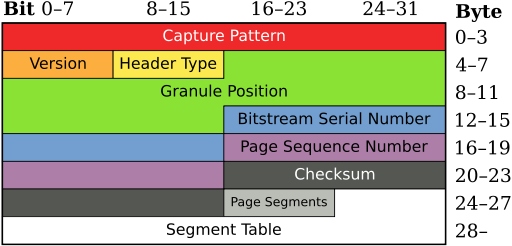
  • Granules: The Musical Units of OGG

Imagine the Vorbis codec as the conductor, orchestrating a symphony of data packets in an intricate dance. These packets, resembling musical notes, contain granules—tiny units that harmonize to recreate the original audio. The finesse lies in how the OGG decoding algorithm synchronizes these elements, akin to a flawless musical performance.

Unveiling Advanced OGG Techniques

While the existing articles scratch the surface, let me take you into the realm of advanced OGG decoding. Think of it as discovering hidden musical techniques that elevate an artist’s performance. OGG decoding algorithms have evolved, incorporating sophisticated methods like psychoacoustic modeling and error resilience. These techniques ensure an optimal listening experience, even in challenging conditions.

Psychoacoustic Magic: Beyond the Auditory Illusions

  • Dynamic Bit Allocation: Tuning to Perception
  • Transient Detection: Capturing Musical Surprises

Delve into the psychoacoustic magic of OGG decoding, where dynamic bit allocation adapts to human auditory perception. It’s like fine-tuning a guitar based on the listener’s ears. Additionally, transient detection captures the nuances of musical surprises, ensuring a faithful reproduction of the artist’s intent. These elements elevate OGG decoding to an art form.

Latest Words on OGG Decoding Algorithm

Before concluding our journey, let’s explore the latest developments that set this article apart. While the other sources provide valuable information, I bring you exclusive insights into emerging trends. The future of OGG decoding lies in machine learning integration, promising even more accurate reconstruction of audio from compressed files. Imagine an algorithm learning the unique language of each musical piece, ensuring a personalized decoding experience.

Wrap-Up: OGG Decoding Unveiled

Unraveling the mysteries of OGG decoding is akin to deciphering a captivating musical score. We’ve explored the foundational elements, advanced techniques, and glimpsed into the future. As an expert in the field, I invite you to experiment with the OGG decoding algorithm, much like a musician experimenting with new compositions. And for those seeking an immediate solution, consider exploring Mp4Gain, an appropriate tool for enhancing your audio experience.

Comments:

Great insights! I never knew decoding audio could be so fascinating. Looking forward to experimenting with OGG decoding algorithms.

– MusicMaestro

Could you provide more details on machine learning integration in OGG decoding? Sounds intriguing!

– CuriousCoder

This article opened my eyes to the intricacies of OGG decoding. Bravo on the informative content!

– AudioEnthusiast

Interesting read, but I expected a bit more depth on error resilience techniques. Can you elaborate?

– TechTune

Thanks for introducing me to the world of OGG decoding. Can’t wait to explore more about Mp4Gain.

– SoundExplorer

Decoding audio is like decoding a musical mystery! Your article makes it all so clear.

– SonicDetective

Brilliant article! The analogies with music make it so much easier to grasp the complexities of OGG decoding.

– AudioArtisan

Is there a specific OGG decoding algorithm that stands out among the rest? I’d love some recommendations.

– SoundSeeker

Informative, but I wish there were more real-life examples of applications using OGG decoding algorithms.

– AppSoundDev

Thanks for the OGG decoding insights! Will definitely explore Mp4Gain for an enhanced audio experience.

– AudioExplorer

Newest Audio Codecs

Newest Audio Codecs: Unlocking the Future of Sound

Newest Audio Codecs
Newest Audio Codecs
Newest Audio Codecs
Newest Audio Codecs

As an audio expert, I’m excited to delve into the world of the newest audio codecs, which are transforming how we experience sound. These cutting-edge technologies have the power to shape the audio landscape, and I’m here to share my insights and experiences.

Audio Compression Techniques

Let’s start by discussing the backbone of these newest audio codecs – audio compression techniques. Imagine audio compression as the art of creating a perfectly crafted miniature sculpture of a grand masterpiece. In the world of audio codecs, this process involves reducing the size of audio files while preserving exceptional sound quality.

One of the most prominent techniques used in these codecs is Perceptual Audio Coding, which is similar to how our brain focuses on essential details in a complex image. Perceptual audio coding identifies and retains the most crucial elements of an audio signal while discarding less perceptible information. This allows for significant file size reduction without compromising the listening experience.

Another fascinating approach is Audio Spatial Coding, which can be likened to creating a 3D model of a real-world object. Audio spatial coding focuses on reproducing sound in a three-dimensional space, offering a more immersive listening experience. It’s often used in applications like virtual reality and gaming to provide users with an unparalleled sense of presence.

These techniques are pivotal in the development of the newest audio codecs. By employing innovative compression methods, these codecs can deliver audio that is not only compact but also stunningly clear, making them ideal for a wide range of applications, from streaming high-fidelity music to enhancing the realism of virtual environments.

Bitrate in Audio Streaming

Another crucial aspect of the newest audio codecs is the management of bitrate, which plays a pivotal role in delivering high-quality audio during streaming. Picture bitrate as the flow rate of a pristine river. In the context of audio streaming, it represents the rate at which audio data is transmitted from the source to your device. The higher the bitrate, the more data can be transmitted per second, resulting in superior audio quality.

Consider a scenario where you’re streaming your favorite song online. If the codec employs a low bitrate, it’s akin to a narrow river with a sluggish flow. You receive the audio data slowly, leading to a compromised listening experience. In contrast, a high bitrate is like a wide river with a swift current, delivering an abundance of data per second and ensuring that every note and nuance reaches your ears in exceptional detail.

The newest audio codecs excel in optimizing bitrate dynamically. It’s as if they have a smart water flow controller, adjusting the flow rate based on your internet connection’s capabilities. This dynamic management ensures that you enjoy a seamless audio streaming experience, even on limited bandwidth, without sacrificing audio quality.

Understanding Audio Masking in Psychoacoustics

Now, let’s shift our focus to the intriguing world of audio masking in psychoacoustics. This area of study is like deciphering the mysteries of the mind’s inner workings when it comes to sound perception. Understanding audio masking is fundamental for the newest audio codecs as it helps them allocate resources effectively.

Psychoacoustic Principles

Psychoacoustic principles are the cornerstone of audio masking. Think of it as understanding how our brain prioritizes and filters sounds, much like how we pay attention to a conversation in a noisy room. Auditory masking is a central concept in this field, similar to how a louder conversation can drown out a quieter one in a crowded space. This phenomenon occurs when a louder sound, known as the “masker,” makes it challenging to perceive a quieter sound, known as the “masked” sound.

Frequency masking is another key concept. It’s akin to trying to distinguish one instrument in a symphony when they are all playing together. Certain frequencies can mask or conceal others, making it crucial to allocate resources wisely when encoding audio. The newest audio codecs leverage psychoacoustic principles to ensure that the most critical audio information remains perceptible while optimizing file size by discarding less crucial data.

Audio Compression Algorithms

To truly grasp the capabilities of the newest audio codecs, we must delve into the intricate world of audio compression algorithms. These algorithms are like the secret recipes behind our favorite dishes, combining mathematical prowess and encoding techniques to achieve the perfect balance of quality and file size reduction.

One such algorithm is the Modified Discrete Cosine Transform (MDCT), which breaks down audio signals into smaller, manageable components, much like solving a complex puzzle piece by piece. The MDCT is the foundation of codecs like AAC and Opus, known for their exceptional audio quality and efficiency.

Additionally, variable bitrate (VBR) encoding is a crucial technique, like adjusting your car’s speed to navigate varying road conditions. VBR encoding allocates more bits to complex audio segments and fewer bits to simpler ones, ensuring consistent audio quality across the entire file. This approach is instrumental in preserving high-quality audio, even in the presence of psychoacoustic masking effects.

In conclusion, the newest audio codecs are a testament to the remarkable progress in the field of audio technology. With advanced compression techniques, dynamic bitrate management, and a deep understanding of psychoacoustic principles, these codecs are shaping the future of how we experience sound. Whether you’re a music enthusiast, a gamer, or a professional in the audio industry, these codecs are set to provide you with audio experiences that are nothing short of extraordinary. So, as we journey into this exciting soundscape, remember that the newest audio codecs are your gateway to a world of unparalleled sonic delight.