
How WMA Adapts to Dynamic Range in Music Encoding

Dynamic range in music encoding is a challenge that audio specialists like myself have been tackling for years. WMA (Windows Media Audio) adapting to dynamic range is crucial for delivering a satisfying listening experience. Different music genres and even different sections of a song often have vastly different loudness levels. Getting the encoding right can make or break the enjoyment of the music.
Let’s talk about How WMA Adapts to Dynamic Range in Music Encoding
The way WMA adapts to dynamic range during music encoding is what really sets it apart. WMA must strike a careful balance. If you’ve ever tried to listen to music in a noisy environment, you’ll understand why this matters. The quiet parts get drowned out, right? Similarly, if you’re listening through headphones, you don’t want the loud parts to blast your ears. That’s why this topic is crucial. I will share my insights on how WMA encoding manages these variations. My aim is to provide a clearer understanding of the technology and also guide you in achieving the best possible audio quality. I want to dive deep into the encoding techniques, audio quality, and practical considerations.
Understanding Dynamic Range in Music
Understanding dynamic range in music is important for quality music production. It refers to the difference between the quietest and loudest sounds in a piece of music. Imagine a roller coaster; the dynamic range is like the difference between the slow climb to the top and the exhilarating drop. Properly managing dynamic range is crucial for creating an engaging and emotionally impactful listening experience. I find that many people don’t fully appreciate the art and science behind it.
What is Dynamic Range?
- The difference between the quietest and loudest sounds is dynamic range.
- Measured in decibels (dB) is how it is typically measured.
- High dynamic range means a greater difference between quiet and loud.
- Low dynamic range means less difference between quiet and loud.
As an audio specialist, I’ve encountered many scenarios where mastering dynamic range made a big difference. I remember working on a project for a local symphony orchestra. Their live performances had an enormous dynamic range, from the delicate pianissimo of a single violin to the thunderous fortissimo of the entire orchestra. My challenge was to capture that dynamic range in a recording without clipping or sacrificing the clarity of the quieter passages. Careful attention to gain staging and compression allowed me to create a recording that truly reflected the power and beauty of their performance.
Introduction to Windows Media Audio (WMA)
Windows Media Audio, also known as WMA, is a proprietary audio codec developed by Microsoft. It’s one of the key formats that competed with MP3. WMA is like a Swiss Army knife for digital audio. It offers a good balance of features, but each tool has its own strengths and limitations.
Key Features of WMA
- Good compression efficiency allows for smaller file sizes.
- Support for various bitrates allows for quality control.
- Digital Rights Management (DRM) capabilities are important for copyright.
- Integration with Windows operating systems is also a plus.
WMA’s versatility has made it a useful tool in my audio toolkit. When I worked for a company creating audiobooks, WMA was an ideal choice for encoding the narration. I know that the format offers excellent compression, which allowed us to store more audiobooks on a single CD. The format also allows for DRM capabilities, which helped protect the copyrighted material. It’s all about finding the right tool for the job.
How WMA Handles Dynamic Range
WMA handles dynamic range through a combination of encoding techniques. One of them is compression. These techniques are designed to reduce the overall dynamic range of the audio signal, making it more suitable for playback on a variety of devices. It is similar to taming a wild horse; you want to harness its power but also make it manageable.
Compression Techniques
- Dynamic range compression reduces the difference between loud and quiet.
- Limiting prevents the audio signal from exceeding a certain level.
- Normalization adjusts the overall loudness of the audio.
I’ve used compression techniques in countless projects to manage dynamic range. I recall working on a project for a podcast where the hosts had vastly different speaking volumes. Without compression, some parts of the podcast would be barely audible, while others would be deafening. By applying gentle compression, I was able to even out the volume levels and create a more consistent listening experience. It was like fine-tuning the volume knob on a radio to find the perfect balance.
Automatic Gain Control (AGC)
- AGC automatically adjusts the volume levels in real-time.
- Helps to maintain a consistent listening level.
- Compensates for variations in recording levels.
AGC can be a lifesaver in situations where you have limited control over the recording environment. When I recorded interviews at a noisy trade show, the background noise and varying speaker volumes made it challenging to capture clear audio. Using AGC helped to boost the quieter passages and reduce the impact of sudden loud noises. It was like having an automatic volume control that constantly adjusted to the environment.
WMA Encoding Parameters and Dynamic Range
WMA encoding parameters play a crucial role in how the codec adapts to dynamic range. Bitrate selection is another one. Choosing the right parameters is like adjusting the settings on a camera. You need to balance quality, file size, and compatibility to achieve the best results.
Bitrate Selection
- Higher bitrates generally result in better dynamic range preservation.
- Lower bitrates can reduce dynamic range due to compression.
- Choose the bitrate based on the source material and listening environment.
Bitrate is like the resolution of a photograph. The higher the resolution, the more detail you can capture. I’ve found that higher bitrates preserve more of the original dynamic range. When archiving recordings of classical music performances, I always use higher bitrates to capture the full richness and detail of the music.
Encoding Mode
- Constant Bitrate (CBR) provides a consistent bitrate throughout the audio.
- Variable Bitrate (VBR) adjusts the bitrate based on the complexity of the audio.
- VBR can be more efficient for preserving dynamic range.
I like to think of VBR as a smart encoding mode. It adapts to the complexity of the audio, allocating more bits to the sections that need it most. When encoding music with a wide dynamic range, I generally prefer VBR because it can preserve the louder and quieter passages with greater accuracy.
Advantages of WMA Dynamic Range Adaptation
WMA’s dynamic range adaptation offers several advantages. One of them is improved listening experience. When you listen to music on the go, you want it to sound good regardless of the environment.
Improved Listening Experience
- WMA makes audio more enjoyable in noisy environments.
- Audio is consistent volume, which is also safer to listen to.
- Suitable for portable devices and streaming services is a bonus.
I still believe that the most satisfying experiences are when I can fully immerse myself in the music, without having to constantly adjust the volume. WMA makes the experience even more seamless and enjoyable. I’ve found this especially valuable when listening to music in my car. The dynamic range is balanced. WMA has the best capabilities to ensure that the quieter passages are still audible without getting blown out by louder sections.
Reduced Distortion
- Dynamic range adaptation minimizes distortion.
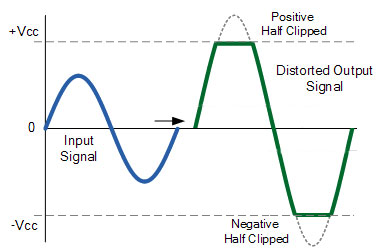
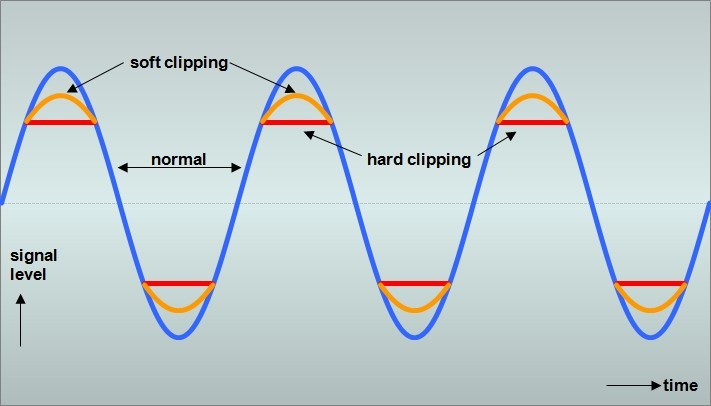
- Prevents clipping is one way that it prevents distortion.
- Results in cleaner and more accurate audio playback.
One time I was recording a live band. I knew there was a risk of clipping during the louder sections. WMA’s dynamic range adaptation helped to prevent the audio from exceeding the maximum level. This resulted in a cleaner recording without any unwanted artifacts.
Limitations of WMA Dynamic Range Adaptation
WMA’s dynamic range adaptation has certain limitations. Over-compression can be an issue. As with any compression technique, overdoing it can lead to undesirable results.
Over-Compression
- Excessive compression reduces dynamic range too much.
- Can make the audio sound flat and lifeless.
- Reduces the impact and emotion of the music.
I always tread carefully when using compression. I’ve made the mistake of over-compressing audio, resulting in a track that sounded flat and uninspiring. It’s like squeezing a sponge too hard; you might get more water out, but you also ruin the sponge.
Artifacts and Distortion
- Aggressive dynamic range adaptation can introduce artifacts.
- May result in unwanted distortion or pumping effects.
- Can degrade the overall audio quality.
Sometimes, pushing the limits of WMA’s dynamic range adaptation can lead to noticeable artifacts and distortion. It’s like pushing a car engine too hard; you might get a little extra power, but you also risk damaging the engine.
Best Practices for WMA Music Encoding
Following best practices is key for optimal WMA music encoding. It’s like baking a cake; you need to follow the recipe carefully to achieve the best results. The choice of audio bitrate is crucial.
Choosing the Right Bitrate
- Select a bitrate that balances file size and audio quality.
- Use higher bitrates for high-quality source material.
- Consider the listening environment and playback devices.
Bitrate is like the amount of ingredients you use in a recipe. I tailor the bitrate to the source material and the intended listening environment. For archival purposes, the quality of the music has to be preserved.
Proper Gain Staging
- Adjust the input levels to optimize the signal-to-noise ratio.
- Avoid clipping or distortion by setting levels correctly.
- Use metering tools to monitor levels accurately.
I always pay close attention to gain staging to ensure that the audio signal is properly optimized. It’s like adjusting the focus on a camera to get a sharp image.
Latest words on How WMA Adapts to Dynamic Range in Music Encoding
WMA adapting to dynamic range in music encoding requires a careful balance of compression, bitrate selection, and gain staging. It’s an ongoing process of trial and error. By understanding the underlying principles and following best practices, you can achieve excellent results. For more advanced solutions, programs like Mp4Gain offer various tools to help optimize and normalize audio levels, even when the initial WMA encoding has not fully addressed the dynamic range issues. Now go and fine-tune audio levels, dynamic range adaptation, noise control, and audio compression!
What exactly is dynamic range when considering how WMA adapts to it during music encoding?
Why is managing dynamic range crucial during WMA music encoding?
What are the compression techniques used in WMA encoding to adapt to dynamic range?
How does Automatic Gain Control (AGC) help in WMA’s dynamic range adaptation?
Does the bitrate selection affect the quality of dynamic range adaptation in WMA?
What is the difference between Constant Bitrate (CBR) and Variable Bitrate (VBR) in WMA encoding?
What are some of the advantages of effective dynamic range adaptation in WMA files?
What happens if dynamic range adaptation is overdone during WMA music encoding?
Can aggressive dynamic range adaptation introduce unwanted effects in WMA audio?
Beyond WMA, are there tools that further optimize dynamic range after encoding?


Comments:
This article really nailed it! I’ve always wondered why some of my WMA files sounded so much better than others. The explanation of bitrate selection and VBR vs CBR made it all click. Thanks for the practical tips!
I’m new to this whole audio encoding thing, and I gotta say, some of this is still kinda over my head. But the examples you used helped a lot. Keep up the good work!
Dude, AGC is a lifesaver! I record a lot of live music, and it’s always a challenge to get a consistent level. I’ll definitely be experimenting with that more now that I understand it better.
I think this article is pretty spot on! I work in audio all the time, and the best advice I ever got was to be gentle with the compression. Overdoing it can really ruin a track. I will follow this article to see if it helps me to improve!
Good points on WMA’s limitations. I have experienced first-hand some of the problems in the audio. Great info!
As a total noob at audio stuff, this was really helpful! Gonna try messing with the bitrate settings now when I convert my old CDs. Thanks for making it easy to understand for a dunce like me lol.
Help me a lot to undestand and manage audio levels in my proyect, I needed info about what things affects in audio quality and this is a excelent starting point, thaks a lot !