
Audio sample rates and bit depths in MP4 files
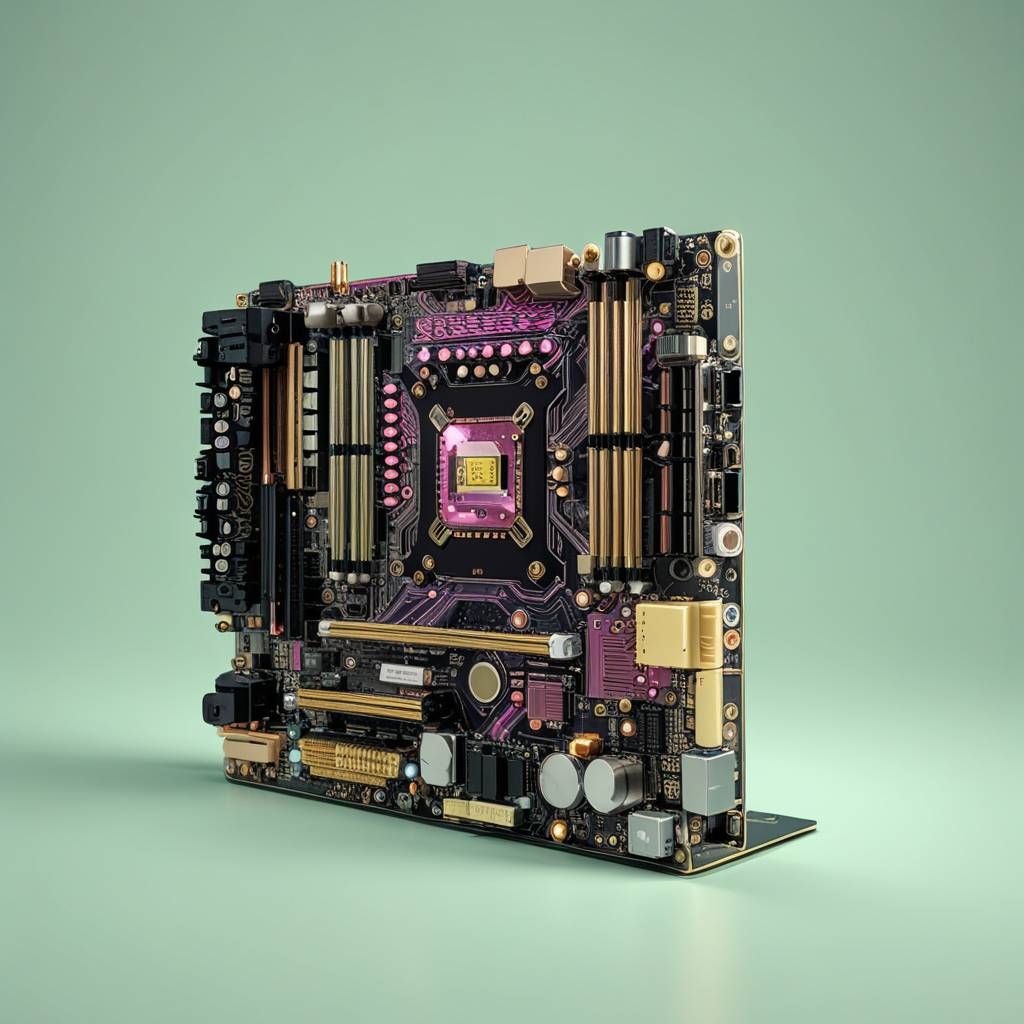
Let’s talk about audio sample rates and bit depths in MP4 files
Understanding audio sample rates and bit depths in MP4 files is essential for anyone working with audio or video. These two elements directly impact audio quality, file size, and playback compatibility. As someone deeply familiar with digital audio, I’ve found that knowing how sample rates and bit depths function can help create better audio experiences. Think of them as the resolution and color depth of a photo—they define clarity and richness.
Sample rates determine how many times audio is measured per second, while bit depth defines the accuracy of those measurements. For example, recording a live concert at 44.1 kHz and 16-bit is like taking clear snapshots of the performance, capturing both nuances and dynamics. Yet, adjusting these parameters for MP4 files involves balancing quality, compatibility, and efficiency.
What are audio sample rates?
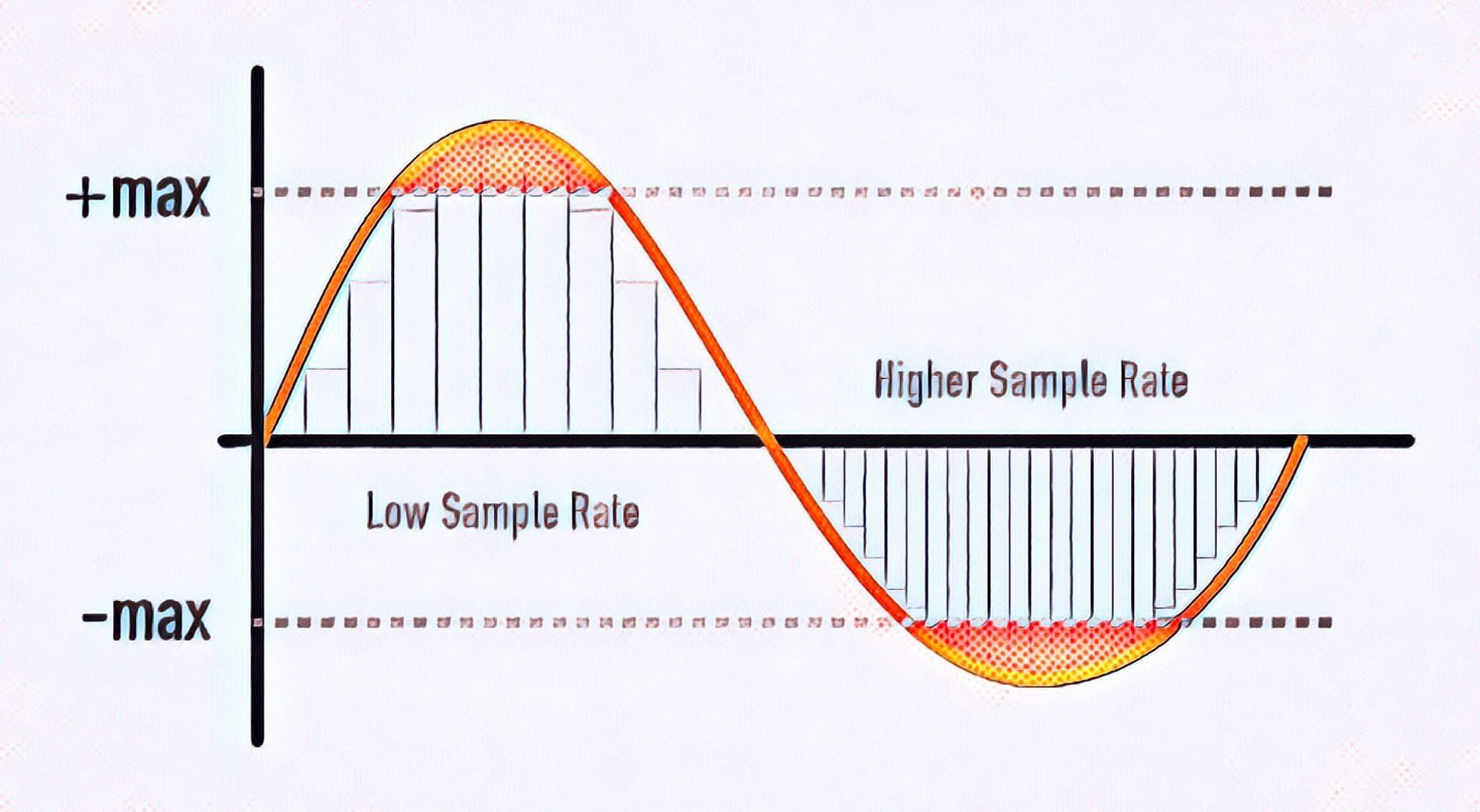
Sample rates are the backbone of digital audio. They represent the number of audio samples taken per second, measured in kilohertz (kHz). A common analogy I use is to think of sample rates as frames in a movie—the higher the frame rate, the smoother the video.
The most widely used sample rate is 44.1 kHz, suitable for CDs and most streaming platforms. However, higher sample rates like 48 kHz or 96 kHz are used in professional audio production for increased clarity. But does a higher sample rate always mean better sound? Not necessarily. Beyond 48 kHz, the human ear often can’t perceive the difference, though it may matter in certain editing contexts.
- 44.1 kHz: Standard for CDs and MP3s.
- 48 kHz: Common for video and film production.
- 96 kHz and above: Used for high-resolution audio.
Explaining bit depth in digital audio
Bit depth is like the precision of a ruler—it dictates how finely audio signals are measured. A higher bit depth means more accurate representations of sound, especially during quieter moments. For instance, 16-bit audio provides 65,536 levels of dynamic range, while 24-bit allows over 16 million.
Imagine recording rain. At 16-bit, you’ll hear the general ambiance. At 24-bit, you’ll pick out subtle drops hitting different surfaces. This depth can elevate the listening experience but comes at the cost of larger file sizes.
- 8-bit: Limited dynamic range, often used in retro games.
- 16-bit: Standard for CDs and streaming audio.
- 24-bit: Preferred for professional audio work.
How sample rates and bit depths affect MP4 audio
When encoding audio for MP4 files, sample rates and bit depths affect playback quality and compatibility. Lower settings save space but compromise audio fidelity. Higher settings preserve detail but may not work on all devices.
For example, I’ve optimized MP4 files by converting studio recordings at 96 kHz/24-bit to 48 kHz/16-bit. This reduced the file size while maintaining excellent quality. The key is to assess the intended use—streaming, archival, or professional editing.
Why does sample rate conversion matter?
Sample rate conversion is essential when integrating audio into MP4 files. If mismatched sample rates occur, playback issues such as clicks or distortion may arise. By ensuring consistent sample rates, you achieve smooth audio integration.
A practical tip I often share is to use 48 kHz for MP4 files intended for video. This aligns with the industry standard for syncing audio with visuals, ensuring better compatibility across platforms.
Choosing the right bit depth for MP4 audio
Selecting the right bit depth balances quality and practicality. For most MP4 files, 16-bit is sufficient, offering CD-quality audio with manageable file sizes. However, 24-bit may be preferable for professional audio projects where preserving dynamic range is crucial.
When I mix music for MP4, I consider the audience. Casual listeners prefer compact files, while audiophiles appreciate the richness of higher bit depths.
Does higher quality always mean better audio?
Higher sample rates and bit depths don’t always result in better audio for MP4 files. Factors like playback equipment, intended use, and file size constraints play significant roles. For instance, a 96 kHz/24-bit audio file on standard earbuds won’t sound dramatically different from a 48 kHz/16-bit file.
I often recommend testing files in real-world scenarios. Use different devices and listening environments to gauge the impact of your settings.
Common challenges with sample rates and bit depths
Dealing with sample rates and bit depths can be tricky. Common issues include mismatched settings, compatibility problems, and unnecessary file size increases. I’ve encountered cases where a 192 kHz file caused playback issues on older devices, requiring downsampling.
To avoid such challenges, use tools that simplify the process. Maintain consistency across your project and adhere to common standards like 48 kHz/16-bit for most MP4 files.
Latest words on audio sample rates and bit depths in MP4 files
Understanding audio sample rates and bit depths in MP4 files is vital for creating high-quality content. By balancing quality, compatibility, and efficiency, you can optimize your files for various applications. Remember, higher isn’t always better—choose settings that suit your goals.
If you’re looking for a simple way to manage these settings, Mp4Gain can help. It’s an effective tool for optimizing audio parameters in MP4 files, ensuring clarity and consistency without unnecessary complexity.
What are audio sample rates in MP4 files?
Audio sample rates in MP4 files determine the number of audio samples captured per second, impacting sound quality and file size.
Why is 44.1 kHz a standard sample rate?
44.1 kHz is standard because it meets CD-quality requirements, offering excellent audio fidelity without excessive file size.
What is the difference between 16-bit and 24-bit audio?
16-bit audio provides 65,536 levels of detail, while 24-bit offers over 16 million, enhancing dynamic range and clarity.
What sample rate is best for MP4 files?
48 kHz is the best sample rate for MP4 files, aligning with video industry standards and ensuring smooth audio-visual sync.
Does higher bit depth improve MP4 audio?
Higher bit depth improves audio detail but may not always be noticeable in casual listening scenarios.
Why is sample rate conversion important?
Sample rate conversion ensures smooth integration of audio into MP4 files, preventing playback issues.
Can I mix sample rates in one MP4 file?
Mixing sample rates in an MP4 file is not recommended as it can cause playback inconsistencies and sync issues.
Is 96 kHz better for MP4 files?
96 kHz offers higher audio resolution but may not provide noticeable benefits for MP4 files used in everyday playback.
What bit depth should I use for MP4 files?
16-bit is sufficient for most MP4 files, balancing quality and file size effectively for general use.
Does Mp4Gain help with audio optimization?
Mp4Gain simplifies audio optimization by managing sample rates and bit depths, ensuring consistent quality
across MP4 files.



Comments:
I always wondered what bit depth really meant, and this article finally cleared it up. Thanks for explaining it so well!
Why do some people use 192 kHz if most of us can’t hear the difference? I think that part could use more detail!
This helped me a lot with optimizing my podcast files. I had no idea about the importance of using 48 kHz for video files. Great tip!
Fantastic explanation! I’ve been working with MP4 files for years, and this is the most thorough guide I’ve seen so far.
I wish there was more info on which bit depth to use for specific use cases. Otherwise, really helpful article.
Man, this makes so much sense now. I was always confused about sample rates when making my YouTube videos. Thanks!
Great read! It’s interesting how higher sample rates don’t always mean better sound. Saved me a ton of storage space.
Very informative! I’m a beginner, and now I feel more confident adjusting audio settings in my files.