Digital Audio: What is the Sampling Rate in Digital Audio?


Introduction
As an audio enthusiast, I have always been interested in the technical aspects of digital audio. One of the most important factors that affect the quality of digital audio is the sampling rate. In this article, we will discuss what the sampling rate is in digital audio and how it affects the quality of the audio signal.
What is Sampling Rate?
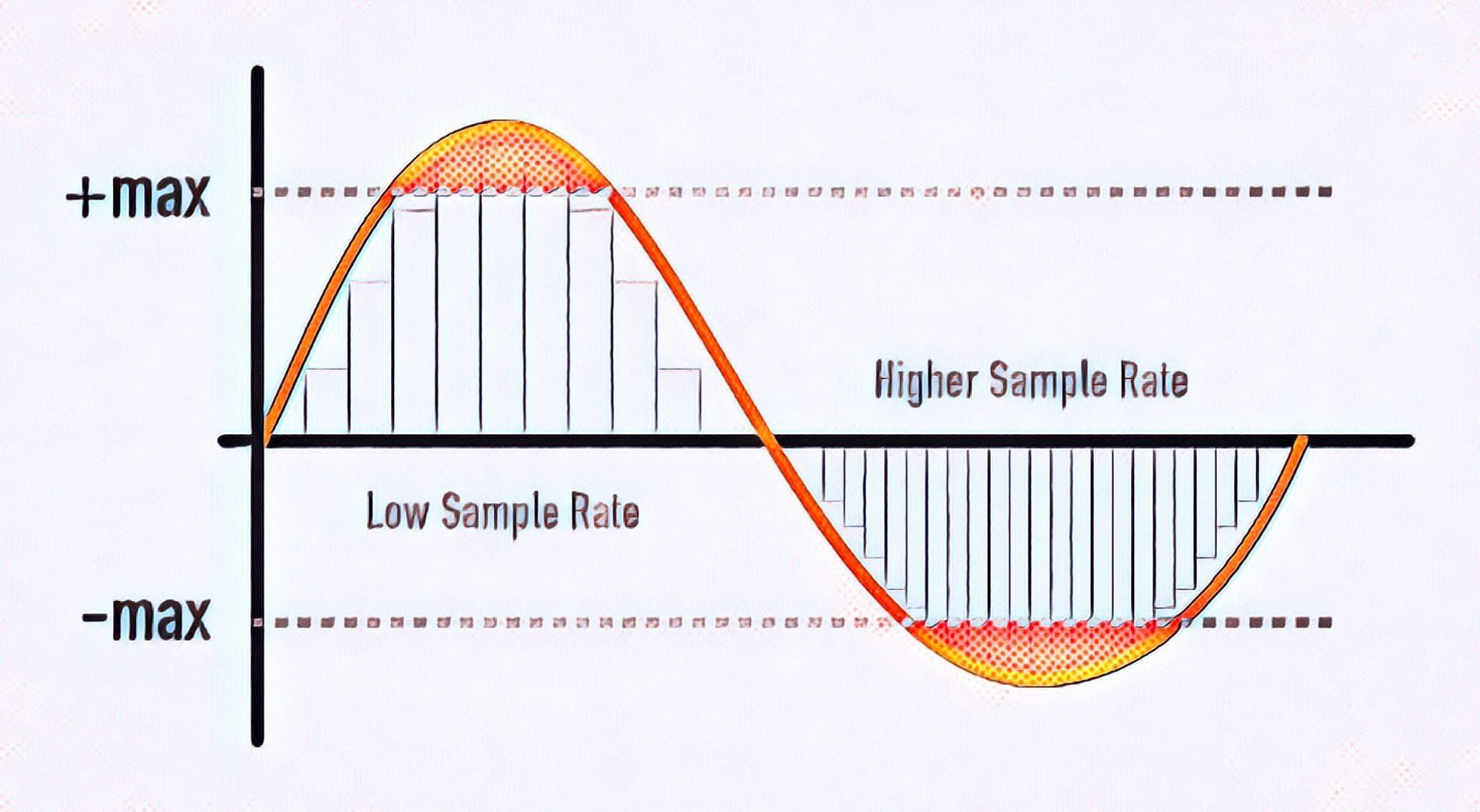
Sampling rate is the number of times per second that a digital audio signal is measured or sampled. It is measured in Hertz (Hz) and is also known as the sampling frequency. The higher the sampling rate, the more accurately the audio signal is represented in the digital domain.
Audio Quality and Sampling Rate
The sampling rate has a direct impact on the quality of the digital audio signal. A higher sampling rate means that more samples are taken per second, resulting in a more accurate representation of the original analog audio signal. This leads to a higher audio resolution and a more natural and detailed sound.
On the other hand, a lower sampling rate can result in a loss of audio quality, especially in the high-frequency range. This can lead to a loss of detail and clarity in the audio signal, resulting in a less natural and less enjoyable listening experience.
Sampling Rate and Audio Processing
The sampling rate also affects the way that digital audio is processed. For example, when audio is compressed using lossy compression algorithms such as MP3, the sampling rate can affect the quality of the compressed audio. A lower sampling rate can result in a higher degree of compression, which can lead to a loss of audio quality.
In addition, the sampling rate can also affect the way that audio is processed in digital audio workstations (DAWs) and other audio software. A higher sampling rate can result in more accurate processing and mixing of audio, leading to a better final mix.
Final Words
In conclusion, the sampling rate is an important factor that affects the quality of digital audio. A higher sampling rate can result in a more accurate representation of the original analog audio signal, leading to a higher audio resolution and a more natural and detailed sound. On the other hand, a lower sampling rate can result in a loss of audio quality, especially in the high-frequency range. It is important to consider the sampling rate when working with digital audio, and to choose a sampling rate that is appropriate for the specific application.
As the famous musician Bob Dylan once said, “The times they are a-changin’.” And with the advancements in digital audio technology, we can enjoy high-quality audio like never before.
Digital audio, sampling rate, audio quality, audio resolution, audio frequency, audio signal, audio processing, audio technology, Hertz, analog audio, lossy compression, MP3, audio compression, audio software, digital audio workstations, DAWs, mixing, final mix, high-frequency range, natural sound, detailed sound, listening experience, accuracy, representation, technical aspects, sound quality, music production, audio engineering, audio enthusiasts, audio equipment, audio gear, audio formats, audio codecs, audio standards, audio specifications, audio performance, audio fidelity, audio reproduction, audio artifacts, audio distortion, audio mastering, audio mixing,