
Bitrate Can Help You Get Better Quality in MP3 and MP4
Let’s Talk About Bitrate in MP3 and MP4
Bitrate can make or break the quality of your music or video files. I’ve spent years working with audio and video, and I can tell you that bitrate is a game-changer when it comes to getting the best sound and picture quality. Imagine a water pipe: the bitrate is like the pipe’s width. A wider pipe (higher bitrate) lets more water (data) flow through, giving you a richer sound or clearer video. Lower bitrate, on the other hand, restricts the data flow, which is like squeezing a pipe down; the result is less quality. Let’s dive into how bitrate impacts MP3 and MP4 quality and why understanding this can transform your listening and viewing experience.
What is Bitrate and Why Does It Matter?
Bitrate is the rate at which data is processed and transferred. In MP3s and MP4s, bitrate affects quality more than you might think. Higher bitrate means better quality, but also larger file sizes. Think of it like digital storage in your closet: high-bitrate files store every detail, but they take up more space. Lower bitrate compresses the details, which saves space but sacrifices some quality.
How Bitrate Affects MP3 Quality
For MP3 audio, bitrate is crucial. High-bitrate MP3s preserve more of the original recording’s sound detail, making music sound full and dynamic. I remember testing low-bitrate MP3s on different sound systems, and each time, they sounded flat and lifeless. If you want rich bass and clear vocals, go for a higher bitrate.
Common MP3 Bitrates
- 128 kbps – Standard quality, good for most casual listeners.
- 192 kbps – Enhanced clarity, offering decent audio for music enthusiasts.
- 256 kbps – Higher quality with noticeable improvements in bass and vocals.
- 320 kbps – Top-notch quality, closest to the original recording without being lossless.
How Bitrate Affects MP4 Quality
With MP4 video files, bitrate impacts both the video and audio components. When I watch a movie in high-bitrate MP4, the colors are vivid, and the sounds are rich. A low-bitrate MP4 might show pixelation and murky audio, especially on larger screens. This is why bitrate matters for video just as much as audio.
Recommended MP4 Bitrates
- 500-1000 kbps – Suitable for low-resolution video, good for small screens.
- 1000-2500 kbps – Ideal for standard definition video.
- 2500-5000 kbps – Recommended for HD quality, providing clearer visuals.
- 5000+ kbps – Best for Full HD and higher, excellent clarity on large screens.
Choosing the Right Bitrate: Balancing Quality and File Size
When selecting bitrate, it’s essential to balance quality with file size. You don’t always need the highest bitrate—sometimes, it’s more about fitting your needs. For instance, if you’re streaming on a mobile device, a lower bitrate can still provide good quality while saving data. However, if you’re playing files on high-end speakers, go for the highest bitrate possible.
Bitrate and Streaming: What You Should Know
When streaming MP3 or MP4 files, bitrate influences both quality and buffering speed. Higher bitrate streams may deliver better quality but can cause more buffering if your internet speed isn’t up to par. Personally, I recommend adjusting bitrate based on your internet connection to avoid interruptions.
How to Check and Adjust Bitrate
Checking bitrate is straightforward. On most devices, you can view the bitrate information within the file properties. Adjusting bitrate usually requires re-encoding with software that allows you to choose the bitrate. It’s like resizing a photo; changing bitrate affects file quality and size, so choose the right balance based on your needs.
Is Higher Always Better? When to Opt for Lower Bitrate
While high bitrate typically means better quality, there are cases where lower bitrate works just fine. For podcasts or spoken-word audio, for instance, a lower bitrate still delivers good clarity without taking up much space. It’s all about the type of content and how you’re consuming it.
Comparing Bitrate to Sample Rate and Resolution
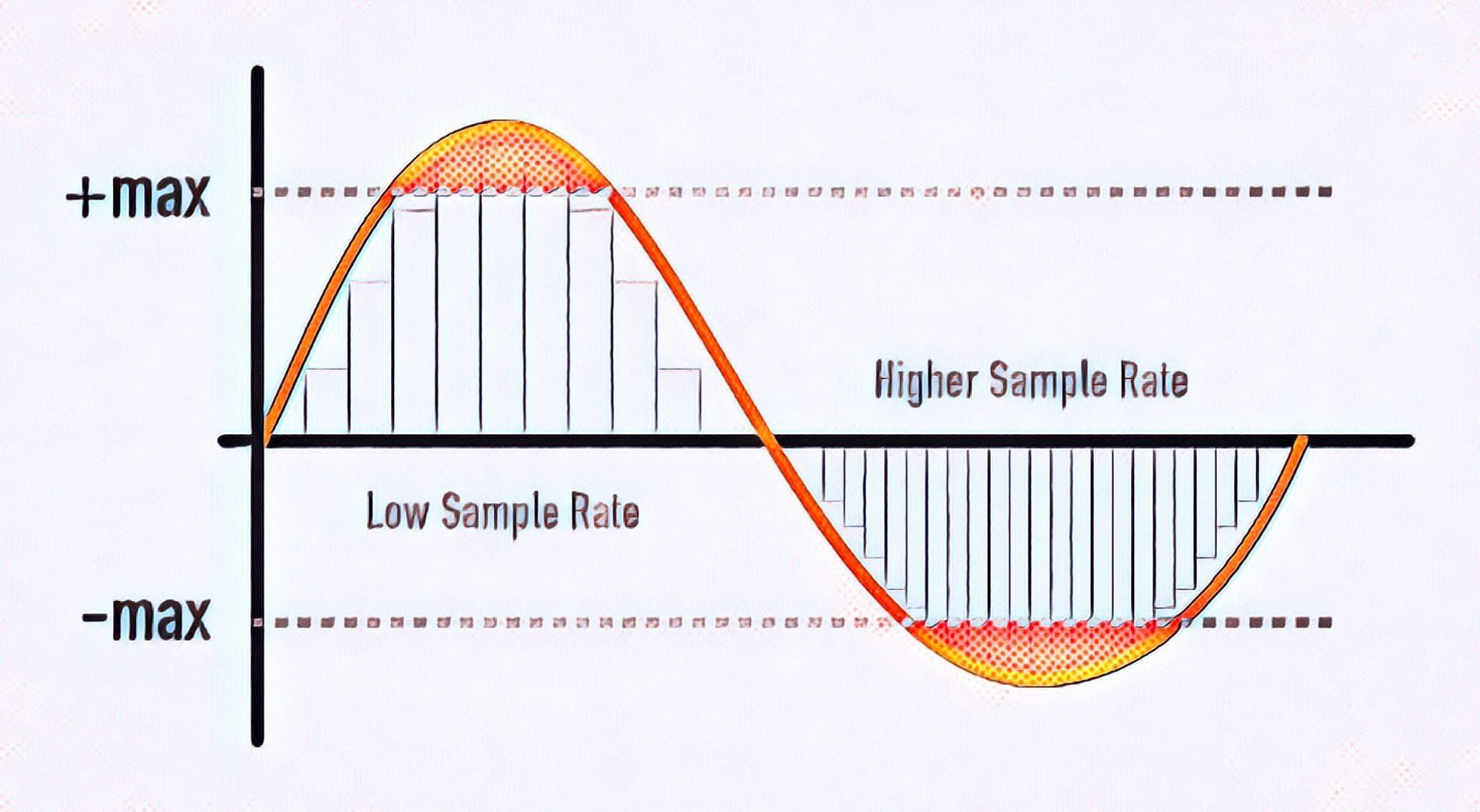
Though bitrate is vital, sample rate and resolution also play roles in quality. For MP3s, sample rate affects audio fidelity, and for MP4s, resolution impacts video clarity. Together, these factors determine overall quality. I find that focusing on bitrate alone can sometimes mislead; balancing all three aspects yields the best results.
Practical Tips for Optimal Bitrate Selection
To optimize bitrate, consider both your device and personal preferences. For everyday music listening on headphones, 192 kbps MP3 might be enough. But for home theater setups, I suggest 320 kbps or lossless formats. Adjusting based on usage can save storage and still offer great sound.
Latest Words on Bitrate and Quality
Bitrate is a powerful factor in determining the quality of MP3 and MP4 files. Whether you’re listening to music or watching videos, selecting the right bitrate makes a difference. With the right tools, like Mp4Gain, you can achieve the perfect balance between quality and file size for any format or device.
https://x.com/ricardo_mx_news/status/1850664808464474479




Comments:
Wow, this article really explained bitrate well! I always thought higher was better but now I see it’s not that simple. Good job!
I wish there was more info on sample rates. I think that impacts quality too, right?
My friend shared this with me, and I have to say, it’s been super helpful. I feel like I finally get what bitrate is!
This article cleared up so much for me. I was struggling to understand why my audio files were so big, now I get it. Thanks!
Could you go into detail about bitrate in streaming? I think that’s a big topic too!
I’m not a tech person, but this really helped me understand why my audio files sound different at different bitrates. Nice work!
My son is a musician, and I shared this with him to help with his recordings. He said it’s super helpful, thank you!
I was looking for info on MP4 bitrate specifically, and this nailed it! I’m a video editor, so quality is everything to me.
Love the real-life examples in this! Makes something technical feel easy to understand. Keep up the great work!
I’m kinda new to this and was overwhelmed with all the info about bitrate. This is really straightforward. Appreciate it!
Thanks for explaining bitrate so clearly. I always had a hard time choosing settings, but now I know exactly what to do.
Just what I was looking for! Really needed a simple explanation of bitrate and this article delivered. Thanks!
Can you add a section on bitrate comparison? Like a chart or something. It’d be useful for quick reference!
This article was so informative! I’d been looking for something like this that’s easy to understand. Cheers!
I work in audio production, and I shared this with my team. Great explanations, especially for beginners. Thank you!