The impact of Sample Rate on the audio quality of your MP3s

What is the Sample Rate and how does it work?
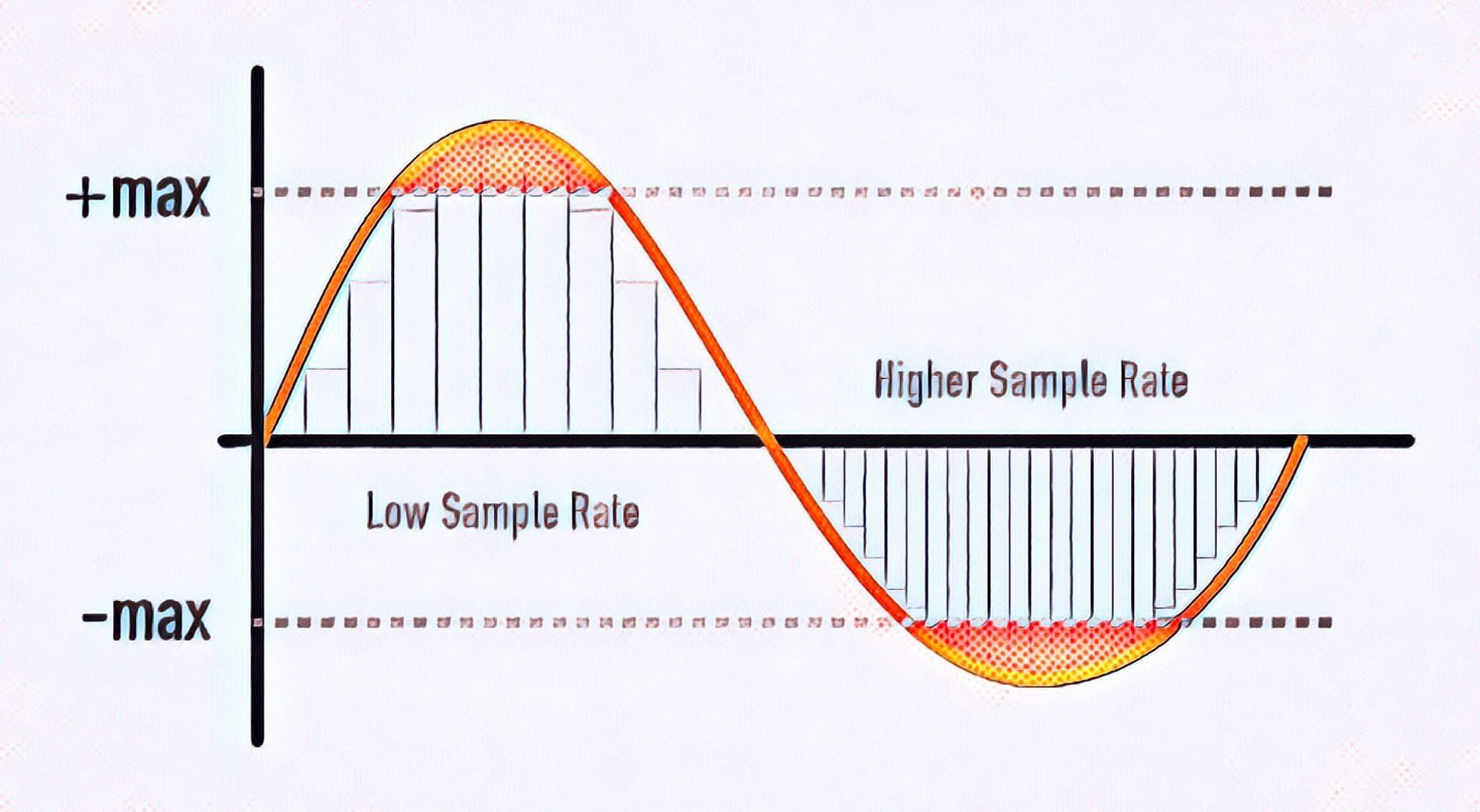
The Sample Rate, also known as sampling frequency, refers to the number of times sound is measured per second in an audio file. It is measured in hertz (Hz) .
The higher the sample rate, the more detailed the sound will be captured and played back. However, this also means that the file will be larger in size.
How to choose the right Sample Rate?
Choosing the right Sample Rate will depend on how you will use the file. For music files, a sampling frequency of at least 44.1 kHz is recommended for decent sound quality. However, if you want higher sound quality, you can go for a higher sample rate, such as 48 kHz or even 96 kHz.
For voice audio files, a sampling rate of 22 kHz is sufficient for clear sound quality. However, if you want higher sound quality, you can opt for a higher sample rate, such as 44.1 kHz.
How is Sample Rate related to bitrate and number of channels?
Sample Rate, bitrate and number of channels are important factors that affect the audio quality of an MP3 file. It is important to choose an appropriate combination of these factors to obtain the best sound quality. A high sample rate combined with a high bitrate and high channel count will provide superior sound quality, but will also require a larger file. On the other hand, a low sample rate combined with a low bitrate and a low number of channels will provide lower sound quality, but the file size will be smaller. It is important to find a balance between these factors according to your needs and preferences.
Conclusion
In conclusion, Sample Rate is a crucial factor in the audio quality of an MP3 file. It is important to choose an appropriate sample rate, as well as take into account other factors such as bitrate and the number of channels to obtain the best sound quality. Consider your needs and preferences to find the right balance.
It is also important to note that the Sample Rate is not the only factor that affects the audio quality in an MP3 file, as the bitrate and the number of channels are also involved. It is important to find the right balance between these factors to get the best possible sound quality. In addition, it is also important to consider the end use of the file, as a higher sample rate may be required for music files, while a lower sample rate may be sufficient for voice audio files.</ p>
In short, the Sample Rate is an important factor in the audio quality of an MP3 file, and it is important to choose the right rate to get the best possible sound quality. Be sure to balance this with other factors like bitrate and number of channels, and take into account the end use of the file. With these factors in mind, you will be able to enjoy a high-quality audio listening experience.