Converting MP3 to WAV: A Technical Overview

If you’re an audio geek, you might want to convert your MP3 files to WAV format to get a higher quality sound. Converting MP3 to WAV is a simple process, but it’s important to understand the technical differences between the two formats.

MP3 vs. WAV: What’s the Difference?
MP3 and WAV are both audio file formats, but they use different methods to compress and store audio data.
- MP3: MP3 is a lossy audio compression format. This means that some audio data is lost during the compression process. MP3 files are smaller in size than WAV files, but they also have lower audio quality. MP3 files are popular for streaming and portable audio players because of their small file size.
- WAV: WAV is a lossless audio format. This means that all audio data is preserved during the compression process. WAV files are larger in size than MP3 files, but they offer higher audio quality. WAV files are commonly used for professional audio editing and production.
Converting MP3 to WAV: The Technical Process
Converting MP3 to WAV involves decoding the MP3 data and re-encoding it in WAV format. Here’s a technical overview of the process:
- MP3 decoding: The MP3 data is read and decoded to raw audio data.
- Audio processing: The raw audio data is processed, including any required resampling, normalization, or filtering.
- WAV encoding: The processed audio data is encoded in WAV format.
Factors to Consider When Converting MP3 to WAV
When converting MP3 to WAV, there are several technical factors to consider:
- Audio quality: The resulting WAV file will have higher audio quality than the original MP3, but the quality can still be affected by the initial MP3 compression and any subsequent processing.
- File size: The resulting WAV file will be larger in size than the original MP3, which can affect storage and transfer.
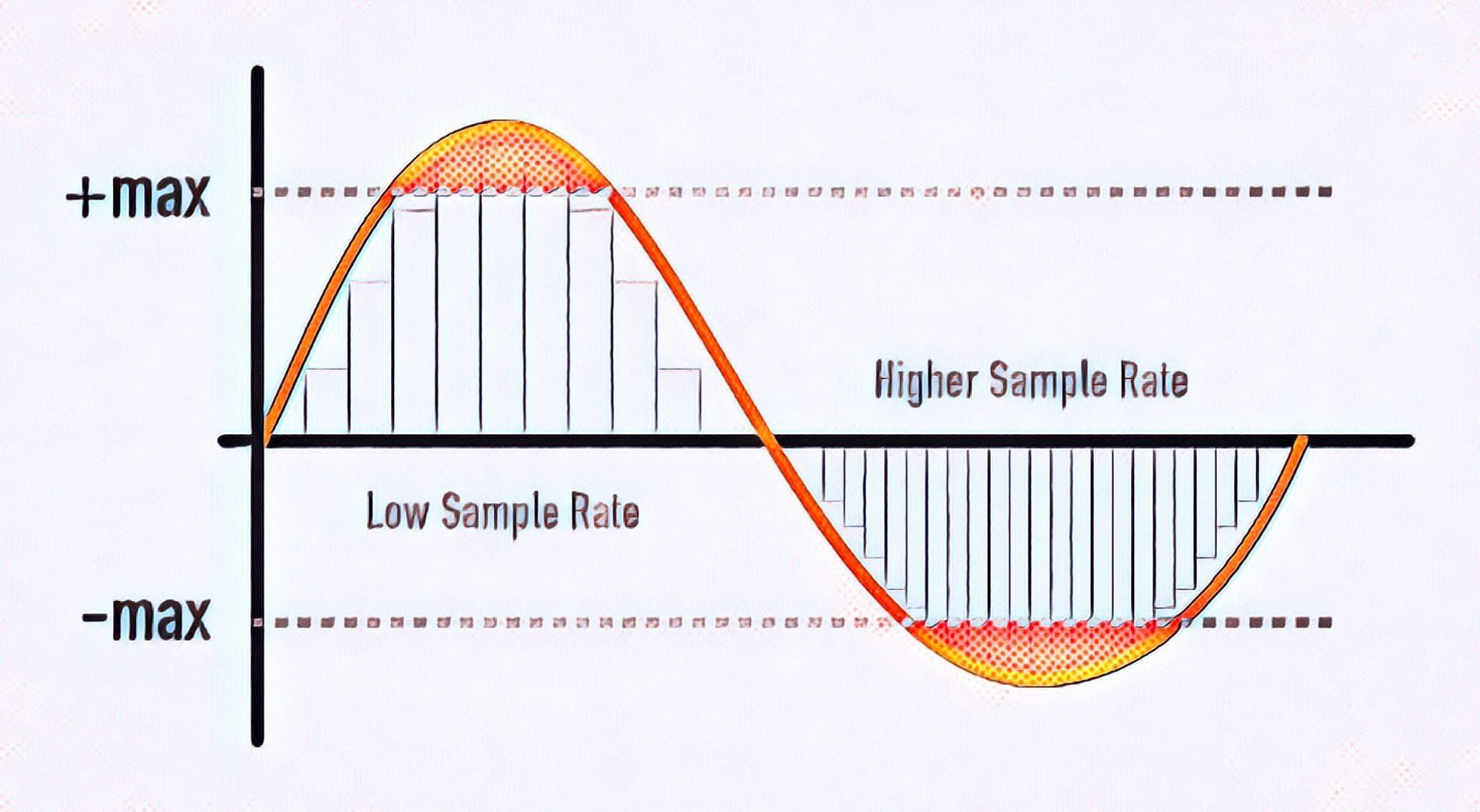
- Bit depth and sample rate: The bit depth and sample rate of the WAV file can affect its compatibility with different audio devices and software.
Conclusion
Converting MP3 to WAV can improve the audio quality of your files, but it’s important to understand the technical differences between the two formats. By considering factors like audio quality, file size, bit depth, and sample rate, you can ensure that your WAV files are optimized for your needs.
The History of WAV: From Cassette Tapes to Digital Audio
The WAV (Waveform Audio File Format) is a popular file format for storing and playing digital audio. But where did it come from, and how did it become so widely used?
The Early Days of Digital Audio
The history of the WAV file format goes back to the early days of digital audio. In the 1970s, digital recording technology was still in its infancy. Early digital audio systems used magnetic tape to store the digital audio data. This allowed the audio to be captured in a digital format, but the resulting files were quite large and difficult to work with.
In the 1980s, a new digital audio recording format was developed. Called the Digital Audio Tape (DAT), this new format used a rotating head to record and play back digital audio. DAT tapes were much smaller and more convenient than earlier magnetic tape formats, and they could store up to two hours of digital audio.
The Emergence of the WAV File Format
In the 1990s, personal computers became more powerful and began to include sound cards as standard equipment. This made it possible to record and play back digital audio on a computer. However, there were many different file formats for digital audio, and there was no standard format that could be used on all computers.
In response to this problem, Microsoft developed the WAV file format in 1991. The WAV format was designed to be a standard format for storing and playing digital audio on a computer. It was based on the Resource Interchange File Format (RIFF), a file format used for multimedia files.
The Advantages of the WAV File Format
One of the main advantages of the WAV file format is that it is an uncompressed format. This means that the audio data is stored in its original form, without any loss of quality. It is also a simple format, with a header that contains basic information about the audio file, such as its sample rate and bit depth.
The WAV format is also widely supported by audio software and hardware. This makes it a popular choice for professional audio production and editing. In addition, WAV files can be easily converted to other audio formats, such as MP3 or FLAC, without any loss of quality.
The Future of the WAV File Format
Today, the WAV file format is still widely used for digital audio recording and playback. However, new file formats, such as FLAC and ALAC, have emerged as alternatives to the WAV format. These formats offer better compression, which means that audio files can be stored in a smaller size without sacrificing quality.
Despite the competition from newer formats, the WAV format remains a popular choice for many professional audio producers and engineers. Its simplicity, uncompressed nature, and widespread support make it a reliable and flexible format for digital audio.
So there you have it, the history of the WAV file format. From its early days as a solution to the problems of early digital audio recording, to its current status as a popular choice for professional audio production, the WAV format has come a long way.