Navigating the world of digital audio formats can be a daunting task, especially when it comes to choosing between MP3 and WMA. As a seasoned expert in audio technologies, I’ve explored the intricacies of both formats to provide you with a comprehensive understanding of their licensing and compatibility.
The Battle of Audio Compression
MP3, short for MPEG Audio Layer III, and WMA, or Windows Media Audio, are two popular audio compression formats used for encoding digital audio files. Understanding Audio Compression: Both MP3 and WMA employ lossy compression techniques to reduce file size while maintaining acceptable audio quality. However, the specific algorithms and compression ratios vary between the two formats, leading to differences in sound fidelity and file size.
Licensing: Open Source vs Proprietary
MP3 Licensing: MP3 technology is widely regarded as the pioneer of digital audio compression and is supported by an extensive ecosystem of hardware and software devices. Despite its popularity, MP3 is not entirely free to use, as it is subject to licensing fees imposed by the Fraunhofer Society, the organization responsible for licensing MP3 patents.
WMA Licensing: In contrast, WMA is a proprietary format developed by Microsoft and is tightly integrated with the Windows operating system and associated software products. While Microsoft provides licenses for the development and distribution of WMA-based products, the format’s usage is inherently tied to the Windows ecosystem, limiting its compatibility with non-Microsoft platforms.
Compatibility: Versatility vs Integration
MP3 Compatibility: One of MP3’s greatest strengths lies in its broad compatibility with a wide range of devices and platforms, including smartphones, tablets, MP3 players, and multimedia software. Its status as a de facto standard for digital audio ensures seamless playback across various hardware and software environments, making it the preferred choice for many consumers.
WMA Compatibility: While WMA offers native support within the Windows ecosystem, its compatibility outside of Microsoft environments may be more limited. Although third-party software and hardware devices may offer WMA playback capabilities, users operating on non-Windows platforms may encounter compatibility issues or the need for additional software plugins to play WMA files.
Licensing and Compatibility in Practice
When choosing between MP3 and WMA, it’s essential to consider both licensing requirements and compatibility constraints. Practical Considerations: MP3’s widespread adoption and cross-platform compatibility make it an attractive option for consumers seeking versatility and ease of use. On the other hand, WMA may be more suitable for individuals deeply entrenched in the Windows ecosystem, where seamless integration and native support are paramount.
Latest Words on Licensing and Compatibility
In conclusion, the choice between MP3 and WMA ultimately hinges on your specific needs and preferences. Whether you prioritize open-source compatibility or seamless integration with Windows devices, understanding the licensing and compatibility implications of each format is crucial for making an informed decision. As technology continues to evolve, it’s essential to stay informed and adapt to the ever-changing landscape of digital audio formats.
Comments:
This article provides a clear breakdown of the licensing and compatibility differences between MP3 and WMA. As someone who’s struggled with file compatibility issues in the past, this information is invaluable!
– AudioEnthusiast123
While I appreciate the overview of MP3 and WMA, I wish the article had delved deeper into the technical aspects of audio compression and its implications for sound quality.
– TechSavvyMusician
As a Windows user, I’ve always gravitated towards WMA for its seamless integration with my devices. This article reaffirmed my decision and provided valuable insights into the licensing considerations.
– WindowsFanatic99
I found this article to be a helpful resource for understanding the differences between MP3 and WMA, especially in terms of licensing and compatibility. Keep up the great work!
– MusicLover88
Great article! It’s refreshing to see a comprehensive comparison that goes beyond the surface-level differences between MP3 and WMA. Keep up the excellent work!
– AudioTechGeek
I’ve always been a fan of MP3 for its wide compatibility, but this article shed light on the licensing implications that I hadn’t considered before. Thanks for the informative read!
– DigitalListener22
This article provided valuable insights into the licensing and compatibility aspects of MP3 and WMA. As someone who’s looking to digitize their music collection, this information will definitely come in handy!
– MusicCollector55
While I appreciate the overview, I wish the article had included more information about alternative audio formats and their respective licensing models.
– AudioTechEnthusiast
As a casual listener, I found this article to be incredibly informative and easy to understand. It’s helped me make a more informed decision about which audio format to use for my digital music collection.
– CasualListener123
This article provided a thorough analysis of the licensing and compatibility considerations for MP3 and WMA. As someone who’s struggled with file compatibility issues in the past, I found this information to be incredibly useful!
Streaming music has become an integral part of our daily lives, offering instant access to a vast library of songs. M4A is a popular audio format widely used for streaming due to its efficient compression and high-quality sound. In this article, we’ll explore the world of M4A audio streaming, uncovering its benefits, challenges, and future prospects. As a specialist in digital audio technologies, I’ll provide valuable insights into this fascinating topic, offering practical tips and expert advice to enhance your streaming experience.
The Rise of M4A Audio Streaming
Audio streaming has undergone a remarkable transformation in recent years, with M4A emerging as a preferred format for delivering high-fidelity audio over the internet. Unlike traditional formats like MP3, M4A offers superior sound quality while maintaining efficient file sizes, making it ideal for streaming on various platforms, including Spotify, Apple Music, and Tidal. As consumers increasingly demand high-quality audio experiences, M4A streaming has gained traction among music enthusiasts and audiophiles alike.
Benefits of M4A Format
High-fidelity audio reproduction
Efficient compression without compromising quality
Compatibility with multiple streaming platforms
Challenges and Opportunities
Ensuring seamless playback across devices and networks
Addressing potential compatibility issues with older hardware
Exploring opportunities for immersive audio experiences
Optimizing M4A Audio Streaming
To fully leverage the potential of M4A audio streaming, it’s essential to optimize your setup for the best possible listening experience. From selecting the right streaming service to configuring audio settings, every aspect plays a crucial role in delivering superior sound quality. As a seasoned audio enthusiast, I’ll share my top tips for optimizing M4A audio streaming, ensuring you get the most out of your music collection.
Choosing the Right Streaming Service
Evaluating streaming platforms based on audio quality and catalog
Exploring subscription options for ad-free and high-resolution streaming
Considering platform-specific features such as curated playlists and exclusive content
Audio Settings and Equipment
Adjusting audio settings for optimal sound reproduction
Investing in high-quality headphones or speakers for an immersive listening experience
Exploring advanced audio technologies such as **Dolby Atmos** and **Spatial Audio**
The Future of M4A Audio Streaming
As technology continues to evolve, the future of M4A audio streaming looks promising. With advancements in streaming protocols and audio codecs, we can expect even higher levels of audio fidelity and immersive experiences. From smart speakers to wearable devices, M4A streaming will continue to shape the way we consume and enjoy music in the digital age. By staying informed and embracing emerging technologies, we can unlock new dimensions of audio streaming and elevate our listening experiences to new heights.
Innovations in Streaming Technology
Exploring next-generation streaming protocols for reduced latency and improved reliability
Advancements in audio codecs for enhanced compression efficiency and sound quality
Integration of **AI** and **machine learning** algorithms for personalized audio recommendations
Expanding Access and Accessibility
Improving access to high-quality audio streaming in emerging markets
Addressing accessibility concerns for individuals with disabilities
Exploring new distribution channels and partnerships to reach a wider audience
Latest Words on M4A Audio Streaming
In conclusion, M4A audio streaming represents the pinnacle of digital audio technology, offering unparalleled sound quality and convenience. By optimizing your setup and embracing emerging innovations, you can enjoy a truly immersive listening experience that transcends traditional boundaries. As a passionate advocate for high-fidelity audio, I’m excited to see how M4A streaming continues to evolve and shape the future of music consumption. Embrace the possibilities, and let the music take you on a journey like never before.
Comments:
This article provided valuable insights into M4A audio streaming. I appreciate the practical tips for optimizing streaming setups.
As an avid music lover, I found this article highly informative. I’m excited to explore the future of M4A audio streaming and embrace emerging technologies.
Great article! However, I wish there was more discussion on the compatibility of M4A streaming with different devices and platforms.
As a musician, I’m always interested in the latest advancements in audio streaming technology. This article provided valuable insights into the world of M4A streaming.
Informative read! I particularly enjoyed the section on optimizing M4A streaming setups for the best sound quality.
This article sparked my curiosity about M4A audio streaming. I’m eager to learn more about the future innovations in this field.
Great overview of M4A audio streaming! I appreciate the focus on practical tips for enhancing the streaming experience.
Fascinating read! I’m excited to explore the advancements in streaming technology mentioned in this article.
This article provided a comprehensive overview of M4A audio streaming. I’m eager to implement the optimization tips for my streaming setup.
As a tech enthusiast, I found this article incredibly insightful. It’s exciting to see how M4A streaming is shaping the future of music consumption.
Informative article! However, I would have liked to see more examples of streaming platforms that support M4A format.
10 Things You Didn’t Know About FLAC10 Things You Didn’t Know About FLAC
Let’s talk about FLAC
As a specialist with years of experience in the world of audio, I’m thrilled to delve into the captivating universe of FLAC. Most of us have heard of MP3, the widely used audio format, but FLAC remains a hidden gem for many. In this article, I’m here to unveil the lesser-known facets of FLAC, helping you understand why it’s a superior choice for audio enthusiasts and everyday music lovers alike.
10 Things You Didn’t Know About FLAC
Lossless Audio: What’s the Fuss?
When we talk about FLAC, we’re referring to “Free Lossless Audio Codec.” The term “lossless” is the key here. Unlike MP3, which is a “lossy” audio format, FLAC preserves every bit of audio data during compression. Think of it as a high-resolution photograph compared to a heavily compressed one. With FLAC, you’re getting the best possible audio quality without any loss in fidelity.
Perfect Preservation of Sound
One of the remarkable aspects of FLAC is its commitment to preserving sound exactly as it was recorded. It’s like a digital audio museum, where every note, instrument, and vocal is displayed in its purest form. Whether you’re listening to a symphony orchestra or your favorite rock band, FLAC ensures that you hear every nuance and detail with pristine clarity.
CD-Quality Audio, Minus the CDs
Remember those shiny discs called CDs? They were the gold standard for audio quality in the past. FLAC, however, offers CD-quality audio without the need for physical discs. You can enjoy the same level of audio excellence as a CD, but in a convenient digital format. It’s like having a virtual CD library in your pocket.
Hi-Res Audio: Beyond CD Quality
If CD-quality audio isn’t enough, FLAC has you covered. It supports high-resolution audio, surpassing the quality of CDs. With FLAC, you can immerse yourself in studio-quality recordings, feeling like you’re right there in the recording studio or at a live concert. It’s like having a 4K TV for your ears.
Multi-Platform Compatibility
You might be concerned about compatibility, but FLAC is remarkably versatile. It plays nicely with various platforms and devices, from Windows and macOS to Android and iOS. So, whether you’re at your computer, on the go with your smartphone, or even at home with your hi-fi system, FLAC has your back. It’s like a universal remote for audio.
Metadata and Album Art Galore
FLAC doesn’t just stop at audio quality; it’s also a pro at handling metadata and album art. When you open a FLAC file, you’re not just getting the music – you’re treated to artist names, song titles, album information, and even the album cover art. It’s like a digital music museum with all the exhibition details at your fingertips.
Archiving and Restoration Magic
Ever worried about your precious music collection getting damaged or lost? FLAC acts as a guardian angel for your audio treasures. You can use it to create perfect archives of your music, ensuring that no quality is lost. And if you ever need to restore your music, FLAC is there to save the day, providing audio as good as new.
Streaming in Hi-Fi Glory
With the rise of music streaming, many services offer a Hi-Fi or lossless tier. What’s powering that superior audio quality? You guessed it – FLAC. Services like Tidal and Deezer HiFi use FLAC to deliver pristine sound to your ears. It’s like having a personal concert streamed directly to your device.
It’s Not Just for Audiophiles
While FLAC is a favorite among audiophiles, it’s not exclusive to them. Anyone who appreciates great sound can benefit from FLAC. Whether you’re a casual music listener or a dedicated music lover, you’ll notice the difference in audio quality. It’s like upgrading from standard definition to 4K – once you experience it, you won’t want to go back.
FLAC: The Green Audio Format
Did you know that FLAC is also environmentally friendly? By preserving audio quality without the need for physical media, it reduces the carbon footprint associated with CD production and transportation. It’s like listening to your music while helping the planet breathe a little easier.
Unleashing the Full Potential of FLAC
Before we wrap up, I should mention that there are tools and software like Mp4Gain that can enhance your FLAC experience. They allow you to manage your FLAC library efficiently and ensure that your audio quality is top-notch. While I’ve explored the wonders of FLAC, these tools are the final piece of the puzzle to unleash its full potential.
Latest Words on FLAC
In a world of audio formats, FLAC shines as a beacon of uncompromised quality. It offers a listening experience that’s second to none, whether you’re a casual listener or a hardcore audiophile. As technology evolves, FLAC remains at the forefront of high-quality audio, promising a future filled with sonic perfection.
Comments:
Comment: I never realized how much detail gets lost in other formats until I switched to FLAC. It’s like hearing my favorite songs for the first time!
Author: SonicExplorer
Comment: This article opened my eyes to the world of FLAC. I had no idea it was so versatile and accessible. Great read!
Author: MusicLover123
Comment: I’d love to see a follow-up article on the best devices and software for enjoying FLAC to the fullest.
Author: TechEnthusiast
Comment: FLAC is like a hidden treasure in the world of music. I’m excited to explore it further now!
Author: AudioAdventurer
Comment: This article made me appreciate the environmental aspect of FLAC. It’s a win-win for my ears and the planet!
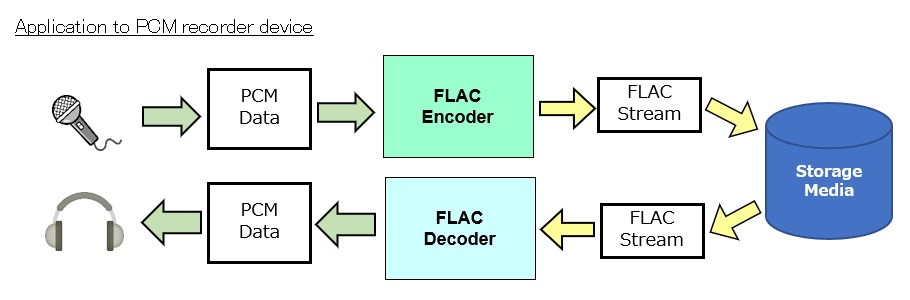
As a specialist with extensive experience in audio technology, I’m here to unravel the mysteries of Flac encoding for you. If you’ve ever wondered about the best way to preserve audio quality without sacrificing storage space, you’re in the right place. Flac, which stands for Free Lossless Audio Codec, is the audiophile’s best friend when it comes to audio compression. In this comprehensive article, we’ll delve deep into the world of Flac encoding, addressing your search intent directly and providing you with a wealth of knowledge and real-life examples to make the journey enjoyable and educational.
What Is Flac Encoding?
Before we dive into the intricacies of Flac encoding, let’s start with the basics. Flac is a lossless audio compression format, which means it reduces file size without compromising the original audio quality. This is in contrast to lossy compression formats like MP3, which discard some audio data to achieve smaller file sizes. Flac, on the other hand, retains every bit of the audio information, ensuring that what you hear is as close to the original recording as possible.
Imagine you have a favorite painting, and you want to make a copy to hang in a smaller room. With lossy compression, it’s like making a photocopy of the painting, but the copy loses some details and colors. Flac encoding, on the other hand, is like having a professional artist recreate the painting on a smaller canvas while preserving all the nuances and details. The result is a beautiful, high-fidelity reproduction.
Flac vs. Other Audio Formats
To truly appreciate Flac encoding, it’s essential to compare it with other audio formats. The most popular alternative to Flac is the MP3 format. MP3 is well-known for its widespread use, but it’s a lossy format. This means that during compression, some audio data is discarded to achieve smaller file sizes. The result is a compromise between file size and audio quality.
Let’s put this into perspective: If you were to store your favorite songs on a mobile device, a lossy format like MP3 might be suitable. It’s like having a collection of smaller, convenient-to-carry reproductions of famous paintings. However, if you want to archive your audio collection or create a master copy for your home theater, Flac encoding is the equivalent of preserving the original artwork in all its glory.
The Magic of Lossless Compression
One of the remarkable features of Flac encoding is its lossless nature. It achieves this through a clever algorithm that compresses audio data without losing any of the information. Think of it as a magician’s trick – a skilled magician can fit a deck of cards into a small box without removing any cards. Flac is like that magician, making your audio files smaller while keeping every musical note intact.
The beauty of lossless compression becomes evident when you’re dealing with vast audio libraries. Let’s say you have a music collection that takes up hundreds of gigabytes in its raw, uncompressed form. Flac encoding allows you to shrink that collection significantly, saving precious storage space. This is akin to having a magical bag that can hold many more items than it seems possible, yet you can retrieve each one intact whenever you need it.
Compatibility and Versatility
Flac encoding offers the best of both worlds: high-quality audio and compatibility. While some older devices may not support Flac natively, there are numerous apps and software tools available that can decode Flac files for playback. So, even if you have a mix of old and new devices, you can enjoy your music library without compromise.
Consider this scenario: You have a vast collection of unique musical instruments, and you want to play them on different types of stages. Flac encoding ensures that your instruments sound just as vibrant and authentic in a small jazz club as they do in a grand concert hall. It’s like having an ensemble of versatile musicians who can adapt to any setting without losing their precision and flair.
Preservation of Metadata
Flac doesn’t just preserve the audio quality; it also ensures that all the associated metadata, such as artist names, album titles, and track information, remains intact. This is crucial for those who want a well-organized music library. Think of your music collection as a vast library, and the metadata as the catalog that helps you quickly find the book you want to read. Flac encoding ensures that the catalog is meticulously maintained, so you can easily locate your favorite songs.
Flac Encoding: The Audiophile’s Dream
Now, let’s talk about why Flac encoding is often dubbed the “audiophile’s choice.” Audiophiles are individuals who have a deep appreciation for high-fidelity sound and are willing to invest in quality equipment to enjoy the best audio experience. For them, Flac is the gold standard because it delivers audio in its purest form, maintaining every subtle detail and nuance.
Imagine you’re a wine connoisseur, and you’re savoring a rare vintage. Flac encoding is like enjoying that wine in a crystal-clear glass that enhances the aroma, taste, and color, allowing you to fully appreciate the wine’s complexity. This level of detail is what sets Flac apart and makes it the preferred choice for those who demand nothing but the best in audio quality.
Flac Encoding in the Real World
To understand Flac encoding better, let’s look at some real-world examples. Consider a music producer working on a new album. They want to ensure that the final mix and master sound precisely as intended. Flac encoding is their best friend in this scenario. It allows them to store and share high-quality audio files with collaborators and record labels, ensuring that every note and sound effect is preserved.
Now, picture yourself as a car enthusiast who’s invested in a high-end sound system for your vehicle. You want to experience your favorite music with the utmost clarity while cruising down the highway. Flac-encoded audio files provide the closest experience to having a live concert in your car. You hear every instrument, every vocal, and every beat in perfect harmony, just as the artist intended.
Practical Steps for Using Flac Encoding
If you’re eager to embrace Flac encoding for your own audio needs, there are some practical steps to consider:
1. Choosing the Right Software
Look for audio players that support Flac. Download Mp4Gain to convert or encode to FLAC.
2. Converting Existing Audio
If you have a vast collection of audio files in other formats, consider converting them to Flac to enjoy the benefits of lossless compression.
3. Organizing Your Library
Make sure to maintain the metadata of your Flac files for easy access and organization.
4. Backing Up Your Collection
As your Flac-encoded library grows, consider creating backup copies to protect your valuable audio assets.
5. Enjoying the Experience
Once your library is set up, sit back, and savor the audio quality that Flac encoding brings to your music collection.
Latest Words on Flac Encoding
In conclusion, Flac encoding is a true audiophile’s choice when it comes to preserving audio quality while minimizing storage space. This lossless compression format is like having a magical preservation method for your music, keeping it pristine and unaltered. Whether you’re a music producer striving for perfection or a car enthusiast seeking the ultimate audio experience, Flac is your gateway to auditory bliss. Don’t hesitate to explore this world of high-fidelity sound and unlock the full potential of your audio collection with Flac encoding.



Comments:
This article provides a clear breakdown of the licensing and compatibility differences between MP3 and WMA. As someone who’s struggled with file compatibility issues in the past, this information is invaluable!
– AudioEnthusiast123
While I appreciate the overview of MP3 and WMA, I wish the article had delved deeper into the technical aspects of audio compression and its implications for sound quality.
– TechSavvyMusician
As a Windows user, I’ve always gravitated towards WMA for its seamless integration with my devices. This article reaffirmed my decision and provided valuable insights into the licensing considerations.
– WindowsFanatic99
I found this article to be a helpful resource for understanding the differences between MP3 and WMA, especially in terms of licensing and compatibility. Keep up the great work!
– MusicLover88
Great article! It’s refreshing to see a comprehensive comparison that goes beyond the surface-level differences between MP3 and WMA. Keep up the excellent work!
– AudioTechGeek
I’ve always been a fan of MP3 for its wide compatibility, but this article shed light on the licensing implications that I hadn’t considered before. Thanks for the informative read!
– DigitalListener22
This article provided valuable insights into the licensing and compatibility aspects of MP3 and WMA. As someone who’s looking to digitize their music collection, this information will definitely come in handy!
– MusicCollector55
While I appreciate the overview, I wish the article had included more information about alternative audio formats and their respective licensing models.
– AudioTechEnthusiast
As a casual listener, I found this article to be incredibly informative and easy to understand. It’s helped me make a more informed decision about which audio format to use for my digital music collection.
– CasualListener123
This article provided a thorough analysis of the licensing and compatibility considerations for MP3 and WMA. As someone who’s struggled with file compatibility issues in the past, I found this information to be incredibly useful!
– DigitalAudioFanatic