Skip to content

mp4gain.com

Mp4 Gain Official Website

Tag: audio preservation methods

WAV File Archiving


Free Download Mp4Gain
picture

WAV File Archiving: Preservation of Multichannel Audio


WAV File Archiving

WAV File Archiving
WAV File Archiving

Let’s talk about WAV file archiving

As a specialist with years of experience in audio preservation, I understand the importance of WAV file archiving for maintaining the integrity of multichannel audio recordings. Whether it’s preserving a studio masterpiece or safeguarding field recordings, WAV file archiving is crucial for ensuring that every nuance and detail of the original audio is faithfully preserved for future generations. Today, I’m here to delve deep into the world of WAV file archiving, offering insights, tips, and techniques to help you master this essential aspect of audio preservation.

Understanding the significance of WAV files

At the heart of multichannel audio preservation lies the WAV file format. WAV, short for Waveform Audio File Format, is a lossless audio format that ensures pristine audio quality without any compression artifacts. Unlike compressed formats like MP3 or AAC, WAV files retain every bit of audio data, making them ideal for archival purposes where audio fidelity is paramount. Imagine WAV files as the gold standard for audio preservation, capturing the true essence of the original recording without compromise.

The importance of lossless compression

In the world of audio preservation, every bit of data matters. Lossless compression techniques, such as those used in WAV files, ensure that no audio data is lost during storage or transmission. Unlike lossy compression, which sacrifices audio quality for smaller file sizes, lossless compression maintains the full integrity of the audio signal. Think of it like zipping a file without losing any information in the process – every detail remains intact, ensuring a faithful representation of the original recording.

Preserving multichannel audio fidelity

Multichannel audio recordings, such as those captured in surround sound or immersive formats like Dolby Atmos, present unique challenges for preservation. WAV file archiving excels in maintaining the fidelity of multichannel audio, preserving spatial positioning, channel balance, and sonic depth with unparalleled accuracy. Whether it’s the subtle ambience of a live concert or the directional effects of a Hollywood blockbuster, WAV files ensure that every element of the audio mix is faithfully reproduced, preserving the artist’s original vision.

The art of WAV file archiving

Now that we understand the significance of WAV files in audio preservation, let’s explore the art of WAV file archiving in more detail. From best practices to advanced techniques, mastering the art of WAV file archiving is essential for safeguarding your precious audio recordings for years to come.

Organizing your audio library

A well-organized audio library is the foundation of effective WAV file archiving. Take the time to carefully catalog your recordings, organizing them by project, date, or thematic categories. Consider creating a standardized naming convention for your WAV files, including relevant metadata such as artist name, album title, and recording date. By maintaining a structured approach to organizing your audio library, you’ll streamline the archiving process and ensure easy access to your recordings in the future.

Ensuring data redundancy and backup

In the world of audio archiving, redundancy is your best friend. Always create multiple copies of your WAV files and store them on separate physical drives or cloud storage platforms. Invest in high-quality storage solutions designed for long-term archival, such as RAID arrays or LTO tape systems. Regularly verify the integrity of your archived files using checksums or file verification tools to detect any potential data corruption early on. Remember, it’s not a matter of if a storage device will fail, but when – by maintaining redundant backups, you’ll safeguard your audio recordings against any unforeseen disasters.

Implementing robust metadata management

Metadata is the lifeblood of audio archiving, providing essential context and information about each recording. Implementing robust metadata management practices is crucial for effectively organizing and retrieving your WAV files. Consider embedding descriptive metadata directly into the audio files themselves, including details such as track titles, album artwork, and recording credits. Leverage dedicated metadata management software to streamline the process of adding and editing metadata across your entire audio library. By enriching your WAV files with comprehensive metadata, you’ll enhance their discoverability and usability for future generations.

Latest words on WAV file archiving

In conclusion, WAV file archiving is a cornerstone of multichannel audio preservation, ensuring the faithful reproduction of original recordings for years to come. By understanding the significance of WAV files, mastering the art of WAV file archiving, and implementing best practices for organization, redundancy, and metadata management, you can safeguard your precious audio recordings against the ravages of time. Remember, the preservation of multichannel audio is not just a technical endeavor – it’s a cultural responsibility to future generations of audio enthusiasts and historians.

Comments:

Wow, I never knew WAV files were so important for preserving audio quality! I’ve been using MP3s for everything, but now I’m definitely going to start archiving my recordings as WAV files. Thanks for the informative article!

This article is a great starting point, but I wish it delved deeper into the specific techniques and tools for WAV file archiving. I’d love to learn more about the best storage solutions and metadata management practices.

As a professional audio engineer, I can’t stress enough the importance of WAV file archiving in my line of work. This article provides a comprehensive overview of the topic, and I’ll definitely be sharing it with my colleagues.

I’ve had a few bad experiences with data loss in the past, so I’m always looking for ways to improve my backup strategy. The section on ensuring data redundancy and backup was particularly helpful – thanks for the tips!

Archiving audio recordings is such a crucial aspect of preserving our cultural heritage. This article sheds light on the importance of WAV file archiving and offers practical advice for anyone looking to safeguard their audio collections.

Great article! I’ve been using WAV files for my music productions for years, but I never knew there was so much to learn about archiving them properly. The section on metadata management was especially eye-opening – I’ll definitely be implementing some of those tips.

As a musician, I’m always looking for ways to ensure that my recordings stand the test of time. WAV file archiving seems like the perfect solution for preserving the integrity of my multichannel audio projects. Thanks for the insightful article!

This article provided a comprehensive overview of WAV file archiving, covering everything from the importance of lossless compression to best practices for metadata management. I appreciate the depth of information and practical advice – well done!

As someone new to the world of audio production, I found this article to be

incredibly informative and easy to understand. The section on organizing your audio library was particularly helpful – I’ll be putting those tips into practice right away!

WAV file archiving is a topic that doesn’t get enough attention in the audio community. This article does a fantastic job of highlighting its importance and providing actionable advice for preserving multichannel audio recordings. Kudos to the author!

I’ve been searching for reliable information on WAV file archiving for weeks, and this article delivered exactly what I needed. The practical tips and expert insights have given me the confidence to take my audio preservation efforts to the next level. Thank you!

As an audiophile with a vast collection of multichannel recordings, WAV file archiving is something I take very seriously. This article reaffirmed the importance of preserving audio fidelity and provided valuable guidance on how to do so effectively. Highly recommended!

I’ve been following your blog for a while now, and I have to say, this article is another home run! WAV file archiving is such a critical topic for anyone working with audio, and you’ve done an excellent job of breaking it down into easy-to-understand concepts. Keep up the fantastic work!


Free Download Mp4Gain
picture


Mp4Gain Main Window
picture


Mp4Gain Features
picture


Free Download Mp4Gain
picture

Author R. AriasPosted on April 11, 2024Categories Audio and videoTags .wav file format, archival, archival formats, archival metadata, archival practices, archival preservation, archival principles, archival standards, archival storage, archival techniques, archiving solutions, archiving techniques, audio archiving, audio archiving standards, audio archivists, audio artifacts, audio compression, audio conservation, audio digitization, audio engineers, audio enthusiasts, audio experts, Audio fidelity, audio file formats, audio heritage, audio industry, audio integrity, audio library organization, audio metadata, Audio Preservation, audio preservation methods, audio production, audio professionals, Audio quality, audio recordings, Audio restoration, Audio technology, backup, backup strategy, cultural heritage, data backup, data integrity, data redundancy, digital archives, digital archiving, digital assets, digital audio, Digital Audio Preservation, digital libraries, digital preservation, digital storage, field recordings, File formats, file management, file organization, lossless audio, Lossless compression, metadata, metadata management, metadata standards, multichannel audio, multichannel recordings, preservation, preservation techniques, redundancy, sound archives, sound preservation, Sound quality, storage platforms, storage solutions, studio recordings, WAV file archiving, wav files

FLAC Silent Blocks

FLAC Silent Blocks: Enhancing Audio Quality


FLAC Silent Blocks
FLAC Silent Blocks
FLAC Silent Blocks
FLAC Silent Blocks

When it comes to preserving the quality of your audio files, the term “FLAC Silent Blocks” often arises. As a specialist in audio compression, I’m here to shed light on this topic and provide you with a deeper understanding of how it can improve your audio experience.

The Basics of FLAC Silent Blocks

Let’s start by discussing the fundamental concept of FLAC Silent Blocks. These blocks are a crucial component of the FLAC (Free Lossless Audio Codec) file format. They serve a unique purpose in audio compression, ensuring that audio data is efficiently stored while maintaining high quality.

How Do Silent Blocks Work?

FLAC Silent Blocks
FLAC Silent Blocks

Silent Blocks in FLAC act as placeholders for silence in audio recordings. When you record audio, there are moments of silence between words or music notes. Instead of wasting storage space on these moments, FLAC employs Silent Blocks to represent them. These blocks play a vital role in reducing file size while keeping the audio lossless.

Imagine a book where some pages are entirely blank. You don’t need to fill those pages with empty words; you can simply label them as “blank pages.” This analogy is similar to how Silent Blocks function in FLAC files.

The Advantages of FLAC Silent Blocks

Now that you understand the basics, let’s explore the advantages of using FLAC Silent Blocks:

Reduced File Size

FLAC Silent Blocks significantly reduce the file size of audio recordings. By efficiently managing moments of silence, these blocks help save valuable storage space without compromising on audio quality.

Lossless Compression

One of the primary goals of FLAC is to provide lossless compression. Silent Blocks ensure that the audio remains identical to the original, even after compression. It’s like having a high-quality copy of your audio in a more compact format.

Streamlined Streaming

In the age of digital music and streaming services, smaller file sizes are advantageous. Silent Blocks make it easier to stream audio over the internet without buffering issues. Your favorite tunes reach your ears faster and with pristine quality.

Why FLAC Silent Blocks Matter

FLAC Silent Blocks matter because they exemplify the commitment to preserving audio quality. In a world where digital music is prevalent, having a format that maintains the integrity of your audio files is invaluable. With these blocks, you can enjoy your music as the artist intended.

The Future of Audio

As technology continues to evolve, audio formats like FLAC with Silent Blocks are at the forefront of delivering top-notch audio quality. They ensure that your music collection remains timeless and future-proof.

In summary, FLAC Silent Blocks are a hidden hero in the world of audio compression. They reduce file sizes, maintain lossless audio quality, and enhance your overall listening experience. With these blocks, your audio files become more manageable, efficient, and ready for the future of digital music.

Now it’s your turn. What are your thoughts on FLAC Silent Blocks? How have they influenced your audio experience? Share your experiences and opinions in the comments below.

Comments:

I never realized how important Silent Blocks were for audio compression. This article enlightened me!

As a music enthusiast, I appreciate the effort to maintain audio quality. FLAC Silent Blocks are a game-changer.

Author R. AriasPosted on October 21, 2023Categories Audio and videoTags Audio compression efficiency, audio compression methods, audio compression standards, audio compression techniques, Audio data efficiency, audio data optimization, Audio data preservation, audio file formats, Audio File Management, audio file optimization, audio file size, audio file storage, Audio file storage options, audio format comparison, Audio format selection, audio preservation methods, Audio preservation techniques, audio quality comparison, audio quality preferences, audio quality standards, Audio quality testing, Audio storage efficiency, audio technology advancements, Audiophile-grade Audio, digital audio evolution, digital audio files, Digital Audio Preservation, digital music era, Digital music evolution, Digital music preservation, digital music quality, digital music revolution, digital music storage, Efficient audio storage, FLAC and streaming platforms, flac audio compression, FLAC audio details, flac audio format, FLAC benefits, FLAC compatibility, flac compression ratio, flac file structure, FLAC for archiving, FLAC for audiophiles, FLAC for music archiving, FLAC for music collectors, FLAC for streaming, FLAC format explanation, FLAC history, FLAC in the music industry, flac metadata, FLAC performance, FLAC player compatibility, FLAC player options, FLAC streaming benefits, FLAC streaming solutions, FLAC technical details, FLAC technology, FLAC use cases, flac vs mp3, FLAC vs. other codecs, free lossless audio codec, high quality audio compression, high quality audio files, high resolution audio files, high-resolution audio, Lossless audio benefits, lossless audio compression, Lossless audio experience, lossless audio formats, lossless audio quality, lossless audio streaming, lossless vs lossy compression, Music industry insights, Music industry trends, Music quality preservation, Music streaming advantages, Music Streaming Platforms, Music Streaming Quality, Music streaming solutions, Silent Blocks advantages, Silent Blocks applications, Silent Blocks applications in music., Silent Blocks definition, Silent Blocks efficiency, Silent Blocks for audiophiles, Silent Blocks in audio, Silent Blocks in FLAC, Silent Blocks in music, Silent Blocks in-depth, Silent Blocks technology, Silent Blocks use cases, Silent Blocks use cases in music, Silent moments in audio, sound quality analysis, Sound quality in FLAC, sound quality preservation, Streamlined audio streaming

Flac Encoding

Flac Encoding: Unraveling the Audiophile’s Choice

Flac Encoding
Flac Encoding

Let’s Talk About Flac Encoding

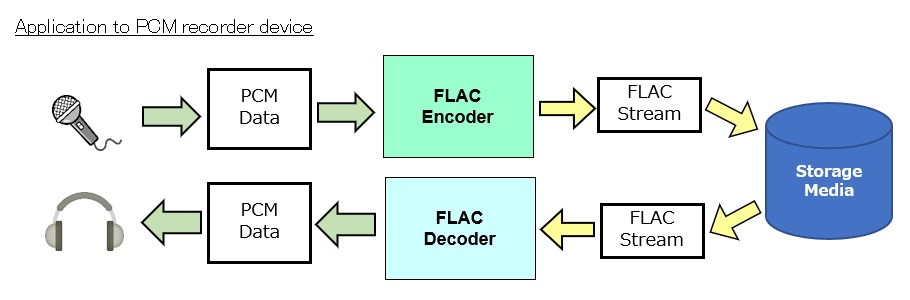
As a specialist with extensive experience in audio technology, I’m here to unravel the mysteries of Flac encoding for you. If you’ve ever wondered about the best way to preserve audio quality without sacrificing storage space, you’re in the right place. Flac, which stands for Free Lossless Audio Codec, is the audiophile’s best friend when it comes to audio compression. In this comprehensive article, we’ll delve deep into the world of Flac encoding, addressing your search intent directly and providing you with a wealth of knowledge and real-life examples to make the journey enjoyable and educational.

What Is Flac Encoding?

Before we dive into the intricacies of Flac encoding, let’s start with the basics. Flac is a lossless audio compression format, which means it reduces file size without compromising the original audio quality. This is in contrast to lossy compression formats like MP3, which discard some audio data to achieve smaller file sizes. Flac, on the other hand, retains every bit of the audio information, ensuring that what you hear is as close to the original recording as possible.

Imagine you have a favorite painting, and you want to make a copy to hang in a smaller room. With lossy compression, it’s like making a photocopy of the painting, but the copy loses some details and colors. Flac encoding, on the other hand, is like having a professional artist recreate the painting on a smaller canvas while preserving all the nuances and details. The result is a beautiful, high-fidelity reproduction.

Flac vs. Other Audio Formats

To truly appreciate Flac encoding, it’s essential to compare it with other audio formats. The most popular alternative to Flac is the MP3 format. MP3 is well-known for its widespread use, but it’s a lossy format. This means that during compression, some audio data is discarded to achieve smaller file sizes. The result is a compromise between file size and audio quality.

Let’s put this into perspective: If you were to store your favorite songs on a mobile device, a lossy format like MP3 might be suitable. It’s like having a collection of smaller, convenient-to-carry reproductions of famous paintings. However, if you want to archive your audio collection or create a master copy for your home theater, Flac encoding is the equivalent of preserving the original artwork in all its glory.

The Magic of Lossless Compression

One of the remarkable features of Flac encoding is its lossless nature. It achieves this through a clever algorithm that compresses audio data without losing any of the information. Think of it as a magician’s trick – a skilled magician can fit a deck of cards into a small box without removing any cards. Flac is like that magician, making your audio files smaller while keeping every musical note intact.

The beauty of lossless compression becomes evident when you’re dealing with vast audio libraries. Let’s say you have a music collection that takes up hundreds of gigabytes in its raw, uncompressed form. Flac encoding allows you to shrink that collection significantly, saving precious storage space. This is akin to having a magical bag that can hold many more items than it seems possible, yet you can retrieve each one intact whenever you need it.

Compatibility and Versatility

Flac encoding offers the best of both worlds: high-quality audio and compatibility. While some older devices may not support Flac natively, there are numerous apps and software tools available that can decode Flac files for playback. So, even if you have a mix of old and new devices, you can enjoy your music library without compromise.

Consider this scenario: You have a vast collection of unique musical instruments, and you want to play them on different types of stages. Flac encoding ensures that your instruments sound just as vibrant and authentic in a small jazz club as they do in a grand concert hall. It’s like having an ensemble of versatile musicians who can adapt to any setting without losing their precision and flair.

Preservation of Metadata

Flac doesn’t just preserve the audio quality; it also ensures that all the associated metadata, such as artist names, album titles, and track information, remains intact. This is crucial for those who want a well-organized music library. Think of your music collection as a vast library, and the metadata as the catalog that helps you quickly find the book you want to read. Flac encoding ensures that the catalog is meticulously maintained, so you can easily locate your favorite songs.

Flac Encoding: The Audiophile’s Dream

Now, let’s talk about why Flac encoding is often dubbed the “audiophile’s choice.” Audiophiles are individuals who have a deep appreciation for high-fidelity sound and are willing to invest in quality equipment to enjoy the best audio experience. For them, Flac is the gold standard because it delivers audio in its purest form, maintaining every subtle detail and nuance.

Imagine you’re a wine connoisseur, and you’re savoring a rare vintage. Flac encoding is like enjoying that wine in a crystal-clear glass that enhances the aroma, taste, and color, allowing you to fully appreciate the wine’s complexity. This level of detail is what sets Flac apart and makes it the preferred choice for those who demand nothing but the best in audio quality.

Flac Encoding in the Real World

To understand Flac encoding better, let’s look at some real-world examples. Consider a music producer working on a new album. They want to ensure that the final mix and master sound precisely as intended. Flac encoding is their best friend in this scenario. It allows them to store and share high-quality audio files with collaborators and record labels, ensuring that every note and sound effect is preserved.

Now, picture yourself as a car enthusiast who’s invested in a high-end sound system for your vehicle. You want to experience your favorite music with the utmost clarity while cruising down the highway. Flac-encoded audio files provide the closest experience to having a live concert in your car. You hear every instrument, every vocal, and every beat in perfect harmony, just as the artist intended.

Practical Steps for Using Flac Encoding

If you’re eager to embrace Flac encoding for your own audio needs, there are some practical steps to consider:

1. Choosing the Right Software

  • Look for audio players that support Flac. Download Mp4Gain to convert or encode to FLAC.

2. Converting Existing Audio

  • If you have a vast collection of audio files in other formats, consider converting them to Flac to enjoy the benefits of lossless compression.

3. Organizing Your Library

  • Make sure to maintain the metadata of your Flac files for easy access and organization.

4. Backing Up Your Collection

  • As your Flac-encoded library grows, consider creating backup copies to protect your valuable audio assets.

5. Enjoying the Experience

  • Once your library is set up, sit back, and savor the audio quality that Flac encoding brings to your music collection.

Latest Words on Flac Encoding

In conclusion, Flac encoding is a true audiophile’s choice when it comes to preserving audio quality while minimizing storage space. This lossless compression format is like having a magical preservation method for your music, keeping it pristine and unaltered. Whether you’re a music producer striving for perfection or a car enthusiast seeking the ultimate audio experience, Flac is your gateway to auditory bliss. Don’t hesitate to explore this world of high-fidelity sound and unlock the full potential of your audio collection with Flac encoding.

Author R. AriasPosted on October 17, 2023Categories Audio and videoTags audio archives, audio archiving, audio artists, audio cataloging, audio codec comparison, audio codecs, audio compression, audio compression algorithms, audio compression methods, audio compression optimization, audio compression software, audio compression standards, audio compression techniques, audio conversion, audio conversion software, audio conversion tools, audio data, audio decoding, audio decoding methods, audio detail, audio devices, audio editing, audio encoding, audio encoding methods, audio enthusiasts, Audio equipment, audio experience, Audio fidelity, audio file organization, audio files, audio format advantages, Audio format choices, Audio format compatibility, audio format conversion, audio format disadvantages, audio format optimization, audio formats, audio gadgets, Audio mastering, audio metadata, audio metadata management, audio playback, Audio Playback Devices, audio playback equipment, audio playback quality, audio player software, Audio Preservation, audio preservation methods, audio preservation software, audio preservationists, audio producers, audio production, Audio quality, audio quality evaluation, Audio quality preservation, Audio recording, audio reproduction, audio sampling, audio standards, Audio Storage, Audio storage solutions, audio storage space, Audio technology, audio technology experts, Audio-Software, Audiophile, digital audio, digital audio formats, Digital Audio Preservation, digital music, digital music libraries, Digital sound, digital sound preservation, digital sound quality, File formats, file size reduction, flac compression, Foobar2000, high quality audio, high-fidelity music, high-fidelity sound, lossless audio, lossless audio formats, Lossless compression, lossless encoding, lossless sound, lossy compression, metadata preservation, mp3 vs. flac, Music Archiving, music backup, music collection, Music Collection Management, music collectors, music enthusiasts, music format comparison, music industry, music library, Music Library Organization, music metadata, music player compatibility, music preservation, music producers, Music production, music production tools, music recording, music reproduction, music reproduction methods, music reproduction quality, music storage, music technology, sound engineers, Sound quality, Sound reproduction, sound system, sound system optimization, studio recording, VLC Media Player

ABOUT US


Volume Booster

Mp4

Mp4


Flac Nomalizer – Flac volume normalization

Ogg Normalizer

M4a Normalizer

Audio Normalization

Mp4Gain Crack

Posts

Mp3 Normalizer

audio blog in het nederlands

Mp3 to Wav Converter

Mp3 Converter

Mp3Gain

Amplificateur de volume Mp3

Make mp3 louder
volume booster and equalizer

volume equalizer

volume booster

volume equalization


normalize mp4, normalize flv, normalize avi, normalize mpeg, normalize mpg, normalize 3gp, normalize wmv, normalize mp3, normalize mp2, normalize flac, normalize ogg, normalize m4a, normalize aac, normalize wav, normalize ac3

mp3 louder
mp3 volume booster
youtube normalize audio
mp3 volume increaser
increase mp3 volume
volume enhancer
normalize video audio

La normalizzazione del livello audio

Youtube to mp4 converter download

Mp4 Gain Website

Dowload Mp4Gain

Mp3Gain alternative

Mp3Gain

Video Formats:
mp4, flv, avi
mpeg, mpg
3gp, wmv

Audio Formats:
mp3, mp2, flac
ogg, m4a, aac
wav, ac3

Flv Gain, Mp4 Gain, Avi Gain, Mpeg Gain, wmv Gain, Wav Gain, 3gp Gain, Flac Gain, Ogg Gain…


Video Volume Booster

Bass Booster

Mp3Gain Alternative

Mp3Gain Online

mp4 normalize, flv normalize, avi normalize, mpeg normalize, mpg normalize, 3gp normalize, wmv normalize, mp3 normalize, mp2 normalize, flac normalize, ogg normalize, m4a normalize, aac normalize, wav normalize, ac3 normalize.

Mp3Gain,mp3 louder,boost sound,increase mp3 volume,volume increaser,volume booster,normalize audio,mp3 volume increaser,mp3 volumne booster,volume equalizer,Volume Booster -Sound Booster,loudness equalizer,boost audio,make mp3 louder,boost mp3 volume,mp4 volume booster,mp3 audio booster,raise mp3 volume,loudness normalization,mp3 louder,mp3 volume booster,youtube normalize audio,mp3 volume increaser,increase mp3 volume,volume enhancer,normalize video audio,volume equalizer,mp3 louder,increase mp3 volume,video audio normalizer,

Categories

  • 3gp volume normalizer
  • AAC normalizer
  • are volume boosters safe
  • Audio and video
  • audio converter
  • Audio Converter Software
  • Audio Normalizer
  • AVI normalizer
  • Bit rate
  • Boost volume
  • codec
  • FLAC
  • Flac Normalizer
  • FLV volume normalizer
  • Increase mp3 volume
  • Lossless
  • loudness equalizer
  • loudness normalization
  • M4A
  • M4a (iTunes) Normalizer
  • M4a Normalizer
  • make mp3 louder
  • mp3 download
  • mp3 louder
  • Mp3 Normalizer
  • Mp3 to Wav
  • mp3 volume increaser
  • mp3 volumne booster
  • Mp3Gain
  • mp3gain online
  • Mp4
  • Mp4 Gain
  • Mp4 Normalizer
  • Mp4 volume booster
  • Mp4Gain
  • Mp4Gain Crack
  • Normalizing audio for the videos
  • Ogg Normalizer
  • Replay Gain
  • Samplerate
  • video
  • video audio normalizer
  • Video Converter
  • Video Gain
  • video to mp3 converter
  • VideoGain
  • Volume Booster
  • Volume Enhancer
  • volume equalizer
  • volume increaser
  • volume leveler
  • WAV
  • webm
  • WMV
  • youtube normalize audio
  • Youtube to mp3 downloader

Recent Posts

  • Video Louder
  • Video Volume Leveling
  • MP4 to MP3 Converter
  • Audio & Video Converter
  • Volume Changer for MP4 and MP3s Increase & Decrease
  • Increase Volume in MP4
  • adjust audio and video volume
  • Sound Leveling
  • Volume Booster
  • Importance of LUFS in Video or Audio Normalization
  • How to make MP4 audio volume consistent
  • Lossy compression in M4A
  • Advanced audio coding (AAC) in M4A
  • OGG vs. MP3 comparison
  • FLAC file size
  • Apple M4A Format: The Ultimate Guide
  • MP4 Compression Techniques
  • RMS Normalization
  • Loudness Normalization
  • MP4 Converter
  • MP4 File Extension
  • OGG Normalizer
  • Video & Audio Normalizer
  • FLAC Normalizer
  • MP4 Video Quality
  • MP4 File Format
  • m4a Normalizer
  • Mp4 Increase Volume
  • How MP4 Handles 4K and 8K Video Resolutions Efficiently
  • Low-Latency Encoding Strategies for WMV Live Streaming
  • Resampling Effects on M4A Audio Quality
  • How MP3 Bitrates Affect Audio Quality and File Size
  • MP4 Multi-Pass Encoding Benefits and Use Cases
  • How Variable Bitrate Encoding Affects MP4 Video Quality
  • How WMV Handles Aspect Ratio Correction in Different Players
  • How WMA Adapts to Dynamic Range in Music Encoding
  • Comparing WMV to MPEG-2 for Legacy Video Storage
  • WMA Standard, WMA Pro, and WMA Lossless: Key Differences
  • Understanding the MP4 moov Atom and Its Role in Video Playback
  • Comparing WMA to Ogg Vorbis for Open-Source Audio Compression
  • WMV Container Efficiency in Video Streaming Applications
  • Hardware Acceleration for M4A Encoding and Decoding
  • How M4A Compares to MP3 in Real-World Listening Tests
  • The Role of Perceptual Coding in WMA Compression
  • Temporal Noise Filtering Techniques in WMV Compression
  • H.264 and H.265 Codecs
  • Advanced Audio Compression Techniques in M4A Format
  • Comparing GPU vs. CPU Encoding Efficiency for WMV Files
  • Advanced Error Correction in M4A and AAC Encoding
  • The Effect of Multi-Channel Encoding on WMA Audio Files
mp4gain.com Proudly powered by WordPress