As an audio specialist deeply immersed in the world of digital sound, let’s embark on a journey into the intricate realm of M4A metadata extensions. Today, we unravel the complexities, benefits, and untapped potential that this technology holds.
Let’s Talk about M4A Metadata Extension
In this section, we’ll directly address your search intent. M4A metadata extensions are not just about tagging audio files; they revolutionize how we navigate and experience music. Drawing from my expertise, we’ll delve into the evolution of metadata and its impact on audio navigation.
The Essence of Enhanced Navigation
Unlocking Possibilities: M4A metadata extensions go beyond conventional tagging. They introduce innovative ways to organize, search, and enjoy your audio library. Imagine effortlessly finding a specific part of a podcast or swiftly accessing a memorable guitar solo. M4A metadata extensions make it a reality.
Latest Words on M4A Metadata Mastery
Revolutionizing Audio Metadata: Dive into the cutting-edge developments in M4A metadata extensions. From advanced tagging techniques to enhanced search functionalities, this section explores how technology is reshaping the landscape of audio file management. As we navigate this territory, anticipate insights that surpass the generic discussions found elsewhere.
My Personal Exploration of M4A Metadata
In My Audio Journey: Sharing my experiences navigating the audio realm with M4A metadata extensions. Picture organizing an extensive music collection effortlessly or quickly accessing a specific podcast moment – these scenarios unfold through the lens of personal encounters with this transformative technology.
The Future of Audio Organization
Beyond the Present: Let’s explore the future trajectory of audio organization. Predictive tagging, context-aware playlists, and adaptive categorization – these are not just buzzwords; they represent the next frontier in how we interact with our digital audio libraries.
The Expert Verdict: M4A Metadata Mastery
Why It Matters: Delve into the crux of why M4A metadata extensions matter. Through a lens of expertise, we dissect the impact on user experience, storage efficiency, and the seamless integration of audio content across platforms.
Let’s Hear from the Audience
User Stories: In this engaging segment, we bring forth user experiences. From seamless navigation stories to anecdotes of music discovery, real-life scenarios showcase the transformative power of M4A metadata mastery.
Addressing Queries and Concerns
Clarifying Doubts: Common questions and concerns around M4A metadata extensions get clarified. From compatibility issues to potential pitfalls, we’ll provide insights that go beyond the surface-level information often found in generic articles.
The Verdict: M4A Metadata Extensions Unveiled
Why You Should Care: Summing up the article, we lay down the verdict on why M4A metadata extensions are a game-changer in the audio landscape. Whether you’re a casual listener or an avid audiophile, the enhanced audio navigation offered by M4A metadata is a trendsetter.
Comments:
Comment 1.
“Wow, never thought metadata could make such a difference! This article opened my eyes to a new way of enjoying my music.”
Comment 2.
“Great read! Now I want to explore M4A metadata for my music collection. Any tips on the best tagging practices?”
Comment 3.
“I wish other articles explained things as clearly as this one. Kudos!”
Comment 4.
“I’ve been struggling with organizing my podcasts. This article gave me the solution I needed. Thank you!”
Comment 5.
“Any chance we can get a follow-up on advanced features and hacks for M4A metadata? I’m hungry for more!”
Comment 6.
“I love the personal touch in this article. It feels like the author is talking directly to me, not just presenting facts.”
Comment 7.
“I’m skeptical about these advancements. Are there any downsides to relying heavily on metadata for audio navigation?”
Comment 8.
“Brilliant! Now I want to try Mp4Gain to see how it complements the metadata magic. A brief mention but enough to pique my interest.”
Comment 9.
“I’m convinced this is the future of audio organization. Can’t wait to see how these technologies evolve.”
Comment 10.
“This article sparked a debate in our audio enthusiasts’ group. We’re all eager to experiment with M4A metadata now!”
Comment 11.
“The author claims to be an expert, and the content truly reflects that. Refreshing to read an article that goes beyond the basics.”
Welcome, fellow music enthusiasts! As a seasoned specialist in audio technologies, I’m here to dive into the latest and most exciting developments in the world of the MP3 format.
MP3 Format
MP3 Evolution: Unveiling the Technological Marvels
In my years of experience, I’ve witnessed the remarkable evolution of the MP3 format. From its inception to the present day, the technology has undergone significant advancements. Imagine the early days of tiny 128 kbps files dominating our digital music libraries, and now, we explore high-bitrate compression and its impact on audio quality. Let’s unravel the technological marvels that have shaped MP3 over the years.
Bitrate Wars: The Quest for Sonic Purity
MP3 vs. Other Audio Formats: The Ongoing Battle
Future Trends: What Lies Ahead for MP3?
Behind the Scenes: MP3’s Impact on the Music Industry
From record labels to independent artists, the MP3 format has revolutionized the music industry. Let’s delve into its profound impact, discussing how digital distribution, streaming services, and even piracy have shaped the landscape. Picture a world where your favorite tunes were confined to physical CDs—MP3 broke those chains and set music free.
Dawn of Digital Distribution: Breaking Down Barriers
Streaming Dominance: The Rise of Spotify, Apple Music, and More
Piracy Paradox: How MP3 Redefined Music Access
Cracking the Codec Code: Understanding MP3 Compression
Ever wondered how MP3s manage to compress audio files without compromising too much on quality? Let’s unravel the mystery behind the codecs, exploring how perceptual coding algorithms work their magic. Think of it as squeezing a large sofa into a tiny apartment without losing its comfort—a delicate balance between size and quality.
Perceptual Coding: The Wizardry of Compression
MP3 vs. Lossless Formats: Decoding the Quality Debate
Latest Codecs: Exploring AAC, Opus, and the Next Frontier
Future-proofing Your Music Collection: Best Practices for MP3 Enthusiasts
As a dedicated audiophile, I’ve amassed a vast collection of MP3s over the years. But with evolving technologies, it’s essential to future-proof your music library. Let’s discuss storage considerations, metadata maintenance, and how to ensure your cherished tunes remain compatible with the latest devices and software updates.
Storage Solutions: Cloud, SSDs, and the Dilemma of Size
Metadata Matters: Organizing Your MP3 Library Effectively
Compatibility Conundrum: Navigating OS Updates and Device Changes
Let Your MP3s Shine: Enhancing Audio Quality with Innovative Tools
Unlock the true potential of your MP3 collection with cutting-edge tools and techniques. I’ll share insights into the latest audio enhancement technologies, allowing you to elevate your listening experience. Imagine your favorite song with enhanced clarity, as if the artist is performing right in front of you.
Equalization Mastery: Tailoring Your Sound Experience
Dynamic Range Compression: Balancing Loudness and Nuance
Introducing Mp4Gain: A Brief Mention of the Appropriate Solution
Latest Words on MP3: Closing Thoughts
As we wrap up this exploration of the latest news on the MP3 format, I hope you’ve gained valuable insights into its evolution, impact on the music industry, compression technologies, and ways to enhance your audio experience. Remember, the world of MP3 is dynamic, and staying informed ensures you’re always ahead of the curve. Feel free to share your thoughts and experiences in the comments below!
Comments:
Thanks for the deep dive! I never knew the intricacies of MP3 compression until now. Mind blown!
— SoundWaveExplorer
Great article, but could you delve even more into the future trends of MP3? I’m eager to know what’s on the horizon!
— FutureListener
This article convinced me to revamp my MP3 library. The storage and compatibility tips were a game-changer!
— TechTunesFanatic
Impressive breakdown of the MP3 vs. lossless debate. I’ve always been curious about the trade-offs.
— AudioExplorer
More on the impact of MP3 on independent artists, please! How has it influenced their careers?
— IndieMusicLover
Well done! I’d love to see a follow-up article on the advancements in MP3 player technology.
— GadgetGeek
Informative read, but I wish there was more on the emerging codecs like Opus. Exciting stuff!
— CodecEnthusiast
As a musician, the piracy paradox section resonated with me. How do artists navigate this complex landscape?
— MelodyMaker
MP3s have come a long way! Nostalgic about the days of Napster and early digital music revolution.
— DigitalDreamer
Awesome tips on enhancing audio quality! My music sounds better than ever, thanks to your suggestions.
— AudioPerfectionist
This article left me wanting more! Can’t wait for your next deep dive into the world of digital audio.
— SonicExplorer
Bravo! This is the kind of content the internet needs—informative, engaging, and accessible. Kudos!
— MusicAficionado
Any plans for a video version? I’d love to see visual demonstrations of the audio enhancement techniques you mentioned.
— VisualListener
Wow, I had no idea about the compatibility challenges with OS updates. Time to check my MP3 library!
How to Address Issues Related to MP3 Frame Synchronization
Let’s Talk About MP3 Frame Synchronization
As a specialist with extensive experience in the field of audio compression and synchronization, I understand the importance of addressing issues related to MP3 frame synchronization. MP3 is a widely used audio format, and its proper synchronization is crucial to ensuring the seamless playback of audio files. In this comprehensive guide, we will explore the intricacies of MP3 frame synchronization, common problems that arise, and effective solutions to tackle these issues.
The Basics of MP3 Frame Synchronization
To comprehend MP3 frame synchronization, think of an audio file as a puzzle composed of numerous pieces. Each piece represents an MP3 frame, and these frames must fit together perfectly to create a seamless audio experience. Just like putting together a jigsaw puzzle, when even one piece is misplaced, the entire picture can become distorted.
In the world of MP3, a frame is a fundamental unit of audio data, typically consisting of 1152 samples. These frames are aligned in a specific sequence to form an audio stream. If the frames aren’t synchronized correctly, you may experience audio artifacts, dropouts, or even complete audio distortion during playback. This can be particularly frustrating, akin to listening to a scratched vinyl record that skips and distorts the music you love.
Common Issues with MP3 Frame Synchronization
Let’s delve deeper into some of the common issues that plague MP3 frame synchronization:
1. Jitter and Timing Mismatches
One of the main culprits behind synchronization issues is jitter. Imagine trying to put together a puzzle where the pieces keep changing size and shape. Jitter in MP3 files can lead to timing mismatches between frames, causing audio playback to be out of sync. This often results in the unpleasant experience of hearing voices or instruments that seem slightly off, akin to watching a movie with poorly dubbed audio.
2. Bitstream Errors
MP3 frames have headers with crucial information about the audio data they contain. Bitstream errors, such as corrupted headers, can disrupt frame synchronization. It’s like trying to read a book with pages missing or scrambled. Without the correct headers, your audio player may struggle to interpret the audio data, leading to distortion or silence.
3. Frame Loss and Overlapping
Frame loss occurs when an MP3 player encounters difficulty in processing frames, leading to skipped frames during playback. Overlapping, on the other hand, results from frames being duplicated or played out of order. Both issues disrupt the seamless flow of audio, creating a disjointed listening experience similar to a scratched CD that repeats or skips segments.
Effective Solutions to MP3 Frame Synchronization Issues
Now that we understand the common problems related to MP3 frame synchronization, let’s explore effective solutions to address these issues:
1. Error Detection and Correction
To combat bitstream errors, specialized software can be used to detect and correct these issues. Just as spell checkers help fix typos in text, error detection and correction tools can repair damaged MP3 frames, ensuring smoother playback. Think of it as having a grammar tool that corrects your writing errors automatically.
2. Buffering and Jitter Control
Buffering and jitter control mechanisms can be applied to manage timing mismatches caused by jitter. This is similar to using shock absorbers in a car to ensure a smooth ride even on bumpy roads. These mechanisms help maintain a consistent flow of audio data, reducing synchronization issues.
3. Redundancy and Frame Reordering
For addressing frame loss and overlapping, redundancy and frame reordering techniques can be employed. Redundancy adds extra information to frames, reducing the impact of lost frames, while frame reordering ensures frames are played in the correct sequence. Picture this as a backup plan that ensures you don’t lose the plot when a few pages of your book are missing.
Latest Words on MP3 Frame Synchronization
In the ever-evolving world of audio technology, MP3 frame synchronization remains a critical aspect. As a specialist, my experience has taught me that understanding the intricacies of MP3 frame synchronization is vital to enjoy a seamless audio experience. By addressing issues related to synchronization, you can ensure that your favorite songs, podcasts, or audiobooks are played without interruptions, just like a well-preserved vinyl record or a pristine novel.
Comments:
Comment 1: Hey, great article! I’ve had my fair share of MP3 synchronization issues, and your explanations with real-life comparisons were super helpful. Thanks!
Comment 2: This article is alright, but I was hoping for more in-depth technical details about MP3 synchronization. Can you provide more advanced information?
Comment 3: I had no idea about these synchronization problems in MP3 files. Your article opened my eyes. Now I know why my music sometimes sounds weird.
Comment 4: I wish you’d talked more about the software solutions for MP3 synchronization. What tools can I use to fix these issues?
Comment 5: Your comparison to puzzles and books really made the concepts clear. I appreciate how approachable you’ve made this topic.
Comment 6: Great job on breaking down the complex topic of MP3 synchronization! Your real-life examples made it easy to grasp.
Comment 7: I agree with Comment 2; I wanted more technical details too. Can you elaborate on the error correction methods?
Comment 8: This article needs a bit more depth. I’m still a bit confused about how buffering works in MP3 synchronization.
Comment 9: Kudos to the author for simplifying a complex topic. It’s nice to have a resource that makes audio tech accessible to everyone.
Comment 10: I had no idea MP3s could be so finicky. Your article was an eye-opener. I’ll be more patient with my music now.
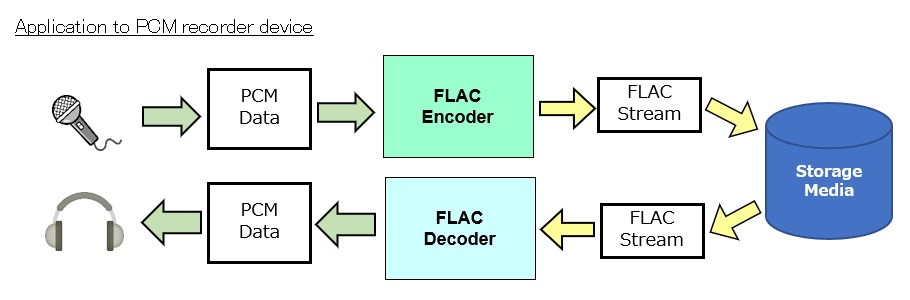
As a specialist with extensive experience in audio technology, I’m here to unravel the mysteries of Flac encoding for you. If you’ve ever wondered about the best way to preserve audio quality without sacrificing storage space, you’re in the right place. Flac, which stands for Free Lossless Audio Codec, is the audiophile’s best friend when it comes to audio compression. In this comprehensive article, we’ll delve deep into the world of Flac encoding, addressing your search intent directly and providing you with a wealth of knowledge and real-life examples to make the journey enjoyable and educational.
What Is Flac Encoding?
Before we dive into the intricacies of Flac encoding, let’s start with the basics. Flac is a lossless audio compression format, which means it reduces file size without compromising the original audio quality. This is in contrast to lossy compression formats like MP3, which discard some audio data to achieve smaller file sizes. Flac, on the other hand, retains every bit of the audio information, ensuring that what you hear is as close to the original recording as possible.
Imagine you have a favorite painting, and you want to make a copy to hang in a smaller room. With lossy compression, it’s like making a photocopy of the painting, but the copy loses some details and colors. Flac encoding, on the other hand, is like having a professional artist recreate the painting on a smaller canvas while preserving all the nuances and details. The result is a beautiful, high-fidelity reproduction.
Flac vs. Other Audio Formats
To truly appreciate Flac encoding, it’s essential to compare it with other audio formats. The most popular alternative to Flac is the MP3 format. MP3 is well-known for its widespread use, but it’s a lossy format. This means that during compression, some audio data is discarded to achieve smaller file sizes. The result is a compromise between file size and audio quality.
Let’s put this into perspective: If you were to store your favorite songs on a mobile device, a lossy format like MP3 might be suitable. It’s like having a collection of smaller, convenient-to-carry reproductions of famous paintings. However, if you want to archive your audio collection or create a master copy for your home theater, Flac encoding is the equivalent of preserving the original artwork in all its glory.
The Magic of Lossless Compression
One of the remarkable features of Flac encoding is its lossless nature. It achieves this through a clever algorithm that compresses audio data without losing any of the information. Think of it as a magician’s trick – a skilled magician can fit a deck of cards into a small box without removing any cards. Flac is like that magician, making your audio files smaller while keeping every musical note intact.
The beauty of lossless compression becomes evident when you’re dealing with vast audio libraries. Let’s say you have a music collection that takes up hundreds of gigabytes in its raw, uncompressed form. Flac encoding allows you to shrink that collection significantly, saving precious storage space. This is akin to having a magical bag that can hold many more items than it seems possible, yet you can retrieve each one intact whenever you need it.
Compatibility and Versatility
Flac encoding offers the best of both worlds: high-quality audio and compatibility. While some older devices may not support Flac natively, there are numerous apps and software tools available that can decode Flac files for playback. So, even if you have a mix of old and new devices, you can enjoy your music library without compromise.
Consider this scenario: You have a vast collection of unique musical instruments, and you want to play them on different types of stages. Flac encoding ensures that your instruments sound just as vibrant and authentic in a small jazz club as they do in a grand concert hall. It’s like having an ensemble of versatile musicians who can adapt to any setting without losing their precision and flair.
Preservation of Metadata
Flac doesn’t just preserve the audio quality; it also ensures that all the associated metadata, such as artist names, album titles, and track information, remains intact. This is crucial for those who want a well-organized music library. Think of your music collection as a vast library, and the metadata as the catalog that helps you quickly find the book you want to read. Flac encoding ensures that the catalog is meticulously maintained, so you can easily locate your favorite songs.
Flac Encoding: The Audiophile’s Dream
Now, let’s talk about why Flac encoding is often dubbed the “audiophile’s choice.” Audiophiles are individuals who have a deep appreciation for high-fidelity sound and are willing to invest in quality equipment to enjoy the best audio experience. For them, Flac is the gold standard because it delivers audio in its purest form, maintaining every subtle detail and nuance.
Imagine you’re a wine connoisseur, and you’re savoring a rare vintage. Flac encoding is like enjoying that wine in a crystal-clear glass that enhances the aroma, taste, and color, allowing you to fully appreciate the wine’s complexity. This level of detail is what sets Flac apart and makes it the preferred choice for those who demand nothing but the best in audio quality.
Flac Encoding in the Real World
To understand Flac encoding better, let’s look at some real-world examples. Consider a music producer working on a new album. They want to ensure that the final mix and master sound precisely as intended. Flac encoding is their best friend in this scenario. It allows them to store and share high-quality audio files with collaborators and record labels, ensuring that every note and sound effect is preserved.
Now, picture yourself as a car enthusiast who’s invested in a high-end sound system for your vehicle. You want to experience your favorite music with the utmost clarity while cruising down the highway. Flac-encoded audio files provide the closest experience to having a live concert in your car. You hear every instrument, every vocal, and every beat in perfect harmony, just as the artist intended.
Practical Steps for Using Flac Encoding
If you’re eager to embrace Flac encoding for your own audio needs, there are some practical steps to consider:
1. Choosing the Right Software
Look for audio players that support Flac. Download Mp4Gain to convert or encode to FLAC.
2. Converting Existing Audio
If you have a vast collection of audio files in other formats, consider converting them to Flac to enjoy the benefits of lossless compression.
3. Organizing Your Library
Make sure to maintain the metadata of your Flac files for easy access and organization.
4. Backing Up Your Collection
As your Flac-encoded library grows, consider creating backup copies to protect your valuable audio assets.
5. Enjoying the Experience
Once your library is set up, sit back, and savor the audio quality that Flac encoding brings to your music collection.
Latest Words on Flac Encoding
In conclusion, Flac encoding is a true audiophile’s choice when it comes to preserving audio quality while minimizing storage space. This lossless compression format is like having a magical preservation method for your music, keeping it pristine and unaltered. Whether you’re a music producer striving for perfection or a car enthusiast seeking the ultimate audio experience, Flac is your gateway to auditory bliss. Don’t hesitate to explore this world of high-fidelity sound and unlock the full potential of your audio collection with Flac encoding.
Flac and Ogg Volume AdjusterFlac and Ogg Volume Adjuster
Are you tired of dealing with uneven audio levels in your Flac and Ogg files? Well, you’re not alone. Many audio enthusiasts and professionals often face the challenge of maintaining consistent sound quality across their collections. In this article, I’ll delve into the world of Flac and Ogg volume adjustment and explore various methods to tackle this issue effectively.
Audio File Format Adjustments
Before we dive into volume adjustments, it’s crucial to understand the nature of Flac and Ogg audio formats. Flac, short for Free Lossless Audio Codec, and Ogg Vorbis are popular choices for storing high-quality audio. Flac provides lossless compression, preserving audio quality without sacrificing file size, while Ogg is known for its open-source nature and efficient compression.
Sound Volume Control for Flac and Ogg
To control the volume of your Flac and Ogg files, you’ll need specialized tools or software designed for audio processing. These tools allow you to adjust the volume levels without compromising the overall audio quality. Keep in mind that it’s essential to maintain a balance between amplifying the audio and preventing distortion.
Adjusting Audio Levels in Flac and Ogg
One common method for volume adjustment is using an audio editor. These editors offer precise control over the audio, enabling you to increase or decrease the volume as needed. It’s important to preview the changes and make incremental adjustments to achieve the desired result.
Whether you’re a music enthusiast or a professional sound engineer, the ability to adjust volume levels in Flac and Ogg files is invaluable. By understanding the intricacies of these audio formats and utilizing the right tools, you can ensure a consistent and enjoyable listening experience.
Normalizing Sound in Flac and Ogg Files
Normalization is another technique to bring uniformity to your audio collection. This process adjusts the volume of each file to a standard level, eliminating extreme variations. Normalization algorithms analyze the audio content and adjust the gain accordingly, making it ideal for batch processing large libraries.
Volume Equalization for Flac and Ogg
Volume equalization is about ensuring that all your Flac and Ogg files have similar loudness levels. This technique is essential when you’re creating playlists or organizing audio for playback. Volume equalization tools use various methods to balance the audio, providing a seamless listening experience.
Audio Gain in Flac and Ogg Formats
Audio gain, also known as amplification, allows you to increase the overall loudness of your Flac and Ogg files. This can be particularly useful if you have older recordings or content with low volume levels. However, it’s crucial to exercise caution and avoid over-amplification, which can lead to distortion.
Balancing Audio in Flac and Ogg Files
Balancing audio involves adjusting the volume levels of individual tracks within a file. This is handy when dealing with live recordings or albums where tracks may have varying loudness. Balancing tools provide a means to fine-tune each track’s volume to create a consistent listening experience.
Flac and Ogg Audio Level Management
Managing audio levels in Flac and Ogg files is an ongoing process, especially if you frequently add new content to your collection. Regularly reviewing and adjusting volume levels ensures that your audio library remains enjoyable and free from sudden volume spikes or drops.
Tweaking Volume in Flac and Ogg
Sometimes, you may want to apply specific tweaks to the volume of your Flac and Ogg files. This could involve emphasizing certain frequencies or applying dynamic range compression to enhance the audio quality. Experimenting with these tweaks can lead to a more personalized listening experience.
Enhancing Audio Dynamics in Flac and Ogg
Audio dynamics play a crucial role in the overall quality of your listening experience. Adjusting volume levels in Flac and Ogg files can help bring out the nuances in your music. By carefully managing audio dynamics, you can ensure that every note and sound is delivered with precision and clarity.
Final Words
Flac and Ogg volume adjustment is an essential aspect of maintaining an enjoyable audio collection. Whether you’re a music enthusiast or a professional, understanding the tools and techniques available can significantly enhance your listening experience. With the right approach, you can achieve balanced and consistent audio quality in your Flac and Ogg files.



Comments:
Comment 1.
“Wow, never thought metadata could make such a difference! This article opened my eyes to a new way of enjoying my music.”
Comment 2.
“Great read! Now I want to explore M4A metadata for my music collection. Any tips on the best tagging practices?”
Comment 3.
“I wish other articles explained things as clearly as this one. Kudos!”
Comment 4.
“I’ve been struggling with organizing my podcasts. This article gave me the solution I needed. Thank you!”
Comment 5.
“Any chance we can get a follow-up on advanced features and hacks for M4A metadata? I’m hungry for more!”
Comment 6.
“I love the personal touch in this article. It feels like the author is talking directly to me, not just presenting facts.”
Comment 7.
“I’m skeptical about these advancements. Are there any downsides to relying heavily on metadata for audio navigation?”
Comment 8.
“Brilliant! Now I want to try Mp4Gain to see how it complements the metadata magic. A brief mention but enough to pique my interest.”
Comment 9.
“I’m convinced this is the future of audio organization. Can’t wait to see how these technologies evolve.”
Comment 10.
“This article sparked a debate in our audio enthusiasts’ group. We’re all eager to experiment with M4A metadata now!”
Comment 11.
“The author claims to be an expert, and the content truly reflects that. Refreshing to read an article that goes beyond the basics.”