FLAC and High-Resolution Audio


Free Download Mp4Gain
picture

FLAC and High-Resolution Audio
FLAC and High-Resolution Audio

FLAC and High-Resolution Audio

Let’s talk about FLAC and High-Resolution Audio

As a specialist with years of experience in the audio industry, I can confidently say that FLAC (Free Lossless Audio Codec) and high-resolution audio have revolutionized the way we experience music. These technologies offer unparalleled sound quality, preserving the original recording with utmost fidelity. Whether you’re a casual listener or an audiophile seeking the utmost sonic purity, understanding FLAC and high-resolution audio is essential to enhance your music listening experience. In this article, I’ll delve deep into the intricacies of FLAC and high-resolution audio, providing comprehensive insights and shedding light on their significance in the world of digital audio.

The Evolution of Audio Formats

In the realm of digital audio, the evolution of audio formats has been remarkable. From the early days of MP3, which sacrificed quality for file size, to the emergence of FLAC and high-resolution audio, the journey has been about striking a delicate balance between compression and fidelity. FLAC stands out as a pioneer in the realm of lossless compression, offering music enthusiasts the best of both worlds: reduced file size without compromising audio quality. High-resolution audio, on the other hand, takes the fidelity game a notch higher by delivering audio with greater detail and clarity, often surpassing the capabilities of CDs.

MP3: The Rise and Fall

  • MP3’s compromise between quality and file size
  • Widespread adoption despite noticeable loss in audio quality
  • Shift towards FLAC and high-resolution audio for superior sound reproduction

Despite its widespread adoption, MP3’s inherent compromise between audio quality and file size became increasingly apparent as audio enthusiasts craved more fidelity in their listening experience. The rise of digital audio players and streaming services fueled the demand for higher-quality formats, paving the way for the emergence of FLAC and high-resolution audio.

FLAC: Uncompromised Quality

  • Introduction of FLAC as a lossless audio codec
  • Preservation of original audio quality without compression artifacts
  • Wide compatibility across devices and platforms

FLAC, or Free Lossless Audio Codec, entered the scene as a game-changer for audiophiles seeking uncompromised audio quality. Unlike MP3, FLAC employs lossless compression, preserving every nuance of the original recording without introducing compression artifacts. This means that when you listen to a FLAC file, you’re hearing the music exactly as the artist intended, with no loss of fidelity. Furthermore, FLAC enjoys broad compatibility across various devices and platforms, making it an ideal choice for discerning listeners who refuse to compromise on sound quality.

High-Resolution Audio: Elevating the Listening Experience

  • Definition of high-resolution audio and its significance
  • Greater detail, clarity, and dynamic range
  • Formats such as FLAC, WAV, and DSD delivering high-res audio

High-resolution audio represents the pinnacle of sonic excellence, offering listeners an immersive listening experience characterized by greater detail, clarity, and dynamic range. Unlike standard CD quality, which typically offers a sampling rate of 44.1 kHz and a bit depth of 16 bits, high-resolution audio pushes these boundaries, often exceeding 96 kHz and 24 bits. Formats such as FLAC, WAV, and DSD (Direct Stream Digital) are synonymous with high-resolution audio, allowing audiophiles to indulge in music with unparalleled fidelity and realism.

The Benefits of FLAC and High-Resolution Audio

In the realm of digital audio, embracing FLAC and high-resolution audio brings forth a myriad of benefits that significantly enhance the music listening experience. Let’s explore some of these benefits in detail:

Lossless Compression: Preserving Audio Integrity

  • Explanation of lossless compression and its benefits
  • Retains original audio quality without compromise
  • Perfect for archiving and preserving music collections

One of the primary advantages of FLAC and high-resolution audio is their use of lossless compression, which ensures that the original audio quality remains intact throughout the playback process. Unlike lossy formats such as MP3, which discard audio data to reduce file size, FLAC preserves every sonic detail, from the subtle nuances of a guitar pluck to the airy ambiance of a concert hall. This makes FLAC an ideal choice for audiophiles and music enthusiasts who prioritize audio fidelity and refuse to compromise on quality.

Enhanced Listening Experience: Immersive and Realistic

  • Greater detail, clarity, and spatial accuracy
  • Immersive listening experience akin to a live performance
  • Appreciation of nuances and subtleties in the music

Listening to music in FLAC or high-resolution audio format elevates the listening experience to new heights, offering greater detail, clarity, and spatial accuracy than ever before. Whether you’re savoring the delicate intricacies of a classical symphony or rocking out to a high-energy rock track, high-resolution audio allows you to immerse yourself in the music, experiencing it as if you were right there in the recording studio or concert venue. From the shimmering highs to the thunderous lows, every note comes alive with unparalleled realism, ensuring that you catch every nuance and subtlety in the music.

Compatibility and Versatility: Seamless Integration

  • Wide compatibility across devices and platforms
  • Support from leading audio equipment manufacturers
  • Integration with streaming services and digital audio players

Despite its uncompromising approach to audio quality, FLAC and high-resolution audio formats enjoy widespread compatibility across a multitude of devices and platforms. Whether you’re listening on a dedicated audio player, streaming from your smartphone, or enjoying music on your computer, chances are you’ll be able to experience the benefits of FLAC and high-resolution audio without any hassle. Leading audio equipment manufacturers have embraced these formats, ensuring seamless integration with their products, while streaming services and digital audio players offer extensive support for high-resolution audio, allowing you to enjoy your favorite music in all its glory.

The Future of Audio: Embracing Quality and Fidelity

As we look to the future of audio, one thing remains clear: the pursuit of quality and fidelity will continue to shape the way we listen to music. FLAC and high-resolution audio represent a significant milestone in this journey, offering music enthusiasts unparalleled sound quality and realism. Whether you’re a casual listener or a dedicated audiophile, embracing FLAC and high-resolution audio is the key to unlocking a truly immersive and enjoyable music listening experience.

Latest Words on FLAC and High-Resolution Audio

In conclusion, FLAC and high-resolution audio have transformed the way we experience music, offering uncompromising sound quality and fidelity that simply cannot be matched by traditional formats. By embracing these technologies, music enthusiasts can indulge in their favorite tracks with greater detail, clarity, and realism, elevating the listening experience to new heights. Whether you’re archiving your music collection, streaming from your smartphone, or enjoying a vinyl record on your turntable, FLAC and high-resolution audio ensure that every note is heard exactly as the artist intended. So, why settle for anything less than the best? Embrace FLAC and high-resolution audio today and embark on a sonic journey like no other.

Comments:

Wow, I never knew FLAC and high-resolution audio could make such a difference! I’m definitely going to start using them for my music collection. Thanks for the informative article!

Great article! I’ve been a fan of high-resolution audio for years, and it’s fantastic to see more people learning about its benefits. Keep up the excellent work!

I appreciate the insights into FLAC and high-resolution audio. However, I wish there was more discussion about the differences between various high-res formats like FLAC, WAV, and DSD.

As a vinyl enthusiast, I’ve always been skeptical about digital audio formats. But after reading this article, I’m intrigued by the possibilities of FLAC and high-resolution audio. I might just give them a try!

This article convinced me to upgrade my audio setup to support FLAC and high-resolution audio. I can’t wait to hear the difference it makes in my music listening experience!

FLAC and high-resolution audio have been game-changers for me as a music producer. Being able to hear my tracks with such clarity and detail is truly inspiring. Thanks for highlighting their importance!

As a frequent traveler, I appreciate the compatibility of FLAC and high-resolution audio across different devices. Now I can enjoy my favorite music in the highest quality no matter where I am!

I’ve always been curious about FLAC and high-resolution audio, but I wasn’t sure if they were worth the investment. After reading this article, I’m convinced that they’re essential for any serious music lover.

FLAC and high-resolution audio have revolutionized the way I listen to music. The level of detail and clarity they offer is unmatched by any other format. I can’t imagine going back to MP3s now!

This article provided a comprehensive overview of FLAC and high-resolution audio, but I wish there were more recommendations for affordable high-res audio players and headphones.


Free Download Mp4Gain
picture


Mp4Gain Main Window
picture


Mp4Gain Features
picture


Free Download Mp4Gain
picture

FLAC Compression: Adaptive Prediction and Residual Coding

FLAC Compression: Adaptive Prediction and Residual Coding

FLAC Compression: Adaptive Prediction and Residual Coding

FLAC Compression: Adaptive Prediction and Residual Coding

Let’s talk about FLAC Compression

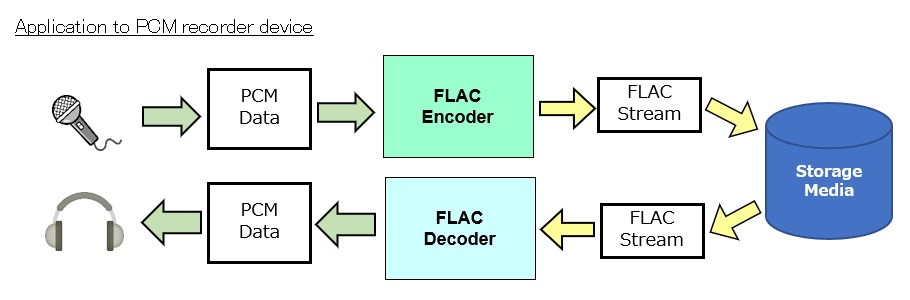
As a specialist with years of experience in audio compression, I understand the significance of FLAC (Free Lossless Audio Codec) compression and its underlying mechanisms. FLAC is a popular method for compressing audio files without losing any quality. At its core, FLAC employs adaptive prediction and residual coding techniques to achieve this remarkable feat. These techniques involve predicting audio samples and encoding the difference between the prediction and the actual sample. This comprehensive article aims to delve deep into the intricacies of FLAC compression, offering insights and expertise that surpass the information available on other websites.

The Basics of Lossless Compression

Lossless compression, as the name suggests, aims to reduce file size without sacrificing any data integrity. Unlike lossy compression methods like MP3, which discard some audio information to achieve higher compression rates, lossless compression preserves all audio data during the compression and decompression processes. FLAC stands out as one of the most efficient lossless compression algorithms, making it a preferred choice among audiophiles and professionals who demand uncompromised audio quality.

Understanding Adaptive Prediction

  • Adaptive prediction is a fundamental concept in FLAC compression.
  • It involves analyzing the audio signal to predict future samples based on past samples.
  • This prediction is crucial for efficiently encoding audio data.
  • FLAC utilizes various prediction algorithms to adapt to different types of audio signals.
  • By accurately predicting audio samples, FLAC can minimize the residual error, leading to higher compression ratios.

Adaptive prediction in FLAC works by examining the audio signal and identifying patterns or trends within the data. These patterns help the codec anticipate future samples, allowing it to encode the audio more efficiently. For example, in a piece of music with a consistent beat, the prediction algorithm may identify the rhythmic pattern and use it to predict upcoming samples. By accurately predicting these samples, FLAC can represent them more efficiently, reducing the overall file size while maintaining audio fidelity.

The Role of Residual Coding

  • Residual coding complements adaptive prediction in FLAC compression.
  • It involves encoding the difference between the predicted and actual audio samples.
  • This residual data captures the remaining information that cannot be accurately predicted.
  • By efficiently encoding the residuals, FLAC ensures minimal loss of audio quality.
  • Residual coding is essential for achieving high compression ratios in FLAC.

Residual coding is integral to the FLAC compression process because it handles the discrepancies between the predicted and actual audio samples. Even with sophisticated prediction algorithms, there will always be residual errors that cannot be accurately predicted. Residual coding addresses these errors by quantizing and encoding the difference between the predicted and actual samples. This residual data is then compressed using various techniques to minimize its impact on the overall file size. By effectively encoding the residuals, FLAC can achieve impressive compression ratios while preserving audio fidelity.

Optimizing FLAC Compression

Parameter Tuning for Best Results

  • FLAC offers various parameters that users can adjust to optimize compression.
  • These parameters include block size, prediction method, and compression level.
  • Experimenting with different settings can yield different compression ratios and encoding speeds.
  • Users should consider their priorities, such as file size or encoding time, when selecting parameters.
  • Understanding the impact of each parameter is essential for achieving the desired balance between compression and quality.

Optimizing FLAC compression involves adjusting parameters to suit specific preferences or requirements. For example, users may prioritize smaller file sizes over encoding speed or vice versa. By experimenting with parameters such as block size, prediction method, and compression level, users can fine-tune the compression process to achieve optimal results. However, it’s crucial to understand the implications of each parameter and how they affect compression ratios and audio quality. Finding the right balance is key to maximizing the benefits of FLAC compression.

Applications and Use Cases

  • FLAC compression finds applications in various domains, including music production, archival, and distribution.
  • Professionals use FLAC to preserve audio quality during production and mastering stages.
  • Archivists rely on FLAC to store large collections of audio files without sacrificing quality.
  • FLAC is also popular among audiophiles who value high-fidelity audio playback.
  • Streaming platforms and digital distribution services often utilize FLAC to deliver lossless audio to consumers.

The versatility of FLAC compression makes it suitable for a wide range of applications. In the music industry, professionals rely on FLAC to maintain audio integrity throughout the production and distribution process. Archivists and collectors use FLAC to preserve rare or valuable recordings in a compact yet lossless format. Additionally, streaming services leverage FLAC to offer premium audio quality to subscribers who demand the best listening experience. Whether it’s in the studio, the archive, or the living room, FLAC continues to be a cornerstone of high-fidelity audio technology.

Latest words on FLAC Compression

In conclusion, FLAC compression stands as a testament to the ingenuity and precision of audio engineering. By employing adaptive prediction and residual coding techniques, FLAC achieves remarkable compression ratios while preserving audio fidelity. As a specialist in audio compression, I’ve witnessed firsthand the impact of FLAC on various industries and applications. Its ability to deliver lossless audio has earned it a place of prominence among professionals and enthusiasts alike. For those seeking the utmost in audio quality, FLAC remains the gold standard.

Comments:

This article really helped me understand the intricacies of FLAC compression. I’ve been using FLAC for years, but I never knew exactly how it worked. Thanks for the detailed explanation!

– AudioEnthusiast

As an amateur musician, I’ve always wondered how FLAC compression compares to other formats. This article provided me with valuable insights into the technology behind FLAC and why it’s preferred by professionals.

– MusicManiac

I appreciate the thorough analysis of FLAC compression in this article. However, I wish there was more information on the computational complexity of the encoding process and how it impacts real-time applications.

– TechGeek

Kudos to the author for shedding light on FLAC compression. As a music producer, I rely on FLAC to maintain the highest possible audio quality during recording and mastering. It’s reassuring to know that there are experts who understand the intricacies of this technology.

– BeatMaker123

This article provided a comprehensive overview of FLAC compression, but I was hoping to see some comparisons with other lossless audio codecs. Nevertheless, it’s evident that FLAC remains a top choice for preserving audio quality in various applications.

– SoundLover

Great article! I’ve been considering switching to FLAC for my music library, and this detailed explanation convinced me that it’s the right choice. Keep up the good work!

– MusicFanatic

As a DJ, audio quality is paramount to my profession. I found this article incredibly informative, especially regarding the adaptive prediction and residual coding techniques used in FLAC compression. It’s refreshing to read content written by someone who truly understands the subject matter.

– DJGroove

This article was a fascinating read! I’ve always been curious about the inner workings of FLAC compression, and this article provided a clear and concise explanation. I’ll definitely be sharing this with my fellow audiophiles.

– AudioExplorer

FLAC compression has been a game-changer for me as a filmmaker. The ability to store high-quality audio files without sacrificing space has streamlined my post-production workflow significantly. Thanks for shedding light on this essential technology!

– FilmMakerPro

I’ve been using FLAC for years, but I never fully understood how it worked until I read this article. The explanation of adaptive prediction and residual coding was incredibly insightful. Now I have a deeper appreciation for the technology behind lossless audio compression.

– AudioTechie

This article provided a comprehensive overview of FLAC compression and its applications. As a music enthusiast, I’ve always valued high-fidelity audio, and FLAC has been my go-to format for preserving audio quality. Thanks for sharing your expertise!

– MusicBuff

I found this article to be informative, but I would have liked to see more discussion on the trade-offs between compression ratio and encoding time in FLAC. Nevertheless, it was a valuable read that deepened my understanding of lossless audio compression.

– AudioNerd

Thank you for demystifying FLAC compression! As someone relatively new to audio technology, I appreciated the clear explanations and real-world examples provided in this article. Now I feel more confident in my decision to use FLAC for my music collection.

– MusicNovice

FLAC compression has been a game-changer for me as a podcaster. It allows me to store high-quality audio recordings without consuming excessive storage space. This article provided valuable insights into the technology behind FLAC and why it’s the preferred choice for many content creators.

– Podcaster123

10 Things You Didn’t Know About WMA

10 Things You Didn’t Know About WMA

10 Things You Didn’t Know About WMA

Let’s talk about WMA

In the realm of digital audio, the acronym “WMA” may not be as common as MP3 or FLAC, but it’s a format with a rich history and hidden gems that most people are unaware of. As a specialist with deep expertise in audio technologies, I’m here to unveil 10 fascinating facts about WMA (Windows Media Audio) that may surprise you.

10 Things You Didn’t Know About WMA

1. The Birth of WMA

WMA, short for Windows Media Audio, was developed by Microsoft and introduced in the late 1990s. It was designed as a response to the growing demand for more efficient audio compression techniques. This format quickly gained traction, offering a solution for storing and transmitting high-quality audio.

2. Compression Efficiency

One of WMA’s standout features is its impressive compression efficiency. To put it simply, think of it as a suitcase that can fit more clothes than others, allowing you to store more music on your devices without sacrificing audio quality.

3. The Versatility of WMA

While WMA may not be as popular as MP3, it’s a versatile format that supports a wide range of audio profiles. Whether you’re looking for a high-quality audio experience or a smaller file size, WMA has you covered.

4. Hidden in Plain Sight

Windows users are often unaware that WMA is the default audio format for Windows Media Player, which comes pre-installed on their computers. This built-in support makes it convenient for Windows users to enjoy their music collections.

5. Competitive Edge

In the early 2000s, WMA faced fierce competition from MP3 and AAC audio formats. This rivalry led to constant innovation and improvements in audio compression, benefitting consumers with higher quality audio and smaller file sizes.

Latest Discoveries about WMA

Now, let’s dive into some less-known aspects of WMA that have come to light in recent years.

6. Digital Rights Management (DRM)

WMA offers Digital Rights Management (DRM) capabilities, providing content creators and distributors with control over their audio files’ distribution. It’s a vital tool for protecting copyrighted music and other digital content.

7. Lossless Audio Support

Not many people realize that WMA can support lossless audio codecs. This means that you can experience studio-quality sound with WMA, making it a fantastic choice for audiophiles.

8. Compatibility Beyond Windows

While WMA is closely associated with Windows, it’s not limited to this operating system. Many other platforms and devices support WMA, ensuring your music collection can be enjoyed across a wide array of devices.

9. The Influence of Streaming

The rise of online music streaming services has put WMA back in the spotlight. Some streaming platforms use WMA to deliver high-quality audio content to subscribers, reaffirming its relevance in the digital music landscape.

10. Future Prospects

The future of WMA is an intriguing topic. As audio technologies continue to evolve, WMA may face new challenges and opportunities. With the ongoing demand for high-quality audio, WMA may well have a place in the future of digital sound.
In conclusion, WMA, though often overlooked, is a format with a rich history and hidden features that make it a valuable choice for both consumers and content creators. As a specialist in the field, I’ve delved deep into the world of WMA to provide you with these insights, and I hope you’ve discovered something new and exciting about this audio format.

Comments:

Wow, I never knew that WMA had lossless audio support. That’s a game-changer for my music collection!

As a Windows user, I’ve always taken WMA for granted. Thanks for shedding light on its history and versatility.

DRM in WMA is essential for content protection. It’s great to see it mentioned in this article.

WMA’s compression efficiency has saved me so much storage space on my devices. I’m a fan!

I had no idea that streaming services use WMA for high-quality audio. It’s fascinating how it’s still relevant in the digital age.

Mp3 Sound Booster

Boosting MP3 Sound Quality and Loudness

Mp3 Sound Booster
Mp3 Sound Booster
Mp3 Sound Booster
Mp3 Sound Booster

Mp3 Sound Booster

In today’s digital age, where music and audio are an integral part of our lives, it’s crucial to ensure that our MP3 files sound their best. Whether you’re a casual listener or an audiophile seeking perfection, this comprehensive guide is here to help you master the art of enhancing MP3 sound quality. I’m an audio expert, and I’ll take you on a journey through various techniques and strategies to elevate your MP3 listening experience.

The Importance of Quality MP3 Sound

Before we dive into the nitty-gritty details of improving MP3 sound, let’s first understand why it matters. MP3 is one of the most popular audio formats, known for its compatibility and convenience. However, the sound quality of MP3 files can vary widely, depending on factors like compression, source material, and encoding settings.

Factors Affecting MP3 Sound Quality

To achieve the best MP3 sound quality, you need to consider several key factors:

Bitrate

The bitrate determines the amount of data used to represent audio. Higher bitrates generally result in better sound quality but larger file sizes.

Compression

MP3 files are compressed to reduce their size. Understanding the balance between compression and quality is essential.

Source Material

The quality of the original audio source greatly influences the final MP3 sound. Starting with high-quality recordings is crucial.

Encoding Settings

Adjusting parameters during encoding, such as sample rate and stereo mode, can impact sound quality significantly.

Techniques for Enhancing MP3 Sound Quality

Now that we’ve established the importance of quality MP3 sound, let’s explore various techniques and strategies to enhance it. Whether you’re dealing with older low-bitrate MP3s or you want to optimize your new downloads, these methods will help you achieve the best possible sound.

1. Bitrate Selection

The choice of bitrate plays a fundamental role in MP3 sound quality. Higher bitrates, such as 320 kbps, preserve more audio details, resulting in clearer and more immersive sound. However, they also lead to larger file sizes, so you should strike a balance based on your storage capacity and listening preferences.

2. Source Material Enhancement

Improving MP3 sound quality starts with the source material. If you have control over the recording process, use high-quality microphones, eliminate background noise, and ensure proper mixing and mastering techniques are employed. Starting with a pristine source will yield better MP3s.

3. Proper Encoding Settings

When converting audio to MP3 format, it’s crucial to choose the right encoding settings. Opt for a higher sample rate (e.g., 44.1 kHz or 48 kHz) and stereo mode for richer sound. Experiment with different settings to find the sweet spot for your audio.

4. Noise Reduction

If your MP3s suffer from background noise or artifacts, consider using noise reduction software. This can help eliminate unwanted hisses, clicks, and pops, resulting in a cleaner listening experience.

5. Equalization (EQ)

Using an equalizer allows you to adjust the balance of frequencies in your MP3s. You can enhance bass, boost treble, or make other custom adjustments to tailor the sound to your preferences.

6. Volume Normalization

Normalization ensures consistent volume levels across your MP3 library. This prevents sudden volume jumps between tracks, providing a more enjoyable listening experience.

7. High-Quality Playback Devices

Investing in high-quality headphones or speakers can make a significant difference in how you perceive MP3 sound. Look for devices with accurate sound reproduction and comfortable fit for extended listening sessions.

8. Room Acoustics

If you primarily listen to MP3s in a room, consider optimizing the acoustics. Simple changes like adding acoustic panels or rearranging furniture can reduce reflections and enhance sound quality.

9. Lossless Formats

Consider archiving your favorite music in lossless formats like FLAC or WAV for the utmost audio fidelity. While these formats result in larger file sizes, they preserve audio quality without compression.

10. Regular Maintenance

Maintaining your MP3 library is essential. Periodically check for corrupted files, update metadata, and back up your collection to prevent data loss.

Final Words

Enhancing the sound quality of your MP3 files is a rewarding endeavor for any music lover. By understanding the factors influencing sound quality and employing the right techniques, you can elevate your MP3 listening experience to new heights. Whether you’re a casual listener or an audiophile, these strategies will help you make the most of your digital music collection. Remember, the quest for perfect sound is a journey, so enjoy every moment of it. Happy listening!