Advantages of FLAC Format


Free Download Mp4Gain
picture

Advantages of FLAC Format

Advantages of FLAC Format

Let’s talk about FLAC format

As an expert immersed in the audio realm, I unravel the mysteries behind the FLAC format. FLAC, or Free Lossless Audio Codec, stands tall in the digital audio landscape. In this exploration, I’ll delve into its nuances, advantages, and why it’s more than just a file format—it’s a gateway to an unparalleled audio experience.

Advantages of FLAC Format

The FLAC Difference: Beyond the Basics

Flipping the switch on conventional audio formats, FLAC introduces a revolutionary approach. It’s like upgrading from a standard bicycle to a sleek electric one—efficiency meets innovation. The “lossless” aspect of FLAC ensures that every musical nuance is preserved, offering an auditory feast that transcends the limitations of other formats.

Quality Unleashed: FLAC vs. Compressed Formats

Picture a pristine painting—FLAC delivers audio in its purest form, free from the artifacts of compression. In contrast to compressed formats, where musical details might get lost in the shuffle, FLAC opens a gateway to an unadulterated sonic landscape. It’s like experiencing a painting in high definition, where each brushstroke is vivid and distinct.

Size Matters: FLAC’s Efficient Compression

Addressing a common misconception, FLAC may seem bulky at first glance. However, its compression prowess is a marvel of efficiency. It’s akin to a well-packed suitcase—you get all your essentials without sacrificing space. FLAC achieves this balance by preserving audio quality while maintaining a manageable file size, ensuring that your digital audio library remains both expansive and accessible.

Latest words on FLAC format

Hi-Fi Haven: FLAC in the Audiophile Realm

For audiophiles seeking an unparalleled sonic journey, FLAC is the gateway to a Hi-Fi haven. It’s not just a format; it’s a pilgrimage into the nuances of sound. Imagine stepping into a concert hall—FLAC replicates that immersive experience, allowing every note, every instrument, to resonate with unmatched clarity. It’s the audiophile’s dream realized in a digital realm.

Future-Proof Fidelity: FLAC in the Digital Age

In the ever-evolving landscape of digital audio, FLAC stands as a beacon of future-proof fidelity. It’s not just about the present; it’s an investment in the sonic experiences to come. As technology advances, FLAC ensures that your audio collection remains relevant and of the highest quality. It’s like having a time capsule of musical excellence.

Unlocking Creativity: FLAC in Music Production

Behind the scenes in the studio, FLAC plays a crucial role in preserving the artist’s vision. It’s not merely a format; it’s a canvas where every musical brushstroke is faithfully captured. For musicians and producers, FLAC ensures that the intricacies of their creations are retained, paving the way for a genuine connection between artist and listener.

FLAC and Everyday Listening

Stepping into the shoes of an everyday music enthusiast, FLAC transforms the mundane into the extraordinary. It’s not just about listening; it’s about experiencing music in its purest form. Picture savoring a decadent chocolate—the richness and depth of flavor. FLAC offers a similar experience, where every note is a delectable treat for the ears.

Let’s dive deeper into FLAC

Unveiling the Myths: FLAC File Size Explained

One common misconception about FLAC is its file size. Let’s debunk the myth and explore why quality doesn’t necessarily mean sacrificing storage space. It’s like discovering the secret ingredient in a recipe—the key to understanding the efficiency of FLAC compression lies in its meticulous preservation of audio quality.

The Audiophile’s Playground: FLAC and High-Resolution Audio

Audiophiles rejoice! FLAC isn’t just a format; it’s a playground for high-resolution audio. Join me in unraveling the intricacies of why FLAC is the preferred choice for those who crave an audio experience that transcends the ordinary. It’s like stepping into a cinema with 4K resolution—the clarity is unmatched, and every sonic detail comes to life.

FLAC vs. the Competition: A Sonic Showdown

Let’s roll up our sleeves and compare FLAC with other audio formats. This isn’t just a battle of bytes; it’s a sonic showdown where FLAC emerges as the heavyweight champion. Think of it as a musical Olympics—FLAC’s lossless nature ensures it clinches the gold medal for preserving audio fidelity.

The Future Sounds FLAC: Innovations and Beyond

As we peer into the future of digital audio, FLAC continues to innovate and lead the way. It’s not just about where we are now; it’s about where we’re headed. Join me on this journey as we explore the innovations, advancements, and exciting possibilities that await in the world of FLAC. It’s like having a front-row seat to the evolution of sound.

Comments:

Comment 1: This article delves into FLAC like never before. I’m eager to upgrade my audio experience!

Nick: SonicExplorer

Comment 2: FLAC’s efficiency in file size preservation surprised me. A must-read for any music enthusiast!

Nick: MusicLover

Comment 3: Kudos for the section on FLAC in music production. It’s eye-opening how it preserves the artist’s vision.

Nick: StudioMaestro

Comment 4: FLAC vs. the competition—a sonic showdown indeed! This article nails the comparison.

Nick: SoundClash

Comment 5: The myths around FLAC file size are finally debunked! Clear and informative writing.

Nick: MythBuster

Comment 6: FLAC and high-resolution audio—a match made in audiophile heaven. I’m sold!

Nick: AudioPhreak

Comment 7: A sonic journey into the future of audio with FLAC. Exciting insights that set this article apart!

Nick: FutureListener

Comment 8: FLAC’s role in everyday listening is beautifully captured. It’s like savoring music in 4K!

Nick: MusicConnoisseur

Comment 9: This article convinced me to give FLAC a try. The comparisons and insights are spot-on!

Nick: AudioConvert

Comment 10: More articles like this, please! A refreshing take on FLAC that goes beyond the basics.

Nick: AudioExplorer


Free Download Mp4Gain
picture


Mp4Gain Main Window
picture


Mp4Gain Features
picture


Free Download Mp4Gain
picture

FLAC Deflate Compression

FLAC Deflate Compression

I. Let’s talk about FLAC Deflate Compression

As a specialist in audio technology, I’m here to demystify a fascinating subject – FLAC Deflate Compression. If you’re an audio enthusiast or someone who values top-notch sound quality, this topic is right up your alley. We’ll dive into the details of what FLAC Deflate Compression is and why it’s significant in the world of digital audio.

II. The Basics of Lossless Audio Compression

Lossless Audio Compression

Before we get into the specifics of FLAC Deflate Compression, let’s clarify some fundamentals. When we talk about lossless audio compression, we mean a method that reduces file size without sacrificing audio quality. Audiophiles and music professionals adore this approach because it keeps the sound pristine.

Imagine you have a favorite book, and you want to make it more portable. Lossless compression is like a magic spell that shrinks the book into a smaller edition without losing any words or details.

III. What Is FLAC?

What Is FLAC?
What Is FLAC?

Now, let’s meet our star, FLAC – the Free Lossless Audio Codec. It’s a popular choice in the world of lossless audio formats. FLAC has gained recognition for its open-source nature and exceptional compression capabilities.

Imagine FLAC as a wizard who can make your giant backpack of books fit into your pocket without tearing a single page. It does this by using different spells, one of which is Deflate Compression.

IV. The Science Behind Deflate Compression

So, what’s Deflate Compression? Picture this: you have a bag full of balloons. Each balloon represents a piece of data. The Deflate algorithm is like squeezing the balloons to remove the air, making them smaller. This is precisely what Deflate does to data – it removes redundancies and minimizes file size without losing any information.

Imagine you have a document with a lot of repeated words. Deflate is like a smart friend who tells you to write those words only once and refer to them when needed.

V. FLAC and Deflate: A Perfect Pair

Here’s where the magic happens. FLAC employs the Deflate algorithm to compress audio data. Think of it as a well-organized suitcase. Instead of haphazardly throwing clothes into your bag, you fold them neatly, saving space. Similarly, Deflate organizes data in a way that efficiently reduces the file size while keeping the audio quality intact.

VI. Compression Efficiency and File Size

Let’s put this into perspective. You have a backpack filled with your favorite toys. When you use Deflate Compression, it’s like arranging those toys neatly and compactly, allowing you to carry more toys without a bigger bag. In the digital realm, this means you can store more music on your device without consuming excessive storage space.

VII. FLAC Deflate Compression in Practice

Practicality is key, right? Suppose you’re looking to use FLAC with Deflate. It’s as user-friendly as organizing your wardrobe. There are various tools and software available to help you compress your audio files. Just a few clicks, and you can save precious space on your device while keeping your audio quality top-notch.

VIII. Achieving High-Quality Audio

For an audiophile, this is a dream come true. With FLAC and Deflate, you get to enjoy high-quality audio without compromise. It’s like having a gourmet chef preparing your favorite dish with the finest ingredients – the end result is simply exceptional.

IX. FLAC Deflate Compression vs. Other Formats

Let’s compare. FLAC with Deflate isn’t the only player in the lossless audio game. There are other formats like WAV and AIFF. These formats have their strengths, but they may not be as efficient in terms of file size reduction. It’s like comparing different car models – they all have unique features, but you choose the one that suits your needs best.

X. The Future of Lossless Compression

The world of audio compression is constantly evolving. With technology advancing at lightning speed, we can expect even more efficient methods for preserving audio quality while reducing file sizes. FLAC and Deflate will likely continue to play significant roles in this journey.

XI. Conclusion

In summary, FLAC Deflate Compression is a fantastic solution for those who want to savor the highest audio quality without compromising on storage space. It’s like having your cake and eating it too – maintaining quality while saving space. I encourage you to explore this incredible combination for your audio needs.

XII. Comments


Comments:

“I’ve been using FLAC with Deflate for a while now, and it’s a game-changer. I can store so much more music without losing quality!” – MusicMaestro

“This article makes the technical stuff sound so simple. Great job!” – TechSavvyUser

“I’m excited about the future of lossless compression. This article got me thinking about the possibilities.” – AudioEnthusiast

“Would love to see more details on the technical aspects of FLAC and Deflate. Otherwise, informative!” – CuriousListener

Audio Quantization Error

Audio Quantization Error

Audio Quantization Error

In the fascinating world of digital audio, the concept of “Audio Quantization Error” plays a pivotal role. Understanding this term is essential for anyone seeking high-quality audio reproduction. Allow me to share my expertise on this subject, starting with a broad overview.

Demystifying Audio Quantization Error

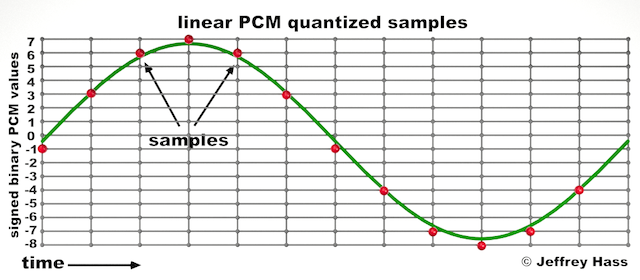
Audio quantization error is a fundamental aspect of digital audio processing. When analog sound waves are converted into digital signals, they undergo quantization. This means that the continuous analog signal is sampled and approximated in discrete steps. These steps are represented by binary values, typically in the form of bits (e.g., 16-bit, 24-bit). Now, what’s crucial to grasp here is that these discrete steps can lead to imperfections in audio reproduction.

Quantization error, often referred to as “quantization noise,” occurs when the actual analog signal deviates from the approximated digital representation. Imagine you have a beautiful painting, and you’re asked to replicate it using only a limited set of colors. The more restricted your color palette, the less accurate your reproduction will be. In the same way, the fewer bits you use for audio quantization, the more pronounced the quantization error becomes.

Quantization Levels and the Impact on Sound Quality

The number of quantization levels (related to bit depth) directly affects the precision of audio representation. For instance, a 16-bit audio recording has 65,536 possible levels, while a 24-bit recording provides a staggering 16,777,216 levels. This increased bit depth allows for a much finer representation of the original analog signal. Hence, a higher bit depth results in a reduction of quantization error, leading to superior sound quality.

To illustrate this, consider a grayscale image with only two colors: black and white. This is akin to an extremely low bit depth in audio, where the audio signal is either “on” or “off.” Now, imagine a high-resolution image with millions of colors, similar to the detail you get in a 24-bit audio recording. The difference in quality is apparent.

The Role of Dithering in Minimizing Quantization Error

One might wonder if there’s a way to mitigate quantization error in low-bit-depth audio recordings. Enter “dithering.” Dithering is a technique that introduces low-level noise to the audio signal, effectively spreading out the quantization error across a broader spectrum. Think of it as adding a sprinkle of fine grains of sand to a painting to blend the colors. This subtle noise masks the harshness of quantization error and makes it less noticeable to the human ear.

Now, as we’ve explored the fundamentals of audio quantization error, let’s delve into the questions that often arise:

How Does Quantization Error Affect Music Production?

In the realm of music production, quantization error can be a significant concern, particularly for professionals aiming to achieve top-tier sound quality. When producing music, especially in genres where subtle nuances are crucial, such as classical or jazz, quantization errors become more perceptible. To maintain audio fidelity, a higher bit depth is preferred during recording and production, ensuring minimal quantization noise.

Is There an Ideal Bit Depth for Audio Recording?

The ideal bit depth for audio recording is a subject of debate among audio enthusiasts. While 24-bit recording is commonly favored for its excellent dynamic range and low quantization error, it’s worth noting that the final audio format for most consumer applications, like CDs or streaming, is often 16-bit. The choice of bit depth should be based on the specific requirements of the project, keeping in mind the trade-off between audio quality and file size.

Can Quantization Error be Completely Eliminated?

Regrettably, quantization error cannot be entirely eliminated, as it’s an inherent part of the digital audio conversion process. However, it can be minimized to the point where it’s imperceptible to the human ear. Through techniques like dithering and the use of higher bit depths, the impact of quantization error can be significantly reduced, allowing for exceptional audio quality.

Last Words about Audio Quantization Error

In the ever-evolving world of audio technology, understanding audio quantization error is a fundamental step towards achieving superior sound quality. As an expert in the field, I’ve shared insights, experiences, and technical knowledge to demystify this concept. Remember, the bit depth you choose in audio recording significantly influences the extent of quantization error, and techniques like dithering play a pivotal role in mitigating its effects. The quest for pristine audio quality is an ongoing journey, but armed with this knowledge, you’re better equipped to make informed decisions in your audio endeavors.