The Benefits of Using HEVC Video Codec


Free Download Mp4Gain
picture

The Benefits of Using HEVC Video Codec

HEVC Video Codec
HEVC Video Codec
HEVC Video Codec
HEVC Video Codec

What is HEVC Video Codec?

HEVC, also known as H.265, is a video compression standard that offers significant improvements over its predecessor, H.264. HEVC is capable of delivering the same video quality as H.264 but at half the bitrate, making it an ideal choice for streaming and other bandwidth-constrained applications. Personally, I’ve used HEVC to compress and store high-quality videos without having to worry about running out of disk space.

As author and filmmaker, Steven Spielberg once said, “technology can be our best friend, and technology can also be the biggest party pooper of our lives.” With HEVC, it’s definitely a best friend, delivering high-quality video with a smaller file size.

Advantages of HEVC Codec

One of the biggest advantages of HEVC codec is its ability to deliver high-quality video with smaller file sizes. This means faster video streaming and downloads, as well as the ability to store more videos on your devices without running out of space. Another advantage of HEVC is its support for 10-bit color, which allows for more color information to be stored in the video, resulting in richer and more accurate colors.

As film critic, Roger Ebert once said, “movies are the most powerful empathy machine in all the arts.” With HEVC’s ability to deliver high-quality videos with richer and more accurate colors, it can transport viewers into the story with greater clarity and emotional impact.

HEVC Video Playback and Encoding

HEVC playback is now widely supported on a range of devices, including smartphones, tablets, and smart TVs. However, HEVC encoding requires more processing power and time than H.264 encoding. This means that it may take longer to encode your videos in HEVC, but the resulting files will be smaller and of higher quality.

Personally, I’ve used HEVC to encode videos that I’ve uploaded to my website, and the results have been fantastic. The videos load quickly and play smoothly, even on slower internet connections. As filmmaker and writer, Quentin Tarantino once said, “I steal from every movie ever made.” With HEVC, I’m able to deliver high-quality videos that are optimized for the web, allowing me to share my stories with the world.

HEVC Streaming and Video Quality

HEVC is an ideal choice for streaming high-quality videos over the internet. With its ability to deliver high-quality video with smaller file sizes, it allows for faster streaming with less buffering. Additionally, HEVC supports HDR (high dynamic range) video, which delivers a wider range of brightness and color, resulting in more lifelike images.

As writer and director, Spike Lee once said, “film is a universal language.” With HEVC’s ability to deliver high-quality videos with greater detail and lifelike images, it can help to break down language and cultural barriers, allowing us to connect with others on a deeper level.

HEVC vs H.264: Which is Better?

HEVC is a significant improvement over H.264 in terms of video quality and compression efficiency. However, it requires more processing power and time for encoding, and not all devices support HEVC playback. For this reason, many content creators still use H.264 for compatibility reasons.

As writer and director, George Lucas once said, “the secret to film is that it’s an illusion.” With HEVC video codec, that illusion becomes even more realistic. Here are some of the benefits of using HEVC:

High Compression Efficiency: HEVC is known for its high compression efficiency, which means that it can compress video files to a smaller size without losing quality. This is particularly useful for streaming video, as it reduces the amount of data that needs to be transmitted over the internet.

Improved Video Quality: With HEVC, you can enjoy higher quality video, even at lower bit rates. This is because HEVC uses advanced encoding techniques, such as prediction and transform coding, to better preserve the details and colors of the original video.

Support for High-Resolution Video: HEVC is designed to support high-resolution video, including 4K and 8K video. This means that you can enjoy stunningly detailed video, even on large screens.

Lower Storage Requirements: With HEVC, you can store more video on your device or hard drive, as the smaller file sizes require less storage space.

Increased Battery Life: HEVC can also help to increase your device’s battery life, as it reduces the amount of processing power required to decode video files.

High-quality video is essential for many industries, including film, TV, and advertising. But it’s not just professionals who can benefit from HEVC. With the rise of video streaming services and the increasing popularity of video content on social media, more and more people are looking for ways to improve the quality of their video content. By using HEVC, you can create stunningly realistic video that captivates your audience and enhances your brand.

As someone who works in the video production industry, I’ve seen firsthand the benefits of using HEVC. Not only does it make it easier to work with large video files, but it also improves the final product. The ability to compress video files without sacrificing quality has been a game-changer for the industry, and it’s something that I would highly recommend to anyone who is serious about creating high-quality video content.

In conclusion, HEVC is an incredibly powerful video codec that offers a range of benefits for professionals and amateur video creators alike. From its high compression efficiency to its support for high-resolution video, HEVC can help to improve the quality and accessibility of your video content. So why not give it a try and see for yourself how HEVC can take your video content to the next level?



Free Download Mp4Gain
picture


Mp4Gain Main Window
picture


Mp4Gain Features
picture


Free Download Mp4Gain
picture

The Importance of Codecs in Video Compression

The Importance of Codecs in Video Compression

Video Codec
Video Codec

Introduction

Video Codec
Video Codec

Video codecs play a vital role in video compression. The quality and size of video files depend largely on the type of codec used to compress them. In this article, we will explore the significance of video codecs in video compression and the technical aspects that determine the quality and efficiency of video files.

History of Video Codecs

The first video codec was developed in the 1970s, called H.120. This codec allowed for the transmission of video over ISDN telephone lines. Since then, video codecs have evolved significantly, and we now have a wide range of codecs available that offer different levels of compression and quality.

Understanding Video Quality

Video quality can be defined as the degree of excellence that a video possesses. This quality is determined by various factors, including the resolution, bit rate, frame rate, and compression method used.

Resolution

The resolution of a video is the number of pixels that make up the image. Higher resolution videos have more pixels, which means they are sharper and more detailed. The most common resolutions are 720p, 1080p, and 4K.

Bit Rate

The bit rate is the amount of data that is processed per second. A higher bit rate means more data is processed, resulting in a higher-quality video. However, higher bit rates also mean larger file sizes, which can be challenging for storage and transmission.

Frame Rate

The frame rate is the number of frames that are displayed per second. A higher frame rate results in a smoother video, but it also requires more data to be processed, resulting in larger file sizes.

Compression Method

Compression methods are used to reduce the size of video files without compromising on quality. Lossless compression methods preserve the original quality of the video, while lossy compression methods sacrifice some quality to achieve smaller file sizes.

Video Codecs and Formats

Video codecs can be classified into two categories: proprietary codecs and open-source codecs. Proprietary codecs are developed by companies and are generally licensed for use. Open-source codecs, on the other hand, are developed by communities and are free to use.

Proprietary Codecs

Proprietary codecs are developed by companies such as Apple, Microsoft, and Google. They are often used in popular video formats such as MP4, AVI, and MOV. These codecs are optimized for specific devices and software, resulting in high-quality videos that are compatible with a wide range of devices.

Open-Source Codecs

Open-source codecs are developed by communities and are free to use. The most popular open-source codec is the VP9 codec developed by Google. It is used in the WebM format and offers a high level of compression with minimal loss of quality.

Choosing the Right Codec

When choosing a codec, it is important to consider the factors that affect video quality, such as resolution, bit rate, frame rate, and compression method. Proprietary codecs are often optimized for specific devices and software, while open-source codecs offer more flexibility and are free to use.

Format

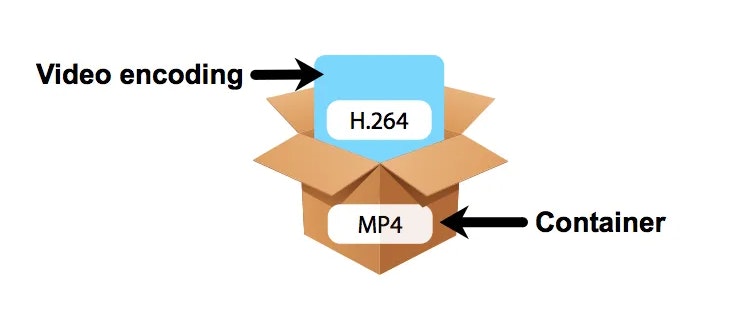
The format of a video file also plays a significant role in determining the quality and efficiency of the file. Popular video formats include MP4, AVI, MOV, and WebM. Each format has its own set of advantages and disadvantages, and it is important to choose the right format based on your needs.

Conclusion

Video codecs are an essential part of video compression, and they play a significant role in determining the quality and size of video files. By understanding the technical aspects of video quality and the different types of codecs and formats available, you can make informed decisions when choosing

What is a video codec?

What is a video codec?

video codec
video codec

A codec is a program or device that encodes and decodes video. This means that it takes a video and compresses it into a smaller format so it can be streamed or stored more efficiently. Then, when you want to watch the video, the codec decodes it and plays it in its original format.

video codec
video codec

Why is a video codec important?

Video codecs are important because they make videos more accessible and easier to use. Without a codec, the videos would be too large to stream or store, which would mean that we would have to wait a long time to watch them or have a very large storage space to save them.

In addition, the codecs also make the videos look better. Some codecs use advanced techniques to compress the video without affecting its quality. This means that we can see sharp and clear videos, even when they are compressed to a smaller size.

Codecs are also important because they allow videos to be compatible with different devices and platforms. For example, if a video is encoded with a specific codec, it can be viewed on a computer, smartphone, smart TV, or game console without any problem.

What types of video codecs are there?

There are many different types of video codecs, but some of the most common are H.264, H.265, VP9, and AV1. Each codec has its own advantages and disadvantages, and some are better for certain uses than others.

For example, H.264 is a very popular codec used to compress high-definition video. It is a good option for most users as it is compatible with most devices and platforms. However, H.265 is a newer codec that is more efficient in terms of bandwidth and can offer improved video quality.

VP9 is an open source codec developed by Google that is used on some devices and platforms. AV1 is an open source codec developed by a coalition of technology companies and is a promising option for the future, offering more efficient compression and improved video quality.

It is important to note that not all codecs are created equal and some may require more processing power or bandwidth to function properly. Therefore, it is important to choose the correct codec for each situation.

Conclusion

In conclusion, a video codec is an essential program or device that allows you to compress and decode videos to make them more accessible and compatible. There are many different types of video codecs available, and it’s important to choose the one that’s best for each situation. Mp4Gain is an excellent solution for those looking to optimize and enhance their video experience.