H.264 Encoding Profiles and Their Impact on MP4

H.264 Encoding Profiles and Their Impact on MP4

H.264 Encoding Profiles and Their Impact on MP4

Let’s talk about H.264 encoding profiles and their impact on MP4

When it comes to H.264 encoding profiles and MP4, understanding the connection is key to getting the most out of your video files. Over the years, I’ve worked extensively with H.264, and it remains the gold standard for balancing video quality with file size. The encoding profiles in H.264 determine everything from compression efficiency to playback compatibility. By diving deep into these profiles, I’ll show you how they shape your MP4 videos, making this knowledge indispensable for both creators and consumers.

Understanding H.264 Profiles and Their Purpose

H.264 encoding profiles are like recipes for compressing video. They specify what features the encoder uses to reduce file size while maintaining visual quality. Think of it like baking a cake—different recipes (profiles) give you different results, tailored to specific devices or purposes.

What Are the Main H.264 Profiles?

When working with MP4 files, you’ll often encounter three main profiles in H.264. Each has unique strengths designed for particular applications.

Baseline Profile

  • Designed for low-complexity devices like mobile phones.
  • Supports lower compression but ensures compatibility with older hardware.
  • Perfect for video calls or simple streams.

Main Profile

  • Offers better compression than Baseline, making it great for standard-definition video.
  • Balances quality and efficiency, ideal for TV broadcasts and some online platforms.
  • Supports interlaced video, unlike Baseline Profile.

High Profile

  • Provides the best quality-to-compression ratio of the three.
  • Commonly used for HD video, Blu-ray discs, and streaming services.
  • Leverages advanced features like CABAC (Context-Adaptive Binary Arithmetic Coding) for efficient compression.

Why MP4 Relies on H.264 Profiles

MP4 files use H.264 because of its universal compatibility and efficiency. Imagine wanting to share a video with someone on a smartphone or a smart TV. Without H.264 profiles, ensuring your video plays perfectly across devices would be like trying to fit a square peg into a round hole. These profiles allow MP4 files to adapt seamlessly.

How H.264 Profiles Impact Quality and Compression

The profile you choose directly affects both the quality of your video and how small the file becomes. For example, High Profile compresses more efficiently but demands more processing power during playback. It’s like packing a suitcase—some methods save space but require careful organization.

Real-World Examples of H.264 Profiles in Use

One of my favorite examples is streaming platforms like YouTube. For standard videos, Main Profile is often used to balance quality and playback smoothness. Meanwhile, 4K content relies on High Profile to deliver stunning visuals without ballooning file sizes.

Advanced Features in High Profile

High Profile is packed with cutting-edge features that make it stand out. One such feature, CABAC, significantly reduces file size without losing quality. Another, adaptive quantization, optimizes bitrate allocation for complex scenes. It’s like upgrading to a premium toolkit—you get more options to fine-tune the results.

Common Misunderstandings About H.264 Profiles

I often hear people say that higher profiles are always better. This isn’t true. Baseline Profile, for instance, remains crucial for low-power devices. Choosing the wrong profile can lead to playback issues or unnecessary strain on hardware, like using a chainsaw to cut butter.

When to Use Each H.264 Profile

Picking the right profile depends on your needs. If you’re targeting mobile users, Baseline Profile is a safe bet. For online content creators, Main Profile offers a great balance. High Profile is best for premium productions, where every detail matters.

How H.264 Enhances MP4 Compatibility

H.264 profiles ensure that MP4 files are playable across almost any device. Without them, video playback would often require additional codecs or software. This universal approach saves time and avoids compatibility headaches.

The Future of Video Encoding Beyond H.264

While H.264 dominates today, newer codecs like H.265 (HEVC) are pushing the envelope further. Still, H.264’s profiles and widespread adoption make it a staple. I often tell clients to think of H.264 as a reliable old friend—always there when you need it.

Latest words on H.264 encoding profiles and their impact on MP4

Mastering H.264 profiles is essential for anyone working with MP4. From Baseline to High Profile, each serves a purpose, shaping how videos look and perform. Whether you’re streaming, editing, or just watching, understanding these profiles unlocks the full potential of MP4. If you’re looking for a tool to optimize your videos, Mp4Gain offers a reliable solution to enhance quality and compatibility.

FAQs About H.264 Encoding Profiles and Their Impact on MP4

What are H.264 encoding profiles?

H.264 encoding profiles define the features and capabilities used during video compression. They determine how efficiently a video is compressed and how compatible it will be with different devices. The most common profiles are Baseline, Main, and High, each optimized for specific use cases like mobile playback, streaming, or high-definition video.

How do H.264 profiles impact MP4 files?

H.264 profiles determine the compression efficiency and playback compatibility of MP4 files. For example, Baseline Profile ensures older devices can play the video, while High Profile delivers superior quality and compression for HD content. The right profile ensures MP4 files work seamlessly across various platforms and devices.

Which H.264 profile is best for streaming video?

For streaming video, Main Profile is often the best choice. It balances quality and compression efficiency while maintaining compatibility with most devices. High Profile can also be used for higher-resolution streams, but it may require more processing power for playback.

Can I use High Profile for all my MP4 files?

While High Profile offers the best quality-to-compression ratio, it is not always the best choice. Devices with limited processing power, like older smartphones, may struggle to play High Profile videos. For maximum compatibility, Baseline or Main Profile might be better options.

Why is H.264 the preferred codec for MP4?

H.264 is the preferred codec for MP4 due to its exceptional balance between compression efficiency and quality. It supports a wide range of devices and platforms, ensuring compatibility without requiring additional software. Its encoding profiles make it versatile for different use cases, from mobile playback to high-definition video production.

How do I choose the right H.264 profile for my video?

Choosing the right H.264 profile depends on your video’s target audience and purpose. For mobile or low-power devices, Baseline Profile is ideal. Main Profile is suitable for standard-definition video and streaming, while High Profile is best for high-definition content or professional-grade projects.

What are the limitations of Baseline Profile?

Baseline Profile lacks advanced compression features like CABAC, which means it produces larger file sizes compared to Main or High Profile. It is optimized for compatibility with older or low-power devices, but this comes at the expense of lower compression efficiency and slightly reduced quality.

Is High Profile suitable for mobile devices?

High Profile can be used for mobile devices, but it may not perform well on older or less powerful smartphones. It requires more processing power for playback, so if compatibility with a wide range of mobile devices is a priority, Baseline or Main Profile might be a better choice.

What role does CABAC play in H.264 profiles?

CABAC, or Context-Adaptive Binary Arithmetic Coding, is an advanced compression feature used in Main and High Profiles of H.264. It significantly reduces file size while maintaining quality. However, it requires more processing power, making it unsuitable for devices that rely on Baseline Profile.

What is the future of H.264 encoding profiles?

Although newer codecs like H.265 and AV1 are emerging, H.264 remains widely used due to its established compatibility and efficiency. Its encoding profiles continue to serve as a reliable standard for MP4 files, ensuring seamless playback and quality for various applications.

Comments:

This article really helped me understand the difference between Baseline and High Profile. I’ve been encoding videos for YouTube, and now I see why my older clips played poorly on mobile devices. Thanks for the clarity!

So much detail here! I didn’t realize the impact CABAC has on compression. It’s crazy how much technology goes into something we take for granted like video streaming.

I think you should explain more about compatibility issues with older devices when using High Profile. I had trouble once with a file not playing on a 2010 smart TV. Just a thought.

Great breakdown of the profiles. This kind of info is hard to find in one place. Keep up the good work, and please do a piece on HEVC next!

I’ve been encoding all my videos using Main Profile, but now I’m wondering if I should switch to High Profile for better quality. Does it really make that much of a difference?

Honestly, this article is gold. I had no idea about adaptive quantization before reading this. Definitely bookmarking this page.

Super helpful! I’ve always been confused about why there are multiple profiles. This cleared it up perfectly. Thank you!

I encode my family videos using Baseline Profile so they’ll play on our old iPads. Reading this made me feel like I actually understand what I’m doing for once!

This is the kind of article I wish I found when I first started encoding videos. It would have saved me hours of trial and error.

Great job explaining such a technical topic in a way that’s easy to understand. More articles like this, please!

I never realized how much thought went into selecting an encoding profile. Makes me appreciate video tech even more. Thanks for the insights!

I’m just getting into video editing, and this helped me a lot. Do you think H.264 is still worth learning, or should I jump straight into HEVC?

The analogies in this article are great. Comparing encoding profiles to recipes really made it click for me. Keep writing!

I wish you’d included a section on the best settings for YouTube uploads. Otherwise, this is a fantastic guide.

Totally agree with the point about universal compatibility. That’s why I stick with H.264—it just works everywhere!

H.264/AVC Video Encoding for MP4

H.264/AVC Video Encoding for MP4

H.264/AVC Video Encoding for MP4

Let’s talk about H.264/AVC video encoding for MP4

H.264/AVC is the backbone of modern video streaming and storage. It’s like the Swiss Army knife of video compression, striking a balance between file size and quality. If you’ve ever wondered how platforms like YouTube or Netflix stream high-quality videos so seamlessly, the answer lies in H.264 encoding. My experience in video editing taught me early on that this codec is indispensable for MP4 files, offering efficiency unmatched by older formats.

What is H.264/AVC and why is it essential?

H.264, also known as Advanced Video Coding (AVC), is a standard for video compression. It uses predictive algorithms to reduce file sizes without sacrificing quality. Imagine folding a large blanket into a compact shape—it’s all about making it smaller while keeping the essential details intact. Compared to older codecs, H.264 offers:

  • Smaller file sizes with higher quality
  • Wide compatibility across devices and platforms
  • Support for resolutions up to 4K and beyond

How does H.264 achieve high-quality compression?

H.264 relies on techniques like motion compensation and spatial prediction. Think of it like assembling a puzzle. The codec predicts parts of the image based on what’s already encoded, filling in the gaps efficiently. This minimizes redundant data, ensuring optimal storage and playback. From my perspective, it’s fascinating to see how this prediction works even in complex scenes like moving water or fireworks.

Key benefits of using H.264 for MP4

H.264 isn’t just another codec; it’s a game-changer for MP4 videos. Whether you’re a professional editor or a casual user, its advantages are clear:

  • Reduced bandwidth requirements for streaming
  • Consistent playback on older and newer devices
  • Enhanced video quality at lower bitrates
  • Support for multiple profiles and levels to suit various needs

Understanding the profiles and levels of H.264

H.264 profiles are like different modes of operation, designed for various use cases. For example, the Baseline profile works well for video calls, while the High profile is ideal for Blu-ray discs and streaming. Levels, on the other hand, define the codec’s limitations, such as resolution and bitrate. In my work, understanding these settings has been crucial for optimizing videos for different platforms.

Challenges and limitations of H.264

While H.264 is powerful, it’s not without challenges. One common issue is the computational demand during encoding. It’s like running a marathon—your system needs to be prepared for the workload. Additionally, licensing fees can be a concern for developers and companies. However, for most users, these drawbacks are minor compared to its benefits.

H.264 vs. newer codecs like H.265/HEVC

H.264 has a successor: H.265/HEVC. The newer codec offers even better compression, reducing file sizes by nearly 50%. However, it comes at a cost—higher computational requirements and limited compatibility. From my experience, H.264 remains the best choice for MP4 videos when compatibility and ease of use are priorities.

Best practices for encoding MP4 with H.264

Encoding with H.264 can feel like fine-tuning a musical instrument. To achieve the best results, consider these practices:

  • Choose the right bitrate for your content
  • Use two-pass encoding for higher efficiency
  • Select an appropriate resolution and frame rate

Real-life applications of H.264 in MP4

H.264 is everywhere, from smartphones to cinema. It powers online courses, video games, and surveillance systems. Recently, I worked on a project involving drone footage. The videos were stunning but massive in size. By using H.264, we reduced file sizes significantly without losing quality, making it easier to share and edit.

Latest words on H.264/AVC video encoding for MP4

H.264 continues to be the gold standard for MP4 videos. Its balance of quality, efficiency, and compatibility makes it indispensable for content creators and viewers alike. While newer codecs may offer better compression, H.264’s reliability ensures its place in the industry for years to come. For anyone looking to optimize their video files, tools like Mp4Gain can simplify the process while maintaining top-notch quality.

Frequently Asked Questions about H.264/AVC Video Encoding for MP4

What is H.264/AVC video encoding?

H.264, also known as AVC (Advanced Video Coding), is a widely used video compression standard that provides high-quality video at relatively low bitrates. It is commonly used for video streaming, video conferencing, and in formats like MP4. The algorithm reduces the size of video files while maintaining good visual quality, making it ideal for use in modern digital video applications.

Why is H.264/AVC popular for MP4 video encoding?

H.264 is popular for MP4 encoding because it strikes an excellent balance between compression efficiency and video quality. It allows high-definition video content to be stored and transmitted in smaller file sizes, which is ideal for online streaming and storage on devices with limited space. Its widespread support across devices and platforms makes it the default encoding choice for MP4 files.

What are the benefits of using H.264/AVC for MP4 encoding?

Using H.264 for MP4 encoding provides several benefits:

  • Efficient compression, reducing file size while maintaining good quality.
  • Compatibility with a wide range of devices, players, and platforms.
  • Support for various video resolutions, including HD and 4K.
  • Low processing power requirements for decoding, making it ideal for streaming and mobile devices.

What are the limitations of H.264/AVC video encoding?

While H.264 is efficient, it does have some limitations:

  • It is not as efficient as newer codecs like HEVC (H.265), which offer better compression at similar or improved quality.
  • Encoding in H.264 can be slower, especially at higher bitrates or resolutions, requiring more processing power.
  • Although widely supported, some older devices may struggle with H.264 playback, especially at high resolutions.

How does H.264/AVC differ from other video codecs?

H.264/AVC is one of the most popular video compression formats, but it differs from other codecs like VP9 and HEVC in several ways:

  • H.264 is widely compatible with older devices and systems, while HEVC and VP9 are better suited for newer platforms and offer improved compression efficiency.
  • HEVC is more efficient than H.264 at higher resolutions, such as 4K, providing similar or better quality at lower bitrates.
  • VP9, developed by Google, is an open-source alternative to HEVC but may have less widespread support.

What is the best bitrate for H.264 video encoding in MP4?

The best bitrate for H.264 video encoding depends on the video resolution, frame rate, and desired quality. For example:

  • For 1080p videos at 30fps, a bitrate between 4,000-8,000 kbps provides a good balance of quality and file size.
  • For 4K videos at 30fps, a bitrate of 15,000-25,000 kbps is ideal.
  • For lower resolutions like 720p, 2,500-4,000 kbps is typically sufficient.

Comments:

Thanks for the detailed info! I always wondered why my videos looked so good after encoding with H.264. This article explained it perfectly.

Wow, didn’t know H.264 was so versatile. Can you write more about profiles and levels? That part was a bit confusing for me.

This helped me understand why my drone videos were taking so long to upload. Time to optimize with H.264!

Honestly, I think newer codecs like HEVC are better, but this article makes a strong case for H.264. Great read!

Had no idea H.264 was used in video calls too! That’s pretty cool. Great job breaking it down.

Love how this article explains technical stuff with simple examples. The puzzle analogy really helped me understand compression.

I’ve been using H.264 for years, but I never thought about its profiles and levels. Learned something new today!

This is so helpful! I’m starting a YouTube channel and needed to know how to make my videos load faster. H.264 seems perfect for that.

It’s amazing how much smaller my files got after using H.264. Wish I knew this trick earlier for my work presentations.

Good stuff, but I think you could have gone a bit deeper on the drawbacks. Encoding times can be really annoying!

Does this codec work well for 4K videos? I’ve been having trouble with playback stuttering on older devices.

Great article, but what about HDR videos? Does H.264 handle them well or should I look for alternatives?

Finally, an article that explains H.264 in simple terms! Most guides are too technical for regular folks like me. Thanks!

This article convinced me to stick with H.264 for my MP4 files. Compatibility is too important to overlook.

Any tips on reducing encoding times without sacrificing quality? I feel like my system struggles with H.264 sometimes.

Lossless Compression in AVI Files

Lossless Compression in AVI Files

Lossless Compression in AVI Files

Let’s talk about Lossless Compression in AVI Files

When it comes to AVI files, finding the perfect balance between high quality and efficient storage can feel challenging. That’s where lossless compression shines—it’s a way to reduce file sizes without sacrificing the quality of the video content. As a specialist in video compression and formats, I’ve spent years working with various file types and experimenting with ways to keep quality intact. In this article, I’ll explain how lossless compression works with AVI files, why it’s a preferred choice for many, and the real-world scenarios where it excels.

What is Lossless Compression?

Lossless compression is a method that reduces file size without any loss of data. Imagine you have a suitcase packed with all your belongings in a precise order. Lossless compression is like folding each item just right to save space without leaving anything behind. When you decompress it, everything returns to its original form, unchanged. Unlike lossy compression, which sacrifices some details to make the file smaller, lossless compression preserves every bit of information. This makes it ideal for applications where maintaining the full quality of the content is essential.

How Lossless Compression Works in AVI Files

In AVI files, lossless compression uses algorithms that identify redundant data and then compress it without throwing away any of the original information. It’s similar to creating a shorthand version of the file that can be expanded back to its exact original form. AVI, which stands for Audio Video Interleave, is a multimedia container format that can store both audio and video data in a synchronized manner. AVI files are often used in professional video editing because they support high-quality video formats and can handle the demands of lossless compression.

Advantages of Using Lossless Compression in AVI

The benefits of using lossless compression in AVI files extend beyond just file size reduction. Here’s why it’s worth considering:

  • Preservation of Quality

    Lossless compression retains every detail, which is crucial for professional and archival purposes.

  • Reversible Process

    Unlike lossy compression, you can restore the file to its original form without any data loss.

  • Ideal for Editing

    Lossless AVI files allow for editing without degrading quality, making them suitable for video editors and content creators.

Comparing Lossless and Lossy Compression in AVI Files

When it comes to compression, lossless and lossy methods serve different needs. Lossy compression is like making a photocopy of a high-resolution image at a lower quality—it’s smaller, but some details are lost. Lossless compression, however, is like taking the original and folding it neatly to save space without sacrificing any quality. With AVI files, lossy compression can lead to artifacts or a decrease in clarity, which isn’t ideal for those seeking top-notch quality.

Real-World Applications of Lossless Compression in AVI Files

Lossless compression in AVI files is often used in industries where quality cannot be compromised, like film production, medical imaging, and archiving. For instance, filmmakers use lossless compression when they need to store high-quality footage before editing. In medical imaging, lossless compression ensures critical details are preserved in scans and x-rays. And for archivists, it’s the go-to method for storing old films and videos in a format that keeps every original detail intact.

File Size and Storage Considerations

While lossless compression reduces file size, AVI files with lossless compression can still be quite large. Think of it as folding clothes neatly in a suitcase—sure, it saves space, but there’s still only so much you can fit. Lossless AVI files are typically larger than lossy-compressed files, so storage can be a concern if you’re dealing with extensive video libraries. However, if quality is the priority, the extra storage is often worth the trade-off.

Choosing the Right Compression for AVI Files

Selecting the right compression type depends on your priorities. For instance, if you’re archiving important footage or editing professional video, lossless compression is usually the best choice. However, if you’re working with videos that don’t require perfect quality, like online content, lossy compression can save a lot of space without a noticeable difference in quality. It’s all about finding the balance that meets your specific needs.

Understanding Different Lossless Compression Codecs for AVI

There are several codecs available for lossless compression in AVI files, each with its own strengths and ideal use cases. Some popular ones include:

  • FFV1

    An open-source codec known for its efficiency and high-quality compression, often used in archiving.

  • HuffYUV

    A fast codec suitable for intermediate video storage, but it requires more storage space.

  • Ut Video

    Known for its compatibility with different platforms, making it versatile for professional use.

These codecs offer different compression speeds, file sizes, and compatibility, so choosing the right one can depend on your specific project needs.

When to Use Lossless Compression for AVI Files

Lossless compression is ideal in situations where maintaining original quality is essential. Here are some examples:

  • Professional Video Editing

    When editing, it’s crucial to work with the highest quality files to avoid degradation from multiple saves and edits.

  • Archival Storage

    For archiving purposes, preserving every detail of a video file is often a priority.

  • Medical Imaging

    In fields like medical imaging, lossless compression ensures that critical details are not lost in scans or x-rays.

Challenges and Limitations of Lossless Compression in AVI

Despite its benefits, lossless compression has limitations. The biggest challenge is the large file size, which can be a problem for users with limited storage. Additionally, lossless compression requires more processing power during playback and editing, which might be an issue for lower-end devices. However, the trade-offs are worth it for those who need the quality that only lossless compression can provide.

Latest words on Lossless Compression in AVI Files

Lossless compression in AVI files provides a way to maintain video quality without sacrificing data, making it essential for applications where every detail matters. Whether you’re a filmmaker, an archivist, or simply someone who values quality, lossless compression in AVI files can offer the balance you need. Although it demands more storage, the benefits in quality make it a valuable choice. For those looking to optimize and manage their video files, tools like Mp4Gain offer solutions to ensure the best quality-to-size ratio, making it easier to work with lossless AVI files effectively.

Comments:

Well, this really clears things up! I’ve always struggled to understand the difference between lossy and lossless. Great explanation here.

Didn’t know lossless compression in AVI was so important. I’ve been editing videos for a while, and now I understand why quality has been an issue!

For medical imaging, I never knew we needed lossless compression, but now it makes total sense! Really useful info for my work.

Good breakdown of the pros and cons here. I might have to rethink my storage setup because I didn’t realize AVI files could be so big.

Question—how can I tell if an AVI file has been compressed losslessly? I’ve been dealing with big files lately, and this article made me curious.

Can’t believe how much I’ve been missing out on quality by not using lossless for my archives. This is a wake-up call!

Really thorough explanation! It answered all my questions and even raised a few new ones. AVI files seem complicated but worth the hassle.

Never considered the effect on storage—might explain why my hard drive fills up so quickly. Thanks for the insight!

This helped me understand why my videos lose quality after editing. Time to switch to lossless for my master files!

Great info here, but now I’m wondering if lossless is compatible with all video players. Guess I have more research to do.

Finally, an article that explains AVI lossless compression in plain language! I feel like I can actually make use of this info.

I’ve been looking for something like this. I wish I’d known about lossless AVI compression sooner, would’ve saved a lot of quality loss!

Anyone here try using lossless for home videos? I’m curious if it’s worth the storage space for family stuff.

A Closer Look at Video Resolution and Aspect Ratios

A Closer Look at Video Resolution and Aspect Ratios

Video Resolution
Video Resolution


Video Resolution
Video Resolution

What is the difference between resolution and aspect ratio?

When it comes to video quality, two important factors to consider are resolution and aspect ratio. Although they are related, they represent different aspects of the visual experience. Let’s delve deeper into each of these terms.

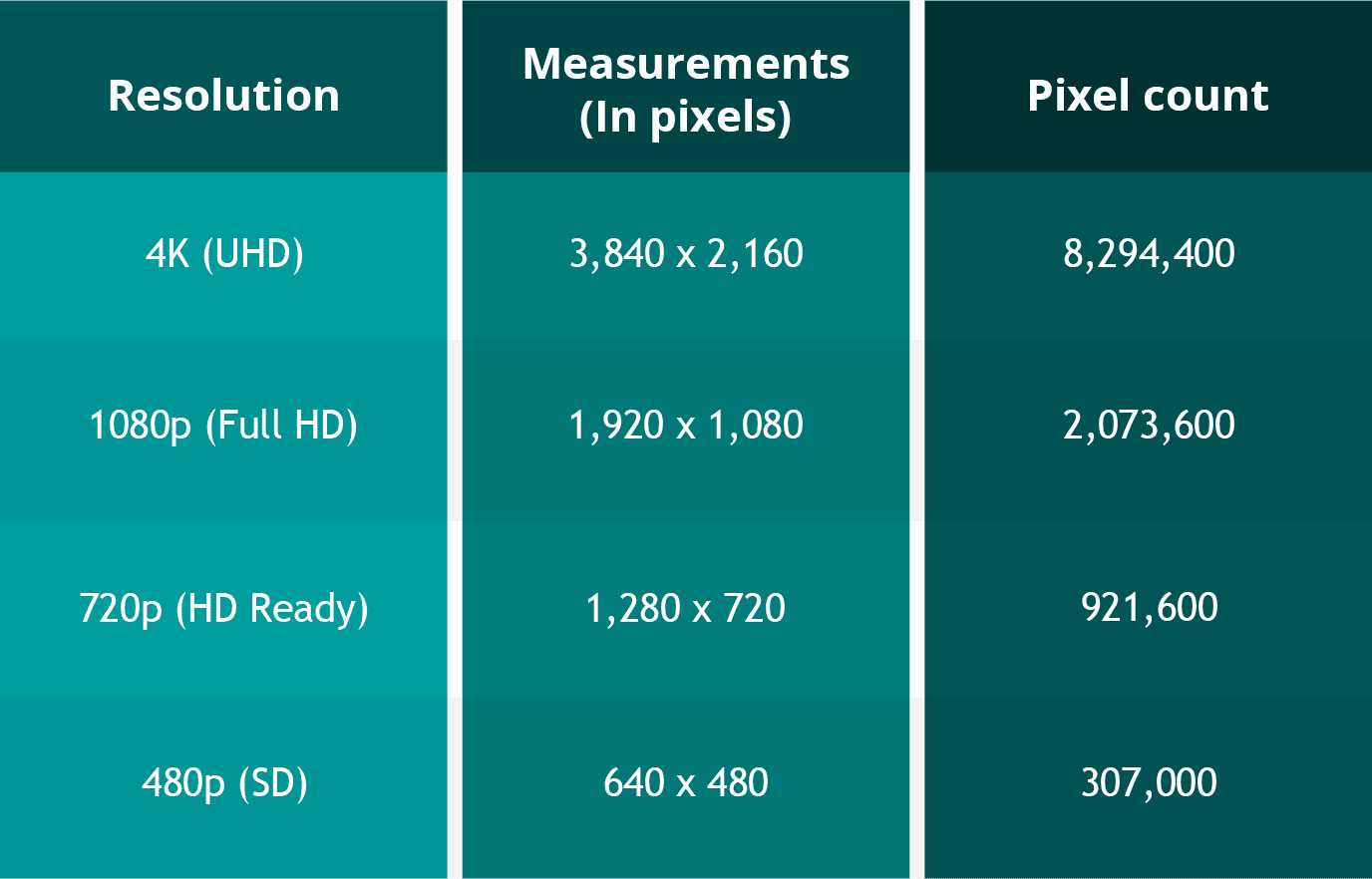
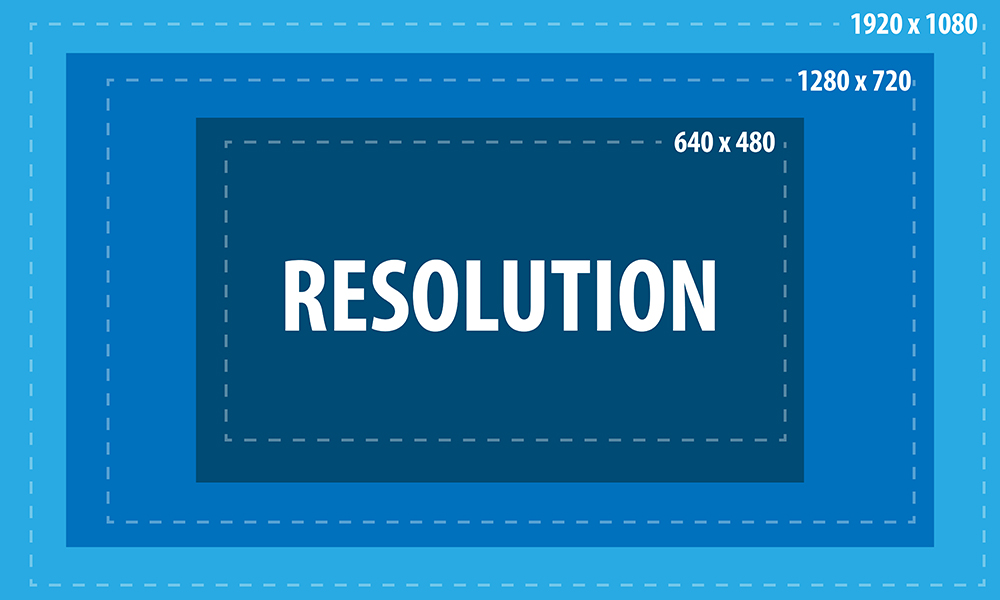
Resolution refers to the number of pixels contained in a video display. It indicates the level of detail and sharpness in the image. Common video resolutions include HD (1280×720 pixels), Full HD (1920×1080 pixels), and 4K Ultra HD (3840×2160 pixels). Higher resolutions generally offer more clarity and precision, resulting in a more immersive viewing experience.

Aspect ratio refers to the proportional relationship between the width and height of a video frame. It determines the shape and size of the video display. The most common aspect ratios are 16:9 and 4:3. A 16:9 aspect ratio is widely used in modern devices, such as widescreen TVs and computer monitors, while the 4:3 aspect ratio was common in older CRT TVs. The aspect ratio can affect the composition and visual perception of a video.

Now that we understand the basics of resolution and aspect ratio, let’s explore their impact on video quality and viewing experience.

Enhancing video quality with higher resolutions

Achieving higher video resolutions can significantly enhance the visual quality and level of detail in videos. With technological advancements, video resolutions have evolved over the years, allowing for more immersive and lifelike experiences. Higher resolutions are particularly beneficial for larger screens or when viewing videos up close.

4K Ultra HD resolution, with its impressive 3840×2160 pixel count, has become increasingly popular among consumers. This resolution offers four times the number of pixels as Full HD, resulting in exceptionally sharp and detailed images. 4K content is now widely available, allowing viewers to enjoy breathtaking visuals with rich colors and fine details. Whether it’s the majestic landscapes in nature documentaries or the intricate special effects in movies, 4K resolution brings out the best in visual storytelling.

Additionally, 8K resolution is on the horizon, with even higher pixel counts that promise an unprecedented level of detail. Although 8K content is still limited, it is expected to become more prevalent in the future, further enhancing the video viewing experience.

Aspect ratio and its impact on visual composition

The aspect ratio of a video frame plays a crucial role in the composition and overall visual experience. Different aspect ratios can evoke different emotions and aesthetics. Let’s explore two common aspect ratios and their effects:

16:9 aspect ratio has become the standard for modern video content. It offers a wider field of view, making it ideal for immersive experiences and capturing expansive landscapes. The 16:9 aspect ratio is also compatible with most modern devices, ensuring that videos fit perfectly on widescreen displays without black bars.

4:3 aspect ratio was prevalent in older TVs and has a more square-shaped frame. While it may feel outdated for some, it can be used creatively to evoke a nostalgic or vintage aesthetic. Additionally, some video content, such as archival footage or certain documentaries, may still use the 4:3 aspect ratio for historical accuracy.

In conclusion, understanding video resolution and aspect ratios is essential for optimizing the viewing experience. Higher resolutions offer greater detail and clarity, while aspect ratios influence the composition and visual appeal of videos. By considering these factors, content creators and viewers can make informed decisions to ensure the best possible video quality.

How does video resolution impact streaming quality?

When it comes to streaming videos online, video resolution plays a significant role in determining the quality of the viewing experience. Let’s explore how different video resolutions affect streaming quality and bandwidth requirements.

Streaming platforms, such as Netflix and YouTube, offer various resolution options to accommodate different devices and internet connection speeds. The available resolutions typically range from standard definition (SD) to high definition (HD) and even ultra-high definition (UHD or 4K).

SD resolution is the most basic option, with a resolution of 480p (640×480 pixels). It provides acceptable quality on smaller screens or for users with limited bandwidth. SD resolution requires less internet bandwidth, making it suitable for slower internet connections or mobile data usage.

HD resolution is a significant improvement over SD, offering a more detailed and enjoyable viewing experience. With a resolution of 720p (1280×720 pixels) or 1080p (1920×1080 pixels), HD videos are crisp and clear, especially on larger screens. HD resolution requires more internet bandwidth than SD but is still manageable for most internet connections.

4K UHD resolution is the highest available resolution for streaming. With its impressive pixel count of 3840×2160, 4K UHD videos provide unparalleled clarity and detail. However, streaming 4K content requires a robust internet connection and higher bandwidth capabilities. Viewers need a stable and fast internet connection to avoid buffering or interruptions.

When streaming videos, it’s important to consider both the resolution and available bandwidth. Higher resolutions offer better visual quality but require faster internet speeds. If your internet connection is not capable of streaming in a particular resolution, the video may automatically downgrade to a lower resolution to prevent buffering.

In summary, video resolution directly impacts streaming quality, with higher resolutions providing better visual experiences. However, it’s crucial to ensure that your internet connection can handle the required bandwidth for the selected resolution. By choosing the appropriate resolution based on your internet capabilities, you can enjoy smooth and uninterrupted streaming.

Optimizing video resolution for mobile devices

With the widespread use of smartphones and tablets, optimizing video resolution for mobile devices has become increasingly important. Let’s explore some considerations and tips for achieving the best video quality on mobile screens.

Mobile screen sizes vary significantly, ranging from smaller smartphone screens to larger tablets. It’s essential to optimize video resolution to ensure optimal viewing experiences across different devices. Choosing a resolution that balances quality and file size is crucial to avoid consuming excessive storage or bandwidth on mobile devices.

Adaptive streaming is a technique used by many streaming platforms to adjust the video resolution based on the viewer’s internet connection and device capabilities. This ensures smooth playback and prevents buffering issues. By dynamically adapting the resolution, viewers can enjoy videos seamlessly on their mobile devices, regardless of their internet speed.

Compressed file formats such as H.264 or HEVC (High-Efficiency Video Coding) can help reduce the file size without compromising video quality. These formats use advanced compression techniques to maintain the visual integrity while reducing the overall file size. By utilizing compressed formats, you can optimize video resolution for mobile devices while minimizing storage and bandwidth requirements.

In conclusion, optimizing video resolution for mobile devices is crucial to deliver high-quality viewing experiences. By considering factors such as screen size, adaptive streaming, and compressed file formats, content creators can ensure that their videos are optimized for mobile devices. Providing a seamless and enjoyable viewing experience on mobile platforms is essential in today’s mobile-centric world.

LSI keywords: video quality, display resolution, pixel density, screen aspect ratio, visual experience, video streaming, screen sizes, mobile

What is Video Resolution?

What is Video Resolution?

Video Resolution
Video Resolution
Video Resolution
Video Resolution


If you have ever used a video camera, watched a movie or streamed a video online, you may have come across the term “video resolution.” In simple terms, video resolution refers to the number of pixels in a video image. It determines the clarity, sharpness, and overall quality of the video. In this article, we will explore video resolution in detail and answer the most common questions about it.

What is Video Resolution?

Video resolution refers to the number of pixels that make up an image in a video. Pixels are tiny dots that make up an image on a screen. The more pixels an image has, the sharper and clearer it appears. Video resolution is usually measured in width and height, and the total number of pixels is calculated by multiplying the two dimensions.

For example, a video with a resolution of 1920 x 1080 has 1920 pixels in width and 1080 pixels in height. The total number of pixels in this video is 2,073,600 (1920 x 1080 = 2,073,600). This is also referred to as 1080p or Full HD resolution.

What are the different types of Video Resolutions?

There are several different types of video resolutions available today. Here are some of the most common video resolutions:

  • 480p – This is standard definition (SD) video and has a resolution of 640 x 480 pixels. It is commonly used for older TV shows and movies.
  • 720p – This is high definition (HD) video and has a resolution of 1280 x 720 pixels. It is commonly used for streaming videos online and for newer TV shows and movies.
  • 1080p – This is Full HD video and has a resolution of 1920 x 1080 pixels. It is commonly used for Blu-ray discs, streaming videos, and newer TV shows and movies.
  • 4K – This is Ultra HD (UHD) video and has a resolution of 3840 x 2160 pixels. It is commonly used for high-end TVs and streaming videos.
  • 8K – This is the latest and highest resolution available for video and has a resolution of 7680 x 4320 pixels. It is used for high-end TVs and is not yet commonly available for streaming or other video content.

What factors affect Video Resolution?

Several factors can affect video resolution, including the quality of the camera or device used to capture the video, the lighting conditions, and the amount of compression used to store or transmit the video. Higher-quality cameras and devices can capture more pixels and produce sharper and clearer images. Good lighting conditions can also help produce better quality videos, while poor lighting can result in grainy or blurry images. Additionally, compression can reduce the file size of a video but can also reduce the quality of the video.

People Also Ask

What is aspect ratio in video resolution?

Aspect ratio refers to the ratio of the width of a video image to its height. It determines the shape of the video image and is usually expressed as a ratio of the width to the height. The most common aspect ratios for video are 4:3, which is standard definition, and 16:9, which is high definition.

What is the difference between 1080p and 4K resolution?

The difference between 1080p and 4K resolution lies in the number of pixels. 1080p has a resolution of 1920 x 1080 pixels, while 4K has a resolution of 3840 x 2160 pixels, which is four times the number of pixels as 1080p. This means that 4K displays have a much higher pixel density, resulting in sharper, more detailed images.

Another difference between the two is that 4K content requires more bandwidth and storage space than 1080p content. This is because 4K files are much larger, due to the increased number of pixels. Therefore, streaming 4K content or storing it on a device requires a faster internet connection and more storage space.

It’s worth noting that the human eye can only perceive so much detail, and the benefits of 4K resolution are most noticeable on larger screens or when sitting closer to the display. On smaller screens or at typical viewing distances, the difference between 1080p and 4K may not be as noticeable.

What is HDR?

HDR stands for High Dynamic Range, and it is a technology that expands the range of colors and brightness levels that can be displayed on a screen. HDR content is encoded with information about the brightness and color of each pixel, allowing displays that support HDR to reproduce a wider range of colors and brightness levels, resulting in more vibrant and lifelike images.
HDR content is available in a variety of formats, including HDR10, Dolby Vision, and HLG (Hybrid Log-Gamma). HDR10 is an open standard that is widely used, while Dolby Vision is a proprietary format developed by Dolby Laboratories that offers additional features, such as dynamic metadata that adjusts the brightness and color levels of each scene. HLG is a format designed for broadcasting and is compatible with both standard dynamic range and high dynamic range displays.

What is the difference between refresh rate and frame rate?

Refresh rate and frame rate are two different measurements that are often confused. Refresh rate refers to how many times per second a display updates the image on the screen, while frame rate refers to how many still images or frames are displayed per second in a video.
Refresh rate is measured in Hertz (Hz), with common refresh rates being 60Hz, 120Hz, or 144Hz. A higher refresh rate can reduce motion blur and make fast-paced action in video games or sports appear smoother.

Frame rate, on the other hand, is typically 24, 30, or 60 frames per second (fps) in video content. A higher frame rate can result in smoother motion and less stuttering, especially in fast-paced or action-packed scenes.

It’s important to note that a higher refresh rate does not necessarily mean a higher frame rate, as the two are independent of each other. A display can have a high refresh rate but still display content at a lower frame rate, resulting in a less smooth image. Conversely, a display with a low refresh rate can display high frame rate content, but the image may appear choppy due to motion blur.

Conclusion

Video resolution is an important aspect of the viewing experience, as it determines the level of detail and clarity of the image. Higher resolutions, such as 4K, can provide more detailed images with greater clarity, but they also require more bandwidth and storage space. HDR is a technology that expands the range of colors and brightness levels that can be displayed on a screen, resulting in more vibrant and lifelike images. Refresh rate refers to the number of times per second that an image is redrawn on the screen. It is measured in Hertz (Hz), with common refresh rates being 60Hz, 120Hz, and 144Hz. A higher refresh rate can result in a smoother image, especially during fast-paced action scenes or sports events. However, not all content can take advantage of a high refresh rate, so it may not be necessary for all users.

Frame rate, on the other hand, refers to the number of individual frames that make up one second of video. It is typically measured in frames per second (fps), with common frame rates being 24fps, 30fps, and 60fps. A higher frame rate can result in a smoother video, especially for fast-moving content, but it can also require more processing power and storage space.

What is aspect ratio?

Aspect ratio is another important measurement to consider when it comes to video resolution. It refers to the proportional relationship between the width and height of a video image. Common aspect ratios include 16:9 (widescreen), 4:3 (standard), and 21:9 (ultra-wide).
The aspect ratio can affect how the video is displayed on the screen, as well as the overall viewing experience. For example, a wider aspect ratio can be better for watching movies, while a narrower aspect ratio may be more suitable for certain types of content, such as computer applications or documents.

Conclusion

Video resolution is a key factor in determining the quality and clarity of video content. Understanding the different measurements and terms used to describe resolution can help you make informed decisions when purchasing a new TV or monitor, or when creating and sharing your own video content.
Remember to consider factors such as aspect ratio, refresh rate, and frame rate, as well as the resolution itself, when evaluating the quality of video content. With a better understanding of these concepts, you can enjoy your favorite movies, TV shows, and other video content in the best possible quality.

People also ask

What is the difference between resolution and pixel density?

Resolution refers to the number of pixels in an image, while pixel density refers to the concentration of those pixels within a given area. A higher pixel density can result in a sharper, more detailed image, even at lower resolutions.

What is 8K resolution?

8K resolution, also known as 7680 x 4320 or 4320p, is the highest resolution currently available for consumer video content. It offers four times the resolution of 4K and sixteen times the resolution of 1080p.

Can I upscale lower-resolution content to a higher resolution?

While it is possible to upscale lower-resolution content to a higher resolution, the quality of the resulting image may not be as good as native high-resolution content. Upscaling can also result in issues such as artifacts, blurriness, and distortion. It is generally recommended to view content at its native resolution whenever possible.

Video Enhancement: How to Transform Your Footage into a Cinematic Masterpiece

Video Enhancement: How to Transform Your Footage into a Cinematic Masterpiece

Video Enhancement
Video Enhancement
Video Enhancement
Video Enhancement

The Basics of Video Enhancement

In today’s digital age, video has become an integral part of our lives. Whether it’s for personal use or professional purposes, the quality of the video is crucial to make it more engaging and impactful. This is where video enhancement comes in. Video enhancement is the process of improving the visual quality of the video by applying various techniques such as color correction, noise reduction, and sharpening. In this article, we will explore the different methods and tools of video enhancement, and how they can help you turn your footage into a cinematic masterpiece.

Color Correction

Color correction is a technique used to adjust the colors of the video footage to make them more vibrant, natural, and appealing. It involves adjusting the brightness, contrast, and saturation of the colors to achieve the desired effect. Color correction can be done manually by adjusting the settings of the camera before filming, or by using software specifically designed for color grading.

Noise Reduction

Noise reduction is the process of removing unwanted grain or static from the video footage. This can be caused by low light, high ISO, or compression artifacts. Noise reduction tools use algorithms to analyze the video and selectively reduce the noise without affecting the details or sharpness of the video.

Sharpening

Sharpening is the process of enhancing the details and edges of the video to make them appear more crisp and defined. This can be done through software that applies filters to the footage or by adjusting the sharpness settings of the camera before filming.

Other Techniques

Other techniques that can be used for video enhancement include:

  • Stabilization – removing shaky footage
  • Color Grading – enhancing the colors and tones of the footage
  • Slow Motion – slowing down the footage to emphasize certain moments
  • Special Effects – adding visual effects such as lens flares, light leaks, or transitions to enhance the overall look of the video

Frequently Asked Questions

Can video enhancement improve the quality of low-resolution footage?

While video enhancement can improve the quality of low-resolution footage to some extent, it cannot completely restore the lost details. It is always best to film in the highest resolution possible to ensure the best quality footage.

Can video enhancement fix out-of-focus footage?

Video enhancement cannot fix out-of-focus footage. It is important to ensure that the footage is in focus before filming to avoid blurry or unusable footage.

Conclusion

Video enhancement is a crucial step in making your video footage more engaging and impactful. By applying techniques such as color correction, noise reduction, and sharpening, you can transform your footage into a cinematic masterpiece. Remember to film in the highest resolution possible and use the appropriate techniques to ensure the best quality footage. With practice and experimentation, you can master the art of video enhancement and create stunning visuals that captivate your audience.

What is the difference between video enhancement and video editing?

Video enhancement is the process of improving the visual quality of the video by applying various techniques such as color correction, noise reduction, and sharpening. Video editing, on the other hand, involves the process of selecting and arranging the footage to tell a story or convey a message. While video enhancement can be a part of the video editing process, it is not the same thing.

Is video enhancement only for professional videographers?

No, anyone can use video enhancement techniques to improve the quality of their video footage, regardless of their level of experience or expertise. With the availability of user-friendly software and tutorials online, even beginners can enhance their footage and make it more engaging and impactful.

Can video enhancement be done on a smartphone?

Yes, there are many apps available that allow you to enhance your video footage on your smartphone. These apps typically offer basic features such as color correction and noise reduction, but may not be as powerful as desktop software.

What are some common mistakes to avoid when doing video enhancement?

Some common mistakes to avoid when doing video enhancement include over-saturating the colors, over-sharpening the footage, and applying too many effects. It is important to use these techniques judiciously and with a discerning eye, keeping in mind the overall look and feel of the footage.

Can video enhancement be used to alter the content of the footage?

No, video enhancement should not be used to alter the content of the footage or to misrepresent the reality of the situation. The purpose of video enhancement is to improve the visual quality of the footage, not to manipulate or distort it.

Are there any ethical considerations to keep in mind when doing video enhancement?

Yes, it is important to be transparent and honest about any enhancements made to the footage. If the footage has been significantly altered, it may be necessary to disclose this to the audience. Additionally, it is important to respect the privacy and dignity of any individuals featured in the footage and to obtain their consent before sharing it publicly.

Understanding Video Resolution

Understanding Video Resolution: Everything You Need to Know

Video Resolution
Video Resolution

Video Resolution – Introduction

Video Resolution
Video Resolution

Video resolution is one of the most important factors to consider when watching or creating videos. It affects the overall quality of the video and can make a huge difference in how enjoyable it is to watch. In this article, we’ll cover everything you need to know about video resolution, from the basics of what it means to how it affects your viewing experience.

What is Video Resolution?

Video resolution refers to the number of pixels displayed on a screen in a video. A pixel is a tiny dot that makes up a part of an image or video. The more pixels there are in a video, the sharper and more detailed the image will be.

Video resolution is measured in terms of the number of pixels that are displayed horizontally and vertically on a screen. For example, a video resolution of 1920×1080 means that there are 1920 pixels displayed horizontally and 1080 pixels displayed vertically on the screen. The higher the number of pixels, the higher the video resolution.

Common Video Resolutions

  • 480p – 640×480 pixels
  • 720p – 1280×720 pixels
  • 1080p – 1920×1080 pixels
  • 4K – 3840×2160 pixels
  • 8K – 7680×4320 pixels

How Video Resolution Affects Viewing Experience

The video resolution can have a significant impact on the viewing experience. Videos with higher resolutions look sharper and more detailed, and are generally more enjoyable to watch. However, the difference in quality may not be noticeable on smaller screens or if the video is compressed.

Another important factor to consider is the size of the screen. A video with a high resolution will look better on a larger screen than on a smaller one. This is because the pixels are spread out over a larger area, making the image appear sharper and more detailed.

Factors that Affect Video Resolution

There are several factors that can affect the video resolution, including:

1. Recording Device

The recording device is one of the most important factors that affect the video resolution. Cameras with higher resolutions will capture videos with more pixels, resulting in a higher video resolution.

2. Compression

Videos are often compressed to make them smaller and easier to share. However, compression can also reduce the video resolution and make the video look less sharp and detailed.

3. Display Device

The display device, such as a TV or computer monitor, is also an important factor that affects the video resolution. If the display device has a lower resolution than the video, the video will be downscaled to match the capabilities of the display device.

FAQs

Q: What is the difference between 1080p and 4K resolution?

A: 4K resolution has four times the number of pixels as 1080p resolution, resulting in a much sharper and more detailed image.

Q: Can I watch a 4K video on a non-4K TV?

A: Yes, you can still watch a 4K video on a non c-4K TV, but the video will be downscaled to match the capabilities of the display device, resulting in a lower video resolution.

Q: Why do some videos look better than others even if they have the same resolution?

A: Video quality is influenced by several factors, such as the recording device, lighting, and color grading. Videos shot with high-end cameras and with good lighting and color grading will generally look better than videos shot with lower-end cameras or under poor lighting conditions.

Conclusion

Video resolution is an important factor to consider when watching or creating videos. The higher the video resolution, the sharper and more detailed the image will be. The size of the screen also plays a role in the viewing experience, as higher resolutions look better on larger screens. When creating videos, it’s important to use a recording device with a high resolution and to avoid excessive compression to maintain the video quality. Overall, understanding video resolution can help you make better decisions when it comes to choosing the right video to watch or creating high-quality videos yourself.