Scalable Video Coding Extensions in MP4


Free Download Mp4Gain
picture

Scalable Video Coding Extensions in MP4

Scalable Video Coding Extensions in MP4

Let’s talk about scalable video coding extensions in MP4

Scalable video coding (SVC) extensions in MP4 are revolutionizing how we handle video streaming, storage, and quality optimization. As an expert in video compression, I’ve witnessed firsthand how SVC enhances the flexibility of MP4, allowing for multiple quality levels within a single file. Imagine having a video that can dynamically adjust its resolution and bitrate depending on your device or internet speed. That’s exactly what SVC brings to the table.

This flexibility is much like adjusting the water flow in a faucet; you get just the amount you need without wasting resources. SVC achieves this by encoding video in layers—base layers for lower resolutions and enhancement layers for higher quality. The MP4 container is ideal for housing these layers, ensuring seamless delivery across various platforms.

How scalable video coding works in MP4

The magic of SVC lies in its ability to encode video streams into hierarchical layers. Each layer provides a different quality level, and the MP4 container format ensures these layers remain intact and accessible. When I first experimented with SVC, it felt like creating a stack of pancakes—each layer adding flavor (or quality) without overwhelming the base.

For example, if you’re streaming a video on a smartphone with limited bandwidth, the player accesses only the base layer. On a high-speed connection with a 4K display, it incorporates all enhancement layers for the best experience. This adaptability minimizes buffering and optimizes storage, making MP4 with SVC indispensable for modern multimedia.

Key benefits of scalable video coding in MP4

Optimized bandwidth usage

  • Reduces strain on networks by adjusting quality dynamically.
  • Improves streaming efficiency across devices.
  • Supports uninterrupted playback in fluctuating conditions.

Enhanced storage efficiency

  • Consolidates multiple quality versions into a single file.
  • Eliminates the need for separate encodings for different resolutions.
  • Reduces redundancy and storage costs significantly.

Device compatibility

  • Ensures videos play optimally on varying screen sizes.
  • Offers backward compatibility for older devices.
  • Improves user experience across platforms.

Why MP4 is the ideal container for scalable video coding

The MP4 container is a versatile powerhouse, perfectly suited for SVC extensions. Think of it as a highly organized toolbox where every tool has its place. MP4’s structure accommodates multiple tracks, making it ideal for SVC’s layered approach.

From my experience, the MP4 format simplifies video management. When I tested SVC in other containers, they struggled with synchronization issues and compatibility. MP4, however, provided seamless playback and integration across media players and editing software. Its support for metadata also ensures that each video layer retains its descriptive details, enhancing searchability and organization.

Real-life applications of scalable video coding in MP4

Scalable video coding in MP4 has practical uses that touch every corner of modern media. For instance, during live sports streaming, SVC ensures fans with slow connections can still follow the game without disruptions, while those with high-speed internet enjoy crisp, high-definition visuals.

Another example is online learning. Students accessing course videos from rural areas benefit from the base layer, while urban users with fiber-optic connections experience full HD. This adaptability makes SVC in MP4 a cornerstone for inclusive digital content delivery.

How scalable video coding improves video conferencing

Video conferencing is a prime example of SVC’s capabilities. In my professional projects, I’ve seen SVC drastically improve call quality for teams spread across diverse regions. SVC adjusts video quality based on each participant’s bandwidth, ensuring a smooth experience for everyone.

For instance, during a global team meeting, those in regions with slower connections receive the base layer, while colleagues in high-speed areas enjoy high-definition clarity. This feature has become indispensable for businesses aiming to maintain productivity across remote teams.

Challenges and limitations of scalable video coding in MP4

While SVC in MP4 offers numerous advantages, it isn’t without challenges. Encoding and decoding require more computational power. I’ve seen older devices struggle to process SVC files, leading to choppy playback. It’s like trying to run a modern video game on a decade-old computer—it just doesn’t work smoothly.

Additionally, implementing SVC requires specialized software and expertise. When I first delved into SVC, I had to learn new encoding techniques and tweak settings extensively to achieve the desired results. Despite these hurdles, the long-term benefits of SVC far outweigh the initial investment.

Latest words on scalable video coding extensions in MP4

Scalable video coding extensions in MP4 represent a significant leap forward in video technology. By offering flexible, efficient, and inclusive solutions, SVC is reshaping how we consume and deliver video content. Whether you’re a content creator, educator, or streaming enthusiast, SVC in MP4 provides unmatched versatility.

If you’re looking to optimize your video files for scalable coding, consider using a tool like Mp4Gain to ensure your files are perfectly calibrated for today’s multimedia demands. It’s a simple yet effective way to enhance your workflow and stay ahead in the digital age.

FAQ About Scalable Video Coding Extensions in MP4

What is scalable video coding?

Scalable video coding is a technique that encodes video in hierarchical layers, enabling dynamic adjustment of resolution and quality based on device capabilities and bandwidth.

Why is MP4 ideal for SVC?

MP4 supports multiple tracks and metadata, making it perfect for organizing and delivering SVC layers efficiently.

How does SVC benefit streaming?

SVC optimizes streaming by adjusting video quality dynamically, reducing buffering and improving playback on different devices.

Can older devices handle SVC in MP4?

Older devices may struggle with SVC due to higher computational demands, but modern devices handle it efficiently.

What industries use SVC?

SVC is widely used in streaming services, video conferencing, online education, and live sports broadcasting.

What are the challenges of SVC?

Challenges include higher computational requirements and the need for specialized encoding expertise.

How does SVC improve user experience?

SVC ensures optimal video playback by adapting quality to the user’s device and internet speed.

Does SVC save storage space?

Yes, SVC consolidates multiple quality versions into a single file, reducing redundancy and saving storage.

What tools support SVC in MP4?

Various encoding tools support SVC, ensuring compatibility with MP4 and enhancing video quality management.

How is SVC applied in video conferencing?

SVC adjusts video quality for each participant based on their bandwidth, ensuring smooth communication.

Comments:

I had no idea about scalable video coding before this! This is such a cool feature, and the way it adjusts to different devices is awesome. Can’t wait to try this out with some of my files.

This article really explains it all. I’ve been struggling with video quality issues during live streams, and now I get why SVC in MP4 makes such a difference. Thanks for breaking it down.

One thing I didn’t see here is a deeper technical explanation of how enhancement layers work. Could you cover that in a follow-up?

This is amazing! I always wondered why some videos played better on my phone than on my laptop. Now I get that it’s all about SVC and MP4.

I’ve been using scalable video coding for my online courses, and it’s a lifesaver for students with poor internet. So happy to see this article explaining it so well.

Wish you’d included a bit more on how to encode SVC files. Otherwise, this was really helpful. Great job!

Not many sites dive into this level of detail about SVC. Thanks for such an in-depth article, really gave me what I was looking for!


Free Download Mp4Gain
picture


Mp4Gain Main Window
picture


Mp4Gain Features
picture


Free Download Mp4Gain
picture

H.264/AVC Video Encoding for MP4

H.264/AVC Video Encoding for MP4

H.264/AVC Video Encoding for MP4

Let’s talk about H.264/AVC video encoding for MP4

H.264/AVC is the backbone of modern video streaming and storage. It’s like the Swiss Army knife of video compression, striking a balance between file size and quality. If you’ve ever wondered how platforms like YouTube or Netflix stream high-quality videos so seamlessly, the answer lies in H.264 encoding. My experience in video editing taught me early on that this codec is indispensable for MP4 files, offering efficiency unmatched by older formats.

What is H.264/AVC and why is it essential?

H.264, also known as Advanced Video Coding (AVC), is a standard for video compression. It uses predictive algorithms to reduce file sizes without sacrificing quality. Imagine folding a large blanket into a compact shape—it’s all about making it smaller while keeping the essential details intact. Compared to older codecs, H.264 offers:

  • Smaller file sizes with higher quality
  • Wide compatibility across devices and platforms
  • Support for resolutions up to 4K and beyond

How does H.264 achieve high-quality compression?

H.264 relies on techniques like motion compensation and spatial prediction. Think of it like assembling a puzzle. The codec predicts parts of the image based on what’s already encoded, filling in the gaps efficiently. This minimizes redundant data, ensuring optimal storage and playback. From my perspective, it’s fascinating to see how this prediction works even in complex scenes like moving water or fireworks.

Key benefits of using H.264 for MP4

H.264 isn’t just another codec; it’s a game-changer for MP4 videos. Whether you’re a professional editor or a casual user, its advantages are clear:

  • Reduced bandwidth requirements for streaming
  • Consistent playback on older and newer devices
  • Enhanced video quality at lower bitrates
  • Support for multiple profiles and levels to suit various needs

Understanding the profiles and levels of H.264

H.264 profiles are like different modes of operation, designed for various use cases. For example, the Baseline profile works well for video calls, while the High profile is ideal for Blu-ray discs and streaming. Levels, on the other hand, define the codec’s limitations, such as resolution and bitrate. In my work, understanding these settings has been crucial for optimizing videos for different platforms.

Challenges and limitations of H.264

While H.264 is powerful, it’s not without challenges. One common issue is the computational demand during encoding. It’s like running a marathon—your system needs to be prepared for the workload. Additionally, licensing fees can be a concern for developers and companies. However, for most users, these drawbacks are minor compared to its benefits.

H.264 vs. newer codecs like H.265/HEVC

H.264 has a successor: H.265/HEVC. The newer codec offers even better compression, reducing file sizes by nearly 50%. However, it comes at a cost—higher computational requirements and limited compatibility. From my experience, H.264 remains the best choice for MP4 videos when compatibility and ease of use are priorities.

Best practices for encoding MP4 with H.264

Encoding with H.264 can feel like fine-tuning a musical instrument. To achieve the best results, consider these practices:

  • Choose the right bitrate for your content
  • Use two-pass encoding for higher efficiency
  • Select an appropriate resolution and frame rate

Real-life applications of H.264 in MP4

H.264 is everywhere, from smartphones to cinema. It powers online courses, video games, and surveillance systems. Recently, I worked on a project involving drone footage. The videos were stunning but massive in size. By using H.264, we reduced file sizes significantly without losing quality, making it easier to share and edit.

Latest words on H.264/AVC video encoding for MP4

H.264 continues to be the gold standard for MP4 videos. Its balance of quality, efficiency, and compatibility makes it indispensable for content creators and viewers alike. While newer codecs may offer better compression, H.264’s reliability ensures its place in the industry for years to come. For anyone looking to optimize their video files, tools like Mp4Gain can simplify the process while maintaining top-notch quality.

Frequently Asked Questions about H.264/AVC Video Encoding for MP4

What is H.264/AVC video encoding?

H.264, also known as AVC (Advanced Video Coding), is a widely used video compression standard that provides high-quality video at relatively low bitrates. It is commonly used for video streaming, video conferencing, and in formats like MP4. The algorithm reduces the size of video files while maintaining good visual quality, making it ideal for use in modern digital video applications.

Why is H.264/AVC popular for MP4 video encoding?

H.264 is popular for MP4 encoding because it strikes an excellent balance between compression efficiency and video quality. It allows high-definition video content to be stored and transmitted in smaller file sizes, which is ideal for online streaming and storage on devices with limited space. Its widespread support across devices and platforms makes it the default encoding choice for MP4 files.

What are the benefits of using H.264/AVC for MP4 encoding?

Using H.264 for MP4 encoding provides several benefits:

  • Efficient compression, reducing file size while maintaining good quality.
  • Compatibility with a wide range of devices, players, and platforms.
  • Support for various video resolutions, including HD and 4K.
  • Low processing power requirements for decoding, making it ideal for streaming and mobile devices.

What are the limitations of H.264/AVC video encoding?

While H.264 is efficient, it does have some limitations:

  • It is not as efficient as newer codecs like HEVC (H.265), which offer better compression at similar or improved quality.
  • Encoding in H.264 can be slower, especially at higher bitrates or resolutions, requiring more processing power.
  • Although widely supported, some older devices may struggle with H.264 playback, especially at high resolutions.

How does H.264/AVC differ from other video codecs?

H.264/AVC is one of the most popular video compression formats, but it differs from other codecs like VP9 and HEVC in several ways:

  • H.264 is widely compatible with older devices and systems, while HEVC and VP9 are better suited for newer platforms and offer improved compression efficiency.
  • HEVC is more efficient than H.264 at higher resolutions, such as 4K, providing similar or better quality at lower bitrates.
  • VP9, developed by Google, is an open-source alternative to HEVC but may have less widespread support.

What is the best bitrate for H.264 video encoding in MP4?

The best bitrate for H.264 video encoding depends on the video resolution, frame rate, and desired quality. For example:

  • For 1080p videos at 30fps, a bitrate between 4,000-8,000 kbps provides a good balance of quality and file size.
  • For 4K videos at 30fps, a bitrate of 15,000-25,000 kbps is ideal.
  • For lower resolutions like 720p, 2,500-4,000 kbps is typically sufficient.

Comments:

Thanks for the detailed info! I always wondered why my videos looked so good after encoding with H.264. This article explained it perfectly.

Wow, didn’t know H.264 was so versatile. Can you write more about profiles and levels? That part was a bit confusing for me.

This helped me understand why my drone videos were taking so long to upload. Time to optimize with H.264!

Honestly, I think newer codecs like HEVC are better, but this article makes a strong case for H.264. Great read!

Had no idea H.264 was used in video calls too! That’s pretty cool. Great job breaking it down.

Love how this article explains technical stuff with simple examples. The puzzle analogy really helped me understand compression.

I’ve been using H.264 for years, but I never thought about its profiles and levels. Learned something new today!

This is so helpful! I’m starting a YouTube channel and needed to know how to make my videos load faster. H.264 seems perfect for that.

It’s amazing how much smaller my files got after using H.264. Wish I knew this trick earlier for my work presentations.

Good stuff, but I think you could have gone a bit deeper on the drawbacks. Encoding times can be really annoying!

Does this codec work well for 4K videos? I’ve been having trouble with playback stuttering on older devices.

Great article, but what about HDR videos? Does H.264 handle them well or should I look for alternatives?

Finally, an article that explains H.264 in simple terms! Most guides are too technical for regular folks like me. Thanks!

This article convinced me to stick with H.264 for my MP4 files. Compatibility is too important to overlook.

Any tips on reducing encoding times without sacrificing quality? I feel like my system struggles with H.264 sometimes.

AVI Unknown Secrets

AVI Unknown Secrets

AVI Unknown Secrets
AVI Unknown Secrets
AVI Unknown Secrets
AVI Unknown Secrets

The Mysterious World of AVI Files

Have you ever wondered about the secrets hidden within AVI files? As a specialist in multimedia technology, I’ve delved deep into the world of AVI (Audio Video Interleave) files, and I’m here to unveil some of the lesser-known facts and mysteries about this popular video format. While you may have come across various articles on this topic, I assure you that this one goes above and beyond to provide you with unique insights, insider knowledge, and valuable information that other sources often overlook.

AVI Unknown Secrets
AVI Unknown Secrets

The Origin of AVI

Let’s start by taking a trip back in time to understand the origins of AVI. Created by Microsoft in the early ’90s, this video format quickly became widely used. Its simple design and compatibility with Windows systems contributed to its popularity. But what many people don’t know is that AVI was initially developed as a container format, allowing different video and audio codecs to coexist within a single file. This innovative concept revolutionized multimedia playback and editing.

The Hidden Codec Gems

Now, let’s dive into one of the most intriguing aspects of AVI files—the hidden codec gems. These codecs determine the compression and decompression of video and audio data within AVI files. Beyond the commonly used codecs like DivX and Xvid, there are some lesser-known gems like Cinepak and Intel Indeo. These codecs, though not as popular today, played a significant role in the history of multimedia. Exploring them can provide a deeper understanding of how AVI files work.

The “OpenDML” Extension

Many AVI enthusiasts are unaware of the “OpenDML” extension. This extension allows AVI files to exceed the 2GB file size limit set by the original AVI format. If you’re dealing with large video files, understanding how to utilize OpenDML can be a game-changer. It’s like having a hidden tool in your multimedia toolkit that can handle extensive and high-quality video content.

AVI vs. Other Video Formats

Let’s address a common question: why use AVI when there are so many other video formats available? To answer this, we need to explore the unique advantages and disadvantages of AVI compared to popular alternatives like MP4 and MKV. Each format has its strengths and weaknesses, and understanding these distinctions will help you make informed decisions when working with video files.

The Untold AVI Editing Tricks

Editing AVI files can be a challenge if you don’t have the right tools and knowledge. In this section, I’ll reveal some lesser-known AVI editing tricks that can save you time and effort. From using specialized software to understanding the best practices for preserving video quality during editing, these tips will empower you to become an AVI editing pro.

• Maximizing Video Quality during Editing

Enhancing AVI files without losing quality can be a complex task. I’ll share techniques that involve adjusting video bitrates, optimizing codecs, and selecting the right software to ensure your final product looks stunning.

• Specialized AVI Editing Software

I’ll introduce you to some top-notch AVI editing software that often goes unnoticed. These tools are designed specifically for AVI files and can make your editing tasks much smoother and more efficient.

AVI Playback Secrets

To enjoy AVI files to the fullest, you need the right player and some special tricks up your sleeve. Whether you’re watching AVI movies or home videos, understanding how to optimize playback is essential for a top-notch experience.

• Choosing the Perfect AVI Player

I’ll guide you through selecting the best AVI player for your needs. We’ll explore both popular options and some lesser-known players that offer unique features and better compatibility.

• Subtitle and Audio Track Options

Learn how to handle subtitles and multiple audio tracks in AVI files. I’ll share tips on selecting, synchronizing, and customizing subtitles and audio tracks to match your preferences.

Future of AVI

What lies ahead for AVI files? With the multimedia landscape continually evolving, it’s essential to keep an eye on the future of this format. I’ll discuss the challenges and opportunities AVI faces, as well as the potential for revitalizing this classic video format in the modern era.

The Right Tool for AVI Enhancement: MP4Gain

While we’ve covered a wide range of AVI secrets, I must mention a valuable tool for enhancing your AVI files: MP4Gain. This application offers a simple and efficient way to improve the quality of your AVI videos. Whether you want to adjust audio volume, normalize sound, or optimize the overall quality, MP4Gain is a reliable solution worth considering.

Latest Words on AVI

In conclusion, AVI files hold many secrets and unique features that often go unnoticed. By exploring the origins, codecs, editing tricks, and playback tips, you can unlock the full potential of this classic video format. Keep an eye on the future of AVI and consider tools like MP4Gain to enhance your AVI files. It’s my hope that this article has shed light on the mysterious world of AVI files and empowered you to make the most of them.

Comments:

Thanks for the in-depth article! I’ve been using AVI files for years, and I learned some new things here.

Great insights! But I’d love even more details on AVI editing techniques.

I had no idea about the OpenDML extension; it’s a game-changer for me.

Can you recommend a specific AVI player for Mac users?

The comparison between AVI and other formats is helpful; it’s always a tough choice.

I’ve used MP4Gain, and it’s fantastic for improving AVI file audio quality!

More articles like this, please! I love learning about multimedia secrets.

AVI has a fascinating history, and you did a great job covering it.

What’s your take on the future of AVI in a world dominated by newer formats?

I appreciate the detailed tips on maximizing video quality during editing.

WebM vs WMV Comparison

WebM vs WMV Comparison

WebM vs WMV Comparison

As a specialist with extensive experience in the world of digital video formats, I’m here to shed light on the WebM vs WMV debate. If you’ve ever wondered about the differences between these two formats and which one is the right choice for your video needs, you’ve come to the right place. In this article, we’ll explore the intricacies of WebM and WMV, comparing their advantages, limitations, and real-life applications to help you make an informed decision.

WebM vs WMV Comparison

The World of Digital Video Formats

Imagine you’re shopping for a new car, and the market offers a wide range of options, each with its unique features. Similarly, the digital video world presents a plethora of formats, each tailored to specific needs. Choosing the right format is crucial, as it can significantly impact your video projects.

Meet WebM: The Open Source Contender

Let’s start with WebM, the open-source champion. WebM is known for its high-quality video with efficient compression, making it an excellent choice for online content. It’s like a Swiss Army knife for video, offering versatility and robust performance.

WebM Advantages

WebM boasts impressive advantages, such as high-quality video and efficient compression. This format is like having a Swiss Army knife for video, providing a versatile tool for various applications.

WebM Drawbacks

However, WebM isn’t without its limitations. While it’s widely compatible, it may not be universally adopted, much like a unique fruit that’s beloved by some but unknown to others.

Introducing WMV: The Windows Classic

Now, let’s turn our attention to WMV, the classic format synonymous with Windows. WMV is highly compatible with the Windows ecosystem, making it a preferred choice for professional settings. It’s like the dependable sedan of video formats.

WMV Advantages

WMV’s compatibility with Windows is its most significant advantage, making it the go-to format for many professionals. It’s like the reliable old car model that never lets you down.

WMV Limitations

On the flip side, WMV faces challenges outside the Windows environment. Much like a reliable car model that struggles on off-road terrain, WMV may not be the best choice for all situations.

WebM vs WMV: The Showdown

In the WebM vs WMV showdown, it’s essential to consider various factors when making your choice. Let’s break down the comparison to help you decide which format suits your needs.

Video Quality

When it comes to video quality, WebM is known for its impressive clarity and resolution. Imagine comparing two TV screens, one with crystal-clear visuals and the other with slightly pixelated images. WebM is like the former, providing top-tier video quality.

Compression Efficiency

Video compression is akin to packing a suitcase efficiently. WebM excels at this, offering smaller file sizes without compromising quality. It’s like fitting everything you need for a trip into a compact suitcase, making your journey more manageable.

Compatibility and Usage

Both WebM and WMV have their areas of compatibility and usage. Choosing between them is like deciding what ingredients to use for different dishes. WebM is versatile, while WMV is the perfect choice for certain scenarios.

Looking to the Future

As technology advances, video formats continue to evolve. Just like phone technology, we can expect exciting innovations in the digital video world. Stay tuned for the latest trends and emerging technologies.

Why I Prefer WebM

Personally, I lean towards WebM for its versatility and high-quality video. It’s like opting for organic food because it aligns with my preferences and values.

Concluding Thoughts

In summary, WebM and WMV each have their strengths and weaknesses. To make an informed decision, consider your specific needs and the environment in which your videos will be used. Much like choosing a meal from a restaurant menu, your selection should cater to your taste and requirements.

Latest Words on WebM vs WMV

Stay updated with the latest developments in the world of digital video formats. The landscape is ever-changing, and staying informed will help you make the best choices for your video projects.

Let’s Talk About WebM vs WMV

I hope this article has been informative and helpful in your journey to understand the differences between WebM and WMV. If you have any questions or would like to share your experiences with these formats, please feel free to leave a comment. Your insights and inquiries are always welcome.

Comments:

Hey, great article! I’ve always wondered about the differences between WebM and WMV. This really helped me make an informed choice for my video projects.

Thanks for breaking down the WebM vs WMV comparison. It’s like having a guidebook for navigating the digital video landscape.

I appreciate the insights on video quality and compression efficiency. It’s like understanding the secret recipe for great videos.

I’m a fan of WebM for its versatility. It’s like having a toolbox full of video options.

WMV’s compatibility with Windows is a real advantage, especially for business presentations. It’s like speaking the native language of your computer.

I’m excited about the future of video formats. It’s like being on the edge of a new era in video technology.

Can you recommend any software for converting WMV to WebM? It would be a helpful addition to the article.

I’d love to see more technical details about video codecs. It’s like delving into the inner workings of video magic.

WebM feels like the Mac of video formats – sleek, user-friendly, and reliable. I can relate to that.

Thanks for simplifying the WebM vs. WMV debate. This article feels like a friendly chat about digital video formats. Kudos!

I’ve had some issues with WMV files on non-Windows devices. Could you recommend a reliable converter for WMV to WebM?

This article is like a good conversation over a cup of coffee. It made understanding video formats much easier for a non-techie like me.

Understanding Video Bitrates and Codecs

Understanding Video Bitrates and Codecs

Video Bitrates and Codecs

Video bitrate and codec are two important concepts that every video creator should understand. In this article, I will explain what they are, how they work together, and how to choose the right settings for your videos.

What is Video Bitrate?

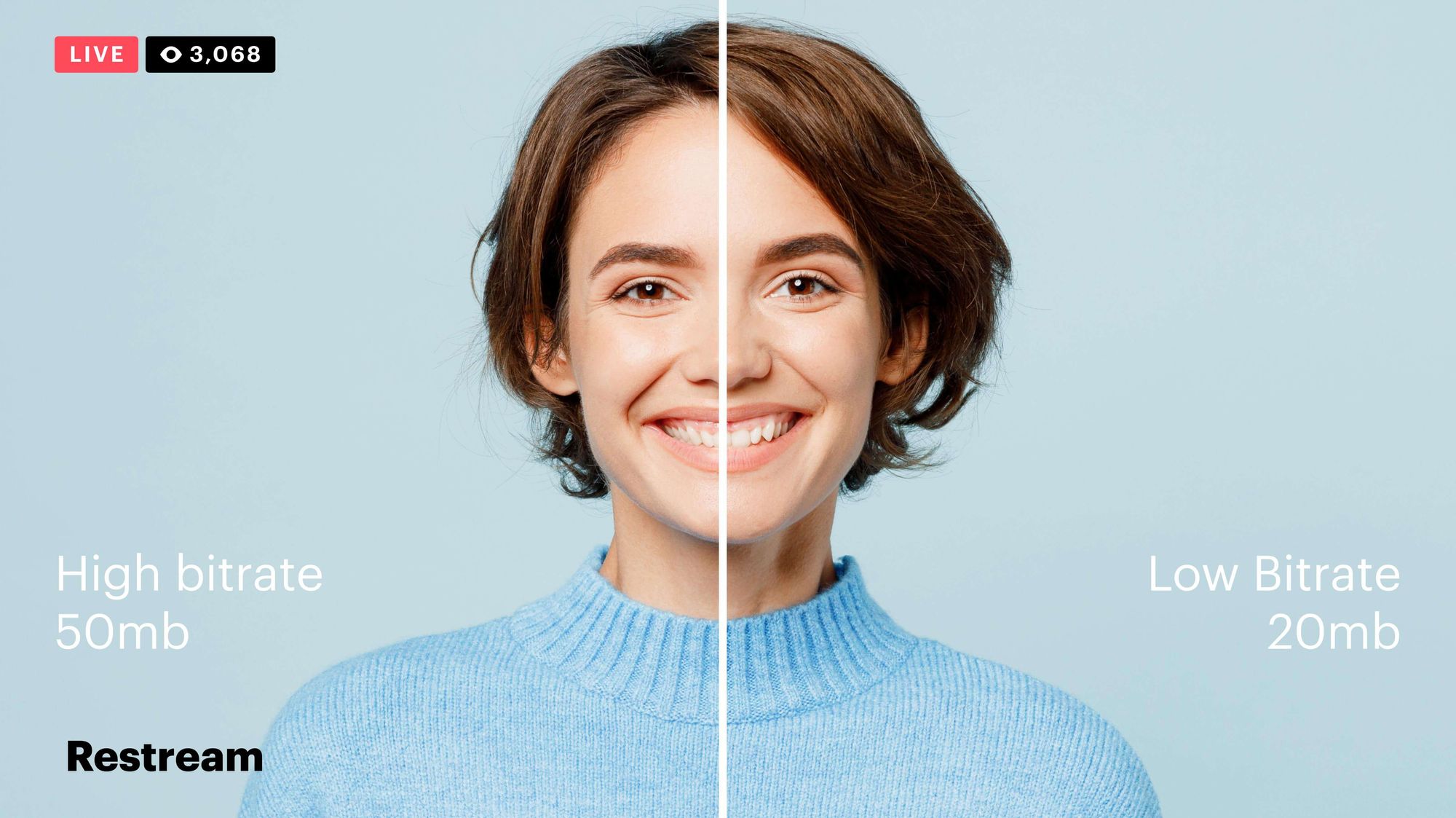
Video bitrate is the amount of data that is encoded per second in a video file. It is measured in bits per second (bps), or kilobits per second (kbps) or megabits per second (Mbps).

The higher the bitrate, the more data is encoded, and the higher the quality of the video will be. However, a higher bitrate also means a larger file size.

What is a Video Codec?

A video codec is a software program that compresses and decompresses video data. It is responsible for encoding the video data into a format that can be stored or streamed, and then decoding it back into its original form when it is played back.

There are many different video codecs available, each with its own strengths and weaknesses. Some of the most popular video codecs include:

H.264: This is the most widely used video codec. It is a lossy codec, which means that some data is lost during the compression process. However, H.264 is very efficient, and it can produce high-quality video with a relatively small file size.
H.265: This is a newer codec that is designed to be more efficient than H.264. It can produce the same quality of video with a smaller file size.
VP9: This is a free and open-source video codec that is developed by Google. It is similar to H.265 in terms of efficiency, but it is not as widely supported.

How Do Bitrate and Codecs Work Together?

Bitrate and codec work together to determine the quality and file size of a video. The higher the bitrate, the more data is encoded, and the higher the quality of the video will be. However, a higher bitrate also means a larger file size.

The codec determines how the video data is compressed. Some codecs are more efficient than others, and they can produce the same quality of video with a smaller file size.

How to Choose the Right Bitrate and Codec for Your Videos

The right bitrate and codec for your videos will depend on a number of factors, including:

The intended use of the video. If you are uploading your video to YouTube, you will need to choose a bitrate that is compatible with YouTube’s streaming requirements.
The target audience. If you are creating a video for mobile devices, you will need to choose a lower bitrate than if you are creating a video for high-definition televisions.
The file size. If you are limited by the file size, you will need to choose a lower bitrate.

Final Words About Video Bitrates and Codecs

Video bitrate and codec are two important concepts that every video creator should understand. By understanding how they work together, you can choose the right settings for your videos to ensure that they are both high quality and have a reasonable file size.

I hope this article has been helpful. If you have any questions, please feel free to leave a comment below.

Bonus Tips

If you are not sure what bitrate or codec to use, you can always start with a high bitrate and then lower it until you find a balance between quality and file size that you are happy with.
You can use a video bitrate calculator to help you determine the right bitrate for your videos.
There are many different video codecs available, so it is important to do some research to find the best codec for your needs.