WebM vs WMV Comparison


Free Download Mp4Gain
picture

WebM vs WMV Comparison


WebM vs WMV Comparison

As a specialist with extensive experience in the world of digital video formats, I’m here to shed light on the WebM vs WMV debate. If you’ve ever wondered about the differences between these two formats and which one is the right choice for your video needs, you’ve come to the right place. In this article, we’ll explore the intricacies of WebM and WMV, comparing their advantages, limitations, and real-life applications to help you make an informed decision.

WebM vs WMV Comparison

The World of Digital Video Formats

Imagine you’re shopping for a new car, and the market offers a wide range of options, each with its unique features. Similarly, the digital video world presents a plethora of formats, each tailored to specific needs. Choosing the right format is crucial, as it can significantly impact your video projects.

Meet WebM: The Open Source Contender

Let’s start with WebM, the open-source champion. WebM is known for its high-quality video with efficient compression, making it an excellent choice for online content. It’s like a Swiss Army knife for video, offering versatility and robust performance.

WebM Advantages

WebM boasts impressive advantages, such as high-quality video and efficient compression. This format is like having a Swiss Army knife for video, providing a versatile tool for various applications.

WebM Drawbacks

However, WebM isn’t without its limitations. While it’s widely compatible, it may not be universally adopted, much like a unique fruit that’s beloved by some but unknown to others.

Introducing WMV: The Windows Classic

Now, let’s turn our attention to WMV, the classic format synonymous with Windows. WMV is highly compatible with the Windows ecosystem, making it a preferred choice for professional settings. It’s like the dependable sedan of video formats.

WMV Advantages

WMV’s compatibility with Windows is its most significant advantage, making it the go-to format for many professionals. It’s like the reliable old car model that never lets you down.

WMV Limitations

On the flip side, WMV faces challenges outside the Windows environment. Much like a reliable car model that struggles on off-road terrain, WMV may not be the best choice for all situations.

WebM vs WMV: The Showdown

In the WebM vs WMV showdown, it’s essential to consider various factors when making your choice. Let’s break down the comparison to help you decide which format suits your needs.

Video Quality

When it comes to video quality, WebM is known for its impressive clarity and resolution. Imagine comparing two TV screens, one with crystal-clear visuals and the other with slightly pixelated images. WebM is like the former, providing top-tier video quality.

Compression Efficiency

Video compression is akin to packing a suitcase efficiently. WebM excels at this, offering smaller file sizes without compromising quality. It’s like fitting everything you need for a trip into a compact suitcase, making your journey more manageable.

Compatibility and Usage

Both WebM and WMV have their areas of compatibility and usage. Choosing between them is like deciding what ingredients to use for different dishes. WebM is versatile, while WMV is the perfect choice for certain scenarios.

Looking to the Future

As technology advances, video formats continue to evolve. Just like phone technology, we can expect exciting innovations in the digital video world. Stay tuned for the latest trends and emerging technologies.

Why I Prefer WebM

Personally, I lean towards WebM for its versatility and high-quality video. It’s like opting for organic food because it aligns with my preferences and values.

Concluding Thoughts

In summary, WebM and WMV each have their strengths and weaknesses. To make an informed decision, consider your specific needs and the environment in which your videos will be used. Much like choosing a meal from a restaurant menu, your selection should cater to your taste and requirements.

Latest Words on WebM vs WMV

Stay updated with the latest developments in the world of digital video formats. The landscape is ever-changing, and staying informed will help you make the best choices for your video projects.

Let’s Talk About WebM vs WMV

I hope this article has been informative and helpful in your journey to understand the differences between WebM and WMV. If you have any questions or would like to share your experiences with these formats, please feel free to leave a comment. Your insights and inquiries are always welcome.

Comments:

Hey, great article! I’ve always wondered about the differences between WebM and WMV. This really helped me make an informed choice for my video projects.

Thanks for breaking down the WebM vs WMV comparison. It’s like having a guidebook for navigating the digital video landscape.

I appreciate the insights on video quality and compression efficiency. It’s like understanding the secret recipe for great videos.

I’m a fan of WebM for its versatility. It’s like having a toolbox full of video options.

WMV’s compatibility with Windows is a real advantage, especially for business presentations. It’s like speaking the native language of your computer.

I’m excited about the future of video formats. It’s like being on the edge of a new era in video technology.

Can you recommend any software for converting WMV to WebM? It would be a helpful addition to the article.

I’d love to see more technical details about video codecs. It’s like delving into the inner workings of video magic.

WebM feels like the Mac of video formats – sleek, user-friendly, and reliable. I can relate to that.

Thanks for simplifying the WebM vs. WMV debate. This article feels like a friendly chat about digital video formats. Kudos!

I’ve had some issues with WMV files on non-Windows devices. Could you recommend a reliable converter for WMV to WebM?

This article is like a good conversation over a cup of coffee. It made understanding video formats much easier for a non-techie like me.


Free Download Mp4Gain
picture


Mp4Gain Main Window
picture


Mp4Gain Features
picture


Free Download Mp4Gain
picture

MP4 vs. MPEG Format Comparison

MP4 vs. MPEG Format Comparison

MP4 vs. MPEG
MP4 vs. MPEG
MP4 vs. MPEG
MP4 vs. MPEG

Understanding the Differences Between MP4 and MPEG Formats

When it comes to digital video formats, MP4 and MPEG are two of the most popular options available. While both formats are widely used, they have distinct differences that can impact their performance and compatibility with different devices and software. In this article, we’ll explore the key differences between MP4 and MPEG formats, and help you determine which one is right for your needs.

What is MP4?

MP4, or MPEG-4 Part 14, is a digital multimedia container format used to store video, audio, and other data such as subtitles and still images. It was developed by the Moving Picture Experts Group (MPEG) and is widely used for streaming video online, as well as for storing video files on mobile devices and computers. One of the key advantages of MP4 is its ability to compress large video files without sacrificing quality, making it an ideal format for sharing and streaming video content.

What is MPEG?

MPEG, or Moving Picture Experts Group, is a family of digital video and audio compression standards developed by the same organization that created MP4. MPEG formats are widely used for creating high-quality video content, and are compatible with a wide range of devices and software. Unlike MP4, which is a container format, MPEG is a compression format that uses a variety of codecs to compress video and audio data.

Which Format is Right for You?

When it comes to choosing between MP4 and MPEG formats, there are a few key factors to consider. If you’re looking for a format that is widely compatible with different devices and software, MPEG may be the better choice. However, if you’re looking for a format that offers high-quality video compression and is ideal for streaming and sharing video content online, MP4 may be the better option. Ultimately, the choice between these two formats will depend on your specific needs and preferences.

Conclusion

In conclusion, MP4 and MPEG are two popular digital video formats that offer distinct advantages and disadvantages. While MPEG is widely compatible with different devices and software, MP4 offers high-quality video compression and is ideal for streaming and sharing video content online. When choosing between these two formats, it’s important to consider your specific needs and preferences, and choose the format that best meets your requirements. And if you’re looking for a reliable tool to normalize and convert your audio and video files, MP4Gain is a great option to consider.
MP4, MPEG, video format, digital video, multimedia container, compression, codecs, streaming, compatibility, quality, online, mobile devices, computers, audio, subtitles, still images, Moving Picture Experts Group, family, standards, high-quality, compression standards, video content, software, advantages, disadvantages, specific needs, preferences, normalize, convert, audio files, video files, MP4Gain, tool, reliable.

How do you choose which frequencies to boost or cut on an equalizer?

How do you choose which frequencies to boost or cut on an equalizer?

How do you choose which frequencies to boost or cut on an equalizer?

Understanding Frequency Bands

When it comes to choosing which frequencies to boost or cut on an equalizer, the first step is to understand the different frequency bands. Equalizers typically have a series of sliders or knobs that allow you to adjust the levels of different frequency bands. The most common frequency bands are bass, midrange, and treble. Bass frequencies are typically between 20Hz and 250Hz, midrange frequencies are between 250Hz and 4kHz, and treble frequencies are between 4kHz and 20kHz. Understanding how these frequency bands affect the sound is key to choosing which frequencies to boost or cut.

Identifying Problem Frequencies

Once you understand the frequency bands, the next step is to identify which frequencies are causing problems in the sound. This can be done by listening carefully to the audio and paying attention to which frequencies are too loud or too quiet. For example, if the bass is too boomy, you may need to cut the low frequencies using the equalizer. If the vocals are too harsh, you may need to cut the midrange frequencies. Identifying the problem frequencies is key to choosing which frequencies to boost or cut.

Making Subtle Adjustments

Once you’ve identified the problem frequencies, it’s time to start making adjustments using the equalizer. The key is to be patient and make subtle adjustments. It’s important to remember that equalization is not a magic fix for all audio problems. In some cases, you may need to address the underlying issue before using the equalizer. As the music producer Quincy Jones once said, “Equalization is like a microscope. You can see everything, but you can also ruin everything.” With that in mind, use the equalizer to make small adjustments to the sound, and listen carefully to the results. Over time, you’ll develop a better understanding of how to choose which frequencies to boost or cut.
Final Words:
In conclusion, choosing which frequencies to boost or cut on an equalizer can be a powerful tool for improving the sound of your music or audio content. By understanding the different frequency bands, identifying the problem frequencies, and making subtle adjustments, you can achieve a more balanced and natural sound. And if you’re looking for a reliable and effective equalizer software, I highly recommend checking out mp4gain. It’s a great solution for normalizing and converting audio and video files, with an integrated equalizer that can help you achieve the perfect sound.


equalizer, frequencies, boost, cut, selection, adjustment, control, manipulation, management, modification, optimization, bass, midrange, treble, sound, problem, loud, quiet, vocals, harsh, subtle, adjustments, microscope, ruin, Quincy Jones, balanced, natural, reliable, effective, software, mp4gain, normalize, convert, files, integrated, solution, perfect, sound.

How do you use an equalizer to fix audio problems?

How do you use an equalizer to fix audio problems?

How do you use an equalizer to fix audio problems?

Understanding Equalizer Settings

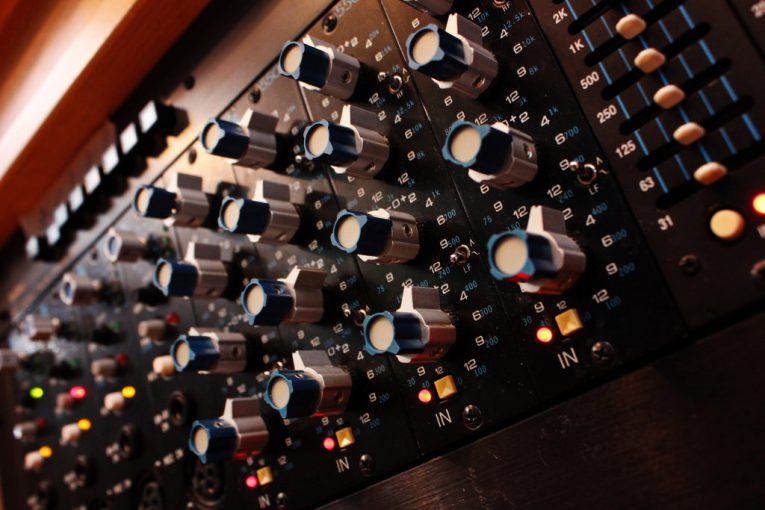
When it comes to using an equalizer to fix audio problems, the first step is to understand the different settings. Equalizers typically have a series of sliders or knobs that allow you to adjust the levels of different frequency bands. The most common types of equalizers are graphic equalizers and parametric equalizers. Graphic equalizers are simpler to use, as they display the frequency response of the audio signal in a graphical interface. Parametric equalizers are more complex, but offer more control over the sound. Understanding how to use these settings is key to fixing audio problems.

Identifying Audio Problems

Before you can use an equalizer to fix audio problems, you need to identify what those problems are. Common audio problems include muddiness, harshness, sibilance, and boomy bass. These issues can be caused by a variety of factors, such as poor microphone placement, room acoustics, or low-quality equipment. Once you’ve identified the problem, you can use the equalizer to target the specific frequency bands that are causing the issue. For example, if you’re dealing with boomy bass, you can cut the low frequencies using the equalizer.

Using the Equalizer to Fix Audio Problems

Once you’ve identified the problem and understand the equalizer settings, it’s time to start fixing the audio. The key is to be patient and make subtle adjustments. It’s important to remember that equalization is not a magic fix for all audio problems. In some cases, you may need to address the underlying issue before using the equalizer. As the music producer Rick Rubin once said, “Equalization is a tool, not a crutch.” With that in mind, use the equalizer to make small adjustments to the sound, and listen carefully to the results. Over time, you’ll develop a better understanding of how to use the equalizer to fix audio problems.
Final Words:
In conclusion, using an equalizer to fix audio problems can be a powerful tool for improving the sound of your music or audio content. By understanding the different equalizer settings, identifying the audio problems, and making subtle adjustments, you can achieve a more balanced and natural sound. And if you’re looking for a reliable and effective equalizer software, I highly recommend checking out mp4gain. It’s a great solution for normalizing and converting audio and video files, with an integrated equalizer that can help you achieve the perfect sound.

equalizer, audio, problems, settings, troubleshooting, sound, enhancement, correction, improvement, sliders, knobs, frequency, bands, graphic, parametric, muddiness, harshness, sibilance, boomy bass, microphone, placement, acoustics, equipment, patient, subtle, adjustments, tool, crutch, music, producer, Rick Rubin, balanced, natural, reliable, effective, software, mp4gain, normalize, convert, files, integrated, solution, perfect, sound.

What are the different types of audio equalizers

What are the different types of audio equalizers?

audio equalizers
audio equalizers
audio equalizers
audio equalizers

Graphic Equalizers

I’ve always been a fan of graphic equalizers. They allow you to adjust the levels of different frequency bands, giving you more control over the sound. As the name suggests, graphic equalizers use a graphical interface to display the frequency response of the audio signal. This makes it easy to see which frequencies need to be boosted or cut. In the words of the legendary music producer Quincy Jones, “Equalization is the magic key to good sound.”

Parametric Equalizers

Parametric equalizers are a bit more complex than graphic equalizers, but they offer even more control over the sound. With a parametric equalizer, you can adjust the center frequency, bandwidth, and gain of each individual band. This allows you to target specific problem areas in the frequency spectrum. I’ve found that parametric equalizers are particularly useful for fixing issues with vocals, which can often sound harsh or nasal.

Mastering Equalizers

Mastering equalizers are a special type of equalizer that are used in the final stages of music production. They are designed to make subtle adjustments to the overall sound of a mix, rather than targeting specific problem areas. Mastering equalizers are often used to add warmth, depth, and clarity to a mix. As the mastering engineer Bob Katz once said, “Equalization is the final touch that can make or break a mix.”

Equalizer Presets

Equalizer presets are pre-configured settings that are designed to work well with specific types of music or audio content. For example, you might have a preset for rock music, which boosts the bass and treble frequencies. Or you might have a preset for podcasts, which emphasizes the midrange frequencies. I’ve found that presets can be a great starting point for adjusting the sound, especially if you’re not sure where to begin.

Equalizer Settings

When it comes to equalizer settings, there’s no one-size-fits-all solution. The best settings will depend on the specific audio content you’re working with, as well as your personal preferences. That being said, there are some general guidelines that can help. For example, it’s usually a good idea to cut frequencies that are causing problems, rather than boosting them. And it’s important to be subtle with your adjustments, as too much equalization can lead to a distorted or unnatural sound.
Final Words:
In conclusion, audio equalizers are a powerful tool for shaping the sound of your music or audio content. Whether you’re using a graphic equalizer, a parametric equalizer, or a mastering equalizer, the key is to be patient and experiment with different settings. And if you’re looking for a reliable and effective equalizer software, I highly recommend checking out mp4gain. It’s a great solution for normalizing and converting audio and video files, with an integrated equalizer that can help you achieve the perfect sound.