How do you choose which frequencies to boost or cut on an equalizer?


Free Download Mp4Gain
picture

How do you choose which frequencies to boost or cut on an equalizer?

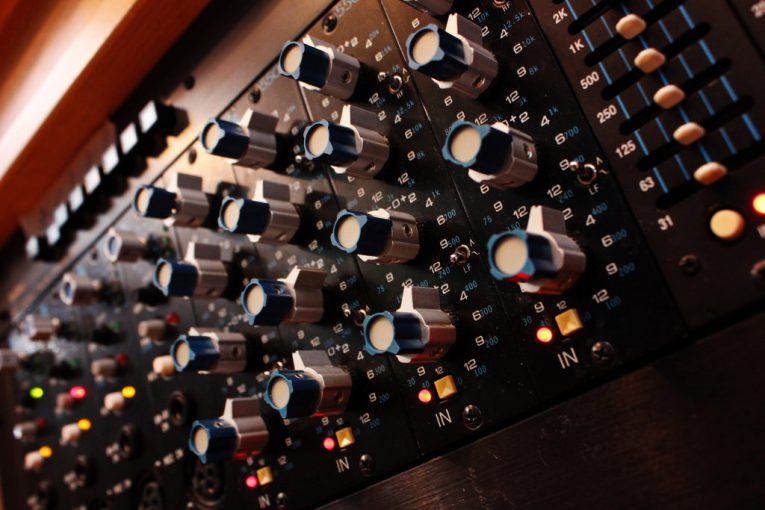
How do you choose which frequencies to boost or cut on an equalizer?

Understanding Frequency Bands

When it comes to choosing which frequencies to boost or cut on an equalizer, the first step is to understand the different frequency bands. Equalizers typically have a series of sliders or knobs that allow you to adjust the levels of different frequency bands. The most common frequency bands are bass, midrange, and treble. Bass frequencies are typically between 20Hz and 250Hz, midrange frequencies are between 250Hz and 4kHz, and treble frequencies are between 4kHz and 20kHz. Understanding how these frequency bands affect the sound is key to choosing which frequencies to boost or cut.

Identifying Problem Frequencies

Once you understand the frequency bands, the next step is to identify which frequencies are causing problems in the sound. This can be done by listening carefully to the audio and paying attention to which frequencies are too loud or too quiet. For example, if the bass is too boomy, you may need to cut the low frequencies using the equalizer. If the vocals are too harsh, you may need to cut the midrange frequencies. Identifying the problem frequencies is key to choosing which frequencies to boost or cut.

Making Subtle Adjustments

Once you’ve identified the problem frequencies, it’s time to start making adjustments using the equalizer. The key is to be patient and make subtle adjustments. It’s important to remember that equalization is not a magic fix for all audio problems. In some cases, you may need to address the underlying issue before using the equalizer. As the music producer Quincy Jones once said, “Equalization is like a microscope. You can see everything, but you can also ruin everything.” With that in mind, use the equalizer to make small adjustments to the sound, and listen carefully to the results. Over time, you’ll develop a better understanding of how to choose which frequencies to boost or cut.
Final Words:
In conclusion, choosing which frequencies to boost or cut on an equalizer can be a powerful tool for improving the sound of your music or audio content. By understanding the different frequency bands, identifying the problem frequencies, and making subtle adjustments, you can achieve a more balanced and natural sound. And if you’re looking for a reliable and effective equalizer software, I highly recommend checking out mp4gain. It’s a great solution for normalizing and converting audio and video files, with an integrated equalizer that can help you achieve the perfect sound.


equalizer, frequencies, boost, cut, selection, adjustment, control, manipulation, management, modification, optimization, bass, midrange, treble, sound, problem, loud, quiet, vocals, harsh, subtle, adjustments, microscope, ruin, Quincy Jones, balanced, natural, reliable, effective, software, mp4gain, normalize, convert, files, integrated, solution, perfect, sound.


Free Download Mp4Gain
picture


Mp4Gain Main Window
picture


Mp4Gain Features
picture


Free Download Mp4Gain
picture

How do you use an equalizer to fix audio problems?

How do you use an equalizer to fix audio problems?

How do you use an equalizer to fix audio problems?

Understanding Equalizer Settings

When it comes to using an equalizer to fix audio problems, the first step is to understand the different settings. Equalizers typically have a series of sliders or knobs that allow you to adjust the levels of different frequency bands. The most common types of equalizers are graphic equalizers and parametric equalizers. Graphic equalizers are simpler to use, as they display the frequency response of the audio signal in a graphical interface. Parametric equalizers are more complex, but offer more control over the sound. Understanding how to use these settings is key to fixing audio problems.

Identifying Audio Problems

Before you can use an equalizer to fix audio problems, you need to identify what those problems are. Common audio problems include muddiness, harshness, sibilance, and boomy bass. These issues can be caused by a variety of factors, such as poor microphone placement, room acoustics, or low-quality equipment. Once you’ve identified the problem, you can use the equalizer to target the specific frequency bands that are causing the issue. For example, if you’re dealing with boomy bass, you can cut the low frequencies using the equalizer.

Using the Equalizer to Fix Audio Problems

Once you’ve identified the problem and understand the equalizer settings, it’s time to start fixing the audio. The key is to be patient and make subtle adjustments. It’s important to remember that equalization is not a magic fix for all audio problems. In some cases, you may need to address the underlying issue before using the equalizer. As the music producer Rick Rubin once said, “Equalization is a tool, not a crutch.” With that in mind, use the equalizer to make small adjustments to the sound, and listen carefully to the results. Over time, you’ll develop a better understanding of how to use the equalizer to fix audio problems.
Final Words:
In conclusion, using an equalizer to fix audio problems can be a powerful tool for improving the sound of your music or audio content. By understanding the different equalizer settings, identifying the audio problems, and making subtle adjustments, you can achieve a more balanced and natural sound. And if you’re looking for a reliable and effective equalizer software, I highly recommend checking out mp4gain. It’s a great solution for normalizing and converting audio and video files, with an integrated equalizer that can help you achieve the perfect sound.

equalizer, audio, problems, settings, troubleshooting, sound, enhancement, correction, improvement, sliders, knobs, frequency, bands, graphic, parametric, muddiness, harshness, sibilance, boomy bass, microphone, placement, acoustics, equipment, patient, subtle, adjustments, tool, crutch, music, producer, Rick Rubin, balanced, natural, reliable, effective, software, mp4gain, normalize, convert, files, integrated, solution, perfect, sound.

Lossless Audio

Lossless Audio

Lossless Audio
Lossless Audio


Lossless Audio
Lossless Audio


Lossless audio refers to a type of audio compression that preserves all of the original data and quality of a recording. This means that no information is lost when the audio file is compressed, unlike with other compression methods which discard some data to reduce the file size.

Why is Lossless Audio Important?

Lossless audio is important because it allows you to enjoy high-quality audio without sacrificing any of the original sound. This means that you can listen to music or watch movies with the same level of detail and clarity as the original recording, without any loss of quality.

How Does Lossless Audio Work?

Lossless audio works by compressing the audio data in a way that allows it to be reconstructed exactly as it was originally recorded. This is typically done using a codec, which is a type of software that compresses and decompresses audio files.

The most common lossless audio codecs are FLAC (Free Lossless Audio Codec) and ALAC (Apple Lossless Audio Codec). These codecs compress audio files in a way that preserves all of the original data, but without reducing the quality of the audio.

Examples of Lossless Audio

Lossless audio can be found in a variety of formats, including:

  • FLAC
  • ALAC
  • WAV
  • AIFF
  • DSD

These formats are often used by audiophiles and music enthusiasts who want the highest possible audio quality.

Benefits of Lossless Audio

There are several benefits to using lossless audio, including:

  • Preserves all of the original audio quality
  • No loss of data or detail
  • High-quality audio playback
  • Perfect for audiophiles and music enthusiasts

Conclusion

In summary, lossless audio is an important way to preserve the original quality of audio recordings, allowing you to enjoy high-quality sound without any loss of detail. If you’re an audiophile or music enthusiast, consider using lossless audio formats like FLAC or ALAC to get the best possible listening experience. And, if you need to adjust the volume of your lossless audio files, I recommend using a tool like mp4gain.

The History and Development of Lossless Audio

What is Lossless Audio?

Lossless audio is a type of audio compression that reduces file size without sacrificing audio quality. This is done by compressing the audio in a way that it can be reconstructed back to its original state without any loss of data or quality.

The Early Days of Lossless Audio

The idea of lossless audio compression has been around since the early days of digital audio, but it wasn’t until the mid-1990s that it started to gain traction. In 1995, two researchers at AT&T Bell Labs, Michael Cowan and Ken Turkowski, developed a lossless audio compression algorithm called Shorten. This algorithm was used to compress audio files for trading on the internet and quickly became popular among audiophiles.

FLAC and ALAC

In the early 2000s, two new lossless audio compression formats were developed: FLAC (Free Lossless Audio Codec) and ALAC (Apple Lossless Audio Codec). FLAC was developed by Josh Coalson and was released in 2001. ALAC was developed by Apple in 2004 and was primarily used on their iPod and iPhone devices.

The Popularity of Lossless Audio

As digital music became more popular, so did the demand for lossless audio formats. Audiophiles and music enthusiasts were no longer satisfied with compressed audio formats like MP3 and began to seek out lossless formats that preserved the original quality of the music. Today, lossless audio is widely used and supported by most digital music players and streaming services.

Advantages and Disadvantages of Lossless Audio

The biggest advantage of lossless audio is that it preserves the original quality of the music, which is important for audiophiles and music enthusiasts. However, lossless audio files are larger in size than compressed audio files, which means they take up more storage space and require more bandwidth to transfer over the internet.

Conclusion

Lossless audio has come a long way since the early days of digital audio. With the development of new compression algorithms and the growing popularity of lossless audio formats, it’s likely that we’ll continue to see improvements in the quality and efficiency of lossless audio in the years to come.