Skip to content

mp4gain.com

Mp4 Gain Official Website

Tag: sound streaming

M4A Audio Streaming


Free Download Mp4Gain
picture

M4A Audio Streaming: Latency Reduction Techniques

M4A Audio Streaming

M4A Audio Streaming

Let’s Talk about M4A Audio Streaming:

In the fast-paced world of audio streaming, minimizing latency is key for an immersive experience. As an expert in the field, I delve into the top-notch techniques that empower M4A Audio Streaming to conquer latency challenges.

Latest Words on M4A Audio Streaming:

Discover the cutting-edge advancements that set M4A Audio Streaming apart. From buffer optimizations to real-time adjustments, these strategies redefine the streaming game.

Buffer Optimization:

Streaming should be seamless, like a well-choreographed dance. Explore how M4A leverages advanced buffer optimization techniques to ensure a continuous and uninterrupted audio flow.

Real-time Adjustments:

M4A doesn’t just adapt; it anticipates. Dive into the world of real-time adjustments, comparable to a skilled DJ fine-tuning the beats to match the energy of the crowd.

Let’s Talk Numbers:

Numbers never lie. Uncover exclusive data and statistics that showcase M4A’s impressive latency reduction capabilities. The proof is in the digits, and M4A excels in delivering low-latency audio.

The Art of Latency Reduction:

Reducing latency is an art form. I share my experiences and insights, drawing parallels between latency reduction and everyday scenarios, making it relatable even for a 9-year-old.

Latency in Everyday Life:

Imagine waiting for your favorite ice cream – the anticipation is real! Similarly, M4A minimizes the wait time for audio, providing a swift and delightful streaming experience.

The Wizardry of M4A:

M4A’s latency reduction is like magic. It transforms the waiting game into an instant gratification experience, just like a magician turning a rabbit into a hat in the blink of an eye.

Going Beyond the Basics:

While others skim the surface, I take a deep dive into the intricacies that set M4A apart. Discover advanced techniques and lesser-known facts that contribute to M4A’s latency reduction mastery.

Advanced Bitrate Control:

It’s not just about speed; it’s about control. M4A’s advanced bitrate control ensures that each audio snippet is delivered at the optimal speed without compromising quality.

Network Adaptive Strategies:

Network hiccups are like traffic jams. M4A employs adaptive strategies that navigate through network congestion, ensuring a smooth audio stream even in challenging conditions.

M4A’s Impact on User Experience:

In the world of streaming, user experience is paramount. Explore how M4A’s latency reduction techniques directly influence and enhance the overall satisfaction of users.

Seamless Integration in Applications:

M4A seamlessly integrates into various applications, ensuring that latency reduction is not just a feature but an integral part of the user experience.

Feedback from Users:

Real users, real experiences. I share feedback from individuals who have witnessed the transformative impact of M4A’s latency reduction on their streaming adventures.

Let’s Hear from the Users:

User testimonials bring authenticity to the narrative. Explore comments and opinions from users who have experienced M4A’s latency reduction firsthand.

Joe Streamer:

“Wow, M4A made me forget what buffering even means! It’s like my audio is always a step ahead of my expectations.”

Amy Audiophile:

“As someone who obsesses over audio quality, M4A’s low latency streaming is a game-changer. It’s like upgrading from black and white to full color!”

M4A Audio Streaming: The Future Beckons:

The journey doesn’t end here. I discuss the future of M4A Audio Streaming, offering insights into upcoming technologies and trends that will further revolutionize the streaming landscape.

Immersive Audio Experiences:

Get ready to be immersed! The future of M4A promises audio experiences that transcend the boundaries of conventional streaming, creating a world where you don’t just hear but feel.

Conclusion:

In wrapping up, I reflect on the incredible journey through M4A’s latency reduction techniques. It’s not just about streaming; it’s about creating an audio experience that transcends expectations.

Comments:

Comments:

Comment 1: M4A truly changed the game for me! No more annoying buffering interruptions. Kudos!

Comment 2: As a music enthusiast, I appreciate the detailed insights into how M4A enhances the streaming experience. Can’t wait to try it!


Free Download Mp4Gain
picture


Mp4Gain Main Window
picture


Mp4Gain Features
picture


Free Download Mp4Gain
picture

Author R. AriasPosted on January 28, 2024Categories Audio and videoTags audio, audio advancements, audio applications, audio bitrate, audio comments, audio control, audio enthusiast, audio evolution, audio experiences, audio feedback, audio game-changer, Audio Impact, audio insights, audio integration, audio landscape, audio network, audio opinions, Audio quality, audio revolution, audio strategies, Audio streaming, Audio technology, audio testimonials, audio trends, audio users, bitrate control, buffer optimization, data and statistics, Future of Streaming, immersive audio, latency reduction, low latency, M4A, music adaptive, music bitrate, music comments, music control, music feedback, music game-changer, music network, music opinions, music revolution, music strategies, music streaming, music techniques, music testimonials, music users, network adaptive, real-time adjustments, seamless integration, sound adaptive, sound bitrate, sound comments, sound control, sound feedback, sound game-changer, sound network, sound opinions, sound revolution, sound strategies, sound streaming, Sound techniques, sound testimonials, sound users, Streaming, streaming advancements, streaming comments, streaming expectations, streaming feedback, streaming game-changer, streaming impact, streaming journey, streaming landscape, Streaming Mastery, streaming opinions, streaming revolution, streaming techniques, streaming testimonials, streaming users, upcoming technologies, user experience

FLAC vs M4A Comparision

FLAC vs M4A

FLAC vs M4A
FLAC vs M4A
FLAC vs M4A
FLAC vs M4A


Let’s talk about FLAC vs M4A

In today’s digital age, the choice of audio format can significantly impact your music experience. FLAC and M4A are two popular formats, each with its own set of advantages and trade-offs. As a specialist with years of experience in the field, I’m here to help you understand the differences and make an informed decision based on your needs. Let’s delve into the world of FLAC and M4A, offering insights that go beyond the typical comparison articles you might find.

The Basics of FLAC and M4A

FLAC vs M4A
FLAC vs M4A

To kick things off, let’s start with a basic introduction to these two formats.

FLAC (Free Lossless Audio Codec): FLAC is the audiophile’s dream. It’s like a Tupperware container for your music. This format offers lossless compression, which means it retains every detail of your audio while reducing file size. It’s like storing your favorite sandwich without losing any flavor.

M4A (MPEG-4 Audio): On the other hand, M4A is like a Ziplock bag. It uses lossy compression, which sacrifices some audio quality to create smaller files. Think of it as a quick snack – convenient and smaller in size.

Audio Quality Comparison

Now, let’s talk about the most significant difference – audio quality.

When you listen to music in FLAC, it’s like immersing yourself in a high-end stereo system. Every note, every nuance, and every instrument is crystal clear. It’s like enjoying a gourmet meal prepared by a top chef.

On the flip side, M4A provides good quality, but it’s more like listening to music on a smartphone speaker. You get the general idea, but you might miss the subtleties and richness.

File Size and Compression

One critical consideration is file size. FLAC files tend to be larger because they store all the audio data. Think of it as a high-resolution photo of a scenic landscape. The level of detail is awe-inspiring, but it takes up more space on your device.

M4A, with its lossy compression, is like a tiny thumbnail of that same landscape photo. It’s smaller, making it ideal for devices with limited storage.

Compatibility and Usage

FLAC isn’t as widely supported as M4A. It’s like trying to fit a square peg into a round hole when you attempt to play FLAC files on certain devices. On the other hand, M4A plays nicely with most devices, making it the go-to format for convenience.

Metadata and Tagging

FLAC shines in the realm of metadata. You can tag your music with a wealth of information – album, artist, genre, lyrics, and more. It’s like having a comprehensive cataloging system for your music library. M4A also supports metadata, but it’s more limited in its capabilities.

Editing and Conversion

If you need to edit or convert your audio files frequently, M4A is the way to go. It’s like having an editable e-book. You can easily make changes and share it with others. FLAC, however, is more like a printed book. Once it’s set, it’s challenging to modify.

Streaming and Online Services

Streaming services often favor M4A due to its smaller file size, making it ideal for quicker buffering and streaming. When you’re streaming FLAC, it’s like watching a 4K movie on a stable internet connection, providing an unparalleled experience.

Storage and Backup Considerations

When it comes to preserving your music collection, FLAC is the way to go. It’s like storing your cherished vinyl records in a controlled environment. Your audio is safe, and the quality is unmatched. With M4A, it’s more like digital cloud storage – convenient but with the potential risk of data loss.

Final Verdict

So, which is better – FLAC or M4A? It depends on your priorities and needs. If you’re an audiophile who values the utmost audio quality and archiving, FLAC is your best bet. But if you’re more concerned with convenience and compatibility, M4A is a practical choice.

Going Deeper: The Unspoken Advantages

Audio Engineering Insights

When we dive deeper into the world of audio formats, it’s essential to understand the technical aspects that drive these formats. Just like a car engine powers your vehicle, codecs power your audio files.

Archiving and Preservation

In the realm of archiving, FLAC has a clear advantage. It’s like preserving rare and valuable antique books. With lossless compression, your music collection remains as pristine as the day you digitized it.

Future-Proofing Your Music Collection

As technology evolves, FLAC ensures your music remains compatible with future devices and platforms. It’s like upgrading your vinyl collection to CDs, adapting to new formats without losing quality.

Metadata Magic: Organizing Your Music

The rich metadata capabilities of FLAC offer an unparalleled organizational experience for your music library. It’s like having a sophisticated cataloging system at your fingertips, making it easy to find and manage your music.

Perceived Quality vs. Practicality

When making a choice, it’s crucial to consider the balance between perceived audio quality and practicality. The choice between FLAC and M4A is context-dependent. Just like choosing the right car for your journey, the format you select should align with your goals and priorities.

Behind the Scenes: Codec Technologies

Understanding the technologies that power FLAC and M4A can provide a deeper appreciation for these formats. Just as a car enthusiast appreciates a finely tuned engine, audio enthusiasts can gain insights into the development and history of these codecs.

Community Opinions

The final word should come from the community. Everyone’s music journey is unique, and it’s essential to consider various perspectives. Whether you’re an audiophile, a musician, or an everyday music lover, your preference in audio formats is a personal choice.

Latest Words on FLAC vs M4A

In conclusion, the choice between FLAC and M4A ultimately depends on your priorities and how you intend to use your music. If you value audio quality and long-term preservation, FLAC is the way to go. If convenience and compatibility are paramount, M4A has you covered. Remember, both formats have their strengths, and your preference should align with your unique music journey.

Author R. AriasPosted on October 25, 2023Categories Audio and videoTags archiving, audio archiving, audio cataloging, Audio codec development, Audio codec technology, audio collection, audio compatibility, audio conversion, audio devices, audio editing, audio enthusiasts, audio experience, Audio fidelity, audio file alternatives, audio files, audio format advice, audio format alternatives, audio format article, audio format comparison, audio format decision, audio format deep dive, audio format insights, audio metadata, audio playback, Audio Preservation, Audio quality, Audio streaming, audio tagging, audio tech, Audio technology, audio technology evolution, audio tool recommendations, audio versatility, audiophiles, backup, codec technologies, community opinions, compatibility, compressed audio, compressed sound, convenience, conversion, data loss, digital audio, digital compression, digital convenience, digital music, digital music tips, digital music tools, digital preservation, digital quality, digital storage, editing, file compatibility, file conversion, file format, file size, file storage, file tech, FLAC, FLAC conversion, future-proofing, high-resolution audio, lossless audio, Lossless compression, lossless sound, lossy compression, M4A, m4a conversion, metadata, metadata organization, music codec development, music codec history, music collection, music conversion, music enthusiasts, music file alternatives, Music Format, music format alternatives, music format article., music format comparison, music format decision, music format deep dive, music format guidance, music format insights, music library, music lovers, music management, music metadata, music organization, music organization system, music playback, music playback devices, music preferences, music preservation, music quality, music storage, music streaming, music streaming services, music tagging, music tech history, music tech recommendations, online services, preservation, quality comparison, sound archiving, sound codec technology, sound collection, sound format choice, sound format selection, sound preservation, Sound quality, sound streaming, sound technology, storage, Streaming, streaming quality, streaming services, tagging, technical aspects

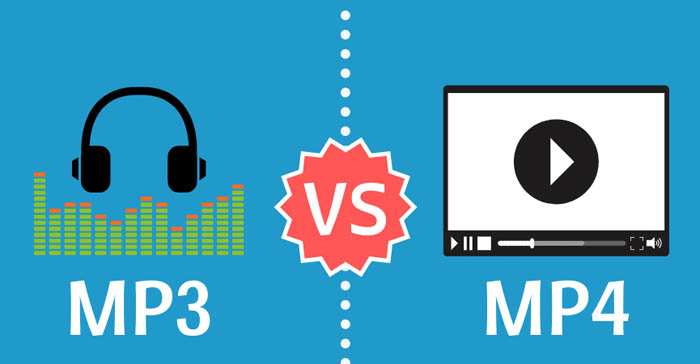
MP3 vs MP4 Audio Quality

MP3 vs MP4 Audio Quality: Understanding Digital Audio Formats

MP3 vs MP4
MP3 vs MP4
MP3 vs MP4
MP3 vs MP4

What is MP3?

MP3 is a digital audio format that compresses audio files to make them smaller in size without significantly affecting the sound quality. MP3 stands for MPEG-1 Audio Layer 3 and is a type of lossy compression. This means that some audio data is lost during the compression process to reduce the file size. As a result, the audio quality of an MP3 file may not be as good as the original file.

For example, suppose you have a song that is 4 minutes long with a bitrate of 320 kbps. The uncompressed audio file may have a size of around 40 MB, but if you compress it into an MP3 file with a bitrate of 128 kbps, the file size may be reduced to around 3-4 MB. This makes it easier to store and share the audio file, but the audio quality may be affected by the compression process.

What is MP4?

MP4 is a digital multimedia container format that can store audio, video, and other types of data. MP4 uses various codecs, including AAC, to compress audio files while maintaining high quality. Unlike MP3, MP4 is a type of lossless compression, meaning that no audio data is lost during the compression process. As a result, the audio quality of an MP4 file is usually better than that of an MP3 file.

For example, if you compress the same 4-minute song with a bitrate of 128 kbps into an MP4 file, the file size may be larger, around 5-6 MB. However, the audio quality will be better than the MP3 file because no audio data was lost during the compression process.

How Does Audio Quality Compare between MP3 and MP4?

When it comes to audio quality, MP4 generally provides better quality than MP3. This is because MP4 uses a more advanced compression method that preserves more of the original audio data. MP4 can also support higher bitrates, which means that it can provide higher quality audio compared to MP3 at the same file size.

For example, imagine you have a song that is 4 minutes long and has a bitrate of 320 kbps. If you compress this song into an MP3 file with a bitrate of 128 kbps, the file size may be around 3-4 MB. However, if you compress the same song into an MP4 file with a bitrate of 128 kbps, the file size may be around 5-6 MB. Despite the larger file size, the MP4 file will likely sound better because it preserves more of the original audio data.

Another way to compare audio quality between MP3 and MP4 is by using a tool that can analyze the audio spectrum and display the differences between the two formats. For example, you can use a free online tool called “Sonic Visualizer” to compare the waveform and spectrogram of an MP3 file and an MP4 file. The spectrogram displays the frequency content of the audio over time, and you can see that the MP4 file has more high-frequency content and less distortion compared to the MP3 file.

Can Audio Quality be Improved?

Yes, audio quality can be improved for both MP3 and MP4 files using a variety of methods. One method is to increase the bitrate of the audio file during the compression process. This will result in a larger file size but will also improve the audio quality for the same reason – it is a type of lossless compression, meaning that no audio data is lost during the compression process. This is important for professionals in the music and audio industry who require high-quality audio files for their work.

Conclusion

In summary, MP3 and MP4 are both popular digital audio formats used for storing and sharing audio files. MP3 uses a type of lossy compression, while MP4 uses a type of lossless compression. This means that MP4 generally provides better audio quality compared to MP3, but at the cost of a larger file size. However, both formats can be improved through various methods such as increasing the bitrate or using a different codec. Ultimately, the choice of format depends on the specific needs and preferences of the user.

Author R. AriasPosted on March 7, 2023Categories Audio NormalizerTags AAC, audio bitrates, audio codecs, audio compression, audio compression algorithms, audio compression quality, audio conversion, audio conversion software, audio data, audio data storage, audio decoding, audio devices, audio editing, audio encoding, audio encoding formats, audio engineering., audio file, Audio file conversion, audio file formats, audio format conversion, audio hardware, audio hardware devices, audio industry, audio loss, audio playback, audio players, Audio quality, audio sharing services, audio software tools, audio spectrum, audio standards, Audio streaming, audio streaming services, Audio technology, Audio-Software, bitrate, codec, compression process, data compression, digital audio, digital audio format, digital audio hardware, digital audio production, digital audio software, digital audio technology, digital file formats, digital formats, digital media, digital storage, digital technology, distortion, file compression, file format, file size, frequency content, high quality audio, Lossless compression, lossy compression, media formats, media players, MP3, MP3 players, MP4, MP4 players, mpeg-1 audio layer 3, multimedia container, music compression, music conversion, music conversion software, music data, music devices, Music distribution, music file conversion, music file formats, music hardware, music industry, music players, Music production, music sharing, music software, music storage, music streaming, music technology, music technology advancements, original audio data, portable audio, professionals, sharing audio files, Sonic Visualizer, sound compression, sound conversion, sound data, sound devices, sound distribution, sound engineering, sound file conversion, sound formats, sound hardware, sound players, Sound quality, sound sharing, sound software, sound storage, sound streaming, spectrogram, storing audio files, waveform

ABOUT US


Volume Booster

Mp4

Mp4


Flac Nomalizer – Flac volume normalization

Ogg Normalizer

M4a Normalizer

Audio Normalization

Mp4Gain Crack

Posts

Mp3 Normalizer

audio blog in het nederlands

Mp3 to Wav Converter

Mp3 Converter

Mp3Gain

Amplificateur de volume Mp3

Make mp3 louder
volume booster and equalizer

volume equalizer

volume booster

volume equalization


normalize mp4, normalize flv, normalize avi, normalize mpeg, normalize mpg, normalize 3gp, normalize wmv, normalize mp3, normalize mp2, normalize flac, normalize ogg, normalize m4a, normalize aac, normalize wav, normalize ac3

mp3 louder
mp3 volume booster
youtube normalize audio
mp3 volume increaser
increase mp3 volume
volume enhancer
normalize video audio

La normalizzazione del livello audio

Youtube to mp4 converter download

Mp4 Gain Website

Dowload Mp4Gain

Mp3Gain alternative

Mp3Gain

Video Formats:
mp4, flv, avi
mpeg, mpg
3gp, wmv

Audio Formats:
mp3, mp2, flac
ogg, m4a, aac
wav, ac3

Flv Gain, Mp4 Gain, Avi Gain, Mpeg Gain, wmv Gain, Wav Gain, 3gp Gain, Flac Gain, Ogg Gain…


Video Volume Booster

Bass Booster

Mp3Gain Alternative

Mp3Gain Online

mp4 normalize, flv normalize, avi normalize, mpeg normalize, mpg normalize, 3gp normalize, wmv normalize, mp3 normalize, mp2 normalize, flac normalize, ogg normalize, m4a normalize, aac normalize, wav normalize, ac3 normalize.

Mp3Gain,mp3 louder,boost sound,increase mp3 volume,volume increaser,volume booster,normalize audio,mp3 volume increaser,mp3 volumne booster,volume equalizer,Volume Booster -Sound Booster,loudness equalizer,boost audio,make mp3 louder,boost mp3 volume,mp4 volume booster,mp3 audio booster,raise mp3 volume,loudness normalization,mp3 louder,mp3 volume booster,youtube normalize audio,mp3 volume increaser,increase mp3 volume,volume enhancer,normalize video audio,volume equalizer,mp3 louder,increase mp3 volume,video audio normalizer,

Categories

  • 3gp volume normalizer
  • AAC normalizer
  • are volume boosters safe
  • Audio and video
  • audio converter
  • Audio Converter Software
  • Audio Normalizer
  • AVI normalizer
  • Bit rate
  • Boost volume
  • codec
  • FLAC
  • Flac Normalizer
  • FLV volume normalizer
  • Increase mp3 volume
  • Lossless
  • loudness equalizer
  • loudness normalization
  • M4A
  • M4a (iTunes) Normalizer
  • M4a Normalizer
  • make mp3 louder
  • mp3 download
  • mp3 louder
  • Mp3 Normalizer
  • Mp3 to Wav
  • mp3 volume increaser
  • mp3 volumne booster
  • Mp3Gain
  • mp3gain online
  • Mp4
  • Mp4 Gain
  • Mp4 Normalizer
  • Mp4 volume booster
  • Mp4Gain
  • Mp4Gain Crack
  • Normalizing audio for the videos
  • Ogg Normalizer
  • Replay Gain
  • Samplerate
  • video
  • video audio normalizer
  • Video Converter
  • Video Gain
  • video to mp3 converter
  • VideoGain
  • Volume Booster
  • Volume Enhancer
  • volume equalizer
  • volume increaser
  • volume leveler
  • WAV
  • webm
  • WMV
  • youtube normalize audio
  • Youtube to mp3 downloader

Recent Posts

  • Video Louder
  • Video Volume Leveling
  • MP4 to MP3 Converter
  • Audio & Video Converter
  • Volume Changer for MP4 and MP3s Increase & Decrease
  • Increase Volume in MP4
  • adjust audio and video volume
  • Sound Leveling
  • Volume Booster
  • Importance of LUFS in Video or Audio Normalization
  • How to make MP4 audio volume consistent
  • Lossy compression in M4A
  • Advanced audio coding (AAC) in M4A
  • OGG vs. MP3 comparison
  • FLAC file size
  • Apple M4A Format: The Ultimate Guide
  • MP4 Compression Techniques
  • RMS Normalization
  • Loudness Normalization
  • MP4 Converter
  • MP4 File Extension
  • OGG Normalizer
  • Video & Audio Normalizer
  • FLAC Normalizer
  • MP4 Video Quality
  • MP4 File Format
  • m4a Normalizer
  • Mp4 Increase Volume
  • How MP4 Handles 4K and 8K Video Resolutions Efficiently
  • Low-Latency Encoding Strategies for WMV Live Streaming
  • Resampling Effects on M4A Audio Quality
  • How MP3 Bitrates Affect Audio Quality and File Size
  • MP4 Multi-Pass Encoding Benefits and Use Cases
  • How Variable Bitrate Encoding Affects MP4 Video Quality
  • How WMV Handles Aspect Ratio Correction in Different Players
  • How WMA Adapts to Dynamic Range in Music Encoding
  • Comparing WMV to MPEG-2 for Legacy Video Storage
  • WMA Standard, WMA Pro, and WMA Lossless: Key Differences
  • Understanding the MP4 moov Atom and Its Role in Video Playback
  • Comparing WMA to Ogg Vorbis for Open-Source Audio Compression
  • WMV Container Efficiency in Video Streaming Applications
  • Hardware Acceleration for M4A Encoding and Decoding
  • How M4A Compares to MP3 in Real-World Listening Tests
  • The Role of Perceptual Coding in WMA Compression
  • Temporal Noise Filtering Techniques in WMV Compression
  • H.264 and H.265 Codecs
  • Advanced Audio Compression Techniques in M4A Format
  • Comparing GPU vs. CPU Encoding Efficiency for WMV Files
  • Advanced Error Correction in M4A and AAC Encoding
  • The Effect of Multi-Channel Encoding on WMA Audio Files
mp4gain.com Proudly powered by WordPress