
AVI Chunk Structure Analysis
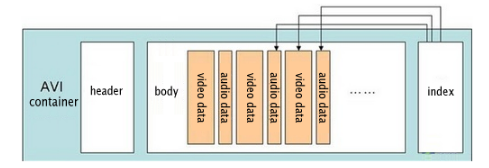

What is an AVI Chunk?
An AVI chunk is a data structure used to store information in an AVI file. AVI files are a popular format for storing video and audio data. They are commonly used for storing movies, TV shows, and home videos.
What is the Structure of an AVI Chunk?
An AVI chunk consists of a header and a data section. The header contains information about the chunk, such as its type, size, and position in the file. The data section contains the actual data for the chunk.
What are the Different Types of AVI Chunks?
There are many different types of AVI chunks. Some of the most common types include:
- Main header: This chunk contains the main information about the AVI file, such as its size, duration, and number of streams.
- Stream header: This chunk contains information about a specific stream in the AVI file, such as its type, codec, and bit rate.
- Data chunk: This chunk contains the actual data for a stream in the AVI file.
How to Analyze an AVI Chunk Structure
To analyze an AVI chunk structure, you can use a variety of tools. One popular tool is the AVIInfo tool. This tool can be used to display information about an AVI file, including its chunk structure.
Conclusion
AVI chunk structure is an important concept for understanding how AVI files work. By understanding the different types of AVI chunks and how they are structured, you can better understand how to work with AVI files.
Here are some additional details about the different types of AVI chunks:
- Main header: The main header is the first chunk in an AVI file. It contains the following information:
- File size
- Creation date
- Number of streams
- Video stream information
- Audio stream information
- Stream header: A stream header contains information about a specific stream in an AVI file. It contains the following information:
- Stream type
- Codec
- Bit rate
- Data format
- Data chunk: A data chunk contains the actual data for a stream in an AVI file. It is usually compressed using a lossy compression algorithm, such as MPEG-4 or DivX.
By understanding the different types of AVI chunks and how they are structured, you can better understand how to work with AVI files. For example, if you want to convert an AVI file to a different format, you will need to know the type of each stream in the AVI file. You will also need to know the bit rate of each stream.

