OGG and MP4 are two popular multimedia file formats. They are both used to store audio and video files, but they have some key differences.
OGG is an open-source format that is free to use and distribute. It is supported by a wide range of software, including players, encoders, and decoders. OGG files are typically smaller than MP4 files, which makes them a good choice for streaming or downloading music and videos.
MP4 is a proprietary format that is owned by the MPEG Group. It is supported by a wider range of devices than OGG, including smartphones, tablets, and gaming consoles. MP4 files are typically larger than OGG files, but they offer better quality audio and video.
Here is a table that summarizes the key differences between OGG and MP4:
Feature
OGG
MP4
File format
Open-source
Proprietary
Licensing
Free to use and distribute
Requires a license
Supported software
Wide range of players, encoders, and decoders
Limited range of devices
File size
Typically smaller
Typically larger
Audio and video quality
Good
Excellent
Here are some additional questions that people often ask about OGG and MP4:
1. Which format is better for streaming music?
OGG is a good choice for streaming music because it offers good audio quality and smaller file sizes. This makes it ideal for listening to music online or on mobile devices.
2. Which format is better for downloading movies and TV shows?
MP4 is a good choice for downloading movies and TV shows because it offers excellent audio and video quality. This makes it ideal for watching movies and TV shows on high-definition TVs or home theater systems.
3. Which format is better for recording audio?
Both OGG and MP4 are good choices for recording audio. However, OGG may be a better choice if you are looking for smaller file sizes.
4. Which format is better for creating video files?
MP4 is a better choice for creating video files because it offers better quality video. This is important if you are creating videos that will be watched on high-definition TVs or home theater systems.
Ultimately, the best format for you will depend on your needs and preferences. If you are looking for a format that offers good audio and video quality and is supported by a wide range of devices, then MP4 is a good choice. If you are looking for a format that offers good audio quality and smaller file sizes, then OGG is a good choice.
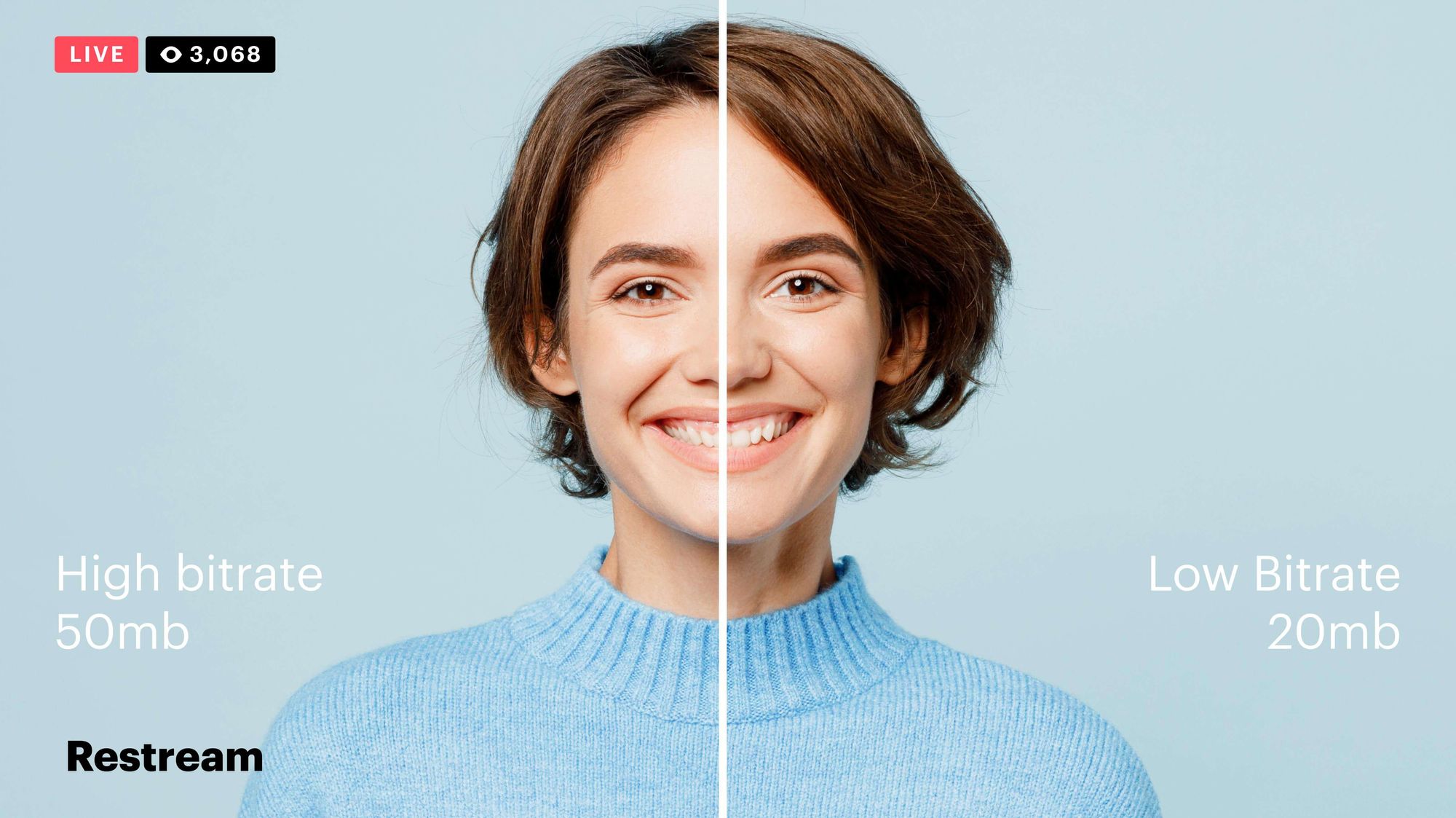
Video bitrate is a measure of the amount of data that is used to represent a video stream. It is measured in bits per second (bps). Higher bitrates result in higher quality video, but also larger file sizes. Lower bitrates result in lower quality video, but smaller file sizes.
What is the optimal video bitrate for an MP4 file?
The optimal video bitrate for an MP4 file will depend on a number of factors, including the desired quality of the video, the intended use of the file, and the capabilities of the playback device. In general, higher bitrates are required for high-quality video, such as Blu-ray Discs or high-definition television (HDTV). Lower bitrates can be used for lower-quality video, such as standard-definition television (SDTV) or web videos.
How to analyze the video bitrate of an MP4 file?
There are a number of ways to analyze the video bitrate of an MP4 file. One way is to use a video player that displays the bitrate information. Another way is to use a video editing software program that can display the bitrate information.
How to use a video player to analyze the video bitrate of an MP4 file?
Many video players, such as VLC Media Player and QuickTime Player, display the bitrate information for MP4 files. To view the bitrate information, open the video file in the video player and look for the “Bitrate” or “Bit rate” option.
How to use a video editing software program to analyze the video bitrate of an MP4 file?
Many video editing software programs, such as Adobe Premiere Pro and Final Cut Pro, can display the bitrate information for MP4 files. To view the bitrate information, open the video file in the video editing software program and look for the “Bitrate” or “Bit rate” option.
How to use the video bitrate information to make decisions about storing, transferring, or playing an MP4 file?
Once you have analyzed the video bitrate of an MP4 file, you can use this information to make decisions about how to store, transfer, or play the file. For example, if you want to store the file on a portable device, you may want to reduce the bitrate to lower the file size. If you want to transfer the file over a network, you may also want to reduce the bitrate to reduce the file size and the time it takes to transfer the file. If you want to play the file on a device with limited capabilities, you may need to reduce the bitrate to ensure that the device can play the file smoothly.
Additional tips for analyzing MP4 video bitrate
* Use a high-quality video player or video editing software program. A good video player or video editing software program will be able to accurately display the bitrate information.
* Compare the bitrate of different MP4 files. This can help you to determine the optimal bitrate for your needs.
* Experiment with different bitrates. This can help you to find the best balance between quality and file size.
Conclusion
By following these tips, you can analyze the video bitrate of MP4 files and make informed decisions about how to store, transfer, or play these files.
MP4 is a popular video format that is widely used in digital media. It uses a specific compression algorithm to compress video files to make them smaller and easier to share. The bitrate of an MP4 video refers to the amount of data that is used to represent each second of the video. It is typically measured in kilobits per second (kbps) or megabits per second (Mbps). A higher bitrate means that the video will have more data and will be of higher quality, but the file size will also be larger.
Why is MP4 Bitrate Important?
The bitrate of an MP4 video is important because it affects the quality and size of the video file. If the bitrate is too low, the video may appear pixelated or blurry. On the other hand, if the bitrate is too high, the file size will be larger, and it may take longer to upload or download the video. In addition, a higher bitrate requires more bandwidth to stream the video, which may be an issue for viewers with slower internet connections.
How to Choose the Right MP4 Bitrate
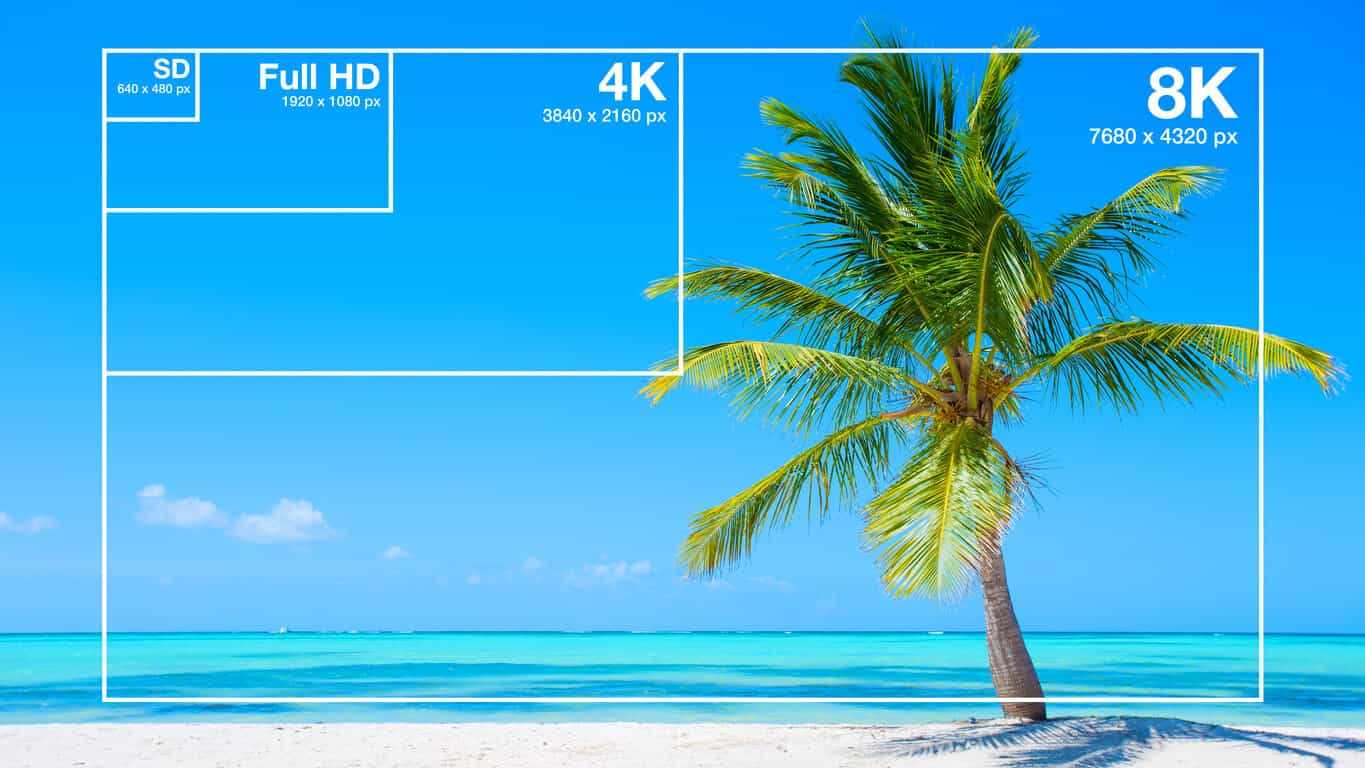
When choosing the bitrate for your MP4 video, you should consider the intended use of the video, the resolution of the video, and the file size. For example, a video that is intended to be viewed on a large screen should have a higher bitrate than a video that will be viewed on a smaller screen. Similarly, a video that has a higher resolution will require a higher bitrate to maintain the same quality as a lower resolution video.
As a general rule of thumb, a bitrate of 5-10 Mbps is suitable for 1080p HD video, while a bitrate of 2-5 Mbps is suitable for 720p HD video. For lower resolution videos, such as 480p or 360p, a bitrate of 1-2 Mbps may be sufficient. It’s also important to consider the file size of the video, as larger files will take longer to upload or download and may be more difficult to share.
How to Change MP4 Bitrate
To change the bitrate of an MP4 video, you will need to use video editing software that allows you to adjust the bitrate settings. There are many different video editing software options available, including Adobe Premiere Pro, Final Cut Pro, and Handbrake. These programs allow you to adjust the bitrate settings and other video parameters to optimize the video for your specific needs.
MP4 Bitrate FAQ
What is the maximum bitrate for MP4 videos?
The maximum bitrate for MP4 videos is 10 Mbps. However, this may vary depending on the specific device or platform where the video will be played.
What is the minimum bitrate for MP4 videos?
The minimum bitrate for MP4 videos will depend on the intended use of the video and the resolution of the video. In general, a bitrate of at least 1 Mbps is recommended for standard definition video, while a bitrate of at least 2 Mbps is recommended for high definition video.
What is the recommended bitrate for streaming MP4 videos?
The recommended bitrate for streaming MP4 videos will depend on the resolution of the video and the available bandwidth. As a general rule of thumb, a bitrate of 5-10 Mbps is suitable for 1080p HD video, while a bitrate of 2-5 Mbps is suitable for 720p HD video. For lower resolution videos, such as 480p or 360p, a bitrate of 1-2 Mbps may be sufficient.
However, it’s important to note that these are just general guidelines, and the optimal bitrate will also depend on factors such as the complexity of the video content, the encoding settings used, and the target audience’s viewing preferences.
For example, videos with fast-moving scenes or complex visual effects may require a higher bitrate to maintain a high level of image quality and avoid compression artifacts, while simpler videos with less motion may be able to use a lower bitrate without sacrificing quality.
Additionally, the target audience’s internet connection speed will also affect the recommended bitrate. For viewers with slower internet connections, a lower bitrate may be necessary to ensure that the video plays smoothly without buffering or interruptions.
What are the advantages of using a higher bitrate?
Using a higher bitrate can result in higher quality video with more detail and fewer compression artifacts. This is because a higher bitrate allows for more data to be transmitted and encoded per second, resulting in a more faithful representation of the original video source.
A higher bitrate can also be beneficial for videos with a lot of movement or detail, as it allows the encoding algorithm to capture more information and produce a more detailed image.
However, it’s important to note that using a higher bitrate will also result in larger file sizes and require more bandwidth to stream or download. This can be a disadvantage for viewers with slower internet connections or limited data plans.
What are the disadvantages of using a lower bitrate?
Using a lower bitrate can result in lower quality video with more compression artifacts, such as blurring or pixelation. This is because a lower bitrate means that less data is being transmitted and encoded per second, resulting in a loss of detail and fidelity.
Lower bitrates may also result in a lower overall resolution or frame rate, which can further degrade the quality of the video.
However, using a lower bitrate can also have benefits, such as smaller file sizes and reduced bandwidth requirements. This can be advantageous for viewers with slower internet connections or limited data plans.
Can the bitrate of an MP4 video be adjusted after it’s been encoded?
Yes, it is possible to adjust the bitrate of an MP4 video after it has been encoded. This can be done using video editing software or specialized tools designed for this purpose, such as MP4Gain.
However, it’s important to note that changing the bitrate of a video after it has been encoded can result in a loss of quality or introduce additional compression artifacts. For best results, it’s recommended to encode the video at the desired bitrate from the beginning.
Conclusion
In summary, the bitrate of an MP4 video is an important factor that can affect its quality, file size, and streaming performance. The optimal bitrate will depend on factors such as the resolution of the video, the complexity of the content, and the available bandwidth.
Using a higher bitrate can result in higher quality video with more detail and fewer compression artifacts, while using a lower bitrate can result in smaller file sizes and reduced bandwidth requirements.
If you need to adjust the bitrate of an MP4 video, it is possible to do so using specialized tools such as MP4Gain. However, it’s recommended to encode the video at the desired bitrate from the beginning for best results.
Overall, understanding how bitrate affects MP4 video quality can help you create and deliver video content that meets your needs and those of your audience.
Maximizing MP4 Quality: A Guide to Enhancing Your Video Experience
Maximizing MP4 Quality
MP4 is a popular video format that is widely used for a variety of purposes, such as online streaming, video editing, and even gaming. However, not all MP4 videos are created equal – some may have poor resolution, low frame rate, or other issues that can affect the overall quality of the video. In this article, we will explore various methods for maximizing the quality of your MP4 videos, from encoding settings to post-processing techniques.
Maximizing MP4 Quality
Optimizing Encoding Settings
One of the most important factors that determine the quality of an MP4 video is the way it is encoded. Encoding settings can affect the resolution, frame rate, bit rate, and other parameters of the video, and can have a significant impact on the final output. Here are some tips for optimizing your encoding settings:
Use a high resolution: A higher resolution video will generally have more detail and clarity than a lower resolution video. A resolution of 1080p or 4K is considered to be high quality.
Use a high frame rate: A higher frame rate can make the video look smoother and more fluid. A frame rate of 30 or 60 frames per second is considered to be high quality.
Use a high bit rate: A higher bit rate can result in a better quality video, but it will also increase the file size. A bit rate of 5000 kbps or higher is considered to be high quality.
It is also important to note that different types of videos may require different encoding settings. For example, an action movie may require a higher frame rate than a documentary, while a nature video may require a higher resolution than a music video.
Using Post-Processing Techniques
Encoding settings are not the only factor that determine the quality of an MP4 video – post-processing techniques can also be used to enhance the video further. Here are some popular post-processing techniques that can be used to improve the quality of an MP4 video:
Sharpening: Sharpening can be used to increase the detail and clarity of the video by enhancing the edges and textures of the image.
Noise reduction: Noise reduction can be used to reduce the amount of grain and speckling that can appear in a video, especially in low light conditions.
Colour correction: Colour correction can be used to adjust the hue, saturation, and brightness of the video to make it look more natural or stylized.
It is important to note that post-processing techniques should be used in moderation, as too much processing can result in an over-processed video that looks artificial or unnatural.
Conclusion
In this article, we have explored various methods for maximizing the quality of your MP4 videos, from encoding settings to post-processing techniques. By optimizing your encoding settings and using post-processing techniques, you can enhance the overall quality of your videos and create a better viewing experience for your audience. Mp4Gain is the best solution for this
Did you know that you are destroying your hearing?
Part 2
“Sometimes the noise disturbances you get in your early years don’t start to snowball until you get older,” Grunwald said.
It’s just this little hearing loss, and my hearing is a little damaged, “and it didn’t become a problem until later in life.”
What noise can put me at risk of hearing damage during leisure activities?
US workplace safety regulators, the National Institute for Occupational Safety and Health (NIOSH) and the Occupational Safety and Health Administration (OSHA), require that noise exposure be limited to 85 decibels, which is like city traffic noise heard in a car Just as loud. Long-term continuous exposure to noise levels above 85 decibels will undoubtedly put people at greater risk of losing more hearing function over time. Noise-induced deafness can happen all at once, but in some very common cases, the effects may take until later in life to become apparent.
A study from the University of Leicester showed that headphones with a music player can raise the sound level to 120 decibels, and this noise level is deadly because the noise level exceeds 110. The decibel “stripped the myelin sheath of nerve cells, making it difficult for electrical signals to be transmitted from the ears to the brain. If you damage your hearing in this way, the damage is permanent and cannot be repaired. from.
If you were exposed to unusually loud noise in your early years, your hearing damage tends to get worse as you age.
“The noise level of a power tool is about 90 decibels,” said Todd Ricketts, professor and chair of the Department of Graduate Studies in Hearing and Speech Sciences at Vanderbilt University Medical Center. Dr. Said Ricketts: “A chainsaw, a jet ski is about 100 decibels. Or you say a very loud club, a loud concert, it can go up to 105 decibels. A very loud car stereo could even have a noise level of 120 decibels.” , or a little more. If you’re just a few feet away from a weapon, you hear a noise level of 140 decibels, which equals or exceeds the threshold of pain.”
Many people experience “temporary threshold shifts” or hearing fatigue, where after a loud concert or nightclub, for a few days, you hear increasingly muffled sounds, but then it comes back. It’s a chemical way your ear protects itself, and when the fuzz inside your inner ear gets tired, the sound doesn’t seem as clear. If you want to recover, go to a quiet place until Hearing Recovery Sensitivity returns, and to avoid experiencing more temporary changes in hearing threshold in the future.
Hearing loss occurs gradually and is easily overlooked (Credit: Getty Images)
IMAGE SOURCE, BBC WORLD SERVICE
Screenshot,
Hearing loss occurs gradually and is easily overlooked (Credit: Getty Images)
How do I know my hearing is declining?
If you were exposed to unusually loud noise in your early years, hearing damage tends to be more severe as you age or develop hearing damage earlier. Ricketts calls this the “delayed effect.”
A 2013 YouTube video from AsapScience asked, “How old are your ears?” The problem is that you probably don’t like the test results. Your ears are probably 20 years older than you.
If you’re concerned about your hearing, here are some free hearing test apps you can try on your own in preparation for seeing an audiologist.
Did you know that you are destroying your hearing?
Scenarios like this multiply little by little: the guitar of your favorite song doesn’t sound too loud, so you turn up the volume.
You have to fight to hear the conversation on TV. In a crowded bar, you try to understand what your friends are saying, only to discover that it has become a serious challenge for you.
Hearing loss is often not a major event, it forms overnight, but gradually worsens over time. Some experts believe that it is very fashionable behaviors, such as the increasing use of headphones, using them to listen to music and watch movies, that may contribute to premature hearing aging. And the problem may affect young people now more than ever.
Why should I be concerned about my hearing?
“It’s amazing how many times in your life you don’t notice, you notice there’s a lot of noise in your ears and then it’s too late,” said Jill Gruenwald, a clinical auditory therapist at Vanderbilt University Medical Center in Nashville, Tennessee. . , “Today we live with a lot of noise from entertainment, personal audiovisual equipment, concerts, bars, etc., cinemas are noisy. We are exposed to a lot of noise every day.”
The ability to listen to music on the go and at work suggests many of us wear headphones for hours a day (Credit: Getty Images)
IMAGE SOURCE, BBC WORLD SERVICE
Screenshot,
The ability to listen to music on the go and at work suggests many of us wear headphones for hours a day (Credit: Getty Images)
Grunwald lectures on the perception of hearing loss at the Vanderbilt School of Music. She explained that prolonged exposure to unusually loud noise increases the risk of noise-induced hearing loss (NIHL) for anyone, regardless of age. However, there is reason to believe that people may begin to show symptoms of noise-induced hearing loss at a young age, either as a result of the nature of their work or in relation to their recreational activities, especially in Nash Vail, this music center.
Why would a person want to make their mp4 volume louder?
The answer almost seems obvious: because the volume louder of your mp4 (or any other audio or video file) is too low. There is disparity in the level of loudness in the different audio or video files of that person.
This is very common and the causes are several.
In the first place we find that most of the audio or video files that a person finds have been encoded by amateurs, and that they have used settings almost at random, without understanding what they do.
Could someone explain to me why I have found 4 different versions of the song “Dancing Queen” by the group ABBA and each one has different bit rates? There was one of 96, another of 128, one of 256 and another of 320.
Is it possible that these numbers had been chosen without knowing what they meant? In fact, one had 4800 as a sample rate, two more had 44100 and one 22050.
And if I start to check, I will surely find that my audio or video files have differences like this, without there being a reason. Or maybe the reason is that they have been encrypted by different people, using different encoders… all in a haphazard way.
Someone will tell me that the well-known “Volume War” also has its roots stuck in this matter, but we are not going to delve into this article, we will simply say that it was discovered that the louder an audio sounded, the listener believed that it was better quality and this caused the production companies to increase their loudness or volume levels for no other reason.
Normalize the volume of an mp4
So, when we have already seen the possible reasons, among others, that generate this noticeable difference in volume levels or volume gain in different audios… we can understand that the solution is to take each one to its optimum point. At its best level, without generating distortion.
This is called normalizing the volume or loudness level and Mp4Gain is the best program in this regard.