The Conversion Program Described In The MP3 Format.

Today, most of the records that people listen to almost every day are made in the form of the ubiquitous MP3 files, as they are the most common and popular format for storing sound information in terms of.

Now, the nature of this type of data, the codec itself, and the history of coding principles will be discussed. There will also be practical tips on how to convert MP3 files of a different type to another format or create MP3 files, other than that. This is very simple, however, subject to the use of special procedures.
WHAT IS THE MP3 FORMAT?
To date, only a few consider the fact that a voice is in this format. Basically, if you’re not into the nature of audio coding principles, all I can say is that you’re compressing audio information.
MP3 format
Monetized by optAd360
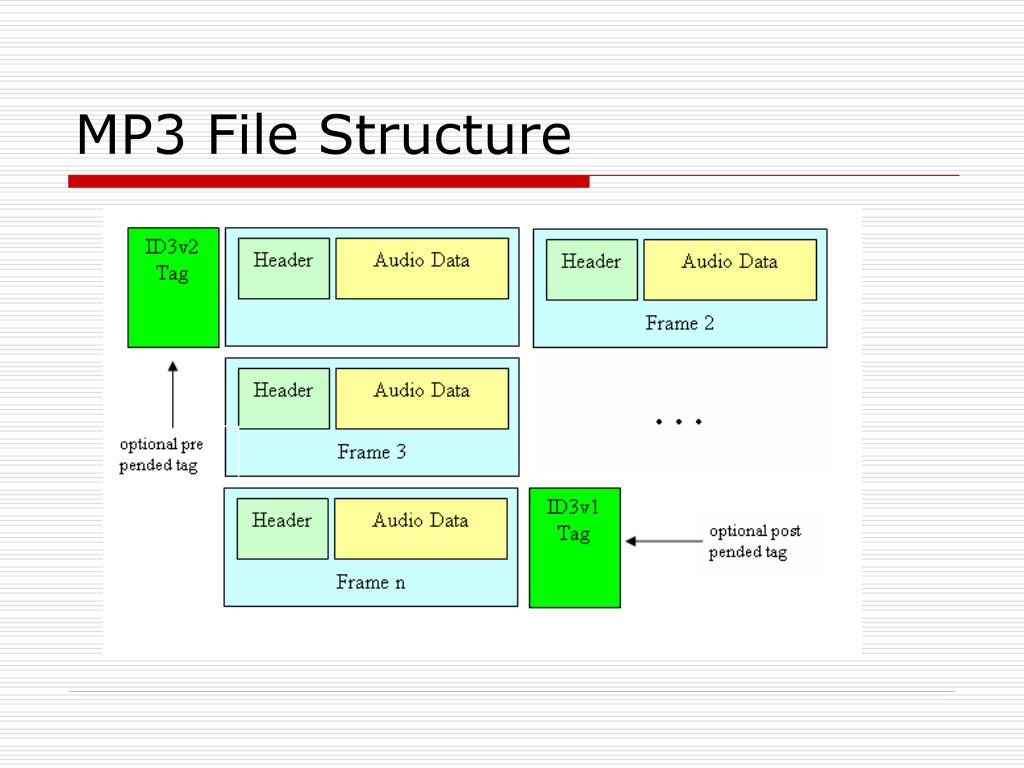
Previously, the basic format for storing music files was WAV. This information takes up too much space on the hard drive, and over time this type of data has become quite inconvenient. In particular, it refers to those times when music began to actively reside on the Internet. That’s when, and audio compression is necessary to reduce the size of the source material. In fact, if we convert the WAV format to MP3, the space saving becomes immediately apparent (the track needs 10 times less space, plus the structure of the new format is described like this, you can even enter some information about the track, for example , the name of the artist, song, album, year of release, and also put some basic technical characteristics of the audio).
Convert MP3 files
It is set to a specific text field in the file structure, called an ID3 tag, after completing all the information that can be displayed in the player window.
HISTORY
In today’s world there are many disagreements about who exactly creates this type of data. Although the MP3 format is accepted, so to speak, a more general concept of MPEG, established by the company Moving Picture Experts Group, the development of the actual encoding technology in MP3 is the Fraunhofer Institute group, which first proposed the The Lame MP3 encoder that uses the codec Who is, is the first criterion in this regard.
WAV to MP3
This was in the mid-90s, however, then this audio (MP3 file) could only be played with the help of a software player, so the new technology was widely adopted until then. It has released the first home player and the portable player is only used as a single at the beginning of this standard. However, it now has many competitors. It is only linked to the rationale for encoding, by which the amount of starting material can be reduced.
ENCODING AND COMPRESSION OF THE MAIN SOUND.
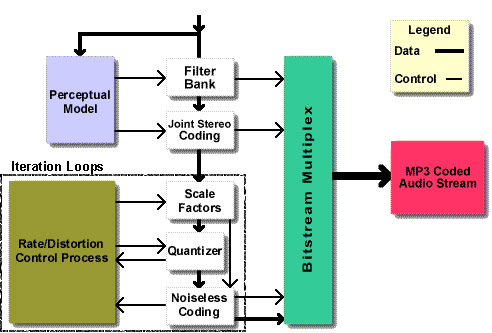
During this process, when the source material is translated into MP3 format, the most important thing: not all cuts are recognized by the human ear at the domestic level. Generally speaking, the track will have a standard sample rate of 44,100 Hz with a bit rate of 320 kbit/s and 128 kbit/s; it’s hard to see the difference in sound. This is why certain characteristics of the audio are reduced during the compression process.
The difference can only be perceived by people’s already sensitive ears or by using sounds from specialized programs. In fact, hardly anyone in the studio works in compressed MP3 format. He’s only involved in the final stages of mastering and post-production, when all tracks need to align quantity to normalize which areas to release to release the full album. Stop after this.
BASIC SOUND CHARACTERISTICS
As we all know, any audio material has several main parameters that determine its sound quality. And here the MP3 format is not an exception. The most important characteristics of the considered sampling frequency (the most common standard 44.1 kHz), the bit rate (accepted values for the basic standard of 128 kbit/s) and the sound mode (mono, stereo, 5.1 surround , 6.1 or 7.1). In general, the latter option is not always considered, and the focus for determining any quality tracking is much more than the first two features.