MP3 Normalizer: How to Select the Best Software for Audio Quality Improvement

MP3 audio files are a popular format for music and other audio recordings, but they can vary widely in volume levels and quality. To improve the listening experience, many people turn to MP3 normalizer software. But with so many options available, what features should you look for when selecting the best software for audio quality improvement? In this article, we’ll explore the top features to consider and answer some common questions about MP3 normalizer software.
Features to Look for in MP3 Normalizer Software
When selecting MP3 normalizer software, there are several key features to consider:
Batch Processing
If you have a large collection of MP3 files, you’ll want software that can process multiple files at once. Batch processing allows you to select a folder or group of files to be normalized, saving you time and effort.
Preserve Audio Quality
The primary goal of MP3 normalizer software is to improve audio quality. Look for software that can normalize volume levels without causing any distortion or loss of quality to the audio file.
Customizable Settings
Different audio files may require different normalization settings. Look for software that allows you to adjust the normalization settings, such as target volume level, peak normalization, and RMS normalization.
File Format Support
While MP3 is a popular audio format, it’s not the only one. Look for software that supports a wide range of audio file formats, such as WAV, FLAC, and AAC.
Simple User Interface
MP3 normalizer software should be user-friendly and easy to use. Look for software with a simple and intuitive interface that allows you to quickly select and normalize your audio files.
How MP3 Normalizer Software Works
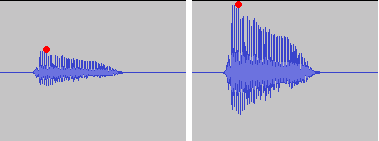
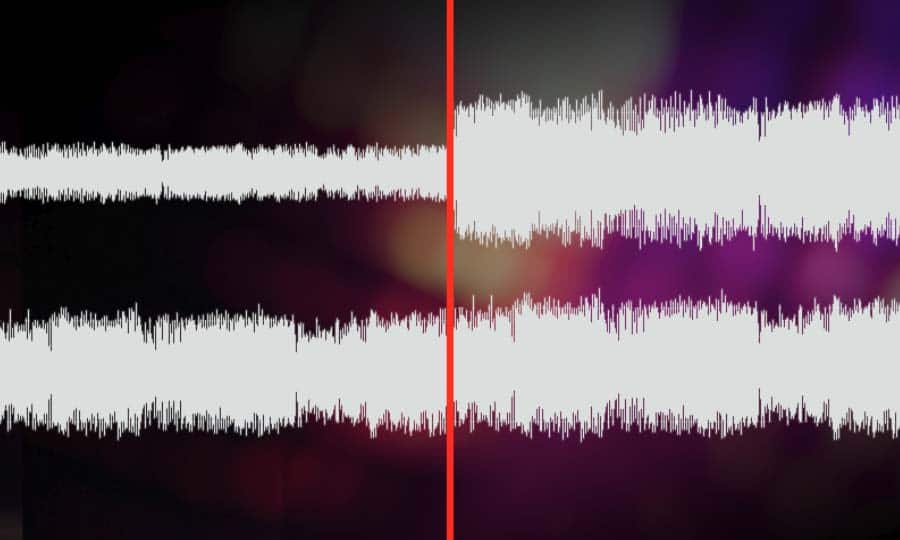
MP3 normalizer software works by analyzing the volume levels of an audio file and adjusting them to a target level. The software scans the entire audio file, identifies the loudest and quietest parts, and then adjusts the volume levels to create a more consistent listening experience. This can improve the overall audio quality and prevent the need to constantly adjust the volume levels during playback.
Free vs. Premium MP3 Normalizer Software
There are both free and premium options available for MP3 normalizer software. Free software can be a great option for those on a budget, but it may not offer the same level of features or customization options as premium software. Premium software typically offers more advanced features and better performance.
Potential Loss of Quality or Distortion
While MP3 normalizer software is designed to improve audio quality, it is possible for the software to cause loss of quality or distortion during the normalization process. To avoid this, select software that uses advanced algorithms to preserve audio quality and avoid any unnecessary adjustments that could cause distortion.
Normalization Time
The amount of time it takes to normalize an MP3 file can vary depending on the size of the file and the processing power of your computer. In general, however, most files can be normalized within a few minutes.
Advantages of MP3 Normalizer Software
Using MP3 normalizer software can offer several advantages over adjusting the volume levels manually. For one, it can save you time and effort, as you won’t need to manually adjust the volume levels for each file. Additionally, MP3 normalizer software can improve the overall listening experience by creating a more consistent volume level across multiple files.
Best Software for Different Audio Files
Certain MP3 normalizer software programs may be better suited for certain types of audio files. For example, some software may be better suited for music files, while others may be better suited for speech recordings. Look for software that offers customizable settings and options to ensure optimal results for the specific type of audio file you’re working with.
File Size and Normalization
The normalization process can affect the overall file size of an MP3 audio file. When normalizing, the software may need to make adjustments to the audio file, which can result in a larger file size. However, this increase in file size is usually minimal and shouldn’t be a significant concern.
Cost of MP3 Normalizer Software
The cost of MP3 normalizer software can vary widely, depending on the features and level of performance offered. Some software may be available for free, while others may cost several hundred dollars. Additionally, some software may require ongoing subscription fees or additional costs for updates or advanced features. When selecting MP3 normalizer software, consider your budget and the features you require to find the best option for your needs.
Recommended Settings and Best Practices
To ensure optimal results when using MP3 normalizer software, there are some recommended settings and best practices to follow. For example, it’s important to choose the correct normalization settings for the specific type of audio file you’re working with. Additionally, it’s a good idea to make a backup copy of your original audio files before normalizing them, in case of any unexpected issues or changes.
Conclusion
Selecting the best MP3 normalizer software for your needs can help improve the overall audio quality of your files and provide a more consistent listening experience. When selecting software, consider features such as batch processing, customizable settings, and file format support, and be sure to choose software that can preserve audio quality and avoid distortion. With the right software and best practices, you can easily normalize your MP3 files and enjoy a better listening experience.