Audio Normalization Techniques: Peak vs. Loudness


Free Download Mp4Gain
picture

Audio Normalization Techniques: Peak vs. Loudness
Audio Normalization Techniques

As an audio optimization expert, I’m often asked about the best techniques for normalizing audio levels. In this article, I will explore two popular approaches: peak normalization and loudness normalization. These techniques, peak vs. loudness normalization, have their own unique advantages and considerations. Let’s dive in and uncover the secrets of achieving balanced and consistent audio!

Peak Normalization: Unleashing the Power of Dynamics

When it comes to peak normalization, it’s all about preserving the dynamics of your audio. Imagine a breathtaking symphony where the crescendos and diminuendos transport you to a different realm. With peak normalization, you ensure that the highest peaks of your audio reach their full potential without clipping or distortion. It’s like giving your audio the freedom to express itself with intensity and impact.

Loudness Normalization: The Harmony of Consistency

Now, let’s turn our attention to the world of loudness normalization. Have you ever experienced the frustration of constantly adjusting the volume while switching between songs or TV shows? Loudness normalization comes to the rescue! By analyzing the perceived loudness of your audio, it ensures a consistent listening experience across different tracks. Say goodbye to sudden volume jumps and immerse yourself in a harmonious soundscape.

Dynamic Range: The Dance of Soft and Loud

In the realm of audio normalization, we encounter the concept of dynamic range. Dynamic range represents the difference between the softest and loudest parts of an audio signal. Peak normalization respects the natural dynamic range, allowing the delicate whispers and thunderous roars to coexist in perfect balance. On the other hand, loudness normalization aims to reduce the dynamic range, providing a more even playing field for all elements of your audio.

Audio Clipping: Taming the Wild Peaks

Audio clipping is a notorious villain that can ruin your audio experience. Picture this: a sudden burst of sound that distorts and crackles, disrupting your enjoyment. Peak normalization acts as the hero in this story, taming those wild peaks and ensuring that your audio stays within safe limits. With peak normalization, your audio remains clean and free from the dreaded clipping monster.

LUFS: The Measure of Perceived Loudness

In the realm of loudness normalization, we encounter the term LUFS, which stands for Loudness Units Full Scale. LUFS provides a standardized measure of the perceived loudness of your audio. Loudness normalization algorithms analyze the integrated LUFS value and adjust the overall volume to match a specific target level. It’s like having a universal translator that ensures consistent loudness across different tracks and platforms.

Listening Environment: From Living Rooms to Concert Halls

Let’s talk about the listening environment and its impact on audio normalization. Every space has its unique characteristics, from the cozy intimacy of a living room to the grandeur of a concert hall. Loudness normalization takes into account these variations, delivering a consistent listening experience regardless of the environment. So whether you’re enjoying your favorite tunes at home or attending a live performance, the magic of normalization will make every moment memorable.

Personal Preference: Customizing Your Audio Journey

We all have our individual tastes and preferences when it comes to audio. Some crave the raw power of peak normalization, while others seek the comfort of consistent loudness through loudness normalization. The beauty of audio normalization techniques is that they allow you to customize your audio journey according to your personal taste. It’s like having a tailor-made suit that perfectly fits your unique style.

Metadata and Replay Gain: Enhancing the User Experience

Metadata and Replay Gain are powerful allies in the realm of audio normalization. Metadata provides valuable information about your audio, guiding normalization algorithms to make the right adjustments. Replay Gain takes it a step further by applying metadata tags to your audio files, ensuring consistent playback volume across different tracks. Together, they create a seamless and enhanced user experience, elevating your audio enjoyment to new heights.

Compression: Controlling the Sonic Landscape

Dynamic audio content, such as movies or live performances, often presents challenges for normalization. This is where compression enters the scene. Compression techniques allow you to shape the sonic landscape, reducing the dynamic range while maintaining audio quality. It’s like having a skilled conductor who ensures that every instrument is heard clearly, regardless of its volume.

Audio Editing and Mastering: Polishing the Gems

Lastly, let’s not forget the crucial role of audio editing and mastering in the pursuit of sonic perfection. Audio professionals meticulously fine-tune various parameters during the editing and mastering process. Audio normalization techniques become valuable tools in their arsenal, ensuring that the final product shines with balanced and consistent audio. It’s like adding the final touch of brilliance to your audio gems.

In conclusion, the choice between peak normalization and loudness normalization depends on your desired audio outcome. Whether you embrace the dynamic range or seek consistent loudness, these techniques empower you to create an audio experience that resonates with your vision. So go forth, unleash the power of normalization, and let your audio journey be a harmonious symphony of sound!


Free Download Mp4Gain
picture


Mp4Gain Main Window
picture


Mp4Gain Features
picture


Free Download Mp4Gain
picture

Understanding Audio Normalization

Understanding Audio Normalization

Audio Normalization
Audio Normalization

Audio normalization is the process of adjusting the loudness of an audio recording to a standard level. The goal is to ensure that all audio files have a consistent volume, making them easier to listen to and preventing ear fatigue. In this article, we will explore the different types of audio normalization and how they work.

Audio Normalization
Audio Normalization

Peak Normalization

Peak normalization is the process of adjusting the peak amplitude of an audio recording to a certain level. The peak amplitude is the highest point in the audio signal, and it is measured in decibels (dB). The goal of peak normalization is to ensure that all audio files have the same peak amplitude, making them easier to listen to and preventing ear fatigue.

Peak normalization is typically used for digital audio files, such as MP3 and WAV files. These files are usually stored in a digital format that allows for easy manipulation of the audio data. However, peak normalization can also be applied to analog audio recordings, such as cassette tapes or vinyl records.

RMS Normalization

RMS normalization is the process of adjusting the root mean square (RMS) level of an audio recording to a certain level. The RMS level is a measure of the average power of an audio signal, and it is measured in decibels (dB). The goal of RMS normalization is to ensure that all audio files have the same RMS level, making them easier to listen to and preventing ear fatigue.

RMS normalization is typically used for digital audio files, such as MP3 and WAV files. However, it can also be applied to analog audio recordings, such as cassette tapes or vinyl records.

RMS normalization is often considered to be a more accurate method of normalizing audio than peak normalization because it takes into account the average power of the audio signal, rather than just the peak amplitude.

Loudness Normalization

Loudness normalization is the process of adjusting the loudness of an audio recording to a certain level. The loudness of an audio recording is measured in loudness units (LU). The goal of loudness normalization is to ensure that all audio files have the same loudness, making them easier to listen to and preventing ear fatigue.

Loudness normalization is typically used for broadcast audio, such as television and radio. Loudness normalization is required by many countries to ensure that the audio levels of all broadcast programs are consistent, making them easier to listen to and preventing ear fatigue.

Loudness normalization is often considered to be a more accurate method of normalizing audio than peak or RMS normalization because it takes into account the perceived loudness of the audio signal, rather than just the peak amplitude or RMS level.

Conclusion

Normalizing audio is an important process for ensuring that all audio files have a consistent volume, making them easier to listen to and preventing ear fatigue. There are several different types of audio normalization, including peak normalization, RMS normalization, and loudness normalization. Each method has its own advantages and disadvantages and is best suited for different types of audio.

When it comes to audio normalization, one solution that stands out is Mp4Gain. It is a software that allows you to normalize your audio files in a quick and efficient way. It can be used to normalize a single audio file or multiple files at once. It also supports a wide range of audio file formats, including MP3, WAV, and more. Furthermore, Mp4Gain is user-friendly and easy to navigate, making it a great option for both professional and casual users.

In conclusion, audio normalization is a crucial process for ensuring that all audio files have a consistent volume, making them easier to listen to and preventing ear fatigue. There are several different types of audio normalization, including peak normalization, RMS normalization, and loudness normalization. Each method has its own advantages and disadvantages and is best suited for different types of audio. Mp4Gain is a powerful and easy-to-use software that can help you normalize your audio files quickly and efficiently.

Normalize audio

Normalize audio

Normalize audio
Normalize audio

normalize audio in video

Normalize audio
Normalize audio

Audio normalization is one of the most sought after and used resources for both audio and video files.
Originally replay gain and mp3gain meant the solution, while being the latest and most modern.

Today, however, given the boom in video, which ALSO needs audio normalization, and the advancement in audio playback quality, new needs have arisen.

Mp4Gai seems the most appropriate option, with a better price and a more professional result.

Mp4Gain allows you to extract the audio from any video, in the format of your choice (mp3, flac, ogg, m4a, aac, etc) or convert between audio or video formats. Which makes it very practical today.

Normalize audio is something so daily and common that anyone who has a good collection of audio or video and likes to play it frequently has an audio normalizer. Mp4Gain is by far the most modern and with the best results.

You will achieve a uniform or standard volume level and audio quality that will make listening to music or videos much more pleasant and enjoyable and will sound more even, with a pleasantly uniform sound level and standard quality.

Download Mp4Gain and have a try.

Sound normalizer

Sound normalizer

Sound normalizer
Sound normalizer

sound normalization

Sound normalizer
Sound normalizer

Since the audio was digitized, a noticeable difference in volume levels or loudness between different audio or video files began to be noticed.

What is amplification of sound?

Why does this difference or difference in audio volume or loudness occur between audio or video files after digitization?

The reasons are several and in general they are quite simple. The first is that in the days of vinyl records, since switching from one record to another took time, we generally didn’t notice much if there was a difference between them in terms of volume gain.

Neither were common users, without specialized preparation, who manipulated these vinyls. Today, on the other hand, any person using any software decides to take a CD and extract the audio using the parameters (bit rate, sample rate, etc.) that occur to them, almost at random.

And this capricious or random choice of audio settings generates a difference in quality in the long run and of course has a great impact on the volume of the audio, on the loudness of the mp3, flac, ogg, etc.

That is to say, nope, it is due exclusively to the differences that the original audio already contained, but to those that are introduced according to the settings to encode it into another format that occupies less space, such as an mp3.

This forces us to later use normalization as a method of reversing that disaster that amateur enthusiasts have introduced by encoding, without knowing what they are doing, the audio or video.

Mp4Gain is the ideal software to reverse and normalize all this in the main audio and/or video formats.

What is an audio normalizer?

What is an audio normalizer?

audio normalizer
audio normalizer

How can an audio normalizer help?

audio normalizer
audio normalizer

Mp4Gain is a tool that will adjust the volume of an mp3 file so that the loudest and softest parts of the sound are more balanced.

The main advantage of an audio normalizer is that it can be used to make a song louder without clipping or distorting it. It achieves this by increasing the volume of softer sounds, which in turn makes louder sounds quieter.

An audio enhancer is a similar tool, but instead of balancing out the volume, it increases certain frequencies to make a song clearer and more pleasant to listen to.

Normalizing the volume of audio files is crucial for many reasons: it makes listening to music more pleasant, it increases the clarity of speech, and it can even help you sleep better.

Mp4Gain is an audio normalizer and volume booster. It can be used to automatically adjust the volume of all your music files so that they are at the same level.

Mp4Gain is an easy-to-use tool for adjusting the volume of all your music files to a uniform level. It does not need any technical knowledge, just drag and drop your music files into the program window and click “Normalize”.

Mp4Gain is an audio normalizer, it can help you to increase the volume of mp3 files. It can also be used as a volume booster or audio enhancer.

What does it mean to normalize audio?

We often hear someone normalize an mp3 file or a flac, ogg, aac, etc.
Even with the Mp4Gain we talk about normalizing the audio of video files such as Mp4, AVI, mpeg, etc.

What does normalizes mean?

We could say that it refers to something similar to standardize, in the sense that it maintains a volume standard, that it does not lower the loudness up or down, that it stays within a standard, within given limits.

Music Loudness War

Audio compression

When the music began to digitize, going from analog to digital, it became absolutely necessary to use compressors, which will work as a limiter, to stop the peaks and as an expander or compressor to enhance the valleys of lower loudness.

At the same time, a principle that has to do with the human ear was detected: at higher volume the ear believes that the music is “better heard” and that is where the so-called volume war began.

Audio Loudness and Normalizer

Each time the audio productions registered an increase in loudness.

All of the above caused anyone who listened to various music files, in an order, to notice differences in the sound of these, which was unpleasant and uncomfortable.

And there arises the need to normalize the volume, to obtain a similar loudness without variations in loudness.

Then we will see that a normalizer is a software or hardware that is responsible for maintaining the loudness of all the audio, because it is not only about music, but we also talk about videos, movies, etc. It maintains that constant sound, without fluctuations.

Even modern normalizers, at least the Mp4Gain, do this by separating the audio by bands, thus achieving an enhancement that the audio had lost when being compressed excessively.

Audio compressors are necessary, but their abuse in the last decades, have managed to reduce the quality of the audio and also that the loudness is not the same between one file and another.

The normalizer has become one of the most important accessories in the audio chain, at least at the user level.

People search everywhere how to equalize volume levels, how to improve volume levels, how to match the volume of their audio files … until they finally find a good normalizer that comes to solve the problem, greatly improving the audio quality and ending the problem of uneven loudness.

The audio compressor or normalizer

Adjust volume level

Many instruments tend to be very dynamic, and when recorded can result in large note amplitudes, some very strong and some very weak. We could imagine following the volume of each of these tracks through the fader race of our console, but even with a very good automation system, this task could be very long and very complicated.
This is where the compressor or normalizer comes in. It is used to restrict the dynamics of an audio signal, making it easier to find a more stable level in the mix and to have an optimal volume level.

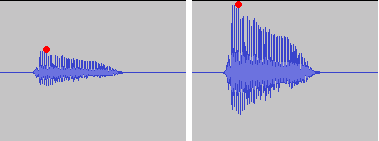
Here is the diagram of a sound wave recorded without compression and with compression:

¿Cómo ajustar un compresor?¿Cómo ajustar un compresor?

How to adjust a compressor?

As you can see, when applying compression, the dynamic range of this wave has been reduced. In the original wave, the difference between the lowest amplitude and the highest amplitude is around 15 dB. After applying compression, the dynamics are only 5 dB. What happens is that the compressor detects and compresses the loudest sounds in the wave. After compressing these louder sounds, I can raise the entire level of the wave, so that the weak and strong notes are leveled out in the rest of the mix.

Threshold :

Compressors, like all dynamic processors, including the normalizer, work by measuring the amplitude of an incoming signal relative to a reaction point that must be configured to tell the compressor when to start operating. This reaction point is called the threshold.

Consider our example of watching TV and turning the volume down when advertising. We all have our own threshold that tells us when a sound is too loud and that will force us to take the remote control to lower the volume. This volume level is our threshold. The threshold that is, in fact, the most important component of any dynamic processor.

How to adjust a compressor?

In a compressor, a signal level above the threshold will activate the compressor, while a lower signal level remains unchanged

What is an audio normalizer.

Normally at the time when one listened to music on CDs or even vinyl, it is a problem the relationship of the levels of volume music tracks since they all came from the same Source. That is, all the music tracks recorded in the same studio and mastered by the same person for which the gain of its similar volume and when one finished listening to the vinyl or CD to listen and then did not notice the difference between One disk and another disk volume gain.
at the moment when the internet begins to exchange musicals, he does not listen to a complete album, but hears an album another album, the differences in very noticeable volume levels. This is why the need arises soon for the sound of the different wales music tracks Although these come from albums that have been mixed in different studios and by different recording engineers.

This is known as normalize level of musical audio gain. Over time, more sophisticated algorithms have gone away that achieve this function more efficiently. Initially understanding the peaks of each song the entire song reach its maximum point without generating any distortion. This was obviously insufficient and the result was not satisfactory, I am still investigating and creating increasingly sophisticated algorithms to achieve a similar loudness in volume peaks.

Nowadays, this application called mp4gain is available, which manages to match the loudness and optimize the best results quite similar to any large FM radio station. q is the algorithm the loudness of each of the frames used to achieve the best possible volume without ever reaching the distortion.
In addition, the program offers other functions such as modifying the pitch without altering the speed and vice versa or being able to equalize the song. Very high quality the most used music program is even used by universities, television channels, radio stations and different music producers. You can download it for free to try it on your computer or buy it directly from this site