WMV Normalizer


Free Download Mp4Gain
picture

WMV Normalizer: Achieve Perfect Audio Levels for Your WMV Files


WMV Normalizer
WMV Normalizer
WMV Normalizer
WMV Normalizer

When it comes to audio files, maintaining consistent volume levels is essential for delivering a seamless listening experience. However, uneven audio levels can diminish the impact of your WMV files. The Mp4Gain – WMV Normalizer is a powerful tool that allows you to optimize the audio levels of your WMV files, ensuring a balanced and professional sound quality.

Volume Normalization

The Mp4Gain – WMV Normalizer utilizes advanced algorithms to analyze and adjust the volume levels of your WMV files. It intelligently modifies the audio levels to achieve a consistent volume throughout the file. By normalizing the volume, you can ensure that your WMV files sound great without the need for listeners to constantly adjust the volume.

Dynamic Range Compression

In addition to volume normalization, the Mp4Gain – WMV Normalizer incorporates dynamic range compression. This technique balances the audio levels between the softest and loudest parts of the file. By compressing the dynamic range, it ensures that all audio elements are audible without overpowering the louder sections, resulting in a more refined and professional sound.

Batch Processing

Efficiency is key when dealing with a large number of WMV files. The Mp4Gain – WMV Normalizer offers batch processing capabilities, allowing you to optimize multiple files simultaneously. This time-saving feature enables you to enhance the audio quality of your entire WMV file collection with just a few clicks, eliminating the need for manual adjustments file by file.

Lossless Audio Compression

The Mp4Gain – WMV Normalizer employs lossless audio compression techniques to reduce the file size of your WMV files without compromising audio quality. It removes unnecessary data while preserving all audible details, resulting in more manageable files that maintain the original audio integrity.

Customizable Normalization Settings

The Mp4Gain – WMV Normalizer provides customizable normalization settings, giving you full control over the optimization process. You can adjust parameters such as target volume level, attack and release times, and compression ratios to achieve the desired audio output for your WMV files.

Preservation of Metadata

Metadata plays a crucial role in organizing and categorizing WMV files. The Mp4Gain – WMV Normalizer ensures that important metadata, such as video title, author, and creation date, are preserved during the normalization process. This guarantees that your files remain well-organized and easily searchable, even after optimization.

Compatibility with Various Devices and Players

The Mp4Gain – WMV Normalizer is designed to be compatible with a wide range of devices and media players. Whether you’re using a computer, mobile device, or dedicated media player, you can optimize your WMV files for consistent audio quality and playback experience across different platforms.

Real-Time Preview

Previewing the optimized audio output is crucial to ensure that it meets your expectations. The Mp4Gain – WMV Normalizer offers a real-time preview feature, allowing you to listen to the adjusted audio while fine-tuning the normalization settings. This enables you to make precise adjustments and achieve the desired audio quality for your WMV files.

User-Friendly Interface

The Mp4Gain – WMV Normalizer features a user-friendly interface that makes it accessible to users of all levels of expertise. Its intuitive design and straightforward controls enable easy navigation and a smooth optimization process, even for those with limited technical knowledge.

Enhanced Multimedia Experience

Whether you’re working with video editing, multimedia presentations, or online content creation, the Mp4Gain – WMV Normalizer can significantly enhance the audio quality of your WMV files. Achieving consistent volume levels and dynamic range compression allows you to deliver a more immersive and engaging multimedia experience to your audience.


Free Download Mp4Gain
picture


Mp4Gain Main Window
picture


Mp4Gain Features
picture


Free Download Mp4Gain
picture

WAV Normalizer

WAV Normalizer: Achieve Optimal Audio Levels for Your WAV Files

WAV Normalizer
WAV Normalizer
WAV Normalizer
WAV Normalizer

Audio quality plays a vital role in delivering an immersive and enjoyable listening experience. However, inconsistent volume levels can disrupt the flow and impact of your WAV files. The Mp4Gain – WAV Normalizer is an essential tool that ensures your audio files maintain consistent volume levels, allowing you to optimize the sound quality of your WAV files effectively.

Volume Level Optimization

The Mp4Gain – WAV Normalizer utilizes advanced algorithms to analyze the volume levels of your WAV files. It intelligently adjusts the audio levels to achieve a consistent volume throughout the file. By normalizing the volume, you can ensure that listeners can enjoy your WAV files without constantly adjusting their speakers or headphones.

Dynamic Range Compression

In addition to volume normalization, the Mp4Gain – WAV Normalizer incorporates dynamic range compression. This technique balances the audio levels between the softest and loudest parts of the file, enhancing the overall clarity and impact of your WAV files. It ensures that even the quietest sounds are audible without overpowering the louder elements, resulting in a more balanced and professional sound.

Batch Processing Capability

Efficiency is crucial when dealing with a large number of WAV files. The Mp4Gain – WAV Normalizer offers batch processing capabilities, allowing you to optimize multiple files simultaneously. This time-saving feature enables you to enhance the audio quality of your entire WAV file collection in one go, without the need for manual adjustments on each file.

Lossless Audio Compression

The Mp4Gain – WAV Normalizer employs lossless audio compression techniques to reduce the file size of your WAV files without compromising audio quality. By removing unnecessary data while retaining all the audible details, it creates more storage-friendly files that are easier to manage and share.

Customizable Normalization Settings

The Mp4Gain – WAV Normalizer provides customizable normalization settings, allowing you to fine-tune the optimization process according to your preferences. You can adjust parameters such as target volume level, attack and release times, and compression ratios to achieve the desired audio output.

Preserve Metadata Information

Metadata is crucial for organizing and categorizing WAV files. The Mp4Gain – WAV Normalizer ensures that essential metadata, such as artist name, album title, and track information, are preserved during the normalization process. This ensures that your files remain well-organized and easily searchable, even after optimization.

Compatibility with Various Devices and Players

The Mp4Gain – WAV Normalizer is designed to be compatible with a wide range of devices and audio players. Whether you’re using a computer, mobile device, or dedicated audio player, you can optimize your WAV files for optimal audio quality and playback consistency across different platforms.

Real-Time Preview

The Mp4Gain – WAV Normalizer offers a real-time preview feature, allowing you to listen to the optimized audio output before finalizing the normalization settings. This feature enables you to make any necessary adjustments and ensure that the resulting audio meets your expectations.

Easy-to-Use Interface

The Mp4Gain – WAV Normalizer features an intuitive and user-friendly interface, making it accessible to both novice and experienced users. Its streamlined design and straightforward controls enable easy navigation and a seamless optimization process.

Enhanced Sound Quality for Multimedia Projects

Whether you’re working on music production, video editing, or multimedia projects, the Mp4Gain – WAV Normalizer can significantly enhance the sound quality of your WAV files. By achieving consistent volume levels and dynamic range compression, your audio will sound more professional and engaging, amplifying the impact of your projects.

AAC Normalizer

AAC Normalizer: Optimize Your Audio Files for Perfect Sound Quality


AAC Normalizer
AAC Normalizer

AAC | LyreBeats

Audio files are an integral part of various digital media, including music, podcasts, and videos. However, inconsistent audio levels can hinder the listening experience and reduce the impact of your content. This is where the Mp4Gain – AAC Normalizer comes into play. With its advanced audio optimization capabilities, the Mp4Gain – AAC Normalizer ensures that your audio files have consistent volume levels, enhancing the overall sound quality.

Audio Level Normalization

The Mp4Gain – AAC Normalizer employs cutting-edge algorithms to normalize the audio levels of your files. It analyzes the volume of each audio segment and adjusts it accordingly to achieve a consistent level throughout the file. This normalization process ensures that listeners enjoy a seamless and immersive audio experience, eliminating the need to constantly adjust the volume.

Dynamic Range Compression

In addition to volume normalization, the Mp4Gain – AAC Normalizer also incorporates dynamic range compression. This technique balances the audio levels between the softest and loudest parts of the file. By compressing the dynamic range, it ensures that even subtle details are audible without overpowering the louder sections, resulting in a more polished and professional sound.

Batch Processing

Efficiency is key when dealing with large audio libraries. The Mp4Gain – AAC Normalizer offers batch processing capabilities, allowing you to optimize multiple files simultaneously. This time-saving feature ensures that you can enhance the audio quality of your entire collection with just a few clicks, eliminating the need for manual adjustments file by file.

Lossless Audio Compression

The Mp4Gain – AAC Normalizer employs lossless compression techniques to reduce the file size without compromising audio quality. By removing unnecessary data while retaining all the audible details, it creates more storage-friendly audio files that are easier to manage and share.

Presets and Customization

Flexibility is a vital aspect of any audio optimization tool, and the Mp4Gain – AAC Normalizer delivers on this front. It provides a range of presets tailored for different types of content, such as music, podcasts, or videos. Additionally, it allows users to customize the normalization settings, giving them full control over the output audio quality.

Multi-Platform Support

The Mp4Gain – AAC Normalizer is designed to work seamlessly across various platforms. Whether you’re using a Windows PC, macOS, or a Linux machine, you can take advantage of this powerful tool to optimize your audio files and achieve consistent sound quality across different devices.

Metadata Preservation

Metadata plays a crucial role in organizing and categorizing audio files. The Mp4Gain – AAC Normalizer ensures that all the important metadata, such as artist name, album title, and track number, are preserved during the optimization process. This means that your files remain well-organized and easily searchable, even after being processed by the Mp4Gain – AAC Normalizer.

Integration with Media Players

Seamless integration with popular media players is another highlight of the Mp4Gain – AAC Normalizer. It allows you to directly export optimized audio files to your preferred media player for immediate playback. This convenience ensures that you can enjoy the enhanced sound quality without any additional steps.

Audio Quality Analysis

Understanding the audio quality of your files is essential for making informed decisions. The Mp4Gain – AAC Normalizer includes a built-in audio quality analysis tool that provides detailed insights into the characteristics of your audio, such as frequency distribution, peak levels, and dynamic range. This information empowers you to fine-tune your audio optimization settings for maximum impact.

Compatibility with AAC Format

The Mp4Gain – AAC Normalizer is specifically designed to work with AAC (Advanced Audio Coding) files, one of the most popular audio formats. Whether your audio files are in AAC format by default or you convert them to AAC, this tool ensures optimal results by leveraging the format’s features and capabilities.

User-Friendly Interface

The Mp4Gain – AAC Normalizer features a user-friendly interface that makes it accessible to both novice and experienced users. Its intuitive design and straightforward controls enable easy navigation and quick optimization of audio files, saving you time and effort.

Real-Time Preview

When fine-tuning the audio optimization settings, it’s essential to hear the changes in real time. The Mp4Gain – AAC Normalizer offers a real-time preview feature that allows you to listen to the audio while adjusting the parameters. This instant feedback enables you to make precise adjustments and achieve the desired sound quality.

Enhanced Streaming Experience

In today’s digital age, streaming platforms have become the primary source of audio consumption. By using the Mp4Gain – AAC Normalizer to optimize your audio files, you ensure that your content delivers an enhanced streaming experience. Consistent audio levels and improved sound quality make your music, podcasts, or videos stand out among the vast array of online content.

Long-Term Preservation

Preserving the quality of your audio files for the long term is crucial, especially if you have an extensive collection or valuable recordings. The Mp4Gain – AAC Normalizer helps maintain the integrity of your files, ensuring that they retain their optimal sound quality for years to come, even through various storage and backup processes.

Professional Sound Production

Whether you’re a musician, podcaster, or content creator, achieving professional sound production is vital. The Mp4Gain – AAC Normalizer is a valuable tool in your arsenal, enabling you to elevate the audio quality of your creations and deliver a more immersive and engaging experience to your audience.
Efficient File Management

Managing audio files can be a complex task, particularly when dealing with large libraries. The Mp4Gain – AAC Normalizer simplifies file management by optimizing your audio files, making them more compact without sacrificing quality. This efficient file management ensures that you can store, transfer, and organize your audio collection more effectively.

Increased Accessibility

Optimizing audio files with the Mp4Gain – AAC Normalizer also contributes to increased accessibility. By normalizing the volume levels and improving the sound quality, you make your content more accessible to individuals with hearing impairments or those who rely on assistive technologies. Everyone can enjoy your audio content, regardless of their listening abilities.

Industry-Standard Solution

The Mp4Gain – AAC Normalizer adheres to industry standards in audio processing and optimization. It has been developed by experts in the field, ensuring that you have access to a reliable and trusted solution for enhancing the quality of your audio files. You can rely on the Mp4Gain – AAC Normalizer to meet professional standards and deliver outstanding results.

By utilizing the Mp4Gain – AAC Normalizer, you can optimize your audio files and unlock their full potential. Achieve consistent volume levels, improved sound quality, and efficient file management, ultimately enhancing the overall listening experience for your audience.

AVI Normalizer

AVI Normalizer

AVI Normalizer
AVI Normalizer
AVI Normalizer
AVI Normalizer

AVI file normalization

AVI file normalization is a crucial process that ensures consistent audio and video quality in AVI format files. By applying normalization, the volume levels are adjusted, resulting in a balanced and optimized playback experience for AVI files.

How to normalize AVI files

If you want to normalize your AVI files, there are various methods available. You can use dedicated video editing software that offers normalization features or employ specialized audio tools to adjust the audio levels. Both options allow you to achieve a consistent volume across your AVI files.

Benefits of normalizing AVI files

Normalizing AVI files offers several benefits. Firstly, it ensures that the audio levels in your videos are balanced, eliminating any sudden volume changes that may occur during playback. Normalization also enhances the overall viewing experience by providing a consistent audio level, making it easier to understand dialogue and enjoy the accompanying soundtrack. Additionally, normalized AVI files are optimized for sharing and distribution, ensuring that your audience receives a consistent viewing experience.

Best practices for AVI normalization

When normalizing AVI files, it’s important to follow some best practices. Firstly, it’s recommended to work with a high-quality source file to ensure optimal results. Additionally, carefully monitor the audio levels during the normalization process to avoid introducing distortion or clipping. It’s also essential to preview the normalized files on different devices and playback environments to ensure they sound as intended.

Common misconceptions about AVI normalization

There are a few misconceptions surrounding AVI normalization that need clarification. One misconception is that normalization can fix all audio issues, such as background noise or audio artifacts. However, normalization primarily focuses on adjusting volume levels and does not address other audio quality problems. It’s important to note that excessive normalization can lead to a loss of dynamic range, so it’s crucial to apply normalization conservatively.

Preserving video quality during AVI normalization

During the AVI normalization process, it’s important to preserve the video quality as well. While the primary goal is to adjust the audio levels, any changes made to the video should not compromise its visual integrity. Choose a normalization method that maintains the original video resolution, frame rate, and other visual attributes to ensure a seamless viewing experience.

Future-proofing your AVI files with normalization

Normalization plays a significant role in future-proofing your AVI files. As technology advances and new playback devices emerge, normalized files ensure compatibility and consistent viewing experiences. By normalizing your AVI files, you can be confident that they will look and sound great on various platforms, both now and in the future.

Summary

AVI normalization is a crucial process that adjusts the audio levels in AVI files to ensure a consistent viewing experience. By normalizing your AVI files, you can eliminate volume inconsistencies and optimize the audio quality. Following best practices, such as using high-quality source files and monitoring the audio levels, is essential for successful normalization. Preserve the video quality during the process and future-proof your AVI files by embracing normalization. Enjoy a seamless viewing experience across different devices and platforms with properly normalized AVI files.

M4A Normalizer

M4A Normalizer

M4A Normalizer
M4A Normalizer
M4A Normalizer
M4A Normalizer

M4A audio normalization

M4A audio normalization is an essential process to ensure consistent sound quality in M4A format files. By applying normalization, the volume level is adjusted in each track or file, helping to avoid drastic fluctuations and ensuring an optimal listening experience.

How to normalize M4A files

If you want to normalize your M4A files, there are different methods available. You can use audio editing software that offers normalization options or employ a batch processing technique to normalize multiple files simultaneously. Both options allow you to adjust the volume to achieve uniformity in your M4A files.

Benefits of normalizing M4A files

Normalizing your M4A files offers several benefits. Firstly, it helps maintain consistent volume levels throughout your audio collection, making it more enjoyable to listen to. Normalization also ensures that your audio files are optimized for different playback devices, preventing unexpectedly loud or soft playback. Additionally, when sharing or streaming your M4A files, normalization helps provide a consistent listening experience for your audience.

Best practices for M4A normalization

When normalizing M4A files, it’s important to follow some best practices. Firstly, make sure to backup your original files before applying any changes, as normalization is an irreversible process. Additionally, consider using a reputable audio editing software that provides precise control over volume adjustments. It’s also recommended to listen to the normalized files on different playback devices and environments to ensure they sound as intended.

Common misconceptions about M4A normalization

There are a few misconceptions surrounding M4A normalization that need clarification. One misconception is that normalization can completely eliminate audio imperfections, such as background noise or distortion. However, normalization primarily focuses on adjusting volume levels and does not address other audio issues. It’s also important to note that excessive normalization can lead to audio clipping or distortion, so it’s crucial to apply normalization conservatively.

Importance of metadata preservation during M4A normalization

During the normalization process, it’s essential to preserve the metadata of your M4A files. Metadata contains valuable information such as artist name, album title, and track number. When choosing a normalization method, ensure that it retains the original metadata or provides an option to reapply it after normalization. This way, your audio library remains well-organized and searchable.

Future-proofing your M4A files with normalization

Normalization plays a crucial role in future-proofing your M4A files. As audio technologies evolve and new playback devices emerge, normalized files ensure compatibility and consistent listening experiences. By normalizing your M4A files, you can be confident that they will sound great on various platforms, both now and in the future.

Summary

M4A normalization is a process that adjusts volume levels in M4A audio files, providing a consistent listening experience. By normalizing your M4A files, you can ensure uniformity, optimize playback, and improve the overall quality of your audio collection. Following best practices and preserving metadata are essential aspects of the normalization process. Future-proof your M4A files by embracing normalization and enjoy high-quality audio across different devices and platforms.

Audio Normalization Techniques: Peak vs. Loudness

Audio Normalization Techniques: Peak vs. Loudness

Audio Normalization Techniques

As an audio optimization expert, I’m often asked about the best techniques for normalizing audio levels. In this article, I will explore two popular approaches: peak normalization and loudness normalization. These techniques, peak vs. loudness normalization, have their own unique advantages and considerations. Let’s dive in and uncover the secrets of achieving balanced and consistent audio!

Peak Normalization: Unleashing the Power of Dynamics

When it comes to peak normalization, it’s all about preserving the dynamics of your audio. Imagine a breathtaking symphony where the crescendos and diminuendos transport you to a different realm. With peak normalization, you ensure that the highest peaks of your audio reach their full potential without clipping or distortion. It’s like giving your audio the freedom to express itself with intensity and impact.

Loudness Normalization: The Harmony of Consistency

Now, let’s turn our attention to the world of loudness normalization. Have you ever experienced the frustration of constantly adjusting the volume while switching between songs or TV shows? Loudness normalization comes to the rescue! By analyzing the perceived loudness of your audio, it ensures a consistent listening experience across different tracks. Say goodbye to sudden volume jumps and immerse yourself in a harmonious soundscape.

Dynamic Range: The Dance of Soft and Loud

In the realm of audio normalization, we encounter the concept of dynamic range. Dynamic range represents the difference between the softest and loudest parts of an audio signal. Peak normalization respects the natural dynamic range, allowing the delicate whispers and thunderous roars to coexist in perfect balance. On the other hand, loudness normalization aims to reduce the dynamic range, providing a more even playing field for all elements of your audio.

Audio Clipping: Taming the Wild Peaks

Audio clipping is a notorious villain that can ruin your audio experience. Picture this: a sudden burst of sound that distorts and crackles, disrupting your enjoyment. Peak normalization acts as the hero in this story, taming those wild peaks and ensuring that your audio stays within safe limits. With peak normalization, your audio remains clean and free from the dreaded clipping monster.

LUFS: The Measure of Perceived Loudness

In the realm of loudness normalization, we encounter the term LUFS, which stands for Loudness Units Full Scale. LUFS provides a standardized measure of the perceived loudness of your audio. Loudness normalization algorithms analyze the integrated LUFS value and adjust the overall volume to match a specific target level. It’s like having a universal translator that ensures consistent loudness across different tracks and platforms.

Listening Environment: From Living Rooms to Concert Halls

Let’s talk about the listening environment and its impact on audio normalization. Every space has its unique characteristics, from the cozy intimacy of a living room to the grandeur of a concert hall. Loudness normalization takes into account these variations, delivering a consistent listening experience regardless of the environment. So whether you’re enjoying your favorite tunes at home or attending a live performance, the magic of normalization will make every moment memorable.

Personal Preference: Customizing Your Audio Journey

We all have our individual tastes and preferences when it comes to audio. Some crave the raw power of peak normalization, while others seek the comfort of consistent loudness through loudness normalization. The beauty of audio normalization techniques is that they allow you to customize your audio journey according to your personal taste. It’s like having a tailor-made suit that perfectly fits your unique style.

Metadata and Replay Gain: Enhancing the User Experience

Metadata and Replay Gain are powerful allies in the realm of audio normalization. Metadata provides valuable information about your audio, guiding normalization algorithms to make the right adjustments. Replay Gain takes it a step further by applying metadata tags to your audio files, ensuring consistent playback volume across different tracks. Together, they create a seamless and enhanced user experience, elevating your audio enjoyment to new heights.

Compression: Controlling the Sonic Landscape

Dynamic audio content, such as movies or live performances, often presents challenges for normalization. This is where compression enters the scene. Compression techniques allow you to shape the sonic landscape, reducing the dynamic range while maintaining audio quality. It’s like having a skilled conductor who ensures that every instrument is heard clearly, regardless of its volume.

Audio Editing and Mastering: Polishing the Gems

Lastly, let’s not forget the crucial role of audio editing and mastering in the pursuit of sonic perfection. Audio professionals meticulously fine-tune various parameters during the editing and mastering process. Audio normalization techniques become valuable tools in their arsenal, ensuring that the final product shines with balanced and consistent audio. It’s like adding the final touch of brilliance to your audio gems.

In conclusion, the choice between peak normalization and loudness normalization depends on your desired audio outcome. Whether you embrace the dynamic range or seek consistent loudness, these techniques empower you to create an audio experience that resonates with your vision. So go forth, unleash the power of normalization, and let your audio journey be a harmonious symphony of sound!

M4a Normalizer – How to Normalize M4A Files with mp4gain

How to Normalize M4A Files with mp4gain

M4a Normalizer
M4a Normalizer
M4a Normalizer
M4a Normalizer

M4A is a popular audio format that is used to store lossless and lossy audio files. However, the volume of M4A files can vary, which can be annoying when listening to music. Normalization is the process of adjusting the volume of audio files so that they have a consistent level. This can help to ensure that your M4A files sound their best, regardless of the playback device or software you use.

Why Normalize M4A Files?

There are a few reasons why you might want to normalize M4A files. First, normalization can help to improve the overall sound quality of your M4A files. When M4A files are not normalized, the volume of each file can vary, which can make it difficult to listen to music in a consistent way. Normalization helps to ensure that all of your M4A files have a consistent volume level, which can make your music sound better.

Second, normalization can help to prevent clipping. Clipping occurs when the volume of an audio file is too high and the waveform reaches the maximum level. This can cause distortion and make your music sound unpleasant. Normalization can help to prevent clipping by ensuring that the volume of your M4A files is not too high.

Finally, normalization can help to make your M4A files more compatible with different playback devices and software. Some playback devices and software have different volume settings, which can make it difficult to get your M4A files to sound the same on all devices. Normalization can help to ensure that your M4A files sound consistent regardless of the playback device or software you use.

How to Use mp4gain to Normalize M4A Files

Using mp4gain to normalize M4A files is very simple. Here are the steps involved:

Download and install mp4gain on your computer.
Open mp4gain and select the M4A files that you want to normalize.
Adjust the target volume level. The default target volume level is 89dB, but you may want to adjust this level depending on your preferences.
Click on the “Normalize” button. mp4gain will then normalize the M4A files and save them to your computer.

Final Words About Normalization

Normalization is a simple but effective way to improve the sound quality of your M4A files. If you want to make sure that your M4A files sound their best, I recommend using mp4gain to normalize them.

I hope this article has been helpful. If you have any questions, please feel free to leave a comment below.

Additional Information

Normalization is a process that can be applied to any type of audio file, not just M4A files.
There are other tools available that can be used to normalize M4A files, such as SoX and Audacity.
The target volume level that you choose for normalization will depend on your personal preferences.
Normalization can slightly reduce the dynamic range of an audio file, but this is usually not noticeable.

Conclusion

Normalization is a great way to improve the sound quality of your M4A files. It is a simple process that can be done using mp4gain or other tools. If you want to make sure that your M4A files sound their best, I recommend normalizing them.

Which Method Should I Use?

The best method for normalizing M4A files will depend on your individual needs and preferences. If you are looking for a free and easy-to-use tool, then mp4gain is a good option. If you need to normalize M4A files online, then Audacity or CloudConvert are both good choices.

Ultimately, the best way to normalize your M4A files is the way that works best for you. Experiment with different methods and see what gives you the best results.

Final Words About Normalization

Normalization is a simple but effective way to improve the sound quality of your M4A files. By following the steps in this article, you can ensure that your M4A files sound their best, regardless of the playback device or software you use.

I hope this article has been helpful. If you have any questions, please feel free to leave a comment below.

Flac Normalizer – How to Normalize FLAC Files with mp4gain

How to Normalize FLAC Files with mp4gain

Flac Normalizer
Flac Normalizer
Flac Normalizer
Flac Normalizer


FLAC is a lossless audio format that offers excellent sound quality. However, the volume of FLAC files can vary, which can be annoying when listening to music. Normalization is the process of adjusting the volume of audio files so that they have a consistent level. This can help to ensure that your FLAC files sound their best, regardless of the playback device or software you use.

There are a number of different ways to normalize FLAC files. One popular option is to use mp4gain. mp4gain is a tool that can be used to normalize FLAC files on Windows.

To use mp4gain, simply download the software and install it on your computer. Once installed, open mp4gain and select the FLAC files that you want to normalize. You can then adjust the target volume level. The default target volume level is 89dB, but you may want to adjust this level depending on your preferences.

Once you have set the target volume level, click on the “Normalize” button. mp4gain will then normalize the FLAC files and save them to your computer.

Why Normalize FLAC Files?

There are a few reasons why you might want to normalize FLAC files. First, normalization can help to improve the overall sound quality of your FLAC files. When FLAC files are not normalized, the volume of each file can vary, which can make it difficult to listen to music in a consistent way. Normalization helps to ensure that all of your FLAC files have a consistent volume level, which can make your music sound better.

Second, normalization can help to prevent clipping. Clipping occurs when the volume of an audio file is too high and the waveform reaches the maximum level. This can cause distortion and make your music sound unpleasant. Normalization can help to prevent clipping by ensuring that the volume of your FLAC files is not too high.

Finally, normalization can help to make your FLAC files more compatible with different playback devices and software. Some playback devices and software have different volume settings, which can make it difficult to get your FLAC files to sound the same on all devices. Normalization can help to ensure that your FLAC files sound consistent regardless of the playback device or software you use.

How to Use mp4gain

Using mp4gain to normalize FLAC files is very simple. Here are the steps involved:

Download and install mp4gain on your computer.
Open mp4gain and select the FLAC files that you want to normalize.
Adjust the target volume level. The default target volume level is 89dB, but you may want to adjust this level depending on your preferences.
Click on the “Normalize” button. mp4gain will then normalize the FLAC files and save them to your computer.
**

Final Words About Normalization

Normalization is a simple but effective way to improve the sound quality of your FLAC files. If you want to make sure that your FLAC files sound their best, I recommend using mp4gain to normalize them.

Understanding Audio Normalization

Understanding Audio Normalization

Audio Normalization
Audio Normalization

Audio normalization is the process of adjusting the loudness of an audio recording to a standard level. The goal is to ensure that all audio files have a consistent volume, making them easier to listen to and preventing ear fatigue. In this article, we will explore the different types of audio normalization and how they work.

Audio Normalization
Audio Normalization

Peak Normalization

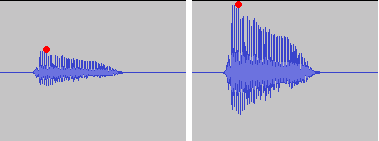
Peak normalization is the process of adjusting the peak amplitude of an audio recording to a certain level. The peak amplitude is the highest point in the audio signal, and it is measured in decibels (dB). The goal of peak normalization is to ensure that all audio files have the same peak amplitude, making them easier to listen to and preventing ear fatigue.

Peak normalization is typically used for digital audio files, such as MP3 and WAV files. These files are usually stored in a digital format that allows for easy manipulation of the audio data. However, peak normalization can also be applied to analog audio recordings, such as cassette tapes or vinyl records.

RMS Normalization

RMS normalization is the process of adjusting the root mean square (RMS) level of an audio recording to a certain level. The RMS level is a measure of the average power of an audio signal, and it is measured in decibels (dB). The goal of RMS normalization is to ensure that all audio files have the same RMS level, making them easier to listen to and preventing ear fatigue.

RMS normalization is typically used for digital audio files, such as MP3 and WAV files. However, it can also be applied to analog audio recordings, such as cassette tapes or vinyl records.

RMS normalization is often considered to be a more accurate method of normalizing audio than peak normalization because it takes into account the average power of the audio signal, rather than just the peak amplitude.

Loudness Normalization

Loudness normalization is the process of adjusting the loudness of an audio recording to a certain level. The loudness of an audio recording is measured in loudness units (LU). The goal of loudness normalization is to ensure that all audio files have the same loudness, making them easier to listen to and preventing ear fatigue.

Loudness normalization is typically used for broadcast audio, such as television and radio. Loudness normalization is required by many countries to ensure that the audio levels of all broadcast programs are consistent, making them easier to listen to and preventing ear fatigue.

Loudness normalization is often considered to be a more accurate method of normalizing audio than peak or RMS normalization because it takes into account the perceived loudness of the audio signal, rather than just the peak amplitude or RMS level.

Conclusion

Normalizing audio is an important process for ensuring that all audio files have a consistent volume, making them easier to listen to and preventing ear fatigue. There are several different types of audio normalization, including peak normalization, RMS normalization, and loudness normalization. Each method has its own advantages and disadvantages and is best suited for different types of audio.

When it comes to audio normalization, one solution that stands out is Mp4Gain. It is a software that allows you to normalize your audio files in a quick and efficient way. It can be used to normalize a single audio file or multiple files at once. It also supports a wide range of audio file formats, including MP3, WAV, and more. Furthermore, Mp4Gain is user-friendly and easy to navigate, making it a great option for both professional and casual users.

In conclusion, audio normalization is a crucial process for ensuring that all audio files have a consistent volume, making them easier to listen to and preventing ear fatigue. There are several different types of audio normalization, including peak normalization, RMS normalization, and loudness normalization. Each method has its own advantages and disadvantages and is best suited for different types of audio. Mp4Gain is a powerful and easy-to-use software that can help you normalize your audio files quickly and efficiently.

Normalize audio

Normalize audio

Normalize Audio

What does normalize audio mean?

Audio normalize

The volume of sound is measured in decibels and a video or a song, that is, the audio can have more or less volume.

On the one hand we have that the audio or video file already has a “quantity” or a volume gain. That is, there is an initial volume level.

On the other hand, we would have the volume that we would assign to the amplification of our audio player.

In this case, for audio normalization we will refer to the input volume level or gain.

What happens if an audio file has noticeably lower gain? Well, it will sound at a lower loudness unless we manually modify the volume knob, which is annoying and inconvenient.

That is why the idea is that the volume input gain is optimal. Without distortion, but at a good volume.

Mp4Gain is the best software to perform this function, it is not limited to mp3s and even performs it on video files. Additionally, it can be used as a converter since regardless of the format of the input file, we can choose the format we want the output file to have.

For example if our input file is an mp4 video, we can choose to get an mp3. Thus we will have extracted the music, we normalize it and we obtain only the audio in an mp3.

Mp4Gain has many very useful functions to improve the audio quality of your songs or videos.