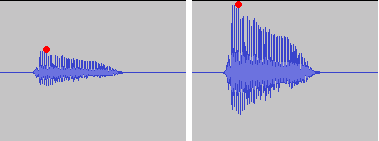
AVI Normalizer

AVI file normalization
AVI file normalization is a crucial process that ensures consistent audio and video quality in AVI format files. By applying normalization, the volume levels are adjusted, resulting in a balanced and optimized playback experience for AVI files.
How to normalize AVI files
If you want to normalize your AVI files, there are various methods available. You can use dedicated video editing software that offers normalization features or employ specialized audio tools to adjust the audio levels. Both options allow you to achieve a consistent volume across your AVI files.
Benefits of normalizing AVI files
Normalizing AVI files offers several benefits. Firstly, it ensures that the audio levels in your videos are balanced, eliminating any sudden volume changes that may occur during playback. Normalization also enhances the overall viewing experience by providing a consistent audio level, making it easier to understand dialogue and enjoy the accompanying soundtrack. Additionally, normalized AVI files are optimized for sharing and distribution, ensuring that your audience receives a consistent viewing experience.
Best practices for AVI normalization
When normalizing AVI files, it’s important to follow some best practices. Firstly, it’s recommended to work with a high-quality source file to ensure optimal results. Additionally, carefully monitor the audio levels during the normalization process to avoid introducing distortion or clipping. It’s also essential to preview the normalized files on different devices and playback environments to ensure they sound as intended.
Common misconceptions about AVI normalization
There are a few misconceptions surrounding AVI normalization that need clarification. One misconception is that normalization can fix all audio issues, such as background noise or audio artifacts. However, normalization primarily focuses on adjusting volume levels and does not address other audio quality problems. It’s important to note that excessive normalization can lead to a loss of dynamic range, so it’s crucial to apply normalization conservatively.
Preserving video quality during AVI normalization
During the AVI normalization process, it’s important to preserve the video quality as well. While the primary goal is to adjust the audio levels, any changes made to the video should not compromise its visual integrity. Choose a normalization method that maintains the original video resolution, frame rate, and other visual attributes to ensure a seamless viewing experience.
Future-proofing your AVI files with normalization
Normalization plays a significant role in future-proofing your AVI files. As technology advances and new playback devices emerge, normalized files ensure compatibility and consistent viewing experiences. By normalizing your AVI files, you can be confident that they will look and sound great on various platforms, both now and in the future.
Summary
AVI normalization is a crucial process that adjusts the audio levels in AVI files to ensure a consistent viewing experience. By normalizing your AVI files, you can eliminate volume inconsistencies and optimize the audio quality. Following best practices, such as using high-quality source files and monitoring the audio levels, is essential for successful normalization. Preserve the video quality during the process and future-proof your AVI files by embracing normalization. Enjoy a seamless viewing experience across different devices and platforms with properly normalized AVI files.