
Audio Equalizer
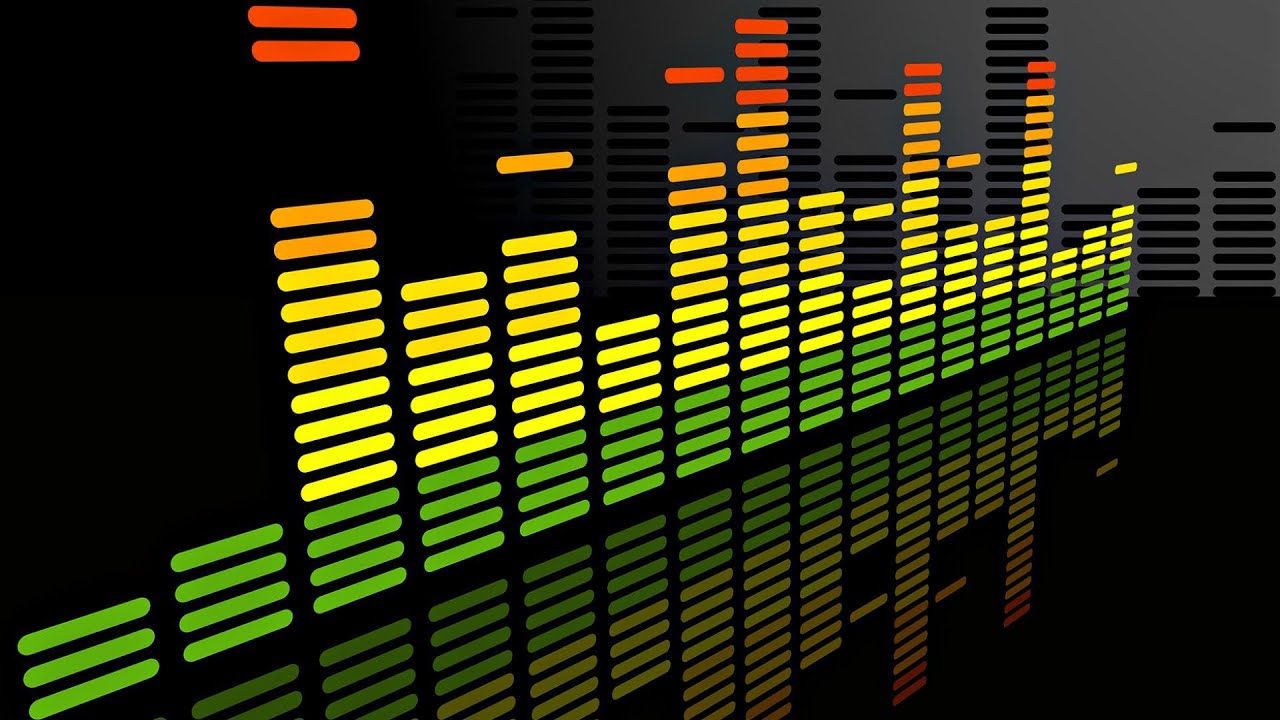
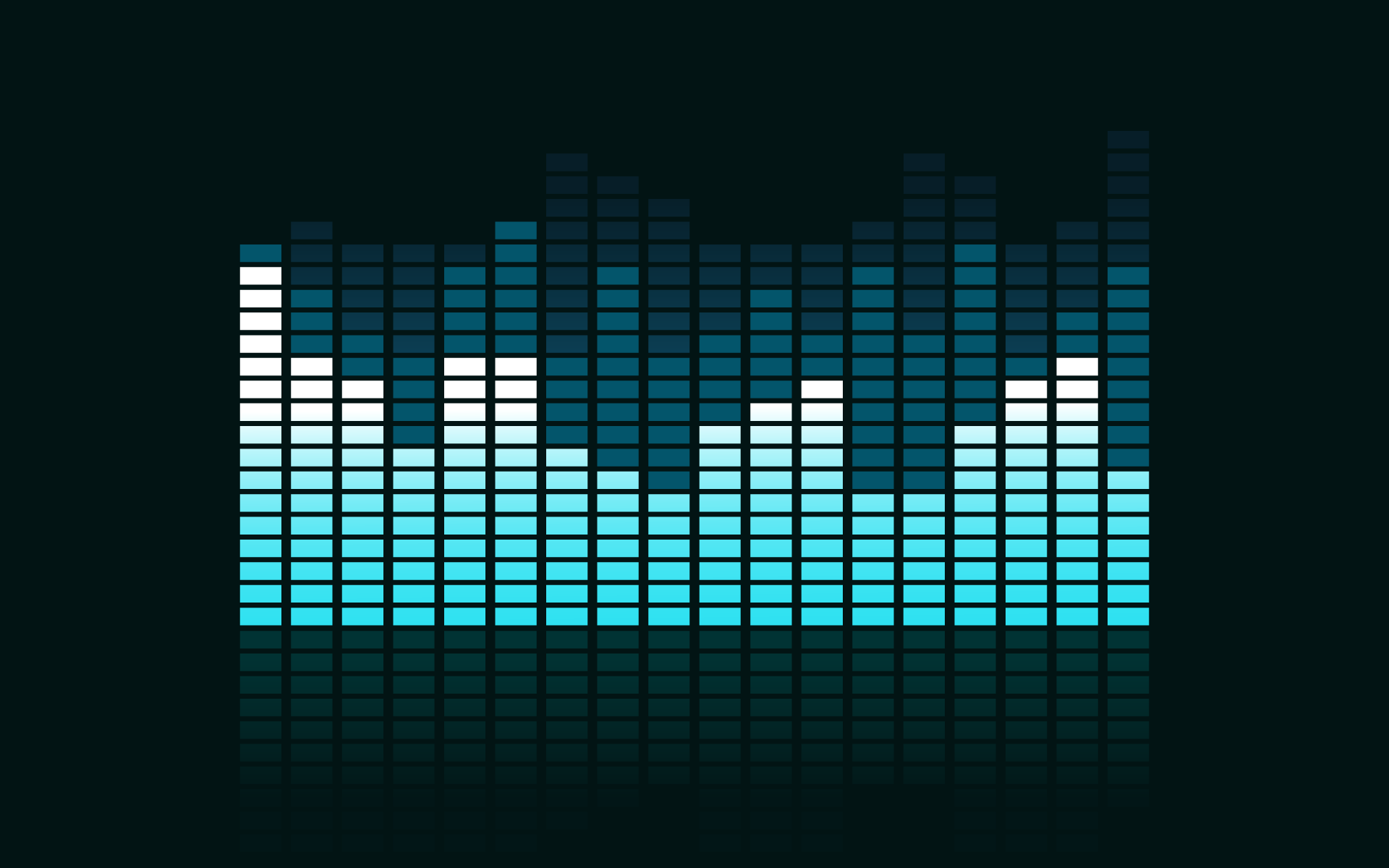
An audio equalizer works by adjusting the different frequencies of sound in a music or audio file. Frequencies are how we measure the pitch or tone of a sound, and they’re measured in Hertz (Hz). A low frequency, like the bass, is around 20-200 Hz, while a high frequency, like a cymbal crash or a bird chirping, is around 5,000-20,000 Hz.
Imagine you’re listening to a song and you notice that the bass isn’t as loud as you want it to be. You can use an equalizer to boost the bass frequency and make it louder. On an equalizer, you would turn up the knob that controls the bass frequency, usually located on the left side of the equalizer.
Similarly, if you notice that the high notes in a song are too piercing or bright, you can turn down the treble frequency, usually located on the right side of the equalizer. By adjusting the different frequencies, you can make the music sound more balanced and pleasant to your ears.
An audio equalizer can also have multiple bands or knobs for each frequency range. For example, a 10-band equalizer has 10 different knobs, each controlling a different frequency range. This gives you more precise control over the sound of the music.
Why Do People Use Audio Equalizers?
People use audio equalizers for different reasons. For example, if you’re listening to music in a noisy environment, like in a car or on a train, you might want to boost the mid-range frequencies, which are where most of the vocals and instruments are. This makes it easier to hear the music over the noise.
If you’re listening to music on headphones or a small speaker, you might want to boost the bass frequency to make it sound more powerful and full. Similarly, if you’re listening to classical music, you might want to boost the high frequencies to make the strings and woodwinds sound clearer and more detailed.
Finally, some people use audio equalizers to compensate for hearing loss. For example, if someone has trouble hearing high frequencies, they can boost those frequencies on an equalizer to make the music sound more balanced to them.
Conclusion
In summary, an audio equalizer is a tool that lets you adjust the different frequencies of sound in a music or audio file. You can use it to make the music sound more balanced, pleasant, and easier to hear in different environments. An equalizer works by adjusting the different frequency bands, which are measured in Hertz, and can have multiple knobs or bands for more precise control. If you need to adjust the volume levels of your audio files after equalizing them, you can use a program like mp4gain to do so.
The History of Equalizers
Equalizers have a long and interesting history, with the concept of adjusting audio frequencies dating back to the early days of telephony and radio communication. Here’s a closer look at the development of equalizers over the years:
Early Telephony and Radio Communication
In the late 1800s and early 1900s, telephony and radio communication were becoming more prevalent. As communication technology developed, it became clear that certain frequencies of audio were more easily transmitted and understood than others. As a result, early communication systems used filters to adjust the audio frequencies and improve clarity.
Early Recording and Playback
In the early 1900s, the first recording and playback devices were developed. However, these early devices were limited in their frequency response and did not provide a way to adjust audio frequencies. In the 1920s, the first equalizers were developed for use in theaters to improve the sound quality of motion pictures.
The Development of Graphic Equalizers
In the 1950s, graphic equalizers were developed. These devices allowed for more precise adjustment of audio frequencies by using a series of sliders to control specific frequency bands. Graphic equalizers were first used in the recording industry, allowing engineers to fine-tune the sound of recordings.
The Rise of Parametric Equalizers
In the 1970s, parametric equalizers were developed. These devices allowed for even more precise adjustment of audio frequencies by allowing engineers to control the center frequency, bandwidth, and level of each frequency band. Parametric equalizers became popular in recording studios and live sound systems.
Modern Digital Equalizers
With the rise of digital audio technology in the 1980s and 1990s, digital equalizers were developed. These devices allowed for even greater precision in adjusting audio frequencies and provided more flexibility in terms of signal routing and processing. Today, digital equalizers are widely used in recording studios, live sound systems, and consumer electronics.
Conclusion
Equalizers have come a long way since the early days of telephony and radio communication. Today, equalizers are essential tools for adjusting and enhancing the sound of music, movies, and other audio content. Whether you’re a recording engineer, a live sound engineer, or a music lover, understanding the history and development of equalizers can help you appreciate the technology and get the most out of your audio equipment. And remember, if you’re looking for an easy-to-use and effective equalizer tool, check out mp4gain!


