
How does compression affect sound dynamics?
Compression basics
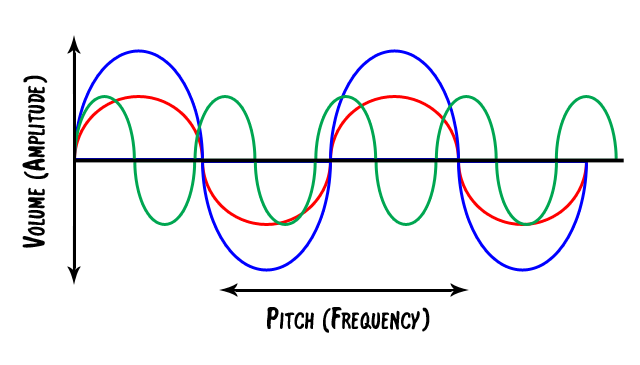
As someone who has been working in the audio industry for several years, I can tell you that compression is one of the most important tools in any audio engineer’s arsenal. Compression is the process of reducing the dynamic range of an audio signal, which means that the difference between the loudest and quietest parts of the signal is reduced. This can help to make an audio recording sound more consistent and polished.
There are several different types of compression that can be used in audio production, including analog compression, digital compression, and multiband compression. Each of these techniques has its own advantages and disadvantages, and the choice of which one to use will depend on the specific needs of the project.
Compression and sound quality
One of the most common questions that I get asked about compression is how it affects the overall sound quality of an audio recording. While compression can help to make a recording sound more polished, it can also have a negative impact on the sound quality if it is not used correctly.
One of the biggest problems with compression is that it can cause a loss of detail in the audio signal. This is because compression works by reducing the dynamic range of the signal, which means that some of the quieter parts of the signal can be lost in the process. This loss of detail can make an audio recording sound muffled or unclear.
However, when compression is used correctly, it can actually improve the overall sound quality of an audio recording. By reducing the dynamic range of the signal, compression can help to make the quieter parts of the recording more audible, which can help to bring out more detail and clarity in the sound.
Compression techniques
There are several different compression techniques that can be used in audio production, each of which has its own unique benefits and drawbacks. One of the most common compression techniques is peak compression, which is used to reduce the volume of the loudest parts of an audio signal.
Another popular compression technique is RMS compression, which is used to reduce the overall dynamic range of an audio signal. This can help to make an audio recording sound more consistent and polished, and can also help to bring out more detail in the quieter parts of the signal.
Conclusion
In conclusion, compression is an incredibly powerful tool in the world of audio production. When used correctly, compression can help to make an audio recording sound more polished and professional, and can also help to bring out more detail and clarity in the sound. However, it is important to use compression judiciously and to understand its limitations in order to avoid any negative impact on the sound quality of an audio recording.
If you are looking for a reliable and effective audio normalization and conversion software, I highly recommend MP4Gain. MP4Gain is a powerful software that can normalize and convert audio files in a variety of formats, and also includes a built-in equalizer for fine-tuning the sound of your recordings. Give it a try today and see the difference that it can make!

