Audio Oscillators


Free Download Mp4Gain
picture

Exploring the World of Audio Oscillators
Audio Oscillators
Audio Oscillators

When it comes to understanding the fascinating realm of audio electronics, audio oscillators play a pivotal role. These devices generate precise audio signals of varying frequencies, making them indispensable tools for testing, calibration, and sound production. In this article, I will delve into the world of audio oscillators, providing insights, examples, and expertise to help you grasp their significance and functionality.

Audio oscillators, at their core, are electronic instruments designed to produce audio waveforms with specific frequencies. These waveforms can vary from simple sine waves to more complex ones, like square or sawtooth waves. One common application of audio oscillators is in audio testing and measurement. For instance, when you need to check the frequency response of a speaker, you can use an audio oscillator to generate different frequencies and assess how the speaker responds. This is crucial for ensuring that audio equipment performs as expected.

Furthermore, audio oscillators are indispensable tools in music and sound production. Musicians and sound engineers use them to create specific tones and effects. For example, synthesizers often employ oscillators to produce the various sounds you hear in electronic music. These oscillators allow artists to manipulate waveforms to achieve the desired sonic textures. Now, let’s explore some of the questions you might have about audio oscillators.

How Do Audio Oscillators Work?

Audio oscillators function based on the principle of feedback loops. They contain components like amplifiers, capacitors, and resistors, all carefully configured to maintain a stable oscillation. At their core, oscillators generate a continuous output signal by feeding a portion of the signal back into the input, resulting in a continuous cycle of waveforms. The frequency of the output signal depends on the values of the components and can be adjusted using control knobs or digital settings.

Imagine a swing: when you give it a small push and keep pushing it at the right intervals, it swings back and forth steadily. Similarly, an audio oscillator maintains its output by continuously feeding back a portion of its signal, ensuring a consistent and predictable audio frequency.

Types of Audio Oscillators

Audio oscillators come in various types, each suited for specific applications. Here are a few common ones:

Analog Oscillators: These are traditional oscillators that use analog components like resistors, capacitors, and operational amplifiers. They are known for their warm and organic sound and are often favored in music production.

Digital Oscillators: These oscillators use digital signal processing to generate audio waveforms. They offer precise control and flexibility, making them ideal for synthesizers and digital audio workstations.

Function Generators: While not exclusively audio oscillators, function generators can produce a wide range of waveforms, including audio frequencies. They are versatile tools used in both audio testing and music production.

Low-Frequency Oscillators (LFOs): LFOs produce very low-frequency signals, typically below the audible range. They are crucial for modulating parameters in synthesis and creating dynamic audio effects.

Applications of Audio Oscillators

Audio oscillators find applications in various fields:

Audio Testing: Engineers use audio oscillators to measure the performance of audio equipment, ensuring accurate sound reproduction.

Music Production: Musicians and producers use oscillators to create unique sounds, from simple tones to complex textures.

Frequency Calibration: Oscillators are employed in scientific and industrial settings to calibrate equipment and maintain precise frequencies.

Waveform Analysis: Researchers and scientists use audio oscillators for waveform analysis and experimentation.

Last Words

In conclusion, audio oscillators are fascinating devices with a broad range of applications in audio engineering, music production, and scientific research. Whether you’re a musician looking to craft unique sounds or an engineer ensuring the quality of audio equipment, understanding the principles and types of audio oscillators is essential. I hope this article has provided valuable insights into this intriguing world of audio electronics.


Free Download Mp4Gain
picture


Mp4Gain Main Window
picture


Mp4Gain Features
picture


Free Download Mp4Gain
picture

Audio Spectrum

Exploring the Fascinating World of Audio Spectrum

Audio Spectrum
Audio Spectrum

Audio Spectrum – a captivating phenomenon in the realm of audio and sound. The mere mention of this term conjures up images of colorful, rhythmic displays that dance to the beat of our favorite songs. In this article, I’ll take you on a journey deep into the heart of the audio spectrum, unraveling its intricacies and shedding light on its real-world applications.

Understanding the Audio Spectrum

Audio Spectrum
Audio Spectrum

At its core, the audio spectrum represents the range of frequencies that can be heard by the human ear. Imagine it as a vast landscape where each frequency is a unique color, and together they form a breathtaking canvas of sound. The spectrum spans from the low rumble of a bass drum to the piercing highs of a soprano’s voice, covering the entire audible frequency range, typically from 20 Hz to 20,000 Hz.

Now, let’s delve into the questions that people often ask about the audio spectrum:

How is the Audio Spectrum Represented?

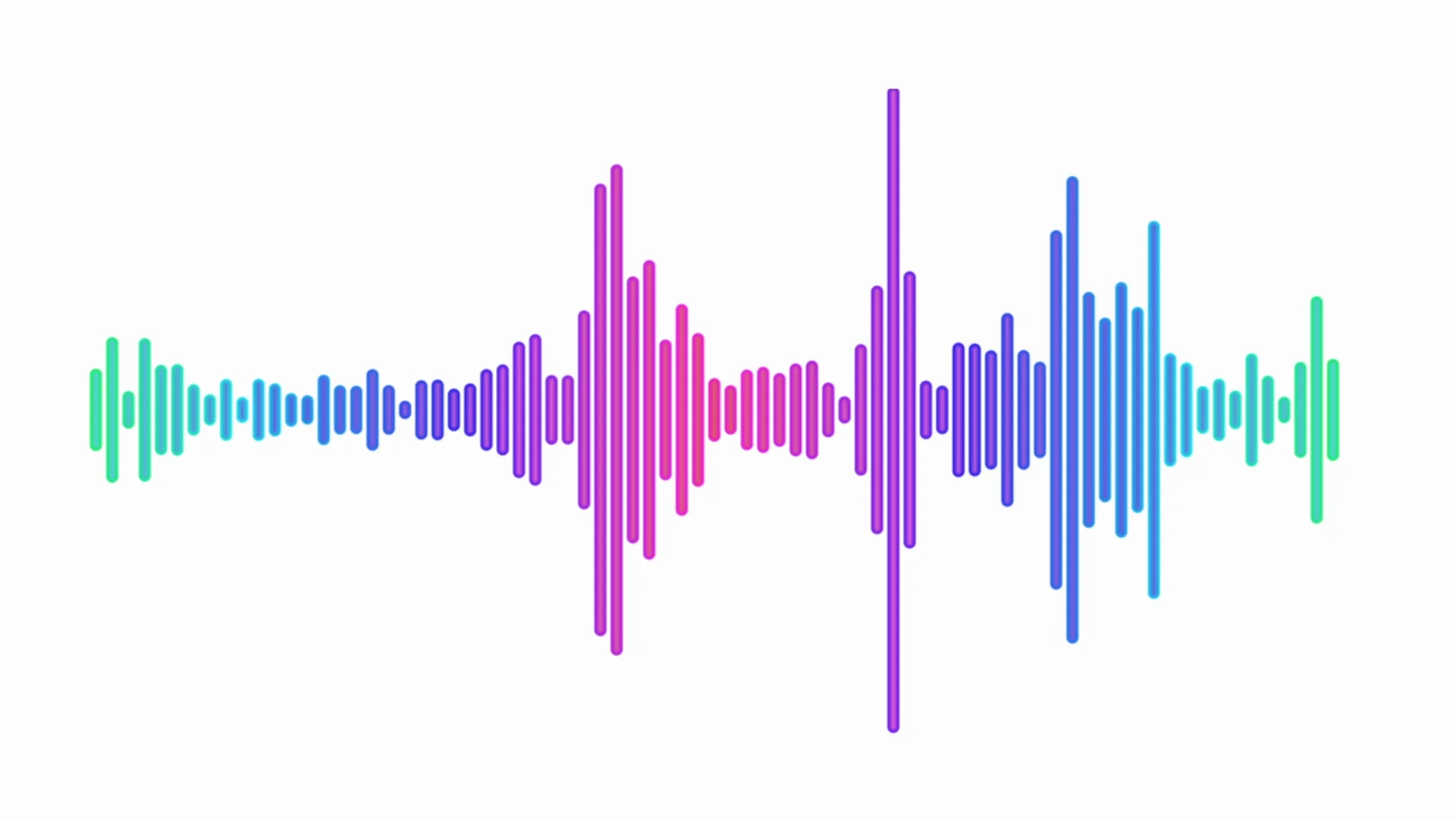
The audio spectrum is most commonly represented through spectrograms, waveforms, and frequency graphs. Spectrograms are like visual fingerprints of sound, displaying frequency on the vertical axis, time on the horizontal axis, and intensity through color variations. Waveforms provide a simple yet informative view, with time on the horizontal axis and amplitude on the vertical axis. Frequency graphs, on the other hand, show the amplitude of different frequencies over time. These representations are not only essential for audio analysis but also for creating mesmerizing audio visualizations in music players and software.

What’s the Connection Between Music and the Audio Spectrum?

Music and the audio spectrum share an inseparable bond. When you listen to your favorite songs, the different instruments and vocals occupy specific frequency ranges within the audio spectrum. For instance, the deep thump of a bass guitar resides in the lower frequencies, while the sparkle of a cymbal resides in the higher frequencies. Understanding this connection is crucial for audio engineers and musicians, as it allows them to fine-tune the balance and clarity of music during recording and mixing. It’s the magic that transforms a cacophony of sounds into a harmonious masterpiece.

How Does the Audio Spectrum Influence Real-World Applications?

The audio spectrum’s influence extends far beyond the realm of music. In telecommunications, the audio spectrum plays a vital role in encoding and transmitting human speech. In healthcare, it’s used in audiometry to assess hearing abilities and diagnose hearing impairments. Even in entertainment, audio spectrum analyzers are employed to create stunning visual effects that synchronize with music during concerts and festivals. These real-world applications underscore the importance of understanding and harnessing the power of the audio spectrum.

Frequency Analysis in Audio

Frequency analysis in audio is the process of breaking down sound into its constituent frequencies. This technique is invaluable for diagnosing and troubleshooting audio issues, such as identifying unwanted noise or optimizing the tonal balance of a recording.

Audio Visualization Techniques

Audio visualization techniques involve translating sound into captivating visual displays. These techniques are not only used in music players but also in immersive experiences like audio-driven art installations, where the audio spectrum becomes a canvas for creativity.

Harmonics and Overtones in Sound

Harmonics and overtones in sound are the additional frequencies that accompany the fundamental frequency of a musical note. Understanding these concepts is pivotal for musicians and audio engineers, as they influence the timbre and richness of musical instruments.

Sound Spectrum Analyzers

Sound spectrum analyzers are specialized tools used to visualize and analyze audio signals. They are indispensable in various fields, including acoustics, telecommunications, and the development of audio equipment.

Last Words

In the enchanting realm of audio, the spectrum reigns supreme, weaving its colorful tapestry of frequencies that shape the music we love and the technology that surrounds us. From the intricate details of frequency analysis to the captivating world of audio visualization, the audio spectrum continues to inspire creativity and innovation. As we navigate this sonic landscape, remember that the spectrum is not just a scientific concept; it’s the heartbeat of music and the foundation of our auditory experiences. Embrace its complexities, and you’ll uncover a world of endless possibilities.