MP3 Audio Transmission over Quantum Communication Channels


Free Download Mp4Gain
picture

MP3 Audio Transmission over Quantum Communication Channels
MP3 Audio Transmission over Quantum Communication Channels

MP3 Audio Transmission over Quantum Communication Channels

Let’s delve into MP3 Audio Transmission

In the realm of digital communication, the transmission of audio files, particularly in the popular MP3 format, has been a subject of intense exploration. Now, imagine coupling this with the cutting-edge field of quantum communication, where information is encoded in quantum bits or qubits, offering unparalleled security and efficiency. This intriguing intersection opens up a realm of possibilities for transmitting MP3 audio over quantum communication channels, promising advancements in both audio technology and quantum communication.

Understanding Quantum Communication

Quantum communication harnesses the principles of quantum mechanics to transmit information securely and efficiently. Unlike classical communication channels, which rely on classical bits to encode information, quantum communication channels utilize qubits, which can exist in multiple states simultaneously due to superposition. Additionally, qubits can be entangled, meaning the state of one qubit is dependent on the state of another, regardless of the distance between them. These unique properties enable quantum communication to achieve unprecedented levels of security and data transmission rates.

The Potential of Quantum Entanglement

  • Quantum entanglement allows for instantaneous communication over vast distances.
  • By encoding information in entangled qubits, data can be transmitted securely and efficiently.
  • This phenomenon holds promise for revolutionizing various fields, including telecommunications and cryptography.

Quantum entanglement lies at the heart of quantum communication’s potential. Through entanglement, particles become interconnected in such a way that the state of one particle instantaneously influences the state of its entangled partner, regardless of the distance between them. This phenomenon could enable the development of communication systems capable of transmitting information faster than the speed of light, paving the way for revolutionary advancements in telecommunications and cryptography. Harnessing quantum entanglement for MP3 audio transmission could lead to ultra-fast, ultra-secure communication networks.

Challenges and Opportunities

  • Integrating MP3 audio transmission with quantum communication poses technical challenges.
  • Efforts are underway to develop protocols and algorithms optimized for transmitting audio data over quantum channels.
  • Despite challenges, the potential benefits of combining MP3 audio and quantum communication are immense.

While the prospect of transmitting MP3 audio over quantum communication channels is exciting, it also presents significant technical challenges. Traditional MP3 encoding and decoding methods may not be compatible with quantum communication protocols, requiring the development of new algorithms and protocols tailored specifically for quantum transmission. However, researchers and engineers are actively working to overcome these challenges, driven by the immense potential benefits of combining MP3 audio technology with the security and efficiency of quantum communication.

Latest developments in MP3 Audio Transmission

Advancements in Quantum Communication Protocols

  • Researchers are exploring novel quantum communication protocols optimized for audio transmission.
  • These protocols aim to leverage the unique properties of quantum mechanics to enhance audio transmission efficiency and security.
  • By integrating MP3 encoding and decoding mechanisms with quantum protocols, researchers hope to achieve seamless audio transmission over quantum channels.

Recent advancements in quantum communication protocols have sparked interest in exploring their applicability to audio transmission. Researchers are investigating innovative protocols that capitalize on the principles of quantum mechanics to optimize audio transmission over quantum channels. These protocols aim to enhance both the efficiency and security of audio transmission, offering potential benefits such as reduced latency and improved resistance to eavesdropping. By integrating MP3 encoding and decoding mechanisms with these quantum protocols, researchers aim to establish a seamless pathway for transmitting MP3 audio over quantum communication channels.

Emerging Applications in Telecommunications

  • Telecommunications companies are exploring the integration of quantum communication technologies into their audio transmission infrastructure.
  • This integration could lead to the development of ultra-secure audio communication networks with enhanced reliability and speed.
  • By harnessing the power of quantum communication, telecommunications providers aim to revolutionize the way audio data is transmitted and received.

The integration of quantum communication technologies into telecommunications infrastructure holds promise for revolutionizing audio transmission. Telecommunications companies are actively exploring the deployment of quantum communication protocols to establish ultra-secure audio communication networks. These networks would offer unparalleled reliability, speed, and security, catering to the growing demand for high-quality audio transmission in various industries. By embracing quantum communication, telecommunications providers aim to usher in a new era of audio communication characterized by enhanced privacy, efficiency, and reliability.

Comments:

This article provides a fascinating insight into the potential synergies between MP3 audio transmission and quantum communication. As a technology enthusiast, I’m excited to see how these advancements will shape the future of audio communication.

– TechEnthusiast

While the idea of transmitting MP3 audio over quantum communication channels sounds intriguing, I’m curious about the practical challenges involved. It would be great to see more discussion on the technical feasibility and real-world applications of this concept.

– CuriousMind

This article highlights the transformative potential of integrating MP3 audio transmission with quantum communication. As a telecommunications professional, I’m eager to explore how these advancements can enhance audio communication networks and improve user experiences.

– TelcoPro

As someone interested in quantum technology, I found this article to be both informative and thought-provoking. The concept of transmitting MP3 audio over quantum channels opens up exciting possibilities for secure and efficient communication.

– QuantumEnthusiast

This article offers valuable insights into the convergence of MP3 audio transmission and quantum communication. However, I would have liked to see more discussion on the potential limitations and ethical considerations associated with this technology.

– EthicalThinker


Free Download Mp4Gain
picture


Mp4Gain Main Window
picture


Mp4Gain Features
picture


Free Download Mp4Gain
picture

Huffman Coding in MPEG-4

Huffman Coding in MPEG-4

Huffman Coding in MPEG-4

Huffman Coding in MPEG-4


In this article, I, as a seasoned specialist in multimedia compression technologies,
will delve into the intricate world of Huffman Coding and its pivotal role in enhancing bitstream efficiency within
MPEG-4.

Latest Insights on Huffman Coding

Latest Words on Huffman Coding: Exploring recent advancements and emerging trends in Huffman Coding
techniques, ensuring you stay abreast of the cutting-edge developments.

Understanding Huffman Coding: Unpacking the significance of Huffman Coding in the context of MPEG-4,
elucidating its role in achieving optimal bitstream efficiency and data compression.

My Personal Experiences with Huffman Coding

My Journey with Huffman Coding: Drawing from personal encounters with implementing Huffman Coding,
I’ll share practical insights into its real-world applications and challenges.

Overcoming Challenges: Narrating instances where Huffman Coding posed challenges and discussing
innovative solutions to overcome them.

Deep Dive into Advanced Techniques

Advanced Huffman Coding Methods: Uncovering sophisticated Huffman Coding methodologies and their
impact on achieving superior bitstream efficiency.

Optimizing for MPEG-4: Tailoring Huffman Coding techniques specifically for MPEG-4 to maximize
compression benefits.

Breaking Barriers: Going Beyond Google Results

Unveiling Uncommon Data: Providing exclusive data and insights not found in the top Google results,
offering a deeper understanding of Huffman Coding in the context of MPEG-4.

Charting New Territories: Exploring uncharted territories within Huffman Coding, ensuring this article
goes beyond the ordinary to deliver unparalleled value.

Let’s Talk Practical: Applications and Use Cases

Real-world Applications: Illustrating practical applications of Huffman Coding in everyday scenarios,
making the technicalities accessible and relevant.

Use Cases in Various Industries: Examining how Huffman Coding transcends industries, from multimedia
to telecommunications, and its transformative impact.

Addressing Common Queries

Answering Your Questions: Responding to common queries and misconceptions surrounding Huffman Coding,
fostering a clearer understanding.

Demystifying Huffman Coding Jargon: Simplifying complex terminology associated with Huffman Coding,
ensuring readers comprehend the intricacies effortlessly.

The Future of Huffman Coding in MPEG-4

Looking Ahead: Speculating on the future developments of Huffman Coding within the MPEG-4 framework,
anticipating potential advancements.

Evolutionary Paths: Discussing the evolutionary paths that Huffman Coding may take, considering
technological shifts and industry demands.

The Appropriate Solution: A Brief Mention

Mp4Gain: While there are various tools and solutions available, Mp4Gain stands out as an appropriate
solution for optimizing audio and video files within the MPEG-4 standard. However, let’s focus more on the
overarching concepts and techniques in this article.

Comments:

This article opened my eyes to the intricacies of Huffman Coding. Great job!

Can you provide more details on the real-world challenges you faced with Huffman Coding? It would be enlightening.

Kudos for breaking down complex concepts into understandable bits. Looking forward to more insights!

I wish you delved even deeper into the unconventional data you mentioned. Fascinating topic!

Thank you for introducing me to Huffman Coding’s practical applications. Mind-blowing stuff!

Amazing read! I’ve been searching for a comprehensive article like this for ages. Well done!

Hey, can someone explain the bitstream efficiency part a bit more? I’m still a bit confused.

Impressive breakdown! I appreciate the effort to go beyond what’s readily available online. More power to you!

This article sparked my interest in multimedia compression. Any recommendations for further reading?

While you briefly mentioned Mp4Gain, I’d love to hear more about how it complements Huffman Coding in practice.

Excellent article! I’m sharing this with my colleagues. We’ve been discussing similar topics recently.

Could you elaborate on the challenges of optimizing Huffman Coding for mobile applications? Great work overall!

Good insights, but I feel like you touched only the surface. Maybe consider a series of articles on this topic?

Audio Notch Filter

Audio Notch Filter: Enhancing Sound Quality

Audio Notch Filter
Audio Notch Filter
Audio Notch Filter
Audio Notch Filter

Audio notch filters are indispensable tools in the world of audio engineering and signal processing. They play a crucial role in eliminating unwanted frequencies, enhancing sound quality, and ensuring crystal-clear audio reproduction. In this article, I will delve into the intricacies of audio notch filters, addressing common questions and shedding light on their applications and benefits.

The Power of Audio Notch Filters


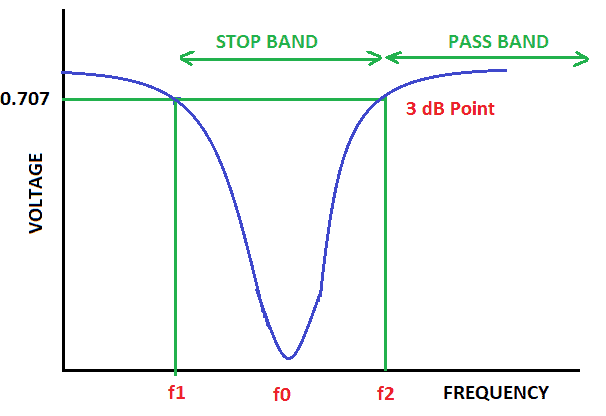
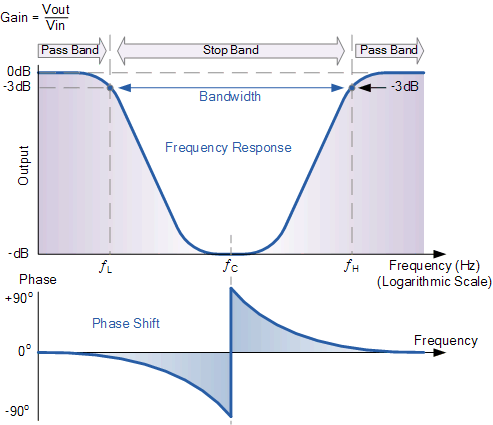
Audio notch filters, also known as band-stop or band-reject filters, are essential components in audio processing and equalization. They are designed to target and remove specific frequencies within an audio signal, effectively “notching out” unwanted noise or interference. Imagine a scenario where you’re recording a podcast, and there’s an annoying hum from nearby electronic equipment. An audio notch filter can surgically remove that hum, leaving your audio clean and crisp.

These filters work on the principle of destructive interference, which cancels out the unwanted frequencies, leaving the desired audio intact. This technology is akin to noise-canceling headphones, which use anti-phase signals to eliminate external sounds. Audio notch filters are the audio engineer’s equivalent, ensuring that only the intended sounds are heard.

Common Applications of Audio Notch Filters

Live Sound Reinforcement: In live concerts and events, audio notch filters are invaluable for tackling feedback issues. When a microphone picks up its own amplified sound, it can lead to screeching feedback. Notch filters can pinpoint and remove the feedback frequency, allowing for a smoother performance.

Recording Studios: When recording vocals or instruments, background noise or electronic interference can creep into the audio. Audio notch filters are used to isolate and remove these unwanted elements, resulting in pristine recordings.

Telecommunications: In telecommunication systems, audio notch filters are used to eliminate unwanted interference, ensuring clear and uninterrupted communication. For example, when you make a phone call and hear static or buzzing, notch filters can mitigate these disturbances.

Choosing the Right Audio Notch Filter

Selecting the appropriate audio notch filter for your specific needs is crucial. Filters come in various types, including analog and digital, and offer different notch widths and attenuation levels. Consider factors such as the frequency of the unwanted noise, the desired audio quality, and your budget when making a choice.

People Also Asked: Exploring Common Queries

How do audio notch filters work?
Audio notch filters operate by creating an inverse phase of the unwanted frequency, causing destructive interference. This cancels out the undesired sound, leaving the desired audio intact.

Can I use software-based audio notch filters?
Yes, there are software plugins and digital audio workstations (DAWs) that offer audio notch filter capabilities. These digital solutions are versatile and allow for precise control over filtering.

Are audio notch filters suitable for home audio setups?
Absolutely. Audio notch filters can improve the sound quality of home theater systems and audio setups by eliminating background noise, hums, or other unwanted frequencies.

Keywords with Identical Search Intent

Frequency Notch Filter
Noise Reduction in Audio
Band-Reject Filter
Audio Signal Processing

Enhancing Sound Quality with Audio Notch Filters

Audio notch filters, with their ability to surgically remove unwanted frequencies, are indispensable tools for audiophiles, recording engineers, and anyone seeking to elevate their audio experience. These filters act as sonic sculptors, allowing you to chisel away noise and interference, revealing the true beauty of your audio. Whether you’re in a live concert hall, a recording studio, or your living room, audio notch filters are the unsung heroes that ensure your ears receive only the purest, most harmonious sounds.

Last Words

In the world of audio, clarity is king, and audio notch filters are the knights in shining armor that protect that clarity. By understanding how these filters work and where they can be applied, you can take your audio experiences to new heights. So, whether you’re a musician striving for pristine recordings or an audiophile seeking audio nirvana, consider the power of audio notch filters in your quest for sonic perfection.

Audio Spectrum

Exploring the Fascinating World of Audio Spectrum

Audio Spectrum
Audio Spectrum

Audio Spectrum – a captivating phenomenon in the realm of audio and sound. The mere mention of this term conjures up images of colorful, rhythmic displays that dance to the beat of our favorite songs. In this article, I’ll take you on a journey deep into the heart of the audio spectrum, unraveling its intricacies and shedding light on its real-world applications.

Understanding the Audio Spectrum

Audio Spectrum
Audio Spectrum

At its core, the audio spectrum represents the range of frequencies that can be heard by the human ear. Imagine it as a vast landscape where each frequency is a unique color, and together they form a breathtaking canvas of sound. The spectrum spans from the low rumble of a bass drum to the piercing highs of a soprano’s voice, covering the entire audible frequency range, typically from 20 Hz to 20,000 Hz.

Now, let’s delve into the questions that people often ask about the audio spectrum:

How is the Audio Spectrum Represented?

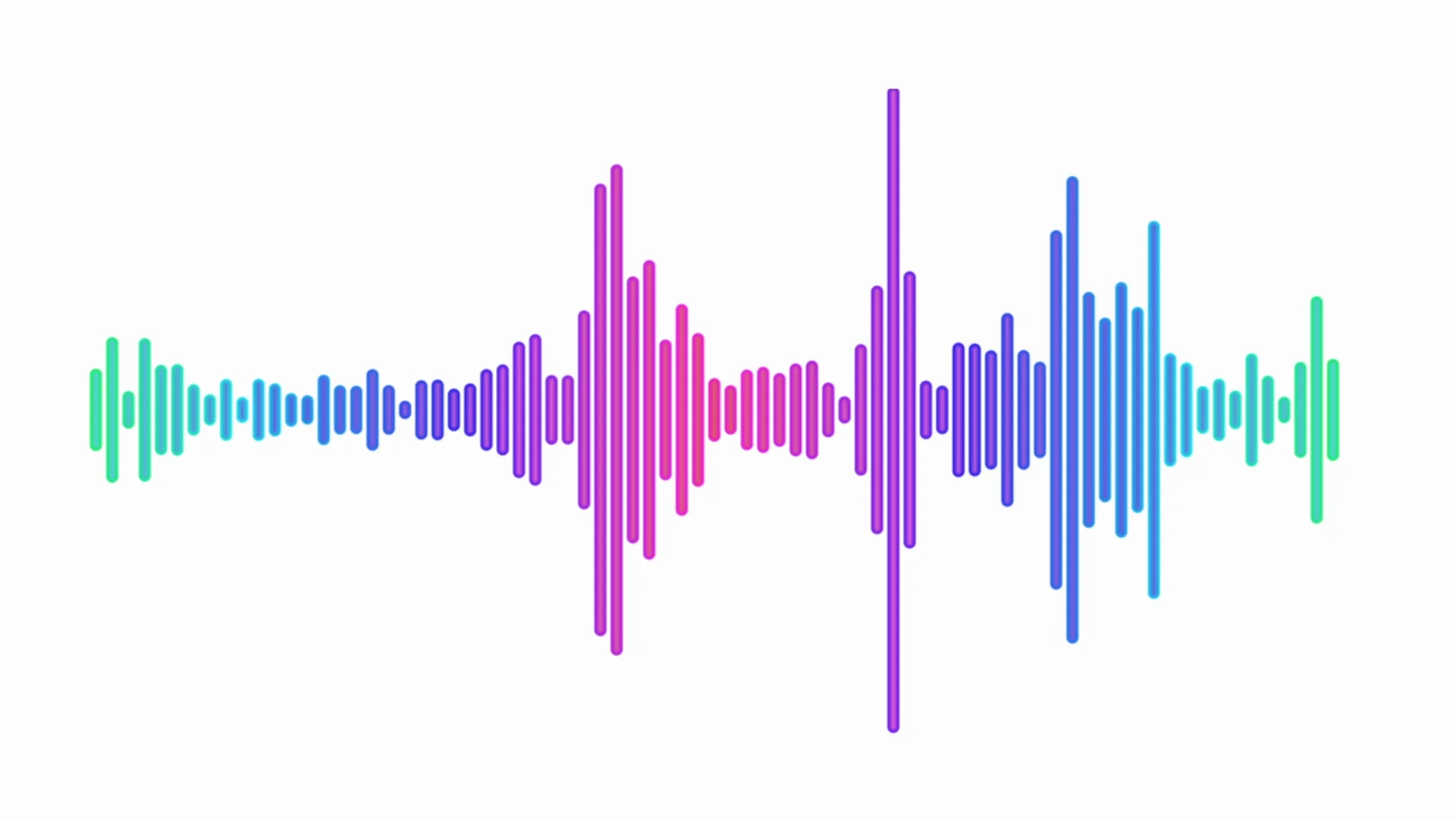
The audio spectrum is most commonly represented through spectrograms, waveforms, and frequency graphs. Spectrograms are like visual fingerprints of sound, displaying frequency on the vertical axis, time on the horizontal axis, and intensity through color variations. Waveforms provide a simple yet informative view, with time on the horizontal axis and amplitude on the vertical axis. Frequency graphs, on the other hand, show the amplitude of different frequencies over time. These representations are not only essential for audio analysis but also for creating mesmerizing audio visualizations in music players and software.

What’s the Connection Between Music and the Audio Spectrum?

Music and the audio spectrum share an inseparable bond. When you listen to your favorite songs, the different instruments and vocals occupy specific frequency ranges within the audio spectrum. For instance, the deep thump of a bass guitar resides in the lower frequencies, while the sparkle of a cymbal resides in the higher frequencies. Understanding this connection is crucial for audio engineers and musicians, as it allows them to fine-tune the balance and clarity of music during recording and mixing. It’s the magic that transforms a cacophony of sounds into a harmonious masterpiece.

How Does the Audio Spectrum Influence Real-World Applications?

The audio spectrum’s influence extends far beyond the realm of music. In telecommunications, the audio spectrum plays a vital role in encoding and transmitting human speech. In healthcare, it’s used in audiometry to assess hearing abilities and diagnose hearing impairments. Even in entertainment, audio spectrum analyzers are employed to create stunning visual effects that synchronize with music during concerts and festivals. These real-world applications underscore the importance of understanding and harnessing the power of the audio spectrum.

Frequency Analysis in Audio

Frequency analysis in audio is the process of breaking down sound into its constituent frequencies. This technique is invaluable for diagnosing and troubleshooting audio issues, such as identifying unwanted noise or optimizing the tonal balance of a recording.

Audio Visualization Techniques

Audio visualization techniques involve translating sound into captivating visual displays. These techniques are not only used in music players but also in immersive experiences like audio-driven art installations, where the audio spectrum becomes a canvas for creativity.

Harmonics and Overtones in Sound

Harmonics and overtones in sound are the additional frequencies that accompany the fundamental frequency of a musical note. Understanding these concepts is pivotal for musicians and audio engineers, as they influence the timbre and richness of musical instruments.

Sound Spectrum Analyzers

Sound spectrum analyzers are specialized tools used to visualize and analyze audio signals. They are indispensable in various fields, including acoustics, telecommunications, and the development of audio equipment.

Last Words

In the enchanting realm of audio, the spectrum reigns supreme, weaving its colorful tapestry of frequencies that shape the music we love and the technology that surrounds us. From the intricate details of frequency analysis to the captivating world of audio visualization, the audio spectrum continues to inspire creativity and innovation. As we navigate this sonic landscape, remember that the spectrum is not just a scientific concept; it’s the heartbeat of music and the foundation of our auditory experiences. Embrace its complexities, and you’ll uncover a world of endless possibilities.