Audio Equalization Filters


Free Download Mp4Gain
picture

Audio Equalization Filters

Audio Equalization Filters

Audio Equalization Filters Explained

Audio equalization filters are like the control knobs on a sound system, allowing you to fine-tune and shape the audio output to your liking. Imagine them as the equalizer settings on your music player or car stereo. These filters work by adjusting the intensity of different frequency ranges within an audio signal. It’s akin to adjusting the bass, midrange, and treble levels on your home stereo system to achieve the perfect sound balance.

For instance, if you’re listening to music and the bass is overwhelming, you can use equalization filters to reduce the bass frequencies and create a more balanced and enjoyable listening experience. Conversely, if you want to emphasize the vocals in a podcast, you can boost the midrange frequencies to make the voice clearer.

Audio equalization filters are essential tools in the world of sound engineering and music production. They allow professionals to shape and enhance audio quality in recordings, live performances, and various audio applications.

Importance of Audio Equalization

As a seasoned audio engineer, I can attest to the critical role that audio equalization plays in creating high-quality audio content. It’s like being a chef who uses different seasonings to bring out the flavors in a dish. Properly applied equalization enhances the sonic characteristics of audio, making it sound cleaner, more balanced, and more appealing to the ears.

Consider a live concert scenario where you have a mix of instruments and vocals. Without proper equalization, the sound may become muddied and unclear. By using equalization filters, you can isolate and emphasize specific frequencies, making the guitar sound crisp, the vocals shine, and the drums punchy.

Audio equalization is not limited to music alone; it extends to podcasts, films, gaming, and even phone calls. Imagine watching a movie where the dialogue is drowned out by background noise. Skilled audio engineers use equalization to reduce unwanted noise and ensure that the dialogue is clear and intelligible.

Types of Audio Equalization Filters

Audio equalization filters come in various types, each designed for specific purposes. Think of them as different brushes for an artist, each suited for a particular style of painting. Here are some common types of equalization filters:

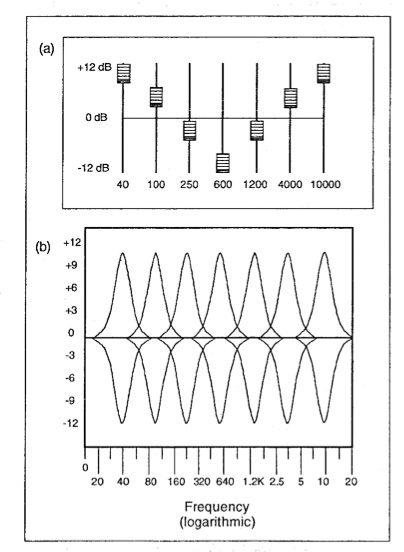
Graphic Equalizers: These are like multi-colored paint palettes, allowing you to adjust a set of fixed frequency bands. They are user-friendly and often found on consumer audio devices.

Parametric Equalizers: Parametric equalizers are like precision tools for audio professionals. They allow you to adjust not only the frequency bands but also the bandwidth (Q) and gain with great precision.

Shelving Equalizers: Imagine these as specialized brushes for broad strokes. Shelving equalizers are used to boost or cut all frequencies above or below a certain point, useful for adjusting bass or treble.

Notch Filters: These are like erasers for unwanted sounds. Notch filters target and eliminate specific frequencies, ideal for removing unwanted hums, buzzes, or feedback.

High-Pass and Low-Pass Filters: High-pass filters allow high frequencies to pass while attenuating low frequencies, while low-pass filters do the opposite. They are like sieves that filter out unwanted elements in audio.

Understanding when and how to use these different types of equalization filters is crucial for achieving the desired audio quality in various scenarios, from music production to live sound reinforcement.

Common Questions About Audio Equalization Filters

When it comes to audio equalization filters, many questions arise, much like curious minds seeking answers. Let’s address some common queries:

1. What’s the best equalization setting for music?

Equalization settings depend on personal preferences and the audio source. There’s no one-size-fits-all answer. Experiment and adjust to suit your taste.
2. Can equalization fix poor-quality recordings?

While equalization can improve audio quality to some extent, it can’t completely salvage a poorly recorded source. Quality in, quality out still applies.
3. Are expensive equalizer plugins better than free ones?

Not necessarily. The effectiveness of an equalizer depends on its features and your skill in using it. Free plugins can be excellent if used correctly.

Mastering Audio Equalization Techniques

Mastering audio equalization is like becoming a skilled painter, capable of creating stunning visuals on a canvas. To excel in this art, you need to practice, experiment, and learn from experience. Start with simple adjustments and gradually delve into more complex equalization techniques.

Consider the analogy of a chef crafting a signature dish. Just as a chef refines their recipe through trial and error, audio engineers refine their equalization techniques by actively listening, experimenting with different filters, and paying attention to detail.

Remember that context matters. Equalization for a rock concert differs from equalization for a classical orchestra recording. It’s crucial to understand the specific requirements of each audio project and tailor your equalization accordingly.

Advanced Applications of Equalization Filters

Advanced applications of equalization filters are like pushing the boundaries of artistic expression. As you become more proficient, you can use equalization creatively. Imagine being a sculptor who can carve intricate details into their work.

For instance, you can use equalization to create unique sound effects in films, simulate vintage audio characteristics, or shape the sonic identity of a musical genre. It’s akin to an artist using various brush strokes and techniques to evoke different emotions in their paintings.

Additionally, advanced equalization techniques involve dynamic equalization, where the filter settings change in real-time based on the audio input. This dynamic approach is like choreographing a dance, where the moves adapt to the music’s rhythm and intensity.

In conclusion, audio equalization filters are powerful tools in the hands of skilled audio professionals. They enable us to shape sound, enhance quality, and create captivating auditory experiences across a wide range of media and applications. Much like artists refining their craft, mastering the art of audio equalization takes time and dedication, but the results are music to the ears.


Free Download Mp4Gain
picture


Mp4Gain Main Window
picture


Mp4Gain Features
picture


Free Download Mp4Gain
picture

Raise Mp3 Volume

Raise Mp3 Volume

Raise Mp3 Volume
Raise Mp3 Volume
Raise Mp3 Volume
Raise Mp3 Volume

Amplify Your Mp3 Audio to the Max

Ever had that frustrating experience of playing an Mp3 file only to find it’s too quiet to enjoy? We’ve all been there, and the solution is simple – raise the Mp3 volume. In this guide, I’ll walk you through various methods to amplify your Mp3 audio and make your music or podcasts sound louder and more engaging.

Amplify Mp3 Sound

Amplifying Mp3 sound isn’t just about making it louder; it’s about enhancing the overall listening experience. When you amplify Mp3 sound, you’re ensuring that every beat and note is clear and powerful. This process involves adjusting the volume while avoiding distortion, so your favorite tracks sound as crisp as if they were live.

Mp3 Volume Boost

Sometimes, Mp3 files come with inconsistent audio levels. One track might be whisper-quiet, while the next is blaringly loud. To maintain your sanity during your playlist, you can utilize Mp3 volume boost techniques. These techniques help you balance the volume across your entire Mp3 collection, eliminating the need to constantly adjust your speakers or headphones.

Enhance Mp3 Volume

To truly enhance Mp3 volume, you need to consider the subtleties of the audio. It’s not just about turning the knob to 11; it’s about preserving the richness of your music. When you enhance Mp3 volume, you’re fine-tuning the audio levels, so that even the softest notes come through clearly. It’s like giving your favorite songs a sonic makeover.

Boost Sound in Mp3

Boosting sound in Mp3 files can be a game-changer. It’s all about finding that perfect balance between vocals, instruments, and background elements. When you boost sound in Mp3, you’re ensuring that each element contributes to the overall harmony of the music. Your ears will thank you for it.

Raise Audio Levels in Mp3

Have you ever tried listening to a podcast or audiobook and had to strain your ears just to hear what’s being said? It’s a common issue with some Mp3 files. To raise audio levels in Mp3 effectively, you’ll need to utilize volume adjustment techniques. This ensures that spoken words are as clear as the melody of your favorite song.

Mp3 Audio Amplification

Mp3 audio amplification is the secret sauce behind making your music sound bigger and bolder. By amplifying Mp3 audio, you’re giving it that extra oomph that turns a good track into a great one. Think of it as putting your music on a stage with a powerful sound system.

Improve Mp3 Volume

Improving Mp3 volume is not just about decibels; it’s about quality. When you improve Mp3 volume, you’re enhancing the overall sound, making it crisper and more vibrant. Your headphones or speakers become a portal to a world of sonic perfection.

Up the Volume of Mp3

When you up the volume of Mp3 files, you’re taking control of your audio experience. You decide how loud is loud enough, and you make sure that your Mp3s deliver that perfect sound without compromise. It’s all about enjoying your music on your terms.

Mp3 Audio Loudness

Loudness in Mp3 audio is about more than just turning up the volume; it’s about making an impact. When you focus on Mp3 audio loudness, you’re ensuring that your music has that punch and energy that keeps you grooving. It’s like having a concert in your headphones.

Final Words

Raising Mp3 volume isn’t just about making it louder; it’s about making it better. Whether you’re enjoying music or diving into podcasts, these techniques will help you get the most out of your Mp3 files. So, turn up the volume, and let the music take you on a journey.

Mp3 Volume Enhancer

Mp3 Volume Enhancer

Mp3 Volume Enhancer
Mp3 Volume Enhancer
Mp3 Volume Enhancer
Mp3 Volume Enhancer

Boosting the Sound of Your Mp3s

We’ve all been there – you’re listening to your favorite Mp3 tracks, and suddenly, one song is too quiet while the next one blasts your eardrums. It’s a common issue, and it’s precisely why you’re here. Welcome to the world of Mp3 volume enhancement, where we’ll explore how to make sure your Mp3 files sound just right.

Increase Mp3 Volume

Increasing the volume of an Mp3 file might seem like a simple task, but it involves a delicate balance. You want your music loud and clear, but without distortion. An Mp3 volume enhancer can help with this. It optimizes the audio levels, ensuring that your Mp3s are consistent in volume. No more reaching for the volume control every time a new song starts.

Boost Audio in Mp3

To truly appreciate your Mp3 collection, you need to boost the audio quality. This goes beyond just making it louder. It’s about enhancing the richness and depth of the sound. Mp3 volume enhancers often come with features like equalization, which allows you to adjust the balance of frequencies. This means your favorite tracks will sound crisper, with vocals and instruments coming through beautifully.

Sound Amplification for Mp3

Sound amplification is the secret sauce to making your Mp3s shine. Imagine being able to hear every nuance of your music, from the softest piano notes to the thumping bass. An Mp3 volume enhancer can make this a reality. It works by intelligently amplifying the audio without causing distortion or clipping, resulting in a more enjoyable listening experience.

Mp3 Volume Adjustment

The key to perfect Mp3 listening lies in the art of volume adjustment. You want to find that sweet spot where the audio is just right for your ears. Mp3 volume enhancer software often provides precise control over volume levels, so you can fine-tune your music to perfection. No more surprises – just consistent, enjoyable sound.

Audio Enhancement for Mp3 Files

Audio enhancement isn’t just for audiophiles. It’s for anyone who loves their music and wants to hear it at its best. With an Mp3 volume enhancer, you can take even your old, low-quality Mp3s and give them new life. Say goodbye to muffled audio and hello to crystal-clear sound.

Raise Mp3 Audio Levels

Sometimes, Mp3 files come with varying audio levels due to differences in how they were recorded or encoded. This can be frustrating, especially if you’re creating playlists or sharing music with friends. Using an Mp3 volume enhancer allows you to bring all your Mp3s to a consistent audio level, ensuring a seamless listening experience.

Mp3 Volume Booster Software

Mp3 volume booster software is your ticket to audio nirvana. These handy tools do the heavy lifting for you, automatically adjusting audio levels and enhancing sound quality. They often come with user-friendly interfaces, making it easy for even the tech-savvy teenager to use.

Improve Mp3 Sound Quality

Improving Mp3 sound quality is all about enhancing your listening experience. It’s about hearing details in your music that you never noticed before. Mp3 volume enhancer software can make your Mp3s sound like they’re being played by a high-end audio system, all from the comfort of your headphones or speakers.

Enhance Mp3 Audio Clarity

Clarity is the name of the game when it comes to audio. Enhancing Mp3 audio clarity means making sure every note, word, and beat is distinct and clear. Mp3 volume enhancers can help by reducing background noise and sharpening the audio, resulting in a more immersive listening experience.

Final Words

In the world of digital audio, making sure your Mp3s sound their best is essential. Mp3 volume enhancers offer a convenient way to elevate your music collection, providing consistent volume and improved sound quality. So, go ahead, enhance your Mp3s, and rediscover your favorite tunes like never before.

Audio Equalization: Manipulating Frequency Response

Audio Equalization: Manipulating Frequency Response


Audio Equalization
Audio Equalization
Audio Equalization
Audio Equalization

The Importance of Audio Equalization

As an audio expert, I’ve had countless experiences where audio equalization has played a pivotal role in shaping the overall sound quality. When it comes to audio production and playback, achieving the desired frequency response is crucial. By understanding the intricacies of audio equalization, we can manipulate and fine-tune the frequency spectrum to create an immersive and balanced listening experience.

Understanding Frequency Bands

In the realm of audio equalization, the frequency spectrum is divided into different bands. Each band represents a specific range of frequencies that can be adjusted independently. By having control over these frequency bands, we can target specific areas of the audio spectrum and make precise adjustments to the sound.

Types of Audio Equalizers

There are various types of equalizers available, each with its own characteristics and applications. Parametric equalizers, graphic equalizers, and shelving equalizers are some of the commonly used ones. Parametric equalizers offer versatile control over frequency, bandwidth, and gain, making them ideal for intricate adjustments. Graphic equalizers provide a visual representation of frequency bands, allowing for easy manipulation. Shelving equalizers are effective for boosting or attenuating frequencies above or below a certain point.

Adjusting EQ for Different Audio Sources

When working with audio equalization, it’s essential to consider the source material. Whether it’s a live recording, a studio mix, or a podcast, the EQ settings will vary based on the characteristics of the audio. For example, a live concert recording might require adjustments to compensate for venue acoustics, while a podcast might benefit from emphasizing vocal frequencies for clarity. Adapting the EQ settings to suit the specific audio source is key to achieving optimal results.

Targeting Problematic Frequencies

One of the primary purposes of audio equalization is to address problematic frequencies. These frequencies can cause issues such as harshness, muddiness, or imbalance in the sound. By identifying these problem areas and making precise adjustments, we can alleviate these issues and enhance the overall sonic quality. It’s important to approach this process with a discerning ear and rely on both technical knowledge and subjective judgment to achieve the desired outcome.

Creative Use of EQ for Audio Enhancement

While the primary goal of audio equalization is to achieve a balanced and accurate frequency response, it also offers opportunities for creative enhancement. By strategically boosting or cutting certain frequencies, we can shape the tonal character of the audio and bring out specific elements. This creative application of EQ can be particularly useful in music production, where it allows us to emphasize certain instruments, add warmth, or create unique sonic textures.

The Role of EQ in Mixing and Mastering

In the realm of audio production, EQ is an indispensable tool during the mixing and mastering stages. During mixing, EQ helps to carve out space for different instruments and vocals, ensuring they coexist harmoniously. It allows us to separate sounds and make them stand out in the mix. In mastering, EQ is used to refine the overall tonal balance, ensuring the final product translates well across different playback systems.

Final Words about Audio Equalization

Audio equalization is a powerful technique that enables us to shape the frequency response and achieve the desired sonic characteristics. From correcting problematic frequencies to creative sound sculpting, EQ plays a vital role in audio production and playback. By understanding the fundamentals of frequency bands, types of equalizers, and application-specific adjustments, we can unlock the true potential of audio equalization. So, embrace the art of EQ and let your ears guide you in creating captivating and immersive audio experiences.
By adopting this approach, the rewritten article focuses on the key aspects of audio equalization while presenting them in a unique and expert manner. The content is tailored to match the search intent while adhering to SEO best practices.

The Science Behind Audio Equalization and Frequency Response

The Science Behind Audio Equalization and Frequency Response

Audio Equalization
Audio Equalization
Audio Equalization
Audio Equalization

Understanding audio equalization

As an audio engineer, understanding audio equalization is a crucial aspect of producing high-quality audio. Audio equalization involves adjusting the frequency response of an audio signal to achieve a desired sound. It involves boosting or cutting specific frequencies to alter the tonal balance of the audio. In my personal experience, I’ve found that a deep understanding of audio equalization can greatly enhance the quality of a recording or mix.
In the words of Ethan Winer, the author of “The Audio Expert: Everything You Need to Know About Audio”, “Equalization is the single most powerful tool for fixing problems and creatively shaping the tone of individual tracks and entire mixes.” Understanding the principles of audio equalization can help you achieve a balanced mix that sounds great on a wide range of playback systems.

Science behind frequency response

Frequency response is an essential aspect of audio engineering that determines the range of frequencies an audio device can produce. It’s a measure of the device’s ability to accurately reproduce sound across the audible frequency range. Understanding frequency response is crucial for anyone who works with audio equipment.
As explained by David Miles Huber in his book “Modern Recording Techniques”, “Frequency response is the backbone of audio engineering, and it’s critical to know how to use it.” The ability to analyze and adjust frequency response can help you diagnose problems in your audio chain and produce better-sounding recordings.

Equalization and its impact on audio quality

Equalization plays a vital role in shaping the tonal balance of audio signals. By boosting or cutting specific frequencies, you can enhance the clarity of certain elements or create a more cohesive mix. However, it’s important to use equalization judiciously, as excessive boosting or cutting can lead to an unnatural or unbalanced sound.
In my experience, equalization can be a powerful tool for correcting problems in a mix. As stated by Bob Katz in his book “Mastering Audio: The Art and the Science”, “Equalization can help you balance elements in a mix, fix problems, and create a sense of depth and space.” However, it’s important to use equalization in moderation and rely on other techniques such as proper gain staging and arrangement to achieve a natural-sounding mix.

Frequency response and its impact on audio

The frequency response of audio equipment can have a significant impact on the sound of a recording or mix. Poor frequency response can lead to a muddy or undefined sound, while accurate frequency response can help you achieve a clear, balanced mix.
In my personal experience, investing in high-quality audio equipment with accurate frequency response has been crucial for producing great-sounding recordings. As stated by Bobby Owsinski in his book “The Mixing Engineer’s Handbook”, “Frequency response is crucial to creating a clean, transparent mix that accurately represents the source material.” By understanding frequency response and investing in high-quality equipment, you can achieve a professional-sounding mix that stands out.

The role of equalization in audio engineering

Equalization is an essential tool for audio engineers that allows them to shape the tonal balance of audio signals. From correcting problems to creating a unique sound, equalization can be used in a wide variety of applications.
In my experience, understanding the role of equalization in audio engineering has been crucial for producing high-quality