How MP3 Bitrates Affect Audio Quality and File Size


Free Download Mp4Gain
picture

How MP3 Bitrates Affect Audio Quality and File Size
How MP3 Bitrates Affect Audio Quality and File Size

As an audio encoding specialist, I’ve spent countless hours experimenting with different MP3 bitrates. MP3 bitrates affect audio quality and file size significantly. Different bitrates provide different balances. Choosing the right MP3 bitrate is key. Getting this balance right is what I have strived for throughout my years of experience.

Let’s talk about How MP3 Bitrates Affect Audio Quality and File Size

The issue of how MP3 bitrates affect audio quality and file size is a key piece to be understood for audiophiles. Think of it like squeezing an orange. The higher the bitrate, the more information gets retained. I will guide you through the intricacies of MP3 encoding. My experience can help you understand. I’ll break down the relationship between these key factors. I will make this easy and understandable. My goal is to equip you with the knowledge to make informed decisions about your audio files. That way you will know how you are sacrificing some quality if you have small storage space.

Understanding MP3 Encoding

Understanding MP3 encoding is important for music production. It’s a form of audio compression that reduces the file size of music. Think of it like zipping a file on your computer. MP3 encoding does not reduce everything. Understanding this process is essential for achieving the desired balance between audio quality and file size. Here, I’ll give a broad explanation.

What is MP3?

  • MP3 is a lossy audio compression format.
  • It reduces file size by removing certain audio data.
  • It’s a widely compatible format.

As an audio specialist, I’ve seen firsthand the impact that MP3 encoding has had on the music industry. MP3 allowed music to be easily shared. It was a huge benefit for the music industry. Without MP3, it would have been difficult for artists to distribute their music. It has to be said that MP3 is a game changer for many. It became the most used audio format, so everyone understands and uses this format. It became known as the way you listen to music.

What is Bitrate?

Bitrate in audio refers to the amount of data used to encode the audio per unit of time. It is usually measured in kilobits per second (kbps). If you consider water flowing through a pipe, bitrate is the size of the pipe. I emphasize that understanding bitrate is key to grasping the relationship between audio quality and file size. It shows you why things look and work like they do.

Bitrate Explained

  • Bitrate is measured in kilobits per second (kbps).
  • Higher bitrates mean more data per second.
  • Lower bitrates mean less data per second.

I’ve always stressed the importance of bitrate selection to my clients. I had a client who ran an online radio station. They wanted to stream music to their listeners. Their listener base used different methods to listen to the audio, which led to different amounts of quality being needed. There had to be a balance between file size and audio quality to save costs. Selecting the right bitrate became a key factor in their success.

Common MP3 Bitrates and Their Impact

MP3 bitrates vary and each has its own impact. The most used include 128 kbps, 192 kbps, and 320 kbps. These are like different grades of gasoline. Let’s take a closer look at how these bitrates affect audio quality and file size. As we go over the common bitrates, I can provide my years of experience to make recommendations.

128 kbps

  • Considered the minimum acceptable bitrate for music.
  • Smaller file size, but noticeable loss of audio quality.
  • Suitable for background music or podcasts.

In my experience, 128 kbps is suitable for low quality scenarios. I had to use a low bitrate because there was limited space. The songs at 128 sounded okay. From that point on, the bitrate is perfect for any low-quality audio project.

192 kbps

  • A good balance between audio quality and file size.
  • Suitable for casual listening on portable devices.
  • Noticeable improvement over 128 kbps.

I’ve often recommended 192 kbps for casual listening. For daily music streaming, it’s ideal. That is why I prefer this bitrate. It’s just my preference.

320 kbps

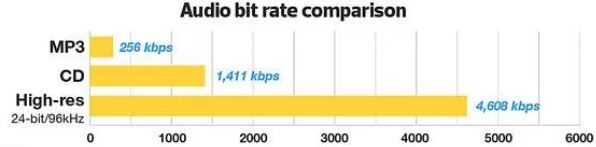
  • Near-CD quality audio.
  • Larger file size.
  • Suitable for audiophiles and critical listening.

I am a big fan of 320 kbps for serious listening. It allows for an authentic recreation of the sound. The high quality makes the music feel better.

How Bitrate Affects Audio Quality

Bitrate affects audio quality and file size in a direct relationship. Higher bitrates mean more data, meaning better audio quality. It’s like taking a picture with a high-resolution camera versus a low-resolution one. The key is to choose a bitrate that preserves the most important details of the audio.

High Bitrates

  • Preserve more of the original audio information.
  • Result in richer, fuller sound.
  • Reduce artifacts and distortion.

I’ve found that high bitrates are essential for preserving the full richness and detail of music. They make for a more authentic experience overall.

Low Bitrates

  • Remove more of the original audio information.
  • Result in thinner, less detailed sound.
  • Introduce noticeable artifacts and distortion.

I’ve learned that low bitrates can be detrimental to audio quality. There’s nothing wrong with using low bitrates, but knowing the quality trade off is important.

How Bitrate Affects File Size

Bitrate also directly affects the file size of an MP3 file. The higher the bitrate, the larger the file size. If you consider a jar, bitrate is the amount that is inside. Balancing the music with the space is key to enjoying the music. Here, I’ll give some practical examples.

High Bitrates and File Size

  • Higher bitrates result in larger file sizes.
  • Requires more storage space.
  • Take longer to download and stream.

I’ve learned that high bitrates can quickly consume storage space, especially when dealing with large music libraries. There needs to be a solid plan. Without such a plan, you may lose a lot of storage space to high bitrates.

Low Bitrates and File Size

  • Lower bitrates result in smaller file sizes.
  • Requires less storage space.
  • Faster to download and stream.

I have had to use lower bitrates to create music files that are smaller in size to fit some capacity requirements. It is a common practice.

Choosing the Right MP3 Bitrate for Your Needs

Choosing the right MP3 bitrate for your needs requires careful consideration. Consider your listening habits. Also consider the audio that you are playing. With this information, you can determine the best type of MP3 to stream.

Consider Your Listening Habits

  • What type of music do you listen to?
  • Where do you listen to music (headphones, speakers, car)?
  • Are you a casual listener or an audiophile?

I’ve always encouraged my clients to carefully consider their listening habits when choosing an MP3 bitrate. If you listen to music critically, you will want a higher bitrate. You can maximize your music enjoyment by using high quality bitrates.

Consider Your Storage and Bandwidth

  • How much storage space do you have available?
  • How fast is your internet connection?
  • Are you concerned about data usage?

Storage and bandwidth will determine the kind of experience you will have with MP3. If there is low storage, then only a few songs can be enjoyed. Low bandwidth means the music will be slow to load.

Latest words on How MP3 Bitrates Affect Audio Quality and File Size

MP3 bitrates affect audio quality and file size in a significant manner. Understanding the relationships to pick the best MP3 configuration. It is always helpful to have another program to make the music feel more dynamic. A tool like Mp4Gain allows for audio adjustments. These adjustments are used to optimize the listening experience. Now get out there and improve the quality!


FAQ about How MP3 Bitrates Affect Audio Quality and File Size

How does the MP3 bitrate relate to the overall audio quality?

The MP3 bitrate directly correlates with audio quality. Higher bitrates preserve more audio information. It creates a richer and fuller sound, while lower bitrates remove more data, resulting in lower quality.

In which listening scenarios should a higher MP3 bitrate be favored?

A higher MP3 bitrate should be favored in scenarios involving critical listening, such as audiophile setups, professional audio work, or when using high-quality headphones and speakers, to fully appreciate the detailed and lossless audio.

In what way do lower MP3 bitrates influence the audio file size?

Lower MP3 bitrates reduce the audio file size because less audio data is stored per unit of time. This makes the files more suitable for devices with limited storage capacity and faster for downloads and streaming.

Is there a specific MP3 bitrate considered to be the minimum acceptable quality for music?

Yes, the MP3 bitrate of 128 kbps is often considered the minimum acceptable quality for music, but it comes with a noticeable loss of audio fidelity compared to higher bitrates. Some audiofiles look for higher quality.

What is the recommendation for an MP3 bitrate when balancing file size and audio quality?

For a balanced approach between file size and audio quality, an MP3 bitrate of 192 kbps is typically recommended. This bitrate provides a noticeable improvement over lower bitrates and is ideal for casual listening on portable devices.

What bitrate does nearly CD quality audio is commonly obtained?

320kbps it is commonly used in the audio industry to obtain nearly CD quality audio, and a higher bitrate than that is unlikely to enhance audio quality. But the files have a larger size.

What is the impact the encoder has when translating the music?

Its clear that a good encoder makes a bigger difference than the file size. That is why it is so relevant to check which is the most indicated encoder for each job.

Beyond selecting the ideal MP3 bitrate, are there tools for optimizing audio?

A tool like Mp4Gain allows for audio adjustments in the MP3 file. These adjustments are used to optimize the listening experience and give the audio more characteristics.

What is constant bitrate?

This is when the bitrate is kept constant (the same) over the entire file. The advantages of CBR is its easy to implement and predictable for video, But quality suffers during complex scenes and it could waste bandwidth on simple scenes.

Is there any relation between the audio’s source and which MP3 bitrate should be used?

Yes, if you’re encoding audio from a high-quality source, like a CD or a lossless file, it’s generally better to use a higher MP3 bitrate. But there are several settings that can enhance or reduce the MP3.

Comments:

This article made everything so clear! I always wondered why some of my MP3s sounded better than others. Now I get it!

Okay, I’m still a little confused about the technical stuff. Can you explain what “lossy” means in MP3 encoding? Can you help more with it?

I totally agree! The listening habits part was super helpful. Now I know I can use lower MP3 quality because I don´t appreciate high quality audio.

You’re right about storage space being a concern. I have limited space on my phone, so low quality audio it is for me! Thanks for the information!

Thanks for talking about all the numbers in terms of what they represent in the audio. Really helpful, good post!

This article made a lot of sense! Going to try out some settings now and have better understanding on how MP3 works

The MP4Gain tip changed the game for me!! I´m getting the best quality in my music files.


Free Download Mp4Gain
picture


Mp4Gain Main Window
picture


Mp4Gain Features
picture


Free Download Mp4Gain
picture

Compression artifacts in MP3 and MP4

Compression artifacts in MP3 and MP4

Compression artifacts in MP3 and MP4

Let’s talk about compression artifacts in MP3 and MP4

When we think about digital audio and video, MP3 and MP4 are the first formats that come to mind. But one challenge that often gets overlooked is compression artifacts. These artifacts degrade audio or video quality, making it less enjoyable or even irritating. As an expert who has worked with audio and video files extensively, I’ve seen firsthand how these artifacts appear and affect the final product. Let me explain this in simple terms and show you how to minimize them for better quality.

Compression artifacts are like smudges on a window—when you reduce file sizes, details get lost, and what remains is distorted. Imagine saving space in your home by squashing boxes; the boxes may fit, but their contents could get damaged. MP3 and MP4 use lossy compression, meaning they throw away data deemed unnecessary, leading to these imperfections.

What are compression artifacts?

Compression artifacts are the unwanted distortions introduced when reducing file sizes. For MP3 audio, this might mean muffled sounds, harsh treble, or missing details. For MP4 video, you might see blocky visuals, color banding, or ghosting effects. These artifacts appear because the algorithms prioritize smaller file sizes over perfect quality.

Take MP3, for instance. To save space, certain sound frequencies are removed, but this often strips richness from the music. It’s like listening to your favorite band through a thin wall—you hear it, but it’s just not the same. MP4 works similarly with video, where fine details, like subtle textures or gradients, are sacrificed.

How do MP3 compression artifacts affect audio quality?

The impact of compression on audio is noticeable, especially if you’re using good headphones or speakers. I’ve often been frustrated by the tinny sound of an MP3 track with a low bitrate. Compression artifacts in audio usually show up as:

  • Metallic, robotic sounds in vocals.
  • Swishing noises during silent or low-volume parts.
  • Lack of bass or muffled instruments.
  • A sudden drop in clarity during complex music sections.

Imagine listening to a symphony orchestra where some instruments disappear or blend unnaturally. That’s the result of lossy compression trying to simplify the sound spectrum.

How do MP4 compression artifacts impact video quality?

With video, compression artifacts are visual glitches that distract from the viewing experience. I’ve seen this happen often in action-packed scenes or dark sequences in movies. Here are common MP4 artifacts:

  • Blocky pixels appearing in fast-moving scenes.
  • Color banding, where gradients appear as harsh lines instead of smooth transitions.
  • Ghosting, where previous frames leave a faint trace.
  • Smudged or blurry details in textures and backgrounds.

Imagine watching a wildlife documentary and noticing the sky isn’t a smooth gradient but has distinct color bands. That’s an artifact caused by over-compression.

Why do compression artifacts occur in MP3 and MP4?

Compression artifacts result from reducing file sizes by discarding redundant or less noticeable data. This process relies on psychoacoustics for MP3 (understanding what sounds humans don’t notice) and visual perception for MP4. However, these algorithms aren’t perfect.

Let’s compare this to summarizing a book. If you cut out too much, you lose important context, leaving the summary fragmented. Similarly, when compression goes too far, artifacts are inevitable.

How to reduce MP3 and MP4 compression artifacts

If you care about quality, there are ways to minimize these issues. Over the years, I’ve experimented with several approaches, and here’s what I recommend:

  • Choose higher bitrates: For MP3s, 320 kbps offers much better sound. For MP4, use higher bitrates to preserve video details.
  • Use lossless formats: When quality matters most, FLAC for audio and ProRes for video are ideal.
  • Opt for advanced codecs: AAC for audio and HEVC (H.265) for video offer better compression efficiency with fewer artifacts.
  • Test playback on high-quality devices: Use good headphones or displays to spot issues before finalizing your files.
  • Avoid multiple compressions: Repeatedly compressing the same file worsens artifacts. Work with original files whenever possible.

How to identify compression artifacts in your files

One skill I’ve developed is spotting compression artifacts quickly. It’s not hard once you know what to look for:

  • For MP3s, listen to cymbals or vocals—they’re often the first to reveal distortions.
  • In MP4s, check fast-moving scenes or areas with gradients like skies or shadows.
  • Compare with uncompressed originals: A/B testing makes artifacts obvious.

It’s like spotting a fake painting—you notice inconsistencies when you compare it to the real thing.

Latest words on compression artifacts in MP3 and MP4

Compression artifacts are a trade-off between convenience and quality. Understanding why they occur and how to reduce them is essential for anyone serious about audio or video. Over the years, I’ve learned that while artifacts can’t always be avoided, careful choices in settings and formats make a big difference.

If you’re struggling with audio and video quality, Mp4Gain offers a reliable way to enhance files and reduce noticeable artifacts. But remember, no software can fully recover what’s lost in extreme compression, so start with the highest quality possible.

FAQs about compression artifacts in MP3 and MP4

What are compression artifacts?

Compression artifacts are distortions or glitches caused by reducing file sizes in audio and video formats like MP3 and MP4. These include sound loss, blocky visuals, and color banding.

How do compression artifacts affect audio?

In audio, artifacts result in metallic sounds, muffled details, or distorted vocals. This happens when certain frequencies are removed during compression.

What causes compression artifacts in MP4 videos?

MP4 artifacts appear due to aggressive compression, leading to blocky visuals, color banding, and ghosting effects. Fast-moving scenes are most affected.

Can I avoid compression artifacts?

You can reduce artifacts by using higher bitrates, lossless formats, and advanced codecs. Avoid compressing files multiple times for best results.

What is the best bitrate to avoid MP3 artifacts?

A bitrate of 320 kbps is ideal for MP3 files. It minimizes artifacts while maintaining reasonable file sizes.

Why do gradients look bad in compressed videos?

Compression reduces data for smooth transitions, resulting in color banding where gradients appear as harsh lines instead of seamless blends.

Is lossy compression always bad?

Lossy compression is not inherently bad. It balances file size and quality but should be used carefully to avoid noticeable artifacts.

Can compression artifacts be fixed?

Artifacts can be reduced but not entirely fixed. Tools like Mp4Gain help enhance quality, but prevention is better than repair.

What is psychoacoustics in MP3 compression?

Psychoacoustics is the science behind MP3 compression, removing sounds the human ear is less likely to notice to save space.

Why are MP4 artifacts worse in fast-moving scenes?

Fast-moving scenes contain more data, making compression harder. Algorithms struggle to maintain detail, causing blocky artifacts.

Comments:

Wow, this explains so much! I’ve always wondered why my music sounds weird on cheap earphones. Now I know it’s compression artifacts. Great article!

Super helpful! But can you talk more about lossless formats like FLAC? I’m curious about how they compare to MP3 and MP4. Thanks!

This is exactly what I needed to read. I’ve been having trouble with blurry textures in my videos, and now I know what’s causing it.

The info is great, but I wish there were more examples of software to fix artifacts. Still, a great read overall!

Honestly, I didn’t know artifacts were a thing until I started editing videos. This article makes it so clear and easy to understand!

Exploring the World of Bitrate in Digital Video

Exploring the World of Bitrate in Digital Video

Exploring the World of Bitrate in Digital Video


In the dynamic landscape of digital video, Bitrate stands as a linchpin of quality and performance. In this comprehensive guide, we embark on a meticulous journey to unravel the intricacies of Bitrate, unveiling its significance and multifaceted dimensions.

Video Bitrate Essentials

Video Bitrate

Video Bitrate is the pulse of digital video. It signifies the pace at which data flows per unit of time within a video. Picture it as the guardian of video fidelity, affecting every second of your viewing experience.

Bitrate in Digital Video

Bitrate in digital video wields the scepter of influence over the quality and performance of video content. Content creators and streaming platforms navigate its realm with care.

Video Encoding Bitrate

Understanding Video Encoding Bitrate is akin to grasping the intricacies of preserving video quality while managing file sizes efficiently. It’s a crucial element of the video production process.

Bitrate for Video Streaming

For online audiences, Bitrate for Video Streaming is the guardian of a buffer-free and high-quality viewing experience. This parameter is the bridge between content providers and viewers.

Optimal Bitrate for Video

Unlocking the secret of the Optimal Bitrate for Video is a quest for balance. It’s the equilibrium between video quality and storage efficiency, a key decision in content creation.

Decoding the Bitrate-Quality Nexus

Video Quality Bitrate

Video Quality Bitrate is the canvas upon which visual excellence is painted. Elevating the bitrate enhances not only clarity but also detail and motion fluidity—a hallmark of superb video quality.

Bitrate in Video Compression

Bitrate and video compression dance a delicate tango. Adjusting the bitrate influences not just quality but also file sizes. It’s a tightrope act content creators perform with finesse.

Variable Bitrate vs. Constant Bitrate

Variable Bitrate (VBR) and Constant Bitrate (CBR) represent two divergent paths. One adapts to the complexity of video content, while the other maintains a steady course. Knowing when to use each is an art.

Cracking the Bitrate Code

How does Bitrate affect video quality?

Bitrate’s role in shaping video quality is akin to the conductor of an orchestra. It orchestrates the symphony of pixels, ensuring each note is crisp and harmonious.

What is the difference between Bitrate and Resolution?

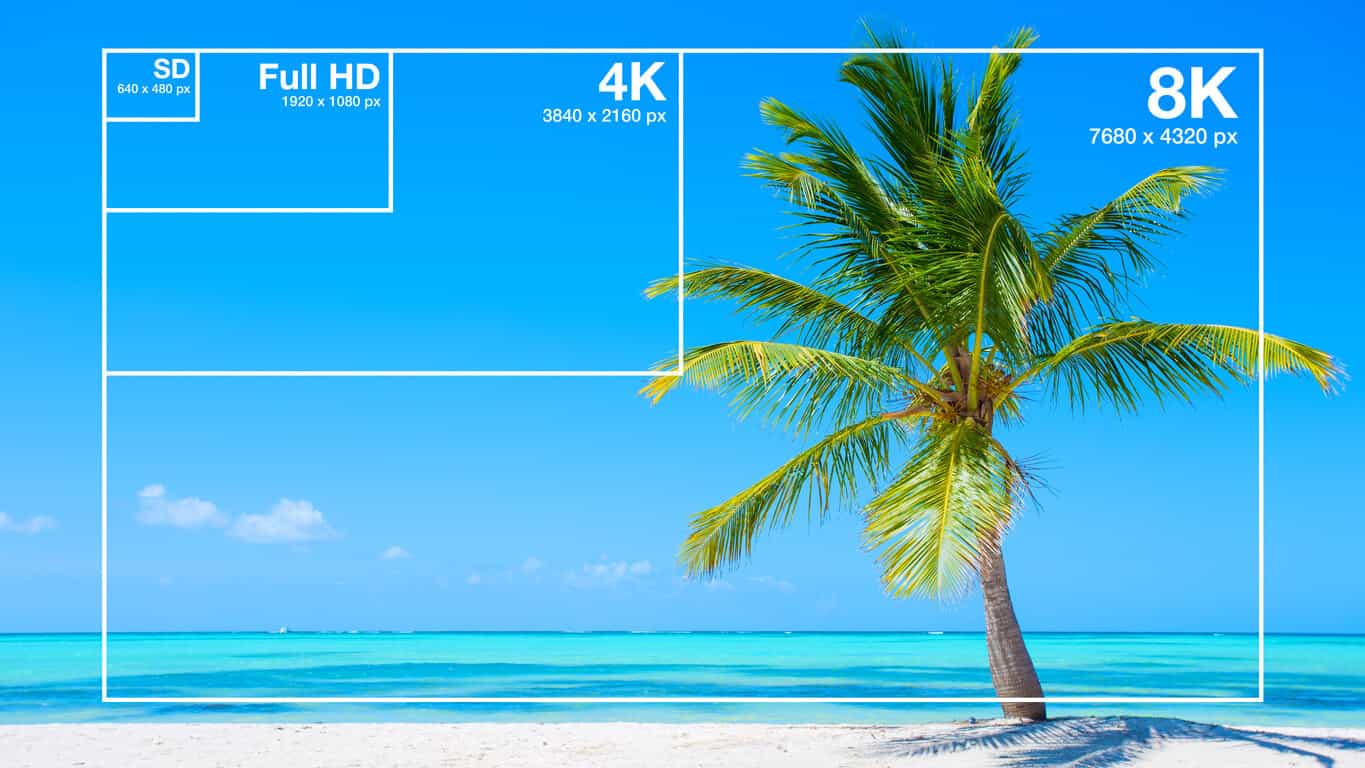
While Bitrate influences the flow of data, video resolution determines the canvas size. These two pillars of video quality work in tandem, each with its own significance.

How to calculate Bitrate for video streaming?

Calculating the ideal Bitrate for video streaming involves a mix of science and art. Factors like resolution, frame rate, and desired quality come together in a formula that ensures a smooth viewing experience.

Can a higher Bitrate improve low-light video?

Low-light situations challenge video quality, and Bitrate plays a role in addressing this challenge. Explore how increasing Bitrate can illuminate the darkest corners of your footage.

Does Bitrate impact file size?

Bitrate and file size share a symbiotic relationship. As Bitrate climbs, so does the appetite for storage. This understanding is pivotal in managing your video library efficiently.

What is the relationship between Bitrate and compression?

Bitrate and compression are the yin and yang of video storage. One influences quality, the other conserves space. Dive into their intricate relationship and its impact on your videos.

Is there a recommended Bitrate for 4K video?

4K video demands a bit more of everything, including Bitrate. Delve into the recommended Bitrate standards for the ultra-high-definition realm.

How do I choose the right Bitrate for live streaming?

Live streaming introduces real-time dynamics. The right Bitrate choice ensures your audience experiences your broadcast without hiccups. It’s a delicate balancing act.

What happens if my Bitrate is too low for my video?

A low Bitrate can mar the viewing experience, leading to pixelation and buffering. Explore the repercussions and strategies to remedy the situation.

Are there Bitrate standards for different video formats?

Different video formats have unique appetites for Bitrate. Familiarize yourself with the standards for common formats to ensure compatibility and optimal quality.

Navigating the Bitrate Seas

Diversity in Standards

Video formats march to their own drumbeat, each with its Bitrate requirements. Explore these standards to keep your content in harmony with different platforms and devices.

Adapting to Format Demands

Efficiency in video production and streaming comes from aligning with specific Bitrate standards. Embrace the versatility of Bitrate adjustments for an enhanced video journey.
As we conclude our voyage through the world of Bitrate in digital video, remember that mastering this element empowers content creators, streaming platforms, and viewers alike. Bitrate is the silent architect of video quality, and its nuances are yours to explore and leverage.

Adaptive Bitrate Streaming

A Formula for Viewer Satisfaction

Adaptive Bitrate Streaming is the secret sauce behind viewer satisfaction. It dynamically adjusts the video’s Bitrate in real-time to match the viewer’s internet connection speed. This means smoother playback, fewer interruptions, and a superior experience for your audience.

Enhancing User Experience

Imagine a scenario where a viewer with a slow internet connection tries to watch your video. Without adaptive streaming, they might experience constant buffering and frustration. Adaptive Bitrate Streaming, however, steps in to provide the best possible quality that their connection can handle. It’s the difference between a viewer hitting the “close” button in frustration and enjoying your content to the fullest.

Bitrate in Low-Light Video

The Role of Bitrate in Challenging Conditions

Low-light video situations can be tricky. When light is scarce, your camera sensor struggles to capture details. Bitrate becomes critical in these conditions because it determines how much data is allocated to represent the limited visual information. Higher Bitrates can help salvage some detail in low-light scenes.

Enhancing Low-Light Video

To enhance low-light video, you can make adjustments both in terms of hardware and software. Upgrading to a camera with better low-light performance is a hardware solution. On the software side, you can increase the Bitrate to capture more information. It’s all about finding the right balance to produce clear and engaging content even in challenging lighting situations.

Bitrate and File Size

The Trade-Off

Bitrate and file size share an interesting trade-off. As you increase the Bitrate to improve video quality, you simultaneously increase the file size. This can be a double-edged sword. While viewers get to enjoy higher quality, it also means your videos consume more storage space.

Video Compression and Bitrate

Video compression techniques come to the rescue when dealing with large file sizes. They are responsible for reducing the amount of data needed to represent a video while maintaining an acceptable level of quality. Bitrate and compression work hand in hand, allowing you to find the perfect balance between quality and storage efficiency.

Recommended Bitrate for 4K Video

Meeting the 4K Standard

Producing and streaming 4K video is a different ball game. It demands a significantly higher Bitrate compared to lower resolutions like 1080p. The recommended Bitrate ensures that your 4K content retains its stunning clarity and detail.

Variable vs. Constant Bitrate

When working with 4K video, you might consider using Variable Bitrate (VBR) instead of Constant Bitrate (CBR). VBR adapts to the complexity of the content, allocating more data to visually intricate scenes and less to simpler ones. This results in better quality for your 4K videos.

Choosing the Right Bitrate for Live Streaming

Live Streaming Dynamics

Live streaming introduces its own set of dynamics. Unlike pre-recorded content, you have no control over what’s coming next. Choosing the right Bitrate is crucial to ensure a smooth and uninterrupted live broadcast.

Failures and Solutions

In the world of live streaming, hiccups can occur. If your chosen Bitrate is too high for your available bandwidth, viewers may experience buffering. On the other hand, if it’s too low, the quality might suffer. This section explores common issues and provides solutions to keep your live stream running flawlessly.

Bitrate Standards for Different Video Formats

Diversity in Standards

Different video formats have unique Bitrate standards. H.264, H.265, VP9, and others each have their own requirements. Understanding and adhering to these standards is crucial to ensure your videos are compatible with various devices and platforms.

Adapting to Format Demands

To optimize your video content for different formats, you’ll need to adapt your Bitrate settings accordingly. By doing so, you can reach a wider audience and provide a superior viewing experience, regardless of the device or format your viewers choose.
As we conclude this in-depth exploration of Bitrate in digital video, you now possess a comprehensive understanding of its significance and the various factors that influence its utilization. Whether you’re a content creator aiming for the highest quality, a streaming platform seeking seamless viewer experiences, or a viewer looking for the best content, Bitrate is the silent maestro that shapes your digital video journey.

What is the difference between 128k and 320k music? Part 2

What is the difference between 128k and 320k music? Part 2

Bit Rate

In simple terms, we can think of a sound wave as a curve.

Bit Rate

We know that the curve is made up of points, and the sampling rate is the number of points in the middle of the length per second (the horizontal axis in the figure above). Sampling precision is the number of points in the dynamic range (upper vertical axis). The finer the positioning of these two dimensions, the greater the true sound restoration and the better the sound quality. Of course, the larger the audio file will be. The customer mentioned by the above colleague said that the latest Hi-Res Audio format released by SONY is a 6-channel 192kHz/24-bit recorded audio file. The size of the lossless format, of course, will be more than 200 megabytes.

The sampling frequency is approximately the following depending on the type of use (k is the thousand-bit symbol, 1khz=1000hz):

8khz: used for phones etc, is enough to record human voices.

22.05khz: transmission use frequency.

44.1kb: Audio CD.

48khz: used in DVD and digital TV.

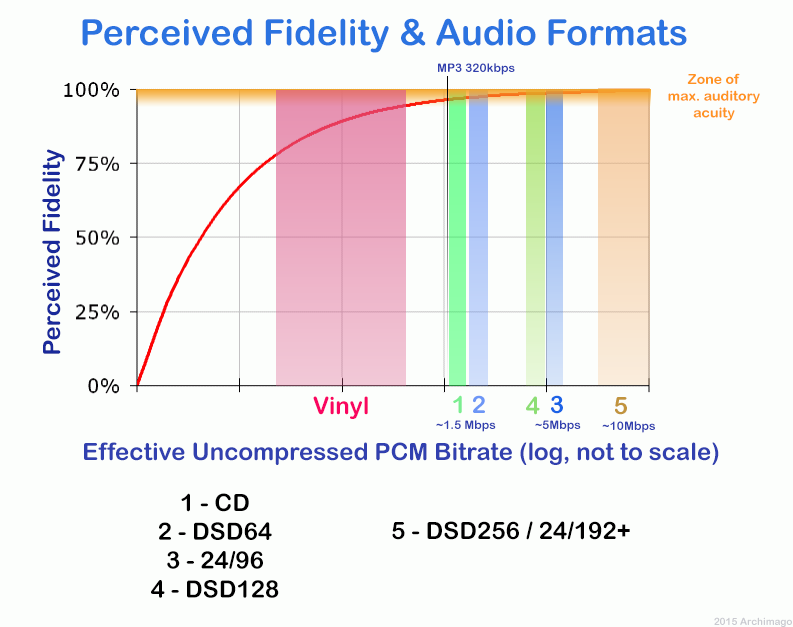
96khz-192khz: used for DVD-Audio, Blu-ray HD, etc.

The common range of sample precision is 8 bits to 32 bits, with 16 bits generally used on CD.

Having said that, my friends are starting to get confused. It’s not the bitrate that determines the sound quality, so why is everyone saying that 320kb sound quality is better than 128kb?

【Audio Compression】

Well, in fact, the bit rate should be said to be another dimension, it is a compression of audio files.

Nowadays, most of the audio formats we use regularly are based on the original “WAV” file of the audio CD (44.1khz sample rate, 16bit sample precision, 2ch). The original recorded sound data is stored in a matrix, which is in PCM format, while WAV format is an encoding format developed by Microsoft. Its function is to reproduce the data in PCM format through encoding.

Since the data in WAV basically completely restores the PCM data, MP3, AAC and other lossless encoding formats are basically recompressed based on the WAV files. Therefore, we can simply think that WAV is the original audio format and other audio formats are compressed formats.

When it comes to compression, storage and transmission are inseparable. The purpose of compression is to improve storage and transmission, so before we talk about compression, we need to understand the basic units of computers.

We all know that the computer is a binary number system, and the files stored by the computer are made up of two numbers, 0 and 1. Therefore, the computer’s transmission is based on each number, and each number is called 1 ” bit”. For example, for an audio piece, its basic data is “0,1,1,1,0,1, 1 ,0”, and when transmitting, these numbers are transmitted one by one. The sampling precision mentioned above is this unit.

The storage unit of the computer is “byte (Byte)”. In the computer, 1 byte consists of 8 bits, that is, 8b(bit)=1B(Byte). In computer parlance, data storage is expressed in decimal and data transmission is expressed in binary, so 1KB=1024B=1024×8b. This is also part of the reason why the hard drive capacity we see does not match the actual capacity.

Go back and talk about audio compression, the bitrate of the audio is actually the compression ratio. So the bitrate really just defines the size of the file, but because under normal conditions the larger the file, the less data you lose, so the sound quality is relatively higher. However, the bit rate itself does not directly affect the quality of the file. For example, if we take a 128kb file as the source file, even if it is converted to a 320kb file, the sound quality will not be better than 128kb. .

What is the difference between 128k and 320k music?

What is the difference between 128k and 320k music?

Bit rate comparision

192k is a turning point. Below 192K, the sound quality is relatively damaged, especially the high-frequency part above 16Khz will be cut off.

bitrate

In a nutshell, mp3s above 192k can no longer be listened to with CD sound quality on ordinary home devices, except for Golden Ears and Hifi devices. Of course, these data are not 100% reliable. There are always people on the internet sharing fake mp3 above 192K. In fact, they are converting low bitrate music to high bitrate through software, but the sound quality will not improve. be improved. Windows Media Player compresses it. The resulting mp3 is absolutely wonderful, no matter how high the compressed bitrate is, it will cut perfectly around 16K.

Some time ago, a colleague came across a very troubled client. The mess was said to have been caused by the client asking him to provide song files larger than 100MB-200MB in size. And my colleagues don’t know much about audio formats, so they started endlessly fumbling about FLAC, WAV and audio size. In the end, the colleague did not explain to the client what was going on.

After that, other things happened that made me feel that in the music industry there are too many practitioners around me who have an extremely poor understanding of music and even lack some basic knowledge related to music. I don’t even have the idea to understand, which makes me very sad. It seems that music has only one merchandise attribute, and our practitioners only need to organize the shelves, encode various merchandise, and use the big data of users’ purchase records to recommend merchandise to users, no matter why to users. they like this. features that these products have, and use cold data to provide users with various services.

Therefore, I think it is necessary to write something. I don’t expect practitioners to become people who really love music. I just hope that even if you still think of “her” as a commodity, you can first figure out what you’re selling. and what is..

PS: The content of the first lesson is about media files. Since the relevant content involves a lot of technical stuff, it seems a bit boring, but if you read it carefully, you will find that it is actually very easy to understand, but this basic knowledge can be very helpful.

Bit Rate, Sample Rate, Lossless, MP3, FLAC, APE, 320kb, 192kb, 128kb, 44.1khz, CBR, VBR. Does this bunch of various names make you both familiar and unknown?

The higher the bitrate, the better the sound quality. Lossless music is the highest sound quality, right? So, let’s start with the sound collection.

【Audio composition】

Nowadays, when we talk about audio, everything is digital audio. Digital audio consists of three parts: sample rate, sample precision, and number of sound channels.

Sample Rate: Both the sample rate, which refers to the number of samples per second when recording the sound, expressed in Hertz (Hz).

Sampling Precision: Refers to the dynamic range of the recorded sound, measured in bits (Bit).