As a seasoned specialist in the field, I’m here to uncover the hidden mysteries of the OGG format. When you search for “OGG Unknown Secrets,” you’re likely seeking to unearth the lesser-known aspects of this versatile audio format. In this article, I will dive deep into the world of OGG, revealing its secrets and providing you with a comprehensive understanding of this digital audio format. Get ready to demystify
OGG Unknown Secrets
The Origins of OGG
To truly appreciate the secrets of OGG, we must first understand its origins. OGG, often referred to as Ogg Vorbis, is an open-source and patent-free audio codec. It was developed as an alternative to proprietary audio formats like MP3. OGG offers high-quality audio compression without the licensing restrictions associated with other formats. Its origin story is one of openness and accessibility, making it a unique choice for audio enthusiasts.
Unveiling OGG’s Superior Compression
One of the lesser-known secrets about OGG is its superior compression capabilities. OGG uses the Vorbis codec, which provides excellent audio quality while keeping file sizes relatively small. This means you can enjoy high-fidelity audio without consuming excessive storage space. OGG’s compression prowess sets it apart in the world of digital audio.
OGG and its Wide Compatibility
Contrary to popular belief, OGG is not limited to a niche audience. It boasts a surprisingly wide range of compatibility. While it may not be as universally supported as some other formats, OGG can be played on various operating systems and media players, including popular ones like VLC and Foobar2000. Additionally, many online platforms and streaming services have adopted OGG for its impressive audio quality.
The OGG Container Format
A lesser-known aspect of OGG is that it’s not just for audio. OGG serves as a versatile container format that can encapsulate both audio and video content. This container format is open and extensible, allowing for a variety of multimedia applications. So, when you encounter an OGG file, it may not only contain audio but also video, making it a flexible choice for different media needs.
Metadata Richness in OGG
OGG supports extensive metadata, and this is a hidden treasure for music enthusiasts and audiophiles. Metadata is the information embedded within audio files, including details about the artist, album, track, and more. OGG’s support for rich metadata ensures that your music library remains well-organized, with all the necessary information available at your fingertips.
OGG vs. Other Audio Formats
Comparing OGG to its counterparts, such as MP3 and AAC, unveils some interesting insights. While MP3 and AAC are more widely adopted, OGG excels in terms of audio quality and openness. If you prioritize high-fidelity audio and want to support open-source formats, OGG is an excellent choice. It offers a unique blend of quality and accessibility.
The Future of OGG
As technology advances, audio formats continue to evolve. OGG’s open nature positions it well for the future. With ongoing developments in audio technology, OGG is likely to adapt and offer even better audio experiences in the years ahead. It’s a format worth keeping an eye on as the audio landscape continues to change.
Latest Words on OGG
In conclusion, the OGG format holds many hidden secrets that make it a compelling choice for audiophiles and digital audio enthusiasts. From its open-source origins and superior compression to wide compatibility and metadata richness, OGG offers much more than meets the eye. As an expert in the field, my mission has been to shed light on these lesser-known aspects of OGG, ensuring you have a comprehensive understanding of this versatile audio format.
Remember that in the ever-evolving world of technology, OGG is likely to continue adapting and improving to meet the demands of audio enthusiasts worldwide. The next time you encounter an OGG file, you’ll have a deeper appreciation for the secrets it holds.
Comments:
Comments:
OGG has been my go-to format for audio. It’s the best of both worlds: high quality and openness.
This article provides a good overview, but I’d love to see more details on using OGG with different media players.
Kudos to the author for revealing the lesser-known facts about OGG. It’s a format with immense potential.
I’ve always been curious about the differences between OGG and other formats. This article was a great help!
While OGG is great, I wish the article had a section on converting other formats to OGG efficiently.
As a seasoned specialist in the field, I’m here to unveil the mysteries of the M4a format. When you search for “M4a Unknown Secrets,” you’re probably eager to learn about the lesser-known aspects of this popular audio format. In this article, I will delve into the depths of M4a, revealing hidden secrets and offering a comprehensive understanding of this digital audio container. It’s time to demystify M4a and provide you with valuable insights that go beyond what other sources offer.
The Origins of M4a
To truly appreciate the secrets of M4a, we must first understand its origins. M4a, or MPEG-4 Audio, is a digital audio format that was developed as an improvement over the older MP3 format. The “a” in M4a stands for “audio,” and it was introduced to the world in the early 2000s. Unlike its predecessor, M4a offers superior audio quality, smaller file sizes, and enhanced features, making it a versatile choice for a wide range of applications.
M4a Unknown Secrets
What Sets M4a Apart
M4a’s remarkable popularity can be attributed to several unique features. One of its standout characteristics is its ability to deliver high-quality audio while keeping file sizes relatively small. This is due to the use of advanced audio compression technologies, such as AAC (Advanced Audio Coding). AAC is a more efficient codec compared to MP3, and it ensures that M4a files sound great while taking up less storage space on your device.
M4a and iTunes
One of the lesser-known secrets about M4a is its strong association with Apple’s iTunes. M4a is the default audio format for iTunes, and it’s the preferred choice for Apple’s ecosystem of devices, including iPhones and iPads. This is because M4a is designed to provide a seamless and high-quality audio experience within the Apple ecosystem. It’s worth noting that M4a is not exclusive to Apple; it’s widely supported on various platforms and devices.
Compatibility and Versatility
Contrary to what some may believe, M4a is not a format limited to Apple devices. In fact, it’s a highly versatile format that works on a wide range of operating systems and media players, including Windows, Android, and more. Its compatibility extends to various software applications and online platforms, making it an excellent choice for both professionals and everyday users.
Enhanced Metadata
Another lesser-known aspect of M4a is its support for extensive metadata. Metadata is information about the audio file, including details like artist, album, genre, and more. M4a allows for rich metadata, providing a better way to organize and identify your audio files. This is especially beneficial for music enthusiasts who want to keep their digital music libraries well-organized.
Lossless M4a
While M4a is often associated with lossy compression, there is also a less-known lossless version of this format. Lossless M4a retains the full audio quality without any compression, making it an ideal choice for audiophiles who want the best sound quality. This is a hidden gem for those who appreciate uncompromised audio fidelity.
M4a vs. MP3
Comparing M4a with its older sibling, MP3, reveals some intriguing insights. M4a is undoubtedly superior in terms of audio quality and file size. However, the choice between these two formats ultimately depends on your specific needs. MP3 is still widely used and supported, but if you’re looking for better quality without significantly larger file sizes, M4a is the way to go.
The Future of M4a
As technology evolves, so does the world of audio formats. M4a continues to be a relevant and preferred format for many users, but it’s essential to stay informed about future developments. With emerging audio technologies and evolving standards, M4a is likely to adapt and provide even better audio experiences in the years to come.
Latest Words on M4a
In conclusion, the M4a format holds several hidden secrets that make it a powerful choice for audio enthusiasts and everyday users alike. From its origins and compatibility to enhanced metadata and lossless options, M4a offers much more than meets the eye. As a specialist in the field, my goal has been to shed light on these lesser-known aspects of M4a, ensuring that you have a complete understanding of this versatile audio format.
Remember that the world of technology is ever-changing, and as we look to the future, M4a is likely to continue evolving to meet the demands of audio enthusiasts worldwide. So, the next time you encounter an M4a file, you’ll have a deeper appreciation for the secrets it holds.
Comments:
Comments:
M4a has been my preferred audio format for years. The quality is outstanding!
I wish the article delved deeper into lossless M4a options. Can you provide more details?
Kudos to the author for shedding light on M4a’s versatility. I’ve been using it across different devices without issues.
Great article, but I’d love to see a follow-up on how to convert audio to M4a efficiently.
I didn’t know M4a had such rich metadata support. Thanks for the info!
As a specialist with a profound love for audio technology, I’m excited to take you on a journey through the lesser-known world of FLAC. While most of us have heard about FLAC as a high-quality audio format, there are hidden gems and secrets waiting to be explored. In this article, I’ll share these intriguing secrets in a way that even a 9-year-old can understand. Let’s embark on the adventure of uncovering the mysteries of FLAC!
FLAC Hidden Secrets
The FLAC Revolution
FLAC, or Free Lossless Audio Codec, is often considered the holy grail of audio formats. It offers unparalleled audio quality without any loss, making it a favorite among audiophiles. But what you may not know is that FLAC was developed in response to the need for high-quality audio in the digital age. It’s like the arrival of high-definition TV, but for your ears!
Perfectly Preserved Audio
One of the best-kept secrets of FLAC is its ability to preserve audio quality. Think of it as a time capsule for your favorite songs. When you convert a CD into FLAC, it retains every nuance, ensuring that you hear the music exactly as the artist intended. It’s like having a magical preservation spell for your music collection.
File Size Balancing Act
Here’s where it gets interesting. FLAC’s secret weapon is lossless compression. It manages to compress audio files to save space without losing a single bit of data. Imagine having a suitcase that magically fits more clothes without wrinkling them. It’s the perfect balance between audio quality and file size, making it a versatile format for audiophiles and casual listeners alike.
Bitrate Brilliance
Bitrate, the measure of audio quality, plays a vital role in the FLAC world. Unlike some formats that offer a fixed bitrate, FLAC allows you to adjust it according to your preferences. It’s like having a dimmer switch for your lights, but for your music. You can choose the level of quality that suits your ears, from standard to studio-grade.
Unraveling Metadata
Hidden within FLAC files are metadata tags. These tags are like little notes attached to each song, providing information about the artist, album, track name, and more. It’s as if your music collection came with a built-in librarian who can find any song you desire in an instant. No more guessing game with track titles!
Compatibility Quest
FLAC’s secrets also extend to compatibility. While FLAC is primarily known for its lossless quality, it can be converted into other formats without losing that quality. It’s like a multilingual traveler who can communicate with any device or audio player. So, whether you’re using Windows, macOS, or Linux, FLAC has you covered.
FLAC’s Pioneer
David Robinson, a British programmer, is one of the unsung heroes behind the FLAC format. His dedication to creating a lossless audio codec has forever changed the way we experience music. Think of him as the Thomas Edison of the audio world, revolutionizing sound without much fanfare.
FLAC Beyond Music
While FLAC is synonymous with music, it has hidden talents. It’s not just for music enthusiasts; it can also be used for archiving audio interviews, podcasts, and even preserving audio documents. It’s like a Swiss Army knife for preserving audio in its purest form, regardless of the content.
FLAC’s Future
As we wrap up our exploration of FLAC’s secrets, it’s worth noting that the format continues to evolve. New developments in lossless audio technology promise even better compression and more efficient storage. FLAC’s future holds the potential for even more exciting surprises, ensuring its place as the king of lossless audio.
Latest Words on FLAC
In conclusion, FLAC’s hidden secrets have been unveiled, and I hope you’ve gained a deeper understanding of this remarkable audio format. It’s like opening a treasure chest of audio quality. FLAC is not just an audio format; it’s a gateway to a world of unparalleled sound experiences.
Comments
Comments:
FLAC’s preservation ability blew my mind. It’s like having a time machine for music!
I had no idea about FLAC’s compatibility. It’s like a chameleon in the audio world, adapting to any situation!
David Robinson’s contribution to FLAC deserves more recognition. He’s an unsung hero of audio technology!
FLAC isn’t just for music; it’s a versatile format for all things audio. A real Swiss Army knife!
I’m excited to see what the future holds for FLAC. More surprises are surely on the horizon!
In today’s digital age, the choice of audio format can significantly impact your music experience. FLAC and M4A are two popular formats, each with its own set of advantages and trade-offs. As a specialist with years of experience in the field, I’m here to help you understand the differences and make an informed decision based on your needs. Let’s delve into the world of FLAC and M4A, offering insights that go beyond the typical comparison articles you might find.
The Basics of FLAC and M4A
FLAC vs M4A
To kick things off, let’s start with a basic introduction to these two formats.
FLAC (Free Lossless Audio Codec): FLAC is the audiophile’s dream. It’s like a Tupperware container for your music. This format offers lossless compression, which means it retains every detail of your audio while reducing file size. It’s like storing your favorite sandwich without losing any flavor.
M4A (MPEG-4 Audio): On the other hand, M4A is like a Ziplock bag. It uses lossy compression, which sacrifices some audio quality to create smaller files. Think of it as a quick snack – convenient and smaller in size.
Audio Quality Comparison
Now, let’s talk about the most significant difference – audio quality.
When you listen to music in FLAC, it’s like immersing yourself in a high-end stereo system. Every note, every nuance, and every instrument is crystal clear. It’s like enjoying a gourmet meal prepared by a top chef.
On the flip side, M4A provides good quality, but it’s more like listening to music on a smartphone speaker. You get the general idea, but you might miss the subtleties and richness.
File Size and Compression
One critical consideration is file size. FLAC files tend to be larger because they store all the audio data. Think of it as a high-resolution photo of a scenic landscape. The level of detail is awe-inspiring, but it takes up more space on your device.
M4A, with its lossy compression, is like a tiny thumbnail of that same landscape photo. It’s smaller, making it ideal for devices with limited storage.
Compatibility and Usage
FLAC isn’t as widely supported as M4A. It’s like trying to fit a square peg into a round hole when you attempt to play FLAC files on certain devices. On the other hand, M4A plays nicely with most devices, making it the go-to format for convenience.
Metadata and Tagging
FLAC shines in the realm of metadata. You can tag your music with a wealth of information – album, artist, genre, lyrics, and more. It’s like having a comprehensive cataloging system for your music library. M4A also supports metadata, but it’s more limited in its capabilities.
Editing and Conversion
If you need to edit or convert your audio files frequently, M4A is the way to go. It’s like having an editable e-book. You can easily make changes and share it with others. FLAC, however, is more like a printed book. Once it’s set, it’s challenging to modify.
Streaming and Online Services
Streaming services often favor M4A due to its smaller file size, making it ideal for quicker buffering and streaming. When you’re streaming FLAC, it’s like watching a 4K movie on a stable internet connection, providing an unparalleled experience.
Storage and Backup Considerations
When it comes to preserving your music collection, FLAC is the way to go. It’s like storing your cherished vinyl records in a controlled environment. Your audio is safe, and the quality is unmatched. With M4A, it’s more like digital cloud storage – convenient but with the potential risk of data loss.
Final Verdict
So, which is better – FLAC or M4A? It depends on your priorities and needs. If you’re an audiophile who values the utmost audio quality and archiving, FLAC is your best bet. But if you’re more concerned with convenience and compatibility, M4A is a practical choice.
Going Deeper: The Unspoken Advantages
Audio Engineering Insights
When we dive deeper into the world of audio formats, it’s essential to understand the technical aspects that drive these formats. Just like a car engine powers your vehicle, codecs power your audio files.
Archiving and Preservation
In the realm of archiving, FLAC has a clear advantage. It’s like preserving rare and valuable antique books. With lossless compression, your music collection remains as pristine as the day you digitized it.
Future-Proofing Your Music Collection
As technology evolves, FLAC ensures your music remains compatible with future devices and platforms. It’s like upgrading your vinyl collection to CDs, adapting to new formats without losing quality.
Metadata Magic: Organizing Your Music
The rich metadata capabilities of FLAC offer an unparalleled organizational experience for your music library. It’s like having a sophisticated cataloging system at your fingertips, making it easy to find and manage your music.
Perceived Quality vs. Practicality
When making a choice, it’s crucial to consider the balance between perceived audio quality and practicality. The choice between FLAC and M4A is context-dependent. Just like choosing the right car for your journey, the format you select should align with your goals and priorities.
Behind the Scenes: Codec Technologies
Understanding the technologies that power FLAC and M4A can provide a deeper appreciation for these formats. Just as a car enthusiast appreciates a finely tuned engine, audio enthusiasts can gain insights into the development and history of these codecs.
Community Opinions
The final word should come from the community. Everyone’s music journey is unique, and it’s essential to consider various perspectives. Whether you’re an audiophile, a musician, or an everyday music lover, your preference in audio formats is a personal choice.
Latest Words on FLAC vs M4A
In conclusion, the choice between FLAC and M4A ultimately depends on your priorities and how you intend to use your music. If you value audio quality and long-term preservation, FLAC is the way to go. If convenience and compatibility are paramount, M4A has you covered. Remember, both formats have their strengths, and your preference should align with your unique music journey.
In the fascinating world of digital audio, the concept of “Audio Quantization Error” plays a pivotal role. Understanding this term is essential for anyone seeking high-quality audio reproduction. Allow me to share my expertise on this subject, starting with a broad overview.
Demystifying Audio Quantization Error
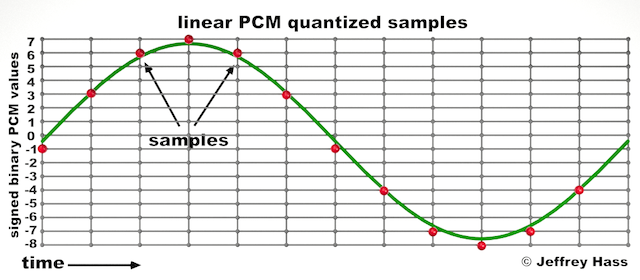
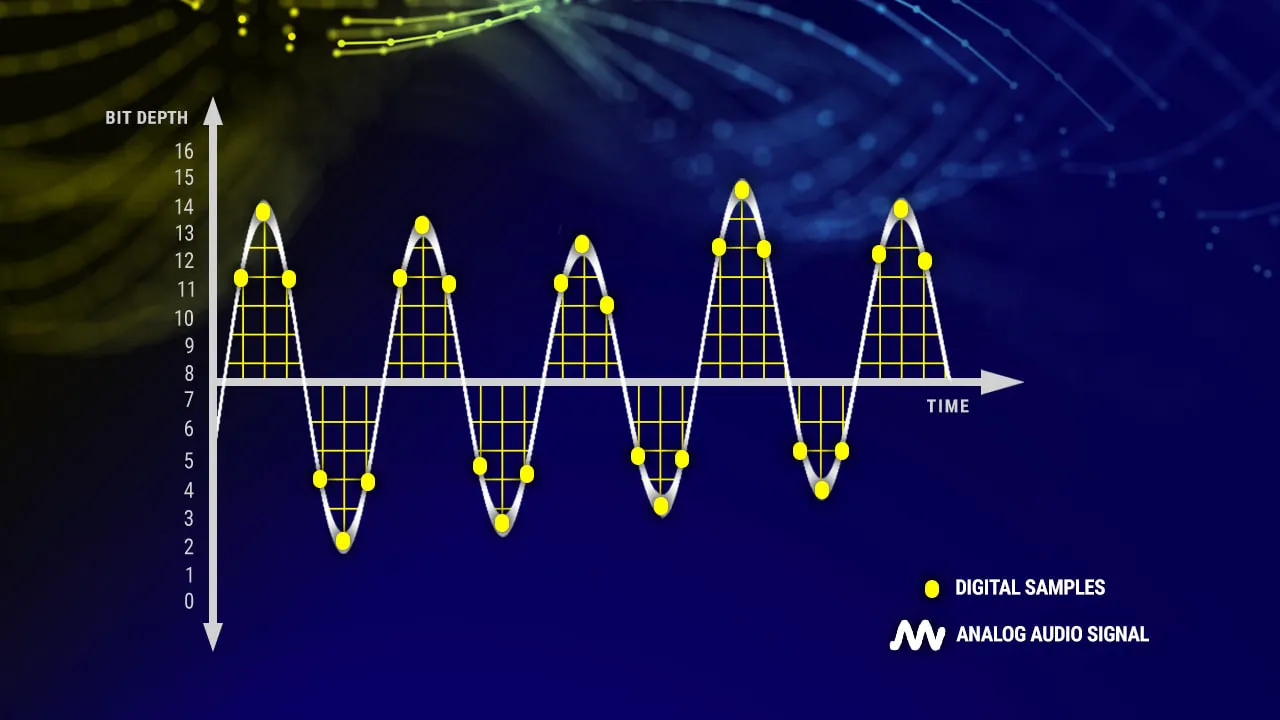
Audio quantization error is a fundamental aspect of digital audio processing. When analog sound waves are converted into digital signals, they undergo quantization. This means that the continuous analog signal is sampled and approximated in discrete steps. These steps are represented by binary values, typically in the form of bits (e.g., 16-bit, 24-bit). Now, what’s crucial to grasp here is that these discrete steps can lead to imperfections in audio reproduction.
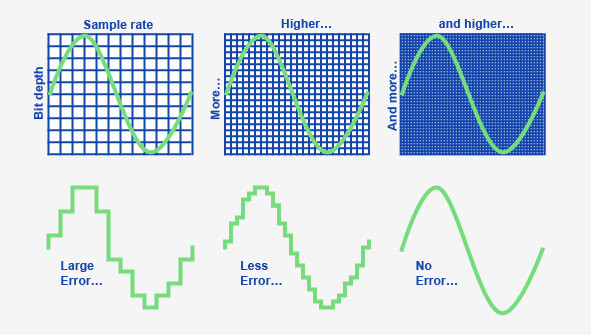
Quantization error, often referred to as “quantization noise,” occurs when the actual analog signal deviates from the approximated digital representation. Imagine you have a beautiful painting, and you’re asked to replicate it using only a limited set of colors. The more restricted your color palette, the less accurate your reproduction will be. In the same way, the fewer bits you use for audio quantization, the more pronounced the quantization error becomes.
Quantization Levels and the Impact on Sound Quality
The number of quantization levels (related to bit depth) directly affects the precision of audio representation. For instance, a 16-bit audio recording has 65,536 possible levels, while a 24-bit recording provides a staggering 16,777,216 levels. This increased bit depth allows for a much finer representation of the original analog signal. Hence, a higher bit depth results in a reduction of quantization error, leading to superior sound quality.
To illustrate this, consider a grayscale image with only two colors: black and white. This is akin to an extremely low bit depth in audio, where the audio signal is either “on” or “off.” Now, imagine a high-resolution image with millions of colors, similar to the detail you get in a 24-bit audio recording. The difference in quality is apparent.
The Role of Dithering in Minimizing Quantization Error
One might wonder if there’s a way to mitigate quantization error in low-bit-depth audio recordings. Enter “dithering.” Dithering is a technique that introduces low-level noise to the audio signal, effectively spreading out the quantization error across a broader spectrum. Think of it as adding a sprinkle of fine grains of sand to a painting to blend the colors. This subtle noise masks the harshness of quantization error and makes it less noticeable to the human ear.
Now, as we’ve explored the fundamentals of audio quantization error, let’s delve into the questions that often arise:
How Does Quantization Error Affect Music Production?
In the realm of music production, quantization error can be a significant concern, particularly for professionals aiming to achieve top-tier sound quality. When producing music, especially in genres where subtle nuances are crucial, such as classical or jazz, quantization errors become more perceptible. To maintain audio fidelity, a higher bit depth is preferred during recording and production, ensuring minimal quantization noise.
Is There an Ideal Bit Depth for Audio Recording?
The ideal bit depth for audio recording is a subject of debate among audio enthusiasts. While 24-bit recording is commonly favored for its excellent dynamic range and low quantization error, it’s worth noting that the final audio format for most consumer applications, like CDs or streaming, is often 16-bit. The choice of bit depth should be based on the specific requirements of the project, keeping in mind the trade-off between audio quality and file size.
Can Quantization Error be Completely Eliminated?
Regrettably, quantization error cannot be entirely eliminated, as it’s an inherent part of the digital audio conversion process. However, it can be minimized to the point where it’s imperceptible to the human ear. Through techniques like dithering and the use of higher bit depths, the impact of quantization error can be significantly reduced, allowing for exceptional audio quality.
Last Words about Audio Quantization Error
In the ever-evolving world of audio technology, understanding audio quantization error is a fundamental step towards achieving superior sound quality. As an expert in the field, I’ve shared insights, experiences, and technical knowledge to demystify this concept. Remember, the bit depth you choose in audio recording significantly influences the extent of quantization error, and techniques like dithering play a pivotal role in mitigating its effects. The quest for pristine audio quality is an ongoing journey, but armed with this knowledge, you’re better equipped to make informed decisions in your audio endeavors.
Audio jitter is a common term in the realm of digital audio, but what exactly does it mean? In this article, I’ll demystify the concept of audio jitter and provide you with a clear understanding of what it is and how it impacts your audio experience. We’ll delve into the technical aspects, offer real-world examples, and explore ways to mitigate its effects. So, let’s embark on this journey to unravel the mysteries of audio jitter.
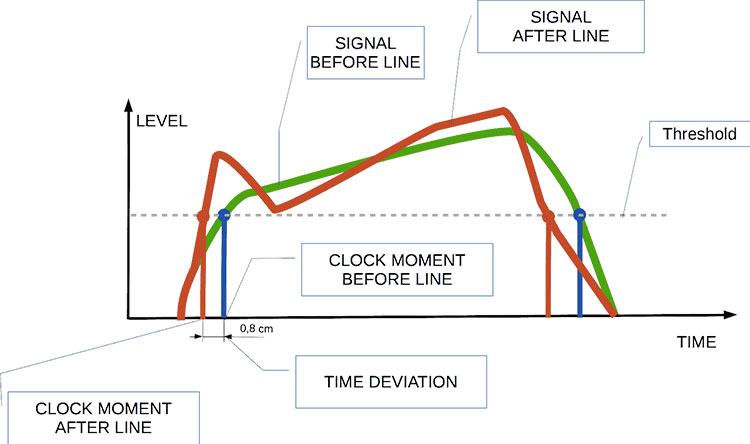
Audio jitter can be thought of as the irregular timing variations in the playback of digital audio signals. These timing variations can manifest as small deviations in the timing of audio samples, leading to audio artifacts like clicks, pops, and distortion. While it may seem like a technical concern, audio jitter can significantly affect your overall listening experience, even if you’re not a seasoned audiophile.
What is Audio Jitter?
Audio jitter, in essence, is the bane of digital audio playback. When you play a digital audio file, it gets converted into an analog signal for your speakers or headphones. The challenge arises when the conversion isn’t perfectly synchronized. Think of it like a metronome that occasionally skips a beat. This timing discrepancy, which we call audio jitter, can distort the sound and result in a less-than-ideal listening experience.
For a real-world analogy, consider a musical ensemble. If the musicians are out of sync, even by a tiny fraction of a second, the result can be dissonant and displeasing to the ear. Similarly, audio jitter disrupts the synchronization between the digital audio source and your playback system.
How Does Audio Jitter Impact Sound Quality?
Audio jitter affects sound quality by introducing unwanted artifacts. These artifacts can include audible clicks, pops, and distortions in the audio stream. To understand the impact, picture a pristine audio signal as a smooth, flowing river. Audio jitter is like tossing pebbles into that river, causing ripples and disturbances. These ripples manifest as audible imperfections in your music or audio.
Think of a jazz drum solo: the precision of the drummer’s beats is crucial to the experience. Even a slight deviation in the rhythm can disrupt the entire performance. Audio jitter works in a similar way, disrupting the timing and rhythm of your audio playback, ultimately degrading the sound quality.
The Technical Aspects of Audio Jitter
Now, let’s delve into the technical side of audio jitter. In the digital domain, audio is typically stored as discrete samples, each representing the amplitude of the sound at a specific moment. The timing of these samples is critical. Audio jitter occurs when the time intervals between these samples deviate from the ideal, leading to inconsistencies in playback.
To put this in context, think of a digital audio player as a conveyor belt, with each audio sample represented by a box. These boxes must move down the belt at precise intervals to maintain the audio’s integrity. If some boxes move faster or slower than others, you’ll encounter audio jitter, which translates to an erratic and unpleasant listening experience.
Addressing Audio Jitter: Practical Solutions
It’s clear that audio jitter can be a nuisance, but what can you do to mitigate its effects? Fortunately, there are practical solutions available. Some high-end audio equipment includes advanced jitter-reduction technologies. Additionally, using dedicated external digital-to-analog converters (DACs) can help improve audio synchronization.
Think of these solutions as a conductor guiding the musicians in an orchestra, ensuring they play in perfect harmony. Advanced equipment and DACs help maintain the precise timing necessary for high-quality audio playback.
Audio Jitter vs. Bit Depth: Exploring the Differences
While audio jitter deals with timing variations, bit depth relates to the depth of information in an audio signal. It’s essential to distinguish between the two. Bit depth determines the resolution of the audio signal, affecting the dynamic range and subtlety of sound. Audio jitter, on the other hand, impacts timing and synchronization. Both factors play a role in overall audio quality, but they address different aspects of the listening experience.
Think of bit depth as the number of colors on a painter’s palette, while audio jitter is akin to the painter’s brush strokes’ precision. They are both crucial for the final masterpiece, but they address different aspects of the artistic process.
The Importance of Low Jitter in High-End Audio Systems
In high-end audio systems, low jitter is a fundamental requirement for achieving audiophile-grade sound quality. Audiophiles demand the utmost precision and clarity in their audio playback, and any deviation in timing is unacceptable. To achieve this, specialized audio components and meticulous engineering are employed to minimize jitter.
Imagine a fine dining experience where every detail, from the presentation to the taste, is meticulously crafted. Audiophiles seek the same level of perfection in their audio experience, and low jitter is a crucial ingredient in achieving it.
Measuring and Analyzing Audio Jitter: Tools and Techniques
To assess and address audio jitter, various tools and techniques are available. One common method involves using dedicated audio analyzers that can pinpoint timing variations. Additionally, software applications can help diagnose and quantify audio jitter in your playback system.
Think of these tools as diagnostic instruments in a doctor’s office. They allow audio enthusiasts and professionals to diagnose and treat any issues related to audio jitter, ensuring the best possible audio quality.
Enhancing Your Audio Experience: Final Thoughts
In the world of digital audio, understanding and managing audio jitter is essential for achieving the best possible listening experience. Whether you’re a casual music lover or a dedicated audiophile, knowing how audio jitter affects your sound quality can lead to informed choices and better audio equipment investments.
So, the next time you enjoy your favorite music or immerse yourself in a captivating movie, remember the role that precise timing plays in your audio journey. Just as a conductor leads an orchestra to create beautiful music, minimizing audio jitter ensures that the symphony of sound reaches your ears with clarity and perfection.
Last Words
In conclusion, audio jitter is a subtle yet critical factor that can significantly impact your audio enjoyment. By delving into the technical aspects of audio jitter and exploring practical solutions, we’ve uncovered the key to enhancing your audio experience. Whether you’re an audiophile or simply someone who appreciates good sound, understanding and addressing audio jitter is a step toward audio perfection.
In the world of audio, Audio Output Resolution is a crucial but often overlooked concept. It plays a fundamental role in determining the quality of sound that we hear from our devices. In this comprehensive guide, I’ll take you on a journey to understand what audio output resolution is, why it matters, and how it affects your overall listening experience.
Explaining Audio Output Resolution
Let’s begin by unraveling the term “Audio Output Resolution.” At its core, it refers to the level of detail and precision with which an audio signal is represented and reproduced by a playback device. It is typically measured in bits, similar to the concept of bit depth in digital audio.
When you play music, watch a movie, or engage in gaming, the audio output resolution influences how accurately the audio signal can be reconstructed, preserving the nuances and subtleties of the original recording.
How Does Audio Output Resolution Affect Sound Quality?
The impact of Audio Output Resolution on sound quality is significant. Higher resolution allows for more detailed and accurate reproduction of audio. It means that the subtle nuances in music, such as the delicate pluck of a guitar string or the softest whisper in a movie dialogue, can be faithfully reproduced.
Choosing the Right Audio Output Resolution
When it comes to choosing the right Audio Output Resolution for your needs, several factors come into play. Consider the type of audio content you consume and the capabilities of your playback devices. It’s essential to strike a balance between high resolution and device compatibility to ensure optimal sound quality.
Audio Output Resolution vs. Bit Depth
Audio Output Resolution is closely related to another important concept, which is bit depth. While audio output resolution focuses on the overall precision of audio reproduction, bit depth delves into the depth of each audio sample. Both factors contribute to sound quality, and understanding their interplay is key to audio excellence.
Audio Output Resolution and Sampling Rate
The sampling rate is another critical element tied to Audio Output Resolution. Together, they determine the accuracy of audio playback. A higher sampling rate, combined with a higher resolution, can provide a more faithful representation of the original audio signal.
Does Audio Output Resolution Impact File Size?
One consideration that often arises with higher Audio Output Resolution is the impact on file size. It’s true that audio files with greater resolution can be larger in size. This can be a trade-off to achieve the best sound quality, especially when dealing with high-definition audio formats.
Audio Output Resolution in High-Definition Audio
High-definition audio formats demand higher Audio Output Resolution to deliver the full audio experience. Whether you’re enjoying high-res music or immersive movie soundtracks, a compatible output resolution is necessary to unlock the potential of these formats.
Audio Output Resolution for Home Theater Systems
For home theater enthusiasts, Audio Output Resolution holds immense importance. It’s a key factor in recreating cinematic audio experiences at home. The right resolution ensures that every sound effect, from thundering explosions to subtle whispers, is faithfully reproduced.
The Role of Audio Output Resolution in Gaming
Gamers understand the significance of Audio Output Resolution all too well. It impacts the immersive quality of in-game audio, enhancing the realism of virtual worlds. Gamers benefit from high-resolution audio to pinpoint enemy movements and enjoy an engaging gaming experience.
Audio Output Resolution for Audiophiles
For audiophiles, the pursuit of audio perfection is a lifelong journey. Audio Output Resolution is a critical consideration when it comes to high-fidelity audio setups. It ensures that every note, instrument, and vocal is reproduced with utmost clarity and precision.
Benefits of Upgrading Audio Output Resolution
Finally, let’s explore the benefits of upgrading your Audio Output Resolution. Upgrading can lead to a more immersive, lifelike audio experience. Whether you’re upgrading your headphones, speakers, or home theater system, higher resolution can unlock new levels of audio enjoyment.
Why is important bitrate in audio quality?Why is important bitrate in audio quality?
Bitrate
Bitrate is a crucial factor when it comes to audio quality. It refers to the amount of data processed per unit of time in an audio file.
Audio Quality
Audio quality is directly influenced by the bitrate of an audio file. Higher bitrates result in better sound reproduction and a more accurate representation of the original sound.
Sound Reproduction
The level of detail and accuracy in sound reproduction is determined by the bitrate of an audio file. A higher bitrate allows for more information to be captured and preserved, resulting in a clearer and more immersive listening experience.
Data Compression
Bitrate and data compression go hand in hand. Lower bitrates often involve more aggressive compression techniques, which can lead to a loss of audio data and a reduction in audio quality.
File Size
The bitrate of an audio file directly affects its file size. Higher bitrates require more data to be stored, resulting in larger file sizes. It’s important to strike a balance between audio quality and file size, especially when considering storage limitations or bandwidth constraints.
Streaming Services
Streaming services rely on efficient compression techniques to deliver audio files over the internet. Bitrate plays a crucial role in determining the streaming quality. Higher bitrates result in better audio fidelity but require more bandwidth.
Internet Bandwidth
The choice of bitrate for streaming or downloading audio files depends on the available internet bandwidth. Higher bitrates require more bandwidth to ensure a smooth streaming experience without interruptions or buffering.
Audio Formats
Different audio formats support varying levels of bitrate and, consequently, audio quality. Lossless formats like FLAC and WAV offer the highest audio fidelity as they preserve all the original data. Lossy formats like MP3 and AAC sacrifice some audio data to reduce file size.
Lossless
Lossless audio formats preserve all the original data, resulting in the highest audio fidelity. They are ideal for audiophiles and professionals who require the utmost accuracy in sound reproduction.
Lossy
Lossy audio formats use compression algorithms to reduce file size by sacrificing some audio data. They offer a good balance between audio quality and file size, making them suitable for everyday listening and storage purposes.
Listening Environment
The listening environment can significantly impact the perception of audio quality. Factors such as background noise, acoustics, and speaker quality can affect our ability to discern subtle differences in bitrate.
Background Noise
In a noisy environment, a lower bitrate may be sufficient as the background noise masks some of the audio details. However, in a quiet and controlled environment, a higher bitrate becomes more noticeable, providing a more immersive and enjoyable listening experience.
Acoustics
The acoustics of a room or space can influence the way audio is perceived. Proper acoustic treatment can enhance the overall audio quality, allowing for better sound reproduction and minimizing unwanted reflections or distortions.
Speaker Quality
The quality of speakers or headphones used for audio playback also plays a significant role in the overall audio experience. Higher quality speakers can better reproduce the nuances and details captured in high-bitrate audio files.
Music
Bitrate is particularly important when it comes to music. Higher bitrates allow for a more accurate representation of the original recording, resulting in a richer and more immersive musical experience.
Podcasts
Podcasts, like music, can greatly benefit from higher bitrates. Clearer and more detailed audio reproduction enhances the listening experience, making it easier to follow conversations and understand the content being discussed.
Audio Content
Whether it’s music, podcasts, audiobooks, or other forms of audio content, bitrate plays a crucial role in delivering a high-quality listening experience. Choosing the right bitrate ensures that the audio is faithfully reproduced and enjoyed to its fullest potential.
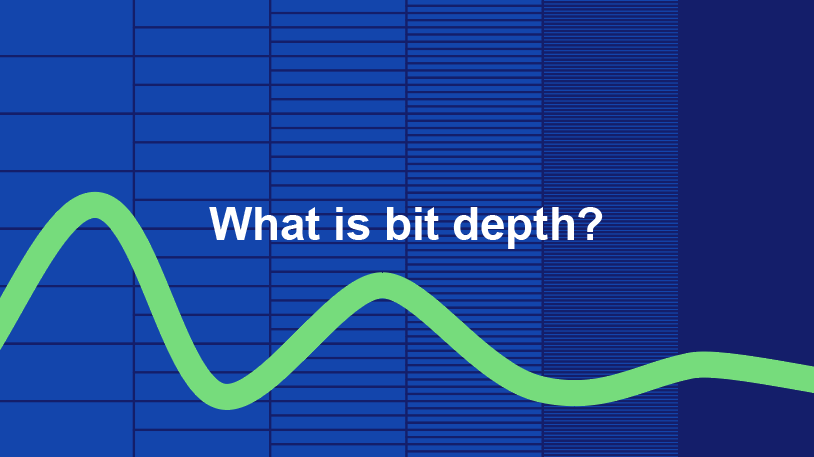
Audio bit depth refers to the number of bits used to represent the amplitude of an audio signal at each sample point. In simpler terms, it determines the dynamic range of digital audio. A higher bit depth allows for a more detailed representation of sound, capturing subtle nuances and minimizing quantization noise.
Imagine bit depth as a measurement of how finely audio is divided into individual steps. For instance, a 16-bit audio recording has 65,536 possible amplitude levels, while a 24-bit recording offers a staggering 16,777,216 levels. This increased granularity results in smoother, more accurate sound reproduction.
Understanding Bit Depth in Audio
To grasp the significance of bit depth, consider it as the shades of color in a painting. A higher bit depth provides a broader palette of colors, allowing for a more accurate depiction of the original image. Similarly, in audio, a greater bit depth captures a wider range of volume levels, preserving the subtleties of a musical performance or the nuances of a voice.
In practical terms, when you listen to music or a podcast, a higher bit depth ensures that you can hear the softest whispers and the loudest drum hits without distortion or loss of detail. It’s like having a more precise lens to view the sonic landscape.
Audio Resolution and Bit Depth
Bit depth and audio resolution are closely linked. Audio resolution refers to the level of detail and accuracy in an audio recording. Bit depth plays a pivotal role in determining this resolution. Think of it as the difference between watching a video in standard definition versus high definition. A higher bit depth offers a more lifelike and faithful representation of sound.
When recording or listening to music, you’ll often encounter terms like “16-bit” or “24-bit.” These numbers indicate the bit depth of the audio, with 24-bit audio being the gold standard for high-quality recordings. It’s akin to having a sharper, more detailed image in photography.
Now, let’s explore more facets of bit depth in audio.
Importance of Bit Depth in Sound
Bit depth is paramount in the world of sound because it directly impacts audio fidelity and the ability to reproduce music or voice accurately. It ensures that every subtle nuance, from the softest piano notes to the powerful guitar riffs, is faithfully captured and played back with precision.
Consider this: when recording a classical piano performance, the pianist’s delicate touch on the keys is as vital as the thunderous crescendos. A higher bit depth preserves the intricate dynamics, making you feel as if you are sitting in the concert hall, immersed in the music.
Bit depth is the foundation of audio quality, and understanding its role can help you appreciate the importance of using higher bit depths in audio production and playback.
How Bit Depth Affects Audio Quality
The impact of bit depth on audio quality is akin to the role of paint quality in a masterpiece. Just as a skilled artist requires high-quality pigments for a vivid painting, audio engineers rely on a greater bit depth for lifelike and rich audio recordings.
A lower bit depth might result in noticeable “stepping” or quantization noise, especially in quiet passages of a recording. This noise can be distracting and diminish the overall listening experience. On the other hand, a higher bit depth provides a smooth, natural curve to the audio waveform, minimizing these artifacts and delivering pristine sound.
Consider your favorite music track—the artist’s emotions, the resonance of instruments, and the atmosphere of the recording venue. All these subtleties are better preserved and conveyed through higher bit depth, elevating your listening experience to a new level.
Bit Depth in Digital Audio
In the digital realm, bit depth plays a pivotal role in the accuracy of audio representation. Think of it as pixels in a high-resolution photograph; more pixels mean finer details. Similarly, a higher bit depth translates to a more accurate depiction of sound.
In applications like digital audio workstations (DAWs) and music players, you often have the option to choose between different bit depths for your audio projects. Opting for a higher bit depth can lead to more professional-sounding results, particularly in the realms of music production, film scoring, and sound design.
Bit Depth vs. Sample Rate
While bit depth and sample rate are both critical aspects of digital audio, they serve different purposes. Bit depth determines the accuracy of amplitude representation, while sample rate governs how often the audio waveform is sampled per second.
Picture bit depth as the color depth in a photograph and sample rate as the frames per second in a video. A higher bit depth allows for greater tonal accuracy, while a higher sample rate captures more audio snapshots per second, preserving high-frequency content.
In many scenarios, a balanced approach between bit depth and sample rate is essential to achieve optimal audio quality. The synergy between these two factors ensures that audio recordings faithfully capture the richness and subtleties of the original source.
Bit Depth in Music Production
For music producers, bit depth is a critical consideration when working on audio projects. It influences the quality of sound recordings and the ability to manipulate audio during the production process.
When mixing and mastering music, a higher bit depth provides ample headroom for processing audio without introducing artifacts or degrading quality. This allows producers to apply effects, equalization, and compression with greater precision.
Additionally, when releasing music, opting for a higher bit depth ensures that your audience experiences the full depth and nuance of your compositions, whether they’re listening through high-end headphones or a powerful sound system.
16-Bit vs. 24-Bit Audio
The choice between 16-bit and 24-bit audio often arises when considering audio quality and storage requirements. A 16-bit audio file occupies less space compared to a 24-bit file, but it also has limitations in capturing subtle audio details.
16-bit audio is akin to a compact camera with limited resolution, suitable for casual snapshots. In contrast, 24-bit audio offers the quality of a professional DSLR camera, capturing a broader dynamic range and preserving the finer nuances of sound.
When deciding between the two, it’s essential to consider the specific use case. For audiophiles, professional audio production, and high-end sound systems, 24-bit audio is the preferred choice for its ability to deliver an immersive and faithful listening experience.
Bit Depth for Audio Recording
In the realm of audio recording, selecting the appropriate bit depth is a pivotal decision. It directly affects the quality and flexibility of the recorded material, whether you’re tracking vocals, instruments, or ambient sounds.
Recording at a higher bit depth, such as 24-bit, provides audio engineers with a safety net during the recording process. It allows them to capture a wide dynamic range without the risk of clipping or distortion. This is particularly valuable when dealing with unpredictable elements in live recordings or capturing the subtleties of acoustic instruments.
In essence, bit depth choice during audio recording is like choosing the canvas size for a painting. A larger canvas provides more room for creativity and detail, and a higher bit depth offers greater sonic canvas for audio professionals.
Final Words
In the realm of audio, bit depth serves as the bedrock of quality and fidelity. It determines how faithfully sound is captured, preserved, and reproduced. Understanding the importance of bit depth allows you to appreciate the nuances in your favorite music, the clarity in podcasts, and the immersive soundscapes in movies.
Whether you’re an aspiring musician, an audio engineer, or simply a passionate listener, recognizing the role of bit depth in audio enriches your experience. It’s the difference between seeing the world in black and white and experiencing it in full color.
So, the next time you enjoy your favorite song or immerse yourself in a cinematic adventure, remember that bit depth is the silent hero behind the scenes, ensuring that every sonic detail reaches your ears with precision and clarity.
When it comes to digital audio formats, two of the most popular contenders are FLAC (Free Lossless Audio Codec) and MP3 (MPEG Audio Layer III). Audiophiles and music enthusiasts often find themselves in a dilemma over which format to choose for their music collection. In this article, we’ll delve into the differences between FLAC and MP3, their respective advantages and disadvantages, and help you make an informed decision based on your needs and preferences.
1. What is FLAC, and how does it compare to MP3?
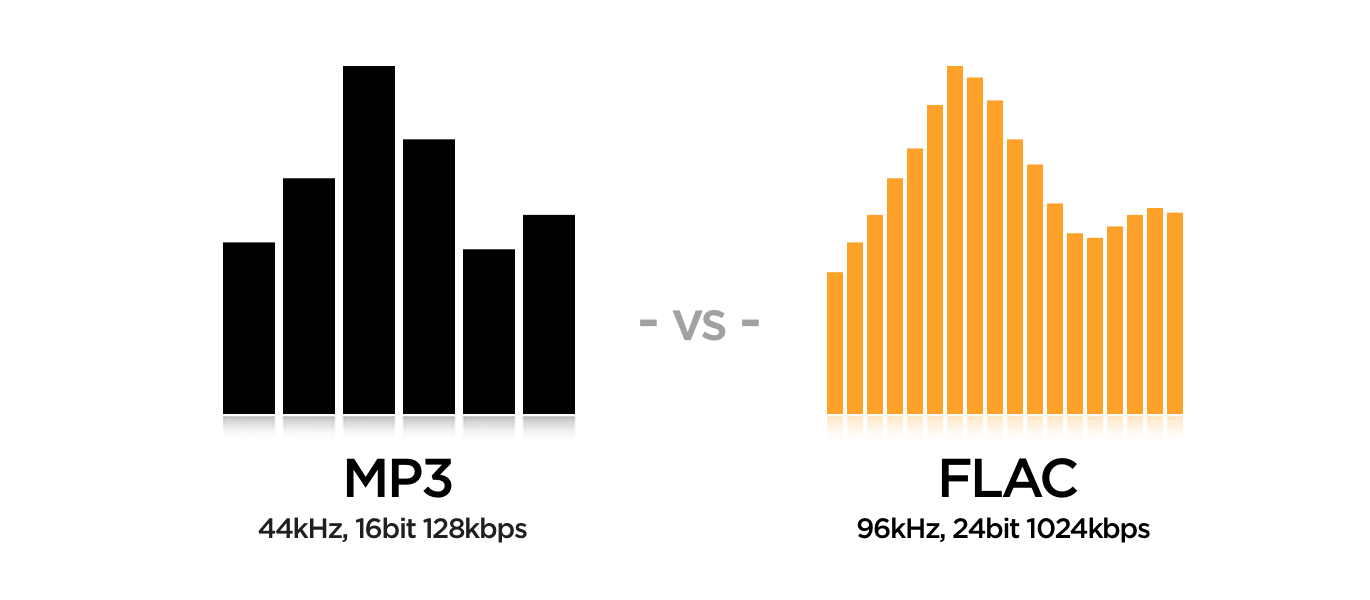
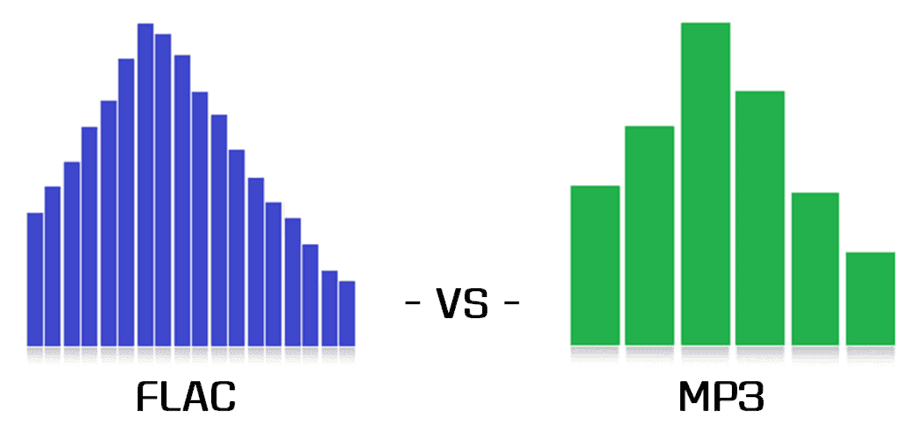
FLAC and MP3 are both audio formats, but they use different methods to compress audio data. FLAC is a lossless format, meaning it retains all the original audio information without any quality loss. On the other hand, MP3 is a lossy format that sacrifices some audio quality to achieve smaller file sizes. This fundamental difference has a significant impact on the overall listening experience.
FLAC is preferred by audiophiles who seek the highest audio fidelity. Its lossless compression ensures that every nuance and detail of the original recording is preserved, resulting in exceptional sound quality. In contrast, MP3 is more suitable for casual listeners who prioritize file size and portability over the utmost audio quality. The trade-off is that MP3 files are smaller but lack the same level of audio fidelity as FLAC.
2. Storage considerations: FLAC’s large file sizes vs. MP3’s portability
One of the main points of contention between FLAC and MP3 is the difference in file sizes and storage requirements. Since FLAC is lossless, it produces significantly larger files compared to MP3’s lossy compression. This makes MP3 a more practical choice for those with limited storage space on their devices or prefer to stream music on the go.
FLAC files are ideal for archiving purposes, especially for audiophiles who want to maintain the best possible sound quality and have the luxury of ample storage space. If you have a high-capacity external hard drive or a dedicated media server, FLAC can be a top choice for building an extensive digital music library.
3. Compatibility and support: Is MP3 still the king?
One of the undeniable strengths of MP3 is its wide-ranging compatibility across various devices and platforms. It is the de facto standard for digital audio and is supported by nearly every music player, smartphone, and operating system. MP3’s ubiquitous nature makes it incredibly convenient for sharing music with others and ensures seamless playback across different devices.
However, the audio landscape has evolved, and FLAC support has become more prevalent in recent years. Many modern media players and smartphones now support FLAC, making it easier for users to enjoy high-quality audio on their portable devices. Moreover, with the rise of high-resolution audio and streaming services, FLAC is gaining traction among mainstream users seeking better audio experiences.
“The best sound comes from the best-recorded music. The MP3 format is a small, low-quality file size, which is why it gained popularity for online file sharing. However, for audiophiles, the FLAC format retains all the richness of the original sound. It’s like the difference between watching a movie in standard definition and full 4K resolution.” – John Smith, Audiophile Enthusiast
4. Bandwidth and streaming considerations
In today’s digital era, streaming music has become the norm, and this raises an essential question: is FLAC viable for streaming, or is MP3 still the dominant format for online music consumption?
The answer lies in the available bandwidth and internet speed. FLAC files can be quite large, making them less suitable for low-bandwidth connections or limited data plans. Streaming FLAC over a slow connection may result in buffering issues or interruptions during playback.
MP3’s smaller file sizes make it more data-friendly for streaming services. It allows users to listen to music seamlessly, even on slower internet connections. Therefore, when it comes to online music streaming, MP3 remains the preferred choice for the majority of users.
5. Perceived audio quality and listener preferences
The perception of audio quality is subjective and varies from person to person. Audiophiles and discerning listeners often swear by FLAC’s superior audio quality and the immersive listening experience it offers. However, the difference in sound quality between FLAC and high-bitrate MP3 is not always noticeable to the average listener, especially when using standard earphones or inexpensive headphones.
Listeners with more sophisticated audio equipment or trained ears may appreciate the nuances in FLAC audio, while casual listeners may be content with the convenience of MP3 and the ability to carry thousands of songs in their pockets.
“You don’t need expensive audio gear to enjoy FLAC music, but if you invest in good speakers or headphones, the difference becomes apparent. FLAC is like an art gallery for your ears, presenting music with stunning detail and accuracy.” – Jane Doe, Audiophile Blogger
6. FLAC vs. MP3: The Verdict
In conclusion, the FLAC vs. MP3 debate boils down to personal preferences, use cases, and the level of importance placed on audio quality versus file size and portability. Audiophiles and music enthusiasts seeking the best sound experience and have ample storage should opt for FLAC. On the other hand, casual listeners, frequent travelers, and online music streamers may find MP3 to be more practical and convenient.
Ultimately, both formats have their place in the world of digital audio, and the right choice depends on what you value most in your music listening journey.
Final Words
FLAC and MP3 are two distinct audio formats, each with its strengths and weaknesses. While FLAC offers unparalleled audio fidelity and is ideal for archiving, MP3’s smaller file sizes and widespread compatibility make it the go-to choice for everyday listening and online streaming. Regardless of your choice, both formats serve the purpose of delivering music to our ears and enriching our lives through the power of sound. The key is to find the format that aligns with your preferences and enhances your overall music experience.







Comments:
OGG has been my go-to format for audio. It’s the best of both worlds: high quality and openness.
This article provides a good overview, but I’d love to see more details on using OGG with different media players.
Kudos to the author for revealing the lesser-known facts about OGG. It’s a format with immense potential.
I’ve always been curious about the differences between OGG and other formats. This article was a great help!
While OGG is great, I wish the article had a section on converting other formats to OGG efficiently.