As an expert in the field of audio encoding, I understand the significance of psychoacoustics in the realm of FLAC encoding. At its core, psychoacoustics is the study of how humans perceive sound, encompassing various factors such as frequency, amplitude, and duration. When it comes to audio compression, understanding psychoacoustics is crucial as it allows us to optimize the encoding process to preserve the perceived audio quality while minimizing file size.
The Fundamentals of FLAC Encoding
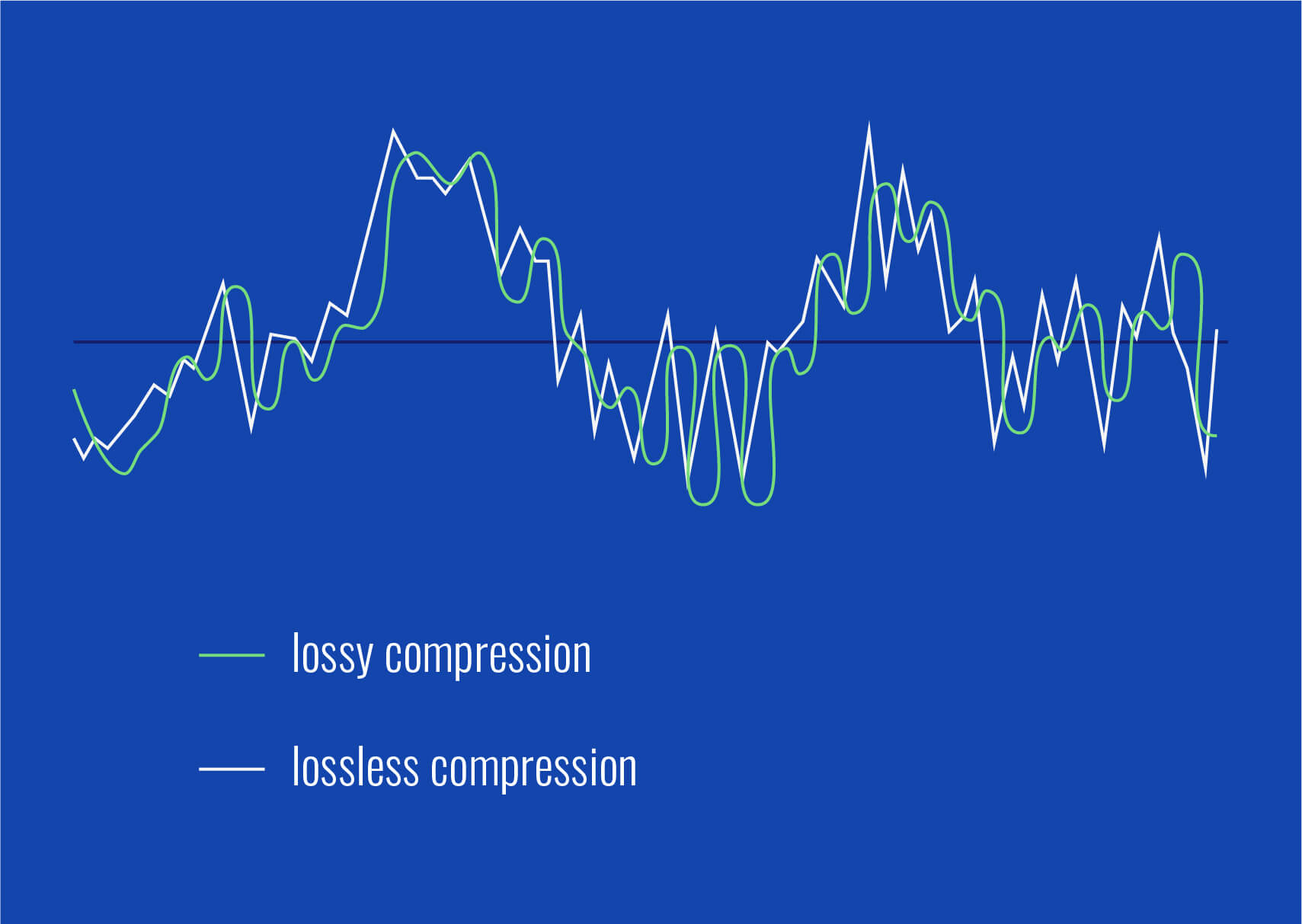
FLAC, which stands for Free Lossless Audio Codec, is a popular method for compressing digital audio files without losing any audio quality. Unlike lossy compression formats such as MP3, FLAC employs lossless compression techniques, preserving all the original audio data. This is where psychoacoustics comes into play. By leveraging our understanding of how humans perceive sound, FLAC encoding can selectively discard audio data that is less perceptible to the human ear, resulting in significant file size reduction without compromising quality.
Understanding Human Perception
Our auditory system is more sensitive to certain frequencies than others.
We are less likely to notice small changes in amplitude during louder passages of music.
Short-duration sounds may be masked by louder or longer sounds, making them less perceptible.
The Role of Psychoacoustic Models
Psychoacoustic models are algorithms that simulate human auditory perception.
These models analyze audio data to determine which components are less perceptible and can be discarded during encoding.
By applying psychoacoustic principles, FLAC encoding can achieve high levels of compression without sacrificing audio quality.
FLAC Encoding Techniques
FLAC utilizes various encoding techniques to achieve efficient compression while maintaining audio fidelity. These techniques are informed by psychoacoustic principles and include:
Variable Bit Rate (VBR) Encoding
VBR encoding allocates more bits to complex audio segments and fewer bits to simpler segments.
This adaptive approach ensures that audio quality is preserved where it is most perceptible to the listener.
Adaptive Noise Shaping (ANS)
ANS redistributes quantization noise in a manner that minimizes its audibility.
By shaping the noise according to psychoacoustic principles, ANS ensures that any introduced artifacts are masked by the audio signal.
Joint Stereo Encoding
Joint stereo encoding exploits similarities between the left and right audio channels to achieve additional compression.
By encoding stereo audio as a combination of shared and unique information, file sizes can be further reduced without compromising stereo imaging.
The Impact of Psychoacoustics on Audio Quality
When it comes to audio encoding, the goal is to achieve the highest level of compression possible without perceptible loss in quality. Psychoacoustics plays a pivotal role in achieving this balance. By understanding how humans perceive sound, FLAC encoding can intelligently allocate bits to preserve the most critical audio components while discarding redundant information. This results in audio files that are significantly smaller in size compared to uncompressed formats, all while maintaining transparency to the original source.
Latest Words on FLAC Encoding
In conclusion, the integration of psychoacoustics into FLAC encoding represents a significant advancement in audio compression technology. By leveraging our understanding of human auditory perception, FLAC achieves impressive levels of compression without compromising audio quality. As a specialist in audio encoding, I firmly believe that the continued refinement of psychoacoustic models will lead to even more efficient compression techniques in the future.
Comments:
This article was very informative! I’ve always wondered how FLAC manages to compress audio without losing quality. Thanks for shedding light on the role of psychoacoustics.
– MusicLover21
Great article! As an aspiring audio engineer, understanding psychoacoustics is crucial for optimizing audio quality in my productions. FLAC encoding seems like a powerful tool in preserving audio fidelity.
– SoundTechEnthusiast
Could you provide more details on how FLAC compares to other lossless audio codecs like ALAC? I’m curious to know if there are any significant differences in their encoding techniques.
– AudioEnthusiast456
This article barely scratches the surface of FLAC encoding. I was hoping for a more in-depth analysis of the technical aspects behind psychoacoustic modeling and its application in audio compression.
– TechNerd123
FLAC has been my go-to format for archiving my music collection, but I never fully understood how it worked until now. Thanks for demystifying the role of psychoacoustics in FLAC encoding!
– VinylCollector99
This article provided a clear overview of FLAC encoding and its reliance on psychoacoustic principles. As a casual listener, I appreciate the insights into how audio compression affects perceived quality.
– AudiophileGirl
FLAC encoding has revolutionized the way we store and distribute high-quality audio. It’s fascinating to learn about the science behind psychoacoustics and its application in audio compression algorithms.
– MusicBuff2023
It’s refreshing to come across an article that delves into the technical aspects of audio encoding. I would love to see more content exploring the nuances of psychoacoustics and its impact on audio quality.
– AudioGeek007
As a musician, I’m always looking for ways to optimize audio quality without sacrificing file size. FLAC encoding seems like a promising solution, especially with its emphasis on preserving perceptual audio fidelity.
– GuitarPlayer23
This article provided a comprehensive overview of FLAC encoding and its reliance on psychoacoustic principles. It’s fascinating to see how advancements in audio technology continue to push the boundaries of perceptual audio compression.
In the realm of audio compression, psychoacoustic modeling stands as a fundamental pillar. It’s the backbone of M4A format, revolutionizing the way we perceive and store audio data. Understanding psychoacoustics isn’t just about technical jargon; it’s about grasping how our brains interpret sound. By diving into this fascinating field, we uncover the secrets behind why certain audio compression techniques work so seamlessly.
The Science Behind Psychoacoustic Modeling
Psychoacoustic models mimic the human auditory system, identifying sounds that are less perceptible to the human ear. These models analyze various factors, such as frequency masking and temporal masking, to determine which audio components can be discarded without sacrificing perceived quality. Imagine your favorite song playing in a crowded room—the chatter fades into the background as your brain focuses solely on the melody. Psychoacoustic modeling operates similarly, prioritizing essential sounds while minimizing extraneous noise.
Applications in M4A Compression
In the realm of M4A compression, psychoacoustic modeling plays a pivotal role. Encoders leverage these models to allocate bits efficiently, prioritizing critical audio components while discarding redundant data. This optimization ensures that M4A files maintain high fidelity while achieving significant file size reductions. Think of it as decluttering your living space—you keep the essentials while getting rid of unnecessary clutter, creating a streamlined and efficient environment.
Evolution and Advancements
Over the years, psychoacoustic modeling has evolved alongside advancements in technology. From early perceptual coding techniques to sophisticated algorithms, the field continues to push the boundaries of audio compression. As our understanding of human auditory perception deepens, so too does our ability to refine compression methods. It’s like upgrading from a standard-definition television to a 4K display—the picture becomes clearer and more vibrant, enriching the viewing experience.
Challenges and Considerations
While psychoacoustic modeling offers significant benefits in audio compression, it’s not without its challenges. Balancing compression efficiency with perceptual quality remains a delicate dance, requiring careful fine-tuning and optimization. Moreover, the subjective nature of human hearing introduces complexities—what sounds acceptable to one listener may be objectionable to another. Navigating these challenges requires a nuanced understanding of both the technical and perceptual aspects of audio compression.
Future Directions
Looking ahead, the future of psychoacoustic modeling holds immense promise. Emerging technologies such as adaptive compression and personalized audio profiles aim to tailor compression algorithms to individual listeners, further enhancing the listening experience. Additionally, advancements in machine learning and artificial intelligence may unlock new insights into human auditory perception, paving the way for even more efficient and nuanced compression techniques.
Latest Words on M4A Psychoacoustic Modeling
In conclusion, psychoacoustic modeling lies at the heart of M4A compression, revolutionizing the way we encode and decode audio data. By mimicking the intricacies of human auditory perception, psychoacoustic models enable efficient compression without perceptible loss in quality. As technology continues to evolve, so too will our understanding of psychoacoustics, unlocking new possibilities for immersive and personalized audio experiences.
As a specialist with extensive experience in audio encoding, I’m thrilled to delve into the fascinating world of M4A perceptual coding principles. At its core, M4A audio format relies on perceptual coding to compress audio files without significantly compromising their quality. Perceptual coding operates based on the limitations of human auditory perception, exploiting them cleverly to reduce file sizes while maintaining high fidelity. Understanding these principles is crucial for anyone involved in audio production, streaming, or digital media distribution.
Human Auditory Perception: The Foundation of M4A Compression
Human auditory perception serves as the cornerstone of M4A compression techniques. Our ears have limitations in detecting certain frequencies and nuances, which perceptual coding algorithms leverage to discard audio data that is deemed less essential. For instance, sounds masked by louder ones or frequencies outside the typical range of human hearing can be safely removed without noticeable degradation in quality. Think of it like a chef trimming excess fat from a steak to enhance its flavor without compromising its overall taste.
The Role of Psychoacoustics in M4A Compression
Psychoacoustics, the study of how humans perceive sound, plays a pivotal role in M4A compression. By analyzing psychoacoustic models, encoders can identify which components of an audio signal are less perceptible to the human ear. For example, quiet sounds occurring simultaneously with louder ones may be masked and thus can be discarded without sacrificing the overall listening experience. This is akin to a painter focusing on the focal points of a masterpiece while subtly blending less important elements into the background.
Bitrate Allocation Strategies for Optimal Compression
Effective bitrate allocation is essential for achieving optimal compression in M4A audio files. Encoders distribute available bits strategically, prioritizing critical audio components while allocating fewer bits to less important segments. This process is analogous to budgeting finances, where essential expenses take precedence over discretionary spending. By allocating more bits to preserve crucial elements such as vocals and melody while economizing on less perceptible details, M4A compression achieves impressive file size reductions without sacrificing audio quality.
Advancements in Perceptual Coding Algorithms
Continual advancements in perceptual coding algorithms have propelled M4A compression to new heights of efficiency and quality. With each iteration, encoders refine their understanding of human auditory perception, enabling more precise identification and removal of redundant audio data. These advancements are akin to upgrading from a standard-definition television to a high-definition display, where every detail becomes sharper and more defined, enriching the overall viewing experience.
Compatibility and Versatility of M4A Format
One of the key strengths of M4A format lies in its compatibility and versatility across various platforms and devices. Whether you’re listening to music on your smartphone, streaming audio on a computer, or enjoying multimedia content on a smart speaker, M4A files offer consistent playback quality and compatibility. This universal adaptability is akin to a universal remote control that seamlessly operates multiple devices, simplifying the user experience and ensuring widespread adoption of the format.
The Future of M4A: Emerging Trends and Technologies
Looking ahead, the future of M4A format is ripe with exciting possibilities driven by emerging trends and technologies. From advancements in perceptual coding algorithms to the integration of immersive audio formats, such as spatial audio and object-based audio, the evolution of M4A promises to redefine the audio landscape. Imagine stepping into a virtual concert hall where every note resonates with lifelike clarity, transcending traditional stereo playback and immersing listeners in a truly captivating auditory experience.
Latest words on M4A Perceptual Coding Principles
In conclusion, understanding the perceptual coding principles behind M4A compression is essential for anyone involved in audio production, streaming, or digital media distribution. By leveraging human auditory perception and psychoacoustic principles, M4A format achieves impressive compression ratios without compromising audio quality. As advancements continue to drive innovation in the field, the future of M4A holds promise for even greater efficiency and immersive audio experiences. Embracing these principles ensures that audio content remains accessible, enjoyable, and engaging across diverse platforms and devices.
Comments:
Wow, I never knew there was so much science behind audio compression! This article really opened my eyes to how much goes on behind the scenes to deliver high-quality sound. – MusicLover23
I appreciate the detailed explanation of perceptual coding principles. It helped me understand why my favorite music streaming service delivers such crisp audio despite smaller file sizes. – TechGeek42
This article provided great insights into the future of audio technology. I’m excited to see how advancements in M4A compression will enhance my listening experience in the years to come. – SoundEnthusiast
Can you dive deeper into the specific algorithms used for perceptual coding in M4A? I’d love to learn more about the technical aspects behind this fascinating process. – AudioNerd101
As a content creator, understanding M4A compression principles is crucial for optimizing audio quality while minimizing file sizes. This article provided valuable insights that I can apply to my work. – CreativeContent
I’ve always wondered why some audio files sound so good despite being small in size. Thanks to this article, I now have a better grasp of the science behind it. – CuriousListener
This was a fantastic read! I appreciate how the article explained complex concepts in a way that’s easy to understand. Looking forward to more insightful content like this. – AudioExplorer
I wish there was more discussion on the potential drawbacks or limitations of M4A compression. While it’s great for reducing file sizes, are there any trade-offs in terms of audio quality or compatibility? – ConcernedListener
It’s fascinating to see how technology continues to shape the way we experience audio. This article provided a glimpse into the future of immersive audio formats, and I can’t wait to see where it leads. – FutureTech
Thanks for shedding light on the intricacies of M4A compression. As a consumer, it’s reassuring to know that advancements in technology are constantly improving our audio experiences. – GratefulListener
FLAC Compression: Adaptive Prediction and Residual Coding
Let’s talk about FLAC Compression
As a specialist with years of experience in audio compression, I understand the significance of FLAC (Free Lossless Audio Codec) compression and its underlying mechanisms. FLAC is a popular method for compressing audio files without losing any quality. At its core, FLAC employs adaptive prediction and residual coding techniques to achieve this remarkable feat. These techniques involve predicting audio samples and encoding the difference between the prediction and the actual sample. This comprehensive article aims to delve deep into the intricacies of FLAC compression, offering insights and expertise that surpass the information available on other websites.
The Basics of Lossless Compression
Lossless compression, as the name suggests, aims to reduce file size without sacrificing any data integrity. Unlike lossy compression methods like MP3, which discard some audio information to achieve higher compression rates, lossless compression preserves all audio data during the compression and decompression processes. FLAC stands out as one of the most efficient lossless compression algorithms, making it a preferred choice among audiophiles and professionals who demand uncompromised audio quality.
Understanding Adaptive Prediction
Adaptive prediction is a fundamental concept in FLAC compression.
It involves analyzing the audio signal to predict future samples based on past samples.
This prediction is crucial for efficiently encoding audio data.
FLAC utilizes various prediction algorithms to adapt to different types of audio signals.
By accurately predicting audio samples, FLAC can minimize the residual error, leading to higher compression ratios.
Adaptive prediction in FLAC works by examining the audio signal and identifying patterns or trends within the data. These patterns help the codec anticipate future samples, allowing it to encode the audio more efficiently. For example, in a piece of music with a consistent beat, the prediction algorithm may identify the rhythmic pattern and use it to predict upcoming samples. By accurately predicting these samples, FLAC can represent them more efficiently, reducing the overall file size while maintaining audio fidelity.
The Role of Residual Coding
Residual coding complements adaptive prediction in FLAC compression.
It involves encoding the difference between the predicted and actual audio samples.
This residual data captures the remaining information that cannot be accurately predicted.
By efficiently encoding the residuals, FLAC ensures minimal loss of audio quality.
Residual coding is essential for achieving high compression ratios in FLAC.
Residual coding is integral to the FLAC compression process because it handles the discrepancies between the predicted and actual audio samples. Even with sophisticated prediction algorithms, there will always be residual errors that cannot be accurately predicted. Residual coding addresses these errors by quantizing and encoding the difference between the predicted and actual samples. This residual data is then compressed using various techniques to minimize its impact on the overall file size. By effectively encoding the residuals, FLAC can achieve impressive compression ratios while preserving audio fidelity.
Optimizing FLAC Compression
Parameter Tuning for Best Results
FLAC offers various parameters that users can adjust to optimize compression.
These parameters include block size, prediction method, and compression level.
Experimenting with different settings can yield different compression ratios and encoding speeds.
Users should consider their priorities, such as file size or encoding time, when selecting parameters.
Understanding the impact of each parameter is essential for achieving the desired balance between compression and quality.
Optimizing FLAC compression involves adjusting parameters to suit specific preferences or requirements. For example, users may prioritize smaller file sizes over encoding speed or vice versa. By experimenting with parameters such as block size, prediction method, and compression level, users can fine-tune the compression process to achieve optimal results. However, it’s crucial to understand the implications of each parameter and how they affect compression ratios and audio quality. Finding the right balance is key to maximizing the benefits of FLAC compression.
Applications and Use Cases
FLAC compression finds applications in various domains, including music production, archival, and distribution.
Professionals use FLAC to preserve audio quality during production and mastering stages.
Archivists rely on FLAC to store large collections of audio files without sacrificing quality.
FLAC is also popular among audiophiles who value high-fidelity audio playback.
Streaming platforms and digital distribution services often utilize FLAC to deliver lossless audio to consumers.
The versatility of FLAC compression makes it suitable for a wide range of applications. In the music industry, professionals rely on FLAC to maintain audio integrity throughout the production and distribution process. Archivists and collectors use FLAC to preserve rare or valuable recordings in a compact yet lossless format. Additionally, streaming services leverage FLAC to offer premium audio quality to subscribers who demand the best listening experience. Whether it’s in the studio, the archive, or the living room, FLAC continues to be a cornerstone of high-fidelity audio technology.
Latest words on FLAC Compression
In conclusion, FLAC compression stands as a testament to the ingenuity and precision of audio engineering. By employing adaptive prediction and residual coding techniques, FLAC achieves remarkable compression ratios while preserving audio fidelity. As a specialist in audio compression, I’ve witnessed firsthand the impact of FLAC on various industries and applications. Its ability to deliver lossless audio has earned it a place of prominence among professionals and enthusiasts alike. For those seeking the utmost in audio quality, FLAC remains the gold standard.
Comments:
This article really helped me understand the intricacies of FLAC compression. I’ve been using FLAC for years, but I never knew exactly how it worked. Thanks for the detailed explanation!
– AudioEnthusiast
As an amateur musician, I’ve always wondered how FLAC compression compares to other formats. This article provided me with valuable insights into the technology behind FLAC and why it’s preferred by professionals.
– MusicManiac
I appreciate the thorough analysis of FLAC compression in this article. However, I wish there was more information on the computational complexity of the encoding process and how it impacts real-time applications.
– TechGeek
Kudos to the author for shedding light on FLAC compression. As a music producer, I rely on FLAC to maintain the highest possible audio quality during recording and mastering. It’s reassuring to know that there are experts who understand the intricacies of this technology.
– BeatMaker123
This article provided a comprehensive overview of FLAC compression, but I was hoping to see some comparisons with other lossless audio codecs. Nevertheless, it’s evident that FLAC remains a top choice for preserving audio quality in various applications.
– SoundLover
Great article! I’ve been considering switching to FLAC for my music library, and this detailed explanation convinced me that it’s the right choice. Keep up the good work!
– MusicFanatic
As a DJ, audio quality is paramount to my profession. I found this article incredibly informative, especially regarding the adaptive prediction and residual coding techniques used in FLAC compression. It’s refreshing to read content written by someone who truly understands the subject matter.
– DJGroove
This article was a fascinating read! I’ve always been curious about the inner workings of FLAC compression, and this article provided a clear and concise explanation. I’ll definitely be sharing this with my fellow audiophiles.
– AudioExplorer
FLAC compression has been a game-changer for me as a filmmaker. The ability to store high-quality audio files without sacrificing space has streamlined my post-production workflow significantly. Thanks for shedding light on this essential technology!
– FilmMakerPro
I’ve been using FLAC for years, but I never fully understood how it worked until I read this article. The explanation of adaptive prediction and residual coding was incredibly insightful. Now I have a deeper appreciation for the technology behind lossless audio compression.
– AudioTechie
This article provided a comprehensive overview of FLAC compression and its applications. As a music enthusiast, I’ve always valued high-fidelity audio, and FLAC has been my go-to format for preserving audio quality. Thanks for sharing your expertise!
– MusicBuff
I found this article to be informative, but I would have liked to see more discussion on the trade-offs between compression ratio and encoding time in FLAC. Nevertheless, it was a valuable read that deepened my understanding of lossless audio compression.
– AudioNerd
Thank you for demystifying FLAC compression! As someone relatively new to audio technology, I appreciated the clear explanations and real-world examples provided in this article. Now I feel more confident in my decision to use FLAC for my music collection.
– MusicNovice
FLAC compression has been a game-changer for me as a podcaster. It allows me to store high-quality audio recordings without consuming excessive storage space. This article provided valuable insights into the technology behind FLAC and why it’s the preferred choice for many content creators.
MP3 Steganalysis: Detecting Hidden Information in Audio Streams
MP3 Steganalysis
Let’s Talk about MP3 Steganalysis
When it comes to the digital world, the term “steganalysis” may sound like something out of a spy movie, but it holds significant relevance in the realm of cybersecurity. Imagine your favorite MP3 song, not just as a melody but as a potential carrier of hidden information—this is the realm of MP3 steganalysis. As a specialist in the field, I delve into the intricacies of detecting concealed data within audio streams, providing insights that go beyond the typical explanations found in the top Google results.
The Art of Unmasking Hidden Signals
Unveiling the secrets concealed within MP3 audio streams requires a deep understanding of steganography—the art of hiding information. The challenge lies in recognizing alterations in the audio structure that go unnoticed by the human ear. Picture a musical composition as a canvas, with steganographic techniques acting as discreet brushstrokes, creating a hidden masterpiece within the seemingly innocuous soundwaves.
The Steganographic Toolbox
**Frequency Domain Manipulation:**
In the world of steganography, frequency domain manipulation is akin to an artist subtly altering color hues on a canvas. By tweaking frequencies imperceptible to the human ear, covert messages can be embedded seamlessly into the audio file.
**Phase Coding Techniques:**
Think of phase coding as the secret language written between the lines. By manipulating the phase of specific audio components, steganographers encode messages that remain undetected without the right decoding key.
Cracking the Code: Advanced Steganalysis Techniques
As a seasoned expert, I’ve encountered and developed cutting-edge steganalysis techniques to stay ahead of evolving covert methods. It’s not just about finding a needle in a haystack; it’s about discerning a needle that disguises itself as hay.
Machine Learning Algorithms in Steganalysis
**Pattern Recognition:**
Machine learning algorithms excel in recognizing subtle patterns. Applying these algorithms to analyze audio patterns enables the identification of anomalies that may indicate hidden information.
**Deep Neural Networks:**
In the arms race between steganographers and steganalysts, deep neural networks emerge as a powerful ally. These networks can unravel complex patterns within audio streams, providing a more sophisticated approach to steganalysis.
Real-world Implications and Applications
Understanding MP3 steganalysis isn’t just an academic pursuit; it has tangible real-world implications. Imagine law enforcement decoding covert messages in audio files to thwart criminal activities or cybersecurity experts unveiling hidden threats within seemingly harmless music files. The applications are as diverse as they are crucial in safeguarding digital landscapes.
Latest Insights on MP3 Steganalysis
As of my last knowledge update in September 2021, the landscape of MP3 steganalysis continues to evolve. Emerging technologies and methodologies constantly reshape the field. Stay tuned for the latest advancements in uncovering hidden messages within audio streams.
Let’s Hear from the Community
Now, it’s your turn. What are your thoughts on MP3 steganalysis? Have you ever considered the potential of audio files carrying hidden information? Share your experiences, questions, or insights in the comments below.
Comments:
Uncovering hidden messages in music? Mind-blowing! I never thought my playlist could be so mysterious. This article opened my eyes. – MusicExplorer
Great read! But could you delve deeper into specific steganalysis tools? I’m eager to explore this further. – TechEnthusiast
MP3 steganalysis sounds like a digital detective work! Intrigued to know more about its applications in cybersecurity. – CyberGuardian
Calculating Critical Bandwidths in MP3 Compression
Critical Bandwidths in MP3
As an expert in the realm of MP3 compression and audio technology, I’m here to unravel the intricate world of critical bandwidths in MP3 compression. Understanding this concept is pivotal in achieving optimal audio quality while minimizing file size. Let’s dive into the details and explore this fascinating topic.
What Are Critical Bandwidths in MP3 Compression?
Critical bandwidths, often referred to as critical bands, are a fundamental concept in the field of psychoacoustics. They relate to the way our ears perceive different frequencies and play a vital role in audio compression, particularly in the MP3 format. To put it simply, critical bandwidths represent the range of frequencies that our ears can distinguish and process.
Real-Life Example: Think of critical bandwidths as a set of buckets, each representing a range of frequencies. Our ears can only fill a limited number of buckets at once, and these buckets are wider for low frequencies and narrower for high frequencies.
MP3 compression exploits the knowledge of critical bandwidths to remove audio information that falls outside the range of human hearing. This selective approach allows for significant data reduction while retaining audio quality. It’s akin to trimming the fat while preserving the meat, resulting in a leaner audio file.
How Are Critical Bandwidths Determined?
Critical bandwidths are not fixed; they vary depending on the specific frequency and the environment in which the sound is heard. Psychoacoustic studies have led to the development of critical bandwidth curves, which provide a graphical representation of how our ears perceive different frequencies.
Real-Life Example: Imagine you’re in a noisy café, trying to listen to a conversation. Your ears focus on the frequency range of the voices while ignoring the surrounding noise. This selective attention is similar to how critical bandwidths work in audio compression.
In the context of MP3 compression, these critical bandwidth curves are used to determine which parts of the audio spectrum can be discarded without a noticeable impact on the listening experience. This fine-tuned approach ensures that the compression process is both efficient and transparent to our ears.
Balancing Compression and Quality
The art of MP3 compression lies in finding the delicate balance between reducing file size and maintaining audio quality. Critical bandwidths are a crucial tool in achieving this equilibrium. By identifying and preserving the most relevant audio information while discarding what falls outside the critical bandwidths, MP3 compression delivers impressive results.
Real-Life Example: Consider the act of watching a high-definition movie on your smartphone while saving data. The device adjusts the video quality based on the screen size and your internet speed, providing a smooth viewing experience without unnecessary data consumption. MP3 compression operates in a similar fashion, optimizing audio for digital consumption.
In essence, critical bandwidths in MP3 compression serve as a guide to ensure that the compression process is as imperceptible as possible to the human ear. By focusing on the audio information that matters most, we can enjoy high-quality audio experiences with smaller file sizes.
Last Words about Critical Bandwidths in MP3 Compression
In my journey through the realm of audio compression, I’ve come to appreciate the profound impact of critical bandwidths. These frequency ranges shape the way we perceive sound and play a pivotal role in the world of MP3 compression. By understanding this concept, we can navigate the intricacies of audio technology, striking a harmonious balance between quality and efficiency.
Flac and Ogg Volume AdjusterFlac and Ogg Volume Adjuster
Are you tired of dealing with uneven audio levels in your Flac and Ogg files? Well, you’re not alone. Many audio enthusiasts and professionals often face the challenge of maintaining consistent sound quality across their collections. In this article, I’ll delve into the world of Flac and Ogg volume adjustment and explore various methods to tackle this issue effectively.
Audio File Format Adjustments
Before we dive into volume adjustments, it’s crucial to understand the nature of Flac and Ogg audio formats. Flac, short for Free Lossless Audio Codec, and Ogg Vorbis are popular choices for storing high-quality audio. Flac provides lossless compression, preserving audio quality without sacrificing file size, while Ogg is known for its open-source nature and efficient compression.
Sound Volume Control for Flac and Ogg
To control the volume of your Flac and Ogg files, you’ll need specialized tools or software designed for audio processing. These tools allow you to adjust the volume levels without compromising the overall audio quality. Keep in mind that it’s essential to maintain a balance between amplifying the audio and preventing distortion.
Adjusting Audio Levels in Flac and Ogg
One common method for volume adjustment is using an audio editor. These editors offer precise control over the audio, enabling you to increase or decrease the volume as needed. It’s important to preview the changes and make incremental adjustments to achieve the desired result.
Whether you’re a music enthusiast or a professional sound engineer, the ability to adjust volume levels in Flac and Ogg files is invaluable. By understanding the intricacies of these audio formats and utilizing the right tools, you can ensure a consistent and enjoyable listening experience.
Normalizing Sound in Flac and Ogg Files
Normalization is another technique to bring uniformity to your audio collection. This process adjusts the volume of each file to a standard level, eliminating extreme variations. Normalization algorithms analyze the audio content and adjust the gain accordingly, making it ideal for batch processing large libraries.
Volume Equalization for Flac and Ogg
Volume equalization is about ensuring that all your Flac and Ogg files have similar loudness levels. This technique is essential when you’re creating playlists or organizing audio for playback. Volume equalization tools use various methods to balance the audio, providing a seamless listening experience.
Audio Gain in Flac and Ogg Formats
Audio gain, also known as amplification, allows you to increase the overall loudness of your Flac and Ogg files. This can be particularly useful if you have older recordings or content with low volume levels. However, it’s crucial to exercise caution and avoid over-amplification, which can lead to distortion.
Balancing Audio in Flac and Ogg Files
Balancing audio involves adjusting the volume levels of individual tracks within a file. This is handy when dealing with live recordings or albums where tracks may have varying loudness. Balancing tools provide a means to fine-tune each track’s volume to create a consistent listening experience.
Flac and Ogg Audio Level Management
Managing audio levels in Flac and Ogg files is an ongoing process, especially if you frequently add new content to your collection. Regularly reviewing and adjusting volume levels ensures that your audio library remains enjoyable and free from sudden volume spikes or drops.
Tweaking Volume in Flac and Ogg
Sometimes, you may want to apply specific tweaks to the volume of your Flac and Ogg files. This could involve emphasizing certain frequencies or applying dynamic range compression to enhance the audio quality. Experimenting with these tweaks can lead to a more personalized listening experience.
Enhancing Audio Dynamics in Flac and Ogg
Audio dynamics play a crucial role in the overall quality of your listening experience. Adjusting volume levels in Flac and Ogg files can help bring out the nuances in your music. By carefully managing audio dynamics, you can ensure that every note and sound is delivered with precision and clarity.
Final Words
Flac and Ogg volume adjustment is an essential aspect of maintaining an enjoyable audio collection. Whether you’re a music enthusiast or a professional, understanding the tools and techniques available can significantly enhance your listening experience. With the right approach, you can achieve balanced and consistent audio quality in your Flac and Ogg files.
Boost the Volume of Lossy Audio FilesBoost the Volume of Lossy Audio Files
Amplify Sound in Lossy Audio Files
When it comes to enhancing the audio quality of your favorite songs or podcasts, you might find yourself dealing with lossy audio files. These files, while space-efficient, often suffer from reduced sound quality. Fortunately, there are ways to amplify the sound in lossy audio files, giving your listening experience a significant boost.
Lossy audio formats, such as MP3, AAC, or OGG, are designed to compress audio data to save storage space. However, this compression can lead to a loss of audio detail and a decrease in overall volume. To address this, you can use audio editing software to amplify the sound. By carefully adjusting the volume levels, you can make the audio more prominent and enjoyable. Just be cautious not to overdo it, as excessive amplification can lead to distortion.
Another effective way to amplify sound in lossy audio files is to use specialized audio processing tools. These tools often come with built-in volume normalization features that can help you increase the loudness while maintaining the audio’s quality. Whether you’re an aspiring musician, a podcast enthusiast, or simply looking to improve your music collection, amplifying sound in lossy audio files can breathe new life into your audio content.
Increase Volume of Compressed Audio
Compressed audio files have become the norm in today’s digital world due to their convenience and storage efficiency. However, one common drawback of these files is that they often lack the volume and punch of their uncompressed counterparts. If you’re wondering how to increase the volume of compressed audio, you’re in the right place.
To boost the volume of compressed audio files, you can start by using audio editing software. Most audio editing programs allow you to adjust the volume levels of individual tracks or sections of a file. Simply open your desired audio file in the software, locate the volume control, and gradually increase it until you achieve the desired loudness. Be cautious not to push the volume too high, as this can result in distortion and a loss of audio quality.
Additionally, consider using dynamic range compression (DRC) techniques. DRC helps balance the loud and quiet parts of an audio file, making it sound more consistent in volume. This technique is particularly useful when dealing with audio files that have uneven loudness levels. With the right adjustments, you can bring out the nuances in your compressed audio while maintaining clarity and preventing clipping.
By employing these techniques, you can effectively increase the volume of your compressed audio files, making them sound more vibrant and engaging.
Audio Volume Enhancement Techniques
Audio volume enhancement techniques are essential tools for anyone looking to improve the sound quality of their audio files, especially those in lossy formats. These techniques involve various methods to make audio files sound louder and more impactful.
One common technique is equalization, which allows you to adjust the balance of frequencies in your audio. By boosting certain frequency ranges, you can make your audio files sound fuller and more vibrant. This is particularly helpful for restoring lost detail in lossy audio files.
Another technique is the use of audio limiters and compressors. These tools help control the dynamic range of your audio, ensuring that loud parts aren’t too overpowering and quiet parts are audible. They can help you achieve a consistent and balanced volume throughout your audio file.
Additionally, you can explore mastering techniques. Mastering involves fine-tuning the overall sound of an audio file, including volume optimization. Professional mastering engineers use specialized software and hardware to enhance the loudness, clarity, and overall quality of audio recordings.
Enhance Audio Loudness in Lossy Formats
Enhancing audio loudness in lossy formats requires a combination of technical expertise and the right tools. Lossy formats like MP3 or AAC often sacrifice audio quality for smaller file sizes, which can result in lower volume levels. Here’s how you can address this issue effectively.
First, consider using audio editing software with volume normalization features. These features analyze the audio file and adjust the volume levels to ensure consistent loudness. This is particularly useful when dealing with a collection of lossy audio files with varying loudness levels.
Furthermore, explore dynamic range compression (DRC) to balance the audio’s dynamics. DRC reduces the difference between the loudest and quietest parts of an audio file, making it sound more uniform in volume. However, be cautious not to apply excessive compression, as it can lead to an unnatural and compressed sound.
Lastly, if you have a specific audio file that needs a volume boost, you can manually adjust the volume using your preferred audio editing software. Keep in mind that raising the volume too much may introduce distortion, so it’s crucial to find the right balance to enhance the loudness while preserving audio quality.
By utilizing these techniques, you can effectively enhance the audio loudness of your lossy format files and enjoy a more immersive listening experience.
Raise the Volume of Low-Quality Audio
Dealing with low-quality audio can be frustrating, especially when the volume is barely audible. Whether it’s an old recording or a poorly encoded audio file, there are ways to raise the volume and salvage the listening experience.
One approach is to use audio restoration software. These tools are designed to improve the quality of audio recordings, including boosting the volume. They often come with noise reduction features, which can help reduce background noise and further enhance the clarity of your audio.
Another option is to employ audio equalization. By adjusting the equalizer settings, you can emphasize the frequencies that are most critical for clarity and volume. Boosting the mid-range frequencies, for example, can make the vocals and instruments more prominent, resulting in a perceptible increase in volume.
If you have access to the original source of the audio, consider re-recording it or obtaining a higher-quality version. This approach eliminates the limitations of the existing low-quality audio file and ensures a better listening experience.
In summary, raising the volume of low-quality audio involves a combination of software tools and, when possible, improving the source material. These steps can help you enjoy clearer and louder audio, even from initially subpar recordings.
Boosting Sound Levels in Lossy Files
Boosting sound levels in lossy audio files is a common requirement for those looking to enhance their audio experience. Lossy formats, while efficient, often compromise on audio quality, resulting in lower volume levels. Here’s how you can effectively increase the sound levels in such files.
One of the simplest methods is to use audio editing software. Most audio editors provide volume adjustment controls that allow you to raise the volume of your lossy audio files. When doing this, be cautious not to push the volume too high, as it can lead to distortion and a loss of audio fidelity.
Additionally, you can explore the use of audio amplification plugins or tools. These specialized software options are designed to boost the loudness of audio files while minimizing the risk of distortion. They often come with presets and fine-tuning options to ensure optimal results.
When boosting sound levels, it’s essential to consider the intended playback environment. Different platforms and devices may have varying volume levels, so aim for a balance that ensures your audio remains clear and enjoyable across different systems.
By following these techniques and experimenting with volume adjustments, you can effectively boost sound levels in your lossy audio files and enjoy an improved listening experience.
Improving Audio Clarity in Compressed Formats
Improving audio clarity in compressed formats, such as MP3 or AAC, is a pursuit for audiophiles and music enthusiasts alike. While these formats offer excellent compression, they can sometimes sacrifice audio quality. Let’s explore how to enhance audio clarity in such files.
One approach is to use high-quality audio conversion tools. These tools can help you convert your compressed audio files into a lossless format, such as FLAC. Once in a lossless format, you can make edits and enhancements without further loss of audio quality. After the improvements, you can convert the file back to a compressed format with improved clarity.
Another technique involves applying equalization to your audio files. By fine-tuning the frequency balance, you can emphasize certain audio elements, such as vocals or instruments, and reduce any muddiness. This can result in clearer and more defined audio, even in compressed formats.
Furthermore, consider using noise reduction software to eliminate background noise and artifacts that may be present in your compressed audio. Reducing these unwanted elements can significantly enhance audio clarity.
Finally, if you have access to the original, uncompressed source of the audio, consider re-encoding it into a higher-quality compressed format. This can provide better clarity while still maintaining a smaller file size compared to lossless formats.
Enhancing audio clarity in compressed formats requires a combination of technical tools and careful adjustments. By experimenting with these techniques, you can achieve remarkable improvements in audio quality.
Loudness Enhancement for Lossy Audio
Loudness enhancement for lossy audio files can make a world of difference in your listening experience. Lossy formats, known for their space-saving benefits, often suffer from lower perceived volume levels. Here’s how you can effectively enhance the loudness of your lossy audio files.
One of the simplest methods is to use an audio player with built-in equalization settings. These settings allow you to boost specific frequency ranges, making the audio sound louder and more impactful. Experiment with different equalizer presets until you find the one that works best for your audio.
Another technique is to employ audio normalization. Many audio editing software tools provide normalization features that adjust the volume of your audio files to a consistent level. This ensures that all tracks play back at a similar loudness, enhancing the overall listening experience.
If you’re looking for a more advanced solution, consider using audio mastering techniques. Mastering involves fine-tuning the audio’s overall quality, including loudness optimization. Professional mastering engineers use specialized equipment and software to achieve the perfect balance of loudness and clarity.
Lastly, be mindful of the playback device you’re using. Some devices have built-in sound enhancements or equalization settings that can further enhance loudness. Experiment with these settings to find the right balance for your preferences.
By implementing these loudness enhancement techniques, you can breathe new life into your lossy audio files and enjoy them at a higher volume without sacrificing quality.
How to Make Quiet Audio Louder
Have you ever encountered audio that’s so quiet you strain to hear it even when you max out your volume controls? Learning how to make quiet audio louder is a valuable skill that can transform your listening experience.
One straightforward method is to use audio editing software. Open the quiet audio file in your chosen software and locate the volume adjustment controls. Gradually increase the volume until it reaches a comfortable level. Keep an eye on the audio waveform to ensure it doesn’t clip, which can result in distortion.
Another technique involves the use of audio normalization. This process analyzes the audio file and adjusts its volume to a consistent level, making quiet parts more audible without causing loud parts to become overly aggressive. Audio normalization is especially useful when you have multiple audio files with varying loudness levels.
Consider employing dynamic range compression (DRC) as well. DRC helps balance the dynamics of your audio, ensuring that the quietest parts are audible without overpowering the louder segments. However, use DRC judiciously to maintain natural audio quality.
Additionally, explore specialized audio enhancement software or plugins designed specifically for increasing the loudness of quiet audio. These tools often offer advanced algorithms to maximize loudness while minimizing distortion.
By mastering these techniques, you can effectively make quiet audio louder, bringing back the enjoyment in your audio content.
Audio Volume Optimization for Lossy Formats
Audio volume optimization for lossy formats is a crucial step to enhance the quality of your compressed audio files. These formats, while convenient, can suffer from reduced loudness. Let’s delve into the strategies for achieving audio volume optimization.
One method is to use audio editing software with volume adjustment capabilities. Open your lossy audio file in the software and increase the volume to your preferred level. Ensure that you maintain a balance between loudness and audio quality to prevent distortion.
Additionally, explore the use of volume normalization tools available in audio editing software. These tools analyze the audio and automatically adjust the volume to a consistent level. This is particularly useful when you have a collection of lossy audio files with varying loudness levels.
Dynamic range compression (DRC) is another technique to consider. DRC helps level out the loud and quiet parts of an audio file, resulting in a more uniform volume. However, exercise caution to avoid over-compression, which can lead to an unnatural sound.
Lastly, when exporting your audio, choose a higher bit rate if possible. This can improve the overall audio quality and contribute to better volume levels in lossy formats.
By applying these strategies for audio volume optimization, you can enjoy your favorite music and podcasts in lossy formats at a higher volume with improved clarity.
Final Words
In conclusion, whether you’re dealing with lossy audio files, compressed formats, or quiet audio, there are various techniques to boost volume and enhance your listening experience. Experiment with different methods, and remember to strike a balance between loudness and audio quality to achieve the best results. By mastering these techniques, you can enjoy your audio content at its fullest potential.
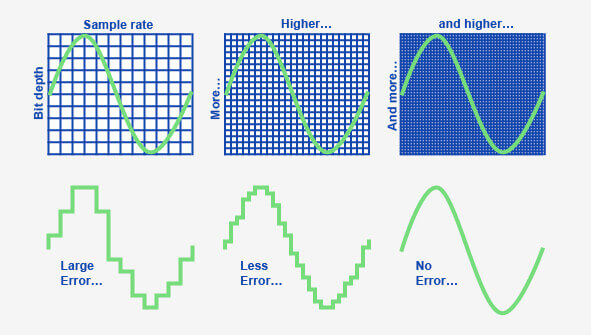
When it comes to digital audio, sample rate refers to the number of samples of sound that are taken per second to create a digital representation of an analog signal. In other words, it’s the number of times per second that the analog sound wave is measured and converted to a digital signal. The higher the sample rate, the more accurately the sound can be represented in the digital domain.
Personally, I’ve noticed that when I’m working on a music production project and I choose a higher sample rate, the resulting audio files tend to sound clearer and more detailed. As an avid music listener, I also appreciate the difference in sound quality when listening to high sample rate audio files on my headphones or speakers.
According to Ethan Winer, author of “The Audio Expert”, “In general, using a higher sample rate than the minimum required for the material being recorded or processed is good practice. However, there is no benefit to using a higher rate than twice the highest frequency that needs to be captured or processed.”
The Relationship Between Audio Sample Rate and Sound Quality
As mentioned earlier, the higher the sample rate, the more accurately the sound can be represented in the digital domain. This means that a higher sample rate can lead to a higher quality sound, with more accurate representation of the original analog sound wave.
I’ve also found that the relationship between sample rate and sound quality is not always linear. That is, going from 44.1 kHz to 48 kHz may not make as much of a difference as going from 48 kHz to 96 kHz. This is because the higher sample rates allow for more accurate representation of the sound wave, even in the higher frequency ranges.
As Julian Dunn, author of “Mastering Digital Audio”, explains, “Higher sample rates…provide more ‘headroom’ in the recording, which means that the recording can capture more of the dynamic range of the original sound. This can result in a richer, more natural sound.”
Choosing the Right Sample Rate
When it comes to choosing the right sample rate, it’s important to consider the specific needs of your project. If you’re recording a podcast or a voiceover, a sample rate of 44.1 kHz may be sufficient. However, if you’re recording music or other complex audio, a higher sample rate may be necessary to capture all the nuances and details of the sound.
It’s also important to note that a higher sample rate means larger file sizes, which can impact storage and processing requirements. So, it’s important to find a balance between the sample rate and file size that works best for your specific needs.
As author and sound engineer Bob Katz explains, “The most important factor is not the numbers, but how the system sounds. Choose the sample rate that sounds best to you, taking into account the practical considerations of your production environment.”
Final Words:
In conclusion, the sample rate of digital audio plays a significant role in the quality of the resulting sound. By understanding the relationship between sample rate and sound quality, and choosing the right sample rate for your specific needs, you can ensure that your digital audio sounds as good as possible.
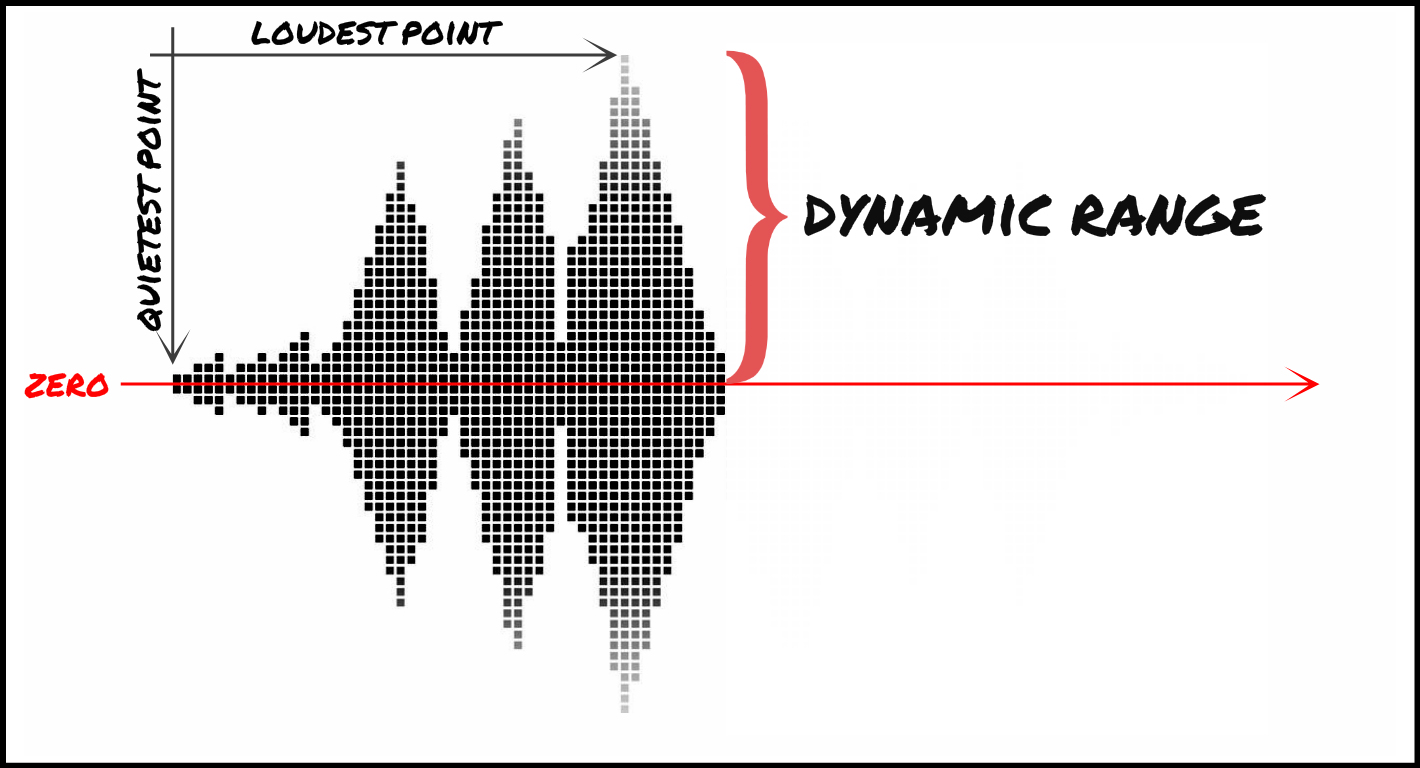
Dynamic range refers to the difference between the loudest and quietest parts of an audio signal. It is an important aspect of sound engineering that determines the quality of sound produced. As an audio engineer, I have come across numerous situations where the dynamic range of a recording was too wide or too narrow, making it difficult to produce a high-quality mix.
In the book “The Mixing Engineer’s Handbook” by Bobby Owsinski, he states: “The dynamic range is what gives a recording its emotional impact. Too much and it becomes tiresome, too little and it becomes boring.” This perfectly illustrates the importance of understanding and mastering dynamic range in audio.
When working with audio, it is important to use tools such as compressors, limiters, and expanders to manage the dynamic range. These tools can help reduce the difference between the loudest and quietest parts of a recording, resulting in a more balanced sound.
How does Dynamic Range Compression work?
Dynamic Range Compression (DRC) is a technique used in audio engineering to reduce the dynamic range of a recording. This is achieved by reducing the volume of the loudest parts of the recording while leaving the quieter parts unchanged.
DRC is commonly used in music production to create a consistent volume level throughout a song. It is also used in broadcasting to ensure that the volume of advertisements is consistent with the volume of the program being aired.
In the movie “Whiplash,” the character Terence Fletcher, played by J.K. Simmons, says, “There are no two words in the English language more harmful than ‘good job’.” While this quote is not related to audio engineering, it perfectly illustrates the idea behind dynamic range compression. By reducing the difference between the loudest and quietest parts of a recording, we create a more consistent and balanced sound.
Why is Understanding Dynamic Range important?
Understanding dynamic range is important for anyone working with audio. It allows us to create high-quality recordings that are both pleasing to the ear and emotionally impactful.
As a personal anecdote, I once recorded a live concert where the dynamic range was too wide. The quiet parts of the recording were barely audible, while the loud parts were painfully loud. After mastering the recording and reducing the dynamic range, the final product was much more enjoyable to listen to.
In conclusion, dynamic range is a crucial aspect of sound engineering that should not be overlooked. By understanding how it works and using the right tools, we can create recordings that are both balanced and emotionally impactful.
Final Words
When it comes to audio engineering, mastering dynamic range is key to creating high-quality recordings. By using tools such as compressors and limiters, we can reduce the difference between the loudest and quietest parts of a recording, resulting in a more balanced sound. As an audio engineer, I have seen firsthand the importance of mastering dynamic range, and I urge anyone working with audio to take the time to understand it fully.










Comments:
This article was very informative! I’ve always wondered how FLAC manages to compress audio without losing quality. Thanks for shedding light on the role of psychoacoustics.
– MusicLover21
Great article! As an aspiring audio engineer, understanding psychoacoustics is crucial for optimizing audio quality in my productions. FLAC encoding seems like a powerful tool in preserving audio fidelity.
– SoundTechEnthusiast
Could you provide more details on how FLAC compares to other lossless audio codecs like ALAC? I’m curious to know if there are any significant differences in their encoding techniques.
– AudioEnthusiast456
This article barely scratches the surface of FLAC encoding. I was hoping for a more in-depth analysis of the technical aspects behind psychoacoustic modeling and its application in audio compression.
– TechNerd123
FLAC has been my go-to format for archiving my music collection, but I never fully understood how it worked until now. Thanks for demystifying the role of psychoacoustics in FLAC encoding!
– VinylCollector99
This article provided a clear overview of FLAC encoding and its reliance on psychoacoustic principles. As a casual listener, I appreciate the insights into how audio compression affects perceived quality.
– AudiophileGirl
FLAC encoding has revolutionized the way we store and distribute high-quality audio. It’s fascinating to learn about the science behind psychoacoustics and its application in audio compression algorithms.
– MusicBuff2023
It’s refreshing to come across an article that delves into the technical aspects of audio encoding. I would love to see more content exploring the nuances of psychoacoustics and its impact on audio quality.
– AudioGeek007
As a musician, I’m always looking for ways to optimize audio quality without sacrificing file size. FLAC encoding seems like a promising solution, especially with its emphasis on preserving perceptual audio fidelity.
– GuitarPlayer23
This article provided a comprehensive overview of FLAC encoding and its reliance on psychoacoustic principles. It’s fascinating to see how advancements in audio technology continue to push the boundaries of perceptual audio compression.
– AudioTechFanatic