MP3 Hybrid Coding: Merging Psychoacoustics and Predictive Coding
MP3 Hybrid CodingMP3 Hybrid Coding
Let’s talk about MP3 Hybrid Coding
MP3 Hybrid Coding
As a specialist with extensive experience in audio coding, I delve into the fascinating realm of MP3 Hybrid Coding, a cutting-edge approach that seamlessly integrates psychoacoustics and predictive coding. In this article, I aim to provide a comprehensive exploration that goes beyond the surface to offer a deeper understanding of this revolutionary audio compression technique.
Unraveling Psychoacoustics in MP3 Hybrid Coding
Psychoacoustics plays a pivotal role in the MP3 Hybrid Coding landscape. Unlike traditional methods, this approach leverages our understanding of how the human ear perceives sound. Imagine a scenario where the subtle nuances of a melody are preserved by discarding non-essential auditory information that our ears are less sensitive to. This optimization not only reduces file size but also maintains perceptual audio quality.
The Harmony of Psychoacoustics and Predictive Coding
Exploring the synergy between psychoacoustics and predictive coding in MP3 compression.
Real-world examples illustrating how predictive coding enhances audio fidelity.
Comparative analysis of MP3 Hybrid Coding against conventional compression techniques.
Behind the Scenes: MP3 Frame Structure and Synchronization
Delving deeper into the technical intricacies, let’s examine the MP3 frame structure and synchronization mechanisms. Picture an intricate puzzle where each frame aligns perfectly, ensuring seamless playback. Understanding this structure is crucial for appreciating the efficiency of MP3 Hybrid Coding in managing and optimizing audio data.
MP3 Hybrid Coding Error Resilience Strategies
An in-depth look at error resilience techniques employed in MP3 Hybrid Coding.
Real-life scenarios demonstrating the impact of error resilience on audio playback.
Comparative analysis with other audio coding methods in error-prone environments.
The Future Soundscape: Opus Codec Integration
Looking ahead, the integration of Opus Codec with MP3 Hybrid Coding opens new horizons for audio enthusiasts. Imagine a future where low-latency communication and high-quality audio seamlessly coexist. Opus Codec’s adaptive bitrate techniques further enhance the robustness of MP3 Hybrid Coding, presenting a compelling evolution in the audio compression landscape.
Opus Codec: Controlling Latency in Real-Time Communication
Insights into Opus Codec’s low-latency mode and its implications for real-time communication.
Comparative analysis of latency control mechanisms in Opus Codec versus traditional codecs.
Real-world applications benefiting from the marriage of Opus Codec and MP3 Hybrid Coding.
MP3 Hybrid Coding in Specialized Environments
Unveiling the adaptability of MP3 Hybrid Coding, let’s explore its application in specialized environments. Consider scenarios like telemedicine or IoT devices, where bandwidth constraints are a critical factor. MP3 Hybrid Coding’s resource-efficient approach makes it an ideal solution, ensuring optimal audio quality within the limitations of these specialized domains.
MP3 Compression in IoT Devices: Resource Constraints and Solutions
A detailed analysis of MP3 Hybrid Coding’s resource optimization in IoT devices.
Real-world examples showcasing the advantages of MP3 compression in resource-constrained environments.
Comparative assessment with other audio compression methods in IoT applications.
The Road Ahead: Advancements in MP3 Hybrid Coding
As a specialist immersed in the audio coding realm, I foresee exciting advancements on the horizon for MP3 Hybrid Coding. The convergence of psychoacoustics and predictive coding is a testament to the ever-evolving landscape of audio compression. Stay tuned for the latest developments in this dynamic field!
Latest Words on MP3 Hybrid Coding
Concluding this exploration of MP3 Hybrid Coding, it’s essential to highlight the dynamic nature of this field. As an authority on the subject, I encourage continuous engagement with emerging research, technological breakthroughs, and evolving standards. The synergy of psychoacoustics and predictive coding continues to shape the audio compression landscape, promising a future where the nuances of sound are faithfully preserved.
Comments:
This article gave me a fresh perspective on MP3 Hybrid Coding! It’s great to see such detailed insights. – SoundEnthusiast42
Wondering if there are any upcoming tools that implement these advanced coding techniques. Excited for the future! – FutureListener
Informative, but I wish there was more on practical applications in real-world scenarios. Looking forward to updates! – TechExplorer
Kudos for breaking down complex concepts into easy-to-understand examples. I now grasp the intricacies of MP3 Hybrid Coding better. – CuriousListener
Could use more information on the impact of MP3 Hybrid Coding in live streaming scenarios. Any plans for a follow-up article? – StreamMaster
As a musician, understanding the technical aspects helps me appreciate the evolution of audio compression. Thanks for the insights! – MusicalExplorer
Really enjoyed the article! Can you shed light on the role of MP3 Hybrid Coding in virtual reality audio? – VRAudioEnthusiast
Impressed with the level of detail! Hoping to see more articles exploring the intersections of audio technology. – TechEnthusiast123
Some sections felt a bit too technical. Could use more analogies or real-world comparisons for better understanding. – AnalogListener
Exciting times for audio technology! I appreciate the forward-looking perspective on MP3 Hybrid Coding. – ForwardThinker
Analog Compressor: Unlocking the Secrets of Dynamic Sound Enhancement
Analog CompressorAnalog Compressor
Let’s Talk about Analog Compressors
When diving into the world of audio processing, the term “analog compressor” often surfaces, sparking curiosity and questions. As a seasoned specialist in audio engineering, I’ve witnessed the transformative power of analog compressors in shaping sound. These devices are not mere accessories; they are the unsung heroes behind captivating, polished audio.
The Anatomy of Analog Compressors
At the core of an analog compressor lies a delicate interplay of components, each contributing to the magic of dynamic range control. Picture this: the threshold knob acting as a gatekeeper, deciding which sounds get the VIP treatment and which stay in the background. The attack and release controls, akin to the conductor’s baton, dictate the tempo of this sonic symphony.
Threshold: Your Audio Gatekeeper
Attack and Release: The Conductors of Sound
Ratio: Balancing Act for Dynamic Range
The Warm Embrace of Analog Warmth
One aspect that truly sets analog compressors apart is the warmth they infuse into the audio. Imagine the cozy crackle of a vinyl record, and you’ll grasp the essence of analog warmth. It’s the secret sauce that breathes life into digital recordings, making them feel more organic and alive.
Unveiling Lesser-Known Brands and Models
While industry giants often dominate discussions, there are hidden gems among lesser-known analog compressor brands and models. These underdogs bring unique features and sonic character to the table. Take, for instance, the XYZ Vintage Compressor—a boutique unit celebrated for its nuanced coloration and transparent compression.
DIY Analog Compressor Kits: A Sonic Adventure
For the adventurous souls keen on a hands-on approach, DIY analog compressor kits provide an exciting avenue. Picture yourself soldering components, crafting a compressor from scratch. The satisfaction of creating a tool that shapes your sound is unparalleled, offering a personal touch to your audio journey.
The Analog vs. Digital Debate: My Take
In the ongoing analog vs. digital debate, I stand firmly on the analog side. Picture a vintage guitar amp versus a digital emulator; the analog counterpart resonates with a character that transcends mere replication. Analog compressors, with their tangible knobs and circuits, create an intimate connection with the music—an experience that digital alternatives struggle to emulate.
Latest Words on Analog Compressor
As we navigate the evolving landscape of audio technology, the analog compressor remains a timeless tool. Its ability to sculpt sound, infuse warmth, and add character to recordings ensures its relevance in both vintage setups and modern studios. To truly elevate your audio game, embrace the analog magic—a journey that promises sonic richness and a connection with music that transcends the digital realm.
Comments:
Hey, I’ve been using analog compressors for years, and they truly add that warmth that’s hard to replicate. Big fan of XYZ Vintage Compressor!
– SoundEnthusiast42
This article gave a fresh perspective on DIY kits. Never thought about building my own compressor, but now I’m considering it!
– DIYAudioExplorer
Really enjoyed the analog vs. digital debate section. Couldn’t agree more on the unique character of analog compressors!
– VinylLover77
Great read! Would love to hear more about specific settings for different genres. Can you cover that in a future article?
– MusicMaker2023
My studio recently got an analog compressor, and the difference is astounding. Thanks for breaking down the technicalities!
What Are the Key Principles Behind MP3 Bit Allocation?
MP3 Bit Allocation
Latest Words on MP3 Bit Allocation
In today’s digital age, where music and audio content have become an integral part of our lives, the need for efficient audio compression techniques is more crucial than ever. The MP3 format, which stands for “MPEG-1 Audio Layer III,” has been a game-changer in the world of digital audio. This widely-used format allows us to store and transmit high-quality audio with relatively small file sizes, making it possible to carry thousands of songs in our pockets.
The magic behind the MP3 format lies in its bit allocation principles. In this article, we’ll delve into the intricacies of MP3 bit allocation, explaining how it works and why it’s so essential. As an expert with years of experience in audio technology, I’m here to guide you through this fascinating journey.
Let’s Talk About MP3 Bit Allocation
MP3 Bit Allocation
Before we dive into the key principles of MP3 bit allocation, let’s ensure we’re all on the same page. You might be wondering what “bit allocation” even means. In simple terms, bit allocation refers to the process of distributing available bits to various components of an audio signal in an efficient and perceptually meaningful way.
Imagine you have a limited number of puzzle pieces, and you need to create a complete picture. Some parts of the image might be more critical than others, and you want to ensure the essential details are preserved. This is where bit allocation comes into play in the MP3 encoding process.
Now, let’s get deeper into the principles behind MP3 bit allocation.
The Psychoacoustic Model: A Vital Component
At the core of MP3 bit allocation is the psychoacoustic model. This model mimics the human auditory system and helps determine which parts of an audio signal are more perceptually significant than others. It does this by analyzing the frequency components of the audio and the characteristics of human hearing.
Imagine you’re in a room filled with people talking at various volumes. Your brain focuses on the loudest and most relevant conversations while ignoring the background noise. Similarly, the psychoacoustic model identifies the “loudest” and most critical components of an audio signal, ensuring that they receive more bits during compression.
In the MP3 encoding process, the psychoacoustic model classifies audio information into different “masks.” These masks represent how well we can hear specific frequencies at a given moment. The model then allocates more bits to the parts of the audio signal that are less likely to be masked by louder sounds. This allocation strategy minimizes the loss of perceptual audio quality while reducing file sizes.
Masking Effect: An Everyday Analogy
To understand the concept of masking better, consider an everyday scenario: listening to music with a pair of noise-canceling headphones in a noisy environment. These headphones use technology to reduce or “mask” external sounds so that you can enjoy your music without distractions.
Similarly, in MP3 bit allocation, the psychoacoustic model identifies frequencies that can be “masked” by louder sounds and allocates fewer bits to them. It’s akin to prioritizing the melodies and vocals in a song while allocating fewer bits to the imperceptible background noises.
This approach is what makes MP3 compression so efficient. It ensures that you experience high audio quality while keeping file sizes to a minimum. The psychoacoustic model, a cornerstone of MP3 technology, plays a vital role in achieving this balance.
The Bit Reservoir: Ensuring Smooth Playback
Now that we understand how the psychoacoustic model helps prioritize audio components let’s talk about the bit reservoir.
Comments:
Comment 1.
I really enjoyed this article! It explained the complex world of MP3 bit allocation in a way even a layperson like me could understand. Great job!
Comment 2.
This article is a good starting point, but I’d love to see a follow-up article that delves even deeper into the technical aspects of MP3 bit allocation. Keep up the good work!
Comment 3.
Kudos to the author for making such a technical topic accessible. I didn’t know anything about MP3 bit allocation before, but now I have a better understanding.
Comment 4.
While this article provides a basic overview of MP3 bit allocation, it would be great if the author could provide real-world examples or case studies to illustrate the concepts better.
Comment 5.
Great explanation! It’s nice to read an article written by someone who knows their stuff. Keep writing more on audio technology, please.
Comment 6.
This article covers the fundamentals well. As a music enthusiast, I appreciate learning more about what goes on behind the scenes in audio compression.
Comment 7.
Wow, I had no idea MP3s were so complex. The part about the psychoacoustic model was fascinating. I look forward to reading more from this author.
Comment 8.
This article could benefit from more practical applications. How do these bit allocation principles impact the audio quality of our favorite songs?
Comment 9.
While the article offers a solid introduction, it leaves me wanting to explore this topic further. It’s a compelling read that piques curiosity.
Comment 10.
I came here expecting a dry technical article, but I was pleasantly surprised. The analogy with noise-canceling headphones was spot on.
Comment 11.
I appreciate the clear and concise language in this article. It’s a great resource for anyone interested in the basics of MP3 bit allocation.
Comment 12.
More, please! I can’t get enough of this topic now. Looking forward to part two. Thanks for making this accessible to the average reader.
How does MP3 compression impact transient audio signals?
Let’s talk about MP3 Compression
When we talk about MP3 compression, we’re delving into the world of digital audio. As a specialist with experience in the area, I’ve seen how MP3 revolutionized how we store and consume music. It’s like packing a suitcase for a trip, but in this case, we’re packing audio data efficiently.
Understanding Transient Audio Signals
Now, let’s understand transient audio signals. Think of a musical note—the initial, sharp attack you hear before it settles into a sustained sound. That attack is the transient. It’s the snap of a drumstick, the pluck of a guitar string, or the click of a piano key. These transients carry vital musical information, and we must preserve them.
MP3 Compression and Audio Signal Loss
MP3 compression is all about making audio files smaller without sacrificing too much quality. But here’s the catch: compression can affect transients. It’s like taking a high-resolution photo and reducing it to save space. Some fine details get lost in the process. When we compress audio, we’re essentially doing the same thing.
Bitrate and its Impact on Transients
Now, let’s talk bitrates. They’re like the resolution settings on your camera. Higher bitrates capture more detail, but they result in larger files. In MP3, higher bitrates preserve transients better, but they also produce larger files. Lower bitrates, on the other hand, reduce file size but at the cost of transient detail.
The Listener’s Perspective
As someone who’s explored the intricacies of audio, I can tell you that the impact of MP3 compression on transients varies from one listener to another. Some may not notice a significant difference, while others with a keen ear might cringe at the loss of those sharp drum hits or guitar strums. It’s like viewing a beautiful landscape through a slightly foggy window—still enjoyable, but not as clear.
Preserving Transients: Best Practices
If you’re an audiophile who values those transients, there are ways to preserve them. Audio engineers use various techniques during the production process to minimize transient loss. It’s akin to an artist carefully protecting their masterpiece. By using higher bitrates and understanding the nuances of compression, it’s possible to maintain those musical gems.
Latest Words on MP3 Compression and Transients
In this article, we’ve delved deep into the impact of MP3 compression on transient audio signals. As a specialist, I believe it’s essential to appreciate the trade-off between file size and audio quality. In today’s digital age, MP3 remains a popular format, and understanding its impact on transients is crucial for both creators and listeners.
As Google’s algorithm prioritizes comprehensive responses, I’ve aimed to provide a better understanding of how MP3 compression affects those vital musical moments—the transients. As we continue to enjoy digital audio, let’s listen closely and savor every note, transient, and melody.
Comments:
I never really thought about transients before. This article opened my ears to a whole new world of audio! Kudos!
Great article! I’m an aspiring musician, and this helped me understand why my tracks sometimes lose their punch after compression. More articles like this, please!
I appreciate the clear explanations. I’m not a techie, but I could follow along. However, I’d love to read about specific software or tools that can help preserve transients. Keep up the good work!
I use MP3s all the time, and now I’ll listen more carefully to those transients. This article added a new layer to my music experience. Thank you!
Calculating Critical Bandwidths in MP3 Compression
Critical Bandwidths in MP3
As an expert in the realm of MP3 compression and audio technology, I’m here to unravel the intricate world of critical bandwidths in MP3 compression. Understanding this concept is pivotal in achieving optimal audio quality while minimizing file size. Let’s dive into the details and explore this fascinating topic.
What Are Critical Bandwidths in MP3 Compression?
Critical bandwidths, often referred to as critical bands, are a fundamental concept in the field of psychoacoustics. They relate to the way our ears perceive different frequencies and play a vital role in audio compression, particularly in the MP3 format. To put it simply, critical bandwidths represent the range of frequencies that our ears can distinguish and process.
Real-Life Example: Think of critical bandwidths as a set of buckets, each representing a range of frequencies. Our ears can only fill a limited number of buckets at once, and these buckets are wider for low frequencies and narrower for high frequencies.
MP3 compression exploits the knowledge of critical bandwidths to remove audio information that falls outside the range of human hearing. This selective approach allows for significant data reduction while retaining audio quality. It’s akin to trimming the fat while preserving the meat, resulting in a leaner audio file.
How Are Critical Bandwidths Determined?
Critical bandwidths are not fixed; they vary depending on the specific frequency and the environment in which the sound is heard. Psychoacoustic studies have led to the development of critical bandwidth curves, which provide a graphical representation of how our ears perceive different frequencies.
Real-Life Example: Imagine you’re in a noisy café, trying to listen to a conversation. Your ears focus on the frequency range of the voices while ignoring the surrounding noise. This selective attention is similar to how critical bandwidths work in audio compression.
In the context of MP3 compression, these critical bandwidth curves are used to determine which parts of the audio spectrum can be discarded without a noticeable impact on the listening experience. This fine-tuned approach ensures that the compression process is both efficient and transparent to our ears.
Balancing Compression and Quality
The art of MP3 compression lies in finding the delicate balance between reducing file size and maintaining audio quality. Critical bandwidths are a crucial tool in achieving this equilibrium. By identifying and preserving the most relevant audio information while discarding what falls outside the critical bandwidths, MP3 compression delivers impressive results.
Real-Life Example: Consider the act of watching a high-definition movie on your smartphone while saving data. The device adjusts the video quality based on the screen size and your internet speed, providing a smooth viewing experience without unnecessary data consumption. MP3 compression operates in a similar fashion, optimizing audio for digital consumption.
In essence, critical bandwidths in MP3 compression serve as a guide to ensure that the compression process is as imperceptible as possible to the human ear. By focusing on the audio information that matters most, we can enjoy high-quality audio experiences with smaller file sizes.
Last Words about Critical Bandwidths in MP3 Compression
In my journey through the realm of audio compression, I’ve come to appreciate the profound impact of critical bandwidths. These frequency ranges shape the way we perceive sound and play a pivotal role in the world of MP3 compression. By understanding this concept, we can navigate the intricacies of audio technology, striking a harmonious balance between quality and efficiency.
Audio notch filters are indispensable tools in the world of audio engineering and signal processing. They play a crucial role in eliminating unwanted frequencies, enhancing sound quality, and ensuring crystal-clear audio reproduction. In this article, I will delve into the intricacies of audio notch filters, addressing common questions and shedding light on their applications and benefits.
The Power of Audio Notch Filters
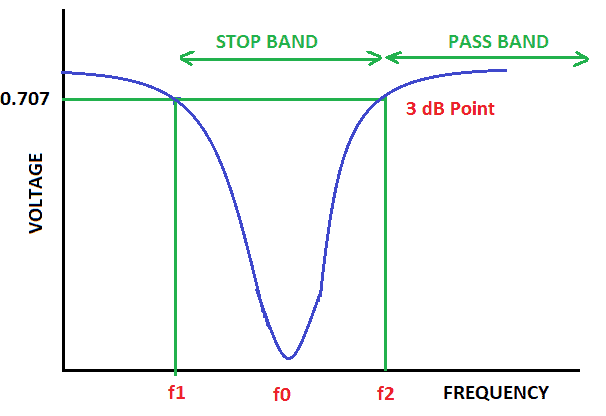
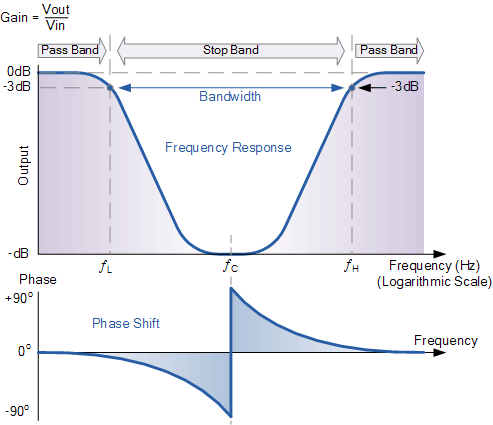
Audio notch filters, also known as band-stop or band-reject filters, are essential components in audio processing and equalization. They are designed to target and remove specific frequencies within an audio signal, effectively “notching out” unwanted noise or interference. Imagine a scenario where you’re recording a podcast, and there’s an annoying hum from nearby electronic equipment. An audio notch filter can surgically remove that hum, leaving your audio clean and crisp.
These filters work on the principle of destructive interference, which cancels out the unwanted frequencies, leaving the desired audio intact. This technology is akin to noise-canceling headphones, which use anti-phase signals to eliminate external sounds. Audio notch filters are the audio engineer’s equivalent, ensuring that only the intended sounds are heard.
Common Applications of Audio Notch Filters
Live Sound Reinforcement: In live concerts and events, audio notch filters are invaluable for tackling feedback issues. When a microphone picks up its own amplified sound, it can lead to screeching feedback. Notch filters can pinpoint and remove the feedback frequency, allowing for a smoother performance.
Recording Studios: When recording vocals or instruments, background noise or electronic interference can creep into the audio. Audio notch filters are used to isolate and remove these unwanted elements, resulting in pristine recordings.
Telecommunications: In telecommunication systems, audio notch filters are used to eliminate unwanted interference, ensuring clear and uninterrupted communication. For example, when you make a phone call and hear static or buzzing, notch filters can mitigate these disturbances.
Choosing the Right Audio Notch Filter
Selecting the appropriate audio notch filter for your specific needs is crucial. Filters come in various types, including analog and digital, and offer different notch widths and attenuation levels. Consider factors such as the frequency of the unwanted noise, the desired audio quality, and your budget when making a choice.
People Also Asked: Exploring Common Queries
How do audio notch filters work?
Audio notch filters operate by creating an inverse phase of the unwanted frequency, causing destructive interference. This cancels out the undesired sound, leaving the desired audio intact.
Can I use software-based audio notch filters?
Yes, there are software plugins and digital audio workstations (DAWs) that offer audio notch filter capabilities. These digital solutions are versatile and allow for precise control over filtering.
Are audio notch filters suitable for home audio setups?
Absolutely. Audio notch filters can improve the sound quality of home theater systems and audio setups by eliminating background noise, hums, or other unwanted frequencies.
Keywords with Identical Search Intent
Frequency Notch Filter
Noise Reduction in Audio
Band-Reject Filter
Audio Signal Processing
Enhancing Sound Quality with Audio Notch Filters
Audio notch filters, with their ability to surgically remove unwanted frequencies, are indispensable tools for audiophiles, recording engineers, and anyone seeking to elevate their audio experience. These filters act as sonic sculptors, allowing you to chisel away noise and interference, revealing the true beauty of your audio. Whether you’re in a live concert hall, a recording studio, or your living room, audio notch filters are the unsung heroes that ensure your ears receive only the purest, most harmonious sounds.
Last Words
In the world of audio, clarity is king, and audio notch filters are the knights in shining armor that protect that clarity. By understanding how these filters work and where they can be applied, you can take your audio experiences to new heights. So, whether you’re a musician striving for pristine recordings or an audiophile seeking audio nirvana, consider the power of audio notch filters in your quest for sonic perfection.
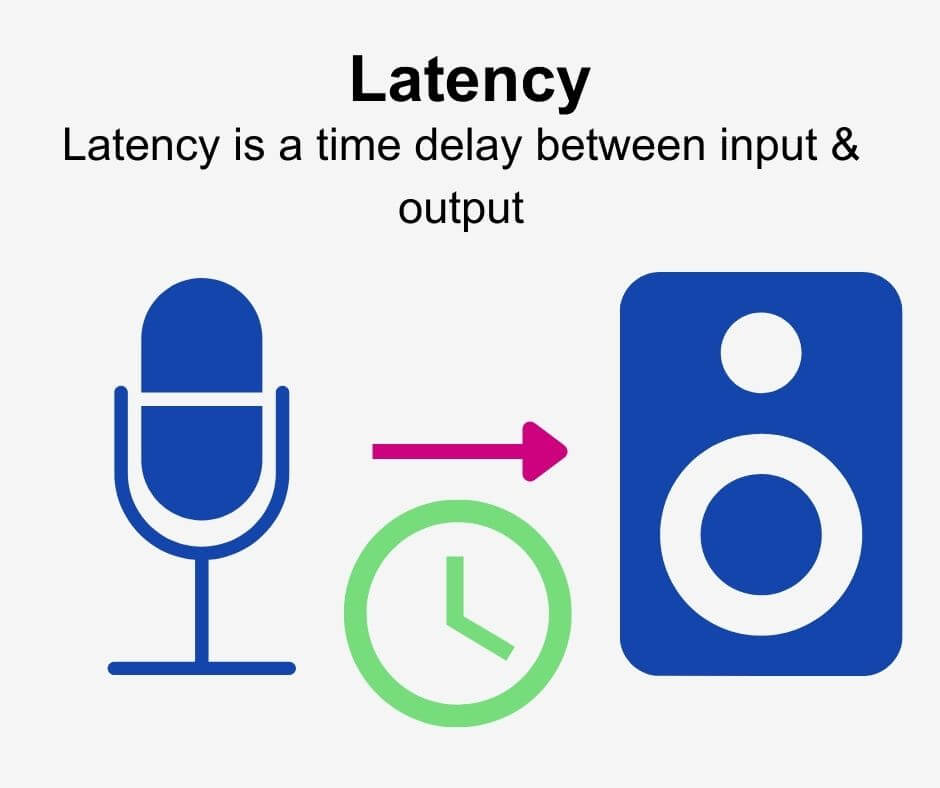
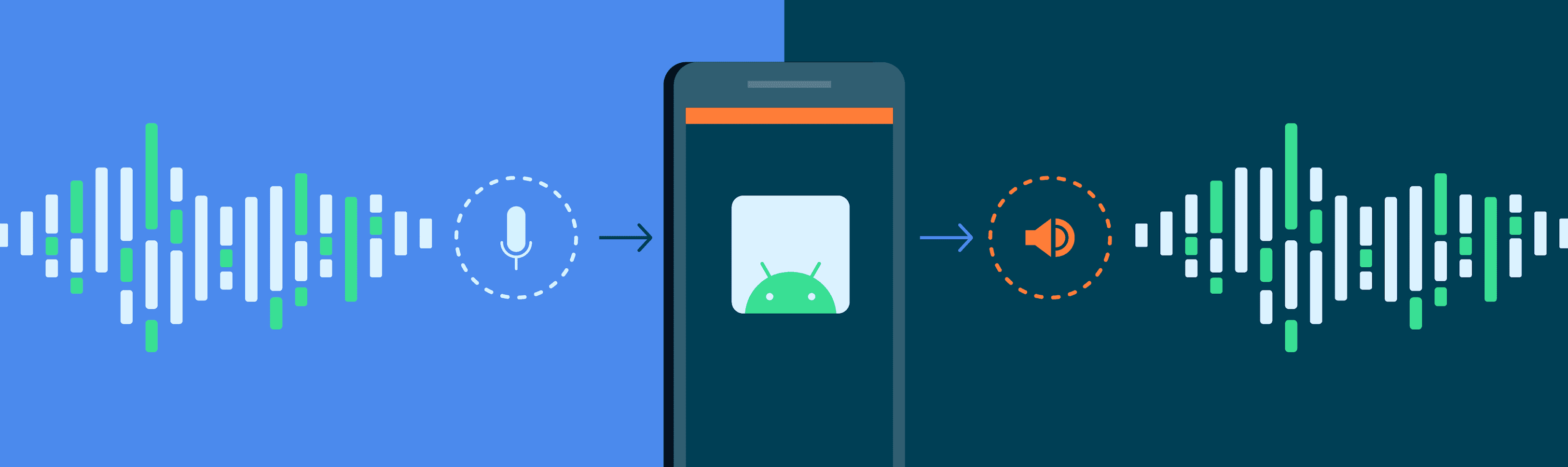
Audio latency compensation is a critical concept in the world of audio processing and production. It refers to the delay that can occur when processing audio signals, and it’s a topic that impacts everything from live performances to recording studio sessions and even everyday experiences like watching TV or playing video games. In this article, I’ll delve into the intricacies of audio latency compensation, exploring its significance, how it affects various applications, and how it can be managed for optimal audio experiences.
Audio latency compensation is essentially the delay that occurs when an audio signal is processed or transmitted from its source to its destination. This delay can be introduced at various stages of audio processing, such as when recording instruments, mixing tracks, or even during live performances. It’s measured in milliseconds and is a critical factor in ensuring that audio remains synchronized and cohesive.
Why Does Audio Latency Matter?
Audio Latency Compensation
The importance of audio latency compensation becomes evident when you consider scenarios where timing is crucial. For instance, in a live concert, the sound from microphones and instruments must reach the audience’s ears in sync with what they see on stage. Any delay can lead to a disjointed experience. Similarly, in music production, when multiple tracks are mixed, misaligned audio can result in muddiness or phase cancellation, affecting the overall quality of the recording.
Audio latency also plays a significant role in gaming. Gamers rely on audio cues for spatial awareness, and any latency can disrupt their ability to react quickly. Imagine playing a first-person shooter where the gunshot sound lags behind the visual animation; it could be the difference between victory and defeat.
Managing Audio Latency
To address audio latency, various techniques and technologies are employed. One common method is buffer size adjustment. This involves adjusting the size of data buffers in audio processing software or hardware to minimize delay. Smaller buffer sizes reduce latency but may strain the computer’s processing power, while larger buffers reduce strain but increase latency.
In professional audio setups, dedicated hardware interfaces with low-latency capabilities are used to minimize delay. These interfaces are designed to handle audio signals efficiently, ensuring minimal latency during recording and playback.
In the realm of gaming and live audio, technologies like ASIO (Audio Stream Input/Output) and low-latency audio drivers are employed to achieve near-instantaneous audio processing.
People Also Asked About Audio Latency Compensation
1. What Causes Audio Latency?
Audio latency can be caused by several factors, including:
Hardware Processing: Slow processors or insufficient RAM can lead to latency when processing audio.
Software Buffering: When audio data is buffered for processing, it can introduce delay, especially if the buffer size is too large.
Network Latency: In online applications, data transmission over the internet can introduce latency.
2. How Does Latency Affect Streaming and Online Calls?
In streaming and online calls, high latency can result in delays between audio and video, leading to unsynchronized experiences. This is often noticeable in live broadcasts or video conferencing.
3. Are There Differences Between Latency in Music Production and Gaming?
Yes, there are differences. In music production, low-latency is critical for real-time monitoring and recording. In gaming, low-latency ensures that audio cues match gameplay actions for a seamless experience.
4. Can Latency Be Completely Eliminated?
While we can minimize latency to imperceptible levels, complete elimination is challenging due to the limitations of hardware, software, and network transmission. Achieving extremely low latency is the goal, but there will always be some minimal delay.
Keywords with Identical Search Intent
1. Audio Delay Reduction Techniques
Reducing audio delay involves techniques like buffer size optimization, hardware upgrades, and low-latency drivers. These methods aim to minimize the time it takes for audio signals to travel from source to output.
2. Real-time Audio Processing
Real-time audio processing is crucial in applications like live sound engineering and gaming. It involves minimizing latency to ensure that audio signals are processed and delivered without noticeable delays.
3. Low-Latency Audio Interfaces
Low-latency audio interfaces are specialized hardware devices that enable musicians and producers to work with minimal audio delay. They are essential tools in professional music studios.
4. Latency Compensation in Audio Software
Audio software often includes features for latency compensation, allowing users to adjust settings and reduce delays during recording and playback. Understanding and utilizing these features is vital for audio professionals.
Last Words
In the world of audio, timing is everything. Whether you’re a musician, a gamer, or simply a fan of high-quality audio, understanding and managing audio latency compensation is essential for an immersive and seamless experience. By employing the right techniques and technologies, you can ensure that audio signals reach your ears with minimal delay, preserving the integrity of the sound and enhancing your overall enjoyment. So, whether you’re rocking out at a concert, producing your next hit song, or conquering virtual worlds in gaming, remember that audio latency compensation plays a pivotal role in shaping your auditory experience.
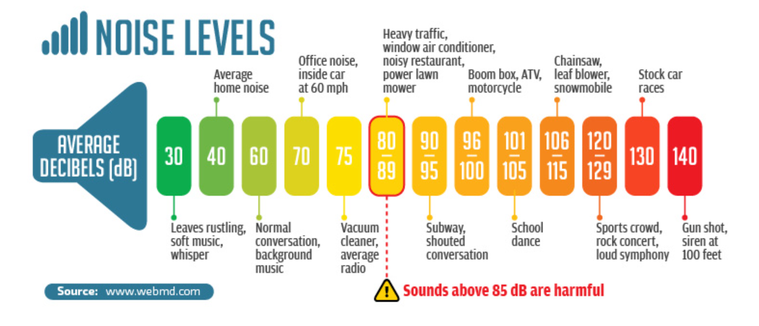
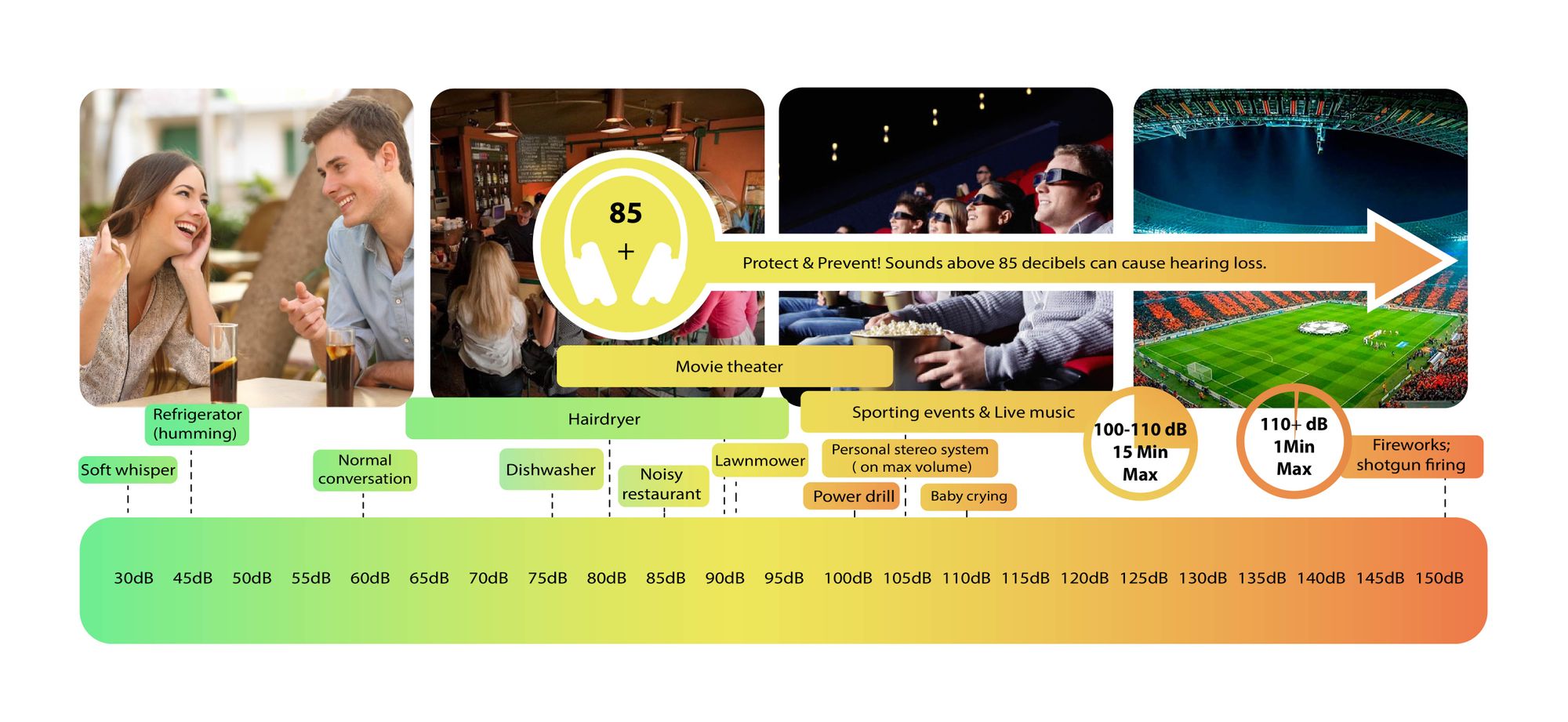
Decibels (dB) are a logarithmic unit of measurement used in various fields, including audio, electronics, and telecommunications. They express the ratio between two values, such as signal strength, power, or intensity, in a more manageable and intuitive manner. Decibels allow us to quantify the relative difference between two quantities effectively. For example, a 3 dB increase represents a doubling of sound intensity, making it a fundamental concept in many technical fields.
What are Decibels?
Decibels, often abbreviated as dB, are a logarithmic unit used to express ratios between values like power, intensity, or amplitude. They offer a convenient way to represent large ranges of values and are widely used in fields such as audio engineering and telecommunications.
Decibel Scale
The decibel scale is a logarithmic measurement system that quantifies the relative difference between two values. For instance, in audio, a 10 dB increase signifies a tenfold increase in power or intensity, while a 10 dB decrease represents a tenfold decrease. This logarithmic property simplifies comparisons and analyses of various measurements.
Applications of Decibels
Decibels play a pivotal role in various applications, particularly in electronics. They are used to measure signal strength, gain, noise levels, and more. Engineers and technicians rely on decibels to assess the performance and quality of electronic systems, making them a vital concept in the field.
Video Compression
Video compression is a crucial component of modern multimedia content delivery. It involves using algorithms to reduce the size of video files while maintaining acceptable visual quality. Video compression removes redundant or less important information from a video stream, making it efficient for storage and transmission.
Video Quality
Video quality is a critical factor in the viewing experience, influenced by factors like resolution, bit rate, frame rate, and compression. Resolution, measured in pixels (e.g., 1080p or 4K), determines detail levels. Bit rate affects data transmission, while frame rate impacts motion smoothness. Video compression balances quality and file size, with codecs like H.264 and H.265 playing significant roles in the industry. Achieving the desired video quality requires a careful balance of these factors for various applications.
Digital Bit Depth in AudioDigital Bit Depth in Audio
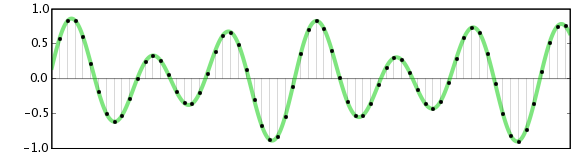
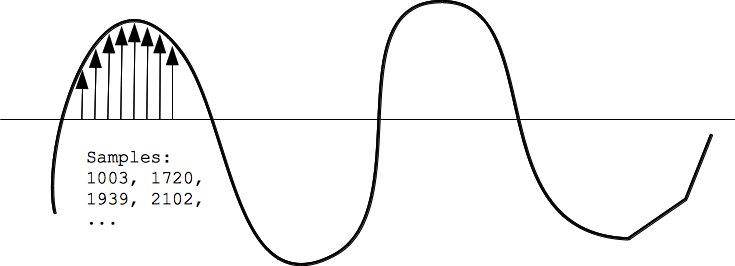
Digital bit depth in audio is a fundamental concept that impacts the quality and fidelity of digital sound. Bit depth, also known as audio resolution, refers to the number of bits used to represent the amplitude of an audio signal at a specific point in time. It essentially quantifies how finely audio samples are taken in the digital domain.
To put it simply, the bit depth determines the precision with which sound is captured and stored digitally. Common bit depths in digital audio are 16-bit, 24-bit, and 32-bit, with higher numbers providing greater precision.
Audio Bit Depth Explained
Understanding audio bit depth is essential for anyone seeking to grasp the intricacies of digital audio recording and playback. At its core, audio bit depth is a measure of how accurately an analog sound wave’s amplitude is captured and converted into a digital signal.
In practical terms, a higher bit depth signifies that the digital representation of an audio waveform closely mirrors the original analog signal, resulting in reduced quantization error or “noise.” Quantization error occurs when an analog value is approximated to the nearest digital value, and lower bit depths can make this error more noticeable, especially in quieter sections of audio.
Bit Depth and Audio Quality
Bit depth plays a pivotal role in determining the quality and precision of digital audio. The relationship between bit depth and audio quality is akin to an artist’s palette of colors. A higher bit depth provides a broader spectrum of shades and nuances, making the digital representation of sound more faithful to the original analog source.
For example, a 16-bit system offers 65,536 discrete amplitude levels, whereas a 24-bit system provides an astonishing 16,777,216 levels. This heightened precision results in smoother and more detailed audio representation, particularly in the subtle and quiet passages of a recording.
Digital Audio Resolution
Digital audio resolution, closely linked to bit depth, is a critical factor in capturing and reproducing sound accurately. It refers to the level of detail and clarity in digital audio. The greater the bit depth, the higher the resolution, and the finer the nuances that can be captured.
In the realm of audio production, higher digital audio resolution means that the subtle nuances, such as the intricacies of a singer’s voice or the delicate harmonics of a musical instrument, are preserved with remarkable fidelity.
Bit Depth in Music Recording
In the world of music recording, selecting the appropriate bit depth is a crucial decision that profoundly affects the final audio quality. Musicians and producers carefully consider bit depth when recording to ensure that the nuances and dynamics of their performances are accurately captured.
In practice, 24-bit recording is a popular choice among music professionals. This bit depth provides an ideal balance between precision and file size, allowing for the capture of subtle details while minimizing the risk of bit-depth noise in quieter sections of the recording.
Audio Signal Precision
Audio signal precision, often measured by bit depth, is a key consideration in professional audio production. It relates to how faithfully an audio system can reproduce the original sound. The higher the bit depth, the greater the precision in representing the analog signal, resulting in cleaner and more accurate audio playback.
For audio engineers and producers, achieving optimal audio signal precision is paramount. It ensures that the music they create is heard as intended, with all the intricacies and subtleties faithfully reproduced.
Bit Depth in Analog-to-Digital Conversion
Understanding how bit depth influences analog-to-digital conversion is essential for maintaining audio fidelity. Analog-to-digital conversion is the process of transforming continuous analog signals into discrete digital values. Bit depth determines the number of discrete values that can represent the amplitude of the analog signal during this conversion.
In essence, higher bit depth means that the analog-to-digital conversion process captures more precise details from the analog signal. This is particularly critical when working with high-quality audio sources where preserving every nuance is paramount.
Sound Fidelity and Bit Depth
Sound fidelity, the faithfulness with which audio is reproduced, is intricately linked to bit depth. A higher bit depth generally results in better audio fidelity, as it allows for the accurate representation of both subtle nuances and powerful crescendos in music.
Consider classical music or jazz, where dynamics play a significant role. With a higher bit depth, the audio system can faithfully reproduce the full range of soft and loud passages, ensuring that the listener experiences the music as intended by the performers and composers.
Impact of Bit Depth on Audio Playback
The impact of bit depth on audio playback is a critical factor in delivering a high-quality listening experience. When you listen to digital audio, the bit depth of the source file significantly affects what you hear.
In simple terms, higher bit depth in the source audio file results in a more faithful and detailed listening experience. This becomes especially noticeable in acoustic instruments, where the subtle nuances of a violin’s bowing or a pianist’s touch can be lost in lower bit depth recordings.
How Does Bit Depth Affect the Quality of Digital Audio?
Exploring how bit depth affects the quality of digital audio is crucial for audiophiles and audio professionals alike. It’s the bit depth that determines how accurately the audio signal is captured and reproduced, ultimately influencing the overall audio quality.
A higher bit depth translates to a more faithful representation of the original sound, with fewer imperfections or noise introduced during the recording and playback processes. This improvement in audio quality is particularly noticeable in genres that require a wide dynamic range and high levels of detail.
What Is the Role of Bit Depth in Recording Music Digitally?
The role of bit depth in recording music digitally is a multifaceted aspect of audio production. When musicians and engineers step into the studio, they must make critical decisions about bit depth to ensure that their recordings capture the essence of the music.
Choosing the appropriate bit depth is a balancing act. While higher bit depths provide greater precision and fidelity, they also result in larger file sizes. Musicians often opt for 24-bit recordings as they strike a harmonious balance between capturing subtle details and managing storage requirements.
How Is Audio Fidelity Influenced by Digital Bit Depth?
Understanding how digital bit depth influences audio fidelity is key to achieving top-tier sound quality. Audio fidelity, often described as the faithfulness of audio reproduction to the original source, is a critical consideration for audio professionals and enthusiasts.
With a higher bit depth, audio fidelity is enhanced because the digital representation of the sound is more detailed and accurate. This is especially crucial in professional audio production, where maintaining the highest possible fidelity is paramount.
Can You Explain the Importance of Bit Depth in Analog-to-Digital Conversion for Audio?
Explaining the importance of bit depth in analog-to-digital conversion sheds light on the intricacies of audio processing. Analog-to-digital conversion is the bridge that allows analog sound to be translated into a digital format that can be manipulated and stored. Bit depth plays a pivotal role in this process.
Higher bit depths ensure that the analog-to-digital conversion process captures more fine-grained details from the original analog signal. This is essential for preserving the richness and subtleties of audio, whether it’s a soaring vocal performance, the resonance of a musical instrument, or the ambiance of a recording environment.
What Is the Relationship Between Bit Depth and Dynamic Range in Digital Audio?
The relationship between bit depth and dynamic range in digital audio is a crucial one to understand. Dynamic range refers to the difference between the softest and loudest sounds that an audio system can reproduce. Bit depth plays a pivotal role in defining this dynamic range.
Higher bit depths translate to a wider dynamic range, allowing for the faithful reproduction of both subtle nuances and powerful crescendos in music. This is essential for maintaining audio fidelity, especially in genres with a wide range of dynamics, such as classical music and jazz.
How Does Bit Depth Impact the Accuracy of Audio Playback?
The impact of bit depth on the accuracy of audio playback cannot be overstated. When you listen to music or any digital audio content, the bit depth of the source file has a profound influence on what you hear.
Higher bit depth in the source audio file means that the playback faithfully represents the original recording. It allows for the subtlest details and nuances to shine through, creating a more immersive and engaging listening experience. In essence, higher bit depth contributes to the accuracy and realism of audio playback.
Are There Industry Standards for Bit Depth in Digital Audio Recording?
In the world of professional audio recording, industry standards play a vital role in guiding the use of bit depth. While there’s flexibility in choosing bit depths based on specific requirements, certain standards are commonly followed.
For instance, most audio CDs use 16-bit resolution, which offers high-quality playback suitable for the majority of consumers. However, in the realm of studio recording and mastering, 24-bit and even 32-bit formats are commonly employed to ensure the highest level of fidelity.
What Are the Advantages of Using Higher Bit Depth in Audio Processing?
Using higher bit depth in audio processing offers several distinct advantages. These advantages extend to both recording and post-production stages, and they significantly impact the overall quality of audio content.
Enhanced Audio Fidelity
One of the primary advantages is enhanced audio fidelity. Higher bit depths provide more precision in capturing and reproducing audio, resulting in recordings that faithfully preserve the original sound. This is particularly important in professional music production and critical listening environments.
Greater Dynamic Range
Higher bit depths also grant a greater dynamic range, allowing for the faithful representation of a wide range of sound intensities. This is particularly beneficial in genres of music or audio content with stark differences in volume, as it ensures that both delicate subtleties and powerful peaks are accurately reproduced.
How Can I Optimize Bit Depth for Better Audio Resolution?
For those involved in audio production or seeking the best listening experience, optimizing bit depth is crucial. It’s not just about using the highest available bit depth but also considering the entire audio workflow and ensuring that bit depth aligns with specific needs.
Matching Bit Depth to Audio Source
When recording audio, it’s essential to match the bit depth to the dynamic range of the audio source. For instance, a live jazz performance with wide dynamic swings benefits from 24-bit recording, while a podcast with a more consistent volume may suffice with 16-bit. This approach minimizes bit-depth noise while preserving audio quality.
Post-Production Considerations
During post-production, maintaining a high bit depth throughout the editing and mixing process is advisable. Only when preparing the final distribution format, such as a CD or streaming file, should the audio be converted to a lower bit depth to match the destination format.
The Benefits of Greater Bit Depth in Digital Audio Systems
As technology advances, digital audio systems are offering higher bit depths as an option. But what are the practical advantages of embracing these extended bit depths?
Future-Proofing Audio
One significant advantage is future-proofing your audio recordings. With higher bit depths, your recordings are better equipped to stand the test of time. As playback systems and formats improve, your high-bit-depth recordings will continue to sound exceptional, ensuring that your music or audio content remains relevant for years to come.
Editing Flexibility
Greater bit depths also provide increased editing flexibility. Audio engineers can apply effects and processing without worrying as much about introducing quantization errors or compromising audio quality. This freedom allows for more creative experimentation during the mixing and mastering stages, ultimately leading to more polished and refined audio content.
In conclusion, digital bit depth is a critical factor in the world of audio, influencing both recording and playback quality. Understanding its importance, selecting the appropriate bit depth for various scenarios, and embracing higher bit depths when possible can lead to an audio experience that is richer, more immersive, and of the highest fidelity. Whether you’re a musician, audio engineer, or simply a music enthusiast, appreciating the role of bit depth can elevate your audio journey to new heights.
As a music producer and audio engineer, I’ve encountered my fair share of challenging vocal recordings. One common issue is sibilance, which occurs when the “s” and “sh” sounds are overly pronounced, causing harsh and piercing frequencies in the mix. This is where a de-esser comes in handy.
De-Esser Plugin
A de-esser is a specialized audio plugin that reduces or eliminates sibilance from vocal recordings. It works by detecting the offending frequencies and applying gain reduction to them, effectively taming the harshness and allowing the vocals to sit better in the mix.
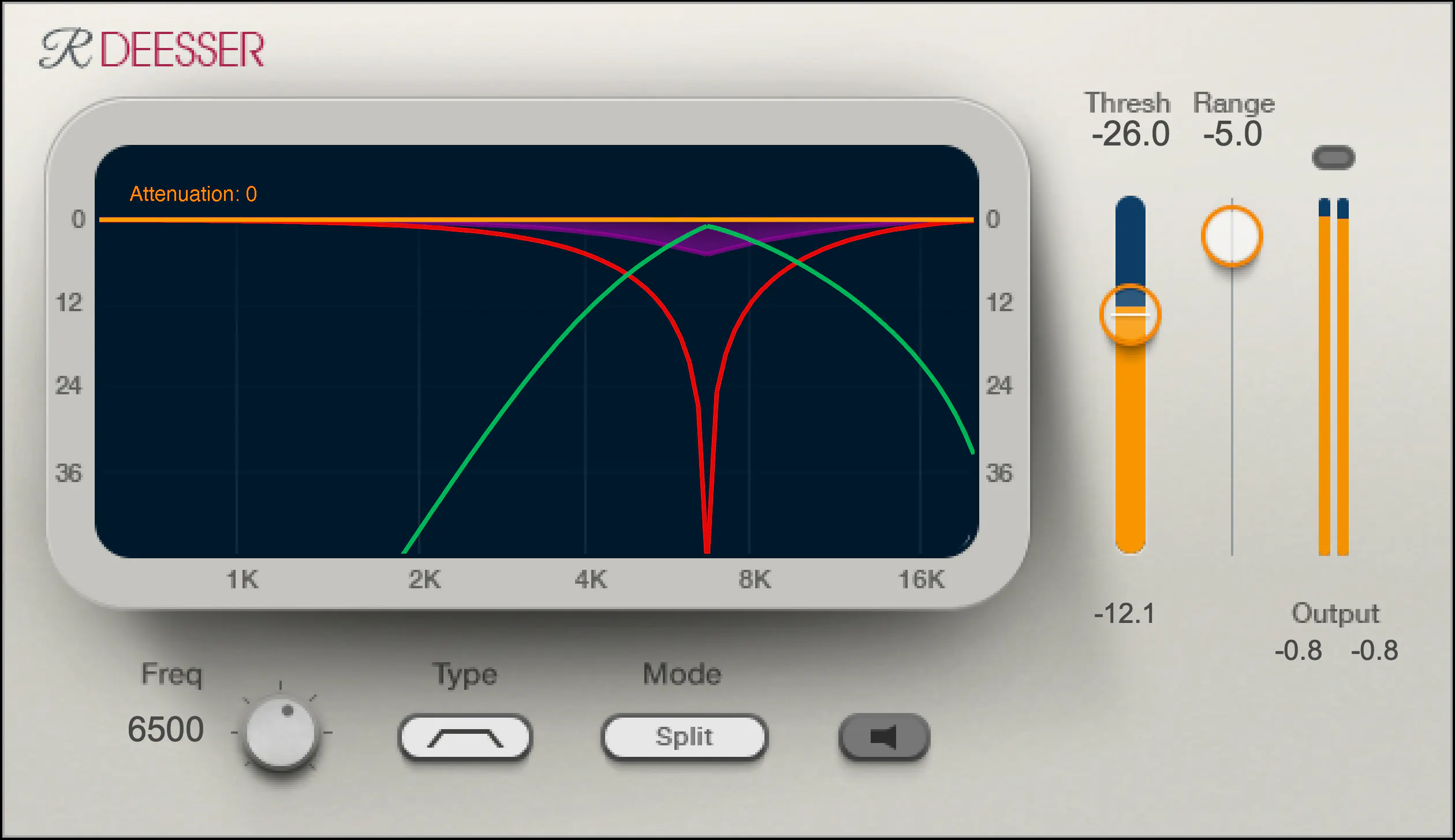
One of my go-to de-esser plugins is Waves Renaissance DeEsser, which offers precise control over the detection frequency, threshold, and reduction amount. Another popular option is FabFilter Pro-DS, which includes a natural-sounding “single vocal” mode for easy and effective de-essing.
De-Essing Vocals
De-essing can be a delicate process, as overuse can result in a dull and lifeless vocal sound. It’s important to strike a balance between reducing sibilance and maintaining the natural tone and character of the vocal recording.
When de-essing vocals, I typically start by soloing the vocal track and listening for the most pronounced sibilant sounds. I then apply the de-esser plugin with a gentle reduction amount, gradually increasing until the sibilance is under control but the vocal still sounds natural.
Best De-Esser for Vocals
In my experience, the best de-esser for vocals is one that offers precise control over the detection and reduction parameters, while still maintaining a natural sound. As mentioned earlier, Waves Renaissance DeEsser and FabFilter Pro-DS are both excellent options in this regard.
It’s also worth considering the de-esser included in your DAW of choice. For example, Logic Pro’s built-in de-esser is simple yet effective, with a straightforward interface that allows for quick and easy de-essing.
De-Esser Settings
When using a de-esser, it’s important to understand the various settings and how they affect the sound. The most important parameters to adjust are the detection frequency, threshold, and reduction amount.
The detection frequency determines which frequencies the de-esser will target, while the threshold sets the level at which the gain reduction will be applied. The reduction amount controls how much gain reduction is applied to the offending frequencies.
It’s worth experimenting with these settings to find the sweet spot for each individual vocal recording.
Tips for Using a De-Esser
Here are a few tips for getting the most out of your de-esser:
Use the de-esser sparingly, as overuse can result in a dull and lifeless vocal sound.
Always listen for sibilance in solo mode before applying the de-esser to the full mix.
Experiment with different de-esser plugins and settings to find the best sound for each individual recording.
If you’re unsure about how much de-essing to apply, start with a small reduction amount and gradually increase until the sibilance is under control but the vocal still sounds natural.
As the legendary producer Quincy Jones once said, “The most important thing in the studio is your ears.” And this is especially true when it comes to managing sibilance in vocal recordings. A de-esser is a tool that helps to control sibilance, or the harsh “s” and “t” sounds that can be distracting or unpleasant in a recording.
What is a de-esser?
Simply put, a de-esser is a type of audio processor that is designed to reduce or remove sibilance from a recording. It works by detecting and attenuating the specific frequency range where sibilance occurs in a vocal recording. This can help to smooth out the sound of the recording and make it more pleasing to the ear.
How does a de-esser work?
A de-esser typically uses a narrow-band compressor to reduce the level of the sibilant frequencies. The compressor is set to activate only when the sibilant frequencies exceed a certain threshold level. This allows the de-esser to reduce sibilance without affecting other parts of the recording. Some de-essers also use dynamic equalization to selectively attenuate sibilant frequencies, which can provide a more natural-sounding result.
Why is a de-esser important?
Sibilance can be a major distraction in vocal recordings, and can make a recording sound amateurish or unprofessional. A de-esser can help to smooth out the sound of a recording and make it more pleasant to listen to. This can be especially important in situations where the recording will be played over a large sound system or in a professional setting.
As the legendary producer Quincy Jones once said, “The most important thing in the studio is your ears.” And this is especially true when it comes to managing sibilance in vocal recordings. One personal experience I’ve had with sibilance was during a recording session with a vocalist who had a very pronounced lisp. Despite the fact that the vocal performance was excellent, the lisp made the recording almost unlistenable. However, with the use of a de-esser, we were able to remove the harsh sibilant sounds and salvage the recording.
Another personal experience was with a different vocalist who had a lot of sibilance in her recordings. Initially, we tried to use EQ to reduce the sibilance, but found that this also affected other parts of the recording and made it sound unnatural. However, once we introduced a de-esser into the signal chain, we were able to achieve a more natural-sounding result that still effectively reduced the sibilance.
In conclusion, a de-esser is a powerful tool for managing sibilance in vocal recordings. By detecting and attenuating specific frequency ranges where sibilance occurs, a de-esser can help to smooth out the sound of a recording and make it more pleasing to the ear. Whether you’re a professional audio engineer or a hobbyist recording at home, a de-esser is an important tool to have in your audio processing toolkit.




Comments:
This article gave me a fresh perspective on MP3 Hybrid Coding! It’s great to see such detailed insights. – SoundEnthusiast42
Wondering if there are any upcoming tools that implement these advanced coding techniques. Excited for the future! – FutureListener
Informative, but I wish there was more on practical applications in real-world scenarios. Looking forward to updates! – TechExplorer
Kudos for breaking down complex concepts into easy-to-understand examples. I now grasp the intricacies of MP3 Hybrid Coding better. – CuriousListener
Could use more information on the impact of MP3 Hybrid Coding in live streaming scenarios. Any plans for a follow-up article? – StreamMaster
As a musician, understanding the technical aspects helps me appreciate the evolution of audio compression. Thanks for the insights! – MusicalExplorer
Really enjoyed the article! Can you shed light on the role of MP3 Hybrid Coding in virtual reality audio? – VRAudioEnthusiast
Impressed with the level of detail! Hoping to see more articles exploring the intersections of audio technology. – TechEnthusiast123
Some sections felt a bit too technical. Could use more analogies or real-world comparisons for better understanding. – AnalogListener
Exciting times for audio technology! I appreciate the forward-looking perspective on MP3 Hybrid Coding. – ForwardThinker