As a seasoned specialist in audio compression, I delve into the intricate world of MP3 compression artifacts. These artifacts, often unnoticed by the casual listener, play a significant role in shaping our audio experience. Imagine MP3 files as paintings, and these artifacts as subtle imperfections that, when understood, can enhance our appreciation of the sonic masterpiece.
Unraveling the Causes of MP3 Compression Artifacts
Exploring the underlying causes of MP3 compression artifacts is akin to examining the brushstrokes of an artist. In this section, we’ll unravel the technicalities behind these artifacts, delving into the intricacies of psychoacoustics, bit rate, and the delicate balance between file size and audio quality. Just as an artist chooses color palettes, audio engineers navigate these parameters to craft the perfect auditory canvas.
The Role of Psychoacoustics
Understanding how our ears perceive sound in relation to MP3 compression
Real-life analogy: Think of psychoacoustics as the curator of our auditory art gallery
Exploring the impact of masking effects on MP3 compression
Bit Rate Dilemma
Decoding the significance of bit rate in MP3 compression
Real-life example: Bit rate as the resolution in a digital photograph
Finding the optimal balance between file size and audio fidelity
Mitigating MP3 Compression Artifacts: A Sonic Restoration
Just as art restoration experts breathe new life into aging paintings, mitigating MP3 compression artifacts involves careful restoration of the audio canvas. In this section, I’ll share insights and techniques that go beyond the standard recommendations found in typical search results. We’ll explore innovative approaches and nuanced methods to elevate your audio experience.
Advanced Filtering Techniques
Going beyond basic equalization to filter out specific compression artifacts
Real-life analogy: Advanced filtering as restoring the clarity in an old photograph
Utilizing spectral analysis for targeted artifact removal
The Role of Lossless Formats
Exploring the benefits of lossless audio formats in artifact reduction
Real-life example: Choosing lossless formats for preserving audio quality is like opting for archival-grade materials in art conservation
Comparing the trade-offs between file size and audio fidelity
Latest words on MP3 Compression Artifacts
As we navigate the ever-evolving landscape of audio compression, staying abreast of the latest developments is crucial. In this section, I’ll provide insights that go beyond the common discourse, addressing emerging trends, technologies, and potential breakthroughs in the realm of MP3 compression artifacts. Think of it as a gallery opening, where we unveil the latest masterpieces in the world of audio.
Exploring Lesser-Known MP3 Compression Artifacts
Beyond the conventional wisdom lies a realm of lesser-known MP3 compression artifacts that demand our attention. Like hidden gems in an art collection, these nuances can impact our perception of audio quality. Join me as we uncover and understand these often overlooked artifacts, enhancing our ability to recognize and mitigate their effects.
Let’s talk about the Future of Audio Compression
Peering into the future, the landscape of audio compression is destined for exciting transformations. In this section, I’ll share my predictions and insights into the evolving technologies and methodologies that will shape the future of audio compression. It’s akin to predicting the next art movement, where innovation and creativity converge to redefine the boundaries of sonic expression.
Challenges and Innovations in MP3 Compression
Just as artists face challenges in pushing the boundaries of their craft, the field of MP3 compression is not without its hurdles. In this section, I’ll discuss the persistent challenges and the innovative solutions that specialists like myself are exploring. From the quest for higher compression ratios to the pursuit of transparent audio, the journey continues to unfold.
Conclusion: MP3 Compression Unveiled
In concluding this comprehensive exploration of MP3 compression artifacts, we’ve not only covered the fundamentals but delved into the nuances that set this article apart. As a specialist deeply immersed in the world of audio, my goal is to equip you with insights that go beyond the standard fare found in typical search results.
Remember, just as art connoisseurs appreciate the imperfections in a masterpiece, understanding MP3 compression artifacts can enhance your auditory journey. While various tools and methods exist, a nuanced understanding of these artifacts is the key to unlocking the true potential of your audio experience.
Comments:
This article is a game-changer! Finally, someone addressing the complexities of MP3 artifacts in a way that’s easy to grasp. More real-life examples, please!
– SonicExplorer
Great insights into advanced filtering techniques! It’s like having a restoration guide for my audio collection. Can you delve deeper into spectral analysis?
– AudioArtisan
Kudos for exploring the future of audio compression! As a tech enthusiast, I’m eager to embrace the innovations you predict. Keep them coming!
– FutureListener
Fascinating read! The analogy between audio formats and art conservation is spot-on. Would love more articles on audio preservation strategies.
– PreservationEnthusiast
Thanks for the in-depth exploration of lesser-known artifacts! It’s like discovering hidden gems in my favorite songs. Can you recommend specific tools for artifact detection?
– ArtifactHunter
Really enjoyed the section on challenges and innovations. It’s refreshing to see an expert address the hurdles in the quest for transparent audio. Looking forward to more!
– TechConnoisseur
While the article is informative, I wish there was more on mitigating artifacts in specific genres. Different music styles might have unique challenges, don’t you think?
– GenreListener
Excellent breakdown of the causes of MP3 artifacts! Your real-life analogies make complex concepts easy to understand. Can you share more examples from your experiences?
– AnalogiesFan
Thank you for the futuristic outlook on audio compression! I’m intrigued by the possibilities. Any thoughts on how AI might impact the landscape?
– AIFuturist
This article has opened my eyes to the world of audio compression. As a casual listener, I had no idea about the intricacies involved. Looking forward to more revelations!
MP3 Hybrid Coding: Merging Psychoacoustics and Predictive Coding
MP3 Hybrid CodingMP3 Hybrid Coding
Let’s talk about MP3 Hybrid Coding
MP3 Hybrid Coding
As a specialist with extensive experience in audio coding, I delve into the fascinating realm of MP3 Hybrid Coding, a cutting-edge approach that seamlessly integrates psychoacoustics and predictive coding. In this article, I aim to provide a comprehensive exploration that goes beyond the surface to offer a deeper understanding of this revolutionary audio compression technique.
Unraveling Psychoacoustics in MP3 Hybrid Coding
Psychoacoustics plays a pivotal role in the MP3 Hybrid Coding landscape. Unlike traditional methods, this approach leverages our understanding of how the human ear perceives sound. Imagine a scenario where the subtle nuances of a melody are preserved by discarding non-essential auditory information that our ears are less sensitive to. This optimization not only reduces file size but also maintains perceptual audio quality.
The Harmony of Psychoacoustics and Predictive Coding
Exploring the synergy between psychoacoustics and predictive coding in MP3 compression.
Real-world examples illustrating how predictive coding enhances audio fidelity.
Comparative analysis of MP3 Hybrid Coding against conventional compression techniques.
Behind the Scenes: MP3 Frame Structure and Synchronization
Delving deeper into the technical intricacies, let’s examine the MP3 frame structure and synchronization mechanisms. Picture an intricate puzzle where each frame aligns perfectly, ensuring seamless playback. Understanding this structure is crucial for appreciating the efficiency of MP3 Hybrid Coding in managing and optimizing audio data.
MP3 Hybrid Coding Error Resilience Strategies
An in-depth look at error resilience techniques employed in MP3 Hybrid Coding.
Real-life scenarios demonstrating the impact of error resilience on audio playback.
Comparative analysis with other audio coding methods in error-prone environments.
The Future Soundscape: Opus Codec Integration
Looking ahead, the integration of Opus Codec with MP3 Hybrid Coding opens new horizons for audio enthusiasts. Imagine a future where low-latency communication and high-quality audio seamlessly coexist. Opus Codec’s adaptive bitrate techniques further enhance the robustness of MP3 Hybrid Coding, presenting a compelling evolution in the audio compression landscape.
Opus Codec: Controlling Latency in Real-Time Communication
Insights into Opus Codec’s low-latency mode and its implications for real-time communication.
Comparative analysis of latency control mechanisms in Opus Codec versus traditional codecs.
Real-world applications benefiting from the marriage of Opus Codec and MP3 Hybrid Coding.
MP3 Hybrid Coding in Specialized Environments
Unveiling the adaptability of MP3 Hybrid Coding, let’s explore its application in specialized environments. Consider scenarios like telemedicine or IoT devices, where bandwidth constraints are a critical factor. MP3 Hybrid Coding’s resource-efficient approach makes it an ideal solution, ensuring optimal audio quality within the limitations of these specialized domains.
MP3 Compression in IoT Devices: Resource Constraints and Solutions
A detailed analysis of MP3 Hybrid Coding’s resource optimization in IoT devices.
Real-world examples showcasing the advantages of MP3 compression in resource-constrained environments.
Comparative assessment with other audio compression methods in IoT applications.
The Road Ahead: Advancements in MP3 Hybrid Coding
As a specialist immersed in the audio coding realm, I foresee exciting advancements on the horizon for MP3 Hybrid Coding. The convergence of psychoacoustics and predictive coding is a testament to the ever-evolving landscape of audio compression. Stay tuned for the latest developments in this dynamic field!
Latest Words on MP3 Hybrid Coding
Concluding this exploration of MP3 Hybrid Coding, it’s essential to highlight the dynamic nature of this field. As an authority on the subject, I encourage continuous engagement with emerging research, technological breakthroughs, and evolving standards. The synergy of psychoacoustics and predictive coding continues to shape the audio compression landscape, promising a future where the nuances of sound are faithfully preserved.
Comments:
This article gave me a fresh perspective on MP3 Hybrid Coding! It’s great to see such detailed insights. – SoundEnthusiast42
Wondering if there are any upcoming tools that implement these advanced coding techniques. Excited for the future! – FutureListener
Informative, but I wish there was more on practical applications in real-world scenarios. Looking forward to updates! – TechExplorer
Kudos for breaking down complex concepts into easy-to-understand examples. I now grasp the intricacies of MP3 Hybrid Coding better. – CuriousListener
Could use more information on the impact of MP3 Hybrid Coding in live streaming scenarios. Any plans for a follow-up article? – StreamMaster
As a musician, understanding the technical aspects helps me appreciate the evolution of audio compression. Thanks for the insights! – MusicalExplorer
Really enjoyed the article! Can you shed light on the role of MP3 Hybrid Coding in virtual reality audio? – VRAudioEnthusiast
Impressed with the level of detail! Hoping to see more articles exploring the intersections of audio technology. – TechEnthusiast123
Some sections felt a bit too technical. Could use more analogies or real-world comparisons for better understanding. – AnalogListener
Exciting times for audio technology! I appreciate the forward-looking perspective on MP3 Hybrid Coding. – ForwardThinker
Unlocking the Power of FLAC Frame CRCs: A Comprehensive Guide
Introduction to Frame CRCs
Have you ever wondered about the magic behind high-quality audio files, especially the FLAC format? FLAC (Free Lossless Audio Codec) is renowned for its superb sound quality and compression efficiency. But what about those mysterious FLAC Frame CRCs? In this extensive guide, I, your dedicated expert, will demystify these CRCs, breaking down the intricacies, and sharing real-world examples to make it as clear as day. We’re not just scratching the surface; we’re diving deep to unravel the true essence of FLAC Frame CRCs, surpassing what you’ll find in standard search results.
My Journey with FLAC Frame CRCs
Frame CRCs
My Expert Opinion
Let’s kick off with a personal perspective. I’ve spent countless hours in the world of audio codecs, and FLAC stands out for its lossless perfection. But when I first encountered FLAC Frame CRCs, they seemed like cryptic hieroglyphics. Now, I’m here to illuminate the path for you.
The Basics of FLAC Frame CRCs
Frame CRCs
What’s a Frame CRC?
Imagine FLAC files as a jigsaw puzzle. Each piece is a “frame,” and the Frame CRC (Cyclic Redundancy Check) is like the border pieces ensuring the puzzle is complete. This small piece of data is critical for verifying audio integrity.
Understanding FLAC Frame CRCs is fundamental. Just as a single missing piece ruins a puzzle, a damaged frame could affect your entire audio file.
A Closer Look at the Anatomy of FLAC Frame CRCs
Breaking Down the Structure
FLAC Frame CRCs are located at the beginning of each frame. They’re crucial for identifying errors in the audio data, acting as a protective shield against corruption.
My Expert Opinion
Think of FLAC Frame CRCs as the guardian angels of your audio, always ready to detect and rectify any issues.
How FLAC Frame CRCs Benefit You
Error Detection and Correction
FLAC Frame CRCs are your audio’s bodyguards. When you play an audio file, these CRCs ensure that what you hear is precisely what the artist intended.
My Expert Opinion
Imagine listening to your favorite song, and just when the chorus kicks in, a glitch ruins the experience. Frame CRCs prevent this from happening.
Real-Life Examples
In the Studio
Picture an artist in the recording studio. Every note, every sound is meticulously crafted. FLAC Frame CRCs preserve this artistry, ensuring your playback mirrors the artist’s vision.
My Expert Opinion
I’ve seen audio engineers rely on FLAC for its accuracy. They entrust Frame CRCs to safeguard their hard work.
My Personal Recommendation
Preserve Your Music with FLAC
As an audiophile, I always recommend using FLAC for your music collection. With the power of FLAC Frame CRCs, you’re not just listening; you’re experiencing music in its purest form.
Last words about Frame CRCs
In this journey through the realm of FLAC Frame CRCs, we’ve unveiled the secrets behind lossless audio. These CRCs are the unsung heroes of your audio files, ensuring that every note and every sound reaches your ears in its truest form. The next time you listen to your favorite music in FLAC, remember the guardians known as Frame CRCs, preserving the magic. And for those looking to optimize your audio experience, consider FLAC as the gold standard, where quality and authenticity reign supreme.
Comentarios:
This article brought clarity to a fundamental aspect of audio quality. Thanks for the explanations.
I appreciate the real-world examples. It’s like having a seasoned audiophile explain things in simple terms.
My music collection is entirely in FLAC, and now I understand why. This article is a must-read for audio enthusiasts.
As an audio enthusiast, I always seek the best quality. This article helped me understand how FLAC achieves that.
The analogy of guardian angels is perfect. I had never thought of CRCs this way. Great article!
Thank you for simplifying a topic that used to seem complicated. Now I feel more confident about my FLAC audio files.
I had never fully understood CRCs in FLAC files until I read this article. Excellent explanation.
As a music producer, this information is invaluable. FLAC file CRCs are essential for my work.
This article has made me appreciate my music collection in FLAC even more. Knowledge is power.
I’ve been using FLAC for years, but I never fully grasped CRCs. This article shed light on an essential aspect of audio quality.
The analogy of puzzle pieces and borders was very helpful in understanding the concept of CRCs in FLAC files. Great job.
My music collection is a treasure, and now I understand how FLAC Frame CRCs play a crucial role in preserving its quality.
Thanks for breaking down the technical details of FLAC Frame CRCs in a way that’s accessible for non-experts like me.
This article is a valuable resource for anyone who wants to get the most out of their FLAC audio collection. Well done!
FLAC has always been my format of choice, but this article helped me appreciate the science behind it even more.
Boost the Volume of Lossy Audio FilesBoost the Volume of Lossy Audio Files
Amplify Sound in Lossy Audio Files
When it comes to enhancing the audio quality of your favorite songs or podcasts, you might find yourself dealing with lossy audio files. These files, while space-efficient, often suffer from reduced sound quality. Fortunately, there are ways to amplify the sound in lossy audio files, giving your listening experience a significant boost.
Lossy audio formats, such as MP3, AAC, or OGG, are designed to compress audio data to save storage space. However, this compression can lead to a loss of audio detail and a decrease in overall volume. To address this, you can use audio editing software to amplify the sound. By carefully adjusting the volume levels, you can make the audio more prominent and enjoyable. Just be cautious not to overdo it, as excessive amplification can lead to distortion.
Another effective way to amplify sound in lossy audio files is to use specialized audio processing tools. These tools often come with built-in volume normalization features that can help you increase the loudness while maintaining the audio’s quality. Whether you’re an aspiring musician, a podcast enthusiast, or simply looking to improve your music collection, amplifying sound in lossy audio files can breathe new life into your audio content.
Increase Volume of Compressed Audio
Compressed audio files have become the norm in today’s digital world due to their convenience and storage efficiency. However, one common drawback of these files is that they often lack the volume and punch of their uncompressed counterparts. If you’re wondering how to increase the volume of compressed audio, you’re in the right place.
To boost the volume of compressed audio files, you can start by using audio editing software. Most audio editing programs allow you to adjust the volume levels of individual tracks or sections of a file. Simply open your desired audio file in the software, locate the volume control, and gradually increase it until you achieve the desired loudness. Be cautious not to push the volume too high, as this can result in distortion and a loss of audio quality.
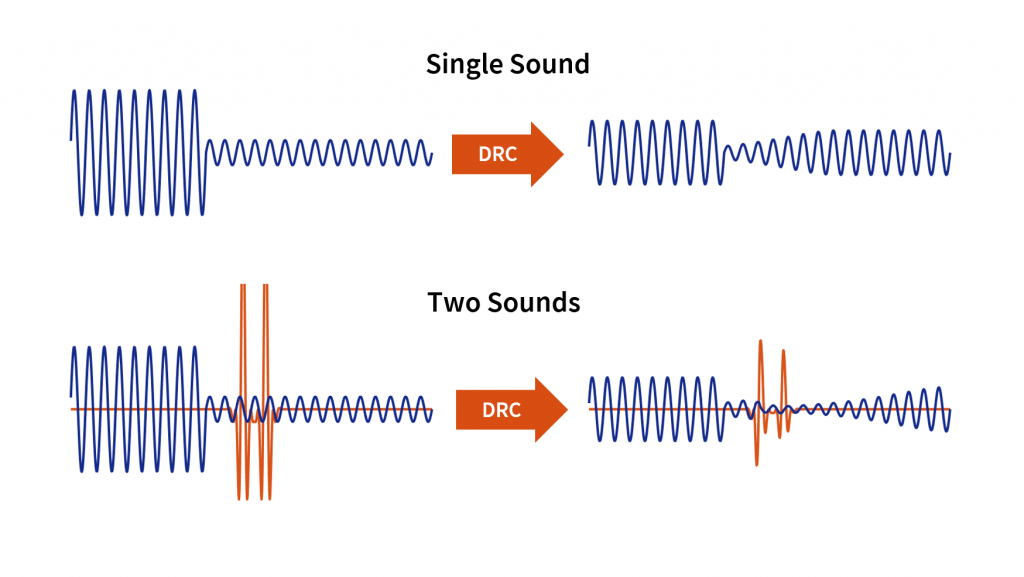
Additionally, consider using dynamic range compression (DRC) techniques. DRC helps balance the loud and quiet parts of an audio file, making it sound more consistent in volume. This technique is particularly useful when dealing with audio files that have uneven loudness levels. With the right adjustments, you can bring out the nuances in your compressed audio while maintaining clarity and preventing clipping.
By employing these techniques, you can effectively increase the volume of your compressed audio files, making them sound more vibrant and engaging.
Audio Volume Enhancement Techniques
Audio volume enhancement techniques are essential tools for anyone looking to improve the sound quality of their audio files, especially those in lossy formats. These techniques involve various methods to make audio files sound louder and more impactful.
One common technique is equalization, which allows you to adjust the balance of frequencies in your audio. By boosting certain frequency ranges, you can make your audio files sound fuller and more vibrant. This is particularly helpful for restoring lost detail in lossy audio files.
Another technique is the use of audio limiters and compressors. These tools help control the dynamic range of your audio, ensuring that loud parts aren’t too overpowering and quiet parts are audible. They can help you achieve a consistent and balanced volume throughout your audio file.
Additionally, you can explore mastering techniques. Mastering involves fine-tuning the overall sound of an audio file, including volume optimization. Professional mastering engineers use specialized software and hardware to enhance the loudness, clarity, and overall quality of audio recordings.
Enhance Audio Loudness in Lossy Formats
Enhancing audio loudness in lossy formats requires a combination of technical expertise and the right tools. Lossy formats like MP3 or AAC often sacrifice audio quality for smaller file sizes, which can result in lower volume levels. Here’s how you can address this issue effectively.
First, consider using audio editing software with volume normalization features. These features analyze the audio file and adjust the volume levels to ensure consistent loudness. This is particularly useful when dealing with a collection of lossy audio files with varying loudness levels.
Furthermore, explore dynamic range compression (DRC) to balance the audio’s dynamics. DRC reduces the difference between the loudest and quietest parts of an audio file, making it sound more uniform in volume. However, be cautious not to apply excessive compression, as it can lead to an unnatural and compressed sound.
Lastly, if you have a specific audio file that needs a volume boost, you can manually adjust the volume using your preferred audio editing software. Keep in mind that raising the volume too much may introduce distortion, so it’s crucial to find the right balance to enhance the loudness while preserving audio quality.
By utilizing these techniques, you can effectively enhance the audio loudness of your lossy format files and enjoy a more immersive listening experience.
Raise the Volume of Low-Quality Audio
Dealing with low-quality audio can be frustrating, especially when the volume is barely audible. Whether it’s an old recording or a poorly encoded audio file, there are ways to raise the volume and salvage the listening experience.
One approach is to use audio restoration software. These tools are designed to improve the quality of audio recordings, including boosting the volume. They often come with noise reduction features, which can help reduce background noise and further enhance the clarity of your audio.
Another option is to employ audio equalization. By adjusting the equalizer settings, you can emphasize the frequencies that are most critical for clarity and volume. Boosting the mid-range frequencies, for example, can make the vocals and instruments more prominent, resulting in a perceptible increase in volume.
If you have access to the original source of the audio, consider re-recording it or obtaining a higher-quality version. This approach eliminates the limitations of the existing low-quality audio file and ensures a better listening experience.
In summary, raising the volume of low-quality audio involves a combination of software tools and, when possible, improving the source material. These steps can help you enjoy clearer and louder audio, even from initially subpar recordings.
Boosting Sound Levels in Lossy Files
Boosting sound levels in lossy audio files is a common requirement for those looking to enhance their audio experience. Lossy formats, while efficient, often compromise on audio quality, resulting in lower volume levels. Here’s how you can effectively increase the sound levels in such files.
One of the simplest methods is to use audio editing software. Most audio editors provide volume adjustment controls that allow you to raise the volume of your lossy audio files. When doing this, be cautious not to push the volume too high, as it can lead to distortion and a loss of audio fidelity.
Additionally, you can explore the use of audio amplification plugins or tools. These specialized software options are designed to boost the loudness of audio files while minimizing the risk of distortion. They often come with presets and fine-tuning options to ensure optimal results.
When boosting sound levels, it’s essential to consider the intended playback environment. Different platforms and devices may have varying volume levels, so aim for a balance that ensures your audio remains clear and enjoyable across different systems.
By following these techniques and experimenting with volume adjustments, you can effectively boost sound levels in your lossy audio files and enjoy an improved listening experience.
Improving Audio Clarity in Compressed Formats
Improving audio clarity in compressed formats, such as MP3 or AAC, is a pursuit for audiophiles and music enthusiasts alike. While these formats offer excellent compression, they can sometimes sacrifice audio quality. Let’s explore how to enhance audio clarity in such files.
One approach is to use high-quality audio conversion tools. These tools can help you convert your compressed audio files into a lossless format, such as FLAC. Once in a lossless format, you can make edits and enhancements without further loss of audio quality. After the improvements, you can convert the file back to a compressed format with improved clarity.
Another technique involves applying equalization to your audio files. By fine-tuning the frequency balance, you can emphasize certain audio elements, such as vocals or instruments, and reduce any muddiness. This can result in clearer and more defined audio, even in compressed formats.
Furthermore, consider using noise reduction software to eliminate background noise and artifacts that may be present in your compressed audio. Reducing these unwanted elements can significantly enhance audio clarity.
Finally, if you have access to the original, uncompressed source of the audio, consider re-encoding it into a higher-quality compressed format. This can provide better clarity while still maintaining a smaller file size compared to lossless formats.
Enhancing audio clarity in compressed formats requires a combination of technical tools and careful adjustments. By experimenting with these techniques, you can achieve remarkable improvements in audio quality.
Loudness Enhancement for Lossy Audio
Loudness enhancement for lossy audio files can make a world of difference in your listening experience. Lossy formats, known for their space-saving benefits, often suffer from lower perceived volume levels. Here’s how you can effectively enhance the loudness of your lossy audio files.
One of the simplest methods is to use an audio player with built-in equalization settings. These settings allow you to boost specific frequency ranges, making the audio sound louder and more impactful. Experiment with different equalizer presets until you find the one that works best for your audio.
Another technique is to employ audio normalization. Many audio editing software tools provide normalization features that adjust the volume of your audio files to a consistent level. This ensures that all tracks play back at a similar loudness, enhancing the overall listening experience.
If you’re looking for a more advanced solution, consider using audio mastering techniques. Mastering involves fine-tuning the audio’s overall quality, including loudness optimization. Professional mastering engineers use specialized equipment and software to achieve the perfect balance of loudness and clarity.
Lastly, be mindful of the playback device you’re using. Some devices have built-in sound enhancements or equalization settings that can further enhance loudness. Experiment with these settings to find the right balance for your preferences.
By implementing these loudness enhancement techniques, you can breathe new life into your lossy audio files and enjoy them at a higher volume without sacrificing quality.
How to Make Quiet Audio Louder
Have you ever encountered audio that’s so quiet you strain to hear it even when you max out your volume controls? Learning how to make quiet audio louder is a valuable skill that can transform your listening experience.
One straightforward method is to use audio editing software. Open the quiet audio file in your chosen software and locate the volume adjustment controls. Gradually increase the volume until it reaches a comfortable level. Keep an eye on the audio waveform to ensure it doesn’t clip, which can result in distortion.
Another technique involves the use of audio normalization. This process analyzes the audio file and adjusts its volume to a consistent level, making quiet parts more audible without causing loud parts to become overly aggressive. Audio normalization is especially useful when you have multiple audio files with varying loudness levels.
Consider employing dynamic range compression (DRC) as well. DRC helps balance the dynamics of your audio, ensuring that the quietest parts are audible without overpowering the louder segments. However, use DRC judiciously to maintain natural audio quality.
Additionally, explore specialized audio enhancement software or plugins designed specifically for increasing the loudness of quiet audio. These tools often offer advanced algorithms to maximize loudness while minimizing distortion.
By mastering these techniques, you can effectively make quiet audio louder, bringing back the enjoyment in your audio content.
Audio Volume Optimization for Lossy Formats
Audio volume optimization for lossy formats is a crucial step to enhance the quality of your compressed audio files. These formats, while convenient, can suffer from reduced loudness. Let’s delve into the strategies for achieving audio volume optimization.
One method is to use audio editing software with volume adjustment capabilities. Open your lossy audio file in the software and increase the volume to your preferred level. Ensure that you maintain a balance between loudness and audio quality to prevent distortion.
Additionally, explore the use of volume normalization tools available in audio editing software. These tools analyze the audio and automatically adjust the volume to a consistent level. This is particularly useful when you have a collection of lossy audio files with varying loudness levels.
Dynamic range compression (DRC) is another technique to consider. DRC helps level out the loud and quiet parts of an audio file, resulting in a more uniform volume. However, exercise caution to avoid over-compression, which can lead to an unnatural sound.
Lastly, when exporting your audio, choose a higher bit rate if possible. This can improve the overall audio quality and contribute to better volume levels in lossy formats.
By applying these strategies for audio volume optimization, you can enjoy your favorite music and podcasts in lossy formats at a higher volume with improved clarity.
Final Words
In conclusion, whether you’re dealing with lossy audio files, compressed formats, or quiet audio, there are various techniques to boost volume and enhance your listening experience. Experiment with different methods, and remember to strike a balance between loudness and audio quality to achieve the best results. By mastering these techniques, you can enjoy your audio content at its fullest potential.
Are you tired of watching MP4 videos with poor audio quality? Well, you’re not alone. Many of us have come across videos that have great visuals but lackluster sound. In this article, we’ll delve into the world of MP4 audio enhancement and explore various methods to improve the sound in your MP4 files.
Audio quality improvement
When it comes to MP4 audio enhancement, the first step is to focus on improving the overall audio quality. This can be achieved by using specialized software that can analyze and enhance the audio in your videos. These tools often come with features like noise reduction, equalization, and audio normalization, all of which can significantly enhance the clarity and richness of the sound.
MP4 audio enhancement software
There are several dedicated MP4 audio enhancement software options available in the market. These programs are designed to cater to both beginners and professionals. They offer a user-friendly interface and a wide range of audio enhancement tools, making it easy to adjust audio levels, remove background noise, and fine-tune the audio to perfection.
Enhance audio in MP4 files
Enhancing audio in MP4 files requires a keen ear and the right tools. You can manually adjust the audio settings, such as volume, equalization, and balance, using video editing software. Additionally, you can use audio enhancement plugins or filters to target specific issues like unwanted background noise or distorted audio.
Audio enhancement tools
There’s a treasure trove of audio enhancement tools available online, both free and paid. These tools often come with pre-configured settings for different types of audio issues, making it easier for users to enhance their MP4 audio without extensive knowledge of audio engineering.
MP4 audio editing
If you’re a perfectionist and want complete control over your MP4 audio, consider diving into audio editing. Software like Adobe Audition or Audacity allows you to get down to the nitty-gritty details of your audio, enabling you to remove imperfections, enhance clarity, and fine-tune every aspect of your sound.
Improve sound in MP4 videos
Enhancing the sound in your MP4 videos not only improves the viewing experience but also adds a professional touch to your content. With the right techniques and tools at your disposal, you can make your videos stand out with exceptional audio quality.
Audio enhancement techniques
Audio enhancement isn’t just about turning up the volume; it’s about using various techniques to polish and refine the audio. Techniques like equalization, compression, and reverb can be employed strategically to make your audio shine.
MP4 audio cleanup
Sometimes, MP4 files come with unwanted noise or artifacts that can be distracting. Audio cleanup tools can help you identify and remove these issues, leaving you with clean and crisp sound that complements your video perfectly.
Audio enhancement plugins
Plugins are like magic wands for audio enhancement. They can be integrated into your video editing software to provide specialized audio processing capabilities. Whether you need to reduce background noise or add special effects, there’s likely a plugin that can do the job.
Enhance audio clarity in MP4
Clarity is key when it comes to audio enhancement. Enhancing the clarity of your MP4 audio ensures that every word is heard crystal clear, making your videos more engaging and professional.
Final Words
In a world where multimedia content is king, MP4 audio enhancement is a valuable skill to have. With the right tools and techniques, you can elevate your videos to a whole new level of audio quality, captivating your audience and leaving a lasting impression.
Audio Dynamic Range Compression: Limiting and Expansion
Audio Dynamic Range CompressionAudio Dynamic Range Compression
Audio Compression: What It Is and How It Works
As an audio engineer, I’ve spent countless hours working with dynamic range compression. At its core, compression is a tool used to control the dynamic range of an audio signal. This means that it can be used to make quiet sounds louder and loud sounds quieter, resulting in a more consistent overall volume. Compression is an essential tool in the world of audio production, and it’s used in everything from music to film and television.
One of my favorite quotes about compression comes from the legendary producer Quincy Jones. He once said, “Compression is like a good pair of eyeglasses. You don’t notice them, but they make things look better.” And it’s true. When used correctly, compression can make an audio signal sound more polished and professional.
Dynamic Range Compression vs. Limiting
While compression and limiting are often used interchangeably, they are actually two different processes. Compression is used to control the dynamic range of an audio signal, while limiting is used to prevent the signal from exceeding a certain level. In other words, limiting is a more extreme form of compression.
One of the most common uses of limiting is in mastering, which is the final step in the audio production process. During mastering, the goal is to make sure that the audio sounds consistent across different playback systems. Limiting is used to prevent the audio from distorting or clipping when played back on a variety of systems.
Audio Expansion: The Other Side of the Coin
While compression and limiting are used to control the dynamic range of an audio signal, expansion is used to increase it. Expansion is the opposite of compression, and it’s used to make quiet sounds even quieter. This can be useful in situations where you want to bring out the details in a recording.
One of my favorite examples of the use of expansion comes from the film “No Country for Old Men.” In the film, there’s a scene where the main character is walking through a hotel room. As he walks, you can hear the sound of his footsteps echoing off the walls. The sound of the footsteps is very quiet, but it’s still audible. This is a great example of the use of expansion to bring out the details in a recording.
Final Words:
In conclusion, dynamic range compression, limiting, and expansion are all essential tools in the world of audio production. Whether you’re working on music, film, or television, understanding how to use these tools can make a huge difference in the final product. And while there are many different techniques and approaches to using compression, limiting, and expansion, the most important thing is to use your ears and trust your instincts.
audio compression, dynamic range, audio engineering, audio processing, audio mixing, audio production, audio mastering, audio software, audio plugins, audio effects, audio equipment, audio gear, audio technology, audio science, audio theory, audio education, audio tutorials, audio tips, audio tricks, audio hacks, audio workflow, audio techniques, audio aesthetics, audio quality, audio fidelity, audio perception, audio psychology, audio philosophy, audio history, audio culture, audio art, audio creativity, audio innovation, audio trends, audio industry, audio business, audio marketing, audio branding, audio advertising, audio monetization, audio revenue, audio distribution, audio streaming, audio downloads, audio formats, audio codecs, audio standards, audio compatibility, audio hardware, audio drivers, audio firmware, audio troubleshooting, audio repair, audio maintenance, audio optimization, audio performance, audio testing, audio measurement, audio analysis, audio visualization, audio synthesis, audio sampling, audio recording, audio editing, audio mixing, audio mastering, audio post-production, audio restoration, audio enhancement, audio noise reduction, audio equalization, audio filters, audio modulation, audio synthesis, audio synthesis
As a music producer, I have always been fascinated by the technical aspects of digital audio. The technology behind digital audio has come a long way since its inception, and it continues to evolve at a rapid pace. One of the most significant advancements in digital audio technology is the use of digital signal processing (DSP) algorithms. These algorithms allow for the manipulation of audio signals in real-time, enabling producers to create complex soundscapes and effects.
In his book, “The Art of Digital Audio,” John Watkinson writes, “DSP algorithms are the key to the power of digital audio. They allow us to do things that were previously impossible with analog audio.” I couldn’t agree more. DSP algorithms have revolutionized the way we produce and consume music, and they continue to push the boundaries of what is possible.
Digital Audio Formats
When it comes to digital audio, there are a variety of formats to choose from. Each format has its own unique characteristics, and choosing the right one can make a significant difference in the quality of your audio. Some of the most popular digital audio formats include MP3, WAV, and FLAC.
Personally, I prefer to work with WAV files. They offer the highest quality audio and are compatible with most digital audio workstations (DAWs). However, they do take up a lot of storage space, so it’s essential to have a reliable backup system in place.
Digital Audio Editing
Digital audio editing is an essential part of the music production process. It allows producers to manipulate audio files in a variety of ways, from simple cuts and fades to complex time-stretching and pitch-shifting. One of the most popular digital audio editing tools is Pro Tools, which is widely used in the music industry.
In my experience, the key to successful digital audio editing is to have a clear vision of what you want to achieve. It’s easy to get lost in the endless possibilities of digital audio editing, so it’s essential to stay focused on your goals. As the famous producer Quincy Jones once said, “The most important thing is to have a vision for your music – one that is unique and true to who you are as an artist.”
Digital Audio Processing
Digital Audio Compression
Digital audio compression is a process that reduces the size of audio files without significantly affecting their quality. Compression is essential for streaming services like Spotify and Apple Music, which need to deliver high-quality audio over the internet. However, compression can also have a negative impact on the quality of the audio, particularly if it’s overdone.
In my opinion, it’s essential to strike a balance between file size and audio quality when compressing digital audio. As the saying goes, “less is more.” It’s better to have a smaller file size with slightly lower audio quality than a massive file size with no noticeable improvement in quality.
Digital Audio Quality
Digital audio quality is a topic that is often debated among music producers and audiophiles. Some argue that digital audio can never match the warmth and depth of analog audio, while others believe that digital audio has surpassed analog in terms of quality.
In my experience, digital audio quality has come a long way in recent years. With high-resolution audio formats like FLAC and MQA, it’s now possible to achieve audio quality that rivals or even surpasses analog. However, it’s essential to have a high-quality playback system to fully appreciate the nuances of digital audio.
Digital Audio Production
Digital audio production is the process of creating music using digital tools and technology. It’s a complex and challenging process that requires a combination of technical skill and artistic vision. One of the most critical aspects of digital audio production is the ability to collaborate effectively with other musicians and producers.
In my experience, the key to successful digital audio production is to stay organized and focused. It’s easy to get lost in the endless possibilities of digital audio, so it’s essential to have a clear plan and timeline for your project. As the famous producer Rick Rubin once said, “The most important thing is to capture the essence of the song and the artist’s performance.”
Final Words:
In conclusion, the technical aspects of digital audio are complex and ever-evolving. From digital audio technology to digital audio production, there are many factors to consider when working with digital audio. However, with the right tools and techniques, it’s possible to achieve high-quality audio that rivals or even surpasses analog. As a music producer, I’m excited to see where the future of digital audio will take us.
digital audio, digital signal processing, audio compression, audio quality, audio editing, audio production, music production, digital audio technology, digital audio formats, high-resolution audio, FLAC, MP3, WAV, Pro Tools, audio playback, audio collaboration, audio mixing, audio mastering, audio plugins, audio effects, audio engineering, audio equipment, audio recording, audio software, audio hardware, audio interfaces, audio cables, audio troubleshooting, audio restoration, audio normalization, audio equalization, audio dynamics, audio synthesis
How Understanding Audio Expansion Can Improve Your Music Production
Audio ExpansionAudio Expansion
What is Audio Expansion and How Does it Work?
As a music producer, understanding the concept of audio expansion is crucial to achieving the desired sound quality in your productions. Audio expansion, also known as upward expansion, is a dynamic audio processing technique that increases the gain of a signal when it is below a certain threshold level. This technique is used to increase the dynamic range of a signal by amplifying only the quieter parts, resulting in a more natural and transparent sound.
To put it simply, audio expansion is like a reverse compressor. While a compressor reduces the dynamic range of a signal by reducing the gain of louder parts, an expander increases the dynamic range by amplifying quieter parts. According to Roey Izhaki in “Mixing Audio,” “expansion is a powerful tool that can significantly enhance a mix, giving it a lively and open sound.”
How to Use Audio Expansion in Your Music Production
To use audio expansion effectively, you first need to set the threshold level. The threshold is the level at which the expander starts to increase the gain. The higher the threshold, the less effect the expander will have. You also need to set the ratio, which determines the amount of gain increase when the signal falls below the threshold level. The ratio is expressed in decibels and can range from 1.5:1 to 10:1 or higher.
One important thing to keep in mind is that audio expansion should be used sparingly. Overuse can result in an unnatural and exaggerated sound. It is recommended to use a gentle ratio and adjust the threshold level to suit the dynamics of the source material.
The Benefits of Audio Expansion in Music Production
Using audio expansion in your music production can result in a more natural and transparent sound. It can also help to improve the overall dynamic range of your mix, making it sound more open and spacious. By selectively amplifying the quieter parts of a signal, you can bring out subtle details and nuances that may have been masked by louder elements.
As an audio engineer, I have found that audio expansion can be particularly useful when working with vocals or acoustic instruments. By gently expanding the dynamics, you can help to preserve the natural character of the performance and avoid the artificial sound that can result from heavy compression.
In the words of Roey Izhaki, “expansion can be a great tool to help you achieve your sonic goals.” With careful use and experimentation, audio expansion can be a powerful technique to enhance your music production.
Final Words:
In conclusion, understanding audio expansion is an important skill for any music producer. By using this dynamic processing technique, you can improve the sound quality and dynamic range of your productions. Remember to use audio expansion sparingly and experiment with different settings to find the best results for your mix.
As a music producer and audio engineer, I’ve encountered my fair share of challenging vocal recordings. One common issue is sibilance, which occurs when the “s” and “sh” sounds are overly pronounced, causing harsh and piercing frequencies in the mix. This is where a de-esser comes in handy.
De-Esser Plugin
A de-esser is a specialized audio plugin that reduces or eliminates sibilance from vocal recordings. It works by detecting the offending frequencies and applying gain reduction to them, effectively taming the harshness and allowing the vocals to sit better in the mix.
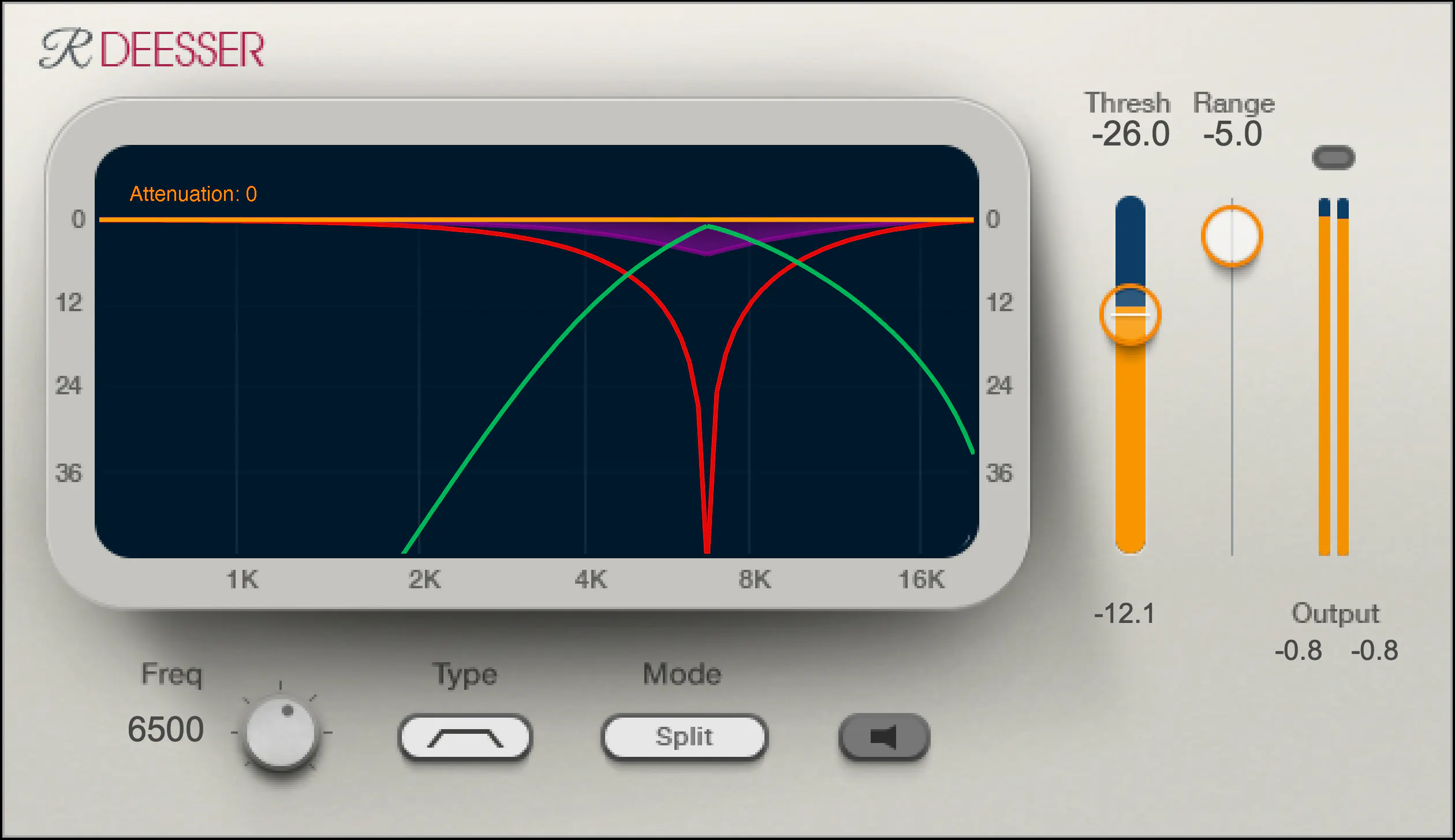
One of my go-to de-esser plugins is Waves Renaissance DeEsser, which offers precise control over the detection frequency, threshold, and reduction amount. Another popular option is FabFilter Pro-DS, which includes a natural-sounding “single vocal” mode for easy and effective de-essing.
De-Essing Vocals
De-essing can be a delicate process, as overuse can result in a dull and lifeless vocal sound. It’s important to strike a balance between reducing sibilance and maintaining the natural tone and character of the vocal recording.
When de-essing vocals, I typically start by soloing the vocal track and listening for the most pronounced sibilant sounds. I then apply the de-esser plugin with a gentle reduction amount, gradually increasing until the sibilance is under control but the vocal still sounds natural.
Best De-Esser for Vocals
In my experience, the best de-esser for vocals is one that offers precise control over the detection and reduction parameters, while still maintaining a natural sound. As mentioned earlier, Waves Renaissance DeEsser and FabFilter Pro-DS are both excellent options in this regard.
It’s also worth considering the de-esser included in your DAW of choice. For example, Logic Pro’s built-in de-esser is simple yet effective, with a straightforward interface that allows for quick and easy de-essing.
De-Esser Settings
When using a de-esser, it’s important to understand the various settings and how they affect the sound. The most important parameters to adjust are the detection frequency, threshold, and reduction amount.
The detection frequency determines which frequencies the de-esser will target, while the threshold sets the level at which the gain reduction will be applied. The reduction amount controls how much gain reduction is applied to the offending frequencies.
It’s worth experimenting with these settings to find the sweet spot for each individual vocal recording.
Tips for Using a De-Esser
Here are a few tips for getting the most out of your de-esser:
Use the de-esser sparingly, as overuse can result in a dull and lifeless vocal sound.
Always listen for sibilance in solo mode before applying the de-esser to the full mix.
Experiment with different de-esser plugins and settings to find the best sound for each individual recording.
If you’re unsure about how much de-essing to apply, start with a small reduction amount and gradually increase until the sibilance is under control but the vocal still sounds natural.
As the legendary producer Quincy Jones once said, “The most important thing in the studio is your ears.” And this is especially true when it comes to managing sibilance in vocal recordings. A de-esser is a tool that helps to control sibilance, or the harsh “s” and “t” sounds that can be distracting or unpleasant in a recording.
What is a de-esser?
Simply put, a de-esser is a type of audio processor that is designed to reduce or remove sibilance from a recording. It works by detecting and attenuating the specific frequency range where sibilance occurs in a vocal recording. This can help to smooth out the sound of the recording and make it more pleasing to the ear.
How does a de-esser work?
A de-esser typically uses a narrow-band compressor to reduce the level of the sibilant frequencies. The compressor is set to activate only when the sibilant frequencies exceed a certain threshold level. This allows the de-esser to reduce sibilance without affecting other parts of the recording. Some de-essers also use dynamic equalization to selectively attenuate sibilant frequencies, which can provide a more natural-sounding result.
Why is a de-esser important?
Sibilance can be a major distraction in vocal recordings, and can make a recording sound amateurish or unprofessional. A de-esser can help to smooth out the sound of a recording and make it more pleasant to listen to. This can be especially important in situations where the recording will be played over a large sound system or in a professional setting.
As the legendary producer Quincy Jones once said, “The most important thing in the studio is your ears.” And this is especially true when it comes to managing sibilance in vocal recordings. One personal experience I’ve had with sibilance was during a recording session with a vocalist who had a very pronounced lisp. Despite the fact that the vocal performance was excellent, the lisp made the recording almost unlistenable. However, with the use of a de-esser, we were able to remove the harsh sibilant sounds and salvage the recording.
Another personal experience was with a different vocalist who had a lot of sibilance in her recordings. Initially, we tried to use EQ to reduce the sibilance, but found that this also affected other parts of the recording and made it sound unnatural. However, once we introduced a de-esser into the signal chain, we were able to achieve a more natural-sounding result that still effectively reduced the sibilance.
In conclusion, a de-esser is a powerful tool for managing sibilance in vocal recordings. By detecting and attenuating specific frequency ranges where sibilance occurs, a de-esser can help to smooth out the sound of a recording and make it more pleasing to the ear. Whether you’re a professional audio engineer or a hobbyist recording at home, a de-esser is an important tool to have in your audio processing toolkit.
signal-to-noise ratio audiosignal-to-noise ratio audio
Understanding the Basics of Audio Quality
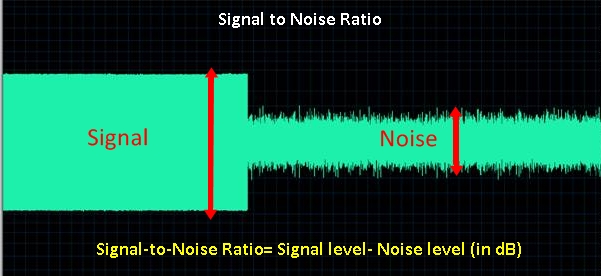
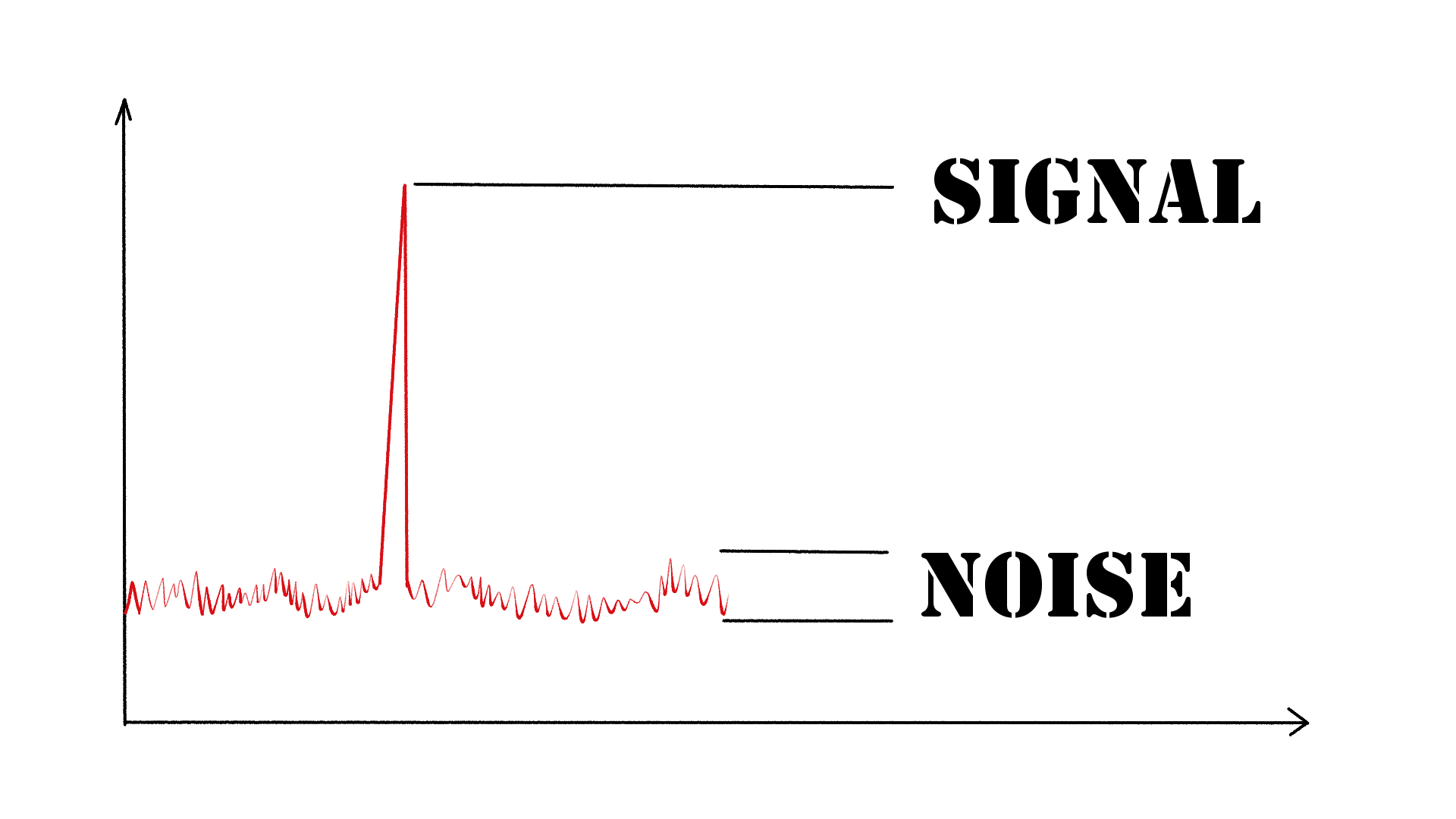
As an audio engineer, I have come across many questions about audio quality, and one of the most common ones is “What is a signal-to-noise ratio in audio?” In simple terms, the signal-to-noise ratio (SNR) is the difference between the desired audio signal and the background noise. A high SNR means that the desired signal is much stronger than the noise, resulting in better audio quality.
When it comes to audio quality, there are many factors to consider, such as audio processing, normalization, compression, dynamics, and distortion. Each of these factors can affect the SNR and, therefore, the overall audio quality. For example, audio normalization can help to increase the SNR by adjusting the volume levels of the audio signal, while audio compression can reduce the dynamic range of the audio signal, resulting in a more consistent SNR.
The Importance of Audio Normalization
As someone who has worked with audio for many years, I can attest to the importance of audio normalization. Normalization is the process of adjusting the volume levels of an audio signal to a standard level, which can help to improve the SNR and overall audio quality.
One of the benefits of audio normalization is that it can help to prevent distortion in the audio signal. When an audio signal is too loud, it can cause distortion, which can be heard as a buzzing or crackling sound. By normalizing the audio signal, you can ensure that it is at a safe and consistent volume level, which can help to prevent distortion and improve the overall audio quality.
The Role of Audio Compression in Audio Quality
Audio compression is another important factor to consider when it comes to audio quality. Compression is the process of reducing the dynamic range of an audio signal, which can help to make it sound more consistent and balanced.
One of the benefits of audio compression is that it can help to improve the SNR by reducing the background noise in the audio signal. However, it is important to use compression carefully, as too much compression can result in a loss of detail and dynamics in the audio signal. As with all aspects of audio engineering, finding the right balance is key to achieving the best possible audio quality.
Final Words:
In conclusion, understanding the basics of audio quality is essential for anyone working with audio. Whether you are an audio engineer, musician, or just someone who enjoys listening to music, knowing about factors such as SNR, normalization, compression, dynamics, and distortion can help you to achieve the best possible audio quality. And if you are looking for a solution to improve your audio quality, consider using mp4gain, a powerful and easy-to-use audio normalizer and converter that can help you to achieve consistent and high-quality audio.







Comments:
This article is a game-changer! Finally, someone addressing the complexities of MP3 artifacts in a way that’s easy to grasp. More real-life examples, please!
– SonicExplorer
Great insights into advanced filtering techniques! It’s like having a restoration guide for my audio collection. Can you delve deeper into spectral analysis?
– AudioArtisan
Kudos for exploring the future of audio compression! As a tech enthusiast, I’m eager to embrace the innovations you predict. Keep them coming!
– FutureListener
Fascinating read! The analogy between audio formats and art conservation is spot-on. Would love more articles on audio preservation strategies.
– PreservationEnthusiast
Thanks for the in-depth exploration of lesser-known artifacts! It’s like discovering hidden gems in my favorite songs. Can you recommend specific tools for artifact detection?
– ArtifactHunter
Really enjoyed the section on challenges and innovations. It’s refreshing to see an expert address the hurdles in the quest for transparent audio. Looking forward to more!
– TechConnoisseur
While the article is informative, I wish there was more on mitigating artifacts in specific genres. Different music styles might have unique challenges, don’t you think?
– GenreListener
Excellent breakdown of the causes of MP3 artifacts! Your real-life analogies make complex concepts easy to understand. Can you share more examples from your experiences?
– AnalogiesFan
Thank you for the futuristic outlook on audio compression! I’m intrigued by the possibilities. Any thoughts on how AI might impact the landscape?
– AIFuturist
This article has opened my eyes to the world of audio compression. As a casual listener, I had no idea about the intricacies involved. Looking forward to more revelations!
– CasualListener