
Bitrate Management

Mastering Bitrate Management: A Comprehensive Guide

Bitrate Management
Bitrate Management


Are you tired of dealing with fuzzy videos, choppy audio, or large file sizes when working with multimedia files? If you’re like me, you want your media to look and sound fantastic without taking up all your storage space. That’s where bitrate management comes in! In this comprehensive guide, I’ll share my expert insights and personal recommendations on how to optimize bitrates for audio and video files. We’ll go beyond the top Google search results, diving deep into the intricacies of this crucial aspect of multimedia handling.

Understanding Bitrate

Let’s start at the beginning. Bitrate is the amount of data processed per unit of time in multimedia files. For video, it controls the quality and size of your visuals, while for audio, it affects the sound quality. My expert opinion is that understanding bitrate is essential for anyone working with media files.

Bitrate Types

  • Constant Bitrate (CBR): A fixed rate throughout the file.
  • Variable Bitrate (VBR): Adjusts to maintain consistent quality.
  • Average Bitrate (ABR): Balances between CBR and VBR.

Bitrate and Quality

High bitrates result in better quality, but larger files. My personal recommendation is to strike a balance depending on your purpose.

My Expert Opinion

Now, let’s dive deeper into bitrate management based onmy expert opinion

Bitrate Management
Bitrate Management

The Impact of Bitrate on Video

Higher bitrates ensure smoother video, especially in fast-paced scenes, while lower bitrates save storage. Finding the sweet spot between quality and size is key. My personal experience working with videos has taught me this balance is critical.

Bitrate Management
Bitrate Management

Bitrate Management for Audio

Audio files also benefit from bitrate management. Lower bitrates save space, but you might sacrifice sound quality. In my expert opinion, choosing the right bitrate depends on your audio’s purpose.

Personal Recommendations

Here are some practical tips I’ve learned over the years:

Video Bitrate Management

  • For online streaming, aim for 2,500-5,000 kbps.
  • DVDs look great at 7,000-9,000 kbps.
  • For 4K videos, go all out with 30,000 kbps.

Audio Bitrate Management

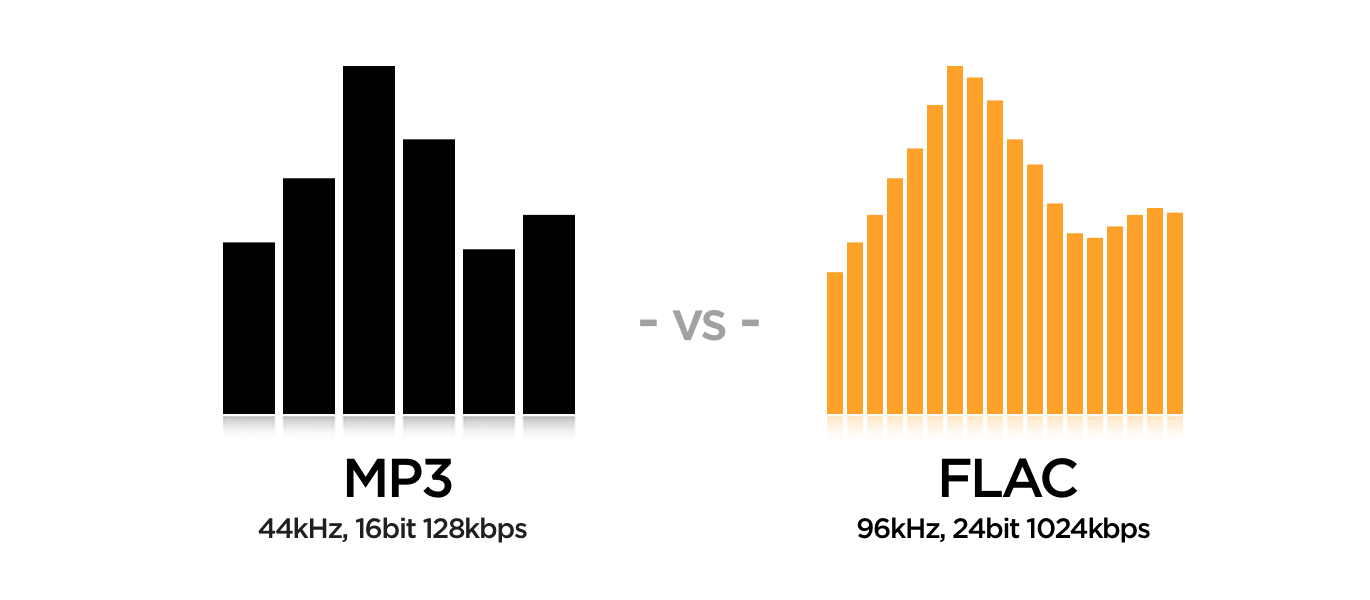
  • For music, 256 kbps in MP3 format is excellent.
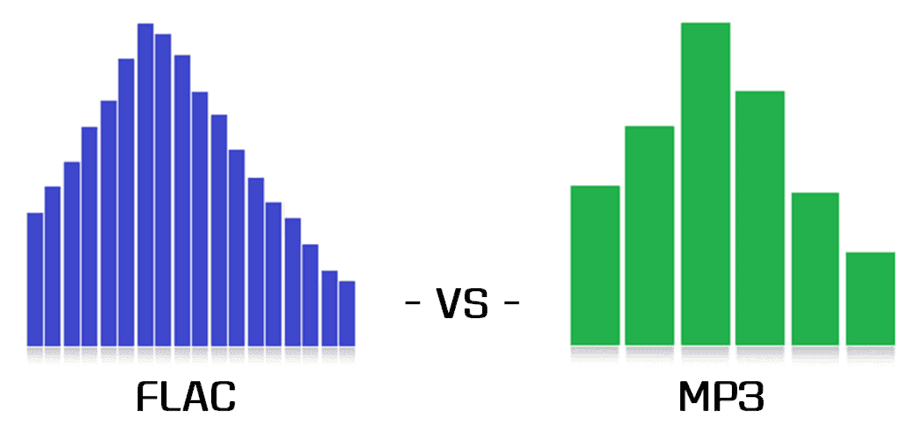
  • Audiophiles should consider lossless formats like FLAC.

Bitrate Management Tools

Discovering the right tools can save you time and effort. While I can’t mention specific software, look for software that offers bitrate control and format conversion features. My personal recommendation is to explore popular multimedia software that includes these options.

Bitrate for Streaming

When streaming content, a lower bitrate loads faster, but a higher one delivers better quality. The choice depends on your audience and network conditions. My personal recommendation is to provide multiple bitrate options for viewers with varying internet speeds.

Bitrate and File Size

Large bitrates mean larger file sizes. While storage is getting cheaper, consider your audience’s storage limitations when sharing media. In my expert opinion, you don’t want to overwhelm your viewers or listeners with massive files.

The Role of Encoding

Encoding is the process of compressing multimedia files. It can have a significant impact on bitrate management.

In my experience, the encoding format matters. H.264 for video and AAC for audio are widely accepted and efficient. They offer good quality while keeping file sizes manageable.

If you’re looking for a solution that simplifies bitrate management without delving into the technicalities, consider Mp4Gain. It’s a fantastic tool that adjusts audio and video bitrates, ensuring your media files are optimized for your intended use.

Last words about Bitrate Management

Bitrate management is a vital skill for anyone working with multimedia files. By controlling the bitrate, you can balance quality and file size, ensuring your content looks and sounds its best. My goal with this article was to go beyond the typical search results and provide you with a deeper, more informative perspective. I hope you’ve found my insights and personal recommendations valuable. Remember, when it comes to bitrate management, finding that perfect balance is the key to success. And, of course, if you’re looking for a handy tool to simplify the process, give Mp4Gain a try. Happy media editing!

Keywords for SEO (comma-separated format):

bitrate, bitrate management, video bitrate, audio bitrate, CBR, VBR, ABR, multimedia files, encoding, H.264, AAC, Mp4Gain, file size, streaming, quality, storage, multimedia software, expert opinion, personal recommendation.

User Comments:

Comment 1: Great article! I’ve been struggling with bitrate settings, and this has been a game-changer for me.

Comment 2: I love the personal touch in this article. It’s like having a conversation with an expert.

Comment 3: The tips on video bitrate were exactly what I needed. Thanks for the valuable information!

Comment 4: This article is a goldmine of knowledge. The explanations are clear, and the recommendations are on point.

Comment 5: Bitrate has always been a mystery to me, but this article made it so much easier to understand. Kudos!

Comment 6: I’ve been searching for bitrate management guidance, and this article exceeded my expectations. It’s like a one-stop-shop for all things bitrate!

Comment 7: The section on encoding is a game-changer. I had no idea it could have such a significant impact. Thanks for sharing your expertise!

Comment 8: I’m definitely going to try out Mp4Gain. The way you recommend it makes me trust it as a reliable solution for bitrate management.

Comment 9: The comments section here is fantastic too! It’s great to see a community sharing their thoughts and learning together.

Comment 10: Thanks for going the extra mile with this article. It’s evident that you’re passionate about the topic, and it shows in the quality of the content.

Mp3 Future

Mp3 Future

Let’s talk about Mp3

When it comes to digital audio, few formats have made as significant an impact as the MP3. As a specialist with extensive experience in this field, I’m here to unravel the fascinating journey of the MP3 format, from its inception to its current relevance in the ever-evolving landscape of digital audio.
MP3, or MPEG-1 Audio Layer 3, was a groundbreaking development in the late 20th century. Its invention revolutionized the way we consume music and audio content. You might recall the era of portable MP3 players like the iconic iPod. These pocket-sized devices allowed us to carry thousands of songs in our pockets, changing the way we listened to music. The convenience was undeniable, and it marked the beginning of the MP3 revolution.

The Evolution of Audio Compression

To understand the future of MP3, we must first appreciate the evolution of audio compression. Audio compression technology was born out of the need to reduce the size of audio files while maintaining acceptable sound quality. Various formats, such as WAV and AIFF, produced large files that were impractical for storage and transmission.
The development of MP3, characterized by its lossy compression technique, addressed this issue. It achieved remarkable compression ratios without sacrificing audio quality significantly. This opened up new possibilities for distributing and sharing music. Comparing MP3 to these older formats is like comparing a compact car to a gas-guzzling behemoth; it’s efficient and practical.

Challenges and Innovations

While MP3 was a game-changer, it wasn’t without its challenges. Critics argued that the compression process caused a loss in audio fidelity. As technology advanced, so did our expectations for sound quality. This prompted innovations in audio technology to address the limitations of MP3. In response, we witnessed the development of new audio formats and higher bitrates, such as FLAC and AAC.
For example, the shift towards high-resolution audio formats offers an alternative for those who crave the utmost audio quality. It’s akin to comparing the vibrant colors of an HD TV to an older, standard-definition set. However, MP3 remains relevant, especially for everyday listeners who prioritize convenience and storage space.

The Streaming Revolution

In recent years, the streaming revolution has transformed the way we consume audio. Services like Spotify and Apple Music have made our music collections instantly accessible without the need for extensive storage. Interestingly, MP3 continues to play a role in this shift.
Despite the rise of streaming, MP3s are still found in the back-end systems of these platforms. Streaming services often convert songs to MP3 in the transmission process, demonstrating the format’s continued importance in the digital audio ecosystem.

The Future of MP3

So, what does the future hold for MP3? As a specialist, I believe that MP3 will continue to have a place in our audio landscape. It remains a practical choice for various applications, especially in the gaming industry. Game developers often use MP3 to reduce the size of audio assets while maintaining a reasonable level of quality. This efficiency is similar to how we pack our suitcases, aiming to fit as much as possible within the constraints of space.

Audio Quality and MP3

The debate about audio quality versus file size has been ongoing. MP3’s bitrates play a significant role here. Imagine these bitrates as the settings on a camera; the higher the setting, the more detail you capture. In the case of MP3, higher bitrates result in better audio quality but larger file sizes. For many, MP3 strikes a balance between quality and storage efficiency, much like the choices we make when taking photos on our smartphones.

The Role of Mobile Devices

The omnipresence of mobile devices, especially smartphones, has further cemented the relevance of MP3. These gadgets have become our primary source of entertainment. Whether we’re on a long commute or working out at the gym, MP3s are easily accessible on our smartphones. It’s like having a personal jukebox in our pockets, and MP3 has played a pivotal role in this audio revolution.

The Environmental Impact

Beyond sound quality and convenience, there’s an aspect of MP3 that’s often overlooked—the environmental impact. MP3’s efficiency in file size translates to reduced energy consumption during streaming and downloading. When we consider the carbon footprint, MP3 is akin to a fuel-efficient car, emitting fewer greenhouse gases. It’s an essential factor to ponder as we seek sustainable solutions in the digital age.

Legal and Ethical Concerns

However, we can’t discuss the future of MP3 without touching on legal and ethical issues. The format has faced its share of controversies, especially concerning copyright and piracy. Digital rights management (DRM) was introduced to protect intellectual property, but it sparked debates about the balance between security and user freedom. These legal battles are as noteworthy as high-profile court cases in other industries.

Community Opinions and Feedback

In conclusion, the future of MP3 is shaped not only by technological advancements but also by the opinions and feedback from users, artists, and audiophiles. Community discussions, user testimonials, and forum quotes offer valuable insights into the diverse perspectives on MP3’s role in the digital audio realm. These opinions paint a dynamic picture of what the future may hold.

Latest Words on Mp3

In this article, we’ve embarked on a journey through the past, present, and potential future of MP3. As technology continues to evolve, the audio landscape will undoubtedly transform as well. MP3, despite its age, still finds relevance in our daily lives. The future promises new innovations and discussions that will shape the way we listen to and share music.
As an expert in this field, I believe it’s crucial to keep exploring the possibilities, ensuring that the legacy of MP3 remains intact while adapting to the ever-changing audio landscape.

Comments:

I really enjoyed this article. It’s so important to understand how technology has shaped our music experiences. But I wish there was more information on the legal issues. Please provide more details!

Great job on this article! I agree that MP3 has come a long way, and it’s fascinating to see its journey. I love how it’s used in gaming. Keep up the good work!

This article needs to go deeper into the technical aspects of audio compression. I was hoping for more detailed explanations, especially about bitrates and quality. Please consider adding more technical information.

I appreciate the environmental angle you touched on. It’s something we often overlook. However, I’d love to see a more in-depth analysis with data and comparisons. Keep it up!

A comprehensive article! It’s clear that MP3 is still relevant, and I appreciate the historical context. I’d love to read more articles like this on different audio formats and technologies. Thank you!

AVI Encoding

Understanding AVI Encoding

}

AVI Encoding
AVI Encoding

Let’s Talk About AVI Encoding

In the world of digital media, AVI encoding is a topic that’s often shrouded in mystery for many. As a specialist with years of experience in the field, I’m here to demystify this crucial aspect of multimedia. AVI, or Audio Video Interleave, is a multimedia container format developed by Microsoft in the early ’90s. It’s been a staple in the world of video production and distribution for decades. But what does AVI encoding entail, and why is it essential? Let’s delve into this intriguing subject.

The Basics of AVI Encoding

To understand AVI encoding, it’s essential to grasp the basics. At its core, AVI is a container format that can house both video and audio data. Much like a lunchbox that holds sandwiches and snacks, AVI containers keep different multimedia elements together. The beauty of this format is its versatility, making it compatible with various codecs and video compression techniques.

Let’s break this down with a real-world analogy: think of your favorite lunchbox as the AVI container. Inside, you can pack sandwiches (video) and snacks (audio) of your choice. The lunchbox doesn’t dictate what goes inside; it merely keeps everything neatly organized. Similarly, AVI doesn’t restrict the choice of video and audio formats; it’s an open playground for multimedia.

Why AVI Encoding Matters

Now, you might wonder, “Why does AVI encoding matter?” Well, it plays a crucial role in video production and distribution. Consider this scenario: you’re a movie producer, and you’ve just finished editing your latest blockbuster. You need a format that retains the high-quality visuals and crisp audio, which your audience deserves. AVI encoding steps in as the reliable choice.

Picture a film reel in the good old days of cinema; AVI encoding is the modern equivalent. It preserves the essence of your masterpiece, ensuring that when viewers hit “play,” they experience the movie as you intended. Its compatibility with various codecs, such as DivX and Xvid, allows you to strike the perfect balance between file size and video quality.

The Intricacies of AVI Encoding

Now, let’s dig deeper into the intricacies of AVI encoding. In the digital world, every video and audio element comprises a series of 1s and 0s. Think of it like a jigsaw puzzle, where each piece (1 or 0) fits together to form the complete picture or sound. AVI encoding is the process of efficiently packing these 1s and 0s to create a cohesive multimedia file.

Here’s a simple analogy: Imagine you have a puzzle made up of many tiny pieces. When you put them together carefully, the final image is clear and sharp. AVI encoding does precisely that – it arranges the digital bits efficiently, so the resulting video and audio are of top-notch quality.

The Evolution of AVI Encoding

The world of technology is ever-changing, and AVI encoding has also evolved over the years. Newer codecs and multimedia container formats like MP4 and MKV have emerged, offering improved compression and versatility. However, AVI remains a popular choice in certain scenarios.

Think of it like classic cars – while modern vehicles have advanced features, classic cars have their charm and unique qualities. AVI encoding is the “classic car” of multimedia formats, still valued for its simplicity and compatibility, especially in older systems and applications.

The Future of AVI Encoding

As we move forward in the digital era, the future of AVI encoding is a topic of interest. While it may not be the primary choice for streaming or online video platforms, it still has a place in video archiving, editing, and certain professional settings. The key to AVI’s longevity is its ability to provide a high-quality, uncompressed option for multimedia storage.

To illustrate, let’s consider vinyl records. In the age of digital streaming, vinyl records have made a remarkable comeback. People appreciate the unique, warm sound they offer. Similarly, AVI encoding’s future lies in its ability to provide an “analog” experience in a digital world.

Why AVI Encoding Is Still Relevant

Despite the rise of newer multimedia formats, AVI encoding remains relevant for several reasons:

Legacy Compatibility: Many older devices and software still rely on AVI files, ensuring compatibility with a wide range of systems.
Lossless Quality: AVI files maintain high-quality video and audio, making them ideal for preserving the integrity of multimedia.
Editing Flexibility: Video editors often prefer AVI files for post-production work, as they offer a non-compressed canvas for editing.

The Bottom Line on AVI Encoding

In conclusion, AVI encoding is like a timeless classic in the ever-evolving world of multimedia. It may not be the primary choice for all scenarios, but it still has its place in the toolkit of video professionals and enthusiasts. Just like a classic car or a vinyl record, AVI files offer a unique and high-quality experience that endures the test of time.

As you explore the vast realm of digital media, remember that AVI encoding is a valuable tool in your arsenal. Whether you’re archiving precious memories, editing a masterpiece, or enjoying a vintage movie, AVI remains a format worth considering.

Now that we’ve delved deep into the world of AVI encoding, you have a better understanding of its significance and relevance. As a specialist in the field, my aim is to provide you with comprehensive insights, so you can make informed decisions in your multimedia endeavors. So, go ahead and explore the world of AVI encoding with confidence!

Audio Quantization Error

Audio Quantization Error

Audio Quantization Error

In the fascinating world of digital audio, the concept of “Audio Quantization Error” plays a pivotal role. Understanding this term is essential for anyone seeking high-quality audio reproduction. Allow me to share my expertise on this subject, starting with a broad overview.

Demystifying Audio Quantization Error

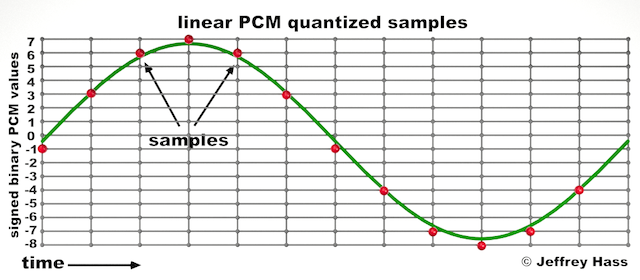
Audio quantization error is a fundamental aspect of digital audio processing. When analog sound waves are converted into digital signals, they undergo quantization. This means that the continuous analog signal is sampled and approximated in discrete steps. These steps are represented by binary values, typically in the form of bits (e.g., 16-bit, 24-bit). Now, what’s crucial to grasp here is that these discrete steps can lead to imperfections in audio reproduction.

Quantization error, often referred to as “quantization noise,” occurs when the actual analog signal deviates from the approximated digital representation. Imagine you have a beautiful painting, and you’re asked to replicate it using only a limited set of colors. The more restricted your color palette, the less accurate your reproduction will be. In the same way, the fewer bits you use for audio quantization, the more pronounced the quantization error becomes.

Quantization Levels and the Impact on Sound Quality

The number of quantization levels (related to bit depth) directly affects the precision of audio representation. For instance, a 16-bit audio recording has 65,536 possible levels, while a 24-bit recording provides a staggering 16,777,216 levels. This increased bit depth allows for a much finer representation of the original analog signal. Hence, a higher bit depth results in a reduction of quantization error, leading to superior sound quality.

To illustrate this, consider a grayscale image with only two colors: black and white. This is akin to an extremely low bit depth in audio, where the audio signal is either “on” or “off.” Now, imagine a high-resolution image with millions of colors, similar to the detail you get in a 24-bit audio recording. The difference in quality is apparent.

The Role of Dithering in Minimizing Quantization Error

One might wonder if there’s a way to mitigate quantization error in low-bit-depth audio recordings. Enter “dithering.” Dithering is a technique that introduces low-level noise to the audio signal, effectively spreading out the quantization error across a broader spectrum. Think of it as adding a sprinkle of fine grains of sand to a painting to blend the colors. This subtle noise masks the harshness of quantization error and makes it less noticeable to the human ear.

Now, as we’ve explored the fundamentals of audio quantization error, let’s delve into the questions that often arise:

How Does Quantization Error Affect Music Production?

In the realm of music production, quantization error can be a significant concern, particularly for professionals aiming to achieve top-tier sound quality. When producing music, especially in genres where subtle nuances are crucial, such as classical or jazz, quantization errors become more perceptible. To maintain audio fidelity, a higher bit depth is preferred during recording and production, ensuring minimal quantization noise.

Is There an Ideal Bit Depth for Audio Recording?

The ideal bit depth for audio recording is a subject of debate among audio enthusiasts. While 24-bit recording is commonly favored for its excellent dynamic range and low quantization error, it’s worth noting that the final audio format for most consumer applications, like CDs or streaming, is often 16-bit. The choice of bit depth should be based on the specific requirements of the project, keeping in mind the trade-off between audio quality and file size.

Can Quantization Error be Completely Eliminated?

Regrettably, quantization error cannot be entirely eliminated, as it’s an inherent part of the digital audio conversion process. However, it can be minimized to the point where it’s imperceptible to the human ear. Through techniques like dithering and the use of higher bit depths, the impact of quantization error can be significantly reduced, allowing for exceptional audio quality.

Last Words about Audio Quantization Error

In the ever-evolving world of audio technology, understanding audio quantization error is a fundamental step towards achieving superior sound quality. As an expert in the field, I’ve shared insights, experiences, and technical knowledge to demystify this concept. Remember, the bit depth you choose in audio recording significantly influences the extent of quantization error, and techniques like dithering play a pivotal role in mitigating its effects. The quest for pristine audio quality is an ongoing journey, but armed with this knowledge, you’re better equipped to make informed decisions in your audio endeavors.

Mp4 Format

Mp4 Format

Mp4 Format
Mp4 Format
Mp4 Format
Mp4 Format

What is MP4 format and how does it work?

MP4, also known as MPEG-4 Part 14, is a digital multimedia container format most commonly used to store video and audio. However, it can also store other data such as subtitles and still images. The format streamlines the multimedia files for both streaming and storage purposes. MP4 files are marked by the .mp4 extension and are known for their ability to compress complex multimedia files without significantly degrading quality.
MP4 operates by compressing video and audio files, making them more manageable for playback on various devices. This compression is achieved through codecs, which are algorithms that encode and decode the data.
“The beauty of digital technology is that it lets you compress the impossible into the possible.” – Unknown

Why is MP4 so popular?

MP4’s popularity can be attributed to its versatility and adaptability. It’s universally accepted on most platforms and devices, which means users don’t have to worry about file compatibility. Its efficient compression capability ensures that files retain good quality even when they’re reduced in size, making it ideal for streaming and sharing online.
Another reason for its widespread acceptance is the fact that it can store multiple types of data, including video, audio, subtitles, and even interactive features. This multi-functionality makes it a go-to for various multimedia applications.
“In a world of constant change, the fundamentals are more important than ever.” – Jim Rohn

What are the benefits of using MP4?

Among the many benefits of the MP4 format, some stand out more than others. It offers high-quality video and audio playback, even when the file size is reduced, making it ideal for online streaming. The format’s adaptability means it can be used on virtually any device or platform without compatibility issues.
Moreover, the MP4 format supports advanced features like 3D graphics, menus, and user interactivity, adding more dimension to its usage. It’s also a secure format, offering DRM (Digital Rights Management) support to protect copyrights.
“The essence of strategy is choosing what not to do.” – Michael Porter

How does MP4 compare to other video formats?

When comparing MP4 to other video formats, its versatility and efficiency stand out. While formats like AVI or MOV may offer higher quality, they typically come with larger file sizes. MP4 strikes a balance between quality and size, making it ideal for various applications, from streaming to storage.
The adaptability of MP4 also means it’s less likely users will encounter compatibility issues. This ease of use and wide acceptance give it an edge over other formats in the market.
“Comparison is the death of joy.” – Mark Twain

Can MP4 files contain audio and video?

Yes, MP4 files can contain both audio and video. In fact, this dual capability is one of the reasons for its widespread use. By integrating video and audio into one file, it streamlines the playback process and ensures synchronization between the two. It also means users only need to manage a single file when sharing or transferring content.
“In unity, there is strength.” – Mattie Stepanek

How is the quality of an MP4 video?

The quality of an MP4 video is generally very good, especially considering its compact size. The format uses advanced compression algorithms which ensure that quality isn’t significantly compromised. Of course, like with any compression, there might be some loss of detail, but for most users and applications, MP4 offers a satisfactory quality-to-size ratio.
“Quality is not an act, it’s a habit.” – Aristotle

What are the drawbacks of MP4 format?

While MP4 offers numerous advantages, it’s not without its drawbacks. One potential issue is that if an MP4 file becomes corrupt, often the entire file becomes unplayable. Some other formats might still play portions of a damaged file. Additionally, while MP4 compression is efficient, it’s not always the best for professional applications where the highest quality is desired.
“Every solution breeds new problems.” – Arthur Bloch

Are there any alternatives to MP4?

Yes, there are many alternatives to MP4, including AVI, MKV, MOV, and WMV, to name a few. Each format has its strengths and is suited for particular applications or platforms. While MP4 is versatile and widely accepted, sometimes specific situations or needs might make another format more suitable.
“Variety’s the very spice of life, That gives it all its flavor.” – William Cowper

How can I ensure the best quality when converting to MP4?

When converting to MP4, it’s essential to use high-quality source files and avoid excessive compression. Using a reliable converter that allows for customization of settings can help users optimize quality and file size as per their needs.
“Do not squander time, for that’s the stuff life is made of.” – Benjamin Franklin

Why are MP4 files sometimes large?

While MP4 is known for its efficient compression, the file size can still become large, especially when dealing with lengthy videos or those with high resolution. The codecs used, bit rate, and the complexity of the content can all influence the final file size.
“Size does matter. But so does depth.” – Neil Strauss

Final Words

The MP4 format has revolutionized the way we consume multimedia content, providing a balance between quality and size. Its versatility ensures that it remains a top choice for many, from casual users to professionals. Understanding its strengths and potential limitations can help users make the most out of this influential format.

Media File Formats for Mobile Devices: 3GP, M4, and More

Media File Formats for Mobile Devices: 3GP, M4, and More

Media File Formats for Mobile Devices

My Experience with Media File Formats

As someone who has been using mobile devices for years, I have encountered a wide range of media file formats. From 3GP to M4V, each format has its own strengths and weaknesses, and choosing the right format can be a challenge. In this article, I will explore some of the most common media file formats for mobile devices, and provide some tips for choosing the right format for your needs.

Understanding Media File Formats

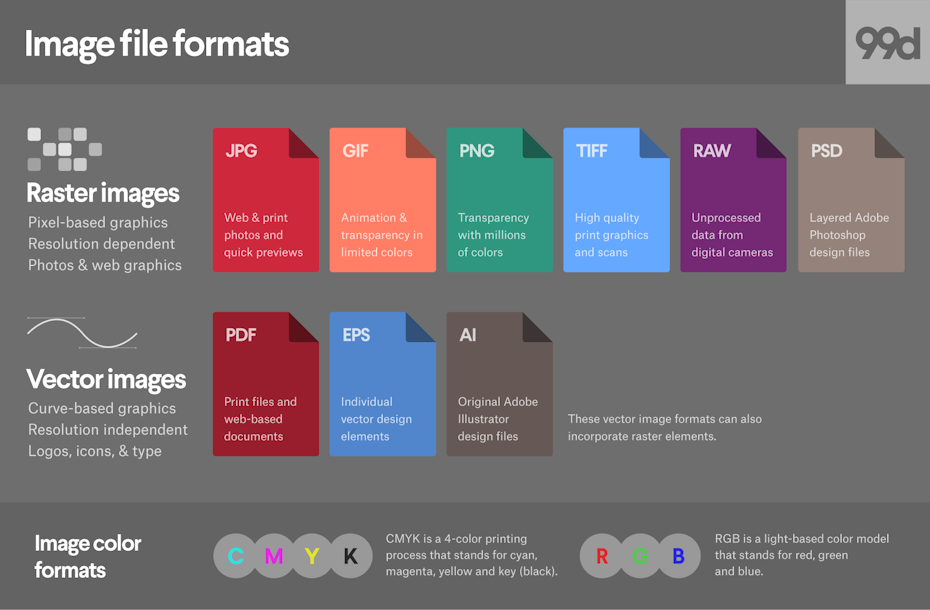
Media file formats are essentially containers that hold audio and video data. Each format has its own unique characteristics, including compression algorithms, video resolutions, and audio quality. Some of the most common media file formats for mobile devices include:
3GP: This format is commonly used for video content on mobile devices, and is known for its small file size and low bandwidth requirements.
M4V: This format is similar to MP4, but is specifically designed for use with Apple devices. It supports high-quality video and audio, and is often used for streaming and downloading content from the iTunes Store.
MP4: This format is widely used for video content on mobile devices, and is known for its high-quality video and audio, as well as its compatibility with a wide range of devices and platforms.

“Choosing the right media file format for your needs can be a challenge, but it is important to consider factors such as file size, video quality, and compatibility with your device and platform.”

Other Media File Formats

In addition to 3GP, M4V, and MP4, there are a number of other media file formats that are commonly used for mobile devices. These include:
AVI: This format is widely used for video content on desktop computers, but is less common on mobile devices due to its large file size and limited compatibility.
WMV: This format is commonly used for video content on Windows devices, and is known for its high-quality video and audio.
MOV: This format is commonly used for video content on Apple devices, and is known for its high-quality video and audio, as well as its compatibility with a wide range of devices and platforms.

“While there are a number of media file formats available for mobile devices, it is important to choose the right format for your specific needs. Factors such as file size, video quality, and compatibility with your device and platform can all play a role in determining the best format for your needs.”

Final Words

As someone who has been using mobile devices for years, I have learned the importance of choosing the right media file format for my needs. Whether I am streaming video content or downloading music, the right format can make all the difference in terms of quality and compatibility. By understanding the various media file formats available for mobile devices, and considering factors such as file size, video quality, and compatibility, you can ensure that your media content looks and sounds its best.

Media File Formats, Mobile Devices, 3GP, M4V, MP4, AVI, WMV, MOV, Audio Quality, Video Quality, Compression Algorithms, Compatibility, File Size, Streaming, Downloading, iTunes Store, Apple Devices, Windows Devices, Desktop Computers, Video Content, Audio Data, Containers, Bandwidth Requirements, High-Quality Video, High-Quality Audio, Video Resolutions, Choosing the Right Format, Quality and Compatibility.
Media File Formats, Mobile Devices, 3GP, M4V, MP4, AVI, WMV, MOV Audio Quality, Video Quality, Compression Algorithms, Compatibility, File Size, Streaming, Downloading, iTunes Store, Apple Devices, Windows Devices, Desktop Computers, Video Content, Audio Data, Containers, Bandwidth Requirements, High-Quality Video, High-Quality Audio, Video Resolutions, Choosing the Right Format, Quality and Compatibility, Media Content, Video Streaming, Audio Streaming, Video Downloading, Audio Downloading, Mobile Video Formats, Mobile Audio Formats, Mobile Media Formats, Mobile Video Quality, Mobile Audio Quality, Mobile Video Compression, Mobile Audio Compression, Mobile Video Resolution, Mobile Audio Resolution, Mobile Video Compatibility, Mobile Audio Compatibility, Mobile Video File Size, Mobile Audio File Size, Mobile Video Streaming Quality, Mobile Audio Streaming Quality, Mobile Video Downloading Quality, Mobile Audio Downloading Quality, Mobile Video Playback, Mobile Audio Playback, Mobile Video Conversion, Mobile Audio Conversion, Mobile Video Editing, Mobile Audio Editing, Mobile Video Production, Mobile Audio Production, Mobile Video Distribution, Mobile Audio Distribution.

MP4 vs. MPEG Format Comparison

MP4 vs. MPEG Format Comparison

MP4 vs. MPEG
MP4 vs. MPEG
MP4 vs. MPEG
MP4 vs. MPEG

Understanding the Differences Between MP4 and MPEG Formats

When it comes to digital video formats, MP4 and MPEG are two of the most popular options available. While both formats are widely used, they have distinct differences that can impact their performance and compatibility with different devices and software. In this article, we’ll explore the key differences between MP4 and MPEG formats, and help you determine which one is right for your needs.

What is MP4?

MP4, or MPEG-4 Part 14, is a digital multimedia container format used to store video, audio, and other data such as subtitles and still images. It was developed by the Moving Picture Experts Group (MPEG) and is widely used for streaming video online, as well as for storing video files on mobile devices and computers. One of the key advantages of MP4 is its ability to compress large video files without sacrificing quality, making it an ideal format for sharing and streaming video content.

What is MPEG?

MPEG, or Moving Picture Experts Group, is a family of digital video and audio compression standards developed by the same organization that created MP4. MPEG formats are widely used for creating high-quality video content, and are compatible with a wide range of devices and software. Unlike MP4, which is a container format, MPEG is a compression format that uses a variety of codecs to compress video and audio data.

Which Format is Right for You?

When it comes to choosing between MP4 and MPEG formats, there are a few key factors to consider. If you’re looking for a format that is widely compatible with different devices and software, MPEG may be the better choice. However, if you’re looking for a format that offers high-quality video compression and is ideal for streaming and sharing video content online, MP4 may be the better option. Ultimately, the choice between these two formats will depend on your specific needs and preferences.

Conclusion

In conclusion, MP4 and MPEG are two popular digital video formats that offer distinct advantages and disadvantages. While MPEG is widely compatible with different devices and software, MP4 offers high-quality video compression and is ideal for streaming and sharing video content online. When choosing between these two formats, it’s important to consider your specific needs and preferences, and choose the format that best meets your requirements. And if you’re looking for a reliable tool to normalize and convert your audio and video files, MP4Gain is a great option to consider.
MP4, MPEG, video format, digital video, multimedia container, compression, codecs, streaming, compatibility, quality, online, mobile devices, computers, audio, subtitles, still images, Moving Picture Experts Group, family, standards, high-quality, compression standards, video content, software, advantages, disadvantages, specific needs, preferences, normalize, convert, audio files, video files, MP4Gain, tool, reliable.