YouTubeToMp3


Free Download Mp4Gain
picture

YouTubeToMp3


youtubetomp3
youtubetomp3


youtubetomp3
youtubetomp3

When it comes to enjoying music or podcasts, YouTube is a treasure trove of content. But what if you want to listen to your favorite YouTube videos as MP3 audio files? YouTube to MP3 conversion offers a solution. In this article, we’ll explore this topic comprehensively, diving into the methods, tools, legal considerations, and best practices for converting YouTube videos to MP3 files.

Understanding YouTubetoMP3 Conversion

YouTube to MP3 conversion is the process of extracting audio from YouTube videos and saving it in the MP3 format. This allows you to enjoy the content on your preferred audio player or device. However, it’s essential to understand the legal and ethical aspects of this process, as well as the different methods available.

Benefits and Use Cases

youtubetomp3
youtubetomp3

People convert YouTube videos to MP3 for various reasons. It’s a convenient way to create a personal music library or listen to podcasts on the go. For instance, imagine you have a long road trip planned, and you want to listen to your favorite songs without worrying about data connectivity.

John, a music enthusiast, recalls a recent camping trip. “I downloaded a playlist of nature sounds from YouTube to MP3 to create a relaxing ambiance for our camping trip. It was a great way to enjoy the sounds of nature without worrying about internet access.”

YouTube’s Policies and Copyright Issues

YouTube has specific terms of service that users must abide by. Downloading or converting content without proper authorization may violate these terms. Additionally, copyright laws must be respected when converting YouTube videos to MP3. Unauthorized use of copyrighted material can lead to legal consequences.

Tools and Software for YouTubetoMP3 Conversion

There are various tools and software available for YouTube to MP3 conversion. When choosing a converter, it’s crucial to select a reputable and secure option. Let’s take a closer look at how to use a popular conversion tool:

Download and install the tool on your computer.
Copy the URL of the YouTube video you want to convert.
Paste the URL into the converter.
Select the MP3 format and desired quality settings.
Click the “Convert” button to initiate the process.
Audio Quality and Formats

The quality of the MP3 file you obtain through conversion depends on factors like bitrate and sampling rate. The higher the bitrate, the better the audio quality, but it also results in a larger file size. Users should strike a balance between quality and file size based on their preferences.

Safety and Security

While converting YouTube videos to MP3 is popular, it comes with security risks. Some converters and download sites may contain malware or lead to scams. To ensure safety, only use well-established and reputable converters. Additionally, be cautious when clicking on ads or pop-ups while downloading.

Legal Alternatives

There are legal alternatives to YouTube to MP3 conversion. Music streaming services like Spotify, Apple Music, and Amazon Music offer vast libraries, and you can subscribe for a monthly fee. These platforms provide legal access to a wide range of music.

User Experiences and Recommendations

User experiences with YouTube to MP3 conversion vary. Some users prefer the convenience and cost-effectiveness, while others opt for legal alternatives to support artists and avoid legal complications. It’s essential to make an informed choice based on your needs and ethical considerations.

Future Trends

The world of audio conversion is continually evolving. Emerging technologies are making it easier to access and enjoy music legally and efficiently. Keep an eye on developments in this field, as they may impact the way you consume and share audio content.

Last words about Youtubetomp3

In conclusion, YouTube to MP3 conversion can be a valuable tool for personal audio enjoyment, but it comes with legal and ethical considerations. Choose your conversion tools wisely, prioritize safety, and consider legal alternatives. The future of audio conversion is exciting, so stay informed about the latest trends.

Comments:

Comments:

“I’ve been using YouTube to MP3 converters for years, and I agree that safety is crucial. Always double-check the source!” – MusicLover87

“This article provides a balanced perspective on YouTube to MP3 conversion. I appreciate the legal alternatives section.” – LegalEagle

“I’d love to see more information on the technical side of audio quality in MP3 conversion. Great article otherwise!” – TechEnthusiast

“I converted a YouTube concert to MP3 for my road trip last summer, and it was a game-changer. The article covers all the essential points.” – RoadTripper

“I didn’t know the legal aspects were so complex. Thanks for shedding light on this issue.” – CuriousListener


Free Download Mp4Gain
picture


Mp4Gain Main Window
picture


Mp4Gain Features
picture


Free Download Mp4Gain
picture

Mp3 Future

Mp3 Future

Let’s talk about Mp3

When it comes to digital audio, few formats have made as significant an impact as the MP3. As a specialist with extensive experience in this field, I’m here to unravel the fascinating journey of the MP3 format, from its inception to its current relevance in the ever-evolving landscape of digital audio.
MP3, or MPEG-1 Audio Layer 3, was a groundbreaking development in the late 20th century. Its invention revolutionized the way we consume music and audio content. You might recall the era of portable MP3 players like the iconic iPod. These pocket-sized devices allowed us to carry thousands of songs in our pockets, changing the way we listened to music. The convenience was undeniable, and it marked the beginning of the MP3 revolution.

The Evolution of Audio Compression

To understand the future of MP3, we must first appreciate the evolution of audio compression. Audio compression technology was born out of the need to reduce the size of audio files while maintaining acceptable sound quality. Various formats, such as WAV and AIFF, produced large files that were impractical for storage and transmission.
The development of MP3, characterized by its lossy compression technique, addressed this issue. It achieved remarkable compression ratios without sacrificing audio quality significantly. This opened up new possibilities for distributing and sharing music. Comparing MP3 to these older formats is like comparing a compact car to a gas-guzzling behemoth; it’s efficient and practical.

Challenges and Innovations

While MP3 was a game-changer, it wasn’t without its challenges. Critics argued that the compression process caused a loss in audio fidelity. As technology advanced, so did our expectations for sound quality. This prompted innovations in audio technology to address the limitations of MP3. In response, we witnessed the development of new audio formats and higher bitrates, such as FLAC and AAC.
For example, the shift towards high-resolution audio formats offers an alternative for those who crave the utmost audio quality. It’s akin to comparing the vibrant colors of an HD TV to an older, standard-definition set. However, MP3 remains relevant, especially for everyday listeners who prioritize convenience and storage space.

The Streaming Revolution

In recent years, the streaming revolution has transformed the way we consume audio. Services like Spotify and Apple Music have made our music collections instantly accessible without the need for extensive storage. Interestingly, MP3 continues to play a role in this shift.
Despite the rise of streaming, MP3s are still found in the back-end systems of these platforms. Streaming services often convert songs to MP3 in the transmission process, demonstrating the format’s continued importance in the digital audio ecosystem.

The Future of MP3

So, what does the future hold for MP3? As a specialist, I believe that MP3 will continue to have a place in our audio landscape. It remains a practical choice for various applications, especially in the gaming industry. Game developers often use MP3 to reduce the size of audio assets while maintaining a reasonable level of quality. This efficiency is similar to how we pack our suitcases, aiming to fit as much as possible within the constraints of space.

Audio Quality and MP3

The debate about audio quality versus file size has been ongoing. MP3’s bitrates play a significant role here. Imagine these bitrates as the settings on a camera; the higher the setting, the more detail you capture. In the case of MP3, higher bitrates result in better audio quality but larger file sizes. For many, MP3 strikes a balance between quality and storage efficiency, much like the choices we make when taking photos on our smartphones.

The Role of Mobile Devices

The omnipresence of mobile devices, especially smartphones, has further cemented the relevance of MP3. These gadgets have become our primary source of entertainment. Whether we’re on a long commute or working out at the gym, MP3s are easily accessible on our smartphones. It’s like having a personal jukebox in our pockets, and MP3 has played a pivotal role in this audio revolution.

The Environmental Impact

Beyond sound quality and convenience, there’s an aspect of MP3 that’s often overlooked—the environmental impact. MP3’s efficiency in file size translates to reduced energy consumption during streaming and downloading. When we consider the carbon footprint, MP3 is akin to a fuel-efficient car, emitting fewer greenhouse gases. It’s an essential factor to ponder as we seek sustainable solutions in the digital age.

Legal and Ethical Concerns

However, we can’t discuss the future of MP3 without touching on legal and ethical issues. The format has faced its share of controversies, especially concerning copyright and piracy. Digital rights management (DRM) was introduced to protect intellectual property, but it sparked debates about the balance between security and user freedom. These legal battles are as noteworthy as high-profile court cases in other industries.

Community Opinions and Feedback

In conclusion, the future of MP3 is shaped not only by technological advancements but also by the opinions and feedback from users, artists, and audiophiles. Community discussions, user testimonials, and forum quotes offer valuable insights into the diverse perspectives on MP3’s role in the digital audio realm. These opinions paint a dynamic picture of what the future may hold.

Latest Words on Mp3

In this article, we’ve embarked on a journey through the past, present, and potential future of MP3. As technology continues to evolve, the audio landscape will undoubtedly transform as well. MP3, despite its age, still finds relevance in our daily lives. The future promises new innovations and discussions that will shape the way we listen to and share music.
As an expert in this field, I believe it’s crucial to keep exploring the possibilities, ensuring that the legacy of MP3 remains intact while adapting to the ever-changing audio landscape.

Comments:

I really enjoyed this article. It’s so important to understand how technology has shaped our music experiences. But I wish there was more information on the legal issues. Please provide more details!

Great job on this article! I agree that MP3 has come a long way, and it’s fascinating to see its journey. I love how it’s used in gaming. Keep up the good work!

This article needs to go deeper into the technical aspects of audio compression. I was hoping for more detailed explanations, especially about bitrates and quality. Please consider adding more technical information.

I appreciate the environmental angle you touched on. It’s something we often overlook. However, I’d love to see a more in-depth analysis with data and comparisons. Keep it up!

A comprehensive article! It’s clear that MP3 is still relevant, and I appreciate the historical context. I’d love to read more articles like this on different audio formats and technologies. Thank you!

Mp3 Sound Booster

Boosting MP3 Sound Quality and Loudness

Mp3 Sound Booster
Mp3 Sound Booster
Mp3 Sound Booster
Mp3 Sound Booster

Mp3 Sound Booster

In today’s digital age, where music and audio are an integral part of our lives, it’s crucial to ensure that our MP3 files sound their best. Whether you’re a casual listener or an audiophile seeking perfection, this comprehensive guide is here to help you master the art of enhancing MP3 sound quality. I’m an audio expert, and I’ll take you on a journey through various techniques and strategies to elevate your MP3 listening experience.

The Importance of Quality MP3 Sound

Before we dive into the nitty-gritty details of improving MP3 sound, let’s first understand why it matters. MP3 is one of the most popular audio formats, known for its compatibility and convenience. However, the sound quality of MP3 files can vary widely, depending on factors like compression, source material, and encoding settings.

Factors Affecting MP3 Sound Quality

To achieve the best MP3 sound quality, you need to consider several key factors:

Bitrate

The bitrate determines the amount of data used to represent audio. Higher bitrates generally result in better sound quality but larger file sizes.

Compression

MP3 files are compressed to reduce their size. Understanding the balance between compression and quality is essential.

Source Material

The quality of the original audio source greatly influences the final MP3 sound. Starting with high-quality recordings is crucial.

Encoding Settings

Adjusting parameters during encoding, such as sample rate and stereo mode, can impact sound quality significantly.

Techniques for Enhancing MP3 Sound Quality

Now that we’ve established the importance of quality MP3 sound, let’s explore various techniques and strategies to enhance it. Whether you’re dealing with older low-bitrate MP3s or you want to optimize your new downloads, these methods will help you achieve the best possible sound.

1. Bitrate Selection

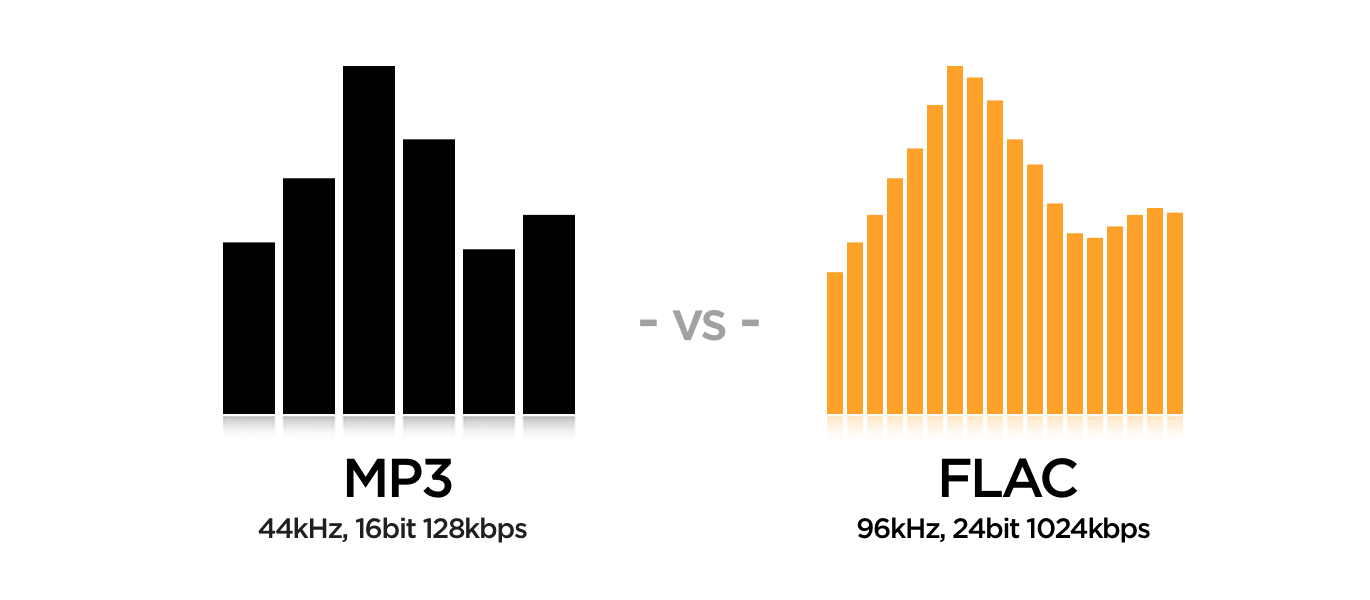
The choice of bitrate plays a fundamental role in MP3 sound quality. Higher bitrates, such as 320 kbps, preserve more audio details, resulting in clearer and more immersive sound. However, they also lead to larger file sizes, so you should strike a balance based on your storage capacity and listening preferences.

2. Source Material Enhancement

Improving MP3 sound quality starts with the source material. If you have control over the recording process, use high-quality microphones, eliminate background noise, and ensure proper mixing and mastering techniques are employed. Starting with a pristine source will yield better MP3s.

3. Proper Encoding Settings

When converting audio to MP3 format, it’s crucial to choose the right encoding settings. Opt for a higher sample rate (e.g., 44.1 kHz or 48 kHz) and stereo mode for richer sound. Experiment with different settings to find the sweet spot for your audio.

4. Noise Reduction

If your MP3s suffer from background noise or artifacts, consider using noise reduction software. This can help eliminate unwanted hisses, clicks, and pops, resulting in a cleaner listening experience.

5. Equalization (EQ)

Using an equalizer allows you to adjust the balance of frequencies in your MP3s. You can enhance bass, boost treble, or make other custom adjustments to tailor the sound to your preferences.

6. Volume Normalization

Normalization ensures consistent volume levels across your MP3 library. This prevents sudden volume jumps between tracks, providing a more enjoyable listening experience.

7. High-Quality Playback Devices

Investing in high-quality headphones or speakers can make a significant difference in how you perceive MP3 sound. Look for devices with accurate sound reproduction and comfortable fit for extended listening sessions.

8. Room Acoustics

If you primarily listen to MP3s in a room, consider optimizing the acoustics. Simple changes like adding acoustic panels or rearranging furniture can reduce reflections and enhance sound quality.

9. Lossless Formats

Consider archiving your favorite music in lossless formats like FLAC or WAV for the utmost audio fidelity. While these formats result in larger file sizes, they preserve audio quality without compression.

10. Regular Maintenance

Maintaining your MP3 library is essential. Periodically check for corrupted files, update metadata, and back up your collection to prevent data loss.

Final Words

Enhancing the sound quality of your MP3 files is a rewarding endeavor for any music lover. By understanding the factors influencing sound quality and employing the right techniques, you can elevate your MP3 listening experience to new heights. Whether you’re a casual listener or an audiophile, these strategies will help you make the most of your digital music collection. Remember, the quest for perfect sound is a journey, so enjoy every moment of it. Happy listening!

Bit Depth in Audio

Bit Depth in Audio

Bit Depth in Audio
Bit Depth in Audio
Bit Depth in Audio
Bit Depth in Audio

Audio Bit Depth Explained

Audio bit depth refers to the number of bits used to represent the amplitude of an audio signal at each sample point. In simpler terms, it determines the dynamic range of digital audio. A higher bit depth allows for a more detailed representation of sound, capturing subtle nuances and minimizing quantization noise.
Imagine bit depth as a measurement of how finely audio is divided into individual steps. For instance, a 16-bit audio recording has 65,536 possible amplitude levels, while a 24-bit recording offers a staggering 16,777,216 levels. This increased granularity results in smoother, more accurate sound reproduction.

Understanding Bit Depth in Audio

To grasp the significance of bit depth, consider it as the shades of color in a painting. A higher bit depth provides a broader palette of colors, allowing for a more accurate depiction of the original image. Similarly, in audio, a greater bit depth captures a wider range of volume levels, preserving the subtleties of a musical performance or the nuances of a voice.
In practical terms, when you listen to music or a podcast, a higher bit depth ensures that you can hear the softest whispers and the loudest drum hits without distortion or loss of detail. It’s like having a more precise lens to view the sonic landscape.

Audio Resolution and Bit Depth

Bit depth and audio resolution are closely linked. Audio resolution refers to the level of detail and accuracy in an audio recording. Bit depth plays a pivotal role in determining this resolution. Think of it as the difference between watching a video in standard definition versus high definition. A higher bit depth offers a more lifelike and faithful representation of sound.
When recording or listening to music, you’ll often encounter terms like “16-bit” or “24-bit.” These numbers indicate the bit depth of the audio, with 24-bit audio being the gold standard for high-quality recordings. It’s akin to having a sharper, more detailed image in photography.

Now, let’s explore more facets of bit depth in audio.

Importance of Bit Depth in Sound

Bit depth is paramount in the world of sound because it directly impacts audio fidelity and the ability to reproduce music or voice accurately. It ensures that every subtle nuance, from the softest piano notes to the powerful guitar riffs, is faithfully captured and played back with precision.
Consider this: when recording a classical piano performance, the pianist’s delicate touch on the keys is as vital as the thunderous crescendos. A higher bit depth preserves the intricate dynamics, making you feel as if you are sitting in the concert hall, immersed in the music.

Bit depth is the foundation of audio quality, and understanding its role can help you appreciate the importance of using higher bit depths in audio production and playback.

How Bit Depth Affects Audio Quality

The impact of bit depth on audio quality is akin to the role of paint quality in a masterpiece. Just as a skilled artist requires high-quality pigments for a vivid painting, audio engineers rely on a greater bit depth for lifelike and rich audio recordings.
A lower bit depth might result in noticeable “stepping” or quantization noise, especially in quiet passages of a recording. This noise can be distracting and diminish the overall listening experience. On the other hand, a higher bit depth provides a smooth, natural curve to the audio waveform, minimizing these artifacts and delivering pristine sound.

Consider your favorite music track—the artist’s emotions, the resonance of instruments, and the atmosphere of the recording venue. All these subtleties are better preserved and conveyed through higher bit depth, elevating your listening experience to a new level.

Bit Depth in Digital Audio

In the digital realm, bit depth plays a pivotal role in the accuracy of audio representation. Think of it as pixels in a high-resolution photograph; more pixels mean finer details. Similarly, a higher bit depth translates to a more accurate depiction of sound.
In applications like digital audio workstations (DAWs) and music players, you often have the option to choose between different bit depths for your audio projects. Opting for a higher bit depth can lead to more professional-sounding results, particularly in the realms of music production, film scoring, and sound design.

Bit Depth vs. Sample Rate

While bit depth and sample rate are both critical aspects of digital audio, they serve different purposes. Bit depth determines the accuracy of amplitude representation, while sample rate governs how often the audio waveform is sampled per second.
Picture bit depth as the color depth in a photograph and sample rate as the frames per second in a video. A higher bit depth allows for greater tonal accuracy, while a higher sample rate captures more audio snapshots per second, preserving high-frequency content.

In many scenarios, a balanced approach between bit depth and sample rate is essential to achieve optimal audio quality. The synergy between these two factors ensures that audio recordings faithfully capture the richness and subtleties of the original source.

Bit Depth in Music Production

For music producers, bit depth is a critical consideration when working on audio projects. It influences the quality of sound recordings and the ability to manipulate audio during the production process.
When mixing and mastering music, a higher bit depth provides ample headroom for processing audio without introducing artifacts or degrading quality. This allows producers to apply effects, equalization, and compression with greater precision.

Additionally, when releasing music, opting for a higher bit depth ensures that your audience experiences the full depth and nuance of your compositions, whether they’re listening through high-end headphones or a powerful sound system.

16-Bit vs. 24-Bit Audio

The choice between 16-bit and 24-bit audio often arises when considering audio quality and storage requirements. A 16-bit audio file occupies less space compared to a 24-bit file, but it also has limitations in capturing subtle audio details.
16-bit audio is akin to a compact camera with limited resolution, suitable for casual snapshots. In contrast, 24-bit audio offers the quality of a professional DSLR camera, capturing a broader dynamic range and preserving the finer nuances of sound.

When deciding between the two, it’s essential to consider the specific use case. For audiophiles, professional audio production, and high-end sound systems, 24-bit audio is the preferred choice for its ability to deliver an immersive and faithful listening experience.

Bit Depth for Audio Recording

In the realm of audio recording, selecting the appropriate bit depth is a pivotal decision. It directly affects the quality and flexibility of the recorded material, whether you’re tracking vocals, instruments, or ambient sounds.
Recording at a higher bit depth, such as 24-bit, provides audio engineers with a safety net during the recording process. It allows them to capture a wide dynamic range without the risk of clipping or distortion. This is particularly valuable when dealing with unpredictable elements in live recordings or capturing the subtleties of acoustic instruments.

In essence, bit depth choice during audio recording is like choosing the canvas size for a painting. A larger canvas provides more room for creativity and detail, and a higher bit depth offers greater sonic canvas for audio professionals.

Final Words

In the realm of audio, bit depth serves as the bedrock of quality and fidelity. It determines how faithfully sound is captured, preserved, and reproduced. Understanding the importance of bit depth allows you to appreciate the nuances in your favorite music, the clarity in podcasts, and the immersive soundscapes in movies.
Whether you’re an aspiring musician, an audio engineer, or simply a passionate listener, recognizing the role of bit depth in audio enriches your experience. It’s the difference between seeing the world in black and white and experiencing it in full color.

So, the next time you enjoy your favorite song or immerse yourself in a cinematic adventure, remember that bit depth is the silent hero behind the scenes, ensuring that every sonic detail reaches your ears with precision and clarity.