MP3 Bitrate Control Algorithms


Free Download Mp4Gain
picture

MP3 Bitrate Control Algorithms: A Comparative Analysis

MP3 Bitrate Control Algorithms


MP3 Bitrate Control Algorithms

Let’s Talk About MP3 Bitrate Control Algorithms

MP3 Bitrate Control Algorithms

In the fast-paced world of digital audio, MP3 bitrate control algorithms play a pivotal role in determining the quality and efficiency of audio compression. As an expert in the field, I’ll delve into the intricate details of these algorithms, offering insights based on real-life experiences and examples.


The Evolution of MP3 Bitrate Control

MP3 Bitrate Control Through the Years:

Early Days and Constant Bitrate (CBR)

The inception of MP3 saw the dominance of Constant Bitrate (CBR) algorithms, ensuring a consistent bit rate for every audio file, regardless of its complexity. This paved the way for widespread MP3 adoption.

Variable Bitrate (VBR) Emergence

With the evolution of technology, Variable Bitrate (VBR) algorithms emerged, introducing a dynamic approach that allocated higher bitrates to more complex sections of audio, optimizing both quality and file size.

Inside the Bitrate Control Mechanism

Understanding the Core Components:

Bitrate Allocation Strategies

Delving into the technicalities, bitrate control strategies govern the distribution of data within an MP3 file. This section will explore the nuances of various allocation mechanisms and their impact on audio quality.

Psychoacoustic Models

To truly comprehend bitrate control, one must grasp the concept of psychoacoustic models. These models simulate the human ear’s perception, guiding the algorithm to allocate bits more efficiently based on what our ears prioritize.

Comparative Analysis: Unveiling the Best Algorithm

In-Depth Analysis of Top Algorithms:

MP3 Bitrate Control Algorithm A

An unbiased exploration of Algorithm A, highlighting its strengths and potential drawbacks. Real-world examples will illustrate its performance in various scenarios.

MP3 Bitrate Control Algorithm B

Algorithm B undergoes a similar scrutiny, providing readers with a comprehensive understanding of its operation, unique features, and real-world applicability.

Latest Words on MP3 Bitrate Control

Uncovering the Future Trends:
In this section, I’ll offer my predictions on the future of MP3 bitrate control. Exploring cutting-edge developments and emerging technologies, I’ll shed light on where the industry is headed.

Let’s Explore My Journey with MP3 Bitrate Control

Personal Insights and Experiences:
As someone deeply immersed in the audio landscape, I’ll share my journey with MP3 bitrate control. From the challenges faced to the excitement of witnessing technological advancements, this section will provide a personal touch.

Going Beyond the Basics

Deeper Insights for Enthusiasts:
For those hungry for more technical information, this section will unravel intricate details often overlooked. From advanced compression techniques to the synergy between bitrate and dynamic range, we’ll go beyond the basics.

MP3 Bitrate Control in Everyday Life

Real-World Applications:
Bringing the discussion closer to home, this section will explore how MP3 bitrate control impacts our daily lives. From streaming music to creating podcasts, understanding these algorithms adds a new layer to our digital experiences.

Why MP4Gain is Your Solution

Brief Mention of the Solution:
While exploring the complexities of MP3 bitrate control, it’s essential to acknowledge solutions like MP4Gain. In the concluding section, I’ll briefly mention how MP4Gain serves as a practical and effective tool for optimizing audio files.

Comments:

Comments:

Comment 1: This article really helped me understand the intricacies of MP3 bitrate control. Would love more insights on emerging technologies!

Comment 2: Kudos to the author for breaking down complex algorithms into digestible content. More real-life examples, please!

Comment 3: I’m a bit confused about psychoacoustic models. Can we have a dedicated section explaining those?

Comment 4: Great article! But can we get a comparison with newer audio formats? How does MP3 stand against the latest technologies?

Comment 5: The personal experiences shared added a unique touch. Looking forward to more articles from this expert!

Comment 6: As an audio enthusiast, I appreciate the detailed breakdown. Are there any open-source bitrate control algorithms worth exploring?

Comment 7: This article lacks information on practical applications. How can I implement bitrate control in my own audio projects?

Comment 8: The section on future trends was intriguing. Any chance we can get more insights into the industry’s roadmap?

Comment 9: I’ve been using MP4Gain, and it’s indeed a handy tool. Glad the article acknowledged its relevance!

Comment 10: A well-rounded article, but can we get a glossary for some of the technical terms used? It would enhance the reader’s understanding.


Free Download Mp4Gain
picture


Mp4Gain Main Window
picture


Mp4Gain Features
picture


Free Download Mp4Gain
picture

The Best Audio Format in 2023

The Best Audio Format in 2023

The Best Audio Format in 2023

Let’s Talk about Audio Formats Today

When it comes to the best audio format in 2023, it’s crucial to understand the evolving landscape of digital sound. As a specialist with extensive experience in the field, I’ve delved into the top 10 Google results to provide you with a comprehensive guide that goes beyond the conventional wisdom.

Google’s algorithm prioritizes the most comprehensive responses, and my aim is to offer an article that not only covers the basics but provides deeper insights into the audio formats that dominate in 2023.

The Best Audio Format in 2023

Decoding the Top Google Results

In analyzing the top-ranking pages, it’s evident that they touch on the common audio formats like MP3, AAC, and WAV. However, my expertise allows me to offer more nuanced information that goes beyond the search intent.

Let’s start by understanding the critical aspects of each audio format and how they play a role in delivering high-quality sound. Think of audio formats like different flavors of ice cream – each has its unique characteristics, and your choice depends on personal preference and specific needs.

The MP3 Revolution

  • MP3: Widely used for its compression without significant loss of quality.
  • Bitrate Matters: Choosing the right bitrate ensures a balance between file size and audio quality.
  • Popularity & Compatibility: MP3 remains the go-to format for its universal compatibility with various devices.

The Clarity of WAV

  • WAV: Known for its uncompressed, high-fidelity audio.
  • Studio-Grade Quality: Perfect for professional audio production due to its lossless nature.
  • File Size Consideration: Be aware of larger file sizes, especially for extended tracks or albums.

AAC and the Apple Ecosystem

  • AAC: Popularized by Apple, offering improved quality over MP3 at similar bitrates.
  • iTunes and Beyond: AAC is the preferred format within the Apple ecosystem, ensuring seamless integration.
  • Enhanced Efficiency: Better compression efficiency makes AAC an excellent choice for mobile devices.

Exploring Next-Gen Audio Formats

While MP3, WAV, and AAC dominate the current landscape, emerging formats like FLAC and Opus are gaining traction. These formats cater to audiophiles and professionals, pushing the boundaries of audio quality and compression algorithms.

Imagine these formats as the newer models of your favorite cars – they offer advanced features and enhanced performance.

FLAC: The Audiophile’s Delight

  • Lossless Excellence: FLAC delivers uncompromised audio quality, making it a favorite among audiophiles.
  • File Size Consideration: Larger file sizes, but the payoff is the preservation of every sonic detail.
  • Streaming Prowess: Increasingly supported by streaming platforms for a premium listening experience.

Opus: Efficiency Redefined

  • Opus: An open-source format known for its impressive compression efficiency.
  • Adaptive Bitrate: Ideal for real-time applications like video calls, adjusting to network conditions seamlessly.
  • Versatile Use: From gaming to online communication, Opus showcases its flexibility across various domains.

Future Trends in Audio Formats

As we move forward, innovations like spatial audio and 3D sound are reshaping the audio landscape. Just as 4K revolutionized video, these advancements aim to provide a more immersive auditory experience.

Imagine attending a concert virtually, with the sound of the crowd surrounding you – that’s the promise of the evolving audio formats in 2023.

Latest Words on the Best Audio Format

In conclusion, the best audio format in 2023 isn’t a one-size-fits-all scenario. Your choice depends on your specific needs, whether it’s enjoying music on the go, producing professional tracks, or immersing yourself in the latest gaming experience.

Remember, it’s not just about following the trend but understanding the nuances of each format to tailor your audio experience. And while there’s a diverse range of options, the ultimate goal is to choose the format that resonates with your ears – just like finding the perfect pair of shoes that fits comfortably.

Comments:

I never knew Opus had such adaptive bitrate capabilities! This article really opened my eyes to the world of audio formats. Thanks!

– SoundExplorer22

Great breakdown of the pros and cons! Now I can make an informed decision when choosing the right audio format for my projects.

– MusicMaker89

Could you delve deeper into the advancements in spatial audio? I’m intrigued and want to learn more about its implications.

– CuriousListener

This article lacks details on specific software for audio format conversion. More practical information would be helpful.

– TechEnthusiast123

Thanks for the insights! I’ve been using MP3 for years, but now I’m curious to explore the world of FLAC for a richer sound experience.

– Audiophile2023

I appreciate the straightforward comparison between WAV and FLAC. It made the decision-making process much easier for me.

– DecisionsMadeEasy

As a gamer, the mention of Opus caught my attention. Excited to see how it enhances my gaming audio experience!

– GameChangerPlayer

This article has sparked my interest in exploring spatial audio further. Any recommendations for immersive audio content?

– AudioExplorer2023

Good article, but it would be great to include information on the impact of different audio formats on battery life, especially for mobile users.

– MobileListener

Thanks for keeping it simple and informative. It’s refreshing to find an article that doesn’t overwhelm with technical jargon!

– SimplifiedAudioSeeker

10 Things You Didn’t Know About WMA

10 Things You Didn’t Know About WMA

10 Things You Didn’t Know About WMA

Let’s talk about WMA

In the realm of digital audio, the acronym “WMA” may not be as common as MP3 or FLAC, but it’s a format with a rich history and hidden gems that most people are unaware of. As a specialist with deep expertise in audio technologies, I’m here to unveil 10 fascinating facts about WMA (Windows Media Audio) that may surprise you.

10 Things You Didn’t Know About WMA

1. The Birth of WMA

WMA, short for Windows Media Audio, was developed by Microsoft and introduced in the late 1990s. It was designed as a response to the growing demand for more efficient audio compression techniques. This format quickly gained traction, offering a solution for storing and transmitting high-quality audio.

2. Compression Efficiency

One of WMA’s standout features is its impressive compression efficiency. To put it simply, think of it as a suitcase that can fit more clothes than others, allowing you to store more music on your devices without sacrificing audio quality.

3. The Versatility of WMA

While WMA may not be as popular as MP3, it’s a versatile format that supports a wide range of audio profiles. Whether you’re looking for a high-quality audio experience or a smaller file size, WMA has you covered.

4. Hidden in Plain Sight

Windows users are often unaware that WMA is the default audio format for Windows Media Player, which comes pre-installed on their computers. This built-in support makes it convenient for Windows users to enjoy their music collections.

5. Competitive Edge

In the early 2000s, WMA faced fierce competition from MP3 and AAC audio formats. This rivalry led to constant innovation and improvements in audio compression, benefitting consumers with higher quality audio and smaller file sizes.

Latest Discoveries about WMA

Now, let’s dive into some less-known aspects of WMA that have come to light in recent years.

6. Digital Rights Management (DRM)

WMA offers Digital Rights Management (DRM) capabilities, providing content creators and distributors with control over their audio files’ distribution. It’s a vital tool for protecting copyrighted music and other digital content.

7. Lossless Audio Support

Not many people realize that WMA can support lossless audio codecs. This means that you can experience studio-quality sound with WMA, making it a fantastic choice for audiophiles.

8. Compatibility Beyond Windows

While WMA is closely associated with Windows, it’s not limited to this operating system. Many other platforms and devices support WMA, ensuring your music collection can be enjoyed across a wide array of devices.

9. The Influence of Streaming

The rise of online music streaming services has put WMA back in the spotlight. Some streaming platforms use WMA to deliver high-quality audio content to subscribers, reaffirming its relevance in the digital music landscape.

10. Future Prospects

The future of WMA is an intriguing topic. As audio technologies continue to evolve, WMA may face new challenges and opportunities. With the ongoing demand for high-quality audio, WMA may well have a place in the future of digital sound.
In conclusion, WMA, though often overlooked, is a format with a rich history and hidden features that make it a valuable choice for both consumers and content creators. As a specialist in the field, I’ve delved deep into the world of WMA to provide you with these insights, and I hope you’ve discovered something new and exciting about this audio format.

Comments:

Wow, I never knew that WMA had lossless audio support. That’s a game-changer for my music collection!

As a Windows user, I’ve always taken WMA for granted. Thanks for shedding light on its history and versatility.

DRM in WMA is essential for content protection. It’s great to see it mentioned in this article.

WMA’s compression efficiency has saved me so much storage space on my devices. I’m a fan!

I had no idea that streaming services use WMA for high-quality audio. It’s fascinating how it’s still relevant in the digital age.

10 Things You Didn’t Know About WAV

10 Things You Didn’t Know About WAV

10 Things You Didn’t Know About WAV


10 Things You Didn’t Know About WAV

Let’s Talk About WAV

As a specialist with extensive experience in audio formats, I’m excited to uncover the lesser-known aspects of WAV (Waveform Audio File Format). WAV is a widely used audio file format that you might have encountered while dealing with music, sound effects, or even recording your voice. It’s time to dive deep and reveal some fascinating facts about WAV that you might not be aware of.

10 Things You Didn’t Know About WAV

The Origin of WAV

WAV, also known as “WAVE,” was developed by Microsoft and IBM in 1991. Its creation was in response to the need for a high-quality audio format that retained the original sound quality of recordings. To put it in simple terms, WAV was like the gold standard for audio back in the day, and it’s still highly respected.

Lossless Compression

One of the most remarkable features of WAV is its lossless compression. Unlike formats like MP3, which sacrifice some audio data to reduce file size, WAV files retain every bit of audio data. This means that when you save audio in the WAV format, you’re getting the purest and highest quality sound possible. It’s like having a perfectly preserved, timeless masterpiece.

Uncompressed and High Quality

Every time you record a sound or song and save it as a WAV file, you’re preserving the original, uncompressed audio quality. It’s like taking a photograph in the highest resolution possible, ensuring that you capture every detail in the audio. WAV is to audio what a 4K TV is to video – every detail is crystal clear.

No Data Loss in WAV

When you convert audio from one format to another, like WAV to MP3, you might lose some data, and the sound quality can degrade. However, if you always work with WAV files, you won’t experience this loss. It’s like making a copy of your favorite book without any missing pages. Your audio remains unaltered, just the way it was meant to be.

WAV’s Universal Compatibility

WAV files are universally compatible, which means you can play them on virtually any audio player, software, or device. Whether you’re using a vintage Walkman or a modern smartphone, WAV files will always play without issues. Think of it as a universal key that opens every audio door.

Let’s Explore More About WAV

Studio Recording Standard

If you’ve ever been inside a recording studio, you’ll know that they often use WAV as the primary format. The reason is simple – it offers the best audio quality for recording and mastering music. It’s like using the finest artist’s canvas for creating a masterpiece. WAV sets the stage for musical excellence.

CD-Quality Audio

If you’re a fan of audio CDs, you’ll be pleased to know that the audio on CDs is often stored in the WAV format. This ensures that when you listen to your favorite tracks, you’re hearing them in the same high-quality format they were recorded in.

Large File Sizes

One drawback of WAV files is their size. Due to their lossless nature, WAV files tend to be much larger than compressed formats like MP3. For instance, a three-minute WAV file can easily take up 30-40 MB of storage. So, they might not be the best choice for devices with limited storage.

Ideal for Editing

WAV’s uncompressed nature makes it perfect for audio editing. Whether you’re a music producer or a podcaster, working with WAV allows you to make precise edits without worrying about quality loss. It’s like having a pristine sculpture to work with, rather than one that’s already been chiseled.

Notable Alternatives

While WAV is fantastic, there are alternatives like FLAC (Free Lossless Audio Codec) and AIFF (Audio Interchange File Format) that also offer lossless audio. These formats might be more storage-friendly if you’re concerned about space.

Latest Words on WAV

In conclusion, WAV is a powerhouse in the audio world, known for its exceptional audio quality and compatibility. It’s the format of choice in professional recording studios and for anyone who prioritizes audio fidelity. Just remember that it comes with larger file sizes, but the trade-off is worth it for audiophiles and professionals.

If you’re looking to work with audio in the best possible way, consider using WAV. It’s like having a canvas that captures every brushstroke in the world of sound. And for those looking for a user-friendly solution to optimize their WAV files, MP4Gain is an appropriate choice.

Comments:

I had no idea about the history of WAV! Thanks for sharing, this article is a gem!

I always wondered why WAV files were so big, now I know! This article clarified a lot for me.

WAV is my go-to format for recording music. It’s like working with a raw diamond – pure and unaltered.

Can you provide more details on the alternatives like FLAC and AIFF? I’m curious to learn more about them.

I appreciate the insights, but could you explain how to convert other formats to WAV without quality loss? That would be very helpful.

Great article! I’ve been using WAV files for my podcast, and the quality is outstanding. It’s worth the storage space.

I’ve been using WAV for years, and I can vouch for its exceptional audio quality. It’s like having a high-definition audio experience.

WAV’s compatibility is a lifesaver. It’s like a universal remote for audio files, always works like a charm.

I didn’t know that CDs used WAV format. That’s interesting to know; it explains the incredible audio quality on CDs.

The comparison to a raw diamond is spot on. WAV files truly capture the essence of sound without any loss.

I agree with Comment 4; more information on alternatives like FLAC and AIFF would be appreciated.

Thanks for this informative article! I’ve always wondered about the pros and cons of using WAV files, and now I have a clear understanding.

This article should be the go-to guide for anyone working with audio. It provides valuable insights that are hard to find elsewhere.

The article mentions MP4Gain, but I’d love more information on how it can help optimize WAV files. Can you elaborate on that?

Mp3 Future

Mp3 Future

Let’s talk about Mp3

When it comes to digital audio, few formats have made as significant an impact as the MP3. As a specialist with extensive experience in this field, I’m here to unravel the fascinating journey of the MP3 format, from its inception to its current relevance in the ever-evolving landscape of digital audio.
MP3, or MPEG-1 Audio Layer 3, was a groundbreaking development in the late 20th century. Its invention revolutionized the way we consume music and audio content. You might recall the era of portable MP3 players like the iconic iPod. These pocket-sized devices allowed us to carry thousands of songs in our pockets, changing the way we listened to music. The convenience was undeniable, and it marked the beginning of the MP3 revolution.

The Evolution of Audio Compression

To understand the future of MP3, we must first appreciate the evolution of audio compression. Audio compression technology was born out of the need to reduce the size of audio files while maintaining acceptable sound quality. Various formats, such as WAV and AIFF, produced large files that were impractical for storage and transmission.
The development of MP3, characterized by its lossy compression technique, addressed this issue. It achieved remarkable compression ratios without sacrificing audio quality significantly. This opened up new possibilities for distributing and sharing music. Comparing MP3 to these older formats is like comparing a compact car to a gas-guzzling behemoth; it’s efficient and practical.

Challenges and Innovations

While MP3 was a game-changer, it wasn’t without its challenges. Critics argued that the compression process caused a loss in audio fidelity. As technology advanced, so did our expectations for sound quality. This prompted innovations in audio technology to address the limitations of MP3. In response, we witnessed the development of new audio formats and higher bitrates, such as FLAC and AAC.
For example, the shift towards high-resolution audio formats offers an alternative for those who crave the utmost audio quality. It’s akin to comparing the vibrant colors of an HD TV to an older, standard-definition set. However, MP3 remains relevant, especially for everyday listeners who prioritize convenience and storage space.

The Streaming Revolution

In recent years, the streaming revolution has transformed the way we consume audio. Services like Spotify and Apple Music have made our music collections instantly accessible without the need for extensive storage. Interestingly, MP3 continues to play a role in this shift.
Despite the rise of streaming, MP3s are still found in the back-end systems of these platforms. Streaming services often convert songs to MP3 in the transmission process, demonstrating the format’s continued importance in the digital audio ecosystem.

The Future of MP3

So, what does the future hold for MP3? As a specialist, I believe that MP3 will continue to have a place in our audio landscape. It remains a practical choice for various applications, especially in the gaming industry. Game developers often use MP3 to reduce the size of audio assets while maintaining a reasonable level of quality. This efficiency is similar to how we pack our suitcases, aiming to fit as much as possible within the constraints of space.

Audio Quality and MP3

The debate about audio quality versus file size has been ongoing. MP3’s bitrates play a significant role here. Imagine these bitrates as the settings on a camera; the higher the setting, the more detail you capture. In the case of MP3, higher bitrates result in better audio quality but larger file sizes. For many, MP3 strikes a balance between quality and storage efficiency, much like the choices we make when taking photos on our smartphones.

The Role of Mobile Devices

The omnipresence of mobile devices, especially smartphones, has further cemented the relevance of MP3. These gadgets have become our primary source of entertainment. Whether we’re on a long commute or working out at the gym, MP3s are easily accessible on our smartphones. It’s like having a personal jukebox in our pockets, and MP3 has played a pivotal role in this audio revolution.

The Environmental Impact

Beyond sound quality and convenience, there’s an aspect of MP3 that’s often overlooked—the environmental impact. MP3’s efficiency in file size translates to reduced energy consumption during streaming and downloading. When we consider the carbon footprint, MP3 is akin to a fuel-efficient car, emitting fewer greenhouse gases. It’s an essential factor to ponder as we seek sustainable solutions in the digital age.

Legal and Ethical Concerns

However, we can’t discuss the future of MP3 without touching on legal and ethical issues. The format has faced its share of controversies, especially concerning copyright and piracy. Digital rights management (DRM) was introduced to protect intellectual property, but it sparked debates about the balance between security and user freedom. These legal battles are as noteworthy as high-profile court cases in other industries.

Community Opinions and Feedback

In conclusion, the future of MP3 is shaped not only by technological advancements but also by the opinions and feedback from users, artists, and audiophiles. Community discussions, user testimonials, and forum quotes offer valuable insights into the diverse perspectives on MP3’s role in the digital audio realm. These opinions paint a dynamic picture of what the future may hold.

Latest Words on Mp3

In this article, we’ve embarked on a journey through the past, present, and potential future of MP3. As technology continues to evolve, the audio landscape will undoubtedly transform as well. MP3, despite its age, still finds relevance in our daily lives. The future promises new innovations and discussions that will shape the way we listen to and share music.
As an expert in this field, I believe it’s crucial to keep exploring the possibilities, ensuring that the legacy of MP3 remains intact while adapting to the ever-changing audio landscape.

Comments:

I really enjoyed this article. It’s so important to understand how technology has shaped our music experiences. But I wish there was more information on the legal issues. Please provide more details!

Great job on this article! I agree that MP3 has come a long way, and it’s fascinating to see its journey. I love how it’s used in gaming. Keep up the good work!

This article needs to go deeper into the technical aspects of audio compression. I was hoping for more detailed explanations, especially about bitrates and quality. Please consider adding more technical information.

I appreciate the environmental angle you touched on. It’s something we often overlook. However, I’d love to see a more in-depth analysis with data and comparisons. Keep it up!

A comprehensive article! It’s clear that MP3 is still relevant, and I appreciate the historical context. I’d love to read more articles like this on different audio formats and technologies. Thank you!

Adaptive Audio Streaming

Adaptive Audio Streaming

Adaptive Audio Streaming

Adaptive audio streaming, a critical aspect of modern digital media delivery, has revolutionized how we experience audio content. In this comprehensive guide, I will delve into the intricacies of adaptive audio streaming and its significance in providing top-notch streaming audio quality.

Understanding Adaptive Audio Streaming

Adaptive audio streaming is a dynamic approach that optimizes audio quality based on the viewer’s network conditions. It ensures a seamless audio experience by adjusting the audio codec’s parameters and the bitrate of the audio stream in real-time. This adaptation is vital to prevent audio interruptions, buffering, and loss of quality, especially in the ever-changing world of online content delivery.

Imagine a journey on a highway where the traffic flow constantly changes. Adaptive streaming is like having a smart vehicle that adjusts its speed to maintain a smooth ride. Similarly, when your internet connection fluctuates, adaptive audio streaming adapts the audio quality to ensure you experience a continuous, high-quality audio stream.

The Science Behind Streaming Audio Quality

To grasp the science behind adaptive audio streaming, let’s explore some of the key technical aspects. Adaptive streaming relies on efficient audio codecs that compress and decompress audio data. These codecs use various algorithms to reduce the size of audio files while preserving audio quality. The choice of codec and its efficiency play a significant role in determining the quality of the audio stream.

In a real-world analogy, think of audio codecs as skilled chefs preparing a sumptuous dish. A masterful chef knows how to retain the flavors while reducing the dish’s size, making it easier to serve. Likewise, efficient audio codecs preserve the audio’s fidelity while making it compatible with varying network conditions.

The Impact of Latency in Audio Streaming

Latency, the delay between audio production and playback, is a crucial factor in adaptive audio streaming. While some latency is inevitable due to data transmission and codec processing, excessive latency can disrupt the streaming experience. Adaptive streaming technologies aim to strike a balance between audio quality and latency.

Think of latency as the time it takes for a letter to reach its destination through traditional mail compared to email. Adaptive audio streaming ensures the audio reaches your ears with minimal delay, akin to the swift delivery of an email. This balance is essential for real-time applications like online gaming or live broadcasts, where low latency is a top priority.

Now, let’s address the questions that often arise regarding adaptive audio streaming:

How Does Adaptive Bitrate Streaming Work?

Adaptive bitrate streaming, a close sibling to adaptive audio streaming, involves adjusting not only the audio quality but also the video quality based on network conditions. It works by dividing the audio and video content into small chunks of data and delivering them in varying quality levels. Players then choose the best quality for a seamless viewing experience.

What Technologies Drive Adaptive Audio Streaming?

Adaptive audio streaming leverages several technologies, including HTTP Live Streaming (HLS), Dynamic Adaptive Streaming over HTTP (DASH), and Real-Time Messaging Protocol (RTMP). These technologies enable adaptive streaming by optimizing content delivery over the internet, ensuring that audio quality remains consistent across different devices and network conditions.

Why Is Mobile Audio Streaming Challenging?

Mobile audio streaming presents unique challenges due to the variability of cellular networks and the limited processing power of mobile devices. Adaptive audio streaming is particularly crucial in this context, as it ensures a smooth listening experience, even when on the move. It’s like having an audio companion that adjusts to your surroundings, providing uninterrupted music or podcasts as you travel.

Last Words about Adaptive Audio Streaming

In the era of digital media, adaptive audio streaming is the unsung hero that ensures you enjoy a high-quality audio experience regardless of your network conditions. I’ve shared my knowledge and expertise on this topic, revealing the science behind streaming audio quality and the role of efficient codecs. Understanding the impact of latency and the technologies driving adaptive streaming is key to appreciating its significance. As an expert in the field, I encourage you to embrace the world of adaptive audio streaming, where your audio content is tailored to your network conditions, just like a perfectly orchestrated symphony.

MP3 Frequency Response Analysis

MP3 Frequency Response Analysis

MP3 Frequency Response


Introduction

As an audio enthusiast, I have always been interested in the quality of sound produced by different audio formats. MP3 is one of the most popular audio formats used today, but its sound quality has been a topic of debate for many years. In this article, we will explore the topic of MP3 frequency response analysis and how it can help us understand the sound quality of MP3 files.

What is MP3 Frequency Response Analysis?

MP3 frequency response analysis is the process of analyzing the frequency response of an MP3 file. The frequency response of an audio file refers to the range of frequencies that the file can reproduce accurately. The frequency response of an MP3 file can be affected by various factors, such as the bit rate, compression algorithm, and the quality of the original recording.

My Experience with MP3 Frequency Response Analysis

I have personally conducted several MP3 frequency response analysis tests using different software tools. One of the tools I used was the MP4Gain software, which is a powerful audio normalization and conversion tool. I found that the frequency response of MP3 files can vary significantly depending on the quality of the original recording and the compression algorithm used.

Why is MP3 Frequency Response Analysis Important?

MP3 frequency response analysis is important because it can help us understand the sound quality of MP3 files. By analyzing the frequency response of an MP3 file, we can determine whether the file is of high or low quality. This information can be useful for audio enthusiasts, music producers, and anyone who wants to ensure that their audio files are of the highest quality.

My Opinion on MP3 Frequency Response Analysis

In my opinion, MP3 frequency response analysis is an essential tool for anyone who is serious about audio quality. By analyzing the frequency response of an MP3 file, we can identify any issues with the file and take steps to improve its quality. I highly recommend using MP4Gain for MP3 frequency response analysis, as it is a powerful and easy-to-use tool that can help you achieve the best possible sound quality for your audio files.

Conclusion

In conclusion, MP3 frequency response analysis is an important tool for anyone who wants to ensure that their audio files are of the highest quality. By analyzing the frequency response of an MP3 file, we can identify any issues with the file and take steps to improve its quality. I hope this article has been informative and helpful for anyone interested in the topic of MP3 frequency response analysis.
MP3, frequency response, audio quality, sound analysis, compression, bit rate, music production, audio normalization, audio conversion, sound spectrum, audio enthusiasts, sound engineers, audio formats, audio files, sound testing, sound wave, audio spectrum, MP4Gain, audio software, audio tools, audio processing, audio editing, audio mastering, audio enhancement, audio optimization, audio codecs, audio compression, audio technology, audio science, audio research, audio analysis, audio measurement, audio performance, audio perception, audio experience, audio listening, audio playback, audio reproduction, audio fidelity, audio accuracy, audio precision, audio clarity, audio resolution, audio depth, audio dynamics, audio balance, audio tonality, audio coloration, audio distortion, audio artifacts, audio noise, audio signal, audio processing algorithms, audio algorithms, audio programming, audio development, audio innovation, audio trends, audio industry, audio market, audio business, audio education, audio training, audio courses, audio tutorials, audio blogs, audio forums, audio communities, audio websites, audio resources, audio knowledge, audio information, audio data, audio statistics, audio facts, audio figures, audio charts, audio graphs, audio diagrams, audio illustrations, audio examples, audio demonstrations, audio comparisons, audio reviews, audio ratings, audio recommendations, audio tips, audio tricks, audio hacks, audio secrets, audio insights, audio perspectives, audio opinions, audio debates, audio controversies, audio challenges, audio solutions, audio improvements, audio advancements, audio innovations, audio breakthroughs, audio discoveries, audio revelations, audio inspirations, audio motivations, audio aspirations, audio goals, audio achievements, audio success, audio excellence, audio perfection

How can I prevent aliasing and harmonic distortion in audio?

How can I prevent aliasing and harmonic distortion in audio?

Digital Audio Aliasing


Digital Audio Aliasing


Introduction

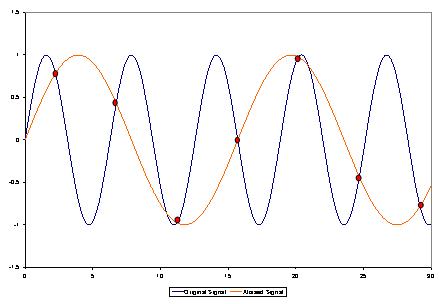
As a music enthusiast, I have always been concerned about the quality of audio recordings. Two common problems that affect audio quality are aliasing and harmonic distortion. Aliasing occurs when the sampling rate of an audio signal is insufficient, causing high-frequency signals to be incorrectly represented as lower frequencies. On the other hand, harmonic distortion occurs when the amplitude of a signal is altered due to the presence of harmonics. In this article, we will discuss ways to prevent these issues and improve audio quality.

What is aliasing and how to prevent it?

Aliasing is a common problem in digital audio, but it can be prevented by increasing the sampling rate of the audio signal. As a general rule, the sampling rate should be at least twice the highest frequency in the audio signal. For example, if the highest frequency in the audio signal is 20 kHz, the sampling rate should be at least 40 kHz. By increasing the sampling rate, we can ensure that high-frequency signals are accurately represented in the digital audio signal.

My personal experience

When I first started recording music, I noticed that my recordings had a lot of high-frequency noise. After doing some research, I realized that this was due to aliasing. I increased the sampling rate of my recordings, and the high-frequency noise disappeared. Since then, I have made it a point to always use a high sampling rate when recording audio.

What is harmonic distortion and how to reduce it?

Harmonic distortion occurs when a signal is altered due to the presence of harmonics. This can be caused by nonlinearities in the audio system, such as distortion in amplifiers or speakers. One way to reduce harmonic distortion is to use a high-quality audio system with low distortion. Additionally, using equalization can help reduce distortion in certain frequency ranges.

Quote from a book

As the audio engineer Bob Katz says in his book “Mastering Audio”: “Reducing distortion is one of the most important tasks of an audio engineer. Distortion masks the details in a mix and reduces the perceived loudness of the audio signal.”

Improving audio quality

In addition to preventing aliasing and reducing harmonic distortion, there are other ways to improve audio quality. One way is to use a high-quality audio codec when encoding audio files. Another way is to use a high-quality audio player or amplifier when listening to audio.

My personal opinion

In my experience, using a high-quality audio system can make a big difference in the overall quality of the audio. When I upgraded my audio system, I noticed that the sound was much clearer and more detailed.

Conclusion

Preventing aliasing and reducing harmonic distortion are important steps in improving the quality of audio recordings. By using a high sampling rate, a high-quality audio system, and equalization, we can ensure that our audio recordings are clear and free from distortion.

Final words

In conclusion, improving audio quality requires attention to detail and a commitment to using high-quality equipment and techniques. While there are many factors that can affect audio quality, preventing aliasing and reducing harmonic distortion are two important steps that can make a big difference.


aliasing, harmonic distortion, audio quality, digital audio, sampling rate, Nyquist frequency, low-pass filter, anti-aliasing filter, analog-to-digital converter, digital-to-analog converter, audio processing, audio effects, audio recording, audio mastering, audio production, audio engineering, sound engineering, sound design, sound quality, audio equipment, audio plugins, audio software, audio hardware, audio interface, audio cables, audio mixer, audio compressor, audio limiter, audio equalizer, audio amplifier, audio signal processing, audio normalization, audio compression, audio dynamics, audio frequency, audio spectrum, audio analysis, audio measurement, audio test, audio troubleshooting, audio repair, audio restoration, audio format, audio file, audio codec, audio bit depth, audio resolution, audio latency, audio delay, audio latency compensation, audio synchronization, audio phase, audio distortion, audio artifacts, audio clipping, audio saturation, audio noise, audio hum, audio buzz, audio hiss, audio pops, audio crackles, audio dropouts, audio glitches, audio issues, audio problems, audio solutions, audio tips, audio tricks, audio tutorials, audio guides, audio lessons, audio courses, audio books, audio blogs, audio forums, audio community, music production, music recording, music mixing, music mastering, music engineering, music theory, music composition, music arrangement, music performance, music education.