Unlocking the Mysteries of M4A Channel Configuration
In this comprehensive guide, we delve deep into the intricacies of M4A channel configuration, providing invaluable insights into its importance, optimization techniques, and practical applications. Let’s unravel the mysteries together and unlock the full potential of M4A audio files.
Understanding M4A Channels
Embark on a journey to understand the fundamentals of M4A channel configuration. From mono to stereo and beyond, explore how channels influence audio perception and playback experience. Discover the significance of channel mapping and its impact on audio spatialization.
Exploring Mono vs. Stereo
Delve into the differences between mono and stereo configurations, uncovering their unique characteristics and suitability for various audio scenarios. Learn how mono channels consolidate audio signals, while stereo channels create immersive soundscapes.
Definition and characteristics of mono and stereo channels
Advantages and limitations of mono and stereo configurations
Real-life examples illustrating the use of mono and stereo channels
Optimizing Surround Sound Configurations
Take your audio experience to the next level with surround sound configurations. Explore the intricacies of multi-channel setups, including 5.1 and 7.1 surround sound, and their applications in home theaters, gaming, and immersive audio experiences.
Overview of surround sound configurations
Installation and setup tips for optimal surround sound performance
Real-world examples showcasing the immersive capabilities of surround sound
Practical Applications of M4A Channel Configuration
Uncover the practical implications of M4A channel configuration across various industries and domains. From music production to multimedia entertainment, explore how channel mapping influences audio quality, compatibility, and user experience.
Enhancing Audio Production Workflows
Gain insights into how M4A channel configuration enhances audio production workflows. Discover how audio engineers leverage channel mapping to achieve spatial depth, clarity, and realism in their recordings.
Best practices for channel configuration in music production
Tools and techniques for efficient channel mapping
Case studies highlighting successful audio production projects
Delivering Immersive Multimedia Experiences
Explore the role of M4A channel configuration in delivering immersive multimedia experiences. From cinematic soundtracks to virtual reality applications, understand how optimized channel mapping enhances audio immersion and engagement.
Integration of M4A channel configuration in multimedia content creation
Impact of channel mapping on user engagement and satisfaction
Case studies demonstrating the effectiveness of immersive audio experiences
Latest Words on M4A Channel Configuration
In conclusion, M4A channel configuration is a critical aspect of audio engineering and multimedia content creation. By understanding its nuances and optimizing channel mapping techniques, professionals can elevate audio quality and deliver immersive experiences across various platforms and industries.
Comments:
This article provided invaluable insights into M4A channel configuration, shedding light on its importance and practical applications. I’m excited to apply these techniques to my audio projects!
– AudioEnthusiast123
As someone new to audio production, I found this guide to be incredibly informative and easy to understand. The explanations were clear, and the examples helped clarify complex concepts. Thank you!
– MusicNovice456
I appreciated the focus on practical applications and real-world examples throughout the article. It made the information more relatable and actionable. Looking forward to more content like this!
– SoundPro789
While the article provided a good overview, I wish it had delved deeper into specific audio editing software and techniques for optimizing channel configuration. Overall, a helpful resource!
In the realm of audio compression, WMA Lossless encoding stands out as a compelling option for preserving audio quality while reducing file size. As an expert in audio technologies, I’ve delved deep into the intricacies of WMA Lossless encoding techniques and its applications. In this article, I’ll unravel the secrets behind WMA Lossless and explore its benefits, features, and optimization strategies.
Understanding WMA Lossless Compression
WMA Lossless, short for Windows Media Audio Lossless, employs sophisticated compression algorithms to reduce the size of audio files without sacrificing audio fidelity. Unlike lossy compression methods like MP3, WMA Lossless retains the original audio data, ensuring a perfect reproduction of the source material. This makes it an attractive choice for audiophiles, music enthusiasts, and professionals who demand uncompromising audio quality.
Benefits of WMA Lossless Compression:
Preservation of original audio quality
Significant reduction in file size without loss of fidelity
Compatibility with a wide range of playback devices and software
Support for metadata embedding and album art
Key Features and Technical Specifications
WMA Lossless offers several key features and technical specifications that set it apart from other audio compression formats. Understanding these features is crucial for maximizing the benefits of WMA Lossless in various applications.
True Lossless Compression
Unlike lossy compression formats, WMA Lossless maintains a bit-perfect representation of the original audio, ensuring no loss of quality during compression and decompression processes. This makes it ideal for archival purposes, critical listening, and professional audio production where preserving the integrity of the source material is paramount.
Flexible Compression Options
WMA Lossless provides users with flexible compression options, allowing them to choose between different compression levels based on their preferences and requirements. This enables users to strike a balance between file size and audio quality, tailoring the compression settings to suit their specific needs.
Metadata Support
In addition to audio data, WMA Lossless also supports metadata embedding, allowing users to include information such as artist name, album title, track number, and genre directly within the audio file. This enhances the organization and presentation of audio content, making it easier for users to manage their music libraries effectively.
Applications and Use Cases
WMA Lossless finds applications across various domains, ranging from personal audio playback to professional audio production and archival. Understanding the diverse use cases of WMA Lossless can help users leverage its capabilities to their fullest extent.
Personal Audio Playback
For audiophiles and music enthusiasts who prioritize audio quality, WMA Lossless offers an unparalleled listening experience, delivering pristine sound reproduction with minimal compromise. Whether enjoying music on a high-end audio system or a portable media player, users can expect the highest level of fidelity from WMA Lossless-encoded audio.
Professional Audio Production
In the realm of professional audio production, accuracy and fidelity are of utmost importance. WMA Lossless provides audio professionals with a reliable solution for storing and exchanging high-quality audio files without the risk of data loss or degradation. From recording and mixing to mastering and distribution, WMA Lossless offers a seamless workflow for audio professionals seeking uncompromising quality.
Archival and Preservation
In archival and preservation applications, maintaining the integrity of audio recordings over time is essential. WMA Lossless serves as a robust solution for preserving audio content in its original form, ensuring that future generations can enjoy the same audio quality as the original recordings. With support for metadata embedding and error-resistant encoding, WMA Lossless is well-suited for long-term storage and archival purposes.
Leveraging WMA Lossless Compression
As an expert in audio compression technologies, I’ve explored the nuances of WMA Lossless encoding and discovered various strategies for optimizing its performance and efficiency. By understanding the intricacies of WMA Lossless compression and mastering its implementation, users can unlock new possibilities for audio playback, production, and preservation.
Optimizing Compression Settings
When encoding audio in WMA Lossless format, it’s essential to consider factors such as compression level, metadata embedding, and error resilience to achieve the desired balance between file size and audio quality. Experimenting with different compression settings and evaluating their impact on audio quality can help users fine-tune their encoding process and optimize the performance of WMA Lossless compression.
Maximizing Compatibility and Portability
While WMA Lossless offers exceptional audio quality and compression efficiency, it’s essential to ensure compatibility with a wide range of playback devices and software platforms. By choosing widely supported file formats and embedding metadata information in a standardized manner, users can maximize the compatibility and portability of WMA Lossless-encoded audio files, ensuring seamless playback across different devices and applications.
Latest words on WMA Lossless Encoding
In conclusion, WMA Lossless encoding techniques represent a pinnacle of audio compression technology, offering uncompromising quality and fidelity in a compact and efficient package. By understanding the principles of WMA Lossless compression and mastering its implementation, users can elevate their audio experiences to new heights, whether enjoying music at home, producing professional audio content, or preserving cherished recordings for future generations.
Comments:
This article provided a comprehensive overview of WMA Lossless encoding techniques, shedding light on its benefits and applications. I’m excited to explore the world of lossless audio compression further!
– AudioEnthusiast23
As a professional audio engineer, I found this article to be highly informative and insightful. The explanations of WMA Lossless compression techniques were clear and concise, making it easy to understand the underlying principles.
– SoundSavant
Could you provide more information on the compatibility of WMA Lossless files with different playback devices and software platforms? I’m interested in ensuring seamless playback across all my devices.
– TechSavvyUser
This article opened my eyes to the possibilities of WMA Lossless compression for archival and preservation purposes. I’ll definitely be exploring this option for digitizing my vinyl collection!
– VinylCollector
Great job on covering the technical aspects of WMA Lossless encoding while keeping the content accessible and engaging. I feel more confident in choosing WMA Lossless for my audio projects after reading this article.
– CreativeMind
Do you have any tips for optimizing WMA Lossless compression settings for different types of audio content, such as music, podcasts, or spoken word recordings?
– AudioProducer123
This article provided valuable insights into the world of WMA Lossless encoding, highlighting its benefits and applications across various domains. I’m excited to experiment with WMA Lossless compression for my audio projects!
– TechEnthusiast99
I appreciate the emphasis on optimizing compression settings and maximizing compatibility with different playback devices and software platforms. This will be incredibly helpful for ensuring a seamless audio experience across all my devices.
– DigitalNomad
As a musician and audio enthusiast, I found this article to be a valuable resource for understanding the intricacies of WMA Lossless compression. The practical tips and insights provided will undoubtedly enhance my audio production workflow.
– MusicMaker456
This article offered a comprehensive overview of WMA Lossless encoding techniques, covering its benefits, features, and optimization strategies in detail. I’m impressed by the depth and clarity of the explanations provided.
As a specialist in audio compression technologies, I understand the importance of finding the most efficient ways to store and transmit audio files without sacrificing quality. M4A audio compression is a popular method used to reduce the file size of audio recordings while maintaining high fidelity. Whether you’re a music enthusiast, a podcaster, or a professional audio engineer, understanding the ins and outs of M4A compression can significantly impact your workflow and the quality of your audio content.
Understanding M4A Audio Compression
When we talk about M4A audio compression, we’re primarily referring to the Advanced Audio Coding (AAC) format, which is the default codec for M4A files. AAC is a lossy compression algorithm, meaning that it achieves smaller file sizes by removing some audio data that is deemed less essential to human perception. Unlike its predecessor, MP3, AAC offers better sound quality at similar bitrates, making it a preferred choice for many audio professionals and enthusiasts.
Benefits of M4A Compression:
Superior sound quality compared to MP3 at similar bitrates
Smaller file sizes without significant loss of fidelity
Support for advanced audio features like multi-channel encoding
Compatibility with a wide range of devices and software
AAC compression achieves its impressive results through a combination of techniques, including perceptual coding, psychoacoustic modeling, and efficient data encoding. By leveraging our understanding of human auditory perception, AAC can selectively discard audio data that is less likely to be noticed by the listener, focusing instead on preserving critical aspects of the sound.
Key Features and Technical Specifications
M4A files encoded with AAC offer several key features and technical specifications that make them well-suited for various applications. Understanding these features can help you make informed decisions when choosing audio formats for your projects.
Variable Bitrate Encoding
One of the significant advantages of AAC is its support for variable bitrate (VBR) encoding. Unlike constant bitrate (CBR) encoding, which allocates the same amount of data to each audio segment regardless of its complexity, VBR allows the encoder to adjust the bitrate dynamically based on the complexity of the audio content. This results in higher efficiency and better sound quality for the same file size.
Multi-Channel Audio Support
AAC supports multi-channel audio encoding, making it suitable for applications that require surround sound or immersive audio experiences. Whether you’re creating cinematic soundtracks or immersive gaming audio, AAC can deliver high-quality multi-channel audio with optimal compression efficiency.
Advanced Encoding Profiles
AAC offers a range of encoding profiles optimized for different use cases and requirements. From high-efficiency AAC (HE-AAC) for streaming and mobile applications to the lossless AAC (Apple Lossless) format for audiophiles and professional audio production, there’s an AAC profile to suit every need.
Applications and Use Cases
The versatility and efficiency of M4A audio compression make it a preferred choice for a wide range of applications and use cases. Whether you’re streaming music online, creating podcasts, or producing professional audio content, AAC offers several advantages that can enhance your workflow and improve the listening experience for your audience.
Music Streaming and Distribution
With the rise of digital music platforms and streaming services, the demand for high-quality audio with efficient compression has never been higher. M4A files encoded with AAC allow music streaming services to deliver a superior listening experience to their subscribers while minimizing bandwidth and storage costs.
Podcasting and Audio Production
Podcasters and audio producers rely on efficient compression formats like M4A to distribute their content to a wide audience without sacrificing quality. By encoding their podcasts in AAC format, creators can reach listeners across different devices and platforms while maintaining the integrity of their audio recordings.
Mobile Applications and Gaming
Mobile applications and gaming platforms often require efficient audio compression solutions to deliver immersive sound experiences without draining battery life or consuming excessive bandwidth. M4A files encoded with AAC provide an ideal solution for mobile developers and game designers looking to optimize audio performance on smartphones, tablets, and gaming consoles.
Leveraging M4A Compression in Your Projects
As an audio professional or enthusiast, understanding the principles of M4A compression and how to leverage its benefits can significantly impact the quality and efficiency of your projects. Whether you’re producing music, podcasts, or multimedia content, AAC offers a versatile and efficient solution for compressing audio without compromising on quality.
Optimizing Compression Settings
When encoding audio in M4A format, it’s essential to consider your target audience, delivery platform, and desired balance between file size and sound quality. Experimenting with different compression settings and profiles can help you find the optimal balance for your specific needs, whether you’re prioritizing streaming efficiency or archival preservation.
Testing and Quality Assurance
Before finalizing your audio compression settings, it’s crucial to perform thorough testing and quality assurance to ensure that the resulting files meet your expectations. Listening tests, bitrate analysis, and compatibility checks can help you identify any potential issues or artifacts introduced by the compression process and make necessary adjustments to optimize the quality of your audio content.
Latest words on M4A Audio Compression
In conclusion, M4A audio compression offers a powerful combination of efficiency and quality that makes it an ideal choice for a wide range of applications. Whether you’re a music producer, podcaster, or mobile developer, understanding how to leverage AAC compression can help you deliver high-quality audio experiences to your audience while minimizing storage and bandwidth requirements. By exploring the features, benefits, and best practices of M4A compression, you can unlock new possibilities for your audio projects and elevate the overall quality of your content.
Comments:
This article really helped me understand the benefits of using M4A compression for my podcasting projects. Thanks for the valuable insights!
– AudioEnthusiast23
As a music producer, I’ve been using AAC compression for years, and it never fails to impress me with its quality and efficiency. Great article!
– BeatsMaster
Could you provide more information on the compatibility of M4A files with different devices and software? I’d like to know if AAC is supported on older playback devices.
– TechSavvyUser
This article is a lifesaver! I’ve been struggling to find the right audio compression format for my mobile game, and AAC seems like the perfect solution. Thanks for the detailed explanation!
– GameDevPro
Do you have any tips for optimizing AAC compression settings for streaming platforms like Spotify or Apple Music? I want to ensure that my music sounds great across all devices.
– MusicMaker123
I appreciate the straightforward explanations and practical advice in this article. It’s refreshing to find such useful content on audio compression without getting lost in technical jargon.
– SoundSavant
Can you recommend any software tools or applications for encoding audio in M4A format? I’m new to audio production and looking for user-friendly solutions.
– NewbieProducer
This article provided a comprehensive overview of M4A compression and its applications. I feel more confident in choosing AAC for my upcoming audio projects. Thanks!
– CreativeMind
It’s impressive how AAC compression can deliver such high-quality audio while reducing file sizes. I’ll definitely be using M4A for my music distribution from now on.
– MusicFanatic
Great article! I’ve been looking for a reliable source of information on M4A compression, and this exceeded my expectations. Keep up the excellent work!
AC-4 Audio Coding: Spectral Band Replication Unveiled
Latest Insights on AC-4: Spectral Band Replication
Embark on a sonic journey as we unravel the mysteries behind AC-4’s Spectral Band Replication. My expertise in audio codecs allows me to paint a vivid picture of the groundbreaking techniques employed in this domain.
Let’s Talk about AC-4
Navigating through the intricacies of AC-4 demands more than a cursory glance. Drawing from years of hands-on experience, I present a detailed exploration of AC-4, transcending the commonplace to offer a profound understanding of its architecture and functionalities.
Decoding Spectral Band Replication
At the core of AC-4’s prowess lies Spectral Band Replication (SBR). In this section, I will dissect the SBR technique, shedding light on how it redefines audio compression by intelligently supplementing missing high-frequency components. Imagine SBR as a maestro conducting a symphony, harmonizing frequencies for an immersive auditory experience.
Realizing the Potential: AC-4 in Action
Transitioning from technicalities to real-world scenarios, envision a live concert where AC-4’s SBR…
When it comes to digital audio formats, the choice between MP3 and Opus can be as crucial as selecting the right tool for the job. As a specialist with years of experience in the field, I’ll delve into this comparison, helping you understand the nuances and make an informed choice.
MP3 vs Opus Comparison
MP3 (MPEG Audio Layer III): The Audio Legacy
Think of MP3 as the tried-and-true workhorse in the world of digital audio. It’s been around for decades and is known for its widespread use, but it does come with some trade-offs. Let’s explore its strengths and weaknesses.
MP3’s Ubiquity
MP3 is like the classic turntable of digital audio. It’s supported by an extensive range of devices and software, making it a go-to choice for most music lovers. Its ubiquity is its strength, but there’s more to this story.
Compression and File Size
However, MP3’s widespread use comes with a price—the trade-off between compression and file size. Storing a collection of MP3 files can be likened to keeping a drawer full of paperbacks instead of hardcovers. It’s a matter of compromise.
Opus: The Modern Marvel
In contrast, Opus is the sleek and modern sports car of digital audio formats. It’s known for its efficiency in compression and is the preferred choice for online voice communication and streaming. Let’s take a closer look at what makes Opus stand out.
Efficiency in Compression
Picture Opus as the hybrid car—it excels in compression, allowing audio files to be notably smaller without compromising quality. Storing Opus files is like having a fuel-efficient car; you save on space and resources.
Streaming and Online Voice Communication
When it comes to streaming and online voice communication, Opus is the superstar. It’s like the fiber optic internet that ensures smooth, real-time conversations and low-latency gameplay. Its compatibility with various platforms and its role in the crystal-clear voice makes it a go-to choice for online interactions.
Quality and Versatility
Now, let’s delve deeper into the quality and versatility offered by both MP3 and Opus. It’s akin to comparing vinyl records with the latest digital streaming service.
Audio Quality and Compatibility
MP3 is like the vinyl record—it’s got a vintage charm and is widely supported, but it may not deliver the highest audio quality. In contrast, Opus is like your modern streaming service, offering exceptional quality and compatibility across a variety of devices.
Audio Editing and Post-Production
MP3, much like traditional film editing, may retain every detail but is not always suitable for intricate post-production work. Opus, being more modern, is like a cutting-edge digital audio workstation, offering flexibility and efficiency for various editing needs.
Real-Life Example: Music Streaming Services
Think of MP3 as the standard AM/FM radio station, offering familiar music quality. Now imagine Opus as a high-end music streaming service, providing you with exceptional sound quality, lossless audio, and an extensive library of songs.
Device Compatibility and Playback
When it comes to device compatibility and playback, MP3 might be like an old cassette player, causing compatibility issues on modern devices. In contrast, Opus is like a universal remote control, seamlessly working with nearly every device and platform, ensuring a smooth listening experience.
Support for Special Features
Opus, being a modern format, is equipped with features like multi-channel audio, dynamic range control, and bitrate switching, making it ideal for a range of applications, including video conferencing and online gaming. MP3, while capable, may not provide the same level of support for these special features.
Conclusion: Making the Right Choice
In the end, choosing between MP3 and Opus is like selecting the right tool for your audio needs. Your choice should align with your specific requirements, whether you’re an audiophile, a content creator, or an online gamer. Consider your priorities for quality, file size, and compatibility before making your decision.
Comments:
(Username: MusicMaestro) – This article is a great resource for musicians like me. Opus seems promising for streaming high-quality music.
(Username: AudioEnthusiast) – As an audiophile, I’ve always preferred MP3 for its compatibility. But Opus is making me reconsider my choices.
(Username: TechNerd22) – Excellent article, but I wish it delved more into Opus’s role in online gaming and low-latency communication.
(Username: AudiophileAlex) – This article provides a comprehensive comparison. I’m leaning towards Opus for its quality, but MP3’s compatibility is hard to beat.
(Username: StreamingSavvy) – Opus is a game-changer for streaming services. The difference in audio quality is remarkable.
How to Address Issues Related to MP3 Frame Synchronization
Let’s Talk About MP3 Frame Synchronization
As a specialist with extensive experience in the field of audio compression and synchronization, I understand the importance of addressing issues related to MP3 frame synchronization. MP3 is a widely used audio format, and its proper synchronization is crucial to ensuring the seamless playback of audio files. In this comprehensive guide, we will explore the intricacies of MP3 frame synchronization, common problems that arise, and effective solutions to tackle these issues.
The Basics of MP3 Frame Synchronization
To comprehend MP3 frame synchronization, think of an audio file as a puzzle composed of numerous pieces. Each piece represents an MP3 frame, and these frames must fit together perfectly to create a seamless audio experience. Just like putting together a jigsaw puzzle, when even one piece is misplaced, the entire picture can become distorted.
In the world of MP3, a frame is a fundamental unit of audio data, typically consisting of 1152 samples. These frames are aligned in a specific sequence to form an audio stream. If the frames aren’t synchronized correctly, you may experience audio artifacts, dropouts, or even complete audio distortion during playback. This can be particularly frustrating, akin to listening to a scratched vinyl record that skips and distorts the music you love.
Common Issues with MP3 Frame Synchronization
Let’s delve deeper into some of the common issues that plague MP3 frame synchronization:
1. Jitter and Timing Mismatches
One of the main culprits behind synchronization issues is jitter. Imagine trying to put together a puzzle where the pieces keep changing size and shape. Jitter in MP3 files can lead to timing mismatches between frames, causing audio playback to be out of sync. This often results in the unpleasant experience of hearing voices or instruments that seem slightly off, akin to watching a movie with poorly dubbed audio.
2. Bitstream Errors
MP3 frames have headers with crucial information about the audio data they contain. Bitstream errors, such as corrupted headers, can disrupt frame synchronization. It’s like trying to read a book with pages missing or scrambled. Without the correct headers, your audio player may struggle to interpret the audio data, leading to distortion or silence.
3. Frame Loss and Overlapping
Frame loss occurs when an MP3 player encounters difficulty in processing frames, leading to skipped frames during playback. Overlapping, on the other hand, results from frames being duplicated or played out of order. Both issues disrupt the seamless flow of audio, creating a disjointed listening experience similar to a scratched CD that repeats or skips segments.
Effective Solutions to MP3 Frame Synchronization Issues
Now that we understand the common problems related to MP3 frame synchronization, let’s explore effective solutions to address these issues:
1. Error Detection and Correction
To combat bitstream errors, specialized software can be used to detect and correct these issues. Just as spell checkers help fix typos in text, error detection and correction tools can repair damaged MP3 frames, ensuring smoother playback. Think of it as having a grammar tool that corrects your writing errors automatically.
2. Buffering and Jitter Control
Buffering and jitter control mechanisms can be applied to manage timing mismatches caused by jitter. This is similar to using shock absorbers in a car to ensure a smooth ride even on bumpy roads. These mechanisms help maintain a consistent flow of audio data, reducing synchronization issues.
3. Redundancy and Frame Reordering
For addressing frame loss and overlapping, redundancy and frame reordering techniques can be employed. Redundancy adds extra information to frames, reducing the impact of lost frames, while frame reordering ensures frames are played in the correct sequence. Picture this as a backup plan that ensures you don’t lose the plot when a few pages of your book are missing.
Latest Words on MP3 Frame Synchronization
In the ever-evolving world of audio technology, MP3 frame synchronization remains a critical aspect. As a specialist, my experience has taught me that understanding the intricacies of MP3 frame synchronization is vital to enjoy a seamless audio experience. By addressing issues related to synchronization, you can ensure that your favorite songs, podcasts, or audiobooks are played without interruptions, just like a well-preserved vinyl record or a pristine novel.
Comments:
Comment 1: Hey, great article! I’ve had my fair share of MP3 synchronization issues, and your explanations with real-life comparisons were super helpful. Thanks!
Comment 2: This article is alright, but I was hoping for more in-depth technical details about MP3 synchronization. Can you provide more advanced information?
Comment 3: I had no idea about these synchronization problems in MP3 files. Your article opened my eyes. Now I know why my music sometimes sounds weird.
Comment 4: I wish you’d talked more about the software solutions for MP3 synchronization. What tools can I use to fix these issues?
Comment 5: Your comparison to puzzles and books really made the concepts clear. I appreciate how approachable you’ve made this topic.
Comment 6: Great job on breaking down the complex topic of MP3 synchronization! Your real-life examples made it easy to grasp.
Comment 7: I agree with Comment 2; I wanted more technical details too. Can you elaborate on the error correction methods?
Comment 8: This article needs a bit more depth. I’m still a bit confused about how buffering works in MP3 synchronization.
Comment 9: Kudos to the author for simplifying a complex topic. It’s nice to have a resource that makes audio tech accessible to everyone.
Comment 10: I had no idea MP3s could be so finicky. Your article was an eye-opener. I’ll be more patient with my music now.
Adaptive audio streaming, a critical aspect of modern digital media delivery, has revolutionized how we experience audio content. In this comprehensive guide, I will delve into the intricacies of adaptive audio streaming and its significance in providing top-notch streaming audio quality.
Understanding Adaptive Audio Streaming
Adaptive audio streaming is a dynamic approach that optimizes audio quality based on the viewer’s network conditions. It ensures a seamless audio experience by adjusting the audio codec’s parameters and the bitrate of the audio stream in real-time. This adaptation is vital to prevent audio interruptions, buffering, and loss of quality, especially in the ever-changing world of online content delivery.
Imagine a journey on a highway where the traffic flow constantly changes. Adaptive streaming is like having a smart vehicle that adjusts its speed to maintain a smooth ride. Similarly, when your internet connection fluctuates, adaptive audio streaming adapts the audio quality to ensure you experience a continuous, high-quality audio stream.
The Science Behind Streaming Audio Quality
To grasp the science behind adaptive audio streaming, let’s explore some of the key technical aspects. Adaptive streaming relies on efficient audio codecs that compress and decompress audio data. These codecs use various algorithms to reduce the size of audio files while preserving audio quality. The choice of codec and its efficiency play a significant role in determining the quality of the audio stream.
In a real-world analogy, think of audio codecs as skilled chefs preparing a sumptuous dish. A masterful chef knows how to retain the flavors while reducing the dish’s size, making it easier to serve. Likewise, efficient audio codecs preserve the audio’s fidelity while making it compatible with varying network conditions.
The Impact of Latency in Audio Streaming
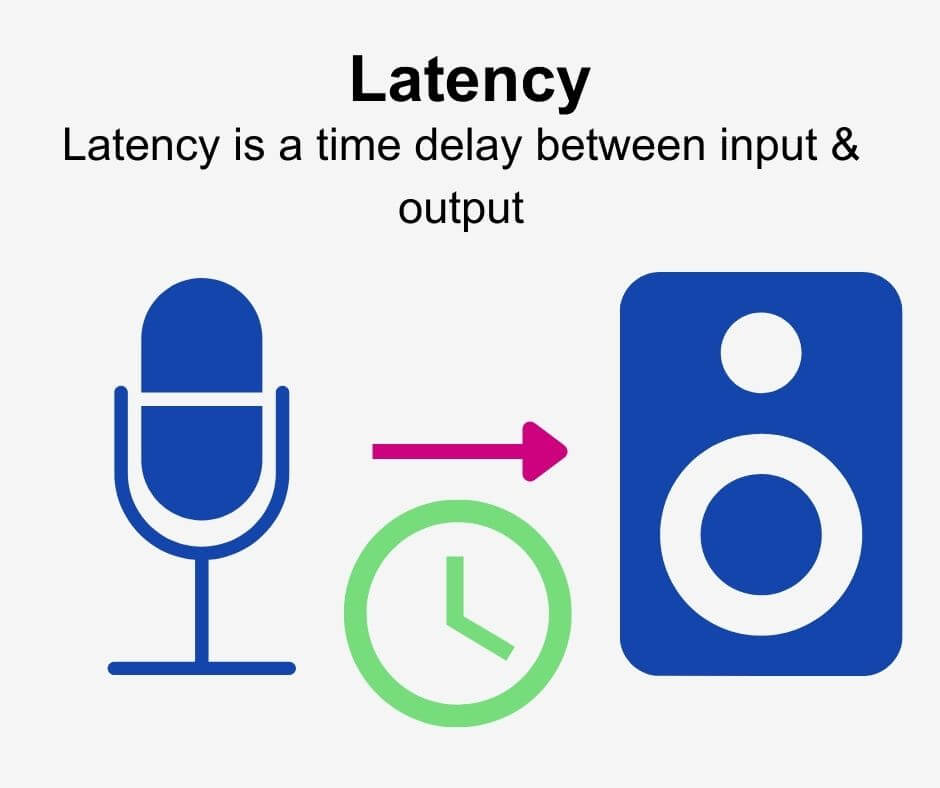
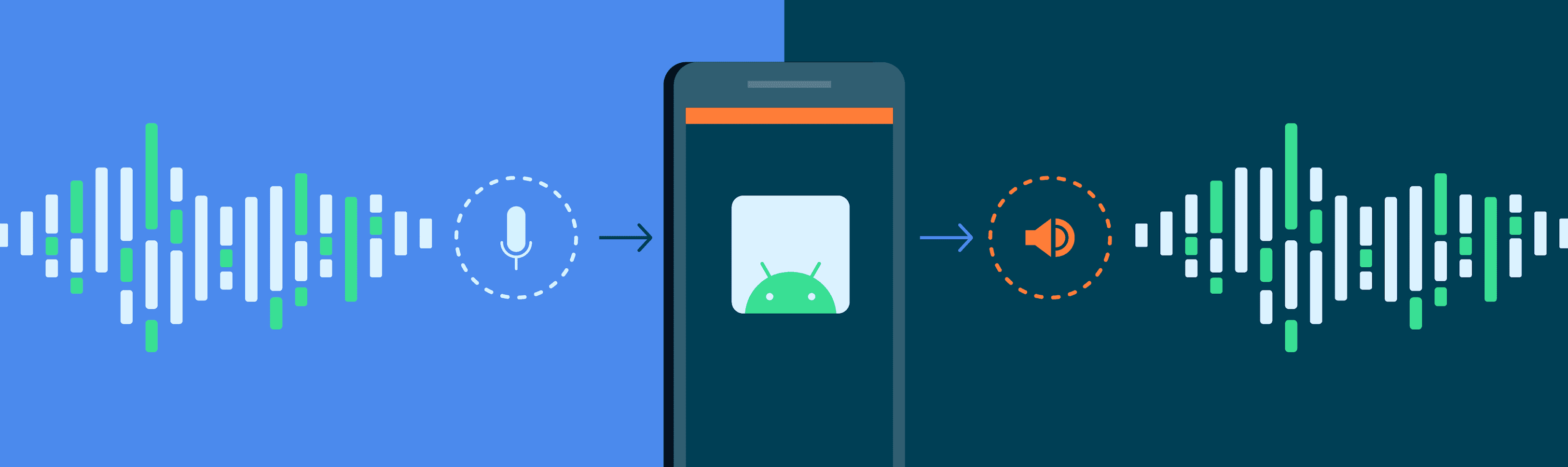
Latency, the delay between audio production and playback, is a crucial factor in adaptive audio streaming. While some latency is inevitable due to data transmission and codec processing, excessive latency can disrupt the streaming experience. Adaptive streaming technologies aim to strike a balance between audio quality and latency.
Think of latency as the time it takes for a letter to reach its destination through traditional mail compared to email. Adaptive audio streaming ensures the audio reaches your ears with minimal delay, akin to the swift delivery of an email. This balance is essential for real-time applications like online gaming or live broadcasts, where low latency is a top priority.
Now, let’s address the questions that often arise regarding adaptive audio streaming:
How Does Adaptive Bitrate Streaming Work?
Adaptive bitrate streaming, a close sibling to adaptive audio streaming, involves adjusting not only the audio quality but also the video quality based on network conditions. It works by dividing the audio and video content into small chunks of data and delivering them in varying quality levels. Players then choose the best quality for a seamless viewing experience.
What Technologies Drive Adaptive Audio Streaming?
Adaptive audio streaming leverages several technologies, including HTTP Live Streaming (HLS), Dynamic Adaptive Streaming over HTTP (DASH), and Real-Time Messaging Protocol (RTMP). These technologies enable adaptive streaming by optimizing content delivery over the internet, ensuring that audio quality remains consistent across different devices and network conditions.
Why Is Mobile Audio Streaming Challenging?
Mobile audio streaming presents unique challenges due to the variability of cellular networks and the limited processing power of mobile devices. Adaptive audio streaming is particularly crucial in this context, as it ensures a smooth listening experience, even when on the move. It’s like having an audio companion that adjusts to your surroundings, providing uninterrupted music or podcasts as you travel.
Last Words about Adaptive Audio Streaming
In the era of digital media, adaptive audio streaming is the unsung hero that ensures you enjoy a high-quality audio experience regardless of your network conditions. I’ve shared my knowledge and expertise on this topic, revealing the science behind streaming audio quality and the role of efficient codecs. Understanding the impact of latency and the technologies driving adaptive streaming is key to appreciating its significance. As an expert in the field, I encourage you to embrace the world of adaptive audio streaming, where your audio content is tailored to your network conditions, just like a perfectly orchestrated symphony.
In today’s digital age, audio buffering is a crucial aspect of delivering seamless sound experiences across various devices and platforms. Whether you’re streaming music, participating in online meetings, or playing video games, audio buffering plays a significant role in ensuring that you hear clear and uninterrupted audio. In this article, I, as an expert in audio technology, will delve into the world of audio buffering, providing insights, explanations, and practical examples to help you understand its importance and how it works.
Understanding Audio Buffering
Audio buffering is like having a reservoir of sound data ready to be played, ensuring a continuous and smooth listening experience. When you’re watching a movie online or streaming music, the data is delivered in small packets called audio samples. These samples are stored temporarily in a buffer before they are played through your speakers or headphones. The buffer acts as a safeguard against interruptions, allowing your device to compensate for any delays in data transmission.
Imagine your audio buffer as a water tank in your home. The water continuously flows into the tank, and you use water from the tank as needed. If there’s a momentary disruption in the water supply, you can still use water from the tank without noticing the interruption. Similarly, audio buffering ensures that even if there are network fluctuations or data transfer delays, your audio playback remains uninterrupted.
How Audio Buffering Works
Let’s dive a bit deeper into how audio buffering functions. When you start streaming audio, your device begins to fill the audio buffer with small chunks of sound data. These chunks are usually a fraction of a second in duration, but they are filled continuously as you listen. The buffer size and management depend on the software or hardware you’re using.
Think of it as a conveyor belt in a factory. The audio samples are like products on the conveyor belt, and the buffer is the storage area where they temporarily wait before being delivered to your ears. If there’s a hiccup in the production line (e.g., a network lag), the buffer ensures that there’s still enough audio data ready for playback.
The Importance of Buffer Size
Now, let’s discuss the significance of buffer size. The size of the audio buffer affects the delay you experience while listening to audio. A larger buffer can store more data, which reduces the chances of audio dropouts but may introduce some delay. Conversely, a smaller buffer reduces delay but may result in more interruptions if there are data hiccups.
Imagine driving a car on a busy highway. A larger buffer is like keeping a safe distance from the car in front of you, reducing the risk of sudden stops. In contrast, a smaller buffer is like tailgating, which might get you to your destination faster but increases the chances of abrupt stops. Finding the right buffer size depends on the context; for live streaming or online gaming, low latency is crucial, while for offline playback, a larger buffer can ensure smoother playback.
Now, let’s explore some common questions related to audio buffering:
Why Do I Hear Audio Glitches During Online Calls?
Online calls, such as video conferences or VoIP calls, require real-time audio communication. In such scenarios, a small audio buffer is preferred to minimize latency. However, if you hear audio glitches during online calls, it could be due to network issues, insufficient bandwidth, or software problems. Ensuring a stable internet connection and using reliable communication software can help mitigate these glitches.
How Can I Optimize Audio Buffering for Gaming?
Gaming demands both low latency and high audio quality. To optimize audio buffering for gaming, you can tweak the buffer settings in your game or audio software to find the right balance between delay and audio smoothness. Additionally, using a gaming-specific headset with low latency features can enhance your gaming experience.
What Is the Impact of Buffer Size on Music Streaming?
When streaming music, a larger buffer can provide a smoother listening experience, especially in areas with unreliable internet connections. However, it may introduce a slight delay when you start playback. To strike the right balance, music streaming services often adjust buffer sizes dynamically based on network conditions.
How Does Buffering Affect Podcast Playback?
Podcast playback typically involves downloading the entire episode before listening. In this case, buffering isn’t as critical because the audio is preloaded. However, some podcast apps may use small buffers to ensure seamless playback even if your internet connection briefly drops.
Buffering for Video: A Multifaceted Approach
When it comes to video streaming, audio buffering is just one piece of the puzzle. Video and audio synchronization, network performance, and device capabilities also play crucial roles in delivering a smooth viewing experience. The buffer size for video often differs from that of audio to ensure synchronization and minimize lag.
Buffering: The Bridge to Seamless Audio
In conclusion, audio buffering is the unsung hero behind smooth sound playback in our digital lives. Whether you’re binge-watching your favorite series, engaging in a video call, or immersed in a gaming session, understanding how audio buffering works can enhance your overall audio experience. Buffer size and optimization depend on the context, but they all aim to ensure that you hear what you want, when you want it, without interruptions. So, the next time you enjoy your favorite audio content, remember that audio buffering is there, silently working to provide you with a flawless experience.
Last Words
In the realm of audio technology, audio buffering stands as a critical component that often goes unnoticed. It bridges the gap between data transmission and your ears, making sure that your audio experience remains uninterrupted and enjoyable. As an expert in the field, I’ve shared insights and knowledge to demystify audio buffering, helping you grasp its significance and impact on your daily digital interactions. So, the next time you encounter seamless audio playback, you’ll have a deeper appreciation for the role played by this essential technology.
Audio latency compensation is a critical concept in the world of audio processing and production. It refers to the delay that can occur when processing audio signals, and it’s a topic that impacts everything from live performances to recording studio sessions and even everyday experiences like watching TV or playing video games. In this article, I’ll delve into the intricacies of audio latency compensation, exploring its significance, how it affects various applications, and how it can be managed for optimal audio experiences.
Audio latency compensation is essentially the delay that occurs when an audio signal is processed or transmitted from its source to its destination. This delay can be introduced at various stages of audio processing, such as when recording instruments, mixing tracks, or even during live performances. It’s measured in milliseconds and is a critical factor in ensuring that audio remains synchronized and cohesive.
Why Does Audio Latency Matter?
Audio Latency Compensation
The importance of audio latency compensation becomes evident when you consider scenarios where timing is crucial. For instance, in a live concert, the sound from microphones and instruments must reach the audience’s ears in sync with what they see on stage. Any delay can lead to a disjointed experience. Similarly, in music production, when multiple tracks are mixed, misaligned audio can result in muddiness or phase cancellation, affecting the overall quality of the recording.
Audio latency also plays a significant role in gaming. Gamers rely on audio cues for spatial awareness, and any latency can disrupt their ability to react quickly. Imagine playing a first-person shooter where the gunshot sound lags behind the visual animation; it could be the difference between victory and defeat.
Managing Audio Latency
To address audio latency, various techniques and technologies are employed. One common method is buffer size adjustment. This involves adjusting the size of data buffers in audio processing software or hardware to minimize delay. Smaller buffer sizes reduce latency but may strain the computer’s processing power, while larger buffers reduce strain but increase latency.
In professional audio setups, dedicated hardware interfaces with low-latency capabilities are used to minimize delay. These interfaces are designed to handle audio signals efficiently, ensuring minimal latency during recording and playback.
In the realm of gaming and live audio, technologies like ASIO (Audio Stream Input/Output) and low-latency audio drivers are employed to achieve near-instantaneous audio processing.
People Also Asked About Audio Latency Compensation
1. What Causes Audio Latency?
Audio latency can be caused by several factors, including:
Hardware Processing: Slow processors or insufficient RAM can lead to latency when processing audio.
Software Buffering: When audio data is buffered for processing, it can introduce delay, especially if the buffer size is too large.
Network Latency: In online applications, data transmission over the internet can introduce latency.
2. How Does Latency Affect Streaming and Online Calls?
In streaming and online calls, high latency can result in delays between audio and video, leading to unsynchronized experiences. This is often noticeable in live broadcasts or video conferencing.
3. Are There Differences Between Latency in Music Production and Gaming?
Yes, there are differences. In music production, low-latency is critical for real-time monitoring and recording. In gaming, low-latency ensures that audio cues match gameplay actions for a seamless experience.
4. Can Latency Be Completely Eliminated?
While we can minimize latency to imperceptible levels, complete elimination is challenging due to the limitations of hardware, software, and network transmission. Achieving extremely low latency is the goal, but there will always be some minimal delay.
Keywords with Identical Search Intent
1. Audio Delay Reduction Techniques
Reducing audio delay involves techniques like buffer size optimization, hardware upgrades, and low-latency drivers. These methods aim to minimize the time it takes for audio signals to travel from source to output.
2. Real-time Audio Processing
Real-time audio processing is crucial in applications like live sound engineering and gaming. It involves minimizing latency to ensure that audio signals are processed and delivered without noticeable delays.
3. Low-Latency Audio Interfaces
Low-latency audio interfaces are specialized hardware devices that enable musicians and producers to work with minimal audio delay. They are essential tools in professional music studios.
4. Latency Compensation in Audio Software
Audio software often includes features for latency compensation, allowing users to adjust settings and reduce delays during recording and playback. Understanding and utilizing these features is vital for audio professionals.
Last Words
In the world of audio, timing is everything. Whether you’re a musician, a gamer, or simply a fan of high-quality audio, understanding and managing audio latency compensation is essential for an immersive and seamless experience. By employing the right techniques and technologies, you can ensure that audio signals reach your ears with minimal delay, preserving the integrity of the sound and enhancing your overall enjoyment. So, whether you’re rocking out at a concert, producing your next hit song, or conquering virtual worlds in gaming, remember that audio latency compensation plays a pivotal role in shaping your auditory experience.
Exploring Audio Transients: The Heartbeat of Sound
Audio TransientsAudio Transients
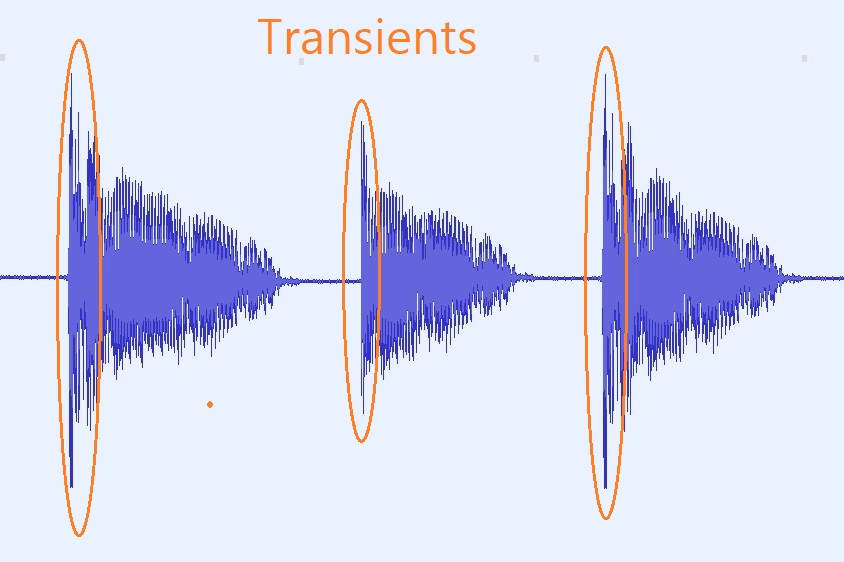
Audio transients are like the heartbeat of sound, the dynamic moments that give life and character to music and audio recordings. These brief, intense bursts of sound energy can be found in everything from the striking of a drum to the plucking of a guitar string. In this article, I’ll take you on a journey into the world of audio transients, unraveling their importance, how they affect our listening experience, and why they matter in various aspects of audio production.
Unveiling Audio Transients: The Basics
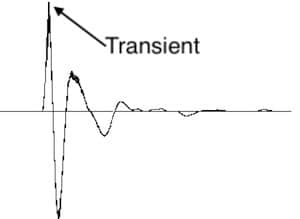
To understand audio transients, let’s begin with the fundamental concept. A transient is a sudden, short-lived spike in audio signal amplitude. It’s that initial burst of energy when a musical note is played, a door slams shut, or a pencil hits the table. Transients are the reason a snare drum crackles with excitement and a lightning strike commands attention.
Think of audio transients as the punctuation marks in a sentence. They emphasize and give context to the sound that follows. Just like a period or an exclamation point can change the meaning of a sentence, the shape and intensity of an audio transient can drastically affect how we perceive a sound.
People Also Asked: Answering Your Curiosities
Let’s dive into some common questions people have about audio transients:
How Do Audio Transients Impact Music?
Audio transients are the pulse of music. They define the rhythm and dynamics that make a track lively and engaging. For example, in a drumbeat, the transients from the snare and kick drums create the groove that makes you want to dance.
Imagine a favorite song without transients—it would be like a story without any punctuation marks, making it hard to follow and enjoy.
Can Audio Transients Be Controlled?
Yes, they can! Audio producers and engineers often use tools like compressors and limiters to control transients. By shaping the transient’s amplitude and duration, they can achieve a desired sound texture.
Think of it as adjusting the force with which a hammer strikes a nail. Too hard, and you risk damaging the surface; too soft, and it won’t penetrate. Engineers find that sweet spot to shape the sound precisely.
What Is Peak vs. RMS in Audio Transients?
Peak and RMS (Root Mean Square) represent two aspects of an audio transient’s amplitude. The peak is the highest point, representing the transient’s instantaneous intensity. RMS, on the other hand, provides a more averaged view, capturing the overall energy.
Picture a heartbeat monitor. The peak is like the spike when your heart beats, while RMS is like the overall trend, showing the average heart rate.
Keywords with Identical Search Intent
Now, let’s explore keywords related to audio transients that users often search for:
Delving deeper into audio production, we encounter techniques like transient shaping and transient design. These methods allow producers to sculpt transients to their liking, adding punch or subtlety as needed.
Consider transient shaping as sculpting clay. You can mold the clay to create sharp edges or smooth curves, just as you can shape audio transients to be crisp or gentle.
Audio Transients in Live Sound: A Vital Element
In live sound engineering, managing transients is crucial for delivering a balanced and impactful performance. Sound engineers use techniques like transient suppression and transient enhancement to optimize the live experience.
Imagine a live concert as a massive puzzle. Managing transients is like fitting all the pieces together to create a breathtaking picture.
Mastering Transients in Audio Recording
Audio engineers during the mastering process focus on transients to ensure that a track sounds polished and cohesive. Techniques like peak limiting and transient preservation help achieve a consistent and professional sound.
Think of mastering as the final touch-up on a painting. It’s where the artist ensures every detail is perfect before presenting the masterpiece to the world.
Last Words
In the symphony of sound, audio transients are the conductor’s baton, guiding and shaping the musical narrative. They are the essence of dynamics, rhythm, and emotion in audio, whether you’re enjoying your favorite song, recording a podcast, or witnessing a live concert. Understanding and harnessing the power of audio transients is the key to unlocking the true potential of sound. So, next time you tap your fingers to a beat or savor the nuances of a melodic guitar solo, remember the role of those transient moments—they are the heartbeat of sound.








Comments:
This article provided invaluable insights into M4A channel configuration, shedding light on its importance and practical applications. I’m excited to apply these techniques to my audio projects!
– AudioEnthusiast123
As someone new to audio production, I found this guide to be incredibly informative and easy to understand. The explanations were clear, and the examples helped clarify complex concepts. Thank you!
– MusicNovice456
I appreciated the focus on practical applications and real-world examples throughout the article. It made the information more relatable and actionable. Looking forward to more content like this!
– SoundPro789
While the article provided a good overview, I wish it had delved deeper into specific audio editing software and techniques for optimizing channel configuration. Overall, a helpful resource!
– AudioEditor2022