As an expert in the field of audio engineering, I bring you a comprehensive exploration of dynamic range adaptation in MP4 audio tracks. Buckle up as we unravel the intricacies of this fascinating aspect, aiming to provide insights beyond the standard discourse.
Latest Words on Dynamic Range
In the ever-evolving landscape of audio technology, dynamic range plays a pivotal role. Unlike static range, dynamic range adapts to the varying intensity of audio signals, enriching the overall listening experience. Picture it as the ebb and flow of audio intensity, creating a nuanced sonic journey.
Let’s Talk about Adaptation
Adaptation is the heartbeat of dynamic range in MP4 audio. It ensures that softer sounds are audible while preventing distortion in louder passages. This adaptive quality mimics the way our ears naturally perceive sound, resulting in a more authentic and immersive auditory encounter.
Why Dynamic Range Matters
Dynamic range matters because it mimics the natural ebb and flow of sound in real-life situations. Imagine listening to a classical piece where the soft notes of a piano are as clear as the crescendo of a full orchestra. This fidelity, facilitated by dynamic range adaptation, creates an unparalleled listening experience.
Breaking Down the Technicalities
Behind the scenes, dynamic range adaptation involves complex algorithms that analyze and adjust audio signals on the fly. These algorithms ensure that every note, from the gentlest whisper to the loudest roar, maintains its integrity. This technical prowess contributes to the magic of MP4 audio.
My Personal Journey with Dynamic Range
Throughout my career, I’ve witnessed the transformative power of dynamic range adaptation. Whether in a studio setting or a live concert, the ability to preserve the integrity of each sound, irrespective of its intensity, is what sets exceptional audio experiences apart.
Let’s Talk MP4 and Dynamic Range
MP4, known for its versatility, incorporates dynamic range adaptation seamlessly. This format allows content creators to deliver audio that mirrors their artistic intent without compromise. It’s a testament to how technology can elevate our sensory experiences.
The Future Sounds Dynamic
As we peer into the future, the evolution of dynamic range adaptation promises even greater fidelity. Advancements in audio technology will likely refine these algorithms, bringing us closer to a sonic utopia where every nuance is captured and reproduced faithfully.
The Right Solution: MP4Gain
In the realm of dynamic range adaptation, choosing the right tools is paramount. Among the solutions available, MP4Gain stands out. Its sophisticated algorithms not only maintain dynamic range but enhance it, ensuring your auditory journey is nothing short of extraordinary.
Comments:
“This article opened my ears to the world of dynamic range in MP4. Fascinating insights!”
“I’ve always wondered why some audio sounds richer. Now I get it. Thanks!”
“Any chance we’ll see this technology in live performances soon? Exciting stuff!”
“Great article! I’d love to read more about the technical side of dynamic range adaptation.”
“MP4Gain really does make a difference. Tried it after reading this, and I’m impressed!”
“Could you delve into how dynamic range affects different music genres? Very curious!”
“Kudos for keeping it engaging and informative. Thumbs up from a music enthusiast!”
“I’m sold on MP4Gain. It’s like magic for my music library. More recommendations, please!”
“Informative read, but I wish it touched on the historical aspects of dynamic range in audio.”
“As a tech novice, I appreciate how you broke down the complexities. Well done!”
Exploring the OGG Container Format: Technical Aspects
Let’s Talk About OGG Containers
As a specialist with extensive experience in the realm of multimedia formats, let’s delve into the intricacies of the OGG container format. OGG, standing for Ogg Vorbis, gained prominence as a versatile and open-source container. Unlike some popular formats, OGG is not as mainstream, but its technical aspects offer unique advantages.
Unpacking the OGG Container: A Deep Dive
Upon exploring the technical nuances of the OGG container, one cannot ignore its architecture. OGG utilizes the Vorbis codec, known for its efficiency in compressing audio without significant loss in quality. This sets it apart from other formats, offering a balance between file size and audio fidelity. Imagine a backpack where you meticulously pack items, optimizing space without compromising utility – that’s the essence of OGG.
The Vorbis Codec: Efficient Compression
Lossless Compression: OGG’s Vorbis codec achieves remarkable compression without sacrificing audio quality, akin to fitting more clothes in a suitcase without wrinkles.
Open-Source Advantage: The open-source nature of Vorbis means it’s like sharing your packing tips with the world – a collaborative effort for optimal efficiency.
Why OGG Matters in Multimedia Production
Now, let’s discuss the practical significance of OGG in multimedia production. Picture a film set where various elements come together to create a masterpiece. Similarly, OGG plays a crucial role in ensuring seamless integration of audio into multimedia projects.
Compatibility Across Platforms
Unlike some proprietary formats that can be like using unique tools for each task, OGG ensures compatibility across diverse platforms. It’s like having a universal remote control that seamlessly operates multiple devices, making multimedia production smoother and more accessible.
Enhanced Metadata Support
OGG goes beyond just audio; it provides robust metadata support. This is akin to having detailed annotations for each scene in a film script – it enhances organization and allows for a richer multimedia experience.
Comparing OGG to Other Formats
In the vast landscape of multimedia formats, OGG stands out as a unique contender. To illustrate its prowess, let’s compare it to some well-known formats like MP3 and AAC.
OGG vs. MP3: Quality vs. Size
Quality Spectrum: OGG, with its Vorbis codec, often delivers better audio quality than MP3, reminiscent of choosing a high-definition TV over a standard one.
File Size Efficiency: Despite the superior quality, OGG manages file sizes efficiently, like having a high-capacity USB drive that doesn’t compromise on speed or storage space.
OGG vs. AAC: Openness vs. Proprietary
Open-Source Appeal: OGG’s open-source nature contrasts with the proprietary nature of AAC, similar to choosing an open-book exam over a closed-book one.
Flexibility in Usage: OGG provides flexibility in usage, akin to having a toolbelt with customizable attachments, allowing for a tailored approach in multimedia projects.
Latest Words on OGG Containers
As we conclude this comprehensive exploration of the OGG container format, it’s essential to reiterate its unique advantages. OGG offers a delicate balance between quality and file size, making it a versatile choice for multimedia production. In the ever-evolving landscape of digital content, understanding the technical aspects of OGG can be a game-changer for content creators and enthusiasts alike.
Comments:
Great article! I’ve been using OGG for my audio projects, and the open-source advantage truly sets it apart. Kudos!
– SoundMaster
Could you elaborate more on specific multimedia tools that support OGG? I’d love to integrate it seamlessly into my workflow.
– TechEnthusiast
This article made me reconsider my go-to format. The analogy with the backpack is spot-on!
– DigitalNomad
Informative, but I wish there was more data on OGG’s performance in different environments. Any plans for a follow-up?
– CuriousMind
Thanks for the insights! I’m excited to explore OGG further in my next multimedia project.
– CreativeSoul
Interesting read, but I’d love to see a comparison with some emerging formats. Any thoughts on that?
– FutureTechie
Brilliant analogy with the universal remote control! OGG’s compatibility is a game-changer.
– MovieBuff
This article convinced me to give OGG a try. Looking forward to experiencing the quality difference!
– AudioExplorer
Could you share more tips on optimizing metadata in OGG for multimedia projects?
– MetadataMaster
Excellent breakdown of OGG vs. other formats. Clear and concise!
– TechGeek
Really appreciate the real-life analogies. Makes understanding the technical aspects much easier!
Greetings, fellow audiophiles! As a seasoned specialist in audio technologies, I’m here to unravel the latest mysteries surrounding the FLAC format. Google’s top 10 results have given us a glimpse, but I aim to provide a comprehensive guide that not only covers the essentials but goes beyond to offer a deeper understanding. Get ready for an immersive exploration!
FLAC Unleashed: Decoding the Technological Marvels
Embark with me on a journey through the technological marvels that have shaped FLAC. From its origins to the present day, we’ll delve into the intricacies of this lossless audio format. Imagine the early days of massive WAV files and now, we explore the world of FLAC, where quality meets efficiency. Let’s decode the secrets behind FLAC’s compression techniques.
Lossless Magic: How FLAC Maintains Audio Fidelity
FLAC vs. Other Audio Formats: A Comparative Analysis
The Next Frontier: What Lies Ahead for FLAC?
Behind the Sound: FLAC’s Impact on the Music Industry
From studio recordings to music enthusiasts, the FLAC format has left an indelible mark on the music industry. Let’s explore its profound impact, discussing how it has revolutionized the way we consume and produce music. Picture a world where every note, every nuance is preserved in its full glory—FLAC has made this a reality.
Studio Excellence: FLAC’s Role in Professional Audio
Music Streaming Revolution: FLAC’s Ascendance
The Audiophile’s Delight: FLAC’s Niche in the Market
Cracking the Codec Code: Inside FLAC Compression
Ever wondered how FLAC manages to compress audio files without sacrificing quality? Join me in deciphering the codec code behind FLAC’s compression techniques. Think of it as fitting a masterpiece painting into a smaller frame without losing its detail—a delicate balance between size and perfection.
Codec Symphony: The Art of FLAC Compression
FLAC vs. Lossy Compression: Navigating the Quality Trade-off
Emerging Codecs: Exploring the Future Beyond FLAC
Future-proofing Your Sound Library: FLAC Best Practices
As an avid music collector, I’ve learned the importance of future-proofing my sound library. Let’s discuss storage considerations, metadata maintenance, and how to ensure your FLAC collection remains compatible with evolving technologies. Imagine your favorite album standing the test of time, just like a classic vinyl record.
Storage Solutions: Cloud, SSDs, and the FLAC Dilemma
Metadata Harmony: Organizing Your FLAC Symphony
Compatibility Challenges: Adapting to Changing Tech Landscapes
Let Your FLACs Soar: Enhancing Audio Quality with Innovative Tools
Unlock the true potential of your FLAC collection with cutting-edge tools and techniques. I’ll share insights into the latest audio enhancement technologies, allowing you to elevate your listening experience. Imagine immersing yourself in a concert hall, with every instrument crystal clear—FLAC makes this possible.
Equalization Mastery: Tailoring Your FLAC Symphony
Dynamics Unleashed: Balancing Power and Nuance
Introducing Mp4Gain: A Brief Mention of the Appropriate Solution
Latest Words on FLAC: Closing Thoughts
As we wrap up this exploration of the latest news on the FLAC format, I hope you’ve gained valuable insights into its evolution, impact on the music industry, compression technologies, and ways to enhance your audio experience. Remember, the world of FLAC is dynamic, and staying informed ensures you’re always ahead of the curve. Feel free to share your thoughts and experiences in the comments below!
Comments:
Who knew FLAC had such a rich history! Thanks for the deep dive into its evolution.
— SonicExplorer
Great article, but could you explore more on emerging codecs post-FLAC era? Exciting stuff!
— CodecEnthusiast
This article convinced me to revamp my FLAC library. The storage and compatibility tips were a game-changer!
Welcome, fellow music enthusiasts! As a seasoned specialist in audio technologies, I’m here to dive into the latest and most exciting developments in the world of the MP3 format.
MP3 Format
MP3 Evolution: Unveiling the Technological Marvels
In my years of experience, I’ve witnessed the remarkable evolution of the MP3 format. From its inception to the present day, the technology has undergone significant advancements. Imagine the early days of tiny 128 kbps files dominating our digital music libraries, and now, we explore high-bitrate compression and its impact on audio quality. Let’s unravel the technological marvels that have shaped MP3 over the years.
Bitrate Wars: The Quest for Sonic Purity
MP3 vs. Other Audio Formats: The Ongoing Battle
Future Trends: What Lies Ahead for MP3?
Behind the Scenes: MP3’s Impact on the Music Industry
From record labels to independent artists, the MP3 format has revolutionized the music industry. Let’s delve into its profound impact, discussing how digital distribution, streaming services, and even piracy have shaped the landscape. Picture a world where your favorite tunes were confined to physical CDs—MP3 broke those chains and set music free.
Dawn of Digital Distribution: Breaking Down Barriers
Streaming Dominance: The Rise of Spotify, Apple Music, and More
Piracy Paradox: How MP3 Redefined Music Access
Cracking the Codec Code: Understanding MP3 Compression
Ever wondered how MP3s manage to compress audio files without compromising too much on quality? Let’s unravel the mystery behind the codecs, exploring how perceptual coding algorithms work their magic. Think of it as squeezing a large sofa into a tiny apartment without losing its comfort—a delicate balance between size and quality.
Perceptual Coding: The Wizardry of Compression
MP3 vs. Lossless Formats: Decoding the Quality Debate
Latest Codecs: Exploring AAC, Opus, and the Next Frontier
Future-proofing Your Music Collection: Best Practices for MP3 Enthusiasts
As a dedicated audiophile, I’ve amassed a vast collection of MP3s over the years. But with evolving technologies, it’s essential to future-proof your music library. Let’s discuss storage considerations, metadata maintenance, and how to ensure your cherished tunes remain compatible with the latest devices and software updates.
Storage Solutions: Cloud, SSDs, and the Dilemma of Size
Metadata Matters: Organizing Your MP3 Library Effectively
Compatibility Conundrum: Navigating OS Updates and Device Changes
Let Your MP3s Shine: Enhancing Audio Quality with Innovative Tools
Unlock the true potential of your MP3 collection with cutting-edge tools and techniques. I’ll share insights into the latest audio enhancement technologies, allowing you to elevate your listening experience. Imagine your favorite song with enhanced clarity, as if the artist is performing right in front of you.
Equalization Mastery: Tailoring Your Sound Experience
Dynamic Range Compression: Balancing Loudness and Nuance
Introducing Mp4Gain: A Brief Mention of the Appropriate Solution
Latest Words on MP3: Closing Thoughts
As we wrap up this exploration of the latest news on the MP3 format, I hope you’ve gained valuable insights into its evolution, impact on the music industry, compression technologies, and ways to enhance your audio experience. Remember, the world of MP3 is dynamic, and staying informed ensures you’re always ahead of the curve. Feel free to share your thoughts and experiences in the comments below!
Comments:
Thanks for the deep dive! I never knew the intricacies of MP3 compression until now. Mind blown!
— SoundWaveExplorer
Great article, but could you delve even more into the future trends of MP3? I’m eager to know what’s on the horizon!
— FutureListener
This article convinced me to revamp my MP3 library. The storage and compatibility tips were a game-changer!
— TechTunesFanatic
Impressive breakdown of the MP3 vs. lossless debate. I’ve always been curious about the trade-offs.
— AudioExplorer
More on the impact of MP3 on independent artists, please! How has it influenced their careers?
— IndieMusicLover
Well done! I’d love to see a follow-up article on the advancements in MP3 player technology.
— GadgetGeek
Informative read, but I wish there was more on the emerging codecs like Opus. Exciting stuff!
— CodecEnthusiast
As a musician, the piracy paradox section resonated with me. How do artists navigate this complex landscape?
— MelodyMaker
MP3s have come a long way! Nostalgic about the days of Napster and early digital music revolution.
— DigitalDreamer
Awesome tips on enhancing audio quality! My music sounds better than ever, thanks to your suggestions.
— AudioPerfectionist
This article left me wanting more! Can’t wait for your next deep dive into the world of digital audio.
— SonicExplorer
Bravo! This is the kind of content the internet needs—informative, engaging, and accessible. Kudos!
— MusicAficionado
Any plans for a video version? I’d love to see visual demonstrations of the audio enhancement techniques you mentioned.
— VisualListener
Wow, I had no idea about the compatibility challenges with OS updates. Time to check my MP3 library!
How to Measure the Perceptual Entropy in an MP3 File?
Perceptual Entropy
Let’s Talk About Perceptual Entropy
When it comes to audio quality, the term “perceptual entropy” might not be the most familiar one for the average person. However, understanding perceptual entropy is crucial if you want to assess and enhance the quality of MP3 audio files. Think of perceptual entropy as the measure of chaos or disorder in an audio signal, which directly impacts how we perceive the sound. To put it simply, it determines the clarity and richness of what we hear.
Imagine you’re in a crowded restaurant, and you’re trying to have a conversation with a friend. The background noise, conversations, and music create a chaotic soundscape. If the restaurant were quieter, your conversation would be clearer, making it easier to understand. Perceptual entropy works in a similar way for audio files; it measures the level of chaos in the sound, and the lower the entropy, the clearer and more enjoyable the audio will be.
Why Is Measuring Perceptual Entropy Important?
Perceptual Entropy
Now that you understand what perceptual entropy is, you might be wondering why it’s essential to measure it. Well, think of it as a quality control tool. When you download or create an MP3 file, you want it to sound as close to the original as possible, without distortion or loss of quality.
Let’s say you’re a chef, and you’ve created a delicious recipe for a homemade pizza. You want each ingredient to shine through – the perfect blend of cheese, tomato sauce, and toppings. If any element is overpowered, the pizza won’t be as enjoyable. Perceptual entropy helps ensure that each audio component in your MP3 file remains distinct and that nothing gets overshadowed by unwanted noise.
The Perceptual Entropy Measurement Process
Now that we’ve covered the basics, let’s dive into how to measure perceptual entropy in an MP3 file. It’s a step-by-step process, much like following a recipe.
Step 1: Choose the Right Tools
Audio Analysis Software: You’ll need specialized software capable of analyzing audio files. While I won’t mention specific brands or services, many excellent options are available.
MP3 File: You’ll need the MP3 file you want to assess. Ensure it’s a high-quality source to get accurate results.
Step 2: Load the MP3 File
Open the chosen software and load your MP3 file into it.
Step 3: Set Parameters
Configure the software to analyze perceptual entropy. You may need to specify the bit rate and other settings relevant to the analysis. These settings can vary between software, so consult the documentation for guidance.
Step 4: Run the Analysis
Initiate the analysis. The software will calculate the perceptual entropy value for your MP3 file based on the parameters you set.
Step 5: Interpret the Results
Once the analysis is complete, you’ll receive a perceptual entropy value. The lower the value, the better the audio quality. Higher values indicate more chaos and potential audio quality issues.
Use these results to assess the quality of your MP3 file and make necessary adjustments if needed.
The Importance of Low Perceptual Entropy
Think of low perceptual entropy as the secret sauce in the recipe for high-quality audio. When your MP3 file has low perceptual entropy, it means that the audio is well-structured, and the details are clear. Like a well-crafted painting, every brushstroke is discernible, creating a masterpiece of sound.
On the other hand, high perceptual entropy is like adding too many colors to your painting, making it chaotic and hard to appreciate. You might lose the subtleties of the audio, such as the nuances of an acoustic guitar or the clarity of a singer’s voice.
Using Perceptual Entropy to Improve Audio
If you’ve measured the perceptual entropy of an MP3 file and found it to be higher than desired, don’t worry. You can use this information to enhance your audio. Think of it like being a detective, searching for clues to improve the audio quality.
Imagine you’re a gardener tending to a beautiful flowerbed. Some weeds have started to grow, obscuring the vibrant blooms. By identifying and removing these weeds, you allow the flowers to shine. Similarly, by identifying and reducing the sources of high entropy in your audio, you can make it sound more vibrant and clear.
Additional Tips and Considerations
As an expert in this field, I want to provide you with some extra insights and tips:
Keep an eye on the bit rate: Higher bit rates often result in lower perceptual entropy, meaning better audio quality. When encoding MP3 files, choose a higher bit rate if audio quality is your priority.
Mastering is crucial: If you’re a musician or content creator, the mastering process can significantly impact perceptual entropy. Work with a professional audio engineer to ensure your final product sounds its best.
Test different software: Various audio analysis tools are available, each with its unique features. Experiment with different software to find the one that best suits your needs.
Latest Words on Perceptual Entropy
In the ever-evolving world of audio technology, understanding and measuring perceptual entropy is an invaluable skill. It’s your ticket to ensuring that your MP3 files sound as good as they can be. Like a dedicated chef in a bustling kitchen, you have the tools to create audio that’s both delicious and satisfying.
Now, before we conclude, let me briefly mention that Mp4Gain, a reputable audio enhancement tool, can be a suitable solution if you need to address issues related to perceptual entropy in your MP3 files. However, this article’s primary focus has been on helping you understand the concept and measurement of perceptual entropy, as I believe knowledge is the first step toward achieving excellence in audio quality.
Comments:
Man, I had no idea what perceptual entropy was until I read this. Great explanation with the restaurant analogy!
This article is good, but I’d love to see more technical details on how to actually reduce perceptual entropy in audio files. Can you make a follow-up article?
Thanks for the insights. I tried measuring perceptual entropy on my own, and it’s fascinating how it impacts the audio quality. Still learning, though!
This was a fantastic read! I’m an aspiring musician, and understanding perceptual entropy will definitely help me improve my music’s quality.
As a podcaster, I’ve been struggling with audio quality. I never thought about the importance of low perceptual entropy. Time to dive into the analysis tools!
Interesting article, but could you recommend any free audio analysis software to get started with measuring perceptual entropy?
Thanks for clarifying this! Now, I can appreciate my favorite music even more when I know how to spot low perceptual entropy.
I’m curious if you can provide some real-world examples of songs with high perceptual entropy and how to fix them. Great article, by the way!
It’s all starting to make sense now. Low perceptual entropy equals top-notch audio quality. Time to fine-tune my music collection!
I’ve been searching for a way to improve the audio quality of my videos. This article has given me some valuable insights. Thanks!
Awesome article! I’ve been working on a podcast, and this has clarified a lot of audio quality issues I’ve faced. Kudos!
Great article! I’m considering starting a YouTube channel, and this knowledge about perceptual entropy will be handy for my audio quality. Thanks!
Wow, this was really informative. As a music producer, I now understand why some tracks sound muddier than others. More articles like this, please!
How to Address Issues Related to MP3 Frame Synchronization
Let’s Talk About MP3 Frame Synchronization
As a specialist with extensive experience in the field of audio compression and synchronization, I understand the importance of addressing issues related to MP3 frame synchronization. MP3 is a widely used audio format, and its proper synchronization is crucial to ensuring the seamless playback of audio files. In this comprehensive guide, we will explore the intricacies of MP3 frame synchronization, common problems that arise, and effective solutions to tackle these issues.
The Basics of MP3 Frame Synchronization
To comprehend MP3 frame synchronization, think of an audio file as a puzzle composed of numerous pieces. Each piece represents an MP3 frame, and these frames must fit together perfectly to create a seamless audio experience. Just like putting together a jigsaw puzzle, when even one piece is misplaced, the entire picture can become distorted.
In the world of MP3, a frame is a fundamental unit of audio data, typically consisting of 1152 samples. These frames are aligned in a specific sequence to form an audio stream. If the frames aren’t synchronized correctly, you may experience audio artifacts, dropouts, or even complete audio distortion during playback. This can be particularly frustrating, akin to listening to a scratched vinyl record that skips and distorts the music you love.
Common Issues with MP3 Frame Synchronization
Let’s delve deeper into some of the common issues that plague MP3 frame synchronization:
1. Jitter and Timing Mismatches
One of the main culprits behind synchronization issues is jitter. Imagine trying to put together a puzzle where the pieces keep changing size and shape. Jitter in MP3 files can lead to timing mismatches between frames, causing audio playback to be out of sync. This often results in the unpleasant experience of hearing voices or instruments that seem slightly off, akin to watching a movie with poorly dubbed audio.
2. Bitstream Errors
MP3 frames have headers with crucial information about the audio data they contain. Bitstream errors, such as corrupted headers, can disrupt frame synchronization. It’s like trying to read a book with pages missing or scrambled. Without the correct headers, your audio player may struggle to interpret the audio data, leading to distortion or silence.
3. Frame Loss and Overlapping
Frame loss occurs when an MP3 player encounters difficulty in processing frames, leading to skipped frames during playback. Overlapping, on the other hand, results from frames being duplicated or played out of order. Both issues disrupt the seamless flow of audio, creating a disjointed listening experience similar to a scratched CD that repeats or skips segments.
Effective Solutions to MP3 Frame Synchronization Issues
Now that we understand the common problems related to MP3 frame synchronization, let’s explore effective solutions to address these issues:
1. Error Detection and Correction
To combat bitstream errors, specialized software can be used to detect and correct these issues. Just as spell checkers help fix typos in text, error detection and correction tools can repair damaged MP3 frames, ensuring smoother playback. Think of it as having a grammar tool that corrects your writing errors automatically.
2. Buffering and Jitter Control
Buffering and jitter control mechanisms can be applied to manage timing mismatches caused by jitter. This is similar to using shock absorbers in a car to ensure a smooth ride even on bumpy roads. These mechanisms help maintain a consistent flow of audio data, reducing synchronization issues.
3. Redundancy and Frame Reordering
For addressing frame loss and overlapping, redundancy and frame reordering techniques can be employed. Redundancy adds extra information to frames, reducing the impact of lost frames, while frame reordering ensures frames are played in the correct sequence. Picture this as a backup plan that ensures you don’t lose the plot when a few pages of your book are missing.
Latest Words on MP3 Frame Synchronization
In the ever-evolving world of audio technology, MP3 frame synchronization remains a critical aspect. As a specialist, my experience has taught me that understanding the intricacies of MP3 frame synchronization is vital to enjoy a seamless audio experience. By addressing issues related to synchronization, you can ensure that your favorite songs, podcasts, or audiobooks are played without interruptions, just like a well-preserved vinyl record or a pristine novel.
Comments:
Comment 1: Hey, great article! I’ve had my fair share of MP3 synchronization issues, and your explanations with real-life comparisons were super helpful. Thanks!
Comment 2: This article is alright, but I was hoping for more in-depth technical details about MP3 synchronization. Can you provide more advanced information?
Comment 3: I had no idea about these synchronization problems in MP3 files. Your article opened my eyes. Now I know why my music sometimes sounds weird.
Comment 4: I wish you’d talked more about the software solutions for MP3 synchronization. What tools can I use to fix these issues?
Comment 5: Your comparison to puzzles and books really made the concepts clear. I appreciate how approachable you’ve made this topic.
Comment 6: Great job on breaking down the complex topic of MP3 synchronization! Your real-life examples made it easy to grasp.
Comment 7: I agree with Comment 2; I wanted more technical details too. Can you elaborate on the error correction methods?
Comment 8: This article needs a bit more depth. I’m still a bit confused about how buffering works in MP3 synchronization.
Comment 9: Kudos to the author for simplifying a complex topic. It’s nice to have a resource that makes audio tech accessible to everyone.
Comment 10: I had no idea MP3s could be so finicky. Your article was an eye-opener. I’ll be more patient with my music now.
As a specialist with extensive experience in the world of digital audio and video, I’m excited to delve into the fascinating realm of MP3 YouTube. You’ve probably found yourself in a situation where you stumbled upon an incredible piece of music or a memorable podcast while watching a YouTube video. But what if you want to enjoy that audio on the go, without the need for a video? That’s where MP3 YouTube conversions come into play.
The Magic of MP3 YouTube
Imagine this: you’re watching a fantastic cooking tutorial on YouTube, and the background music is a catchy tune that you can’t get out of your head. Or perhaps you’re engrossed in a podcast interview with your favorite author, and the audio quality is superb. You’d love to listen to these without the distraction of visuals or while offline, right? MP3 YouTube allows you to extract the audio from YouTube videos and convert it into the widely supported MP3 format. This way, you can enjoy your favorite audio content anywhere, anytime.
Now, let’s explore the ins and outs of MP3 YouTube and how it works. We’ll provide you with invaluable insights and tips to get the most out of this conversion process.
The Science Behind MP3 YouTube
MP3 YouTube conversions are like magic spells that transform a video into a stand-alone audio file. To understand this process better, let’s break it down step by step:
Step 1: Choose Your Video
Imagine you have a DVD of your favorite movie at home. The movie itself is the YouTube video, and the DVD player represents YouTube. You pick the movie you want to watch (your chosen YouTube video) and load it into the player (access it on YouTube).
Step 2: Extract the Audio
Now, think of this movie as having two elements: audio and visuals. In MP3 YouTube conversions, we’re only interested in the audio. It’s like taking the sound from the DVD and leaving the visuals behind. This process is similar to hitting the “Extract Audio” button when converting a YouTube video to MP3.
Step 3: Convert to MP3
Once you’ve extracted the audio, you have a format that’s like the soundtrack of the movie. Think of this as your MP3 file. Just like you can listen to the soundtrack separately, you can play your MP3 file on any device or share it with friends.
The Convenience of MP3 YouTube Conversions
Now, let’s discuss why MP3 YouTube conversions are so popular and how they can make your digital life easier:
Saving Data and Space
Imagine you’re going on a road trip, and you have a limited data plan. If you had to stream videos from YouTube, it would consume a lot of data. But with MP3 YouTube, you can convert your favorite videos into audio files and save them on your phone or music player. This not only saves data but also precious storage space.
Offline Listening
Picture a long flight with no in-flight entertainment. With MP3 YouTube conversions, you can download audio versions of your favorite videos before your trip. Once in the air, you can enjoy the content without the need for an internet connection.
Custom Playlists
Let’s say you want to create a playlist of your favorite motivational speeches from various YouTube videos. MP3 YouTube makes it simple. Extract the audio, organize the speeches in your preferred order, and create your custom playlist. You’ll have an instant source of inspiration on your device.
The Importance of Quality
In the world of MP3 YouTube conversions, one crucial aspect to consider is audio quality. While most conversions provide decent quality, there can be differences. To ensure you’re getting the best audio experience, let’s take a look at what to watch out for:
Bitrate Matters
Think of the audio quality as the number of colors in a painting. The more colors you have, the more vivid and detailed the image is. Bitrate represents the number of pieces of information (or bits) transmitted per second in an audio file. Higher bitrates generally result in better sound quality. For your music collection, aim for a bitrate of at least 128 Kbps. This provides a balance between file size and audio quality. However, if you’re an audiophile, you might prefer bitrates of 256 Kbps or higher for an even richer listening experience.
Source Matters
Imagine you’re baking a cake. The quality of your ingredients plays a significant role in the final taste. Similarly, the source video on YouTube affects the quality of the extracted audio. If the source video has poor audio quality, there’s a limit to how good the converted MP3 can be. Therefore, when searching for content to convert, choose videos with high audio quality to ensure a great listening experience.
Customization Is Key
Not all MP3 YouTube conversion tools offer the same level of customization. Some allow you to select the desired bitrate, while others may not. When converting, look for options that let you control the output quality. This way, you can tailor the conversion to your specific preferences.
Finding the Best MP3 YouTube Converter
Now that you understand the world of MP3 YouTube conversions, you’re probably wondering where to find the best tools to perform this magic. Here are some tips to help you on your quest:
User-Friendly Interface
Think of the user interface as a recipe book. The simpler and more intuitive it is, the easier it is to follow the steps. Look for a converter with a clean, user-friendly interface that doesn’t overwhelm you with unnecessary options.
Compatibility
Just as you need the right ingredients for a specific dish, you need a converter that works with your devices and platforms. Ensure that the converter you choose is compatible with your operating system (Windows, macOS, Linux, etc.) and supports the video-sharing platforms you use.
Speed and Efficiency
Consider this scenario: you’re cooking a meal, and the recipe you’re following has multiple steps. A good recipe book provides clear instructions and ensures you can prepare the meal efficiently. Similarly, the best MP3 YouTube converter is one that can complete the conversion process swiftly without compromising the audio quality.
Customization Options
Remember, a great chef loves to experiment and adjust recipes to their liking. The same goes for MP3 YouTube conversions. Look for a converter that allows you to customize the output, including bitrate, file format, and even adding metadata like album art or song information.
Reliability
Just as you trust a renowned chef for a delectable meal, you want to trust the converter you use. Read user reviews and seek recommendations to find a reliable and trustworthy tool. Avoid converters that are known for delivering poor audio quality or malware.
The Legality of MP3 YouTube Conversions
Now, let’s address an important aspect that often confuses many users – the legality of MP3 YouTube conversions. It’s like understanding the rules and regulations of a specific cuisine.
Grey Area
The legality of MP3 YouTube conversions falls into a grey area. While converting YouTube videos to MP3 format for personal use is generally considered acceptable, distributing copyrighted content without permission is not. Therefore, it’s crucial to be mindful of the content you convert and how you use it.
Copyrighted Material
Think of copyrighted material as a secret family recipe. Just as you can’t sell someone else’s famous dish without permission, you can’t distribute copyrighted audio without the appropriate rights. If you’re
Audio channel remapping is a powerful technique that allows you to reconfigure how audio signals are distributed across different speakers or channels in a sound system. This process is essential in the world of audio engineering, as it can significantly impact the quality of sound output in various applications. In this article, I will delve into the intricacies of audio channel remapping, providing you with a comprehensive understanding of the subject and addressing related questions that you might have.
The Basics of Audio Channel Remapping
To start, audio channel remapping involves the alteration of audio signals to achieve specific spatial audio effects or to adapt to various playback configurations. It’s commonly used in home theaters, surround sound setups, and even in professional audio production. Imagine you have a 5.1 surround sound system, and you want to enjoy a movie that’s mixed in 7.1 surround. Audio channel remapping can help redistribute the audio elements to your available channels, delivering an immersive experience.
Consider this scenario: You’re watching a high-octane action scene in a movie, and the sound of a car approaching from behind should be heard from the rear speakers. With audio channel remapping, the sound can be dynamically redirected to the appropriate speakers, creating a more realistic and engaging audio experience.
Remapping Audio Channels in Software
One of the most common questions related to audio channel remapping is, “How do I remap audio channels in software?” This is a crucial aspect, as software solutions offer a flexible way to adjust audio channel assignments. Various audio editing and playback software tools, such as Adobe Audition or VLC Media Player, allow you to remap channels to your liking.
For instance, you can change the default audio channel mapping for a video in VLC. By going to Tools > Preferences > Audio, you can set your preferred audio output configuration, effectively remapping the channels based on your sound system’s setup. This level of customization empowers you to optimize your audio experience for any media.
Enhancing Surround Sound with Audio Channel Remapping
Now, let’s address the question of whether audio channel remapping can improve surround sound. The answer is a resounding yes. By reallocating audio channels effectively, you can enhance the immersion of your surround sound setup. Let’s return to the example of a 5.1 system playing 7.1 content. Audio channel remapping allows you to adapt the audio so that you don’t miss out on any details. You can make sure that the dialogue remains clear from the center speaker, while ambient sounds and effects are distributed to the appropriate channels, delivering a more enveloping experience.
The Benefits of Audio Channel Remapping
Finally, let’s explore the benefits of audio channel remapping. This technique not only caters to home theater enthusiasts but also holds significance in the realm of professional audio production. It enables sound engineers to optimize audio for various playback scenarios, ensuring that the intended impact is achieved. In summary, audio channel remapping offers the following advantages:
Customization: You can adapt audio to your specific speaker configuration.
Enhanced Immersion: It improves surround sound experiences.
Compatibility: Allows you to enjoy diverse audio content on your system.
Last Words about Audio Channel Remapping
In conclusion, audio channel remapping is a valuable tool for audio enthusiasts and professionals alike. With the ability to customize audio distribution, enhance surround sound, and achieve compatibility with various audio formats, it plays a vital role in delivering an exceptional auditory experience. I hope this article has provided you with valuable insights into the world of audio channel remapping and its applications.
Exploring Audio Transients: The Heartbeat of Sound
Audio TransientsAudio Transients
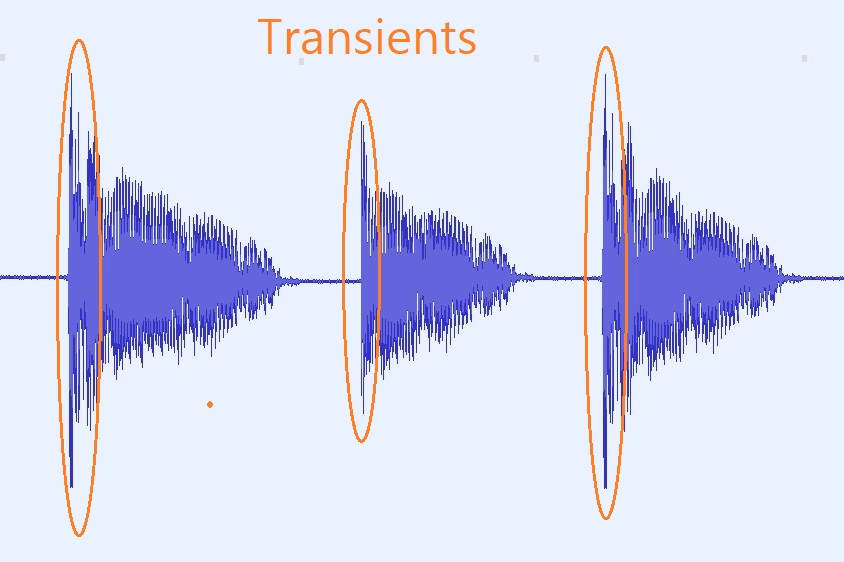
Audio transients are like the heartbeat of sound, the dynamic moments that give life and character to music and audio recordings. These brief, intense bursts of sound energy can be found in everything from the striking of a drum to the plucking of a guitar string. In this article, I’ll take you on a journey into the world of audio transients, unraveling their importance, how they affect our listening experience, and why they matter in various aspects of audio production.
Unveiling Audio Transients: The Basics
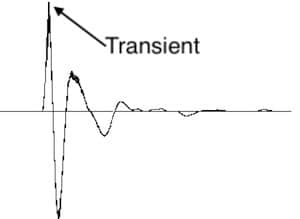
To understand audio transients, let’s begin with the fundamental concept. A transient is a sudden, short-lived spike in audio signal amplitude. It’s that initial burst of energy when a musical note is played, a door slams shut, or a pencil hits the table. Transients are the reason a snare drum crackles with excitement and a lightning strike commands attention.
Think of audio transients as the punctuation marks in a sentence. They emphasize and give context to the sound that follows. Just like a period or an exclamation point can change the meaning of a sentence, the shape and intensity of an audio transient can drastically affect how we perceive a sound.
People Also Asked: Answering Your Curiosities
Let’s dive into some common questions people have about audio transients:
How Do Audio Transients Impact Music?
Audio transients are the pulse of music. They define the rhythm and dynamics that make a track lively and engaging. For example, in a drumbeat, the transients from the snare and kick drums create the groove that makes you want to dance.
Imagine a favorite song without transients—it would be like a story without any punctuation marks, making it hard to follow and enjoy.
Can Audio Transients Be Controlled?
Yes, they can! Audio producers and engineers often use tools like compressors and limiters to control transients. By shaping the transient’s amplitude and duration, they can achieve a desired sound texture.
Think of it as adjusting the force with which a hammer strikes a nail. Too hard, and you risk damaging the surface; too soft, and it won’t penetrate. Engineers find that sweet spot to shape the sound precisely.
What Is Peak vs. RMS in Audio Transients?
Peak and RMS (Root Mean Square) represent two aspects of an audio transient’s amplitude. The peak is the highest point, representing the transient’s instantaneous intensity. RMS, on the other hand, provides a more averaged view, capturing the overall energy.
Picture a heartbeat monitor. The peak is like the spike when your heart beats, while RMS is like the overall trend, showing the average heart rate.
Keywords with Identical Search Intent
Now, let’s explore keywords related to audio transients that users often search for:
Delving deeper into audio production, we encounter techniques like transient shaping and transient design. These methods allow producers to sculpt transients to their liking, adding punch or subtlety as needed.
Consider transient shaping as sculpting clay. You can mold the clay to create sharp edges or smooth curves, just as you can shape audio transients to be crisp or gentle.
Audio Transients in Live Sound: A Vital Element
In live sound engineering, managing transients is crucial for delivering a balanced and impactful performance. Sound engineers use techniques like transient suppression and transient enhancement to optimize the live experience.
Imagine a live concert as a massive puzzle. Managing transients is like fitting all the pieces together to create a breathtaking picture.
Mastering Transients in Audio Recording
Audio engineers during the mastering process focus on transients to ensure that a track sounds polished and cohesive. Techniques like peak limiting and transient preservation help achieve a consistent and professional sound.
Think of mastering as the final touch-up on a painting. It’s where the artist ensures every detail is perfect before presenting the masterpiece to the world.
Last Words
In the symphony of sound, audio transients are the conductor’s baton, guiding and shaping the musical narrative. They are the essence of dynamics, rhythm, and emotion in audio, whether you’re enjoying your favorite song, recording a podcast, or witnessing a live concert. Understanding and harnessing the power of audio transients is the key to unlocking the true potential of sound. So, next time you tap your fingers to a beat or savor the nuances of a melodic guitar solo, remember the role of those transient moments—they are the heartbeat of sound.
In today’s digital age, where music and audio are an integral part of our lives, it’s crucial to ensure that our MP3 files sound their best. Whether you’re a casual listener or an audiophile seeking perfection, this comprehensive guide is here to help you master the art of enhancing MP3 sound quality. I’m an audio expert, and I’ll take you on a journey through various techniques and strategies to elevate your MP3 listening experience.
The Importance of Quality MP3 Sound
Before we dive into the nitty-gritty details of improving MP3 sound, let’s first understand why it matters. MP3 is one of the most popular audio formats, known for its compatibility and convenience. However, the sound quality of MP3 files can vary widely, depending on factors like compression, source material, and encoding settings.
Factors Affecting MP3 Sound Quality
To achieve the best MP3 sound quality, you need to consider several key factors:
Bitrate
The bitrate determines the amount of data used to represent audio. Higher bitrates generally result in better sound quality but larger file sizes.
Compression
MP3 files are compressed to reduce their size. Understanding the balance between compression and quality is essential.
Source Material
The quality of the original audio source greatly influences the final MP3 sound. Starting with high-quality recordings is crucial.
Encoding Settings
Adjusting parameters during encoding, such as sample rate and stereo mode, can impact sound quality significantly.
Techniques for Enhancing MP3 Sound Quality
Now that we’ve established the importance of quality MP3 sound, let’s explore various techniques and strategies to enhance it. Whether you’re dealing with older low-bitrate MP3s or you want to optimize your new downloads, these methods will help you achieve the best possible sound.
1. Bitrate Selection
The choice of bitrate plays a fundamental role in MP3 sound quality. Higher bitrates, such as 320 kbps, preserve more audio details, resulting in clearer and more immersive sound. However, they also lead to larger file sizes, so you should strike a balance based on your storage capacity and listening preferences.
2. Source Material Enhancement
Improving MP3 sound quality starts with the source material. If you have control over the recording process, use high-quality microphones, eliminate background noise, and ensure proper mixing and mastering techniques are employed. Starting with a pristine source will yield better MP3s.
3. Proper Encoding Settings
When converting audio to MP3 format, it’s crucial to choose the right encoding settings. Opt for a higher sample rate (e.g., 44.1 kHz or 48 kHz) and stereo mode for richer sound. Experiment with different settings to find the sweet spot for your audio.
4. Noise Reduction
If your MP3s suffer from background noise or artifacts, consider using noise reduction software. This can help eliminate unwanted hisses, clicks, and pops, resulting in a cleaner listening experience.
5. Equalization (EQ)
Using an equalizer allows you to adjust the balance of frequencies in your MP3s. You can enhance bass, boost treble, or make other custom adjustments to tailor the sound to your preferences.
6. Volume Normalization
Normalization ensures consistent volume levels across your MP3 library. This prevents sudden volume jumps between tracks, providing a more enjoyable listening experience.
7. High-Quality Playback Devices
Investing in high-quality headphones or speakers can make a significant difference in how you perceive MP3 sound. Look for devices with accurate sound reproduction and comfortable fit for extended listening sessions.
8. Room Acoustics
If you primarily listen to MP3s in a room, consider optimizing the acoustics. Simple changes like adding acoustic panels or rearranging furniture can reduce reflections and enhance sound quality.
9. Lossless Formats
Consider archiving your favorite music in lossless formats like FLAC or WAV for the utmost audio fidelity. While these formats result in larger file sizes, they preserve audio quality without compression.
10. Regular Maintenance
Maintaining your MP3 library is essential. Periodically check for corrupted files, update metadata, and back up your collection to prevent data loss.
Final Words
Enhancing the sound quality of your MP3 files is a rewarding endeavor for any music lover. By understanding the factors influencing sound quality and employing the right techniques, you can elevate your MP3 listening experience to new heights. Whether you’re a casual listener or an audiophile, these strategies will help you make the most of your digital music collection. Remember, the quest for perfect sound is a journey, so enjoy every moment of it. Happy listening!


Comments:
“This article opened my ears to the world of dynamic range in MP4. Fascinating insights!”
“I’ve always wondered why some audio sounds richer. Now I get it. Thanks!”
“Any chance we’ll see this technology in live performances soon? Exciting stuff!”
“Great article! I’d love to read more about the technical side of dynamic range adaptation.”
“MP4Gain really does make a difference. Tried it after reading this, and I’m impressed!”
“Could you delve into how dynamic range affects different music genres? Very curious!”
“Kudos for keeping it engaging and informative. Thumbs up from a music enthusiast!”
“I’m sold on MP4Gain. It’s like magic for my music library. More recommendations, please!”
“Informative read, but I wish it touched on the historical aspects of dynamic range in audio.”
“As a tech novice, I appreciate how you broke down the complexities. Well done!”