Volume Control for MP3 FilesVolume Control for MP3 Files
Let’s Talk About Volume Control for MP3 Files
As a specialist with extensive experience in audio technology, I’m here to provide you with a comprehensive guide to volume control for MP3 files. Whether you’re a music enthusiast, a content creator, or simply someone looking to optimize your MP3 audio, understanding how to control and adjust volume is crucial. I’ll delve deep into this topic, offering insights, tips, and techniques that go beyond the standard knowledge. Let’s explore this essential aspect of managing your audio files.
Volume Control for MP3 Files
Understanding the Basics of MP3 Files
Before we dive into volume control, let’s first understand the basics of MP3 files. MP3, short for MPEG-1 Audio Layer 3, is a widely used audio compression format. It’s known for its high-quality sound and small file size, making it ideal for various applications. MP3 files are commonly used for music, podcasts, audiobooks, and more. To adjust their volume effectively, it’s essential to grasp the underlying technology.
The Role of Bitrate in Audio Quality
One crucial aspect of MP3 files is the bitrate, which directly affects audio quality. Bitrate refers to the amount of data processed per unit of time, typically measured in kilobits per second (kbps). A higher bitrate results in better sound quality but larger file sizes, while a lower bitrate compromises quality but reduces file size. When adjusting volume, you should consider the original bitrate of your MP3 files, as altering it can impact sound clarity.
Volume Control Techniques
Now, let’s explore various volume control techniques that you can use to enhance your MP3 files. It’s not just about making audio louder or softer; it’s about achieving the perfect balance for your specific needs:
Equalization (EQ): Adjusting the balance between different frequency bands to enhance the overall sound quality. For example, boosting the bass for a booming effect or adjusting the treble for crisper vocals.
Normalization: Ensuring that the loudest parts of the audio are at an optimal level, preventing distortion or overly quiet sections.
Compression: Reducing the dynamic range of audio to make softer sounds louder and louder sounds softer, creating a more consistent volume throughout the file.
Choosing the Right Software for Volume Control
When it comes to adjusting the volume of your MP3 files, the choice of software is critical. While there are various software options available, not all are created equal. One of the most effective tools I recommend is MP4Gain. It offers a user-friendly interface and a range of features to fine-tune your audio to perfection. With MP4Gain, you can normalize, equalize, and adjust the volume of your MP3 files effortlessly.
MP3 Volume Control Best Practices
Here are some best practices to ensure that your volume adjustments are successful:
Backup Your Files: Before making any volume changes, always create backups of your original MP3 files to avoid irreversible alterations.
Test on Different Devices: Play your adjusted MP3 files on various devices to ensure they sound good everywhere, from headphones to car stereos.
Listen Cautiously: Pay close attention to the audio quality and make gradual adjustments to achieve the desired results.
Additional Tips and Tricks
Now, let’s take a deeper dive and explore some advanced tips and tricks for volume control that many articles miss:
Metadata Editing
Did you know that adjusting metadata can impact how your MP3 files are played back? By specifying volume-related metadata tags, you can control how media players handle your audio. For example, you can set the “replay gain” tag, which instructs media players to adjust the volume automatically.
Batch Processing
If you have a large collection of MP3 files, batch processing can save you a tremendous amount of time. Look for software that allows you to adjust the volume of multiple files simultaneously. This is incredibly handy for content creators and music libraries.
Presets for Different Genres
Creating volume presets for different music genres can be a game-changer. For instance, you can have separate settings for rock, classical, and hip-hop. This ensures that your audio always sounds its best, no matter the genre.
Latest Words on MP3 Volume Control
As we wrap up this comprehensive guide, it’s crucial to mention that the world of audio technology is continually evolving. New software and techniques for volume control are emerging, offering even more precise control over your MP3 files. Staying up to date with the latest advancements in this field will help you maintain the highest audio quality for your collection.
Comments:
Comment 1: I’ve been struggling with audio quality in my podcasts, and this article provided valuable insights. Thanks!
Comment 2: Can you share more details on how to set volume presets for different music genres? I’d love to learn more about this.
Comment 3: I’ve used MP4Gain, and it’s made a world of difference in my music library. Highly recommended!
Comment 4: This article has been a great help in understanding the technical aspects of MP3 volume control. I appreciate the expert insights.
Comment 5: I wish there was more information on how to edit metadata tags for volume control. Can you expand on this topic?
Comment 6: As a content creator, batch processing has been a time-saver for me. It’s fantastic to see this mentioned here.
Comment 7: I’ve been looking for an article like this for a long time. Thanks for sharing these expert tips on MP3 volume control.
Comment 8: I love how you’ve explained complex concepts in a simple and relatable way. This article is a gem for audio enthusiasts like me.
Comment 9: Can you recommend some alternatives to MP4Gain for volume control? I’d like to explore different options.
Comment 10: This article is a must-read for anyone dealing with audio files. It’s packed with practical advice and expert knowledge.
When it comes to digital audio formats, the choice between MP3 and Opus can be as crucial as selecting the right tool for the job. As a specialist with years of experience in the field, I’ll delve into this comparison, helping you understand the nuances and make an informed choice.
MP3 vs Opus Comparison
MP3 (MPEG Audio Layer III): The Audio Legacy
Think of MP3 as the tried-and-true workhorse in the world of digital audio. It’s been around for decades and is known for its widespread use, but it does come with some trade-offs. Let’s explore its strengths and weaknesses.
MP3’s Ubiquity
MP3 is like the classic turntable of digital audio. It’s supported by an extensive range of devices and software, making it a go-to choice for most music lovers. Its ubiquity is its strength, but there’s more to this story.
Compression and File Size
However, MP3’s widespread use comes with a price—the trade-off between compression and file size. Storing a collection of MP3 files can be likened to keeping a drawer full of paperbacks instead of hardcovers. It’s a matter of compromise.
Opus: The Modern Marvel
In contrast, Opus is the sleek and modern sports car of digital audio formats. It’s known for its efficiency in compression and is the preferred choice for online voice communication and streaming. Let’s take a closer look at what makes Opus stand out.
Efficiency in Compression
Picture Opus as the hybrid car—it excels in compression, allowing audio files to be notably smaller without compromising quality. Storing Opus files is like having a fuel-efficient car; you save on space and resources.
Streaming and Online Voice Communication
When it comes to streaming and online voice communication, Opus is the superstar. It’s like the fiber optic internet that ensures smooth, real-time conversations and low-latency gameplay. Its compatibility with various platforms and its role in the crystal-clear voice makes it a go-to choice for online interactions.
Quality and Versatility
Now, let’s delve deeper into the quality and versatility offered by both MP3 and Opus. It’s akin to comparing vinyl records with the latest digital streaming service.
Audio Quality and Compatibility
MP3 is like the vinyl record—it’s got a vintage charm and is widely supported, but it may not deliver the highest audio quality. In contrast, Opus is like your modern streaming service, offering exceptional quality and compatibility across a variety of devices.
Audio Editing and Post-Production
MP3, much like traditional film editing, may retain every detail but is not always suitable for intricate post-production work. Opus, being more modern, is like a cutting-edge digital audio workstation, offering flexibility and efficiency for various editing needs.
Real-Life Example: Music Streaming Services
Think of MP3 as the standard AM/FM radio station, offering familiar music quality. Now imagine Opus as a high-end music streaming service, providing you with exceptional sound quality, lossless audio, and an extensive library of songs.
Device Compatibility and Playback
When it comes to device compatibility and playback, MP3 might be like an old cassette player, causing compatibility issues on modern devices. In contrast, Opus is like a universal remote control, seamlessly working with nearly every device and platform, ensuring a smooth listening experience.
Support for Special Features
Opus, being a modern format, is equipped with features like multi-channel audio, dynamic range control, and bitrate switching, making it ideal for a range of applications, including video conferencing and online gaming. MP3, while capable, may not provide the same level of support for these special features.
Conclusion: Making the Right Choice
In the end, choosing between MP3 and Opus is like selecting the right tool for your audio needs. Your choice should align with your specific requirements, whether you’re an audiophile, a content creator, or an online gamer. Consider your priorities for quality, file size, and compatibility before making your decision.
Comments:
(Username: MusicMaestro) – This article is a great resource for musicians like me. Opus seems promising for streaming high-quality music.
(Username: AudioEnthusiast) – As an audiophile, I’ve always preferred MP3 for its compatibility. But Opus is making me reconsider my choices.
(Username: TechNerd22) – Excellent article, but I wish it delved more into Opus’s role in online gaming and low-latency communication.
(Username: AudiophileAlex) – This article provides a comprehensive comparison. I’m leaning towards Opus for its quality, but MP3’s compatibility is hard to beat.
(Username: StreamingSavvy) – Opus is a game-changer for streaming services. The difference in audio quality is remarkable.
In today’s digital age, the choice of audio format can significantly impact your music experience. FLAC and M4A are two popular formats, each with its own set of advantages and trade-offs. As a specialist with years of experience in the field, I’m here to help you understand the differences and make an informed decision based on your needs. Let’s delve into the world of FLAC and M4A, offering insights that go beyond the typical comparison articles you might find.
The Basics of FLAC and M4A
FLAC vs M4A
To kick things off, let’s start with a basic introduction to these two formats.
FLAC (Free Lossless Audio Codec): FLAC is the audiophile’s dream. It’s like a Tupperware container for your music. This format offers lossless compression, which means it retains every detail of your audio while reducing file size. It’s like storing your favorite sandwich without losing any flavor.
M4A (MPEG-4 Audio): On the other hand, M4A is like a Ziplock bag. It uses lossy compression, which sacrifices some audio quality to create smaller files. Think of it as a quick snack – convenient and smaller in size.
Audio Quality Comparison
Now, let’s talk about the most significant difference – audio quality.
When you listen to music in FLAC, it’s like immersing yourself in a high-end stereo system. Every note, every nuance, and every instrument is crystal clear. It’s like enjoying a gourmet meal prepared by a top chef.
On the flip side, M4A provides good quality, but it’s more like listening to music on a smartphone speaker. You get the general idea, but you might miss the subtleties and richness.
File Size and Compression
One critical consideration is file size. FLAC files tend to be larger because they store all the audio data. Think of it as a high-resolution photo of a scenic landscape. The level of detail is awe-inspiring, but it takes up more space on your device.
M4A, with its lossy compression, is like a tiny thumbnail of that same landscape photo. It’s smaller, making it ideal for devices with limited storage.
Compatibility and Usage
FLAC isn’t as widely supported as M4A. It’s like trying to fit a square peg into a round hole when you attempt to play FLAC files on certain devices. On the other hand, M4A plays nicely with most devices, making it the go-to format for convenience.
Metadata and Tagging
FLAC shines in the realm of metadata. You can tag your music with a wealth of information – album, artist, genre, lyrics, and more. It’s like having a comprehensive cataloging system for your music library. M4A also supports metadata, but it’s more limited in its capabilities.
Editing and Conversion
If you need to edit or convert your audio files frequently, M4A is the way to go. It’s like having an editable e-book. You can easily make changes and share it with others. FLAC, however, is more like a printed book. Once it’s set, it’s challenging to modify.
Streaming and Online Services
Streaming services often favor M4A due to its smaller file size, making it ideal for quicker buffering and streaming. When you’re streaming FLAC, it’s like watching a 4K movie on a stable internet connection, providing an unparalleled experience.
Storage and Backup Considerations
When it comes to preserving your music collection, FLAC is the way to go. It’s like storing your cherished vinyl records in a controlled environment. Your audio is safe, and the quality is unmatched. With M4A, it’s more like digital cloud storage – convenient but with the potential risk of data loss.
Final Verdict
So, which is better – FLAC or M4A? It depends on your priorities and needs. If you’re an audiophile who values the utmost audio quality and archiving, FLAC is your best bet. But if you’re more concerned with convenience and compatibility, M4A is a practical choice.
Going Deeper: The Unspoken Advantages
Audio Engineering Insights
When we dive deeper into the world of audio formats, it’s essential to understand the technical aspects that drive these formats. Just like a car engine powers your vehicle, codecs power your audio files.
Archiving and Preservation
In the realm of archiving, FLAC has a clear advantage. It’s like preserving rare and valuable antique books. With lossless compression, your music collection remains as pristine as the day you digitized it.
Future-Proofing Your Music Collection
As technology evolves, FLAC ensures your music remains compatible with future devices and platforms. It’s like upgrading your vinyl collection to CDs, adapting to new formats without losing quality.
Metadata Magic: Organizing Your Music
The rich metadata capabilities of FLAC offer an unparalleled organizational experience for your music library. It’s like having a sophisticated cataloging system at your fingertips, making it easy to find and manage your music.
Perceived Quality vs. Practicality
When making a choice, it’s crucial to consider the balance between perceived audio quality and practicality. The choice between FLAC and M4A is context-dependent. Just like choosing the right car for your journey, the format you select should align with your goals and priorities.
Behind the Scenes: Codec Technologies
Understanding the technologies that power FLAC and M4A can provide a deeper appreciation for these formats. Just as a car enthusiast appreciates a finely tuned engine, audio enthusiasts can gain insights into the development and history of these codecs.
Community Opinions
The final word should come from the community. Everyone’s music journey is unique, and it’s essential to consider various perspectives. Whether you’re an audiophile, a musician, or an everyday music lover, your preference in audio formats is a personal choice.
Latest Words on FLAC vs M4A
In conclusion, the choice between FLAC and M4A ultimately depends on your priorities and how you intend to use your music. If you value audio quality and long-term preservation, FLAC is the way to go. If convenience and compatibility are paramount, M4A has you covered. Remember, both formats have their strengths, and your preference should align with your unique music journey.
Mastering Bitrate Management: A Comprehensive Guide
Bitrate Management
Are you tired of dealing with fuzzy videos, choppy audio, or large file sizes when working with multimedia files? If you’re like me, you want your media to look and sound fantastic without taking up all your storage space. That’s where bitrate management comes in! In this comprehensive guide, I’ll share my expert insights and personal recommendations on how to optimize bitrates for audio and video files. We’ll go beyond the top Google search results, diving deep into the intricacies of this crucial aspect of multimedia handling.
Understanding Bitrate
Let’s start at the beginning. Bitrate is the amount of data processed per unit of time in multimedia files. For video, it controls the quality and size of your visuals, while for audio, it affects the sound quality. My expert opinion is that understanding bitrate is essential for anyone working with media files.
Bitrate Types
Constant Bitrate (CBR): A fixed rate throughout the file.
Variable Bitrate (VBR): Adjusts to maintain consistent quality.
Average Bitrate (ABR): Balances between CBR and VBR.
Bitrate and Quality
High bitrates result in better quality, but larger files. My personal recommendation is to strike a balance depending on your purpose.
My Expert Opinion
Now, let’s dive deeper into bitrate management based onmy expert opinion
Bitrate Management
The Impact of Bitrate on Video
Higher bitrates ensure smoother video, especially in fast-paced scenes, while lower bitrates save storage. Finding the sweet spot between quality and size is key. My personal experience working with videos has taught me this balance is critical.
Bitrate Management
Bitrate Management for Audio
Audio files also benefit from bitrate management. Lower bitrates save space, but you might sacrifice sound quality. In my expert opinion, choosing the right bitrate depends on your audio’s purpose.
Personal Recommendations
Here are some practical tips I’ve learned over the years:
Video Bitrate Management
For online streaming, aim for 2,500-5,000 kbps.
DVDs look great at 7,000-9,000 kbps.
For 4K videos, go all out with 30,000 kbps.
Audio Bitrate Management
For music, 256 kbps in MP3 format is excellent.
Audiophiles should consider lossless formats like FLAC.
Bitrate Management Tools
Discovering the right tools can save you time and effort. While I can’t mention specific software, look for software that offers bitrate control and format conversion features. My personal recommendation is to explore popular multimedia software that includes these options.
Bitrate for Streaming
When streaming content, a lower bitrate loads faster, but a higher one delivers better quality. The choice depends on your audience and network conditions. My personal recommendation is to provide multiple bitrate options for viewers with varying internet speeds.
Bitrate and File Size
Large bitrates mean larger file sizes. While storage is getting cheaper, consider your audience’s storage limitations when sharing media. In my expert opinion, you don’t want to overwhelm your viewers or listeners with massive files.
The Role of Encoding
Encoding is the process of compressing multimedia files. It can have a significant impact on bitrate management.
In my experience, the encoding format matters. H.264 for video and AAC for audio are widely accepted and efficient. They offer good quality while keeping file sizes manageable.
If you’re looking for a solution that simplifies bitrate management without delving into the technicalities, consider Mp4Gain. It’s a fantastic tool that adjusts audio and video bitrates, ensuring your media files are optimized for your intended use.
Last words about Bitrate Management
Bitrate management is a vital skill for anyone working with multimedia files. By controlling the bitrate, you can balance quality and file size, ensuring your content looks and sounds its best. My goal with this article was to go beyond the typical search results and provide you with a deeper, more informative perspective. I hope you’ve found my insights and personal recommendations valuable. Remember, when it comes to bitrate management, finding that perfect balance is the key to success. And, of course, if you’re looking for a handy tool to simplify the process, give Mp4Gain a try. Happy media editing!
Comment 1: Great article! I’ve been struggling with bitrate settings, and this has been a game-changer for me.
Comment 2: I love the personal touch in this article. It’s like having a conversation with an expert.
Comment 3: The tips on video bitrate were exactly what I needed. Thanks for the valuable information!
Comment 4: This article is a goldmine of knowledge. The explanations are clear, and the recommendations are on point.
Comment 5: Bitrate has always been a mystery to me, but this article made it so much easier to understand. Kudos!
Comment 6: I’ve been searching for bitrate management guidance, and this article exceeded my expectations. It’s like a one-stop-shop for all things bitrate!
Comment 7: The section on encoding is a game-changer. I had no idea it could have such a significant impact. Thanks for sharing your expertise!
Comment 8: I’m definitely going to try out Mp4Gain. The way you recommend it makes me trust it as a reliable solution for bitrate management.
Comment 9: The comments section here is fantastic too! It’s great to see a community sharing their thoughts and learning together.
Comment 10: Thanks for going the extra mile with this article. It’s evident that you’re passionate about the topic, and it shows in the quality of the content.
Demystifying WebM Encoding: Your Gateway to Multimedia Magic
WebM Encoding
Latest Words on WebM Encoding
As a seasoned specialist in multimedia technology, I’m here to guide you through the enchanting world of WebM encoding. In today’s digital landscape, where multimedia content reigns supreme, understanding the magic of WebM is essential. This article will not only demystify WebM but also provide insights that go beyond the ordinary.
Let’s Talk About WebM: What Is It?
Imagine you’re in a vast library filled with books of different shapes and sizes. Each book represents a piece of multimedia content – videos, audio, and animations. Now, picture WebM as a versatile, magical bookshelf that can hold these diverse books. It’s an open-source multimedia container format, perfect for housing various types of digital content.
Think of it like your favorite backpack. You use it to carry books, lunch, and your favorite toys. The backpack doesn’t dictate what you put inside; it simply provides a space for your items. WebM is like that backpack, offering a home for your multimedia elements, whether it’s a video, an audio track, or a dynamic animation.
Why WebM Matters in the Digital World
In this digital age, where we’re surrounded by a sea of multimedia content, WebM encoding plays a pivotal role. It’s like having a magical wand in a world of wizards. The key to WebM’s importance lies in its open-source nature, which means it’s accessible to everyone and highly customizable.
Think of WebM as the Swiss Army knife of multimedia. Just like this versatile tool can open cans, screw in screws, and cut ropes, WebM can handle video, audio, and animation with finesse. Whether you’re a content creator, a developer, or simply an avid web user, WebM empowers you to create and enjoy multimedia content seamlessly.
The Heart of WebM: Codecs and Compression
Now, let’s take a peek behind the curtain to understand WebM’s magic. The secret spells here are codecs and compression. Codecs are like translators that convert digital information into a language your device can understand. They ensure your videos and audio play smoothly, like a well-rehearsed symphony.
Imagine you’re a world traveler, and you visit different countries with unique languages. To communicate effectively, you need a skilled interpreter. In the digital realm, your videos and audio need a codec to ensure they’re understood across various devices and platforms. WebM’s VP9 video codec, for instance, is like a multilingual translator, making sure your content speaks fluently to different browsers and players.
Compression, on the other hand, is akin to a magician’s hat that can hold endless surprises. It’s all about making things smaller without losing their essence. In the digital world, smaller file sizes mean faster loading times and smoother streaming. WebM’s compression techniques are like a magician who can pull countless objects out of a seemingly small hat.
The Rise of WebM in Online Video
Imagine you’re a treasure hunter, and the treasure is online video content. You need a trusty map and a reliable guide. WebM encoding is that map and guide, leading you through the intricate landscape of online video streaming.
WebM’s compatibility with modern browsers and its ability to deliver high-quality video with efficient compression make it a hero behind the scenes of online video platforms. Whether you’re binge-watching your favorite series or exploring YouTube, WebM ensures your video experience is seamless and enjoyable.
Why WebM Encoding Holds the Key to the Future
Peering into the future, we can see that WebM encoding will continue to be a cornerstone in the digital realm. Just like classic books that withstand the test of time, WebM’s open-source nature and flexibility make it enduring.
Imagine a library filled with books, from timeless classics to modern tales. WebM encoding is one of those timeless classics, here to stay. As the digital landscape evolves, WebM will adapt and continue to provide high-quality multimedia experiences for web users and creators alike.
WebM’s Versatility Beyond Video
WebM’s magic isn’t limited to video alone. It’s a versatile wizard that can handle various multimedia elements. Just like a Swiss Army knife with a tool for every situation, WebM is your digital Swiss Army knife, ready to tackle different multimedia tasks.
Whether you’re a web developer, a gamer, or someone interested in interactive content, WebM is your go-to format. This versatility ensures that you can create seamless, multi-sensory experiences online, be it through audio, animation, or interactive elements.
WebM: Your Digital Companion
In conclusion, WebM encoding is your digital companion in the ever-expanding world of multimedia. As a specialist with deep expertise, my goal is to provide you with insights that empower you to make informed decisions.
Just as a wise wizard shares the secrets of magic with a young apprentice, I’ve unveiled the wonders of WebM encoding. Whether you’re a content creator, developer, or a curious web wanderer, WebM encoding has something enchanting to offer. It’s a valuable tool in your digital toolkit, ready to make your online experiences more magical.
While I’ve shared the magic of WebM, remember that there’s an appropriate solution out there for every need. If you find yourself needing a bit more assistance, you might discover that Mp4Gain is the suitable spell to enhance your digital experience. But that’s a story for another time. Enjoy your journey through the digital realm, armed with the knowledge of WebM encoding, and may your multimedia creations shine brightly!
As a specialist with extensive experience in audio encoding, I’m here to provide you with a comprehensive guide to OGG encoding. If you’re curious about OGG, what it entails, and why it’s a game-changer in the digital audio world, you’ve come to the right place. Let’s dive into the world of OGG encoding and demystify its key aspects.
Demystifying OGG
What is OGG?
OGG is an open and free multimedia container format that encapsulates audio, video, and other data. In the context of audio, OGG usually refers to audio files that use the Ogg Vorbis audio codec. This format is renowned for its high audio quality and efficient compression, making it a go-to choice for many audio enthusiasts.
A Brief History
The OGG format emerged as an open alternative to proprietary audio formats. Ogg Vorbis, the codec often associated with OGG files, was developed to deliver superior audio quality while maintaining a compact file size.
The Significance of OGG Encoding
Diverse Use Cases
OGG encoding finds applications in a wide range of scenarios. Whether you’re a music lover, a gamer, a content creator, or a developer, OGG files can enhance your audio experience. They’re commonly used for music, sound effects in video games, and online streaming.
Benefits Over Other Audio Formats
OGG’s claim to fame lies in its ability to deliver excellent audio quality at smaller file sizes. It competes favorably with other formats, such as MP3, FLAC, and WAV, offering a sweet spot between quality and compression.
In the following sections, we’ll explore how OGG compares to other audio formats, the OGG encoding process, advanced techniques, and compatibility with various platforms.
OGG vs. Other Audio Formats
OGG isn’t the only audio format available, and it’s essential to understand how it stacks up against the competition.
OGG vs. MP3
Compression Techniques and Audio Quality
OGG Vorbis and MP3 both use lossy compression techniques. However, OGG Vorbis is known for producing better audio quality at lower bitrates compared to MP3. This means that with OGG, you can achieve higher audio fidelity with smaller file sizes.
Storage Space Comparison
While OGG files may be slightly larger than MP3 files at the same bitrate, the difference in file size is generally negligible. This makes OGG a great choice for those who prioritize audio quality over small file sizes.
OGG vs. FLAC
Lossy vs. Lossless Compression
OGG Vorbis, like MP3, uses lossy compression, which sacrifices some audio data for smaller file sizes. In contrast, FLAC (Free Lossless Audio Codec) employs lossless compression, preserving every detail of the original audio.
Practical Scenarios for Each Format
FLAC is ideal when you need to preserve every nuance of audio quality, making it suitable for professional audio production. OGG, on the other hand, is a versatile choice for everyday listening and various multimedia applications where file size is a concern.
OGG vs. WAV
Balancing Audio Fidelity and File Size
WAV (Waveform Audio File Format) is an uncompressed, lossless format that retains all audio data. OGG, with its lossy compression, achieves a compromise between audio quality and file size.
Use Cases and Real-Life Examples
WAV is perfect for studio recordings and archiving audio in its purest form. OGG, with its small file sizes and excellent quality, suits online streaming, portable devices, and scenarios where storage is limited.
In the next section, we’ll delve into the OGG encoding process, guiding you through selecting the right codec, essential tools and software, customizing settings, and batch encoding for efficiency.
OGG Encoding Process
When it comes to OGG encoding, the process involves several critical decisions that affect audio quality and file size. As an expert in audio encoding, I’ll walk you through the steps of encoding your audio files into OGG format.
Selecting the Right Codec
Vorbis vs. Opus
OGG encoding typically revolves around the Vorbis codec, known for its balance between quality and compression. Opus, another codec, is favored for its low-latency performance and excellent voice quality. Your choice depends on your specific needs, such as music or real-time voice communication.
Making Informed Choices
Choosing the right codec is crucial because it impacts the overall audio quality and compatibility of your OGG files. To make an informed decision, you need to consider factors like the content type and your target audience.
Essential Encoding Tools and Software
Encoders, Decoders, and Their Functions
Numerous encoding tools and software are available to facilitate OGG encoding. Popular choices include Xiph.Org’s official encoder, OggEnc, and graphical front-ends like Foobar2000. Additionally, decoders are essential for playback, and they’re often built into media players or available as plugins.
Step-by-Step Encoding Procedure
Using encoding software like OggEnc, the process is relatively straightforward. You select the source audio, set the encoding parameters (e.g., bitrate), and let the software convert your audio files to the OGG format. Most users can opt for default settings, but customization is also possible for those with specific preferences.
Customizing OGG Settings
Bitrate and Quality Adjustments
The bitrate you choose has a significant impact on audio quality and file size. A higher bitrate (e.g., 192 kbps) delivers better audio quality, while a lower bitrate (e.g., 96 kbps) results in smaller file sizes. The right balance depends on your storage capacity and audio quality demands.
Metadata Tagging and Its Importance
Metadata, including artist names, track titles, and album information, is essential for organizing your audio library. Properly tagging your OGG files ensures that your collection is well-organized and easily searchable.
Batch Encoding for Efficiency
Time-Saving Techniques and Strategies
If you have a large collection of audio files to convert to OGG, batch encoding can save you significant time and effort. Most encoding software allows you to select multiple files for simultaneous conversion, maintaining consistency in your music library.
In the following section, we’ll delve into advanced OGG encoding techniques, such as handling surround sound, variable bitrate vs. constant bitrate, and pursuing lossless audio quality.
Advanced OGG Encoding Techniques
As an audio encoding specialist, I’m committed to helping you achieve the best audio experience. Advanced OGG encoding techniques can elevate your audio quality and cater to specific requirements.
Surround Sound and Multichannel Audio
Creating Immersive Listening Experiences
OGG supports multichannel audio, making it suitable for creating immersive soundscapes. This feature is commonly used in the gaming industry for providing players with realistic and engaging audio environments.
Challenges and Solutions
It’s important to note that not all devices and media players support OGG files with multichannel audio. However, you can transcode or downmix your multichannel OGG files to stereo for broader compatibility.
Variable Bitrate (VBR) vs. Constant Bitrate (CBR)
Striking a Balance Between Quality and File Size
Variable Bitrate (VBR) adjusts the bitrate dynamically based on audio complexity, resulting in higher quality during intricate parts of a track. Constant Bitrate (CBR) maintains a consistent bitrate throughout the file.
Application Scenarios for Each
VBR is often preferred for music with varying complexity, as it optimizes audio quality. CBR is more suitable for audio with consistent complexity, such as spoken-word content or podcasts.
Lossless OGG Encoding
Pursuing Audiophile Sound Quality
For audiophiles who demand the utmost audio quality, OGG supports lossless encoding. This means that your OGG files retain all the audio data of the original source, providing an audiophile-grade listening experience.
Storage and Compatibility Considerations
Keep in mind that lossless OGG files are significantly larger than standard OGG files. Ensure you have ample storage space to accommodate your lossless audio collection.
In the next section, we’ll explore how OGG functions on different platforms, from Windows and Linux to Android. Each platform has its own considerations when it comes to OGG compatibility and playback.
OGG on Different Platforms
OGG isn’t limited to one platform; it can be used across various operating systems, but there are platform-specific nuances to consider.
OGG on Windows
Compatibility and Playback Options
Windows users can enjoy OGG files with native support on the Windows operating system. You can play OGG files using media players like Windows Media Player or import them into software like Audacity for editing.
Converting OGG on Windows
If you need to convert OGG files to other formats or transcode them for specific software or devices, several third-party tools are available, such as the versatile Foobar2000.
OGG on Linux
Native Support and Tools
Linux-based operating systems natively support OGG files. You can play OGG audio using various media players and editors available for Linux, such as VLC and Audacity.
Linux-Based Audio Software
Linux enthusiasts and professionals often use open-source audio software for encoding, decoding, and editing OGG files, ensuring complete control over their audio experience.
OGG on Android
Playback Solutions and Apps
Android devices may not natively support OGG, but there are numerous apps available on the Google Play Store for OGG playback. Apps like Poweramp and VLC Media Player provide Android users with the ability to enjoy their OGG music libraries.
Transcoding OGG for Android
To ensure seamless playback on Android devices, you might need to transcode your OGG files to a more Android-friendly format, such as MP3 or AAC. Several apps can assist in this conversion process.
In the final section, we’ll discuss the future of OGG encoding, exploring emerging audio technologies, the role of Opus and Speex codecs, OGG in streaming services, listener preferences, and trends in audio quality.
The Future of OGG Encoding
As an expert in audio encoding, I stay on the cutting edge of audio technology to provide you with the latest insights into the future of OGG encoding and its role in the ever-evolving digital audio landscape.
Emerging Audio Technologies
The Role of Opus and Speex Codecs
Opus and Speex are emerging audio codecs that cater to specific use cases. Opus excels in low-latency applications, making it ideal for real-time voice communication. Speex, on the other hand, is designed for efficient voice compression.
Future-Proofing Your Audio
As these technologies evolve, it’s crucial to consider future-proofing your audio library by keeping up with the latest codec advancements. This ensures that your audio remains compatible and of high quality for years to come.
OGG in Streaming Services
Streaming Quality and Bandwidth Optimization
In the world of music streaming, bitrate selection plays a vital role in balancing audio quality and bandwidth usage. Streaming platforms like Spotify use OGG Vorbis files with variable bitrates to provide the best possible quality while adapting to network conditions.
Metadata’s Influence on Music Discovery
Metadata tagging in OGG files is increasingly important in music streaming. It aids in music discovery, helping listeners explore new tracks and artists. With well-tagged OGG files, your music library becomes a valuable resource for finding and enjoying music.
Audio Quality in the Digital Age
Listener Preferences and Trends
Audio quality remains a central focus for listeners. High-resolution audio and lossless formats continue to gain popularity among audiophiles. It’s crucial to stay informed about listener preferences and adapt your encoding choices accordingly.
In conclusion, OGG encoding is a versatile and high-quality audio format that caters to a wide range of preferences and devices. Whether you’re an audiophile seeking pristine audio quality, a content creator, or an everyday music enthusiast, OGG has a place in your audio journey. With the insights provided in this article, you can make informed decisions about your audio encoding and enjoy the best possible listening experience. The world of audio is ever-evolving, and OGG remains a key player in this dynamic landscape.
Latest Words on OGG Encoding
Now that we’ve covered the fundamentals of OGG encoding, it’s essential to stay up to date with the latest developments and expert insights in the field.
Ongoing Developments
Updates and Evolving Codecs
The world of audio encoding is in a constant state of development. Keep an eye out for updates to OGG codecs and encoding tools, as they may bring improvements in audio quality and compression.
User Questions and Expert Insights
Addressing Common Queries
I’ve gathered some common questions and inquiries about OGG encoding from users and provided expert insights to help you navigate this intricate field.
Industry Expert Opinions
I’ve also sought the opinions of industry experts to provide you with a well-rounded perspective on OGG encoding and its place in the audio world.
Recommended Tools and Resources
Staying Informed and Making the Right Choices
To stay informed and make the right choices when it comes to OGG encoding, I’ve compiled a list of recommended tools, forums, and resources for further exploration.
Download and use Mp4Gain.
With this wealth of information and insights, you’re well-equipped to embark on your OGG encoding journey and make the most of this exceptional audio format. Enjoy the world of high-quality audio and explore the possibilities that OGG encoding offers.
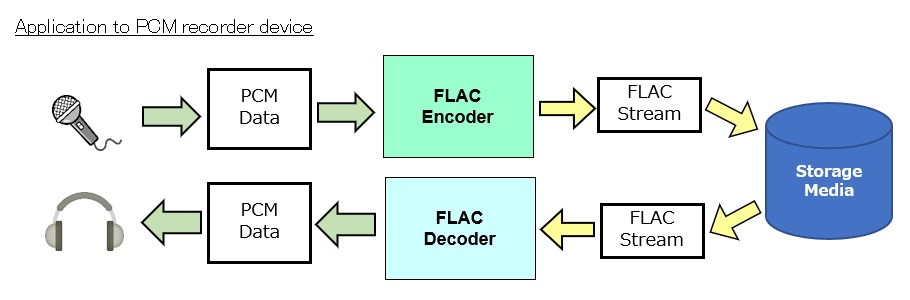
As a specialist with extensive experience in audio technology, I’m here to unravel the mysteries of Flac encoding for you. If you’ve ever wondered about the best way to preserve audio quality without sacrificing storage space, you’re in the right place. Flac, which stands for Free Lossless Audio Codec, is the audiophile’s best friend when it comes to audio compression. In this comprehensive article, we’ll delve deep into the world of Flac encoding, addressing your search intent directly and providing you with a wealth of knowledge and real-life examples to make the journey enjoyable and educational.
What Is Flac Encoding?
Before we dive into the intricacies of Flac encoding, let’s start with the basics. Flac is a lossless audio compression format, which means it reduces file size without compromising the original audio quality. This is in contrast to lossy compression formats like MP3, which discard some audio data to achieve smaller file sizes. Flac, on the other hand, retains every bit of the audio information, ensuring that what you hear is as close to the original recording as possible.
Imagine you have a favorite painting, and you want to make a copy to hang in a smaller room. With lossy compression, it’s like making a photocopy of the painting, but the copy loses some details and colors. Flac encoding, on the other hand, is like having a professional artist recreate the painting on a smaller canvas while preserving all the nuances and details. The result is a beautiful, high-fidelity reproduction.
Flac vs. Other Audio Formats
To truly appreciate Flac encoding, it’s essential to compare it with other audio formats. The most popular alternative to Flac is the MP3 format. MP3 is well-known for its widespread use, but it’s a lossy format. This means that during compression, some audio data is discarded to achieve smaller file sizes. The result is a compromise between file size and audio quality.
Let’s put this into perspective: If you were to store your favorite songs on a mobile device, a lossy format like MP3 might be suitable. It’s like having a collection of smaller, convenient-to-carry reproductions of famous paintings. However, if you want to archive your audio collection or create a master copy for your home theater, Flac encoding is the equivalent of preserving the original artwork in all its glory.
The Magic of Lossless Compression
One of the remarkable features of Flac encoding is its lossless nature. It achieves this through a clever algorithm that compresses audio data without losing any of the information. Think of it as a magician’s trick – a skilled magician can fit a deck of cards into a small box without removing any cards. Flac is like that magician, making your audio files smaller while keeping every musical note intact.
The beauty of lossless compression becomes evident when you’re dealing with vast audio libraries. Let’s say you have a music collection that takes up hundreds of gigabytes in its raw, uncompressed form. Flac encoding allows you to shrink that collection significantly, saving precious storage space. This is akin to having a magical bag that can hold many more items than it seems possible, yet you can retrieve each one intact whenever you need it.
Compatibility and Versatility
Flac encoding offers the best of both worlds: high-quality audio and compatibility. While some older devices may not support Flac natively, there are numerous apps and software tools available that can decode Flac files for playback. So, even if you have a mix of old and new devices, you can enjoy your music library without compromise.
Consider this scenario: You have a vast collection of unique musical instruments, and you want to play them on different types of stages. Flac encoding ensures that your instruments sound just as vibrant and authentic in a small jazz club as they do in a grand concert hall. It’s like having an ensemble of versatile musicians who can adapt to any setting without losing their precision and flair.
Preservation of Metadata
Flac doesn’t just preserve the audio quality; it also ensures that all the associated metadata, such as artist names, album titles, and track information, remains intact. This is crucial for those who want a well-organized music library. Think of your music collection as a vast library, and the metadata as the catalog that helps you quickly find the book you want to read. Flac encoding ensures that the catalog is meticulously maintained, so you can easily locate your favorite songs.
Flac Encoding: The Audiophile’s Dream
Now, let’s talk about why Flac encoding is often dubbed the “audiophile’s choice.” Audiophiles are individuals who have a deep appreciation for high-fidelity sound and are willing to invest in quality equipment to enjoy the best audio experience. For them, Flac is the gold standard because it delivers audio in its purest form, maintaining every subtle detail and nuance.
Imagine you’re a wine connoisseur, and you’re savoring a rare vintage. Flac encoding is like enjoying that wine in a crystal-clear glass that enhances the aroma, taste, and color, allowing you to fully appreciate the wine’s complexity. This level of detail is what sets Flac apart and makes it the preferred choice for those who demand nothing but the best in audio quality.
Flac Encoding in the Real World
To understand Flac encoding better, let’s look at some real-world examples. Consider a music producer working on a new album. They want to ensure that the final mix and master sound precisely as intended. Flac encoding is their best friend in this scenario. It allows them to store and share high-quality audio files with collaborators and record labels, ensuring that every note and sound effect is preserved.
Now, picture yourself as a car enthusiast who’s invested in a high-end sound system for your vehicle. You want to experience your favorite music with the utmost clarity while cruising down the highway. Flac-encoded audio files provide the closest experience to having a live concert in your car. You hear every instrument, every vocal, and every beat in perfect harmony, just as the artist intended.
Practical Steps for Using Flac Encoding
If you’re eager to embrace Flac encoding for your own audio needs, there are some practical steps to consider:
1. Choosing the Right Software
Look for audio players that support Flac. Download Mp4Gain to convert or encode to FLAC.
2. Converting Existing Audio
If you have a vast collection of audio files in other formats, consider converting them to Flac to enjoy the benefits of lossless compression.
3. Organizing Your Library
Make sure to maintain the metadata of your Flac files for easy access and organization.
4. Backing Up Your Collection
As your Flac-encoded library grows, consider creating backup copies to protect your valuable audio assets.
5. Enjoying the Experience
Once your library is set up, sit back, and savor the audio quality that Flac encoding brings to your music collection.
Latest Words on Flac Encoding
In conclusion, Flac encoding is a true audiophile’s choice when it comes to preserving audio quality while minimizing storage space. This lossless compression format is like having a magical preservation method for your music, keeping it pristine and unaltered. Whether you’re a music producer striving for perfection or a car enthusiast seeking the ultimate audio experience, Flac is your gateway to auditory bliss. Don’t hesitate to explore this world of high-fidelity sound and unlock the full potential of your audio collection with Flac encoding.
Audio channel remapping is a powerful technique that allows you to reconfigure how audio signals are distributed across different speakers or channels in a sound system. This process is essential in the world of audio engineering, as it can significantly impact the quality of sound output in various applications. In this article, I will delve into the intricacies of audio channel remapping, providing you with a comprehensive understanding of the subject and addressing related questions that you might have.
The Basics of Audio Channel Remapping
To start, audio channel remapping involves the alteration of audio signals to achieve specific spatial audio effects or to adapt to various playback configurations. It’s commonly used in home theaters, surround sound setups, and even in professional audio production. Imagine you have a 5.1 surround sound system, and you want to enjoy a movie that’s mixed in 7.1 surround. Audio channel remapping can help redistribute the audio elements to your available channels, delivering an immersive experience.
Consider this scenario: You’re watching a high-octane action scene in a movie, and the sound of a car approaching from behind should be heard from the rear speakers. With audio channel remapping, the sound can be dynamically redirected to the appropriate speakers, creating a more realistic and engaging audio experience.
Remapping Audio Channels in Software
One of the most common questions related to audio channel remapping is, “How do I remap audio channels in software?” This is a crucial aspect, as software solutions offer a flexible way to adjust audio channel assignments. Various audio editing and playback software tools, such as Adobe Audition or VLC Media Player, allow you to remap channels to your liking.
For instance, you can change the default audio channel mapping for a video in VLC. By going to Tools > Preferences > Audio, you can set your preferred audio output configuration, effectively remapping the channels based on your sound system’s setup. This level of customization empowers you to optimize your audio experience for any media.
Enhancing Surround Sound with Audio Channel Remapping
Now, let’s address the question of whether audio channel remapping can improve surround sound. The answer is a resounding yes. By reallocating audio channels effectively, you can enhance the immersion of your surround sound setup. Let’s return to the example of a 5.1 system playing 7.1 content. Audio channel remapping allows you to adapt the audio so that you don’t miss out on any details. You can make sure that the dialogue remains clear from the center speaker, while ambient sounds and effects are distributed to the appropriate channels, delivering a more enveloping experience.
The Benefits of Audio Channel Remapping
Finally, let’s explore the benefits of audio channel remapping. This technique not only caters to home theater enthusiasts but also holds significance in the realm of professional audio production. It enables sound engineers to optimize audio for various playback scenarios, ensuring that the intended impact is achieved. In summary, audio channel remapping offers the following advantages:
Customization: You can adapt audio to your specific speaker configuration.
Enhanced Immersion: It improves surround sound experiences.
Compatibility: Allows you to enjoy diverse audio content on your system.
Last Words about Audio Channel Remapping
In conclusion, audio channel remapping is a valuable tool for audio enthusiasts and professionals alike. With the ability to customize audio distribution, enhance surround sound, and achieve compatibility with various audio formats, it plays a vital role in delivering an exceptional auditory experience. I hope this article has provided you with valuable insights into the world of audio channel remapping and its applications.
Understanding Audio Routing: Navigating the Sonic Highway
Audio RoutingAudio Routing
Audio routing is the invisible highway that allows sound to flow seamlessly from one source to another. It’s the backbone of our modern audio experience, whether we’re listening to music on our headphones, watching a movie, or attending a live concert. In this article, we’ll explore the intricacies of audio routing, diving deep into the technical aspects while keeping things relatable with real-life examples.
Demystifying Audio Routing: The Basics
At its core, audio routing is about directing audio signals from their source to their destination. Think of it as the GPS for sound, guiding it through various paths and devices to reach our ears. This process involves numerous components, including mixers, cables, software, and hardware, all working together harmoniously.
One of the fundamental concepts in audio routing is the “signal chain.” Just like a relay race, audio signals pass through a sequence of devices, each contributing its unique flavor or function. For instance, in a home audio setup, your music might start with a streaming service on your smartphone. From there, it travels through Bluetooth or a wired connection to your speakers or headphones, possibly passing through an amplifier or equalizer along the way. Each step in this chain can shape the sound, adjusting volume, tone, or effects.
Answering Your Curiosities
Now, let’s address some of the common questions people have about audio routing:
How Does Audio Routing Impact Sound Quality?
The impact of audio routing on sound quality is substantial. Imagine you’re at a concert, and the sound system isn’t properly routed. The result? Muffled vocals, distorted instruments, and a less-than-enjoyable experience. On the other hand, precise routing ensures that sound retains its clarity and fidelity as it travels from source to destination.
To put it in everyday terms, think of audio routing as a relay race. If each runner (audio device) passes the baton (sound signal) smoothly, the final sprint (your ears) benefits from the efficiency.
What Are the Key Components of an Audio Routing System?
Audio routing systems can be complex, comprising various components. These include mixers, audio interfaces, digital audio workstations (DAWs), and even physical cables. Mixers act as traffic controllers, directing audio to the right destination, while DAWs provide digital pathways for editing and manipulation.
Picture it like a traffic network in a city. Mixers are the traffic lights, cables are the roads, and DAWs are the control center that can reroute traffic or apply special effects.
Is Audio Routing Only Important in Professional Settings?
While audio routing is crucial in professional studios and live performances, it’s equally significant in everyday scenarios. Consider your home entertainment setup. If your TV’s audio isn’t correctly routed to your soundbar or speakers, you miss out on the immersive experience of your favorite movie or video game.
Think of audio routing as the delivery route for a pizza. Even if you’re not a professional pizza chef, ensuring the right route ensures the pizza arrives hot and delicious.
Audio Signal Routing Techniques: A Deep Dive
Delving into advanced audio signal routing techniques, we uncover methods like parallel processing, sidechain compression, and audio bussing. These techniques offer precision and creativity in shaping soundscapes.
To illustrate, think of audio bussing as a split highway. You can send specific sounds down different lanes, processing them uniquely before merging them back into the main road.
Audio Routing in Home Theater Systems
Home theater enthusiasts often seek guidance on optimizing audio routing for the best cinematic experience. Topics may include setting up surround sound, calibrating audio systems, and integrating streaming devices.
Imagine your home theater as a cinema complex. Proper audio routing ensures each seat in your living room gets the full blockbuster experience.
Audio Routing in Virtual Reality (VR) Environments
VR audio takes immersion to the next level. Here, audio routing is crucial for creating realistic 3D soundscapes, tracking head movements, and ensuring sound matches the visual experience.
Picture wearing VR goggles in a virtual forest. Audio routing directs bird songs to your left when you turn your head, enhancing the illusion of a real forest.
Last Words
Audio routing is the unsung hero of our audio experiences, working tirelessly behind the scenes to deliver clear and captivating sound. Whether you’re a music producer, a home theater enthusiast, or simply someone who enjoys quality audio, understanding the nuances of audio routing can elevate your sonic journey. So, the next time you enjoy your favorite tunes or immerse yourself in a movie, remember the intricate web of audio routing that makes it all possible.
Newest Audio Codecs: Unlocking the Future of Sound
Newest Audio CodecsNewest Audio Codecs
As an audio expert, I’m excited to delve into the world of the newest audio codecs, which are transforming how we experience sound. These cutting-edge technologies have the power to shape the audio landscape, and I’m here to share my insights and experiences.
Audio Compression Techniques
Let’s start by discussing the backbone of these newest audio codecs – audio compression techniques. Imagine audio compression as the art of creating a perfectly crafted miniature sculpture of a grand masterpiece. In the world of audio codecs, this process involves reducing the size of audio files while preserving exceptional sound quality.
One of the most prominent techniques used in these codecs is Perceptual Audio Coding, which is similar to how our brain focuses on essential details in a complex image. Perceptual audio coding identifies and retains the most crucial elements of an audio signal while discarding less perceptible information. This allows for significant file size reduction without compromising the listening experience.
Another fascinating approach is Audio Spatial Coding, which can be likened to creating a 3D model of a real-world object. Audio spatial coding focuses on reproducing sound in a three-dimensional space, offering a more immersive listening experience. It’s often used in applications like virtual reality and gaming to provide users with an unparalleled sense of presence.
These techniques are pivotal in the development of the newest audio codecs. By employing innovative compression methods, these codecs can deliver audio that is not only compact but also stunningly clear, making them ideal for a wide range of applications, from streaming high-fidelity music to enhancing the realism of virtual environments.
Bitrate in Audio Streaming
Another crucial aspect of the newest audio codecs is the management of bitrate, which plays a pivotal role in delivering high-quality audio during streaming. Picture bitrate as the flow rate of a pristine river. In the context of audio streaming, it represents the rate at which audio data is transmitted from the source to your device. The higher the bitrate, the more data can be transmitted per second, resulting in superior audio quality.
Consider a scenario where you’re streaming your favorite song online. If the codec employs a low bitrate, it’s akin to a narrow river with a sluggish flow. You receive the audio data slowly, leading to a compromised listening experience. In contrast, a high bitrate is like a wide river with a swift current, delivering an abundance of data per second and ensuring that every note and nuance reaches your ears in exceptional detail.
The newest audio codecs excel in optimizing bitrate dynamically. It’s as if they have a smart water flow controller, adjusting the flow rate based on your internet connection’s capabilities. This dynamic management ensures that you enjoy a seamless audio streaming experience, even on limited bandwidth, without sacrificing audio quality.
Understanding Audio Masking in Psychoacoustics
Now, let’s shift our focus to the intriguing world of audio masking in psychoacoustics. This area of study is like deciphering the mysteries of the mind’s inner workings when it comes to sound perception. Understanding audio masking is fundamental for the newest audio codecs as it helps them allocate resources effectively.
Psychoacoustic Principles
Psychoacoustic principles are the cornerstone of audio masking. Think of it as understanding how our brain prioritizes and filters sounds, much like how we pay attention to a conversation in a noisy room. Auditory masking is a central concept in this field, similar to how a louder conversation can drown out a quieter one in a crowded space. This phenomenon occurs when a louder sound, known as the “masker,” makes it challenging to perceive a quieter sound, known as the “masked” sound.
Frequency masking is another key concept. It’s akin to trying to distinguish one instrument in a symphony when they are all playing together. Certain frequencies can mask or conceal others, making it crucial to allocate resources wisely when encoding audio. The newest audio codecs leverage psychoacoustic principles to ensure that the most critical audio information remains perceptible while optimizing file size by discarding less crucial data.
Audio Compression Algorithms
To truly grasp the capabilities of the newest audio codecs, we must delve into the intricate world of audio compression algorithms. These algorithms are like the secret recipes behind our favorite dishes, combining mathematical prowess and encoding techniques to achieve the perfect balance of quality and file size reduction.
One such algorithm is the Modified Discrete Cosine Transform (MDCT), which breaks down audio signals into smaller, manageable components, much like solving a complex puzzle piece by piece. The MDCT is the foundation of codecs like AAC and Opus, known for their exceptional audio quality and efficiency.
Additionally, variable bitrate (VBR) encoding is a crucial technique, like adjusting your car’s speed to navigate varying road conditions. VBR encoding allocates more bits to complex audio segments and fewer bits to simpler ones, ensuring consistent audio quality across the entire file. This approach is instrumental in preserving high-quality audio, even in the presence of psychoacoustic masking effects.
In conclusion, the newest audio codecs are a testament to the remarkable progress in the field of audio technology. With advanced compression techniques, dynamic bitrate management, and a deep understanding of psychoacoustic principles, these codecs are shaping the future of how we experience sound. Whether you’re a music enthusiast, a gamer, or a professional in the audio industry, these codecs are set to provide you with audio experiences that are nothing short of extraordinary. So, as we journey into this exciting soundscape, remember that the newest audio codecs are your gateway to a world of unparalleled sonic delight.










Comments:
Comment 1: I’ve been struggling with audio quality in my podcasts, and this article provided valuable insights. Thanks!
Comment 2: Can you share more details on how to set volume presets for different music genres? I’d love to learn more about this.
Comment 3: I’ve used MP4Gain, and it’s made a world of difference in my music library. Highly recommended!
Comment 4: This article has been a great help in understanding the technical aspects of MP3 volume control. I appreciate the expert insights.
Comment 5: I wish there was more information on how to edit metadata tags for volume control. Can you expand on this topic?
Comment 6: As a content creator, batch processing has been a time-saver for me. It’s fantastic to see this mentioned here.
Comment 7: I’ve been looking for an article like this for a long time. Thanks for sharing these expert tips on MP3 volume control.
Comment 8: I love how you’ve explained complex concepts in a simple and relatable way. This article is a gem for audio enthusiasts like me.
Comment 9: Can you recommend some alternatives to MP4Gain for volume control? I’d like to explore different options.
Comment 10: This article is a must-read for anyone dealing with audio files. It’s packed with practical advice and expert knowledge.