10 Things You Didn’t Know About FLAC10 Things You Didn’t Know About FLAC
Let’s talk about FLAC
As a specialist with years of experience in the world of audio, I’m thrilled to delve into the captivating universe of FLAC. Most of us have heard of MP3, the widely used audio format, but FLAC remains a hidden gem for many. In this article, I’m here to unveil the lesser-known facets of FLAC, helping you understand why it’s a superior choice for audio enthusiasts and everyday music lovers alike.
10 Things You Didn’t Know About FLAC
Lossless Audio: What’s the Fuss?
When we talk about FLAC, we’re referring to “Free Lossless Audio Codec.” The term “lossless” is the key here. Unlike MP3, which is a “lossy” audio format, FLAC preserves every bit of audio data during compression. Think of it as a high-resolution photograph compared to a heavily compressed one. With FLAC, you’re getting the best possible audio quality without any loss in fidelity.
Perfect Preservation of Sound
One of the remarkable aspects of FLAC is its commitment to preserving sound exactly as it was recorded. It’s like a digital audio museum, where every note, instrument, and vocal is displayed in its purest form. Whether you’re listening to a symphony orchestra or your favorite rock band, FLAC ensures that you hear every nuance and detail with pristine clarity.
CD-Quality Audio, Minus the CDs
Remember those shiny discs called CDs? They were the gold standard for audio quality in the past. FLAC, however, offers CD-quality audio without the need for physical discs. You can enjoy the same level of audio excellence as a CD, but in a convenient digital format. It’s like having a virtual CD library in your pocket.
Hi-Res Audio: Beyond CD Quality
If CD-quality audio isn’t enough, FLAC has you covered. It supports high-resolution audio, surpassing the quality of CDs. With FLAC, you can immerse yourself in studio-quality recordings, feeling like you’re right there in the recording studio or at a live concert. It’s like having a 4K TV for your ears.
Multi-Platform Compatibility
You might be concerned about compatibility, but FLAC is remarkably versatile. It plays nicely with various platforms and devices, from Windows and macOS to Android and iOS. So, whether you’re at your computer, on the go with your smartphone, or even at home with your hi-fi system, FLAC has your back. It’s like a universal remote for audio.
Metadata and Album Art Galore
FLAC doesn’t just stop at audio quality; it’s also a pro at handling metadata and album art. When you open a FLAC file, you’re not just getting the music – you’re treated to artist names, song titles, album information, and even the album cover art. It’s like a digital music museum with all the exhibition details at your fingertips.
Archiving and Restoration Magic
Ever worried about your precious music collection getting damaged or lost? FLAC acts as a guardian angel for your audio treasures. You can use it to create perfect archives of your music, ensuring that no quality is lost. And if you ever need to restore your music, FLAC is there to save the day, providing audio as good as new.
Streaming in Hi-Fi Glory
With the rise of music streaming, many services offer a Hi-Fi or lossless tier. What’s powering that superior audio quality? You guessed it – FLAC. Services like Tidal and Deezer HiFi use FLAC to deliver pristine sound to your ears. It’s like having a personal concert streamed directly to your device.
It’s Not Just for Audiophiles
While FLAC is a favorite among audiophiles, it’s not exclusive to them. Anyone who appreciates great sound can benefit from FLAC. Whether you’re a casual music listener or a dedicated music lover, you’ll notice the difference in audio quality. It’s like upgrading from standard definition to 4K – once you experience it, you won’t want to go back.
FLAC: The Green Audio Format
Did you know that FLAC is also environmentally friendly? By preserving audio quality without the need for physical media, it reduces the carbon footprint associated with CD production and transportation. It’s like listening to your music while helping the planet breathe a little easier.
Unleashing the Full Potential of FLAC
Before we wrap up, I should mention that there are tools and software like Mp4Gain that can enhance your FLAC experience. They allow you to manage your FLAC library efficiently and ensure that your audio quality is top-notch. While I’ve explored the wonders of FLAC, these tools are the final piece of the puzzle to unleash its full potential.
Latest Words on FLAC
In a world of audio formats, FLAC shines as a beacon of uncompromised quality. It offers a listening experience that’s second to none, whether you’re a casual listener or a hardcore audiophile. As technology evolves, FLAC remains at the forefront of high-quality audio, promising a future filled with sonic perfection.
Comments:
Comment: I never realized how much detail gets lost in other formats until I switched to FLAC. It’s like hearing my favorite songs for the first time!
Author: SonicExplorer
Comment: This article opened my eyes to the world of FLAC. I had no idea it was so versatile and accessible. Great read!
Author: MusicLover123
Comment: I’d love to see a follow-up article on the best devices and software for enjoying FLAC to the fullest.
Author: TechEnthusiast
Comment: FLAC is like a hidden treasure in the world of music. I’m excited to explore it further now!
Author: AudioAdventurer
Comment: This article made me appreciate the environmental aspect of FLAC. It’s a win-win for my ears and the planet!
As a specialist with a deep-rooted passion for audio technology, I’m here to take you on an exciting journey through the world of MP3. We all know MP3 as the go-to format for digital audio, but there are remarkable hidden facets waiting to be uncovered. In this article, I’ll share intriguing information that few are aware of, and I’ll do it in a way that even a 9-year-old can grasp. Let’s delve into the mysteries of MP3!
The Birth of MP3: A Brief Overview
MP3, which stands for “MPEG-1 Audio Layer 3,” revolutionized the way we consume music. But did you know that MP3 was officially standardized in 1993? Back then, it was like a magic trick; you could compress audio files to a fraction of their original size without a significant loss in quality. It’s akin to fitting a jigsaw puzzle piece into a smaller space, and it changed the digital audio landscape forever.
The Power of Compression
The secret sauce behind MP3’s success is compression. Think of it as a magical spell that reduces the size of audio files. For instance, a 4-minute song may have originally occupied about 40 MB of space, but MP3 compression can shrink it down to just 4 MB without making it sound like a chipmunk choir. This compression wizardry allows us to store and share vast music collections without running out of hard drive space.
The Bitrate Balancing Act
Here’s where it gets interesting. Bitrate is like the resolution of your favorite movie. The higher the bitrate, the better the quality. But the trade-off is larger file sizes. MP3 files come in various bitrates, with common ones like 128 kbps and 320 kbps. You can think of it as choosing between standard and high-definition audio. So, next time you download an MP3, consider your preferred “audio resolution.”
MP3 Tags: The Hidden Storytellers
MP3 files often come with hidden information called “tags.” These tags are like a secret diary, holding details about the song’s title, artist, album, and even the year it was born. Some tags can even tell you the composer, genre, and lyrics. Imagine having a jukebox that not only plays music but also tells you the story behind each song.
Undercover Digital Artifacts
When you zoom into the world of MP3 files, you might stumble upon digital artifacts. These are remnants of the encoding process, akin to footprints in the sand. It’s like finding a hidden treasure map where the “X” marks the spot. These artifacts can be intriguing and unique, almost like finding an unexpected painting within a painting.
MP3 and the Audio Pioneers
Do you know who the pioneers of MP3 technology are? Karlheinz Brandenburg, a German engineer, played a significant role. He and his team contributed to the development of MP3 compression, paving the way for the digital music revolution. Just like Thomas Edison and the light bulb, these engineers changed the way we experience sound.
Unexpected MP3 Uses
While MP3 is synonymous with music, it has surprising applications. Many audiobooks are distributed in MP3 format, allowing you to carry a library in your pocket. Additionally, some people use MP3 files to store voice notes and even as a platform for text-to-speech conversion. It’s like having a Swiss Army knife for digital audio.
MP3’s Evolution: A Glimpse into the Future
The MP3 format has come a long way since its inception. New audio compression technologies have emerged, promising even better quality at smaller sizes. However, MP3 remains a timeless classic. As technology advances, MP3 continues to evolve, ensuring its place in the future of digital audio.
Latest Words on MP3
As we conclude our journey through the intriguing world of MP3, I hope you’ve gained a newfound appreciation for this iconic format. It’s like peeling back the layers of an onion to discover hidden flavors. MP3 has transformed the way we listen to music, and its story is still being written.
Comments
Comments:
MP3 compression always felt like magic to me, and this article unveiled some of the secrets behind it. Fantastic read!
I never knew there were hidden tags in MP3 files. It’s like having a mini music encyclopedia with every song!
The comparison of MP3 pioneers to Thomas Edison is spot-on. They truly illuminated our audio world!
MP3’s unexpected uses are mind-blowing. I had no idea it had such versatility!
As a technology enthusiast, I’m excited to see where MP3’s evolution will take us. Great article!
Could you write a follow-up article delving deeper into the world of audio compression technologies? I’d love to learn more!
This article made me look at MP3 files in a whole new light. It’s like discovering a hidden treasure trove of audio knowledge!
MP3 is indeed a classic format, and this article does justice to its legacy. Kudos!
Can you provide some insights into the latest trends in digital audio formats? I’m curious about what’s on the horizon.
This article took me on a captivating journey through the history and secrets of MP3. I loved every moment of it!
As a specialist with extensive experience in audio technology, I’m here to unravel the mysteries of Flac encoding for you. If you’ve ever wondered about the best way to preserve audio quality without sacrificing storage space, you’re in the right place. Flac, which stands for Free Lossless Audio Codec, is the audiophile’s best friend when it comes to audio compression. In this comprehensive article, we’ll delve deep into the world of Flac encoding, addressing your search intent directly and providing you with a wealth of knowledge and real-life examples to make the journey enjoyable and educational.
What Is Flac Encoding?
Before we dive into the intricacies of Flac encoding, let’s start with the basics. Flac is a lossless audio compression format, which means it reduces file size without compromising the original audio quality. This is in contrast to lossy compression formats like MP3, which discard some audio data to achieve smaller file sizes. Flac, on the other hand, retains every bit of the audio information, ensuring that what you hear is as close to the original recording as possible.
Imagine you have a favorite painting, and you want to make a copy to hang in a smaller room. With lossy compression, it’s like making a photocopy of the painting, but the copy loses some details and colors. Flac encoding, on the other hand, is like having a professional artist recreate the painting on a smaller canvas while preserving all the nuances and details. The result is a beautiful, high-fidelity reproduction.
Flac vs. Other Audio Formats
To truly appreciate Flac encoding, it’s essential to compare it with other audio formats. The most popular alternative to Flac is the MP3 format. MP3 is well-known for its widespread use, but it’s a lossy format. This means that during compression, some audio data is discarded to achieve smaller file sizes. The result is a compromise between file size and audio quality.
Let’s put this into perspective: If you were to store your favorite songs on a mobile device, a lossy format like MP3 might be suitable. It’s like having a collection of smaller, convenient-to-carry reproductions of famous paintings. However, if you want to archive your audio collection or create a master copy for your home theater, Flac encoding is the equivalent of preserving the original artwork in all its glory.
The Magic of Lossless Compression
One of the remarkable features of Flac encoding is its lossless nature. It achieves this through a clever algorithm that compresses audio data without losing any of the information. Think of it as a magician’s trick – a skilled magician can fit a deck of cards into a small box without removing any cards. Flac is like that magician, making your audio files smaller while keeping every musical note intact.
The beauty of lossless compression becomes evident when you’re dealing with vast audio libraries. Let’s say you have a music collection that takes up hundreds of gigabytes in its raw, uncompressed form. Flac encoding allows you to shrink that collection significantly, saving precious storage space. This is akin to having a magical bag that can hold many more items than it seems possible, yet you can retrieve each one intact whenever you need it.
Compatibility and Versatility
Flac encoding offers the best of both worlds: high-quality audio and compatibility. While some older devices may not support Flac natively, there are numerous apps and software tools available that can decode Flac files for playback. So, even if you have a mix of old and new devices, you can enjoy your music library without compromise.
Consider this scenario: You have a vast collection of unique musical instruments, and you want to play them on different types of stages. Flac encoding ensures that your instruments sound just as vibrant and authentic in a small jazz club as they do in a grand concert hall. It’s like having an ensemble of versatile musicians who can adapt to any setting without losing their precision and flair.
Preservation of Metadata
Flac doesn’t just preserve the audio quality; it also ensures that all the associated metadata, such as artist names, album titles, and track information, remains intact. This is crucial for those who want a well-organized music library. Think of your music collection as a vast library, and the metadata as the catalog that helps you quickly find the book you want to read. Flac encoding ensures that the catalog is meticulously maintained, so you can easily locate your favorite songs.
Flac Encoding: The Audiophile’s Dream
Now, let’s talk about why Flac encoding is often dubbed the “audiophile’s choice.” Audiophiles are individuals who have a deep appreciation for high-fidelity sound and are willing to invest in quality equipment to enjoy the best audio experience. For them, Flac is the gold standard because it delivers audio in its purest form, maintaining every subtle detail and nuance.
Imagine you’re a wine connoisseur, and you’re savoring a rare vintage. Flac encoding is like enjoying that wine in a crystal-clear glass that enhances the aroma, taste, and color, allowing you to fully appreciate the wine’s complexity. This level of detail is what sets Flac apart and makes it the preferred choice for those who demand nothing but the best in audio quality.
Flac Encoding in the Real World
To understand Flac encoding better, let’s look at some real-world examples. Consider a music producer working on a new album. They want to ensure that the final mix and master sound precisely as intended. Flac encoding is their best friend in this scenario. It allows them to store and share high-quality audio files with collaborators and record labels, ensuring that every note and sound effect is preserved.
Now, picture yourself as a car enthusiast who’s invested in a high-end sound system for your vehicle. You want to experience your favorite music with the utmost clarity while cruising down the highway. Flac-encoded audio files provide the closest experience to having a live concert in your car. You hear every instrument, every vocal, and every beat in perfect harmony, just as the artist intended.
Practical Steps for Using Flac Encoding
If you’re eager to embrace Flac encoding for your own audio needs, there are some practical steps to consider:
1. Choosing the Right Software
Look for audio players that support Flac. Download Mp4Gain to convert or encode to FLAC.
2. Converting Existing Audio
If you have a vast collection of audio files in other formats, consider converting them to Flac to enjoy the benefits of lossless compression.
3. Organizing Your Library
Make sure to maintain the metadata of your Flac files for easy access and organization.
4. Backing Up Your Collection
As your Flac-encoded library grows, consider creating backup copies to protect your valuable audio assets.
5. Enjoying the Experience
Once your library is set up, sit back, and savor the audio quality that Flac encoding brings to your music collection.
Latest Words on Flac Encoding
In conclusion, Flac encoding is a true audiophile’s choice when it comes to preserving audio quality while minimizing storage space. This lossless compression format is like having a magical preservation method for your music, keeping it pristine and unaltered. Whether you’re a music producer striving for perfection or a car enthusiast seeking the ultimate audio experience, Flac is your gateway to auditory bliss. Don’t hesitate to explore this world of high-fidelity sound and unlock the full potential of your audio collection with Flac encoding.
Digital Bit Depth in AudioDigital Bit Depth in Audio
Digital bit depth in audio is a fundamental concept that impacts the quality and fidelity of digital sound. Bit depth, also known as audio resolution, refers to the number of bits used to represent the amplitude of an audio signal at a specific point in time. It essentially quantifies how finely audio samples are taken in the digital domain.
To put it simply, the bit depth determines the precision with which sound is captured and stored digitally. Common bit depths in digital audio are 16-bit, 24-bit, and 32-bit, with higher numbers providing greater precision.
Audio Bit Depth Explained
Understanding audio bit depth is essential for anyone seeking to grasp the intricacies of digital audio recording and playback. At its core, audio bit depth is a measure of how accurately an analog sound wave’s amplitude is captured and converted into a digital signal.
In practical terms, a higher bit depth signifies that the digital representation of an audio waveform closely mirrors the original analog signal, resulting in reduced quantization error or “noise.” Quantization error occurs when an analog value is approximated to the nearest digital value, and lower bit depths can make this error more noticeable, especially in quieter sections of audio.
Bit Depth and Audio Quality
Bit depth plays a pivotal role in determining the quality and precision of digital audio. The relationship between bit depth and audio quality is akin to an artist’s palette of colors. A higher bit depth provides a broader spectrum of shades and nuances, making the digital representation of sound more faithful to the original analog source.
For example, a 16-bit system offers 65,536 discrete amplitude levels, whereas a 24-bit system provides an astonishing 16,777,216 levels. This heightened precision results in smoother and more detailed audio representation, particularly in the subtle and quiet passages of a recording.
Digital Audio Resolution
Digital audio resolution, closely linked to bit depth, is a critical factor in capturing and reproducing sound accurately. It refers to the level of detail and clarity in digital audio. The greater the bit depth, the higher the resolution, and the finer the nuances that can be captured.
In the realm of audio production, higher digital audio resolution means that the subtle nuances, such as the intricacies of a singer’s voice or the delicate harmonics of a musical instrument, are preserved with remarkable fidelity.
Bit Depth in Music Recording
In the world of music recording, selecting the appropriate bit depth is a crucial decision that profoundly affects the final audio quality. Musicians and producers carefully consider bit depth when recording to ensure that the nuances and dynamics of their performances are accurately captured.
In practice, 24-bit recording is a popular choice among music professionals. This bit depth provides an ideal balance between precision and file size, allowing for the capture of subtle details while minimizing the risk of bit-depth noise in quieter sections of the recording.
Audio Signal Precision
Audio signal precision, often measured by bit depth, is a key consideration in professional audio production. It relates to how faithfully an audio system can reproduce the original sound. The higher the bit depth, the greater the precision in representing the analog signal, resulting in cleaner and more accurate audio playback.
For audio engineers and producers, achieving optimal audio signal precision is paramount. It ensures that the music they create is heard as intended, with all the intricacies and subtleties faithfully reproduced.
Bit Depth in Analog-to-Digital Conversion
Understanding how bit depth influences analog-to-digital conversion is essential for maintaining audio fidelity. Analog-to-digital conversion is the process of transforming continuous analog signals into discrete digital values. Bit depth determines the number of discrete values that can represent the amplitude of the analog signal during this conversion.
In essence, higher bit depth means that the analog-to-digital conversion process captures more precise details from the analog signal. This is particularly critical when working with high-quality audio sources where preserving every nuance is paramount.
Sound Fidelity and Bit Depth
Sound fidelity, the faithfulness with which audio is reproduced, is intricately linked to bit depth. A higher bit depth generally results in better audio fidelity, as it allows for the accurate representation of both subtle nuances and powerful crescendos in music.
Consider classical music or jazz, where dynamics play a significant role. With a higher bit depth, the audio system can faithfully reproduce the full range of soft and loud passages, ensuring that the listener experiences the music as intended by the performers and composers.
Impact of Bit Depth on Audio Playback
The impact of bit depth on audio playback is a critical factor in delivering a high-quality listening experience. When you listen to digital audio, the bit depth of the source file significantly affects what you hear.
In simple terms, higher bit depth in the source audio file results in a more faithful and detailed listening experience. This becomes especially noticeable in acoustic instruments, where the subtle nuances of a violin’s bowing or a pianist’s touch can be lost in lower bit depth recordings.
How Does Bit Depth Affect the Quality of Digital Audio?
Exploring how bit depth affects the quality of digital audio is crucial for audiophiles and audio professionals alike. It’s the bit depth that determines how accurately the audio signal is captured and reproduced, ultimately influencing the overall audio quality.
A higher bit depth translates to a more faithful representation of the original sound, with fewer imperfections or noise introduced during the recording and playback processes. This improvement in audio quality is particularly noticeable in genres that require a wide dynamic range and high levels of detail.
What Is the Role of Bit Depth in Recording Music Digitally?
The role of bit depth in recording music digitally is a multifaceted aspect of audio production. When musicians and engineers step into the studio, they must make critical decisions about bit depth to ensure that their recordings capture the essence of the music.
Choosing the appropriate bit depth is a balancing act. While higher bit depths provide greater precision and fidelity, they also result in larger file sizes. Musicians often opt for 24-bit recordings as they strike a harmonious balance between capturing subtle details and managing storage requirements.
How Is Audio Fidelity Influenced by Digital Bit Depth?
Understanding how digital bit depth influences audio fidelity is key to achieving top-tier sound quality. Audio fidelity, often described as the faithfulness of audio reproduction to the original source, is a critical consideration for audio professionals and enthusiasts.
With a higher bit depth, audio fidelity is enhanced because the digital representation of the sound is more detailed and accurate. This is especially crucial in professional audio production, where maintaining the highest possible fidelity is paramount.
Can You Explain the Importance of Bit Depth in Analog-to-Digital Conversion for Audio?
Explaining the importance of bit depth in analog-to-digital conversion sheds light on the intricacies of audio processing. Analog-to-digital conversion is the bridge that allows analog sound to be translated into a digital format that can be manipulated and stored. Bit depth plays a pivotal role in this process.
Higher bit depths ensure that the analog-to-digital conversion process captures more fine-grained details from the original analog signal. This is essential for preserving the richness and subtleties of audio, whether it’s a soaring vocal performance, the resonance of a musical instrument, or the ambiance of a recording environment.
What Is the Relationship Between Bit Depth and Dynamic Range in Digital Audio?
The relationship between bit depth and dynamic range in digital audio is a crucial one to understand. Dynamic range refers to the difference between the softest and loudest sounds that an audio system can reproduce. Bit depth plays a pivotal role in defining this dynamic range.
Higher bit depths translate to a wider dynamic range, allowing for the faithful reproduction of both subtle nuances and powerful crescendos in music. This is essential for maintaining audio fidelity, especially in genres with a wide range of dynamics, such as classical music and jazz.
How Does Bit Depth Impact the Accuracy of Audio Playback?
The impact of bit depth on the accuracy of audio playback cannot be overstated. When you listen to music or any digital audio content, the bit depth of the source file has a profound influence on what you hear.
Higher bit depth in the source audio file means that the playback faithfully represents the original recording. It allows for the subtlest details and nuances to shine through, creating a more immersive and engaging listening experience. In essence, higher bit depth contributes to the accuracy and realism of audio playback.
Are There Industry Standards for Bit Depth in Digital Audio Recording?
In the world of professional audio recording, industry standards play a vital role in guiding the use of bit depth. While there’s flexibility in choosing bit depths based on specific requirements, certain standards are commonly followed.
For instance, most audio CDs use 16-bit resolution, which offers high-quality playback suitable for the majority of consumers. However, in the realm of studio recording and mastering, 24-bit and even 32-bit formats are commonly employed to ensure the highest level of fidelity.
What Are the Advantages of Using Higher Bit Depth in Audio Processing?
Using higher bit depth in audio processing offers several distinct advantages. These advantages extend to both recording and post-production stages, and they significantly impact the overall quality of audio content.
Enhanced Audio Fidelity
One of the primary advantages is enhanced audio fidelity. Higher bit depths provide more precision in capturing and reproducing audio, resulting in recordings that faithfully preserve the original sound. This is particularly important in professional music production and critical listening environments.
Greater Dynamic Range
Higher bit depths also grant a greater dynamic range, allowing for the faithful representation of a wide range of sound intensities. This is particularly beneficial in genres of music or audio content with stark differences in volume, as it ensures that both delicate subtleties and powerful peaks are accurately reproduced.
How Can I Optimize Bit Depth for Better Audio Resolution?
For those involved in audio production or seeking the best listening experience, optimizing bit depth is crucial. It’s not just about using the highest available bit depth but also considering the entire audio workflow and ensuring that bit depth aligns with specific needs.
Matching Bit Depth to Audio Source
When recording audio, it’s essential to match the bit depth to the dynamic range of the audio source. For instance, a live jazz performance with wide dynamic swings benefits from 24-bit recording, while a podcast with a more consistent volume may suffice with 16-bit. This approach minimizes bit-depth noise while preserving audio quality.
Post-Production Considerations
During post-production, maintaining a high bit depth throughout the editing and mixing process is advisable. Only when preparing the final distribution format, such as a CD or streaming file, should the audio be converted to a lower bit depth to match the destination format.
The Benefits of Greater Bit Depth in Digital Audio Systems
As technology advances, digital audio systems are offering higher bit depths as an option. But what are the practical advantages of embracing these extended bit depths?
Future-Proofing Audio
One significant advantage is future-proofing your audio recordings. With higher bit depths, your recordings are better equipped to stand the test of time. As playback systems and formats improve, your high-bit-depth recordings will continue to sound exceptional, ensuring that your music or audio content remains relevant for years to come.
Editing Flexibility
Greater bit depths also provide increased editing flexibility. Audio engineers can apply effects and processing without worrying as much about introducing quantization errors or compromising audio quality. This freedom allows for more creative experimentation during the mixing and mastering stages, ultimately leading to more polished and refined audio content.
In conclusion, digital bit depth is a critical factor in the world of audio, influencing both recording and playback quality. Understanding its importance, selecting the appropriate bit depth for various scenarios, and embracing higher bit depths when possible can lead to an audio experience that is richer, more immersive, and of the highest fidelity. Whether you’re a musician, audio engineer, or simply a music enthusiast, appreciating the role of bit depth can elevate your audio journey to new heights.
The Advanced Audio Codec, commonly abbreviated as ACC, is a standardized digital audio compression scheme. It has been designed to achieve better sound quality than MP3 at similar bit rates. Born out of the necessity to enhance audio quality in the era of digital technology, ACC has since become a prominent format in various multimedia applications.
Every format has its unique attributes, and ACC stands out for its efficiency and versatility. Its architecture allows it to retain more sound detail, thereby promising richer audio experiences.
Audio formats play a crucial role in defining the essence of digital media. Choosing the right format can determine the balance between quality and size, a factor paramount to the digital age.
“In the realm of sound, ACC shines bright amidst the myriad of formats.” – The Sound Almanac
Benefits of using ACC audio.
The superiority of ACC over some other traditional formats lies in its myriad advantages. Firstly, it offers a wider frequency range, meaning listeners can hear more details in both the low and high ends of the audio spectrum.
Moreover, it provides a more efficient compression algorithm, allowing for smaller file sizes without sacrificing quality. This makes ACC an excellent choice for streaming services and other platforms where bandwidth and storage are of concern.
Lastly, ACC’s adaptability ensures it can be used across various platforms, ensuring consistent audio quality regardless of the device.
“A great audio format is like a symphony; it brings out the best in every note.” – Digital Media Chronicles
How does AAC compare to MP3?
When one draws a comparison between ACC and MP3, the former often comes out on top in terms of technical prowess. While MP3 revolutionized the music industry in the 90s, ACC has taken the reins in the 21st century by providing enhanced audio clarity.
A key distinction lies in their bit rates. ACC can deliver similar or even better quality than MP3 at a reduced bit rate, making it more efficient and versatile.
However, it’s essential to understand that while ACC might hold technical advantages, MP3’s widespread adoption ensures its presence in most audio applications.
“While MP3 paved the way, ACC refined the path.” – Echoes of the Digital Age
Historical background of AAC format.
Delving into the history, ACC was introduced in 1997 as part of the MPEG-2 standard. Designed to be the successor of MP3, its development was driven by the goal of surpassing the existing audio formats in quality and efficiency.
Throughout its journey, ACC has undergone various enhancements. Each iteration aimed at refining its performance, making it a stalwart in the realm of digital audio.
Today, it stands as a testament to the advancements in audio technology, bridging the past and the present.
“History isn’t just about dates; it’s about innovation, especially in the digital world.” – Auditory Odyssey
Technical specifications of AAC.
ACC’s brilliance is underscored by its technical underpinnings. It supports up to 48 channels, as opposed to MP3’s two channels. Additionally, it boasts a wider frequency range, extending from 8Hz to 96kHz.
Its sampling rates and enhanced compression algorithms ensure a superior audio experience, setting ACC apart from its counterparts.
It’s these technical attributes that allow ACC to retain audio fidelity even at lower bit rates, a hallmark of its design.
“In technology, the devil is in the details, and ACC mastered them all.” – The Digital Revolution
How is AAC used in the modern era?
Today, ACC is ubiquitous. From streaming services to podcasts, its presence can be felt across various multimedia platforms. Its efficiency makes it ideal for applications where bandwidth is paramount, ensuring listeners receive top-tier audio quality.
Moreover, as devices evolve, ACC’s adaptability ensures its seamless integration, cementing its position in the digital realm.
The digital landscape is ever-evolving, and ACC continues to remain at its forefront, owing to its versatility and excellence.
“Modern challenges require modern solutions, and ACC is the answer to today’s audio challenges.” – Tales of the Technological Era
What devices support AAC playback?
Most modern devices, ranging from smartphones to home entertainment systems, support ACC playback. Its widespread acceptance is a testament to its superiority and the industry’s confidence in its capabilities.
Manufacturers realize the importance of sound quality for consumers. By incorporating ACC compatibility, they ensure that listeners get the best audio experience possible, regardless of the device they use.
As technology marches forward, the list of devices that support ACC is only expected to grow.
“In a world filled with noise, it’s the clarity of ACC that shines through.” – Rhythms of the Modern World
Future prospects of AAC technology.
The trajectory of ACC appears promising. As audio requirements become more demanding and listeners more discerning, AAC’s attributes position it as the format of the future.
Developments in audio technology might bring about new formats, but the foundational principles of ACC will likely remain relevant. Its adaptability ensures it can evolve with the times, making it a lasting presence in the audio world.
“The future is but a canvas, and ACC has already painted its masterpiece.” – Soundscapes of Tomorrow
Is AAC the best audio format?
While it’s tempting to label AAC as the best, it’s essential to understand that the “best” is subjective. AAC holds undeniable advantages in terms of efficiency and quality. However, the right format often depends on specific use cases and personal preferences.
That said, in many scenarios, ACC does emerge as the top contender, balancing quality with efficiency like few other formats can.
“Perfection isn’t an end but a journey, and ACC’s journey is nothing short of remarkable.” – The Audio Anthology
Potential drawbacks of AAC.
No technology is without its shortcomings. Some critics argue that while AAC is efficient, it may not always deliver the best quality for audiophiles at higher bit rates compared to other lossless formats.
Additionally, older devices might not support ACC, leading to compatibility issues.
Despite these drawbacks, AAC’s merits often outweigh its limitations, making it a favorite in many applications.
“Every coin has two sides, but it’s the shine that often catches the eye.” – Digital Dilemmas
Final words
The AAC format, with its rich history and technical brilliance, stands as a beacon in the realm of audio technology. Its journey from its inception to its widespread adoption today underscores its significance. As we continue to evolve in the digital age, ACC’s role in shaping our auditory experiences cannot be overstated.
The Evolution of Digital Audio: From CDs to Streaming Platforms
Digital AudioDigital Audio
Digital audio has come a long way since its humble beginnings. In the early days, digital audio was stored on cassette tapes and floppy disks, which were both bulky and inconvenient. However, the development of compact discs (CDs) in the 1980s revolutionized the way we listen to music. CDs offered superior sound quality to cassette tapes and were much more durable.
**
The Rise of CDs
The CD quickly became the dominant format for music distribution, and by the early 1990s, it had all but replaced vinyl records. CDs were not only more convenient than cassette tapes, but they also offered better sound quality. This was due to the fact that CDs use a digital format, which means that the sound is stored as a series of numbers. This is in contrast to analog formats, such as vinyl records, which store sound as a continuous wave.
The digital format of CDs also made it possible to create special features, such as bonus tracks and enhanced albums. These features helped to make CDs more appealing to consumers, and they also helped to drive sales.
**
The Rise of Streaming
In the early 2000s, a new technology began to challenge the dominance of CDs: streaming. Streaming allows users to listen to music online, without having to download or purchase any files. This made music more accessible than ever before, and it also helped to drive down the cost of music.
The rise of streaming has had a major impact on the music industry. CD sales have plummeted, and many record labels have been forced to adapt to the new reality. However, streaming has also created new opportunities for artists, as it has made it easier for them to reach a wider audience.
**
The Future of Digital Audio
It is still too early to say what the future of digital audio will hold. However, it is clear that streaming is here to stay. As streaming technology continues to improve, it is likely that it will become even more popular in the years to come.
In addition to streaming, there are also a number of other digital audio formats that are gaining popularity. These include lossless formats, such as FLAC and ALAC, which offer better sound quality than CDs. There are also a number of new technologies that are being developed, such as 3D audio, which could revolutionize the way we experience music.
**
Final words about the evolution of digital audio
The evolution of digital audio has been a fascinating journey. From the humble beginnings of cassette tapes to the cutting-edge technology of today, digital audio has changed the way we listen to music forever. It will be interesting to see what the future holds for this ever-evolving technology.
I hope this article has given you a better understanding of the evolution of digital audio.
Digital audio is a type of audio recording that uses digital signals to represent sound. This is in contrast to analog audio, which uses continuous waveforms to represent sound.
The Benefits of Digital Audio
Higher Fidelity
Digital audio can be recorded and reproduced with a higher degree of fidelity than analog audio. This means that digital audio can sound more realistic and accurate.
For example, a CD-quality audio file has a sample rate of 44,100 samples per second. This means that the sound is sampled 44,100 times every second. The higher the sample rate, the more accurate the representation of the sound wave.
Efficiency
Digital audio files are more efficient than analog audio files. This means that they take up less space and can be stored and transmitted more easily.
For example, a CD-quality audio file takes up about 650MB of space. This is a relatively small amount of space, especially considering the high quality of the audio.
Durability
Digital audio files are more durable than analog audio recordings. They are less susceptible to damage from scratches, dust, and other factors.
This is because digital audio files are stored as a series of numbers. These numbers are not affected by physical damage to the media on which they are stored.
Flexibility
Digital audio files can be easily edited and manipulated. This makes them ideal for a variety of applications, such as music production, sound design, and video editing.
For example, digital audio files can be easily trimmed, edited, and mixed. This makes it possible to create new and innovative sounds.
The Future of Digital Audio
The future of digital audio is bright. Digital audio is becoming increasingly popular, and it is being used in a wider range of applications.
As digital audio technology continues to develop, we can expect to see even higher quality audio with even greater flexibility. Digital audio is the future of audio, and it is sure to play an important role in our lives for many years to come.
Final Words about the Advantages of Digital Audio
Digital audio offers a number of advantages over analog audio. These advantages include higher fidelity, efficiency, durability, and flexibility. As digital audio technology continues to develop, we can expect to see even greater advantages in the future.
If you are looking for the best possible audio quality, then digital audio is the way to go. Digital audio files are also more efficient and durable than analog audio recordings. And, digital audio files can be easily edited and manipulated, making them ideal for a variety of applications.
So, if you are looking for the best possible audio experience, then digital audio is the way to go.
The World of Digital Audio: Codecs, Formats, and Bitrates
Digital audioDigital audio
Digital audio is a broad term that encompasses a wide variety of audio formats, codecs, and bitrates. In this article, we will take a closer look at these three key concepts and how they impact the quality of digital audio.
Codecs
A codec is a device or program that compresses and decompresses digital data. In the context of digital audio, a codec is used to reduce the size of an audio file without sacrificing too much quality. There are many different codecs available, each with its own strengths and weaknesses. Some of the most popular codecs for digital audio include:
MP3: MP3 is a lossy codec, which means that some of the original audio data is removed during the compression process. This results in a smaller file size, but it also means that the quality of the audio may be slightly reduced.
AAC: AAC is another lossy codec that is similar to MP3. However, AAC is generally considered to be a higher quality codec than MP3.
FLAC: FLAC is a lossless codec, which means that no audio data is removed during the compression process. This results in a larger file size, but it also means that the quality of the audio is preserved.
Formats
A format is a specific way of storing digital audio data. There are many different audio formats available, each with its own advantages and disadvantages. Some of the most popular audio formats include:
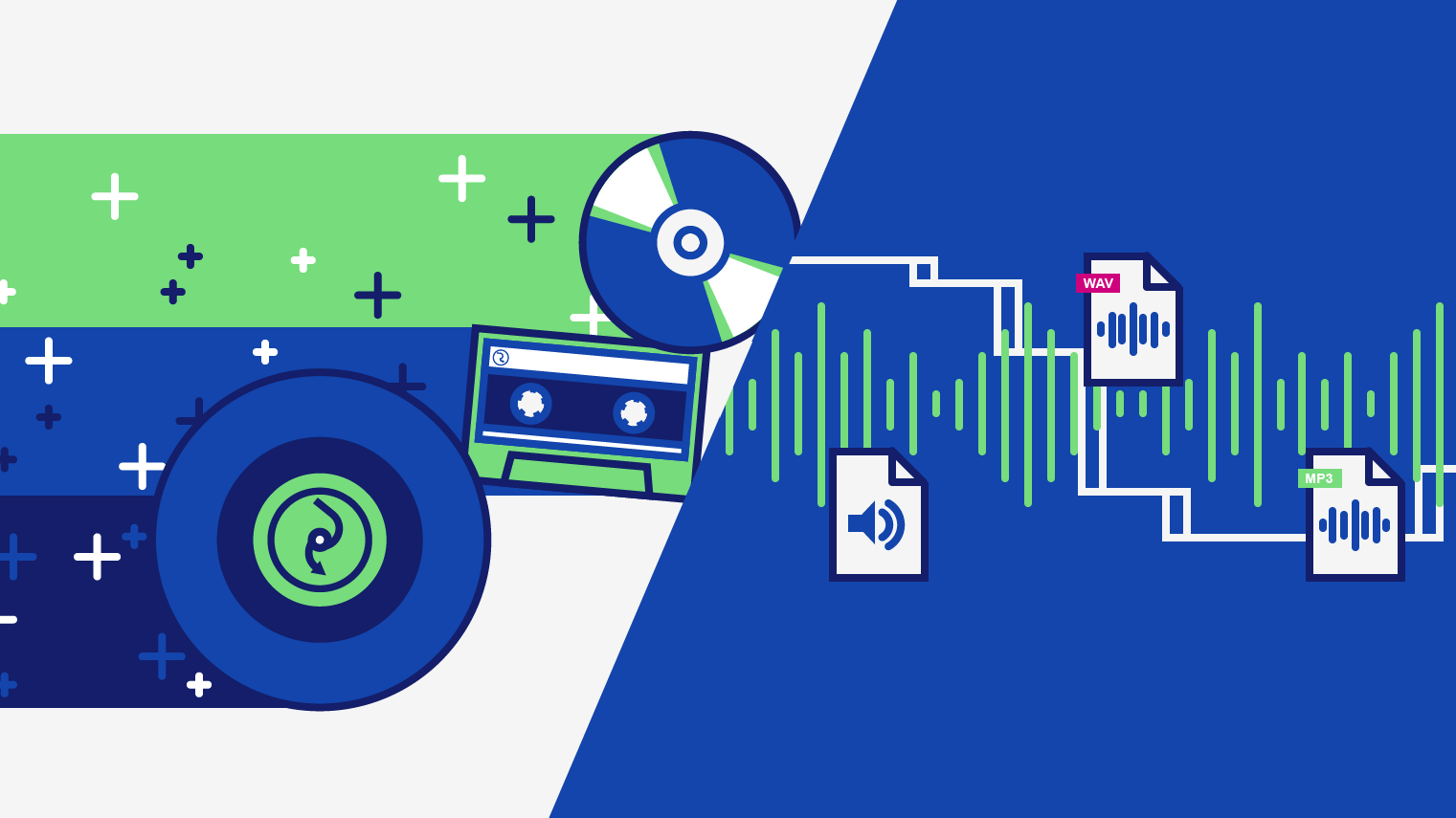
WAV: WAV is a lossless format that is commonly used for storing uncompressed audio data. WAV files are typically very large, but they offer the highest possible audio quality.
MP3: MP3 is a lossy format that is commonly used for storing compressed audio data. MP3 files are much smaller than WAV files, but they may not offer the same level of audio quality.
AAC: AAC is another lossy format that is commonly used for storing compressed audio data. AAC files are typically smaller than MP3 files, and they may offer better audio quality.
FLAC: FLAC is a lossless format that is commonly used for storing compressed audio data. FLAC files are typically smaller than WAV files, but they offer the same level of audio quality.
Bitrates
A bitrate is a measure of the amount of data that is used to represent a digital audio signal. The higher the bitrate, the more data is used, and the higher the quality of the audio. However, higher bitrates also result in larger file sizes.
The optimal bitrate for a digital audio file depends on a number of factors, including the type of audio, the intended use of the file, and the capabilities of the playback device. For example, a high-quality audio file that is intended to be played on a high-end audio system may require a bitrate of 320 kbps or higher. However, an audio file that is intended to be played on a mobile device may only require a bitrate of 128 kbps or lower.
Conclusion
Digital audio is a complex topic, but it is important to understand the basics if you want to get the most out of your digital audio files. By understanding codecs, formats, and bitrates, you can choose the right audio files for your needs and ensure that you are always getting the best possible audio quality.
Here are some additional tips for choosing and using digital audio files:
Choose the right codec for your needs. If you need the highest possible audio quality, choose a lossless codec such as FLAC. If you are looking for a smaller file size, choose a lossy codec such as MP3 or AAC.
Choose the right format for your needs. If you need to store uncompressed audio data, choose a lossless format such as WAV. If you are looking for a smaller file size, choose a lossy format such as MP3 or AAC.
Choose the right bitrate for your needs. The higher the bitrate, the higher the quality of the audio. However, higher bitrates also result in larger file sizes.
Use a high-quality audio player. A good audio player will be able to reproduce the full range of frequencies and dynamics in your digital audio files.
Listen to your audio files in a quiet environment. This will help you to appreciate the full quality of the audio.
Audio signal processing is the process of manipulating digital audio signals. This can be done for a variety of purposes, such as noise reduction, equalization, and compression.
Here are some of the most common digital audio signal processing techniques:
Noise reduction: This technique is used to remove unwanted noise from an audio signal. This can be done using a variety of methods, such as averaging, filtering, and time-domain adaptive filtering.
Equalization: This technique is used to adjust the frequency response of an audio signal. This can be done to improve the sound quality of an audio signal, or to match the frequency response of a speaker system.
Compression: This technique is used to reduce the dynamic range of an audio signal. This can be done to make an audio signal louder, or to save space when storing an audio file.
Digital audio signal processing is a complex and ever-evolving field. However, the basic principles are relatively simple to understand.
Here are some of the most important concepts in digital audio signal processing:
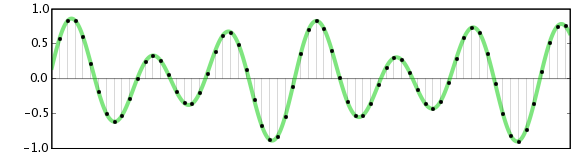
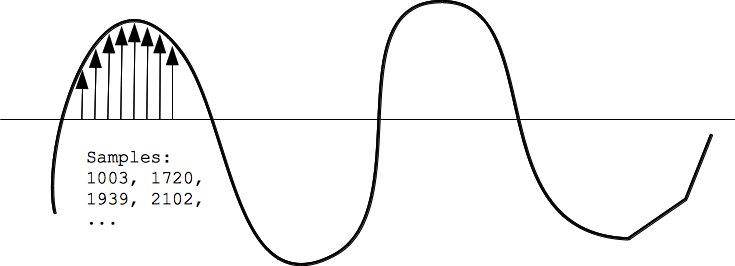
Sampling: This is the process of converting an analog audio signal into a digital signal. This is done by taking a series of measurements of the analog signal at regular intervals.
Quantization: This is the process of rounding the digital values to a finite number of bits. This is done to reduce the amount of data that needs to be stored or transmitted.
Filtering: This is the process of removing unwanted components from an audio signal. This can be done using a variety of methods, such as FIR filters, IIR filters, and wavelet transforms.
Enhancement: This is the process of improving the quality of an audio signal. This can be done using a variety of methods, such as noise reduction, equalization, and compression.
Digital audio signal processing is a powerful tool that can be used to improve the sound quality of audio recordings. It can also be used to create new and exciting sounds.
If you are interested in learning more about digital audio signal processing, there are many resources available online and in libraries.
Frequently Asked Questions
Here are some of the most frequently asked questions about digital audio signal processing:
What is the difference between analog and digital audio?
Analog audio is a continuous signal, while digital audio is a discrete signal. This means that analog audio values can take on any value within a given range, while digital audio values can only take on a finite number of values.
Why is digital audio better than analog audio?
Digital audio is not necessarily better than analog audio. However, digital audio has some advantages over analog audio, such as:
It is less susceptible to noise.
It can be easily stored and transmitted.
It can be easily manipulated using digital audio signal processing techniques.
What are the different types of digital audio formats?
There are many different types of digital audio formats. Some of the most common formats include:
WAV: This is a lossless format that is commonly used for storing uncompressed audio.
MP3: This is a lossy format that is commonly used for storing compressed audio.
AAC: This is another lossy format that is commonly used for storing compressed audio.
FLAC: This is a lossless format that is commonly used for storing high-quality audio.
What are the different types of digital audio signal processing techniques?
There are many different types of digital audio signal processing techniques. Some of the most common techniques include:
Noise reduction: This technique is used to remove unwanted noise from an audio signal.
Equalization: This technique is used to adjust the frequency response of an audio signal.
Compression: This technique is used to reduce the dynamic range of an audio signal.
Enhancement: This is the process of improving the quality of an audio signal.
Conclusion
Digital audio signal processing is a powerful tool that can be used to improve the sound quality of audio recordings. It can also be used to create new and exciting sounds.
If you are interested in learning more about digital audio signal processing, there are many resources available online and in libraries.
Have you ever wondered how digital audio works? How can a computer store and play back sound, which is a continuous wave? The answer lies in digital audio, which is a way of representing sound as data.
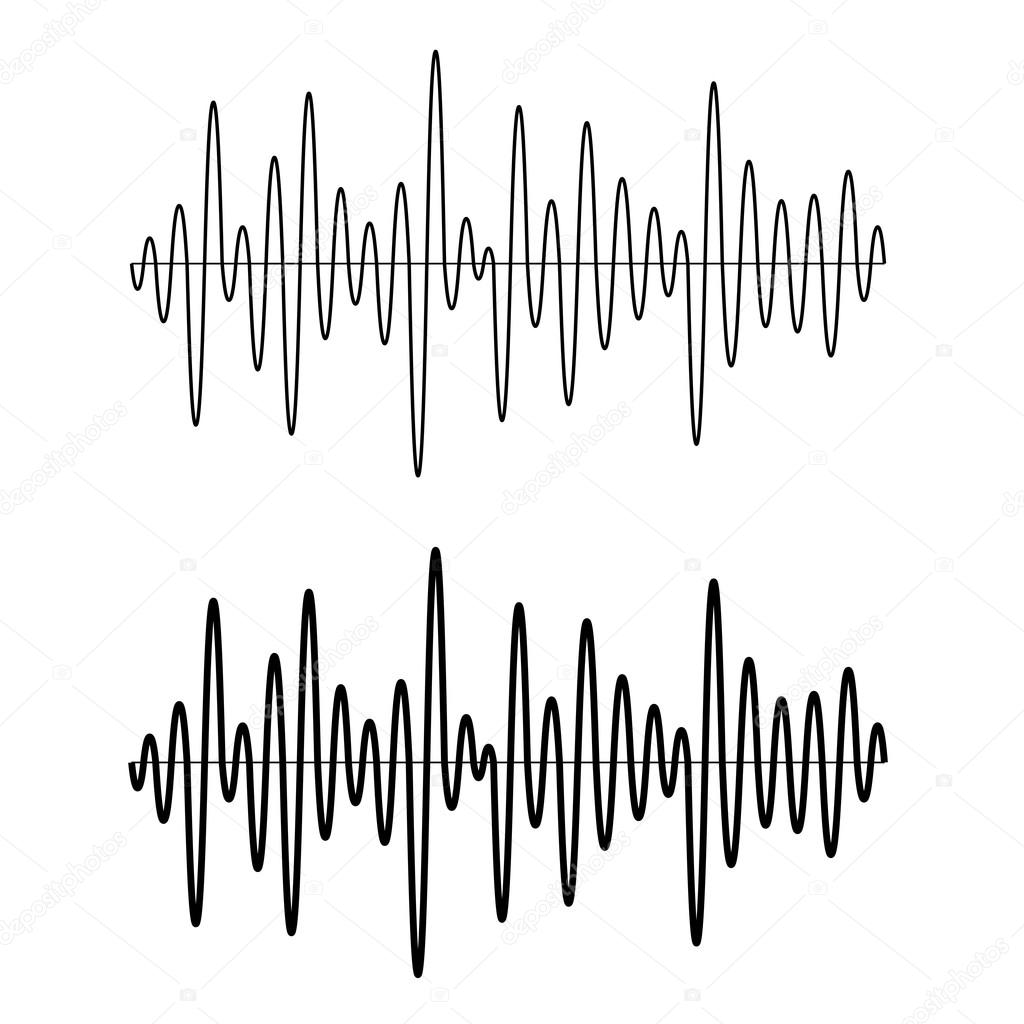
In digital audio, sound is sampled at regular intervals. This means that the computer takes a snapshot of the sound wave at a certain point in time, and then stores that snapshot as data. The more frequently the sound is sampled, the more accurate the digital representation of the sound will be.
Once the sound has been sampled, it can be stored on a computer or other digital device. When the sound is played back, the computer reads the data and uses it to recreate the original sound wave.
Digital audio has many advantages over analog audio, which is the traditional way of storing and playing back sound. Digital audio is more accurate, it can be stored in smaller files, and it is less susceptible to noise and distortion.
Digital audio is also more versatile than analog audio. It can be easily edited, mixed, and mastered. It can also be stored and played back on a variety of devices, including computers, smartphones, and MP3 players.
How Digital Audio Works
Here is a more detailed explanation of how digital audio works:
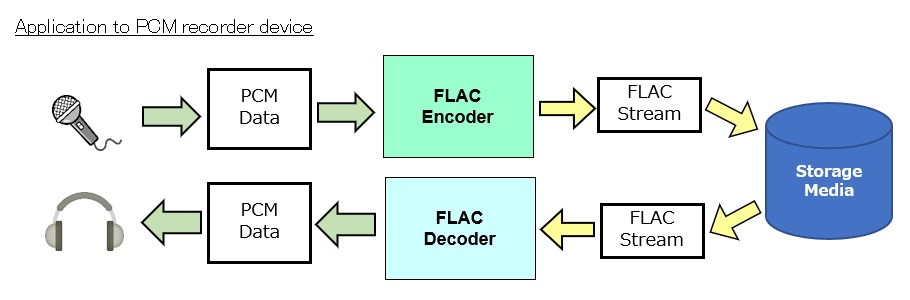
The sound wave is first converted into an electrical signal. This is done by a microphone.
The electrical signal is then sampled at regular intervals. This is done by an analog-to-digital converter (ADC).
The samples are then stored as data. This can be done on a computer, a hard drive, or a CD.
When the sound is played back, the data is read from the storage device and converted back into an electrical signal. This is done by a digital-to-analog converter (DAC).
The electrical signal is then amplified and sent to a speaker.
The speaker converts the electrical signal back into sound waves, which are then audible to the listener.
The Benefits of Digital Audio
There are many benefits to using digital audio. Some of the most important benefits include:
Accuracy: Digital audio is more accurate than analog audio. This is because the sound is sampled at regular intervals, which ensures that the data is a true representation of the original sound wave.
Size: Digital audio files are much smaller than analog audio files. This is because the data is stored in a compressed format.
Versatility: Digital audio is more versatile than analog audio. It can be easily edited, mixed, and mastered. It can also be stored and played back on a variety of devices.
The Future of Digital Audio
Digital audio is the future of sound recording and playback. It is more accurate, smaller, and more versatile than analog audio. As technology continues to evolve, digital audio will become even more popular.
Conclusion
Digital audio is a powerful technology that has revolutionized the way we listen to music. It is more accurate, smaller, and more versatile than analog audio. As technology continues to evolve, digital audio will become even more popular.





Comments:
Comment: I never realized how much detail gets lost in other formats until I switched to FLAC. It’s like hearing my favorite songs for the first time!
Author: SonicExplorer
Comment: This article opened my eyes to the world of FLAC. I had no idea it was so versatile and accessible. Great read!
Author: MusicLover123
Comment: I’d love to see a follow-up article on the best devices and software for enjoying FLAC to the fullest.
Author: TechEnthusiast
Comment: FLAC is like a hidden treasure in the world of music. I’m excited to explore it further now!
Author: AudioAdventurer
Comment: This article made me appreciate the environmental aspect of FLAC. It’s a win-win for my ears and the planet!
Author: EcoListener